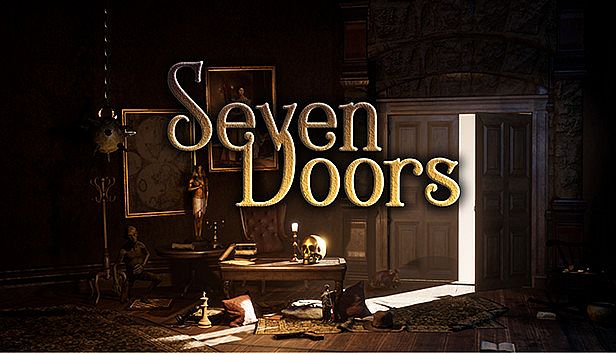















Seven Doors is a first-person puzzle adventure game developed as an indie title for PC. Players navigate a series of enclosed spaces where the focus rests entirely on solving interconnected riddles and avoiding hazards across seven distinct settings.
Gameplay
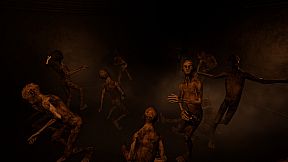
The core loop centers on observation and logical deduction within compact three-dimensional rooms. Each area presents a self-contained challenge that requires interpreting symbols, aligning objects, or decoding patterns to progress. Controls remain straightforward, allowing direct interaction with the environment through standard movement and selection mechanics. Puzzles vary in approach from one room to the next, incorporating elements such as spatial navigation, item pairing, and language-based ciphers without any overarching narrative to follow. The experience emphasizes precision over speed, with traps that punish incorrect assumptions and reward careful examination of visual and auditory cues.
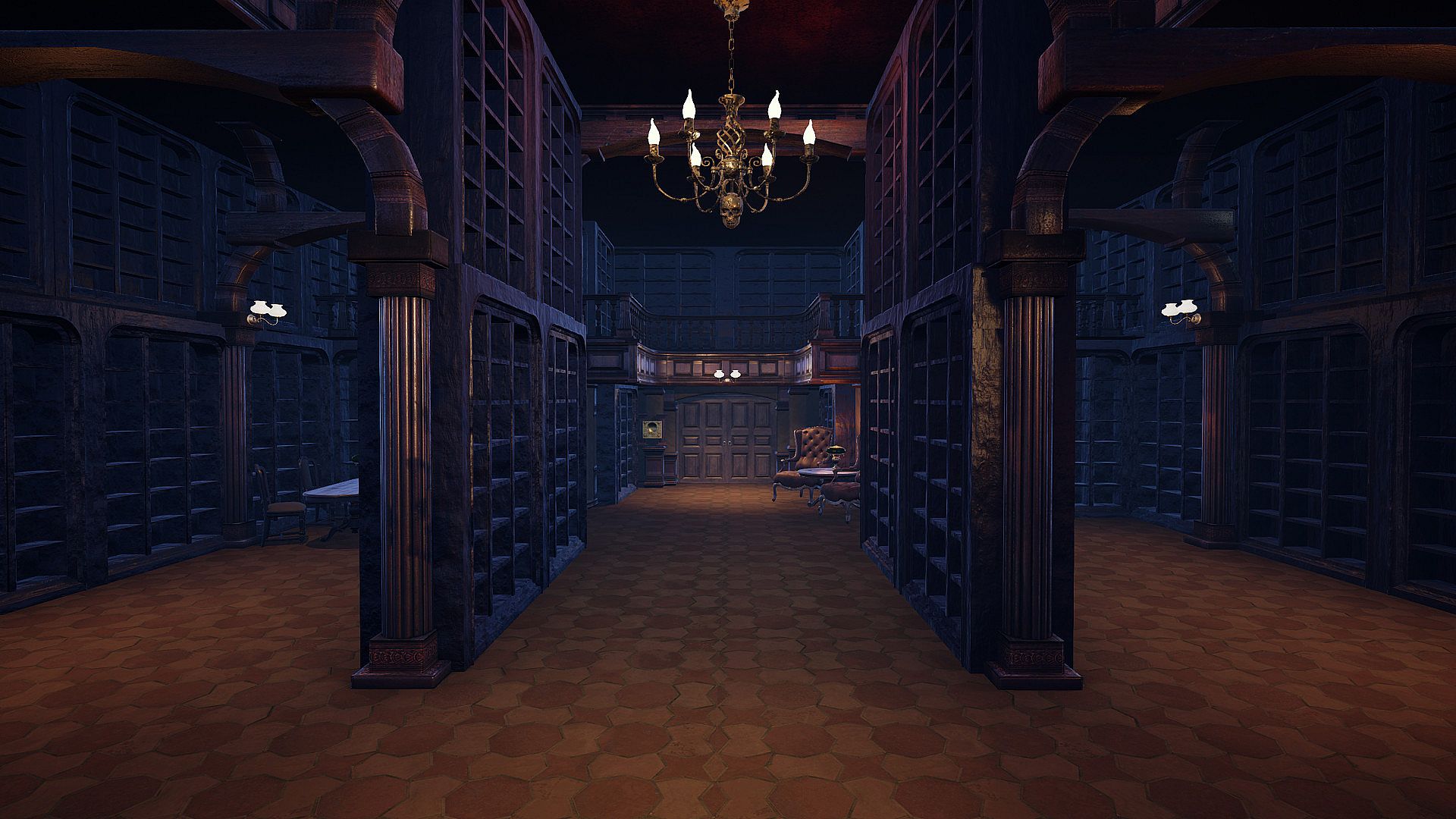
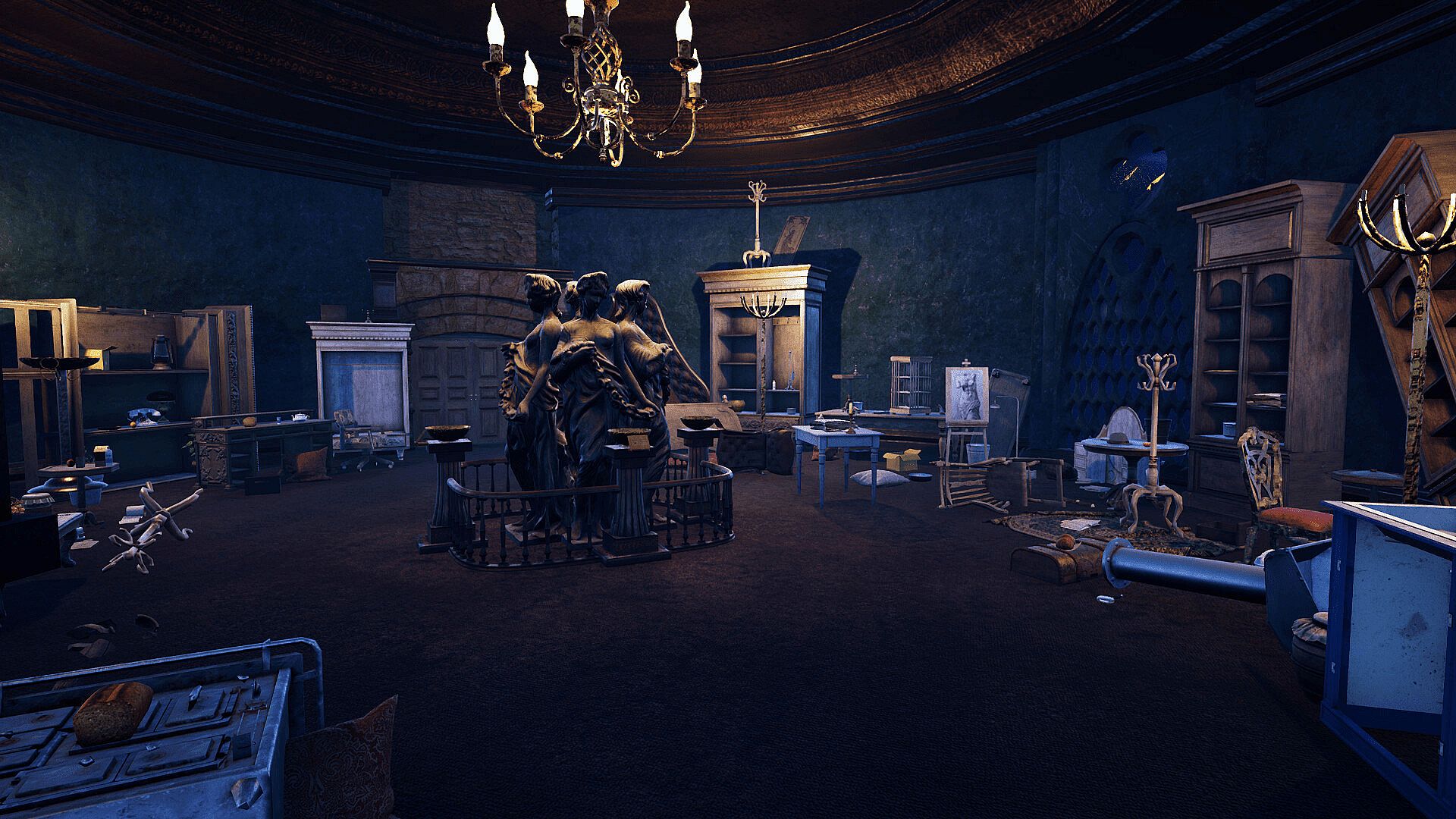
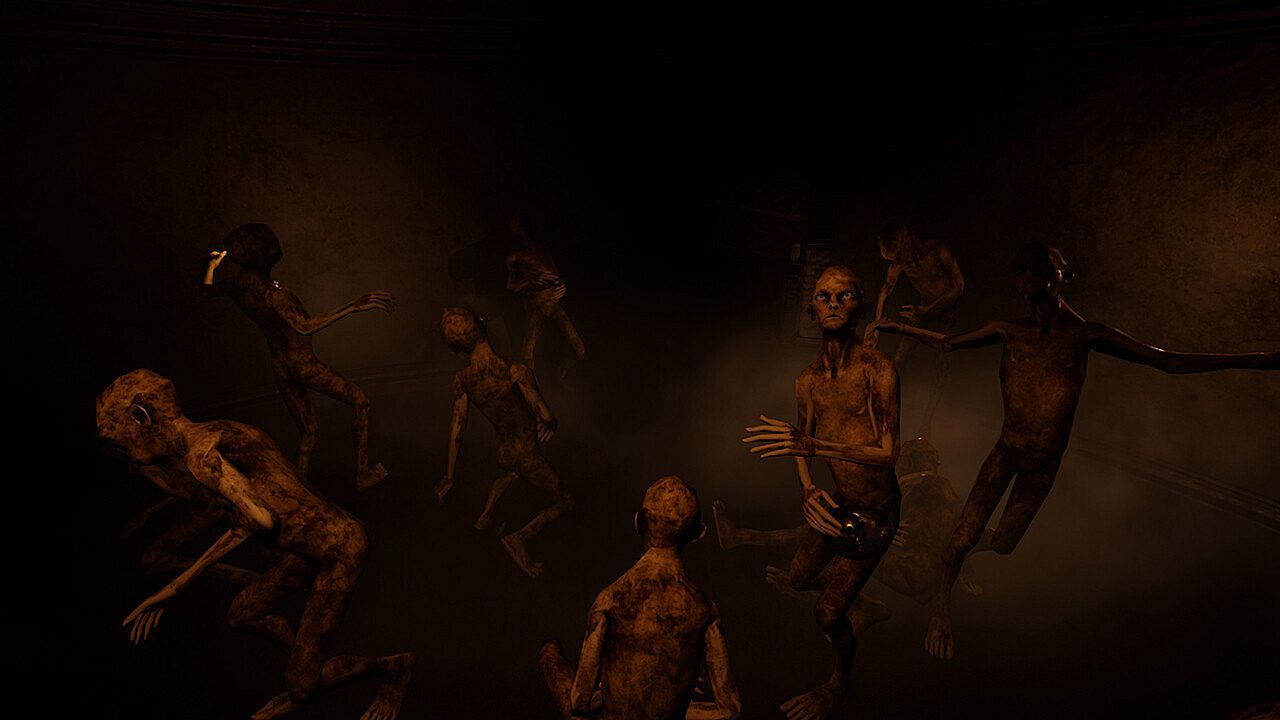
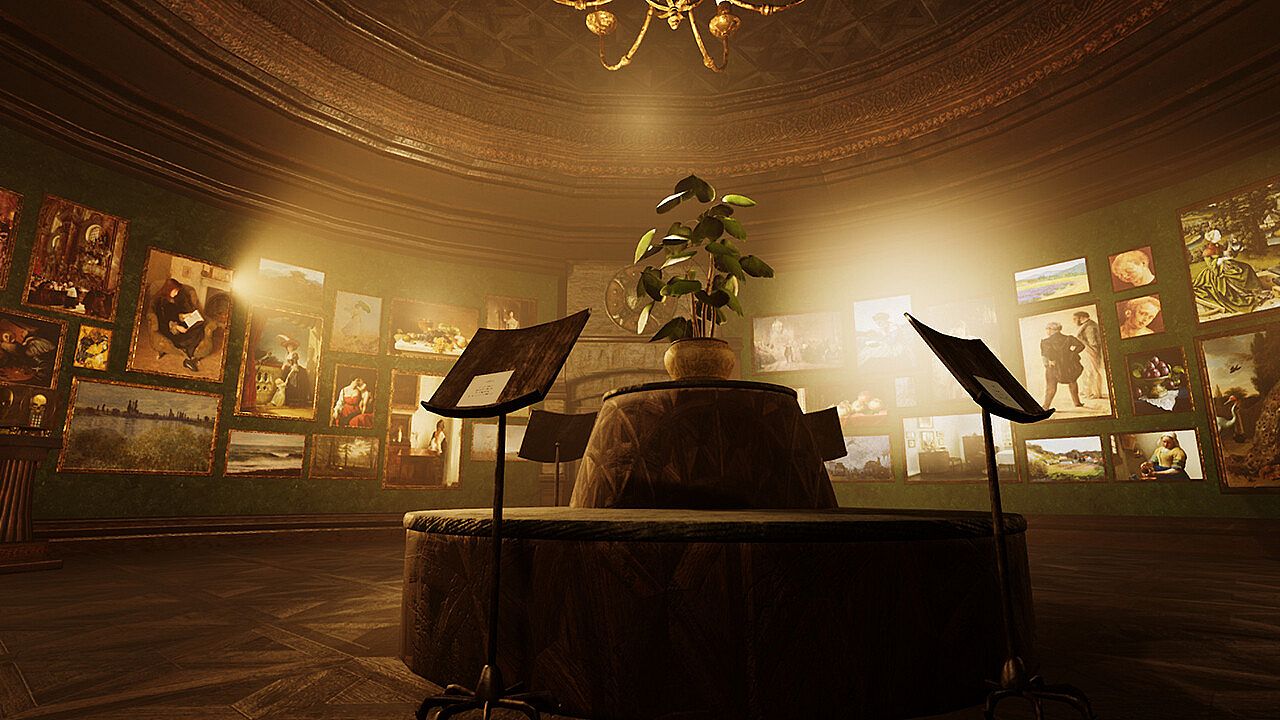
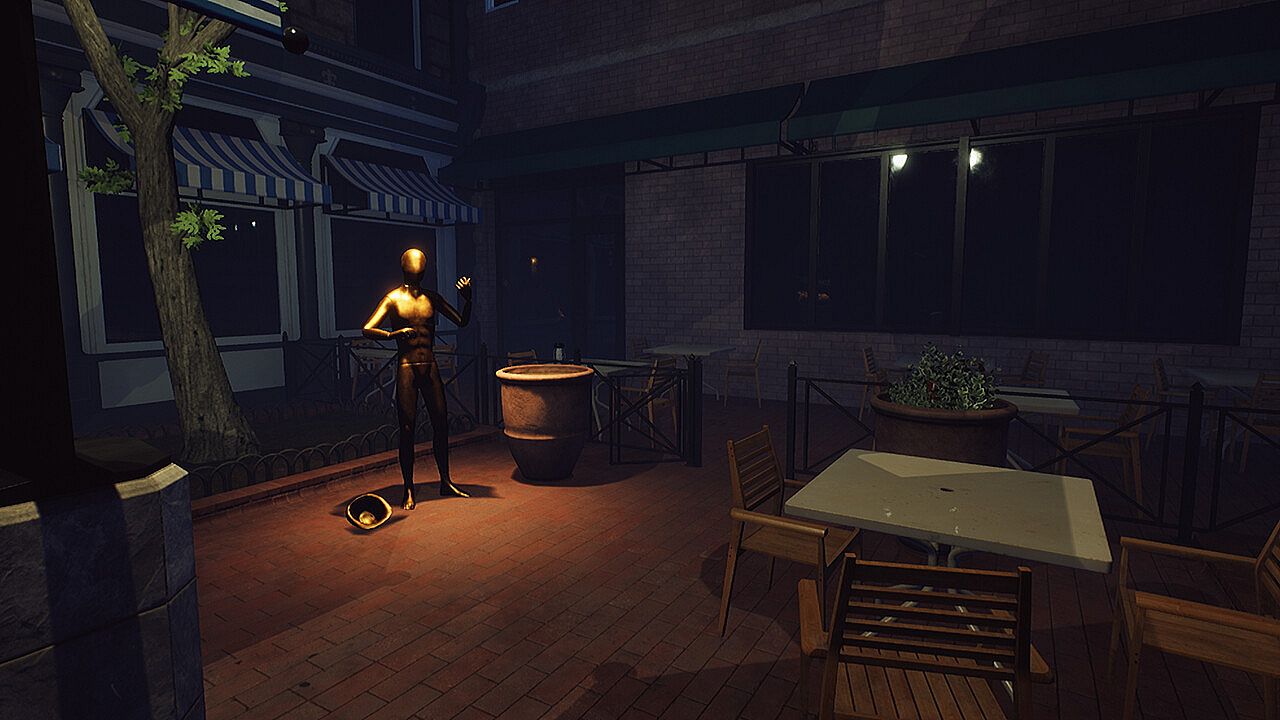
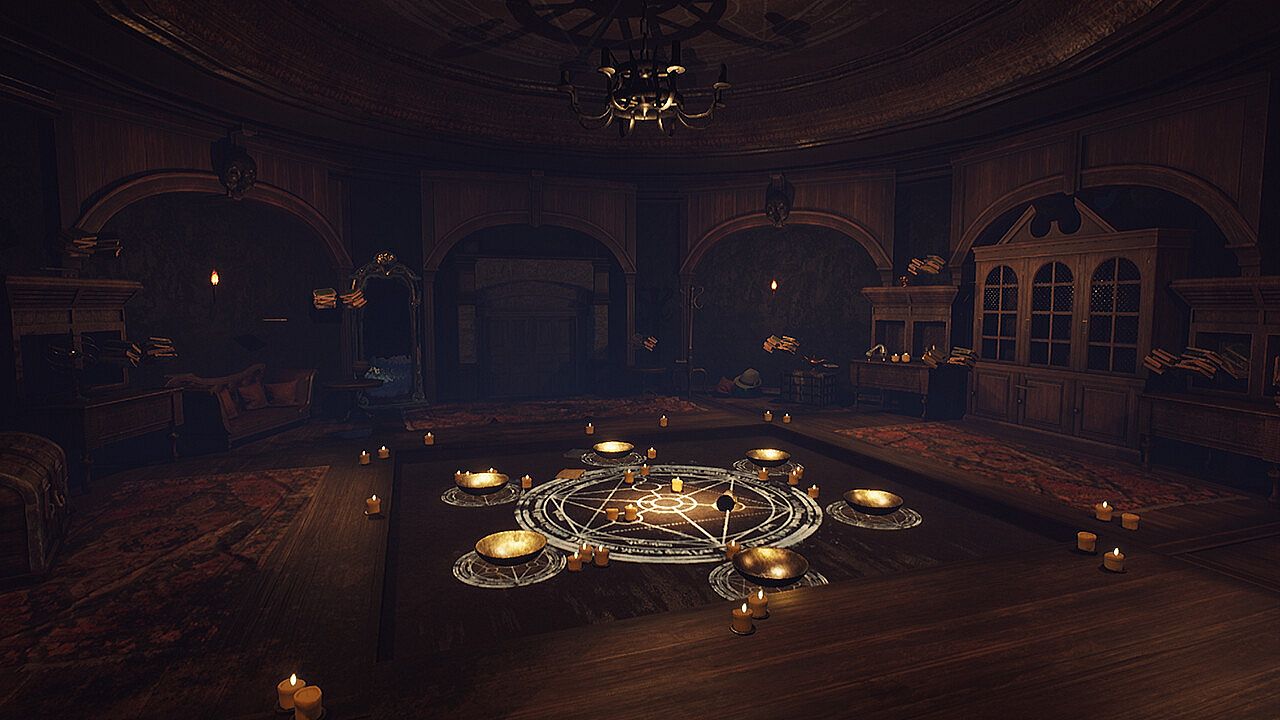
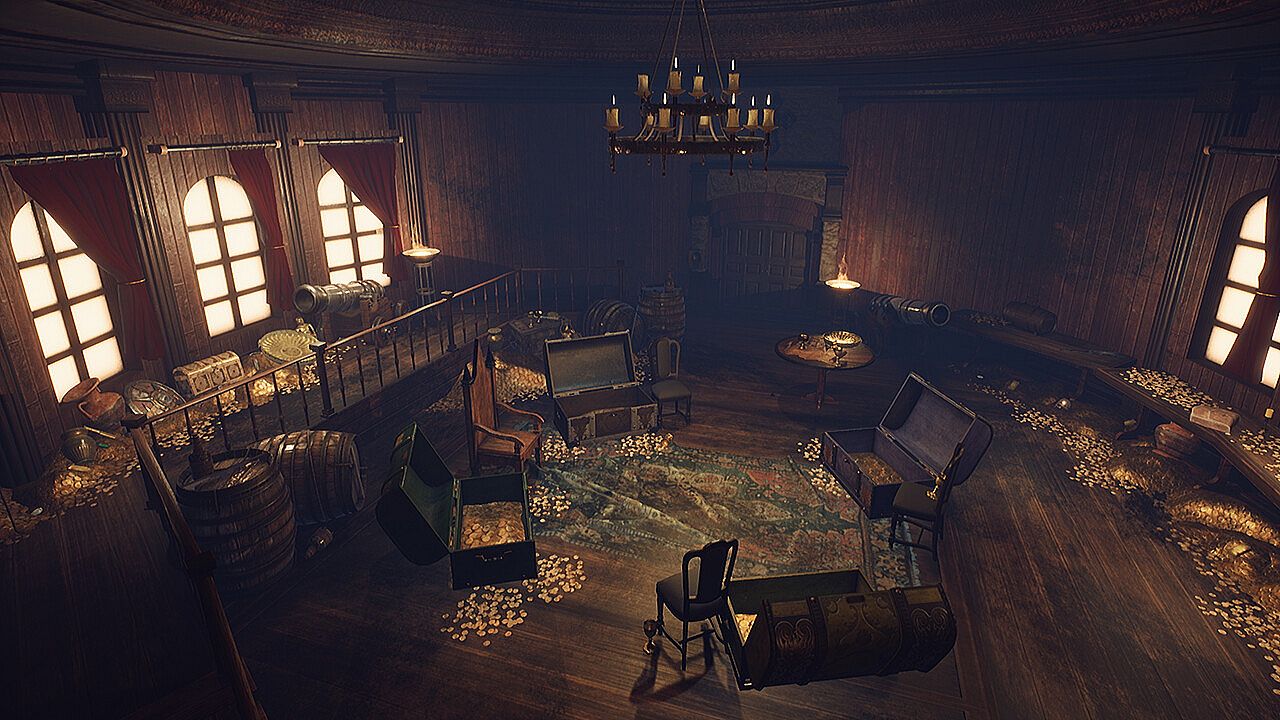
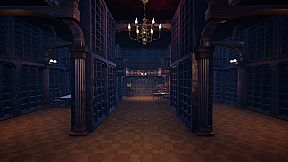
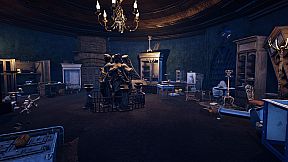
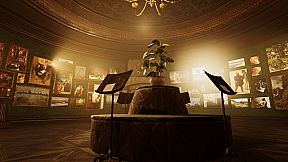
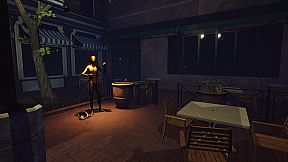
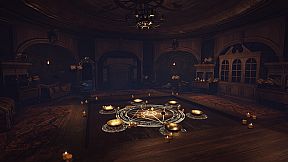
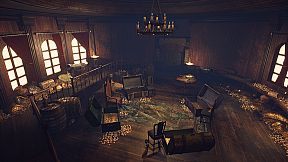
Sound design plays a supporting role through an atmospheric score that underscores tension during problem-solving sessions. Environments shift noticeably between sections, ranging from ornate historical interiors to abstract geometric layouts, ensuring no two challenges feel repetitive in presentation. The game runs at a deliberate pace suited to focused sessions rather than extended play, with mechanics that test pattern recognition and lateral thinking in equal measure.
Game Modes
Seven Doors operates as a single continuous sequence divided into seven primary sections, each tied to one door and its associated atmosphere. There are no separate selectable modes or branching paths; progression follows a linear order through the enigmas. The structure encourages replay for those seeking missed details or alternative solutions within the same rooms, though the core sequence remains fixed. An additional layer of hidden elements appears after the final door in the version described, extending the puzzle content beyond the main seven challenges for players who complete the initial sequence.
The game suits solo sessions or shared viewing with others, as the puzzle nature allows discussion of clues without requiring simultaneous input from multiple participants. No competitive or cooperative variants exist beyond this shared observation approach.
Environments and Puzzles
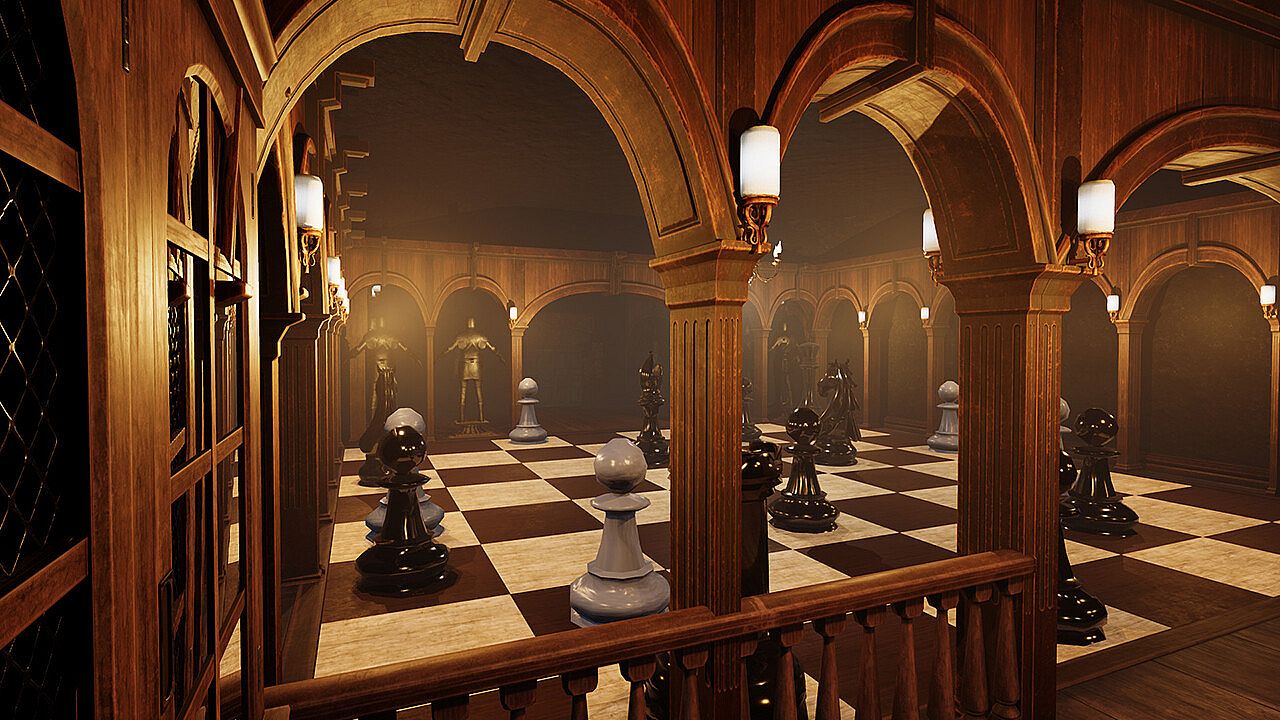
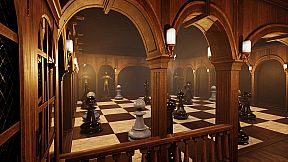
Each of the seven doors opens into a unique setting that shapes the puzzle design. One area draws from baroque aesthetics with intricate details that hide mechanisms, while another adopts a chessboard motif where spatial positioning becomes central to solutions. Additional atmospheres introduce varied visual languages and trap layouts, all confined to small explorable volumes that prioritize deduction over free movement. Puzzles integrate the surroundings directly, such as using architectural features for alignment tasks or interpreting decorative motifs as code.
Difficulty scales with the need to combine multiple observations, though individual challenges remain accessible without external guides. The absence of inventory management or character progression keeps attention on the immediate environment and its interactive elements.
Is It Worth Playing?
Seven Doors delivers a compact puzzle experience best suited to players who enjoy short, self-contained challenges without story elements or expansive worlds. Its mixed reception stems from the brevity, with completion times often falling between thirty minutes and two hours depending on puzzle familiarity. Those seeking an evening of focused riddle-solving will find the varied room designs and soundtrack supportive of that intent, particularly if they appreciate atmospheric presentation over length or replay depth.
The title stands as a straightforward option for puzzle enthusiasts on PC, with no ongoing updates or seasonal content altering the original structure. It provides clear value for its scope when priced accessibly, though individuals preferring longer campaigns or multiplayer systems may find the limited scope less engaging. The editor's choice recognition highlights its strengths in puzzle variety within the indie space.