







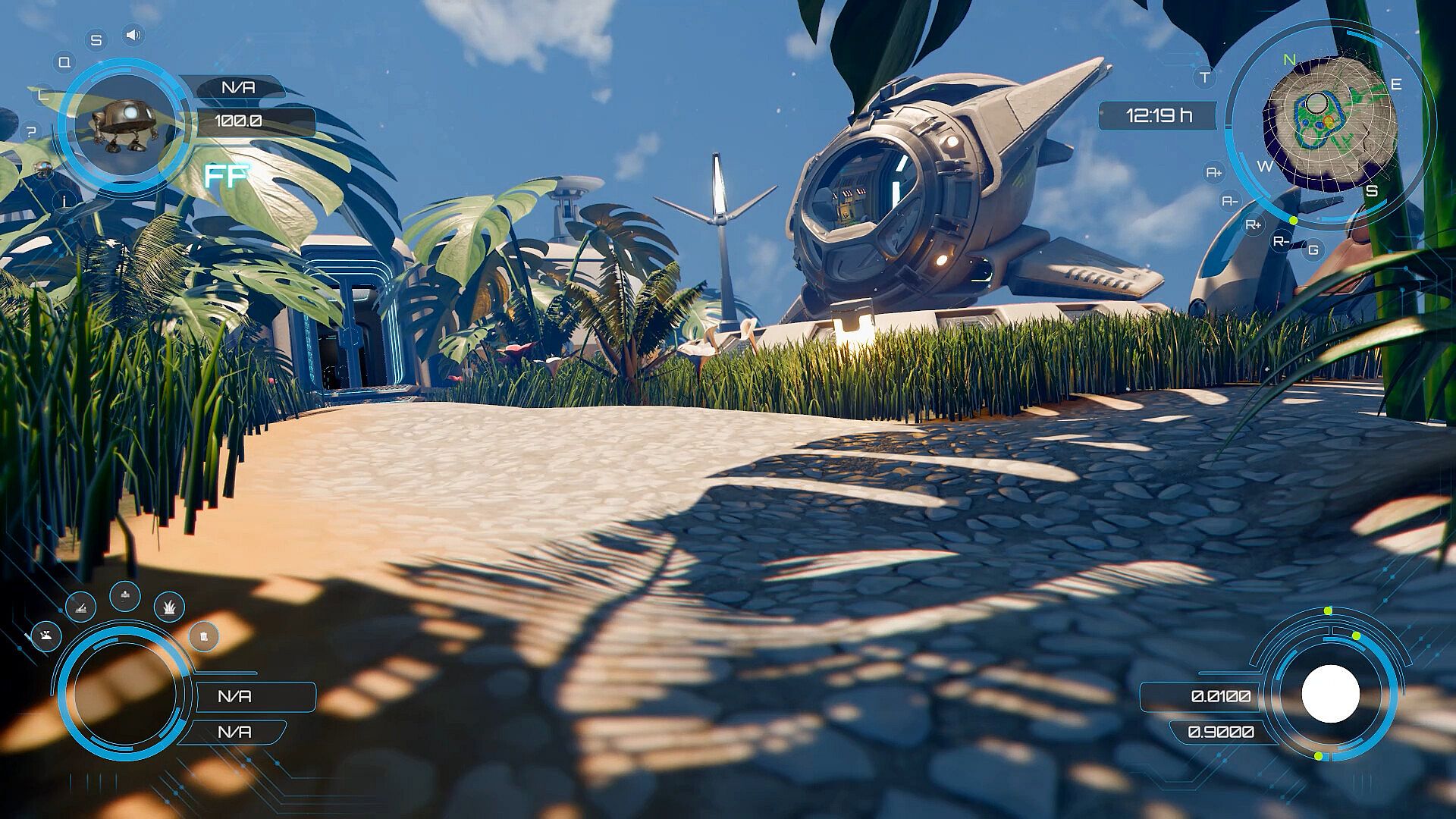
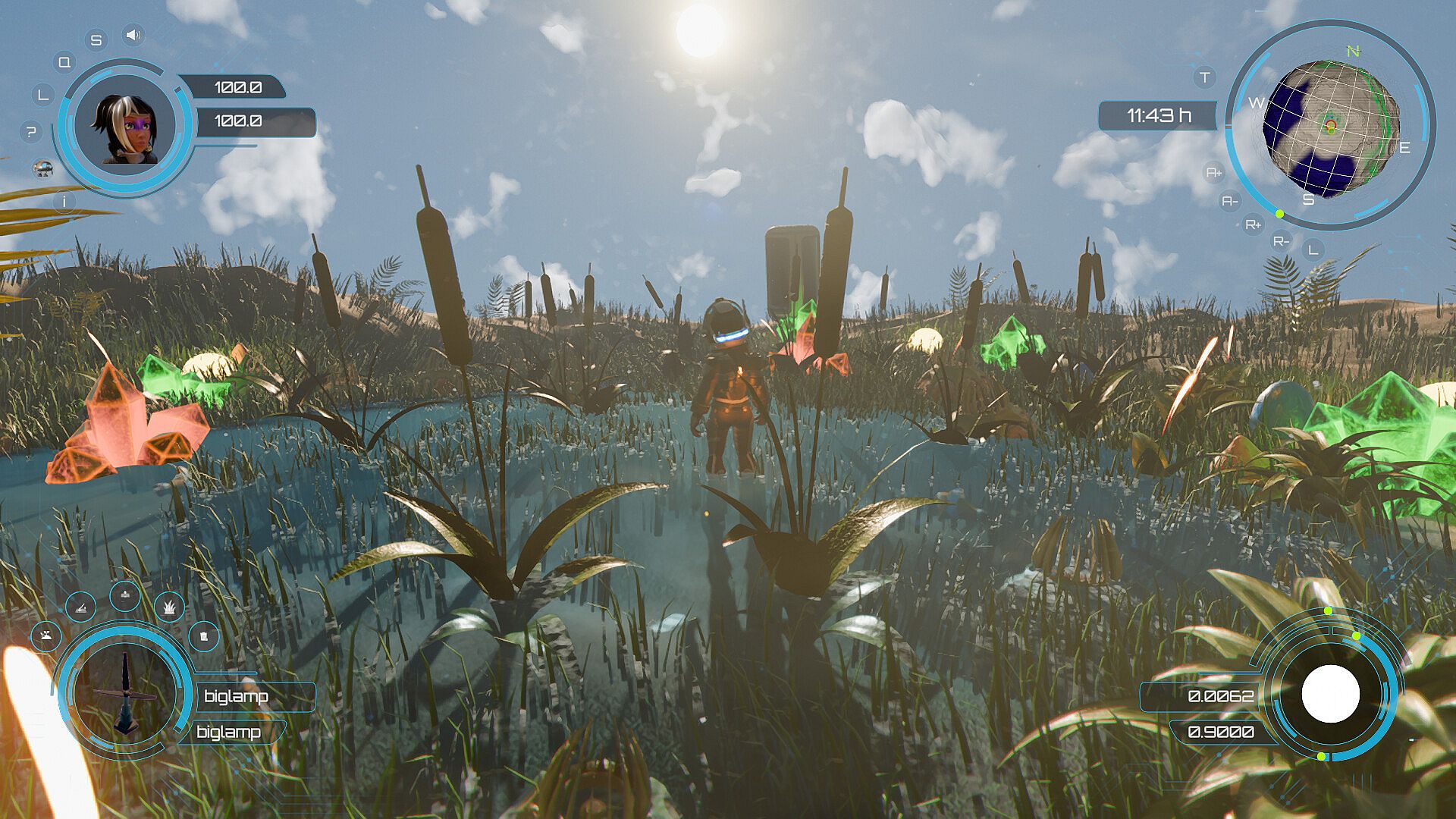
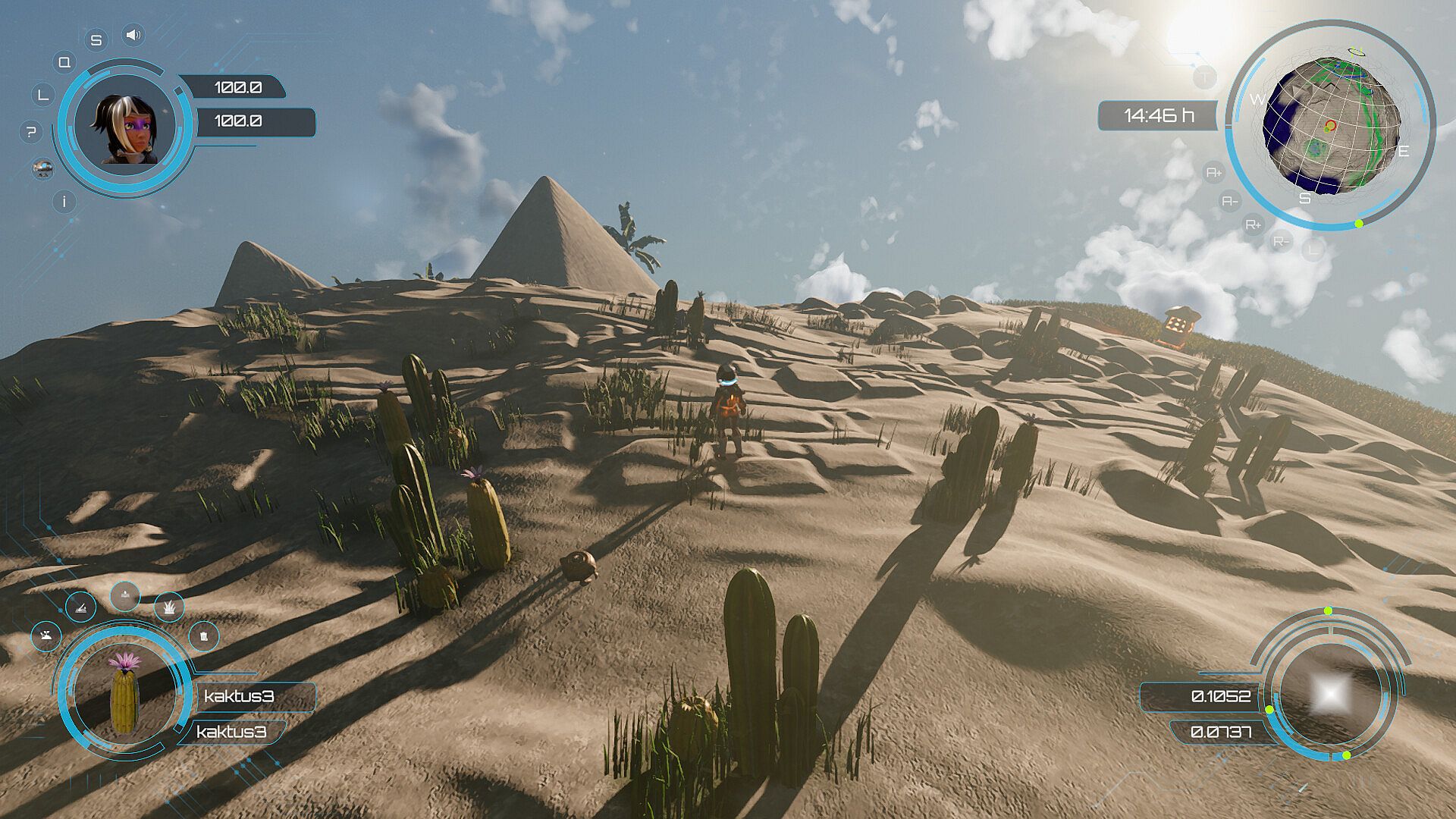
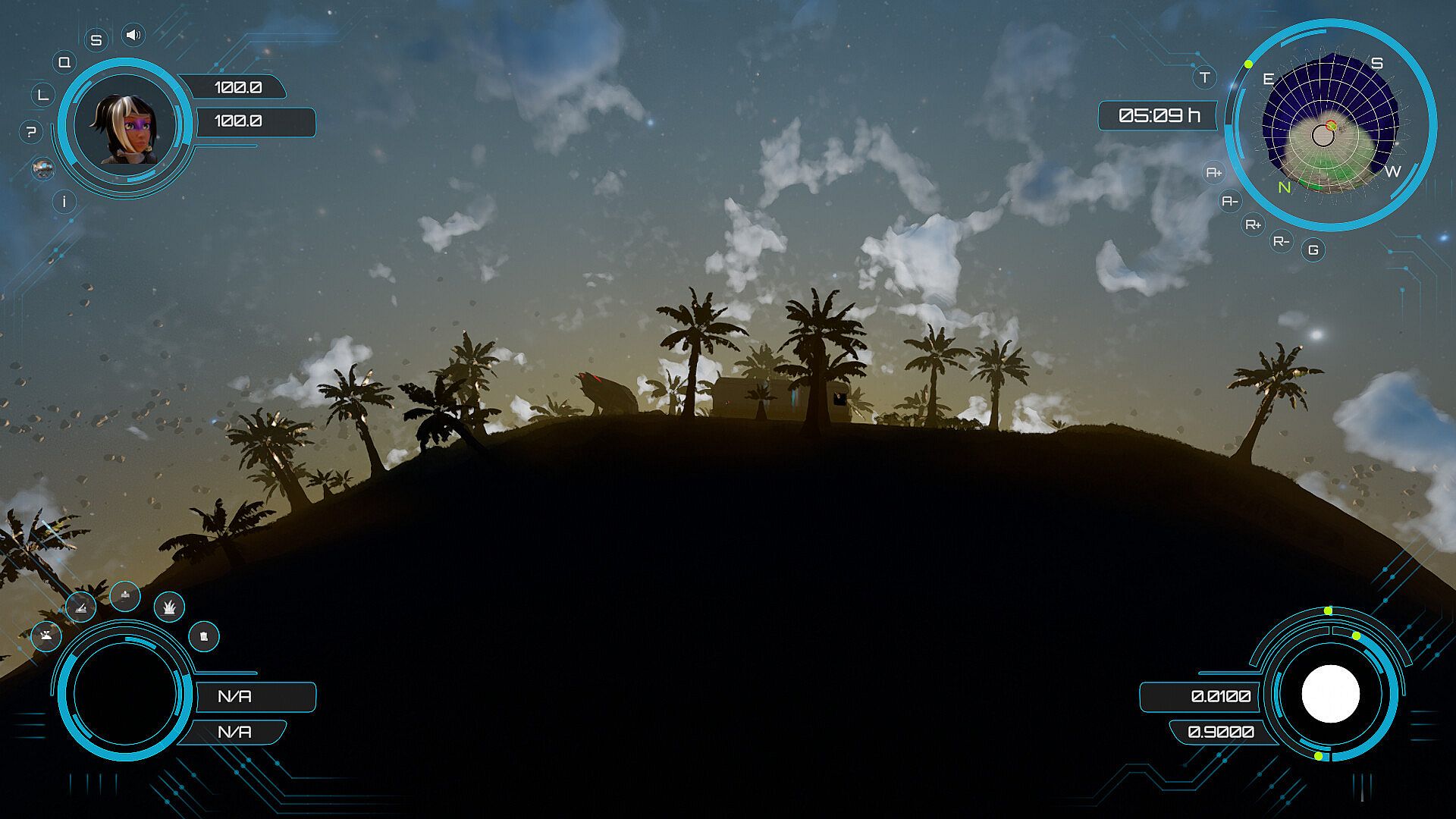




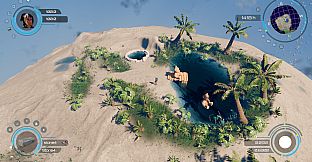
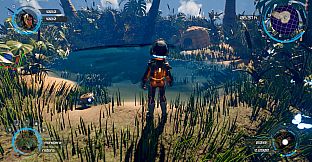

SEEDS - Echoes Beneath the Sands is an indie simulation game built around terraforming a barren exoplanet into a living ecosystem. Developed by a small team of three, it enters Early Access on PC in October 2026 as an open-ended sandbox focused on reshaping terrain, managing resources, and building machines that support plant growth and animal life.
Gameplay
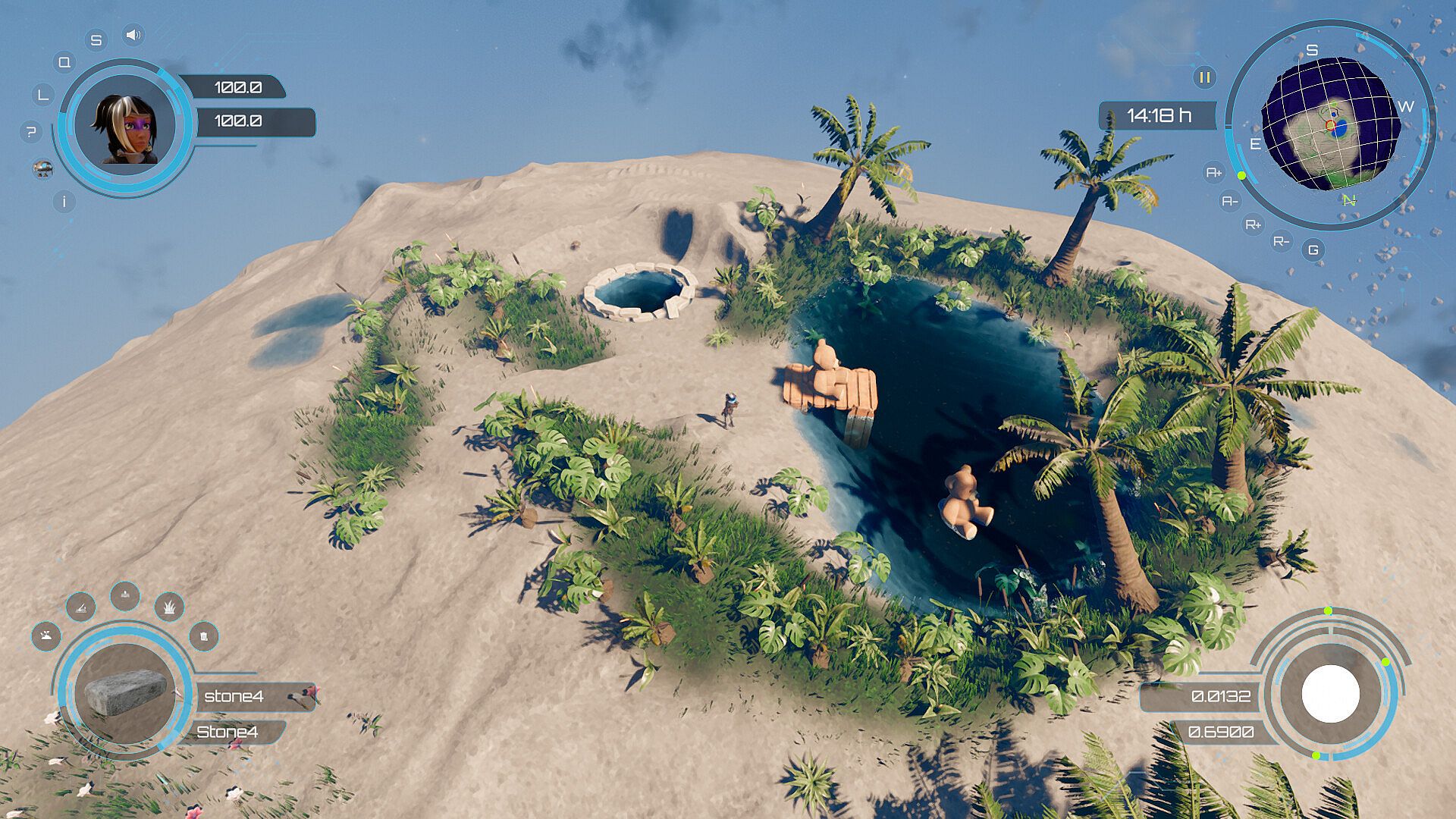
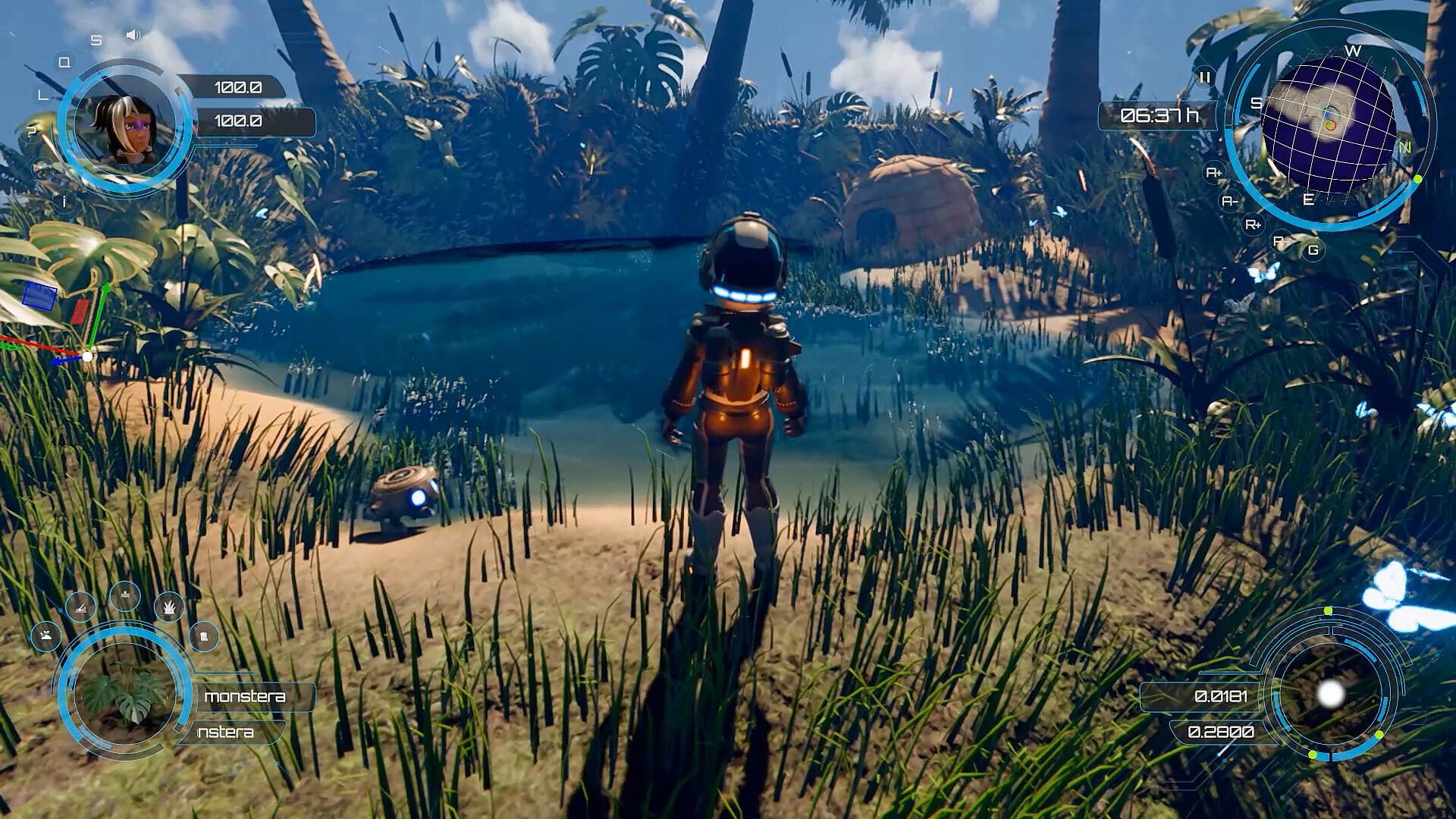
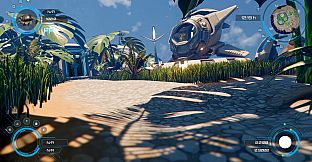
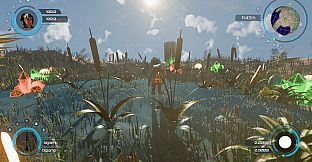
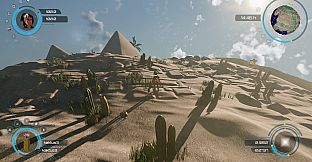
The core loop centers on transforming a desolate world through direct player actions. Terraforming tools allow reshaping the surface to create valleys, dunes, ponds, rivers, and bridges while directing the flow of water and nutrients. Machines deployed across the landscape restore atmosphere, water cycles, and soil conditions that enable vegetation to take hold and spread naturally over time.
Resource collection feeds construction from available blueprints. Players gather materials to assemble devices that sustain the emerging environment. Decorative elements and home base customization add personal touches, while a hoverboard provides ground travel and a spaceship enables exploration of the planet and nearby asteroid belt. Plants and flowers grow according to placement and conditions, forming the foundation of an ecosystem that evolves based on these choices.
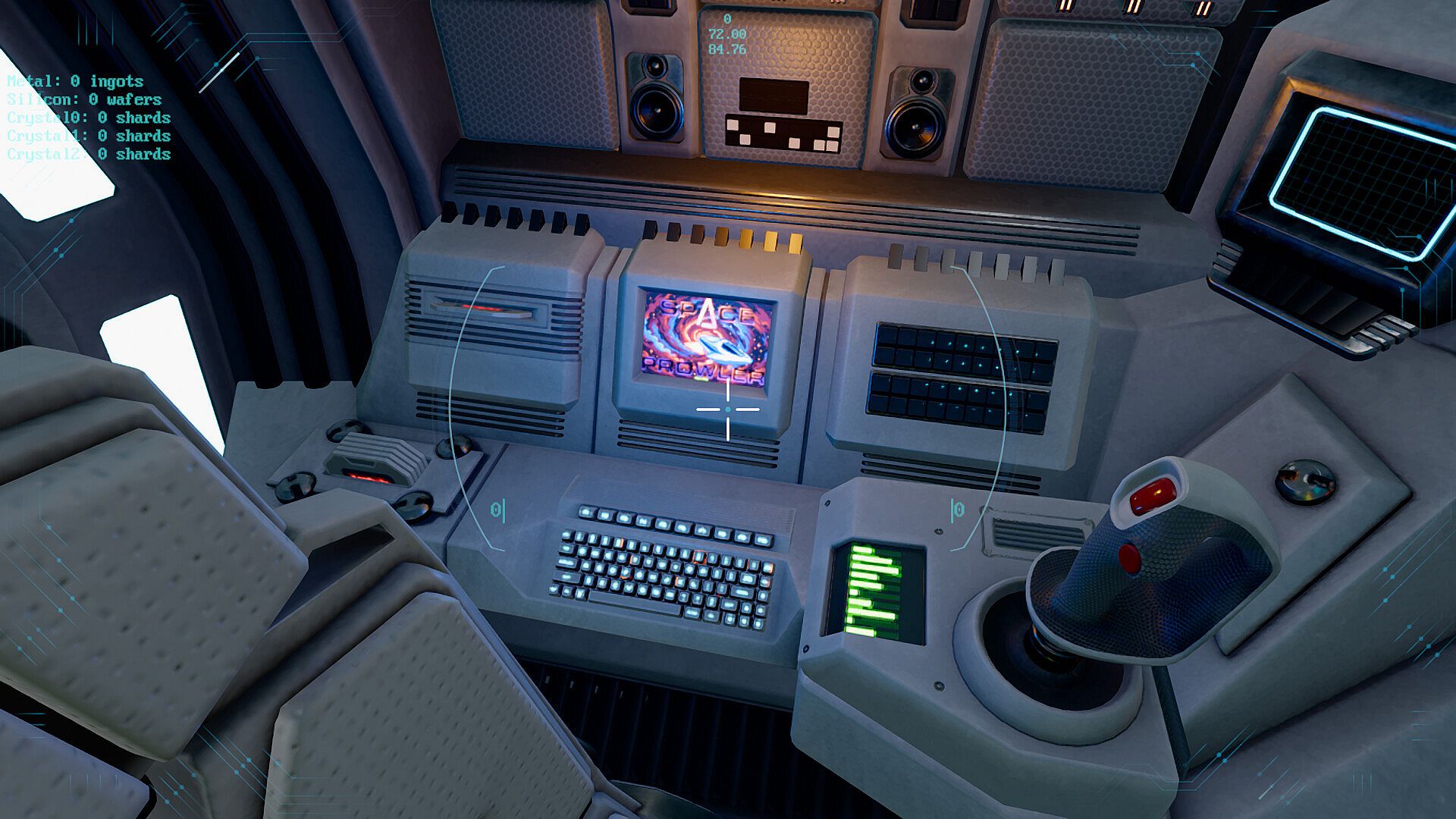
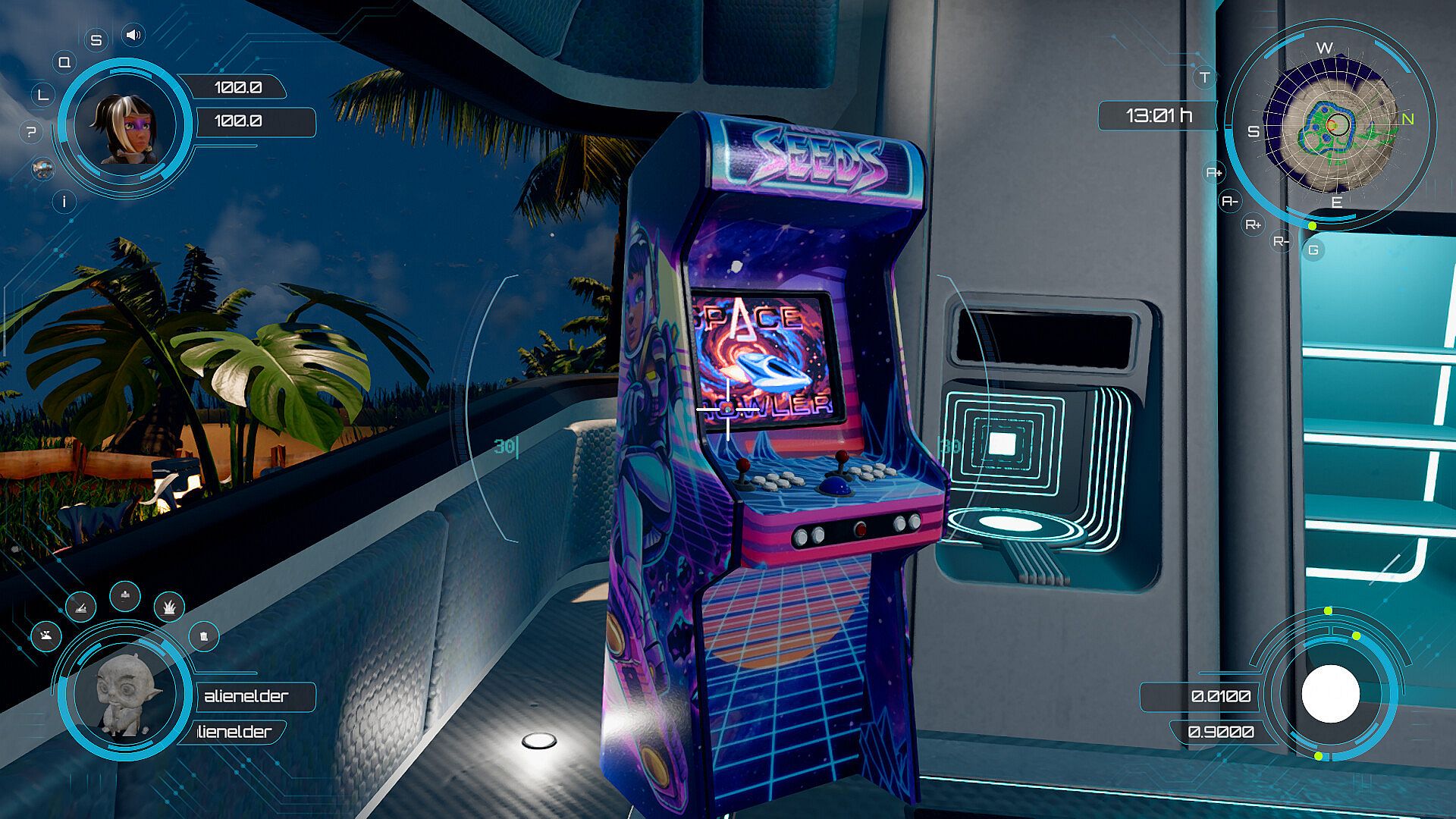
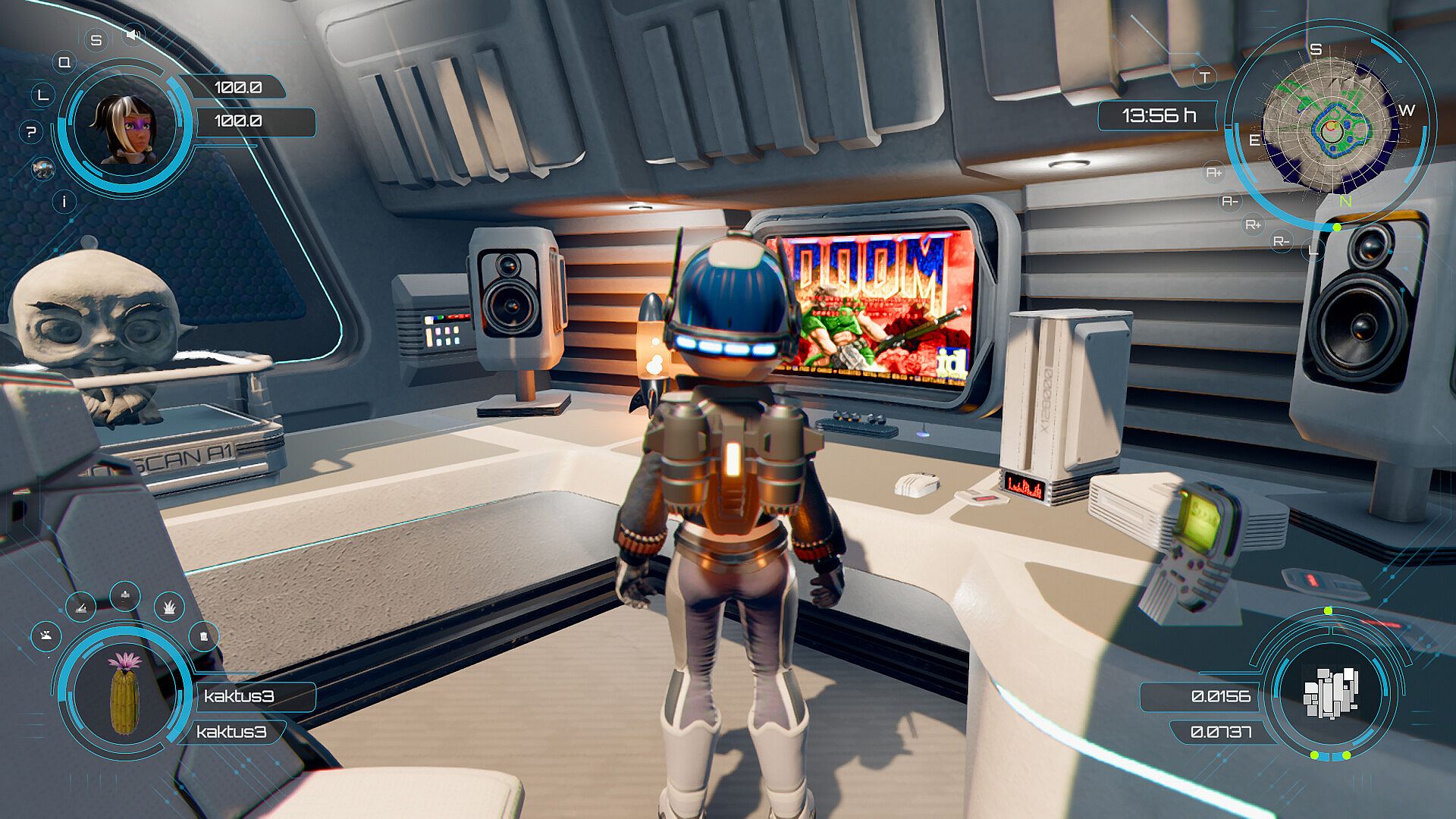
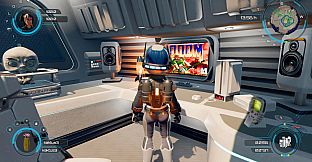
A standout feature is the in-game virtual machine. This fully emulated 64-bit RISC-V system runs a customized Linux environment inside the game. It powers interfaces for stats, mapping, and machine controls. Players can also run unmodified Linux distributions, play built-in titles such as chess, Cylindix, Space Prowler, and Polygon Legacy, or write their own programs and games to execute on the virtual hardware.
Game Modes
Early Access launches with a single primary experience: the open sandbox. In this mode players freely experiment with terrain editing, machine placement, resource gathering, and ecosystem development without time limits or mandatory objectives. The sandbox supports both peaceful creation and optional challenges.
Defensive elements can be enabled to introduce hazards including asteroid impacts along with drone and alien threats. These features remain entirely optional, preserving a pure creative session for those who prefer it. No other named modes are active at launch.
Future plans include a story mode that layers narrative discovery, hidden civilization elements, and progressive research onto the existing systems. Co-op support and additional planets are also under development but not present in the initial Early Access build.
Development and Technical Details
The game runs on the studio's own PasVulkan engine and incorporates their PasRISCV emulator for the virtual machine. Both tools are released as free and open-source software. This in-house approach allows tight integration between the simulation systems and the emulated computing environment inside the game world.
Players interact with the virtual machine through a framebuffer console that supports standard Linux tools and custom scripting. This opens possibilities for automating terraforming tasks, creating monitoring utilities, or simply enjoying retro-style games within the larger simulation.
Is It Worth Playing?
SEEDS targets players who enjoy deliberate, long-term creative projects in simulation sandboxes. The Early Access version delivers immediate access to core terraforming, ecosystem building, and the unique virtual machine features without requiring purchase of additional content.
Those drawn to peaceful world-building will appreciate the option to disable all hazards and focus solely on growth and customization. Players interested in light technical experimentation gain extra depth from programming on the in-game RISC-V system. The small-team development emphasizes personal passion for the tools and systems, which shows in the detailed implementation of the virtual hardware.
Because the game remains in active Early Access with planned expansions including story content, it suits individuals comfortable with iterative updates and community feedback shaping future direction. The peaceful sandbox already provides substantial creative freedom, while optional defensive layers add replay variety for those who want it.











