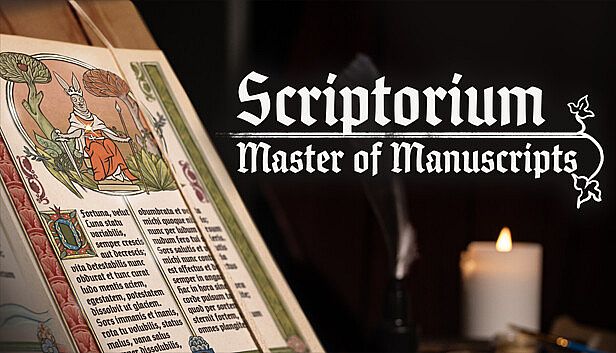





















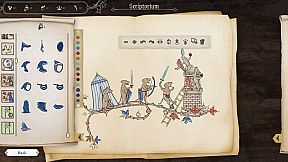
Scriptorium: Master of Manuscripts is an indie casual simulation game set in a medieval world where players step into the role of a scribe running their own illuminated manuscript workshop. The experience centers on creative illustration using authentic medieval-inspired artwork, combined with light workshop management and storytelling elements through client interactions. Single-player only, the title emphasizes relaxed creativity without timers or competitive pressure, appealing to those who enjoy building personal projects in a cozy environment.
Gameplay
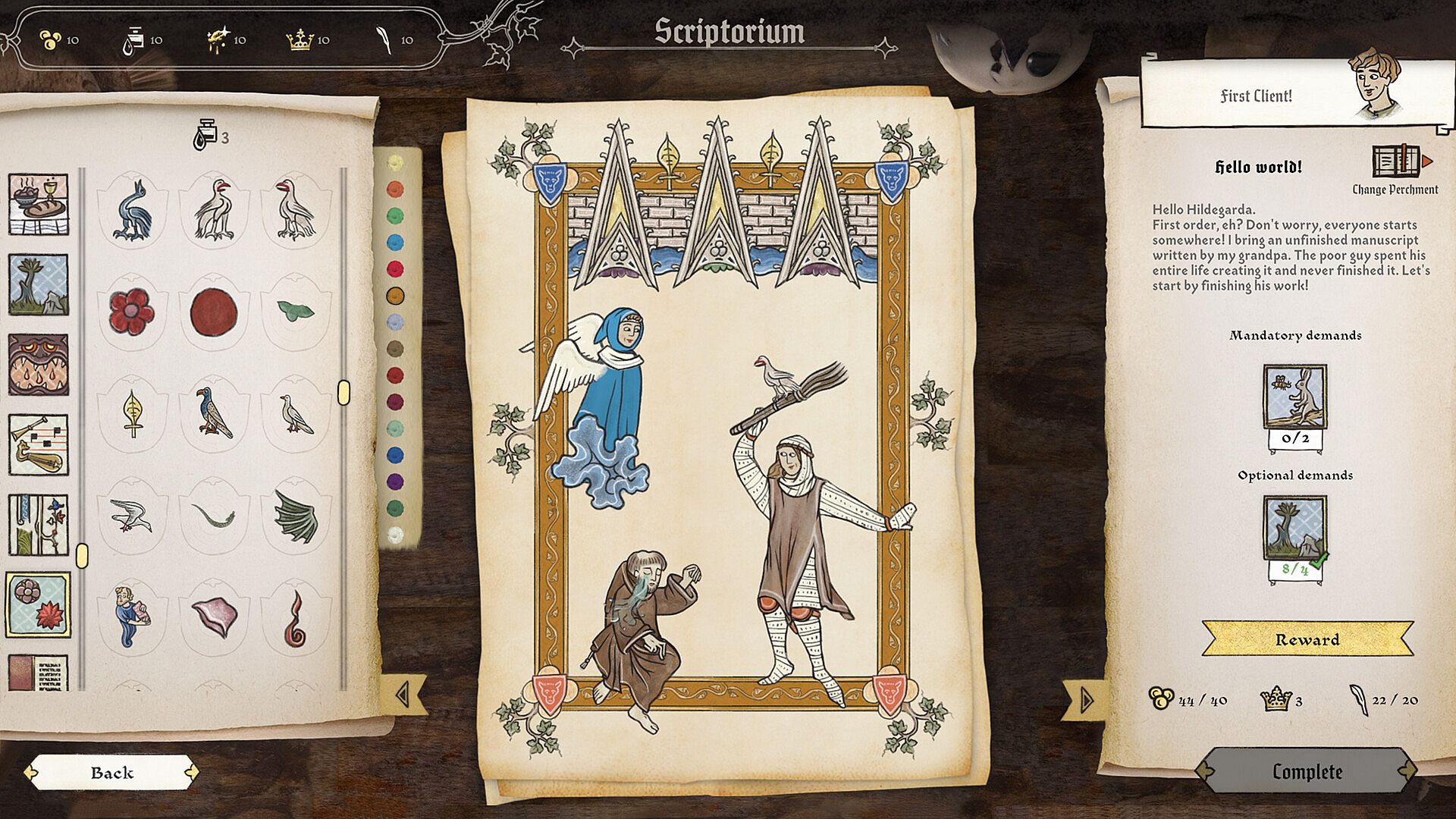
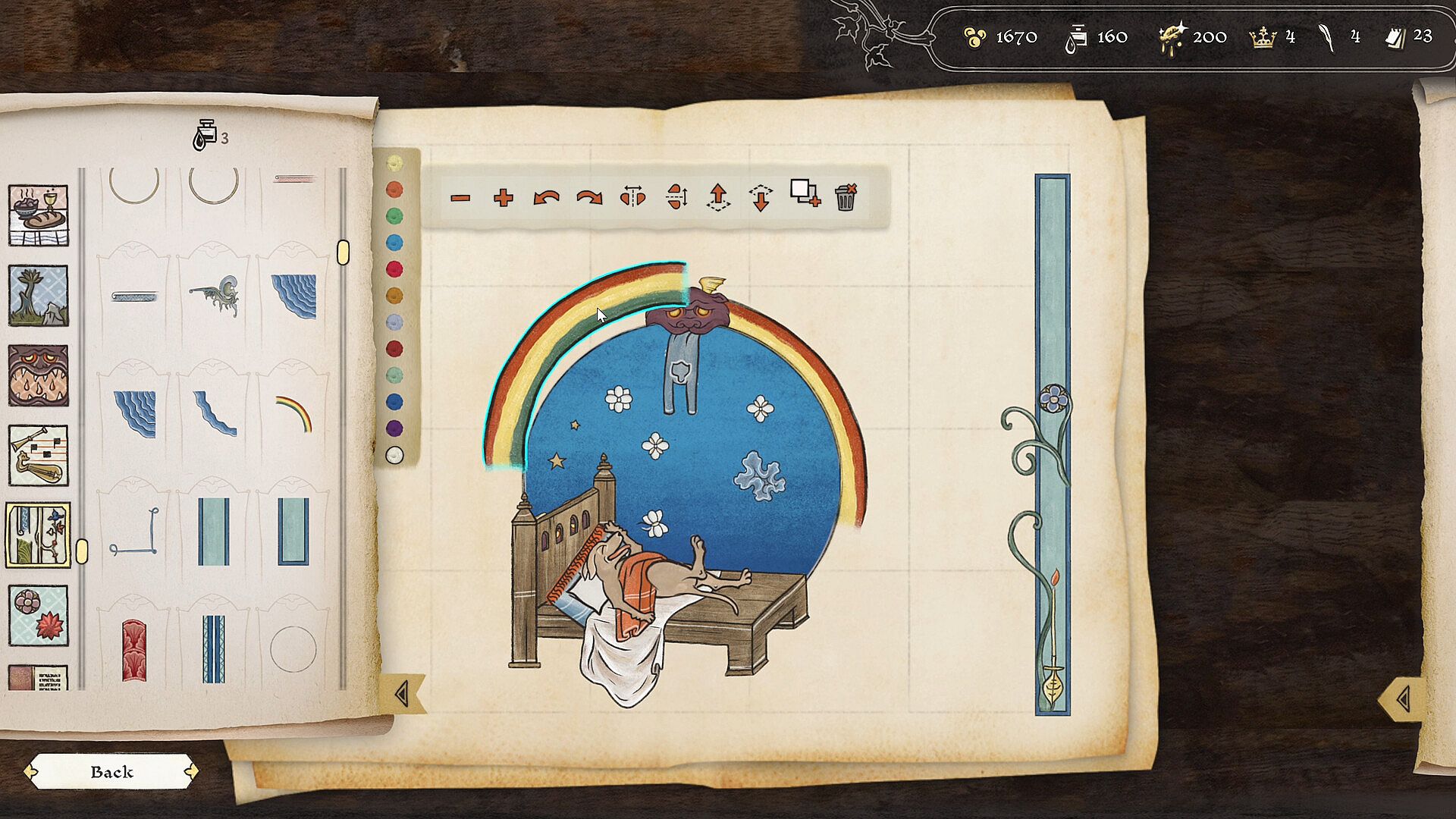
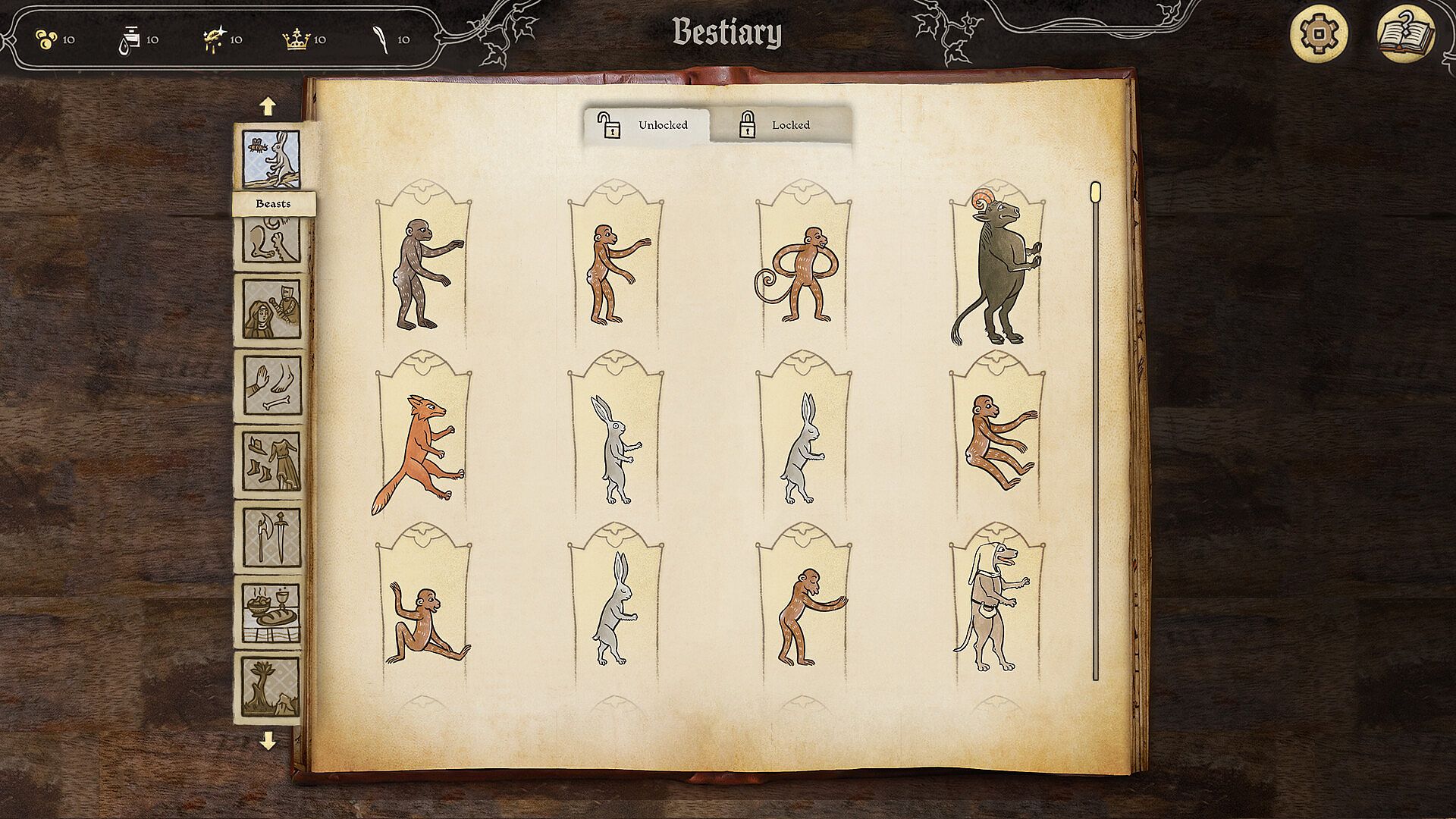
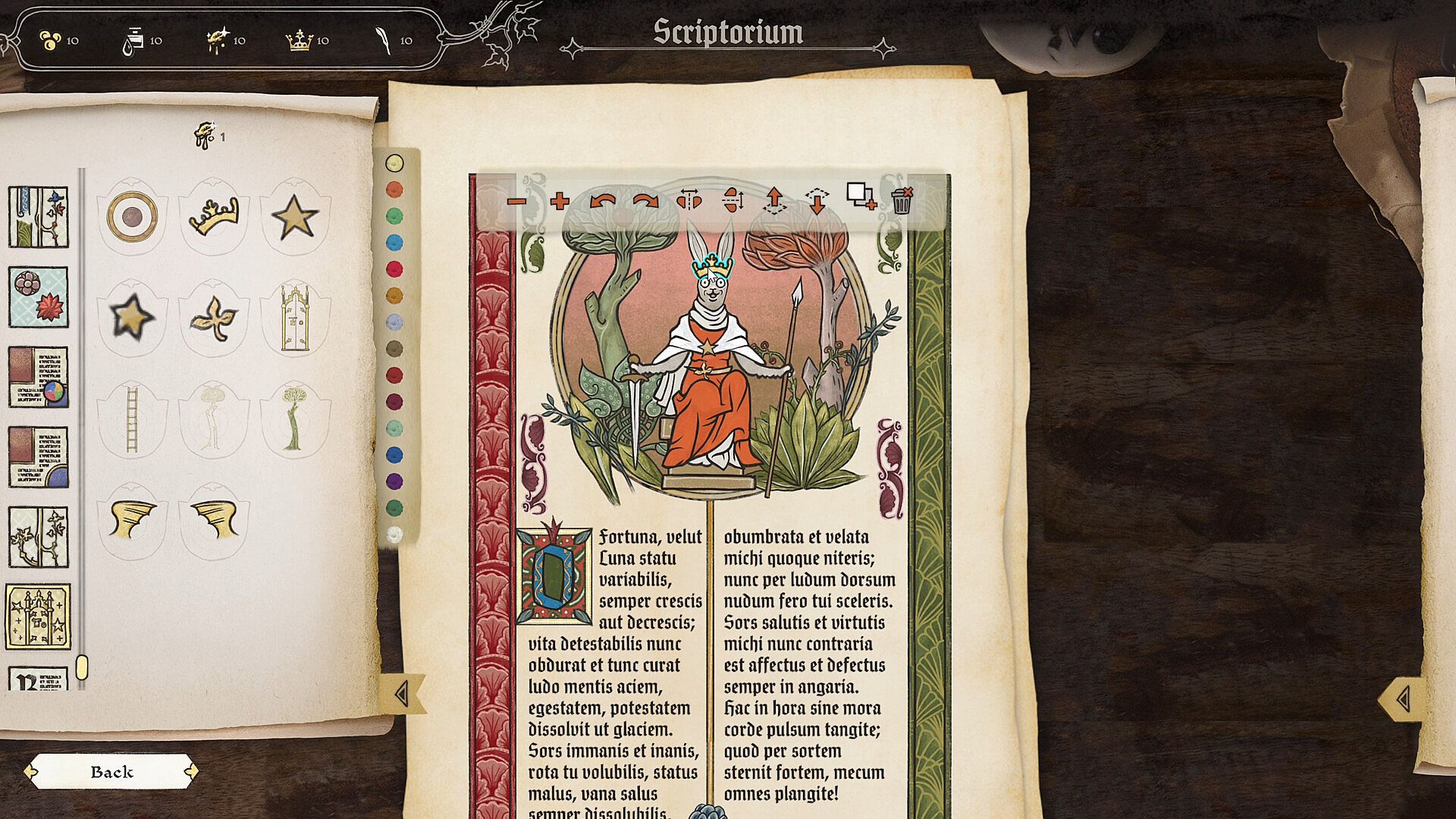
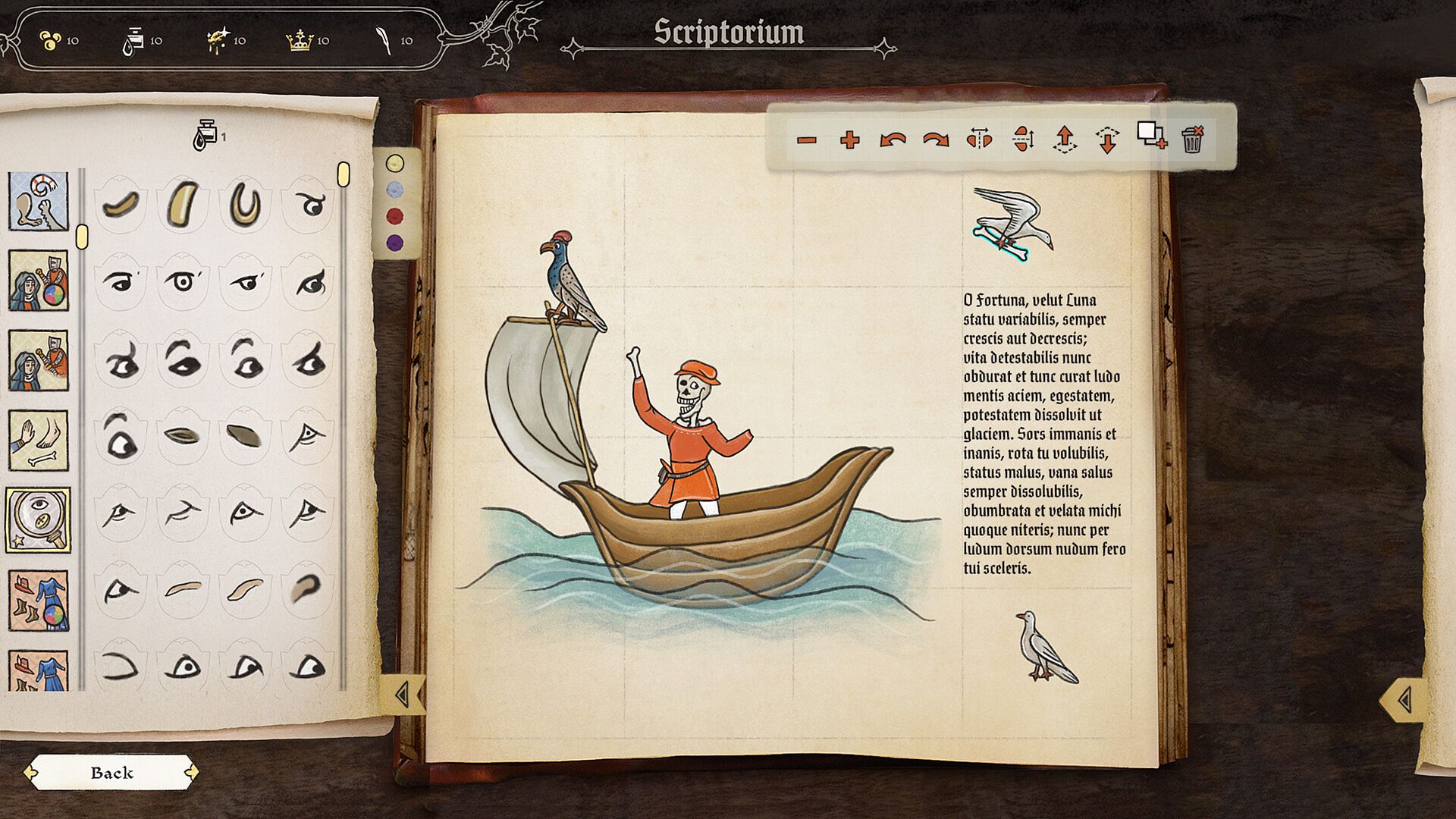
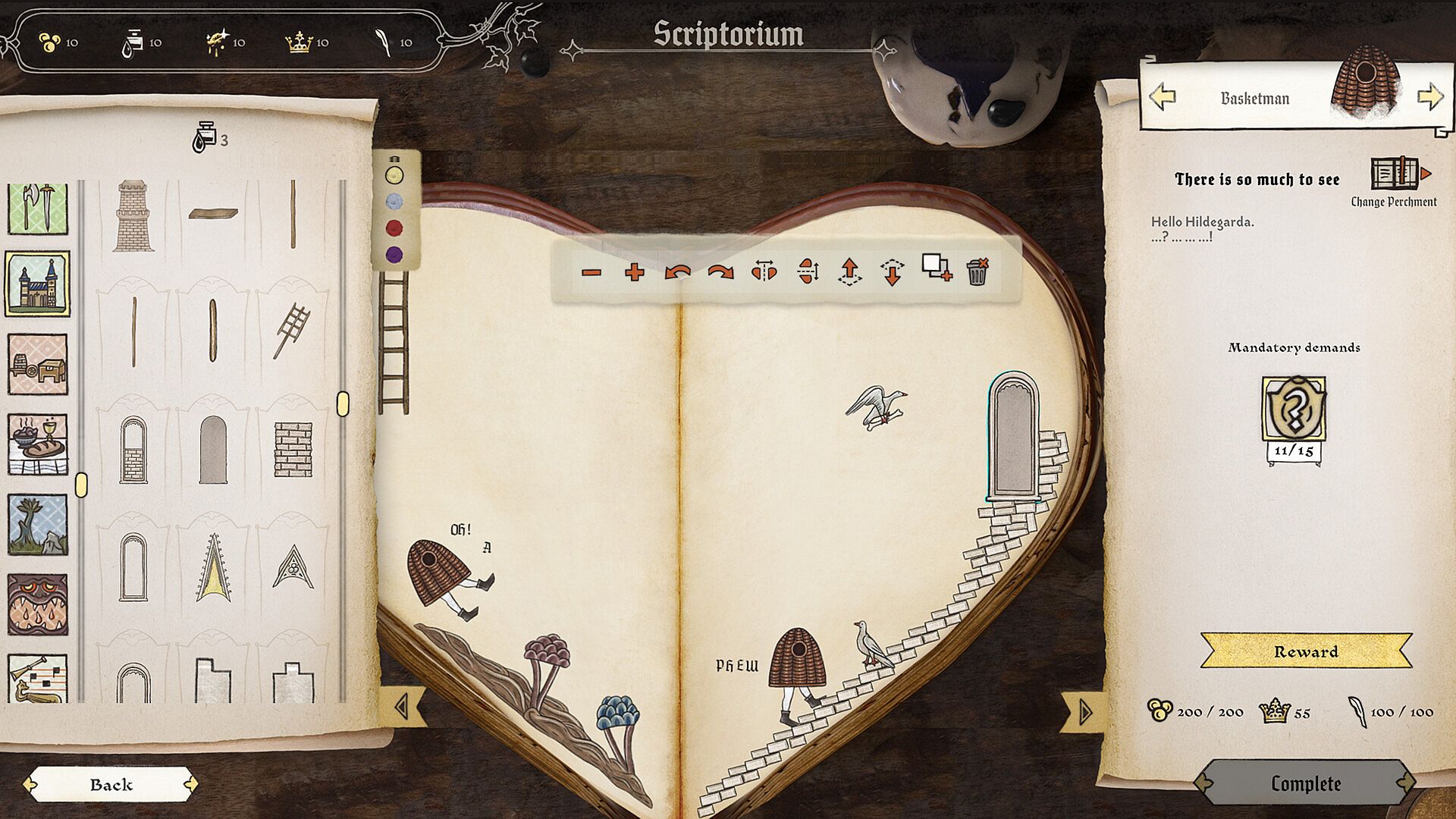
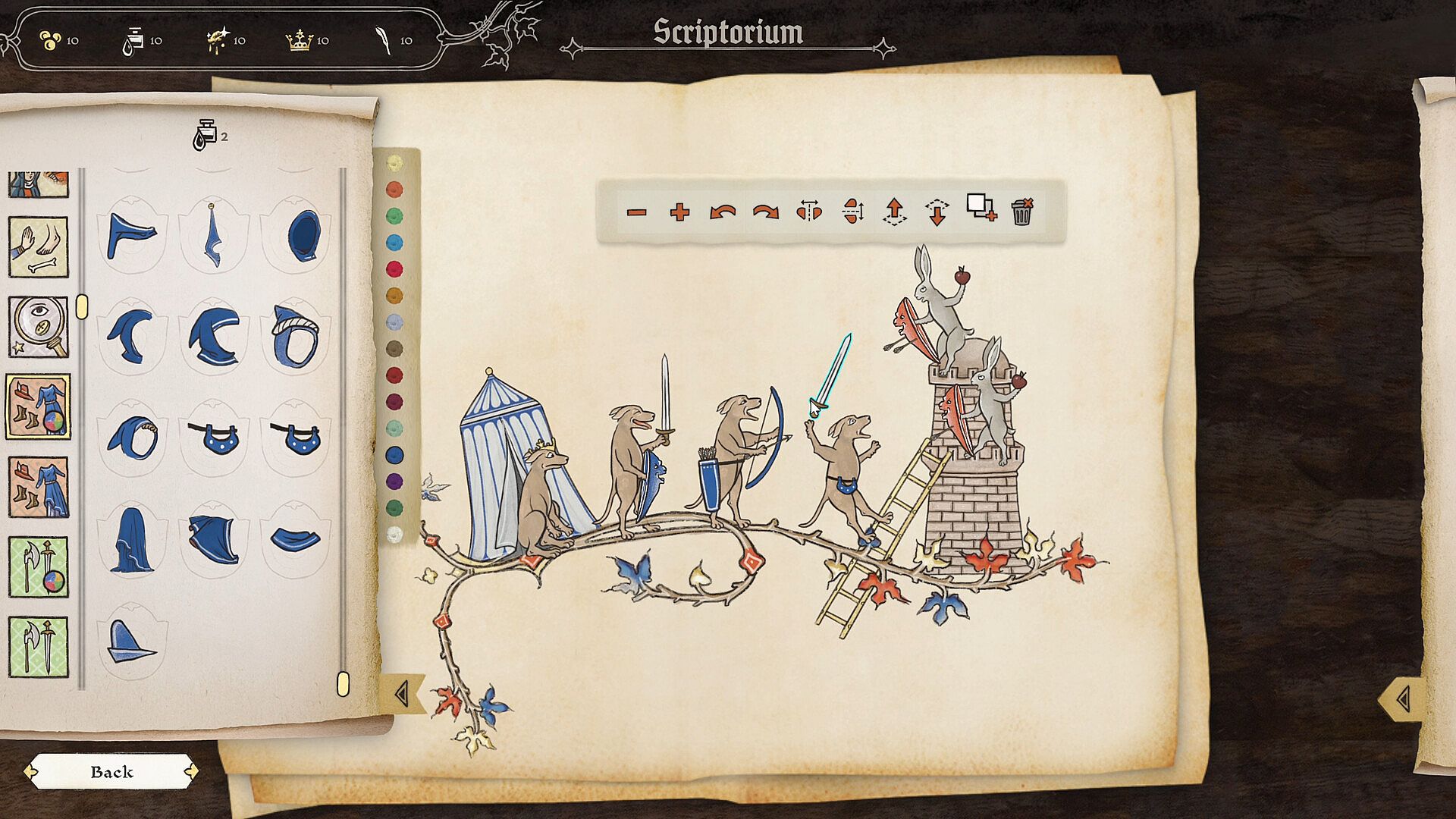
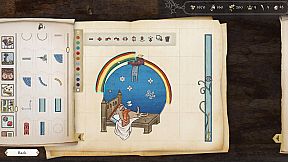
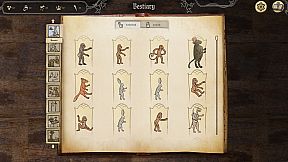
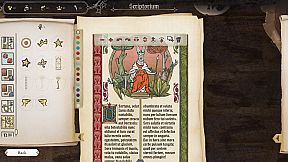
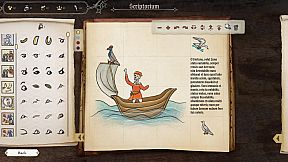
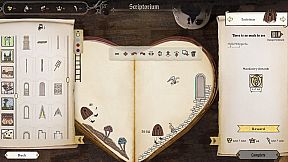
Core gameplay revolves around the composition screen, where players select parchment backgrounds in various shapes, sizes, and tones before dragging and dropping elements onto the canvas. The library includes over one thousand assets drawn from real medieval art, covering figures such as knights, beasts, clergy, and commoners, along with expressions, clothing, vegetation, decorative borders, and marginalia. Text integration uses period-appropriate fonts with ornate initial letters to finish each page.
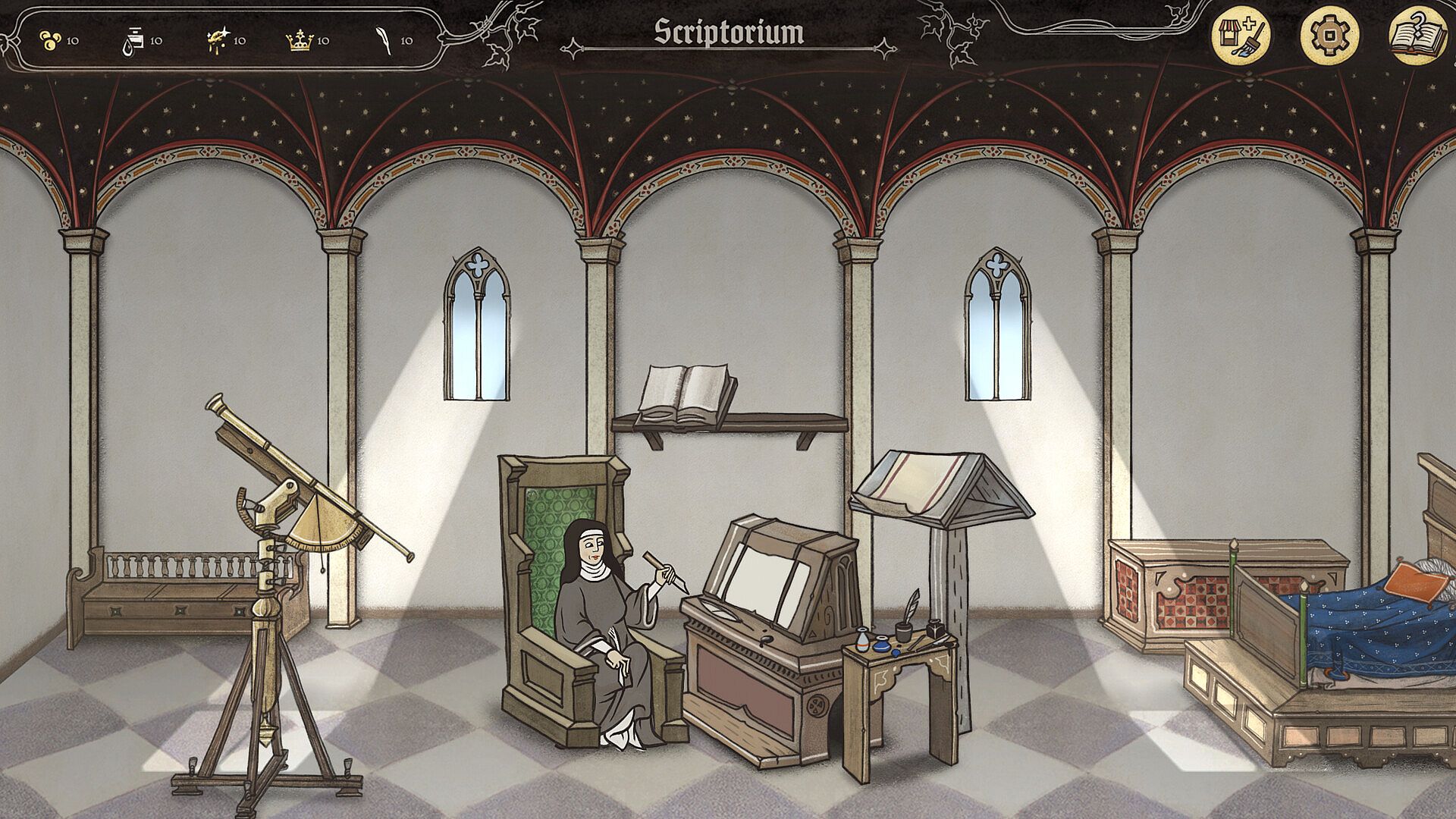
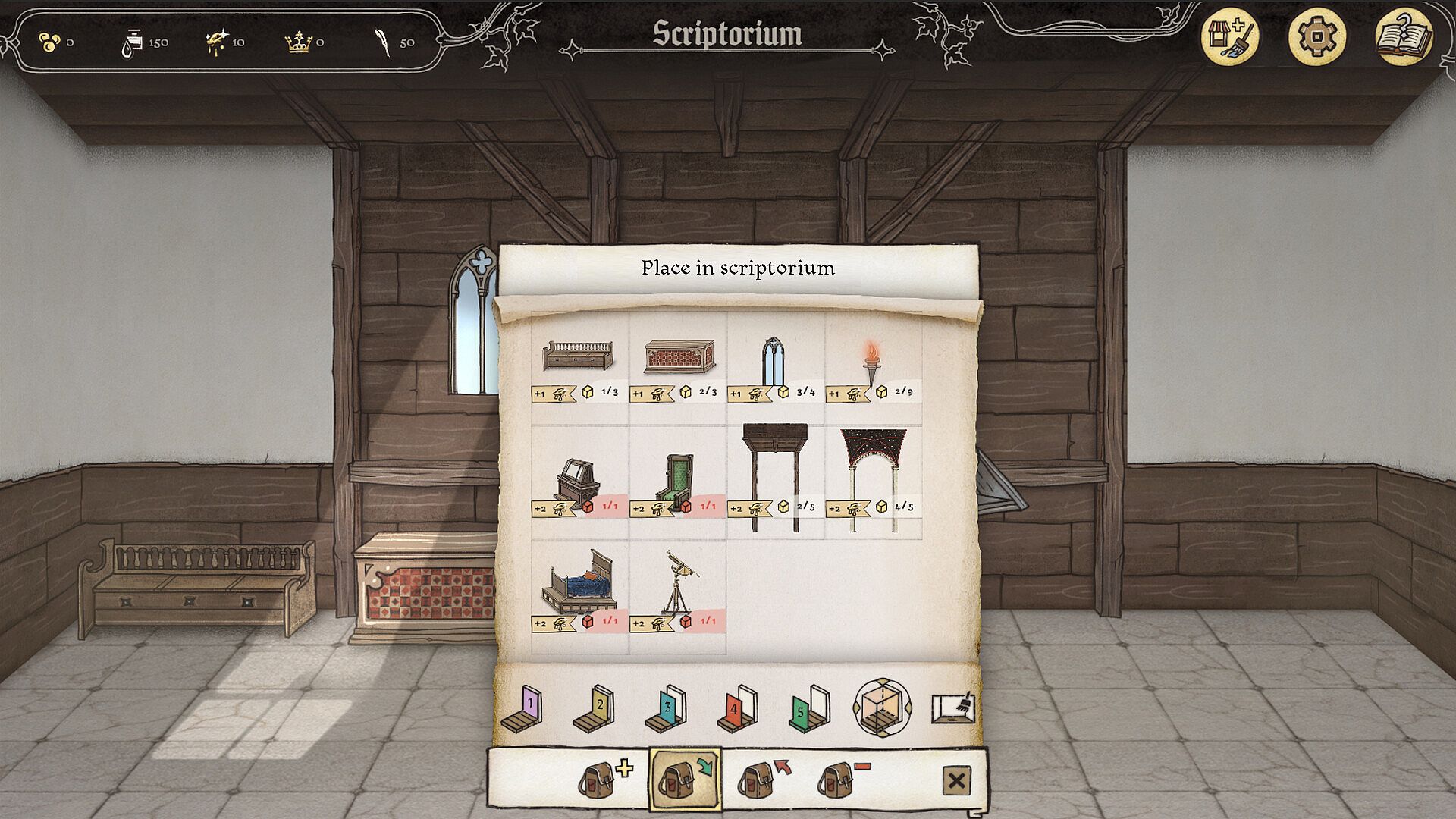
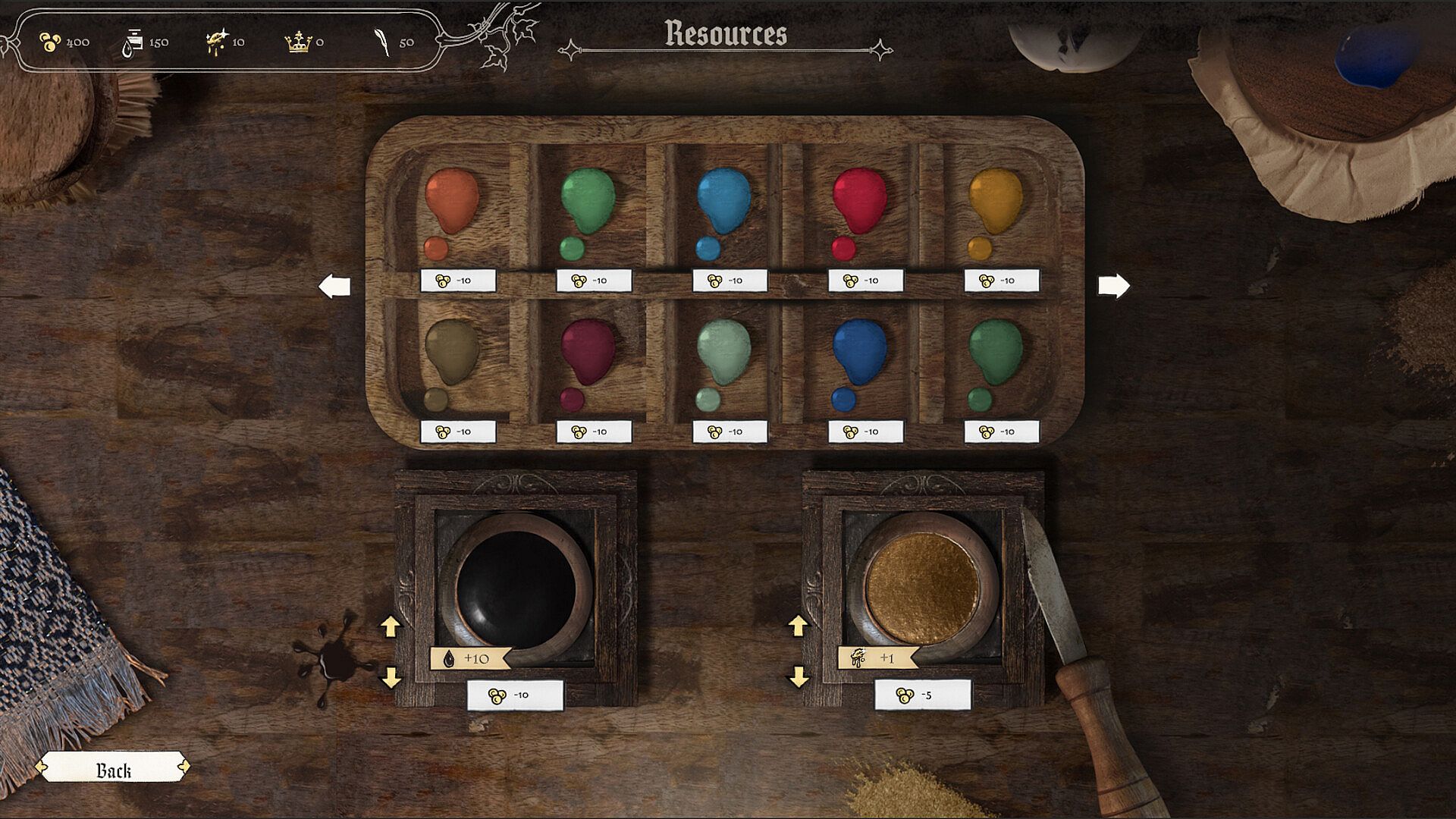
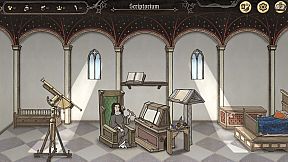
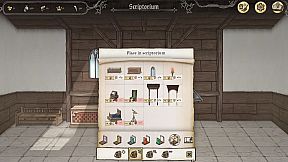
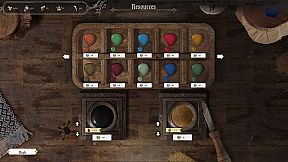
Players earn income by completing commissions, which they then spend on upgrading the physical workshop. Options include adding furniture, lighting fixtures, tapestries, floral arrangements, windows, columns, and floor coverings. Companions such as cats, dogs, or small dragons can also be acquired to personalize the space further. This progression loop ties creative output directly to visible improvements in the scribe's surroundings.
Character creation occurs at the start, allowing customization of the player's scribe before entering the main activities. Requests from clients range from straightforward scenes of battles or courtly romance to more unusual subjects, and fulfilling them contributes to an overarching narrative involving royal intrigue and gossip within the kingdom.
Game Modes
Story Mode forms the structured path through the game. After creating a character, players accept commissions from a variety of patrons, each with distinct personalities and interconnected tales. Completing these jobs advances relationships, reveals plot developments, and provides the resources needed to expand the workshop. The mode blends creative tasks with light progression and narrative payoff.
Sandbox Mode removes all client obligations and story elements. Players gain immediate access to the full asset library and blank canvases, enabling unrestricted creation of any manuscript design. This mode suits those seeking pure artistic freedom without external direction or economic systems.
Both modes share the same composition tools and export options. Finished works can be saved to a personal gallery and exported as PNG files suitable for printing or digital sharing.
Creative Tools and Features
The asset collection draws directly from historical manuscript traditions, incorporating whimsical and sometimes humorous elements alongside more conventional illustrations. Players arrange these pieces freely, experimenting with scale, layering, and placement to achieve unique compositions. Medieval fonts support text addition, allowing everything from formal letters to decorative quotes or maps.
Workshop customization extends beyond basic purchases. Earnings unlock new decorative items that alter the visual atmosphere of the scriptorium, reinforcing the sense of personal ownership over the creative space. Pet companions add further charm without affecting gameplay mechanics.
Export functionality supports practical uses beyond the game itself. Community members have produced items such as illustrated invitations, custom song lyrics, tarot-style cards, printable coloring pages, fantasy maps, and tabletop role-playing handouts using the tools provided.
Is It Worth Playing?
The game launched in April 2026 to an overwhelmingly positive reception from players who appreciate its focus on calm, hands-on creativity. Reviewers highlight the satisfying loop of illustration, client storytelling, and gradual workshop improvement, noting that the combination prevents the core activity from feeling repetitive even after extended sessions.
It suits players drawn to cozy simulation experiences that prioritize artistic expression and light management over action or complex systems. Those who enjoy titles emphasizing personal creativity and atmospheric building will find a consistent match here. The dual-mode structure accommodates both narrative-driven play and open-ended experimentation within the same package.
Current support centers on the core release, with no additional seasons or major expansions confirmed at this time. Availability remains limited to PC through standard digital storefronts. For anyone seeking a relaxing medieval-themed creative outlet with tangible progression and sharing options, the experience delivers a focused and enjoyable package without unnecessary complications.