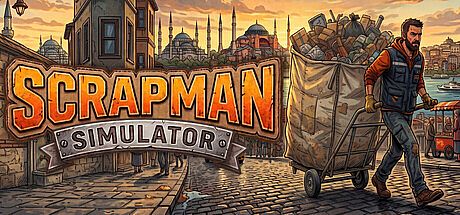


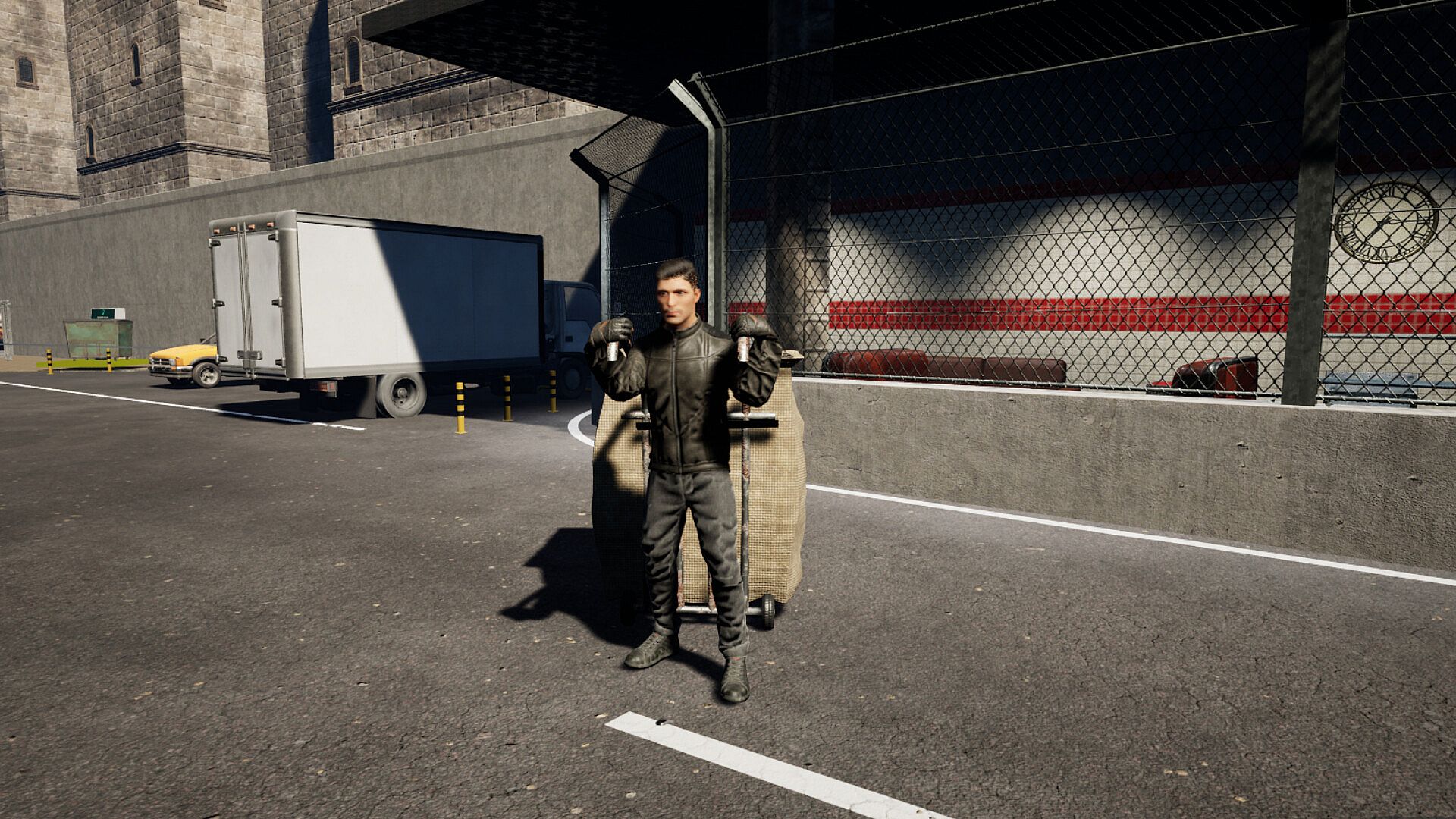
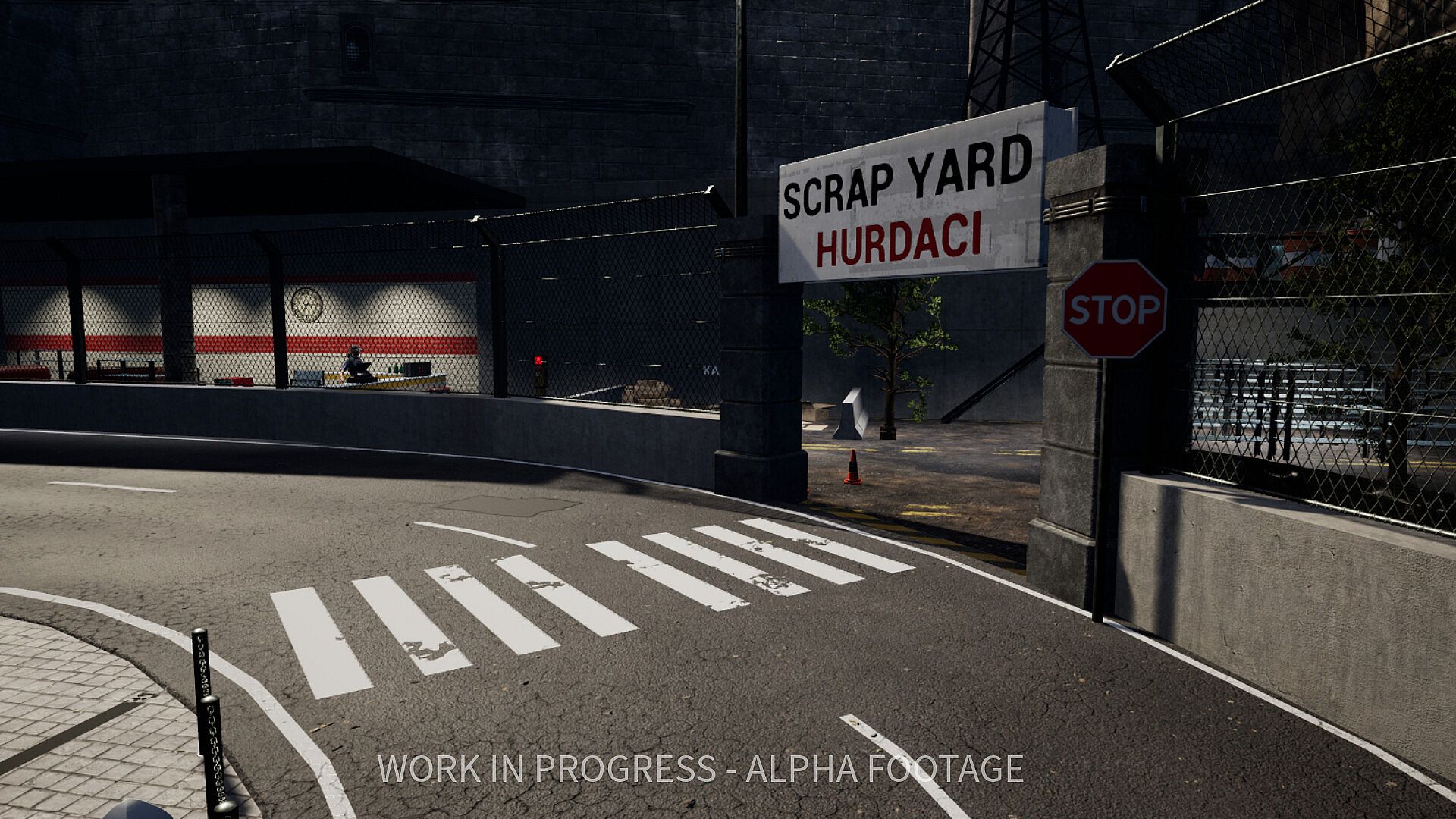
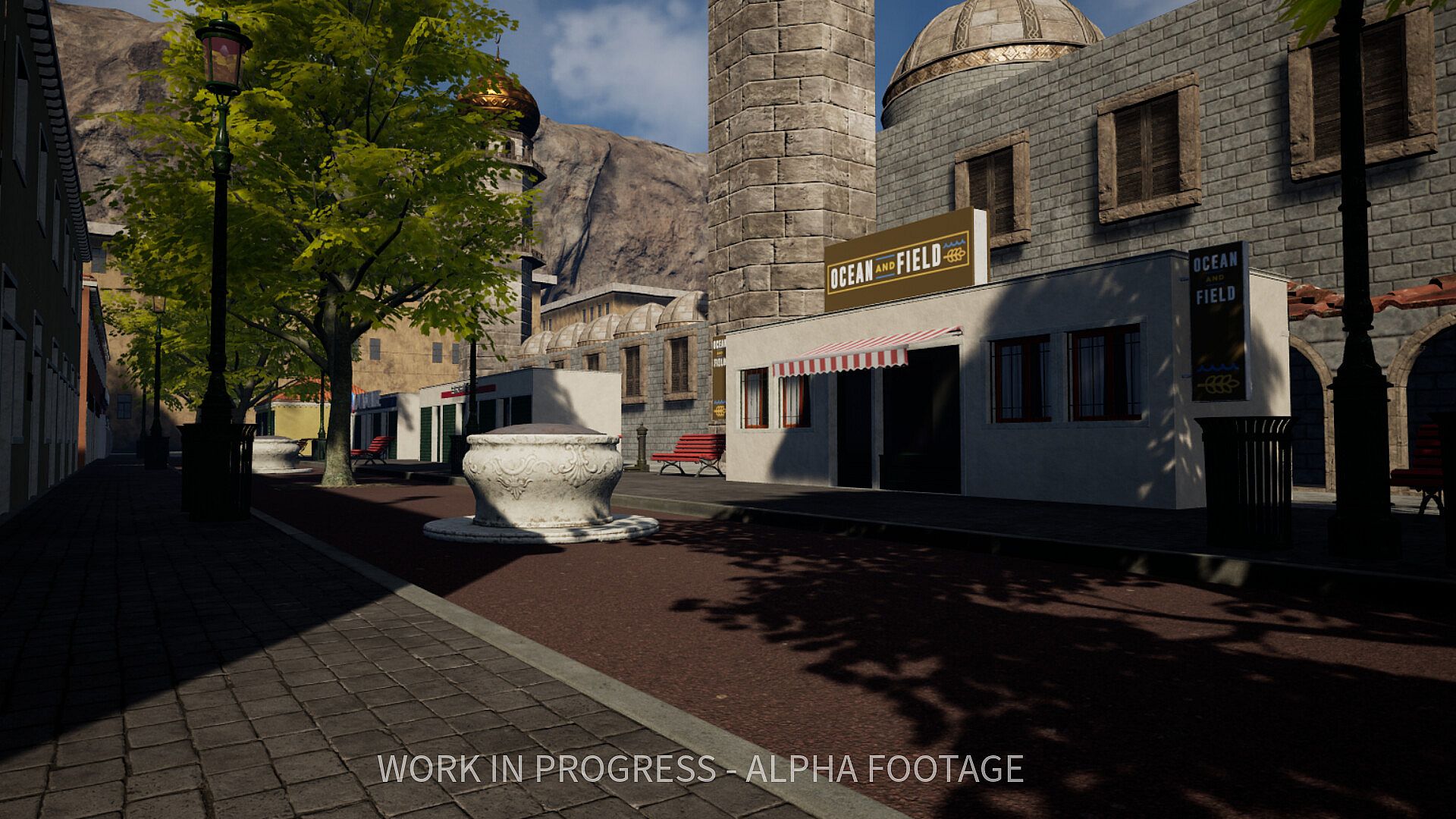
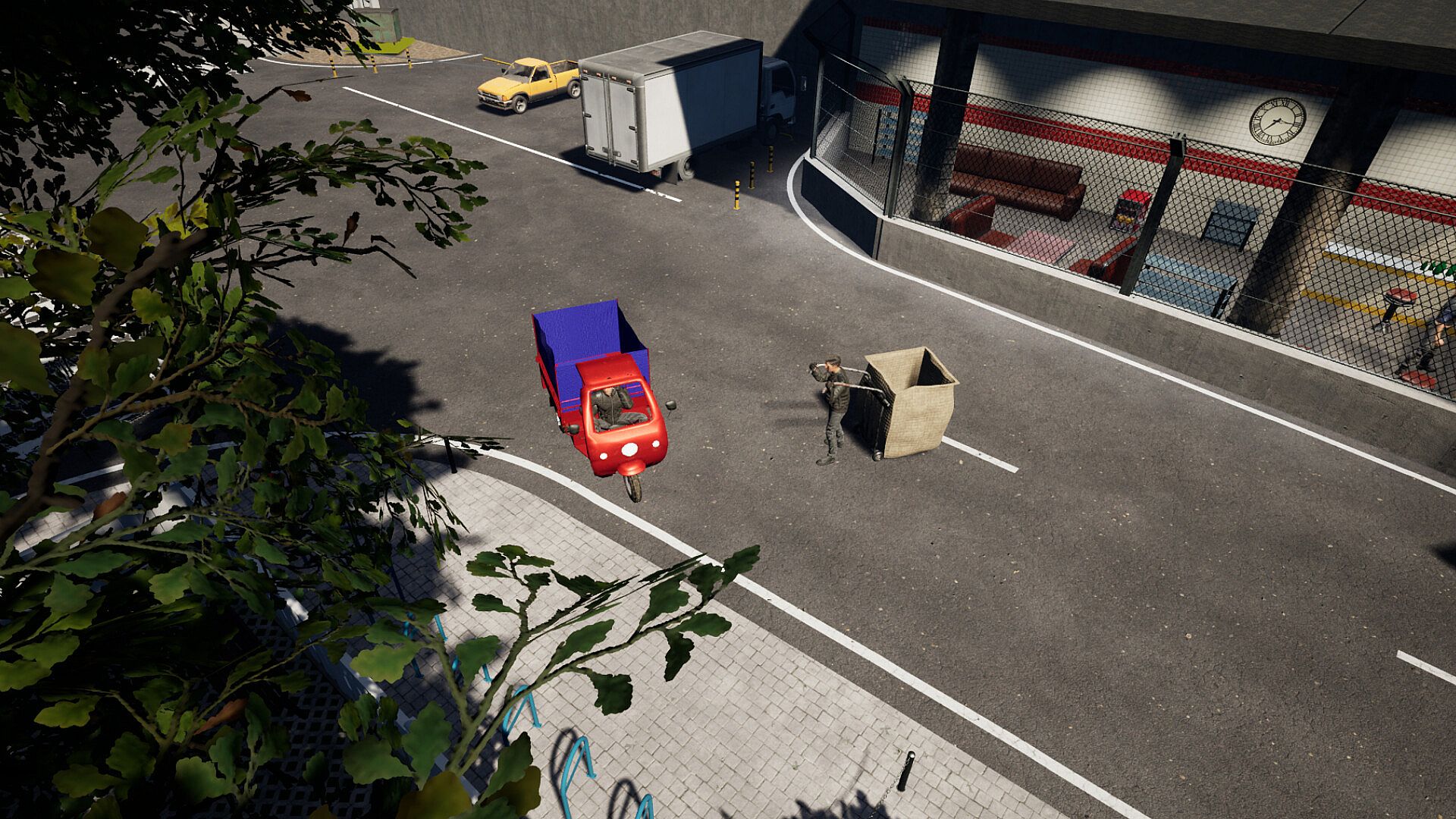
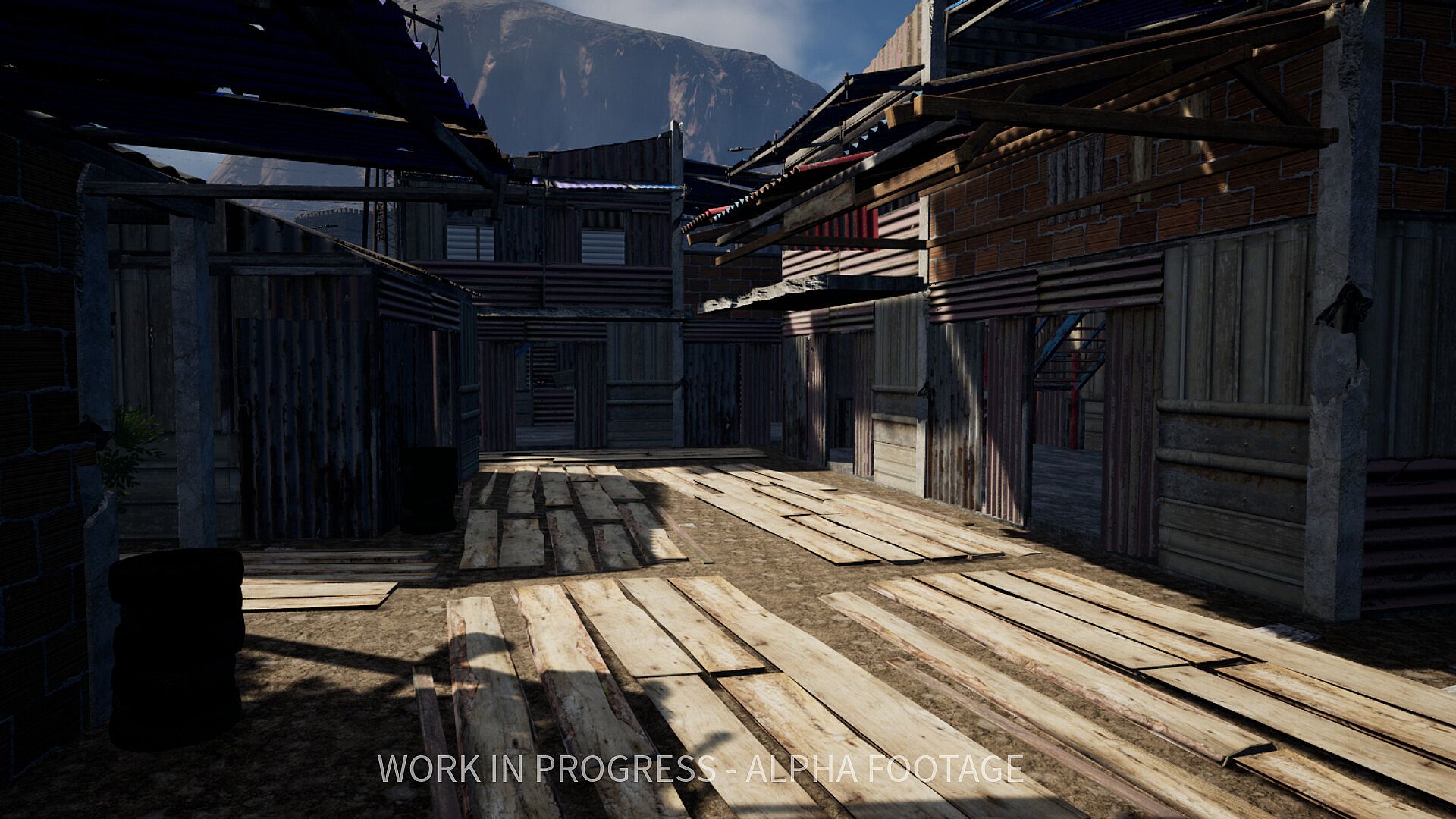
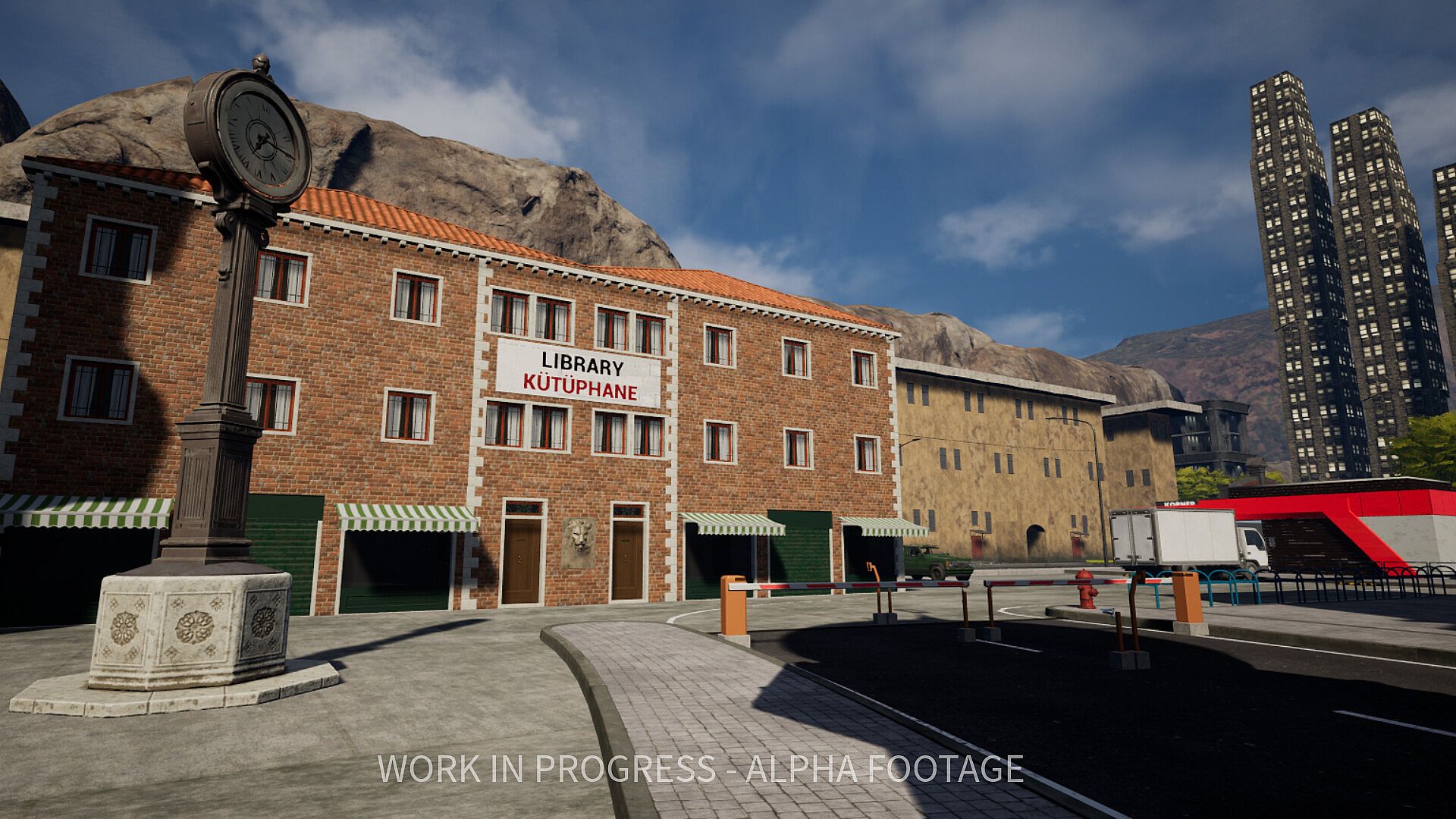
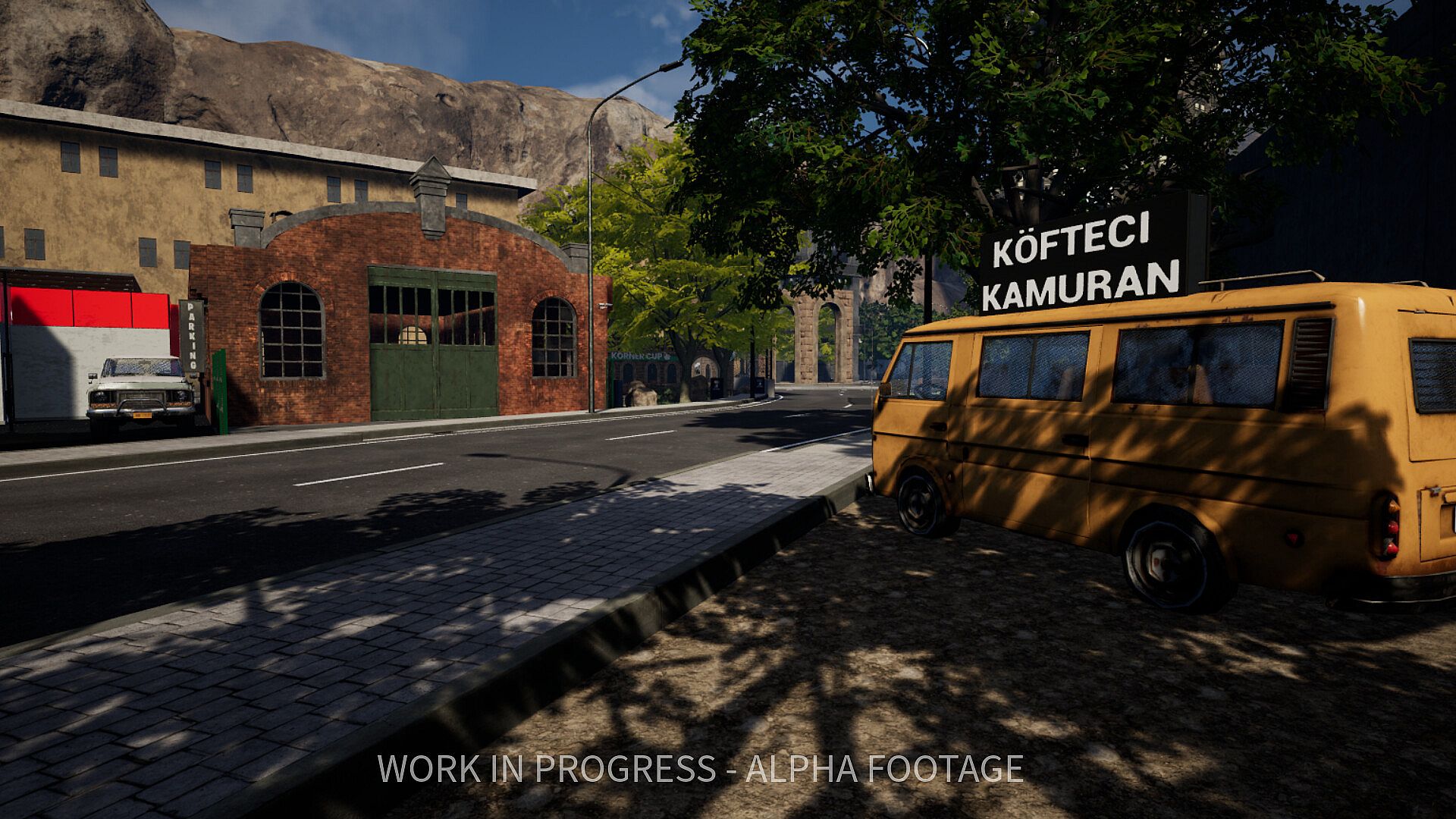
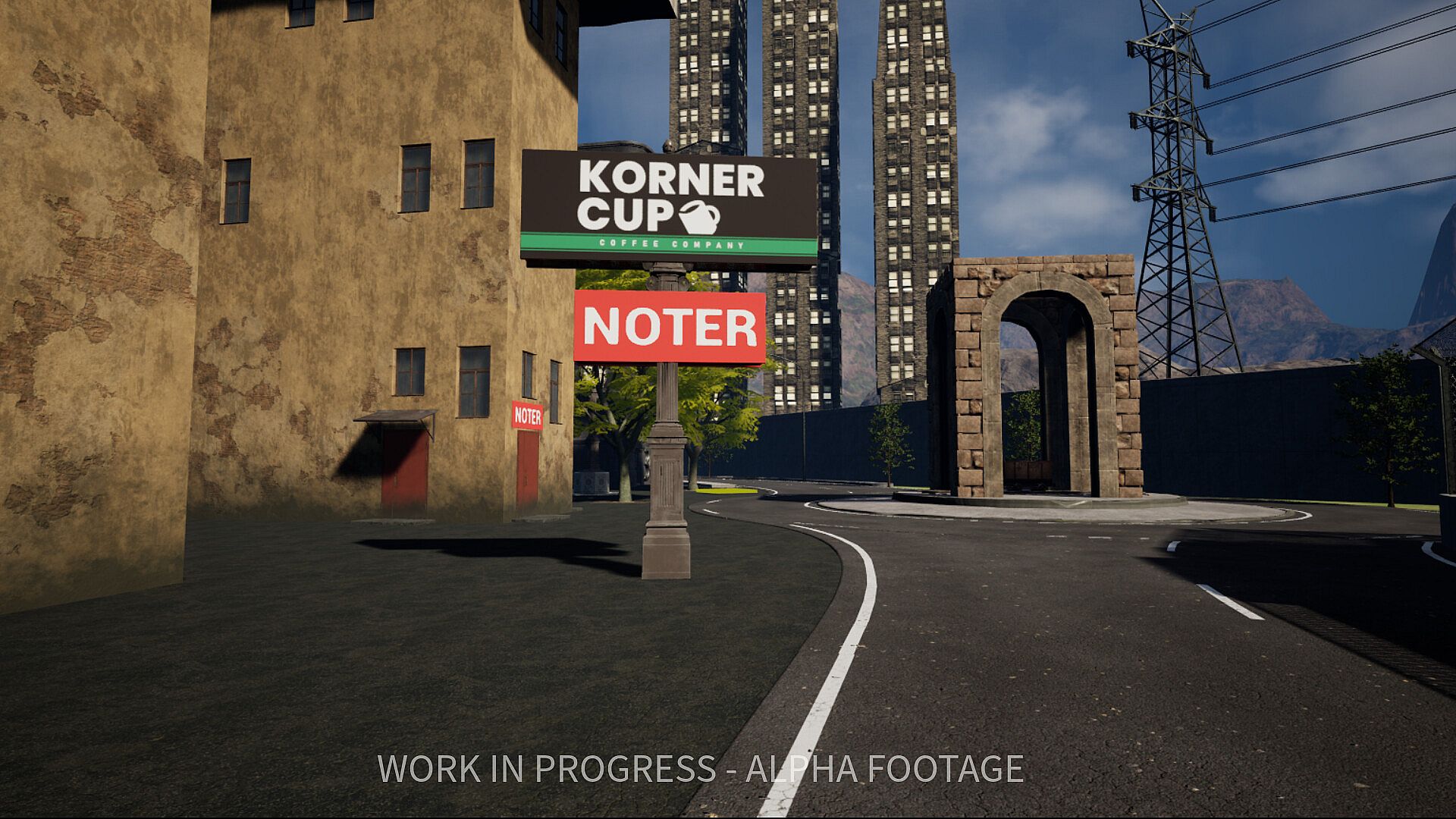
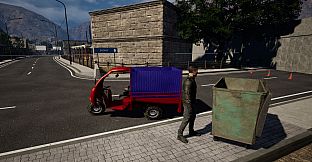
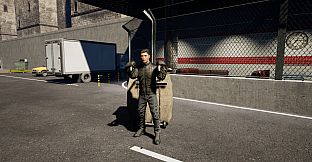
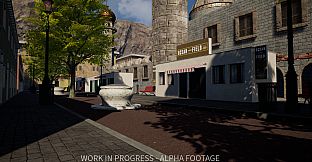
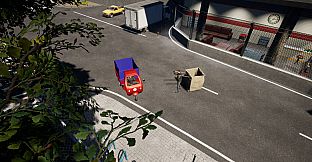
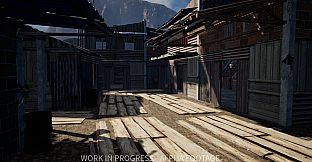
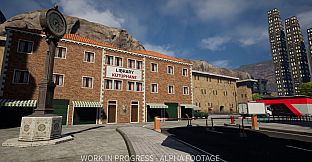
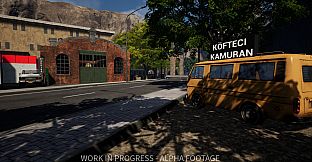
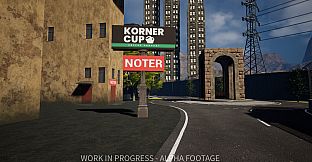
Scrapman Simulator is a first-person casual simulation game set on PC where players build a recycling business from the ground up. The core experience centers on gathering scrap materials in an open city environment, managing earnings through sales and upgrades, and expanding operations over time. Starting with basic collection tools, the gameplay emphasizes steady progression through resource gathering, vehicle improvements, and personal living upgrades in a setting drawn from Istanbul's neighborhoods.
Gameplay
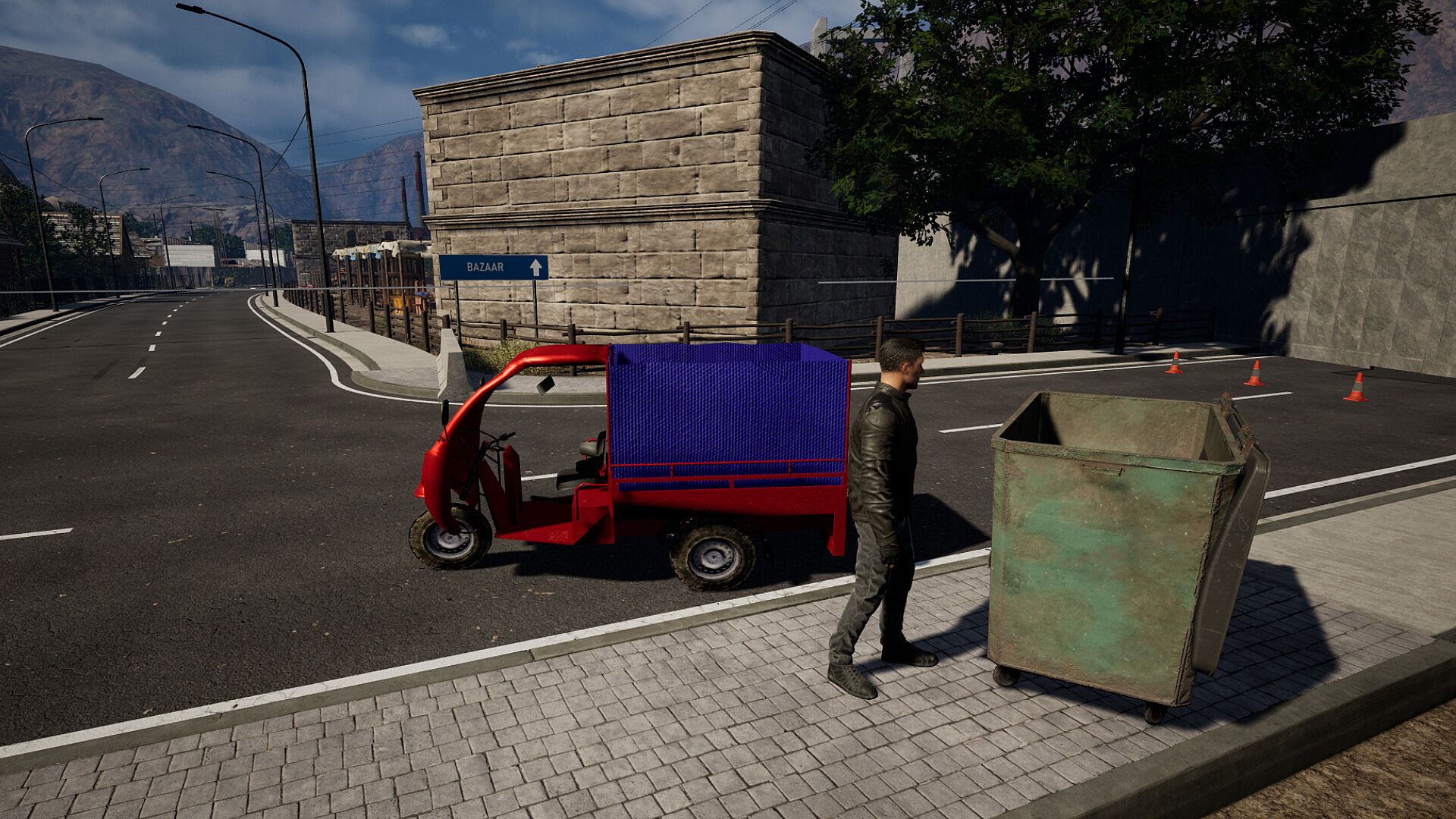
The central loop involves roaming streets and abandoned spots to pick up cardboard, metal, iron, copper, and other recyclables near markets and shops. These items go into a collection cart for transport and sale, generating income that funds further growth. Cardboard forms the main revenue source, while rarer metals provide higher returns when discovered during exploration.
First-person controls handle movement and interaction as players navigate varied districts, each offering distinct scrap opportunities. Daily needs factor in through purchases of food and drinks to sustain energy levels before the next outing. The system encourages efficient route planning across the city to maximize loads without unnecessary backtracking.
Economy management plays a key role, with earnings allocated between immediate upgrades and longer-term investments. Players maintain momentum by balancing collection runs with rest and resupply, creating a rhythm that rewards consistent play sessions.
Game Modes
Scrapman Simulator supports single-player sessions focused on personal business development alongside online co-op and LAN co-op options for shared play. In co-op, friends can join to coordinate collection efforts across the city map, dividing tasks like scouting valuable scrap or transporting larger loads together.
Free roam exploration defines the primary activity in both solo and group play, allowing unstructured movement between neighborhoods to discover new collection spots and optimize personal routes. No structured competitive or story-driven modes exist beyond this open-ended simulation framework.
Progress carries forward through upgrades that persist across sessions, whether played alone or with others, emphasizing long-term business scaling over short matches.
Progression and Upgrades
Vehicle customization starts with a basic handcart and advances to faster, higher-capacity options that speed up material transport and increase daily earnings potential. These improvements directly multiply collection efficiency, letting players handle more scrap in shorter times.
Home upgrades provide another layer of advancement, turning initial living quarters into more comfortable spaces while integrating shopping for essentials. This system ties into overall energy management, ensuring players stay prepared for extended exploration runs.
Business expansion involves strategic spending on tools and infrastructure to grow from street-level scrapping into a larger recycling operation. Continuous upgrades create visible milestones, with each improvement unlocking greater scale in the city's economy.
The City Environment
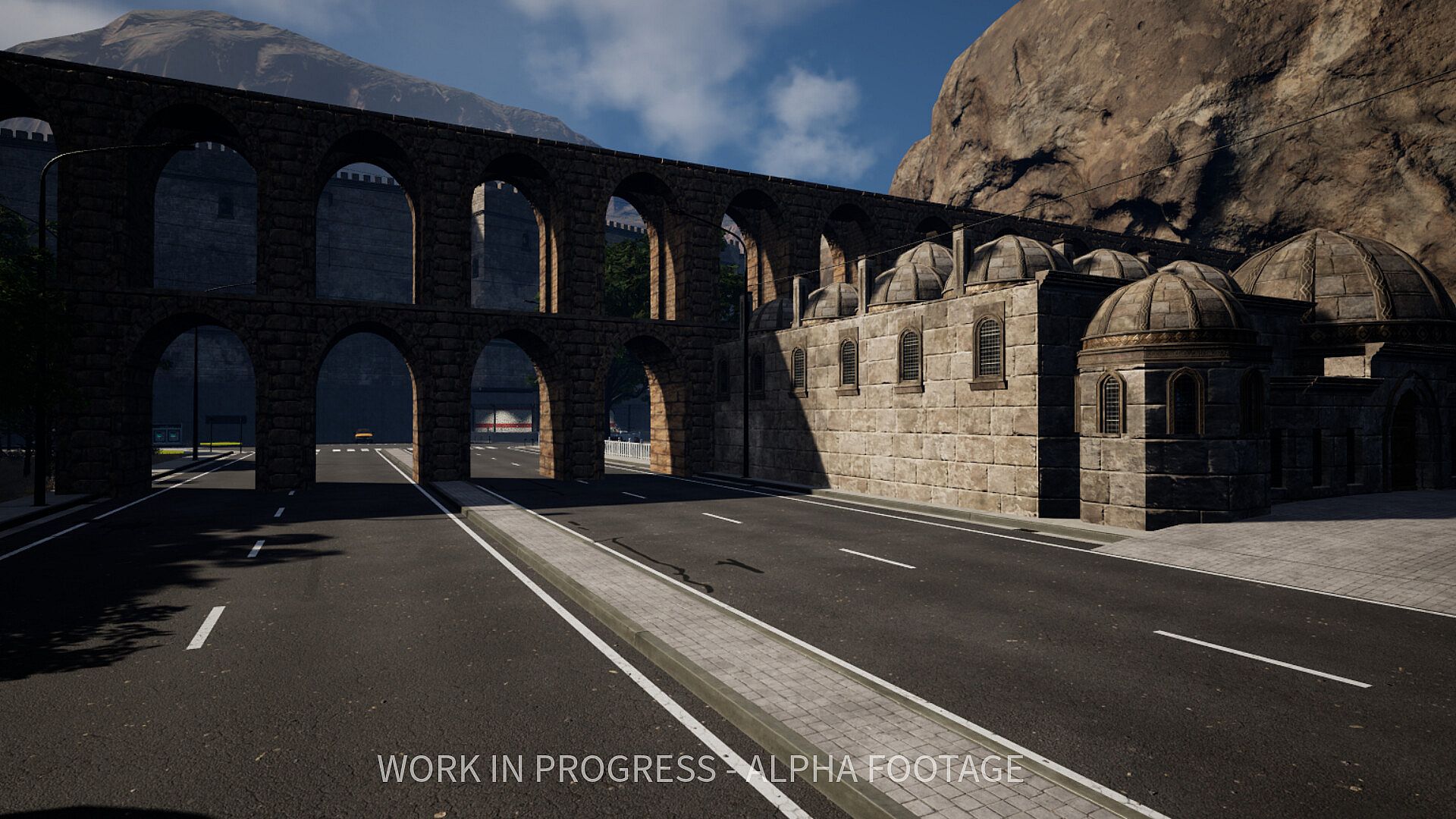
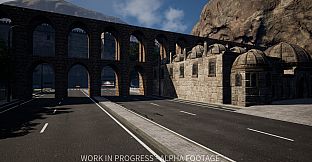
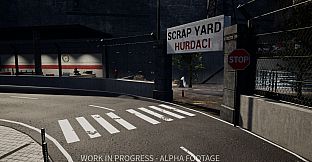
The game world draws from Istanbul's diverse layout, featuring distinct neighborhoods where scrap value and availability vary. Players learn to identify high-yield areas through repeated visits, developing personalized collection paths that adapt to changing opportunities.
Exploration rewards attention to detail, as abandoned zones and market fronts hold different material mixes. This variety keeps routes engaging without requiring fixed objectives beyond personal goals.
Is It Worth Playing?
Scrapman Simulator suits players who enjoy methodical life simulations centered on resource collection, incremental upgrades, and economic decision-making. Its first-person perspective and co-op support add accessibility for both solo progression and collaborative sessions with friends.
With a planned release in October 2026 and features like realistic scrap handling plus home and vehicle systems, the game targets those seeking a relaxing yet purposeful experience in a detailed urban setting. Availability on PC with single-player and co-op modes makes it a fit for fans of steady advancement without high-pressure elements.
Early interest stems from the straightforward premise of transforming street collection into enterprise growth, supported by free roam mechanics and ongoing upgrade paths. Those drawn to simulation titles with clear feedback loops from effort to reward will find the described systems align closely with that preference.