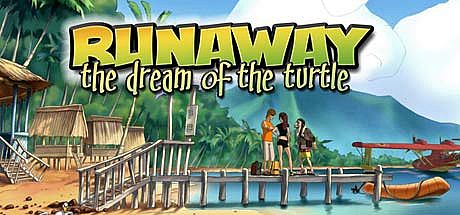













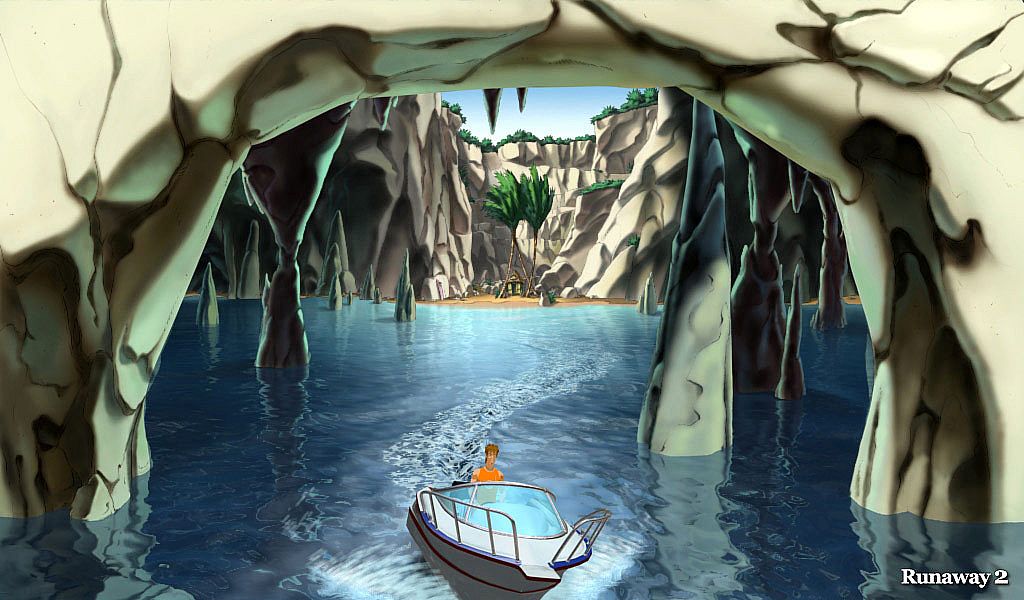
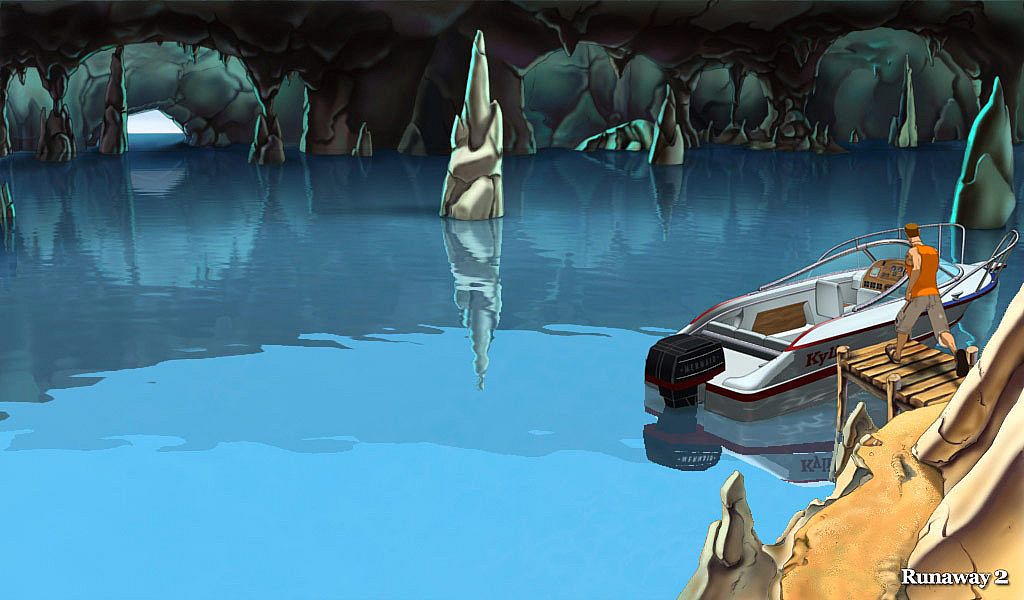
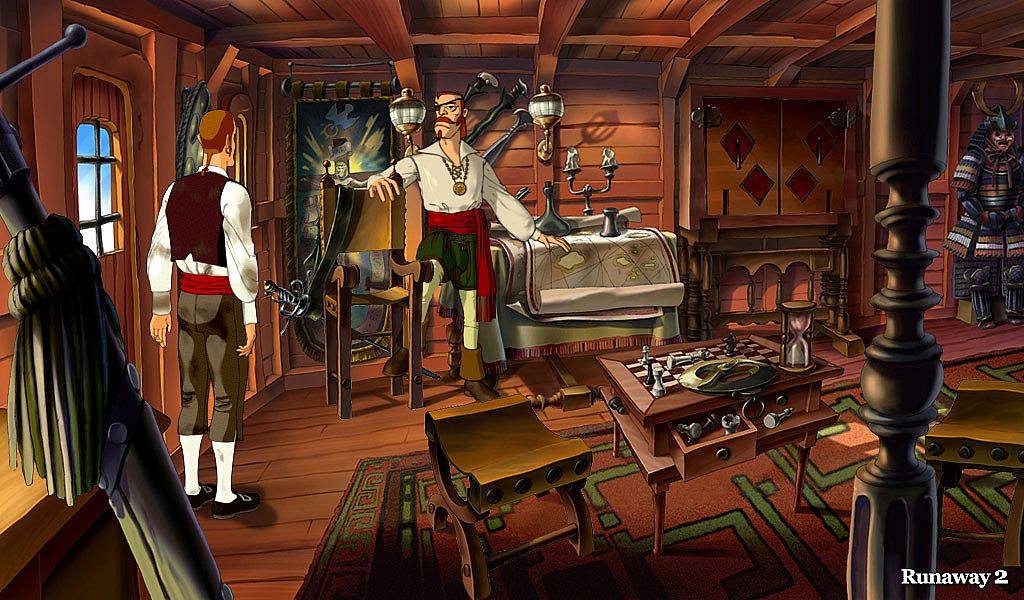
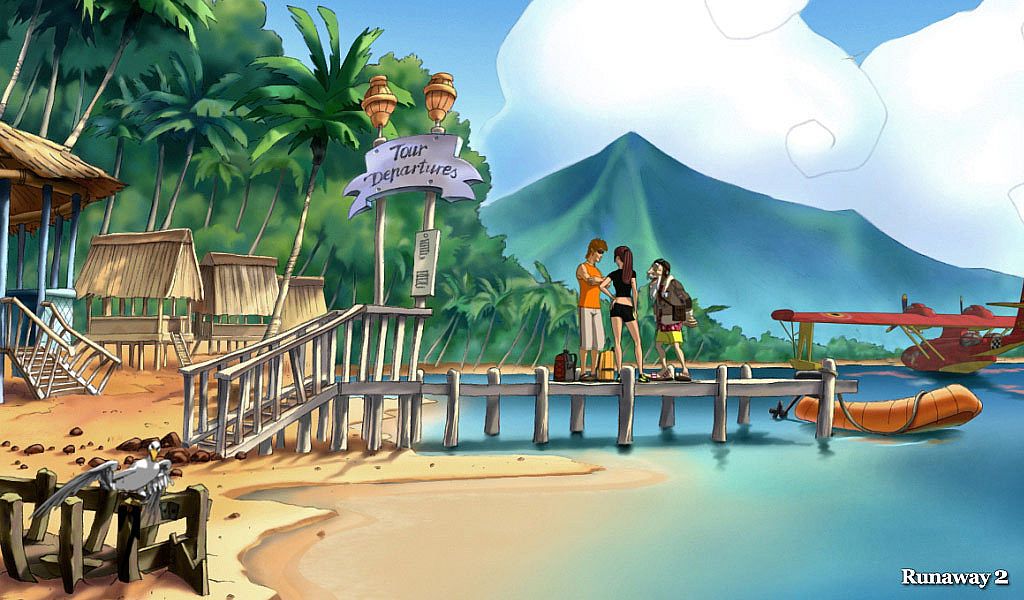
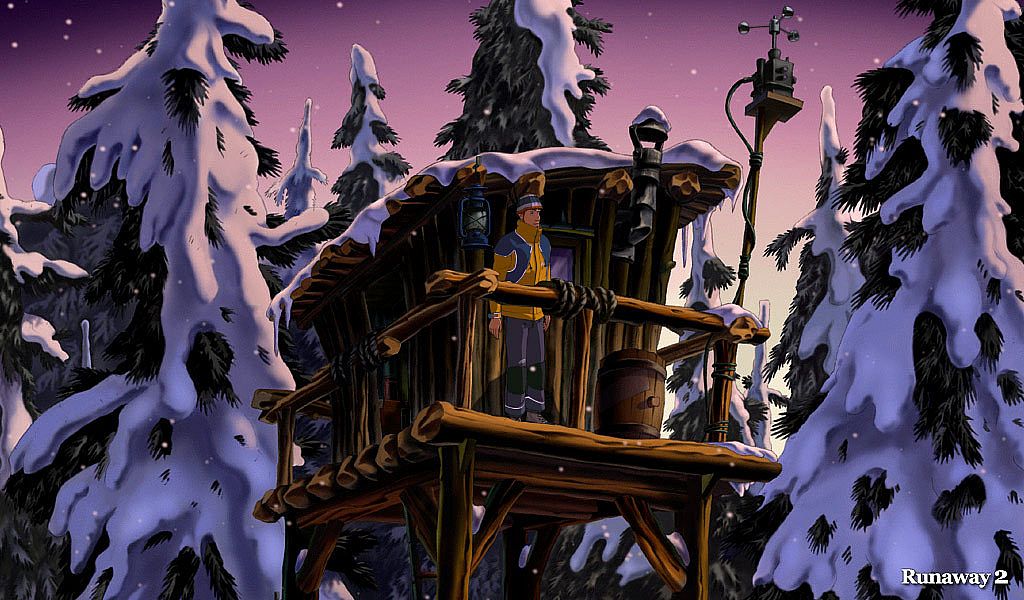



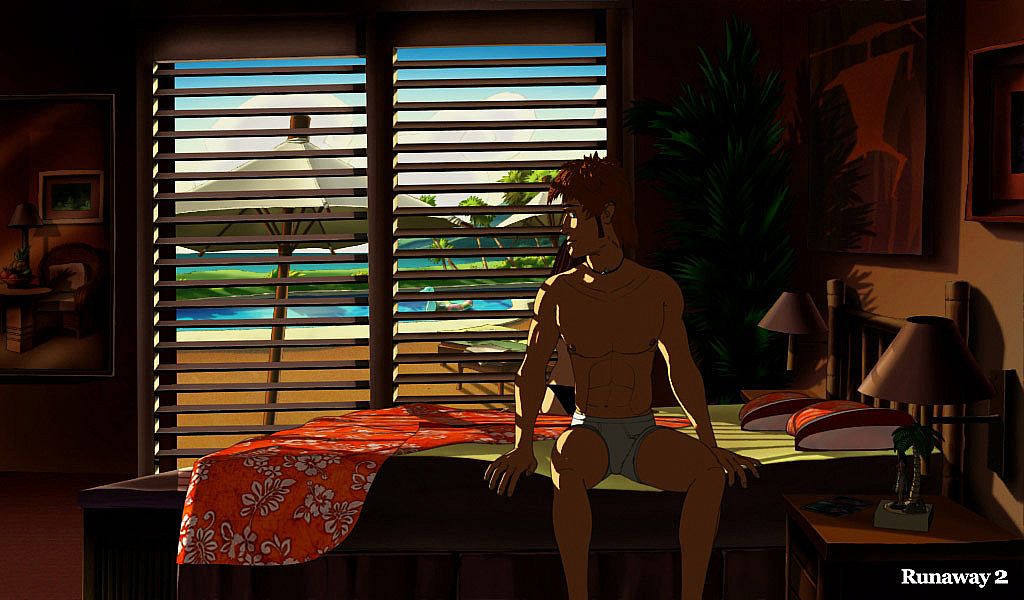

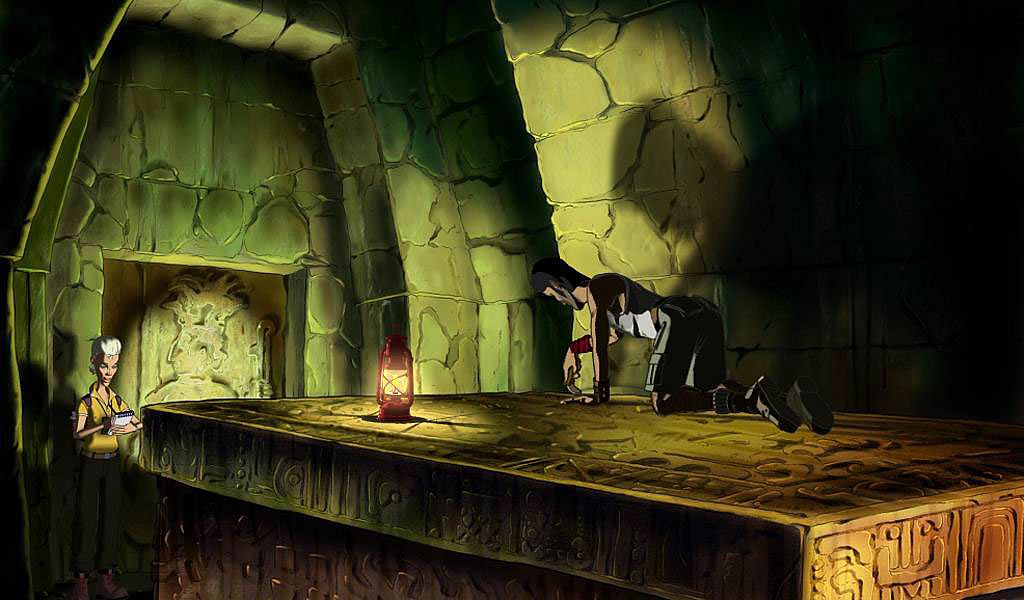
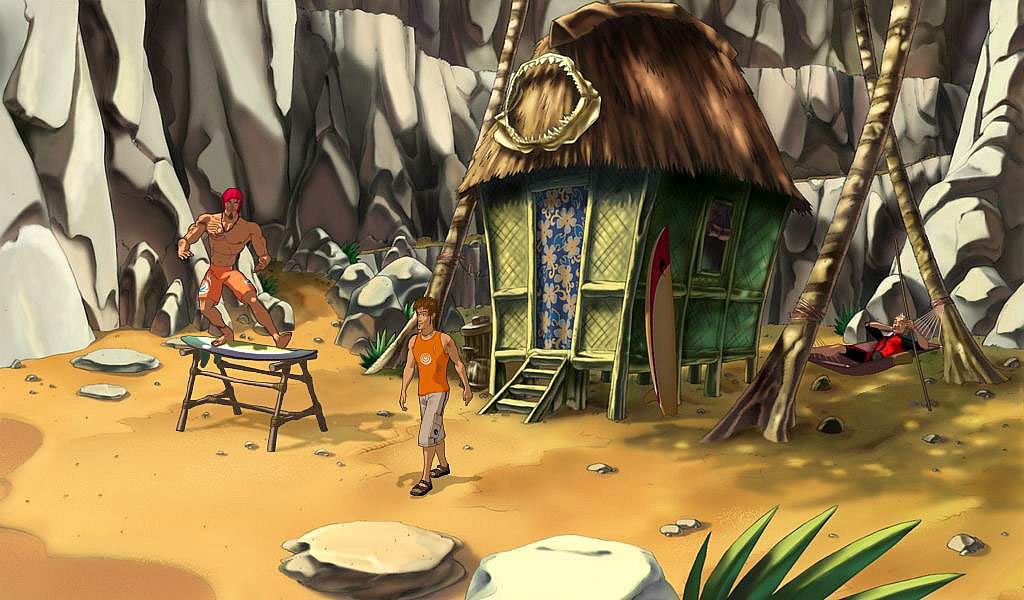








Runaway: The Dream of The Turtle stands out as a point-and-click adventure game that takes players on a wild journey across exotic locations with protagonists Brian and Gina.
Gameplay
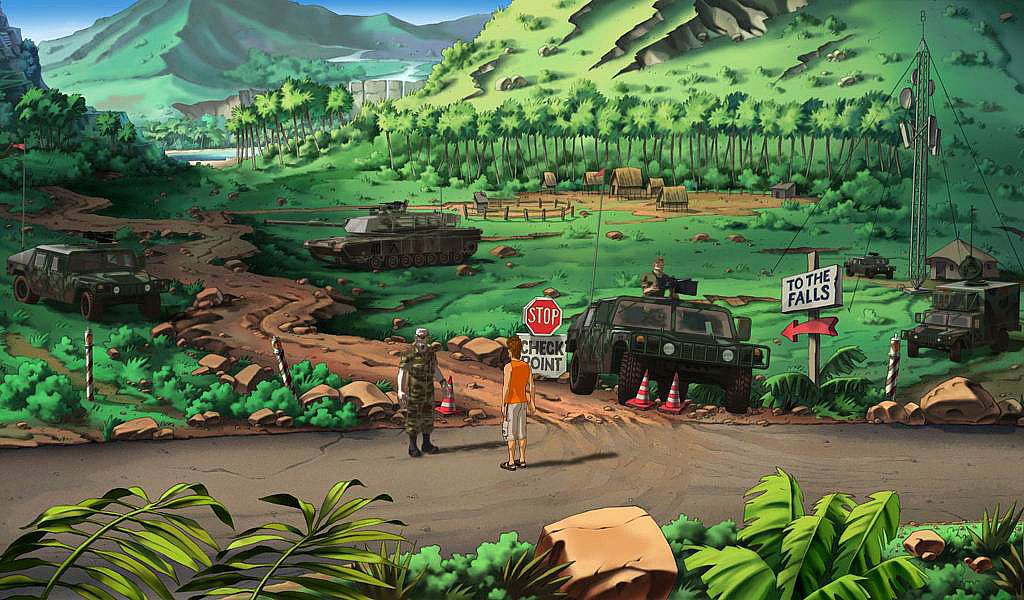
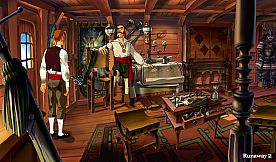
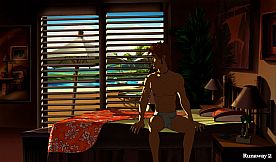
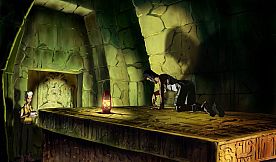
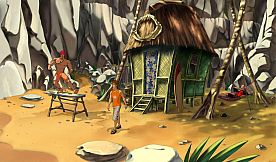
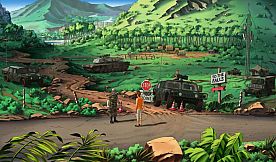
In this title, you control Brian as he navigates through vibrant, cartoon-style environments, solving intricate puzzles that require combining items from an inventory and interacting with quirky characters. The mechanics revolve around examining objects closely, often using a magnifying glass tool to spot hidden details, which adds a layer of discovery to the experience. Humor plays a big role, with dialogues and situations designed to provoke laughs amid the mystery. Exploration spans diverse settings, from tropical islands to military bases, where every scene demands careful observation to progress the story.
The puzzle design emphasizes logic and creativity, sometimes involving multi-step solutions that tie into the narrative, like decoding messages or assembling contraptions. Voice acting brings the cast to life, though it can feel uneven in delivery. Overall, the controls are straightforward, with mouse-based pointing and clicking to move characters and manipulate the world.
Game Modes
This game focuses entirely on a single-player campaign, without separate multiplayer options or competitive elements. The core mode follows a linear story progression divided into chapters, each set in a new location with its own set of challenges and plot developments.
Story and Setting
The narrative picks up with Brian and Gina caught in a conspiracy involving aliens, spies, and military figures, blending science fiction with comedy. Players uncover secrets through animated cutscenes that total over an hour, featuring plot twists and humorous moments. The world-building includes hundreds of interactive spots, from Hawaiian beaches to underwater realms, all rendered in detailed, hand-drawn art.
Is It Worth Playing?
For fans of classic point-and-click adventures who enjoy brain-teasing puzzles and lighthearted stories, this game holds appeal despite its age. Player feedback highlights the strong visuals and inventive scenarios as positives, while some note frustrations with certain puzzle logic and voice work. Released in 2006, it remains available on PC without recent updates, making it a solid pick for those seeking a nostalgic trip through a colorful mystery, though it might not satisfy everyone looking for modern polish.