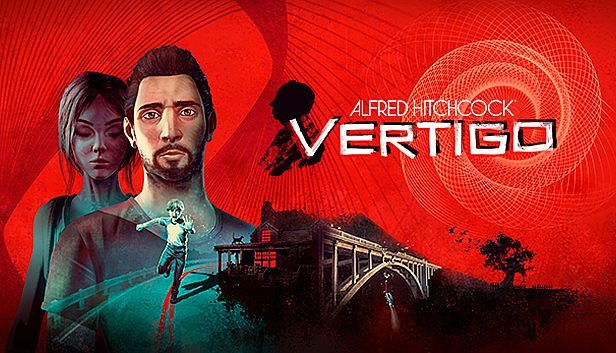























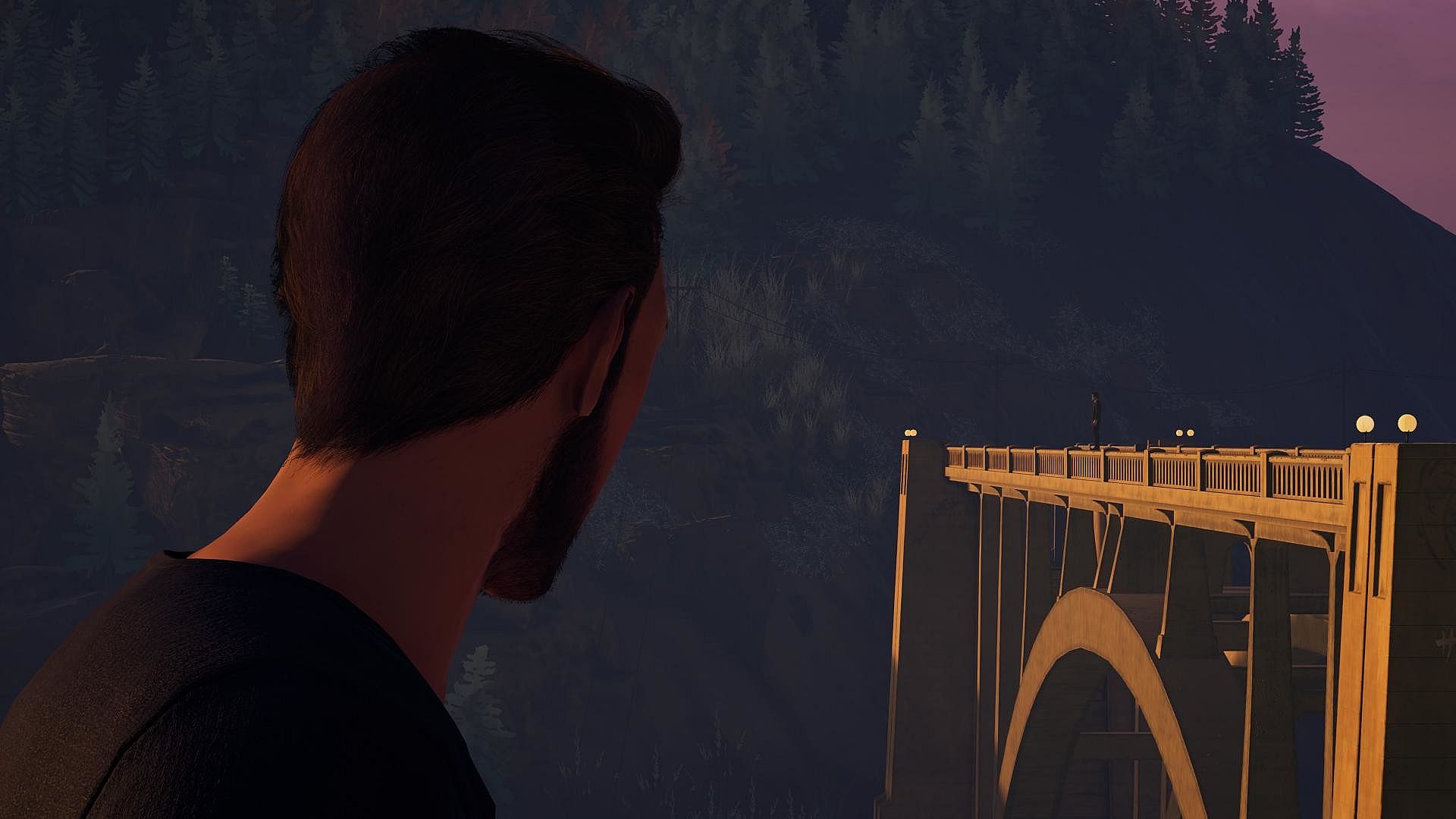
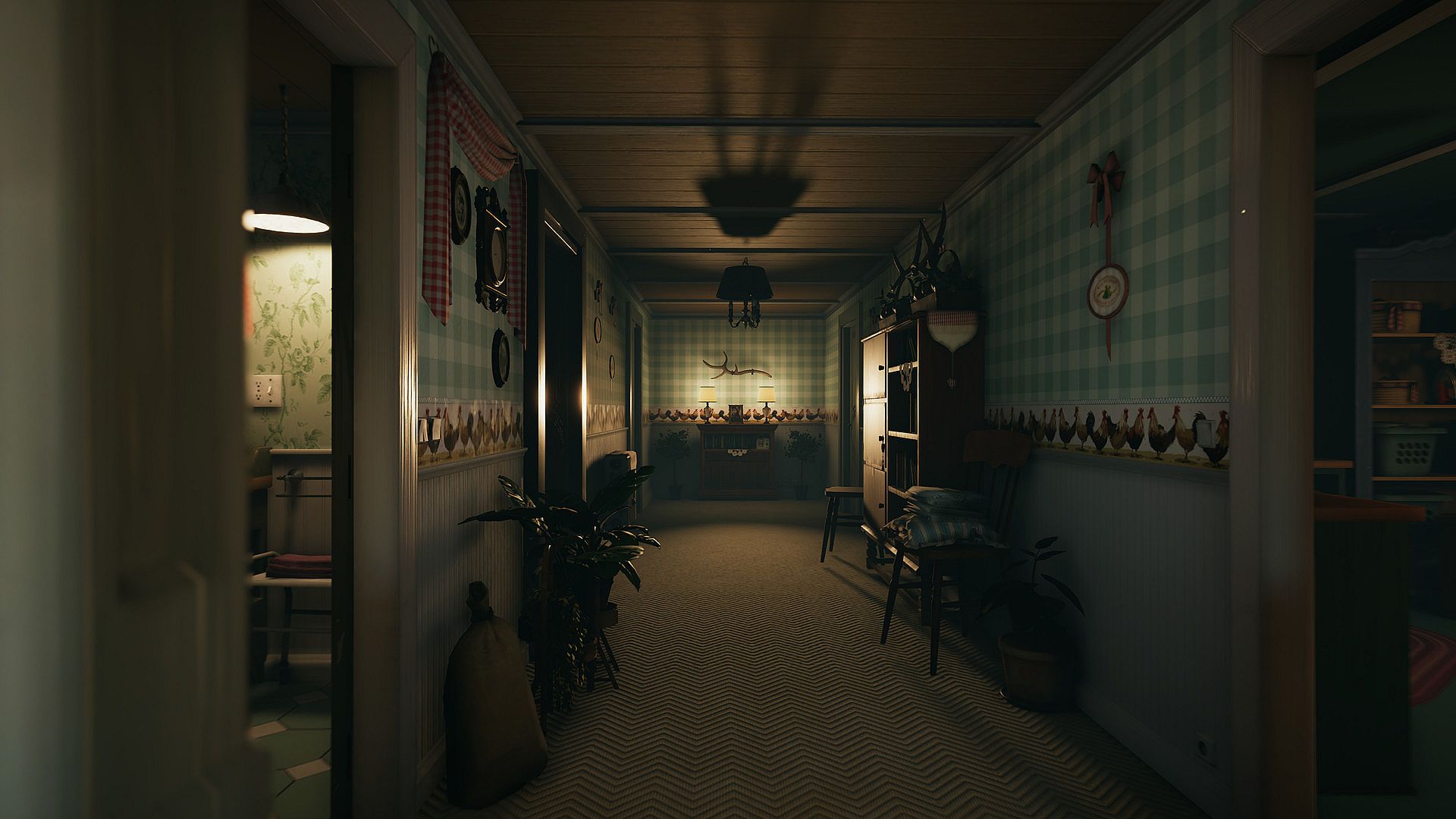
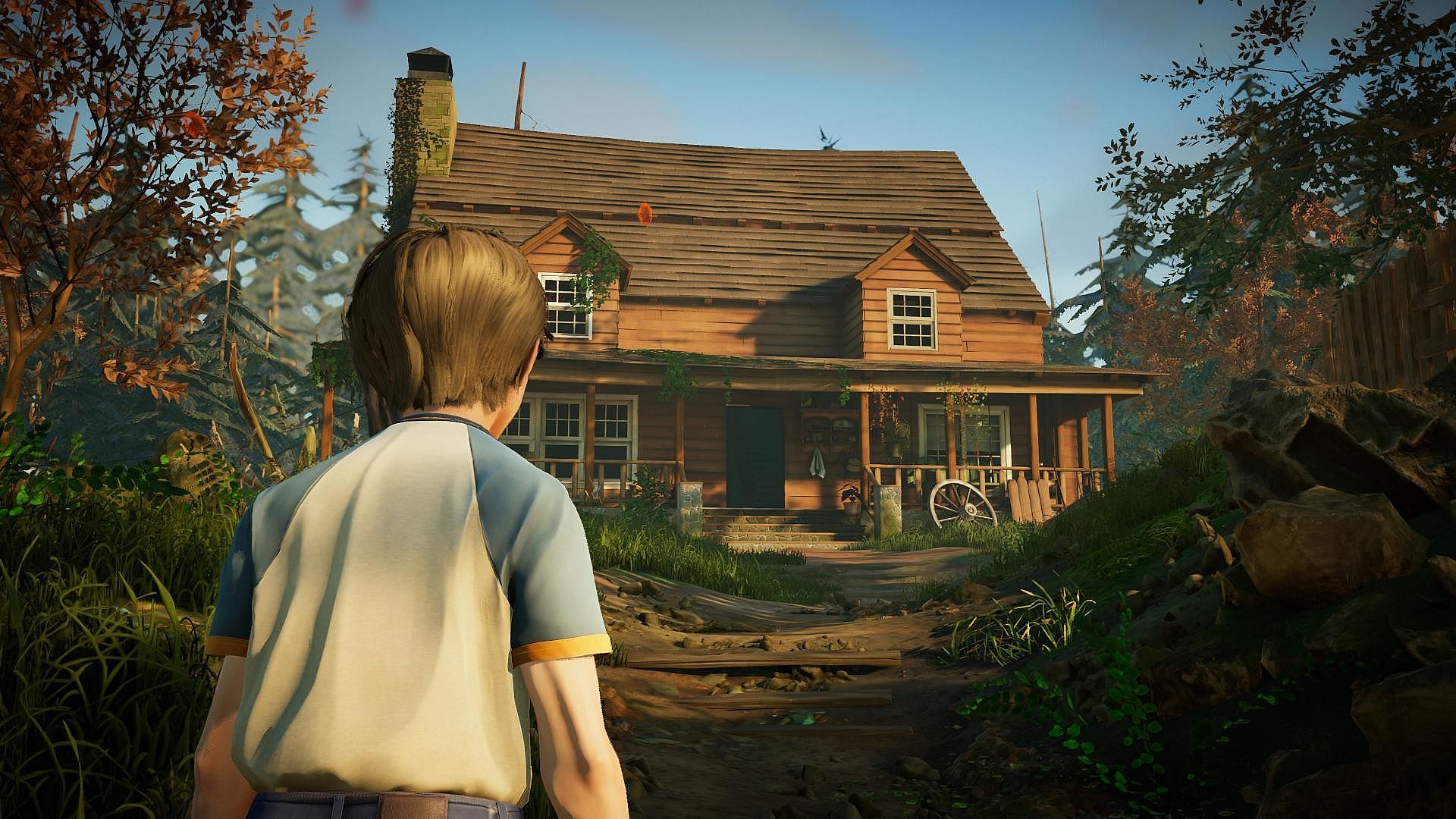
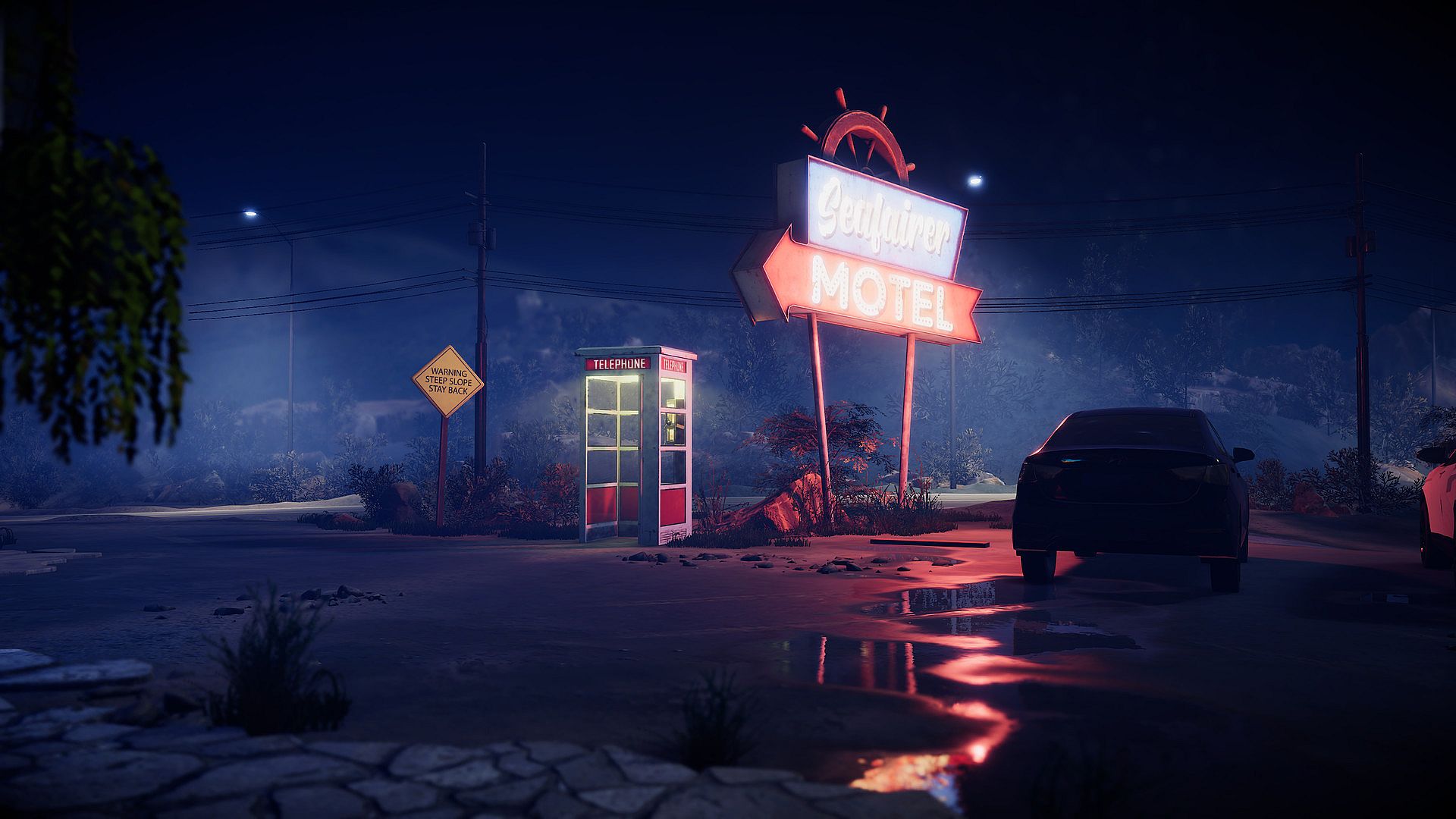
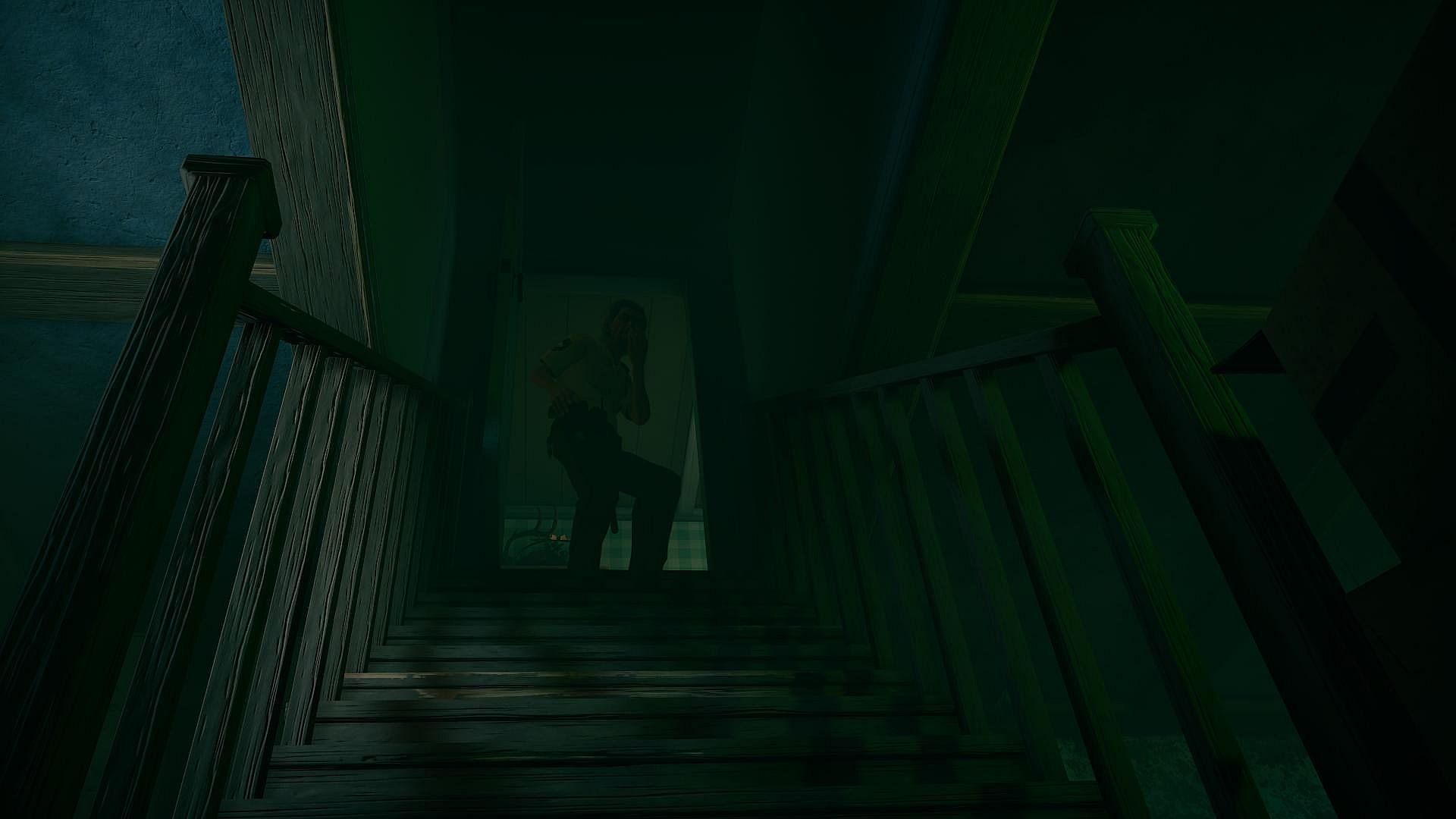


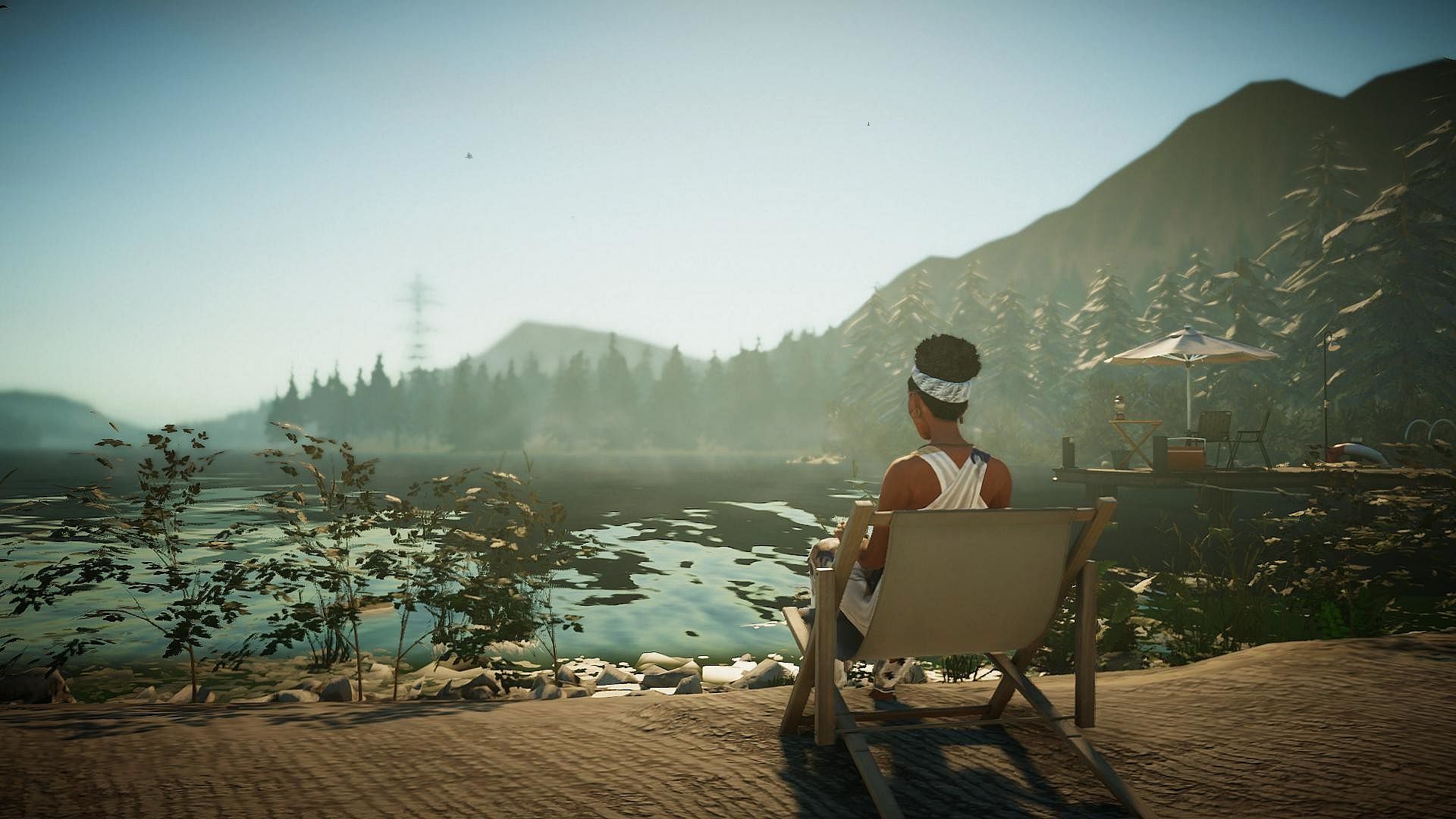
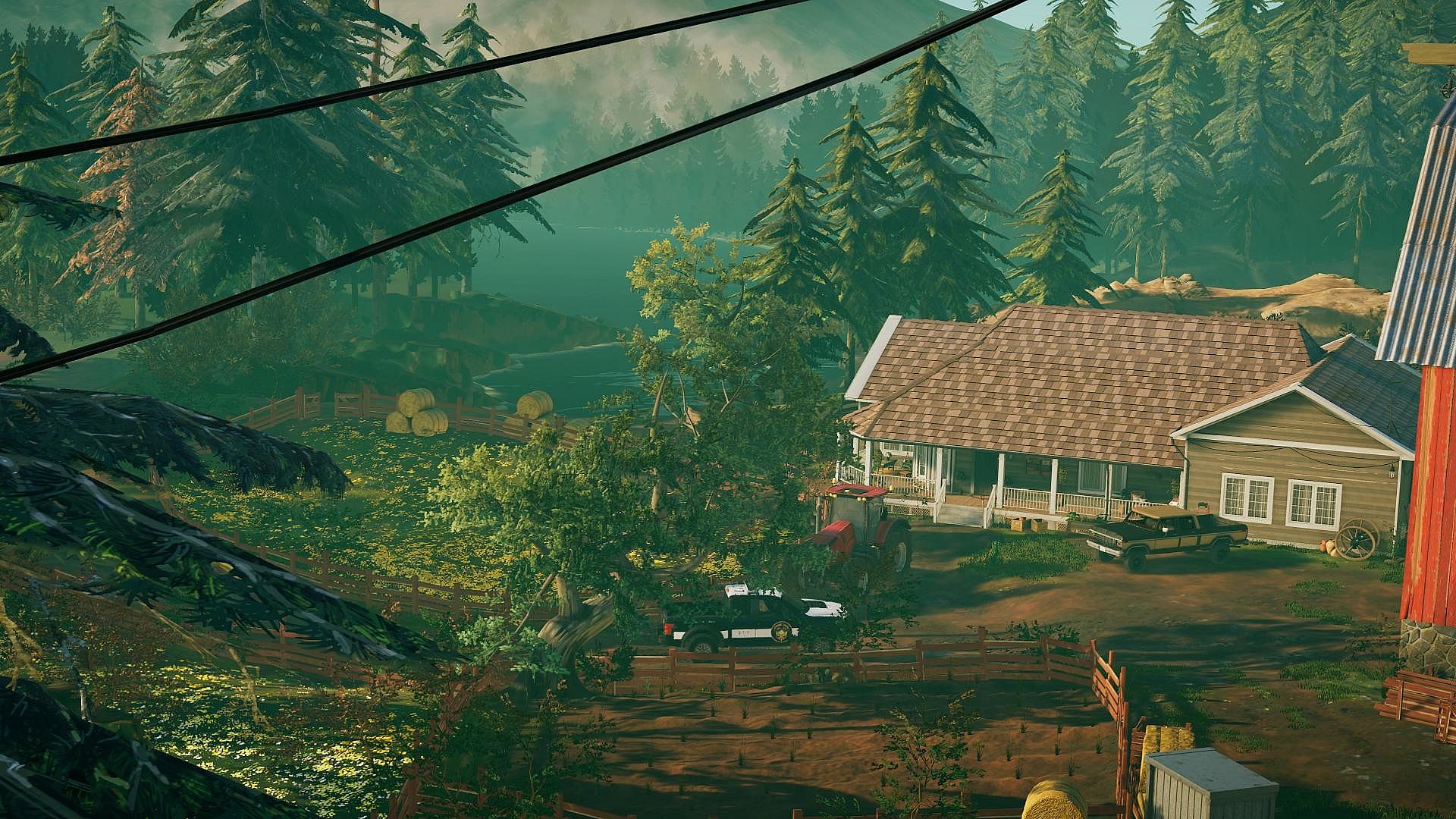






Alfred Hitchcock - Vertigo is a single-player narrative adventure game developed by Pendulo Studios. The story centers on writer Ed Miller, who survives a car crash in Brody Canyon but insists his wife and daughter were with him despite no evidence of their presence in the wreckage. Traumatized, he develops severe vertigo and enters therapy to piece together the events of that day, confronting themes of obsession, manipulation, and the blurred line between reality and memory.
Gameplay
Players control three different characters across the narrative, each offering a distinct viewpoint on the central mystery. Movement involves navigating 3D environments with direct control, often using analog stick inputs to mimic realistic actions such as walking or reaching. Quick-time events require timed button presses during sequences like running or dramatic moments, advancing the story or triggering specific animations.
A core mechanic involves revisiting Ed's memories under hypnosis. Initial playthroughs present events as Ed recalls them, but players can later rewind, fast-forward, or pause these sequences to inspect details and uncover contradictions. This system encourages cross-referencing timelines and character accounts to distinguish factual events from deceptive recollections. Interactions remain straightforward, such as selecting highlighted points of interest or performing simple tasks like organizing items, without complex puzzle-solving or inventory management.
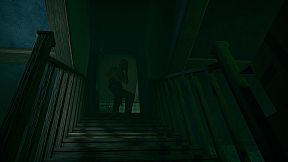
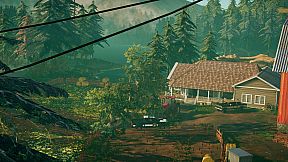
The experience emphasizes atmospheric storytelling through visual techniques reminiscent of classic thrillers, with a focus on psychological tension rather than action or exploration challenges. The game runs linearly over approximately ten hours, guiding players through a structured sequence of scenes and revelations.
Game Modes
Alfred Hitchcock - Vertigo offers only a single-player campaign. There are no multiplayer options, competitive modes, or additional variants. The entire experience unfolds as one continuous narrative journey, with the memory exploration and multi-character perspectives serving as the primary ways to engage with the plot. All progression ties directly into advancing the central story and resolving its mysteries through repeated timeline examinations.
Story and Narrative Structure
The plot draws inspiration from Alfred Hitchcock's 1958 film Vertigo while crafting an original tale of psychological depth. Therapy sessions drive the investigation, allowing players to experience formative moments from Ed's past alongside the crash aftermath. Each character's perspective reveals conflicting details, building suspense through gradual revelations about obsession and hidden truths. The structure rewards careful attention to how memories shift under scrutiny, creating a layered mystery that unfolds across multiple time periods.
Voice acting and cinematic presentation support the thriller tone, with environments and character models contributing to the grounded, unsettling atmosphere. The narrative avoids branching paths or multiple endings, instead delivering a fixed sequence of events designed for a single, focused playthrough.
Is It Worth Playing?
This title suits players who prioritize strong storytelling and psychological themes in adventure games over mechanical complexity or replayability. The memory rewind system provides a unique way to engage with the plot, and the multi-character approach adds depth to the investigation. Steam user reviews rate the game Very Positive based on 688 reviews, highlighting the intriguing story and its ties to the source material's style.
Those seeking traditional puzzles or open-ended gameplay may find the experience too linear and light on interactive challenges. The game launched in 2022 with no ongoing seasons or major updates reported since release, positioning it as a complete, self-contained narrative title. Fans of similar story-driven adventures will likely appreciate its focus on mental unraveling and thematic consistency, while others might prefer titles with more varied mechanics.