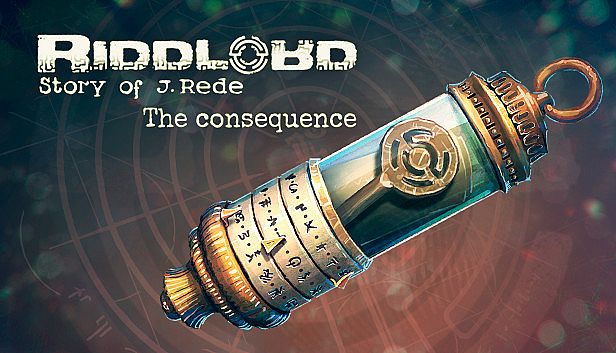



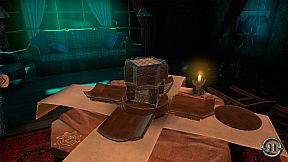
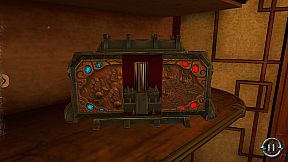
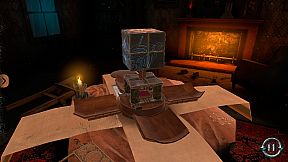
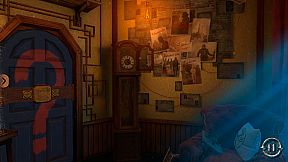
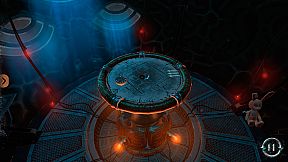
Riddlord: The Consequence stands out as a puzzle adventure game that blends detective storytelling with intricate brain teasers, drawing players into a mystical world of riddles and hidden truths.
Gameplay
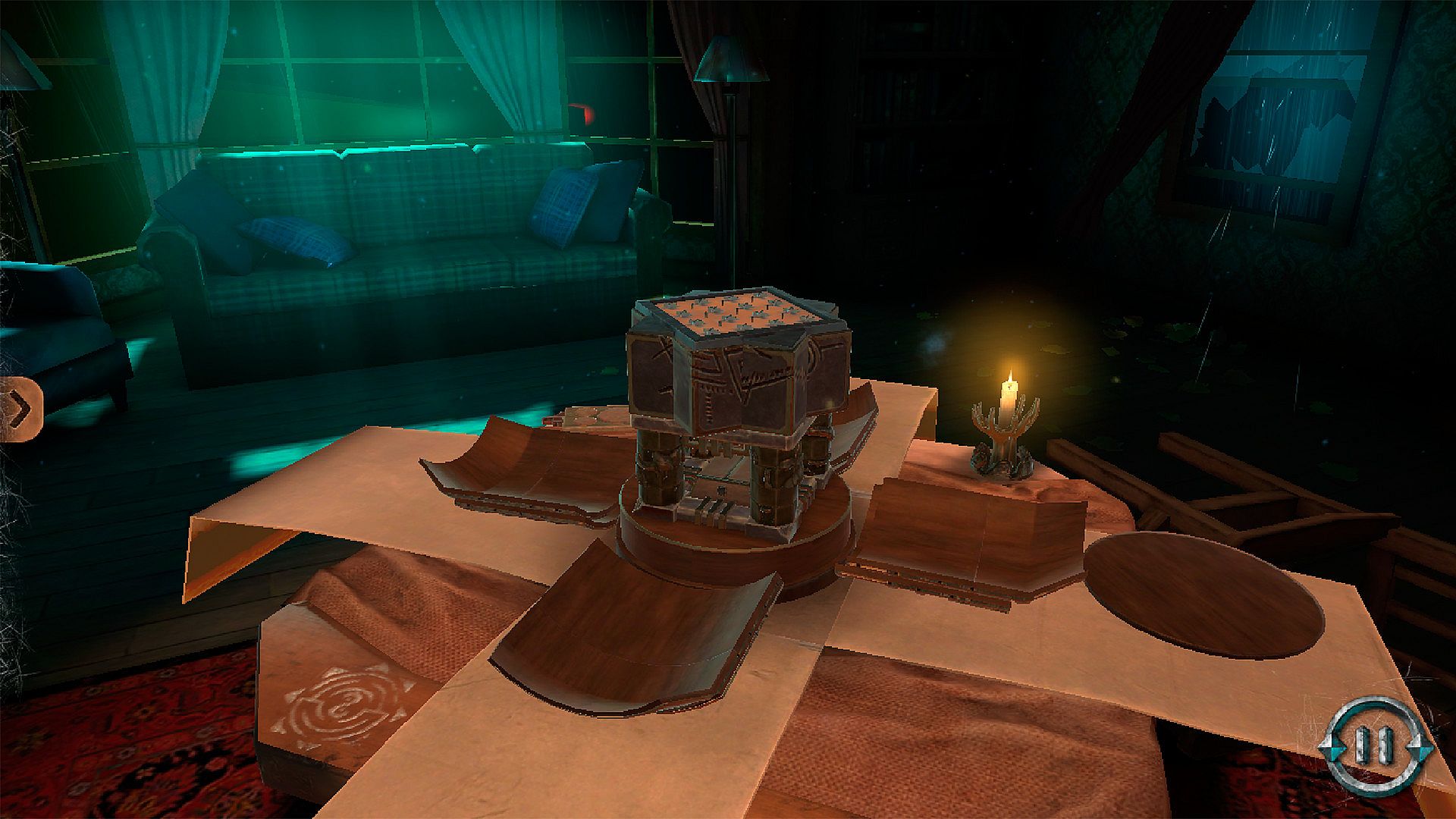
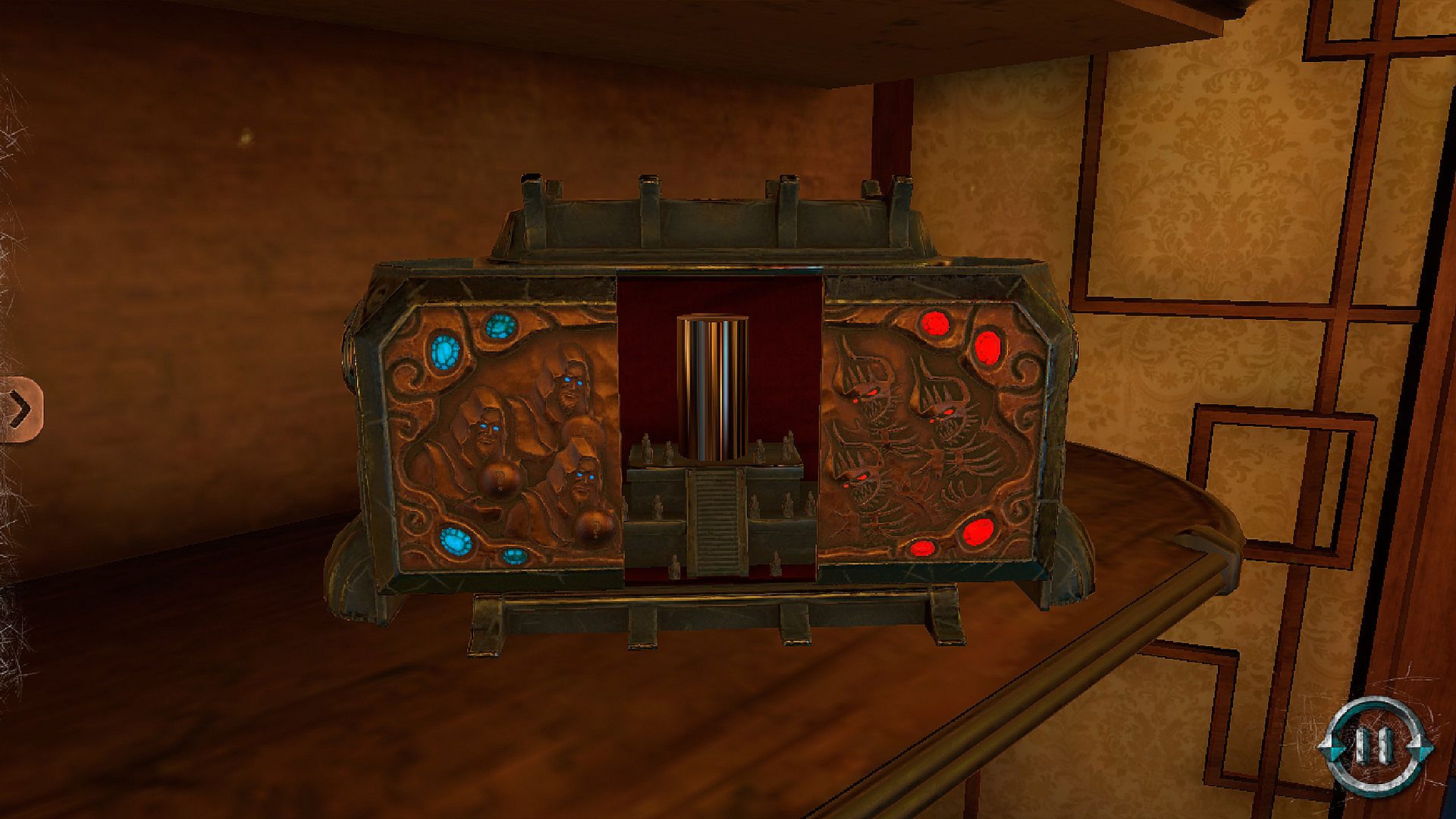
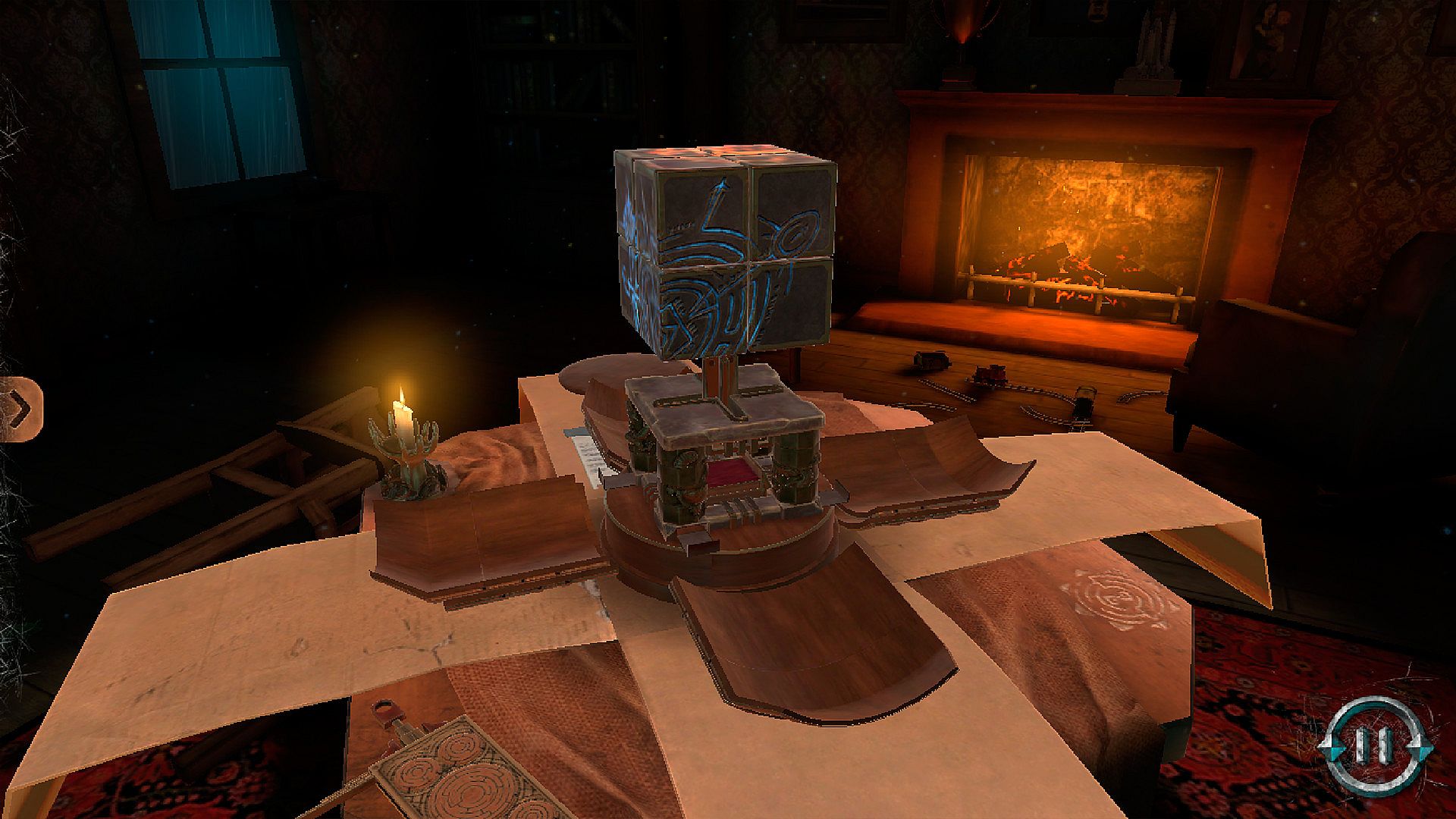
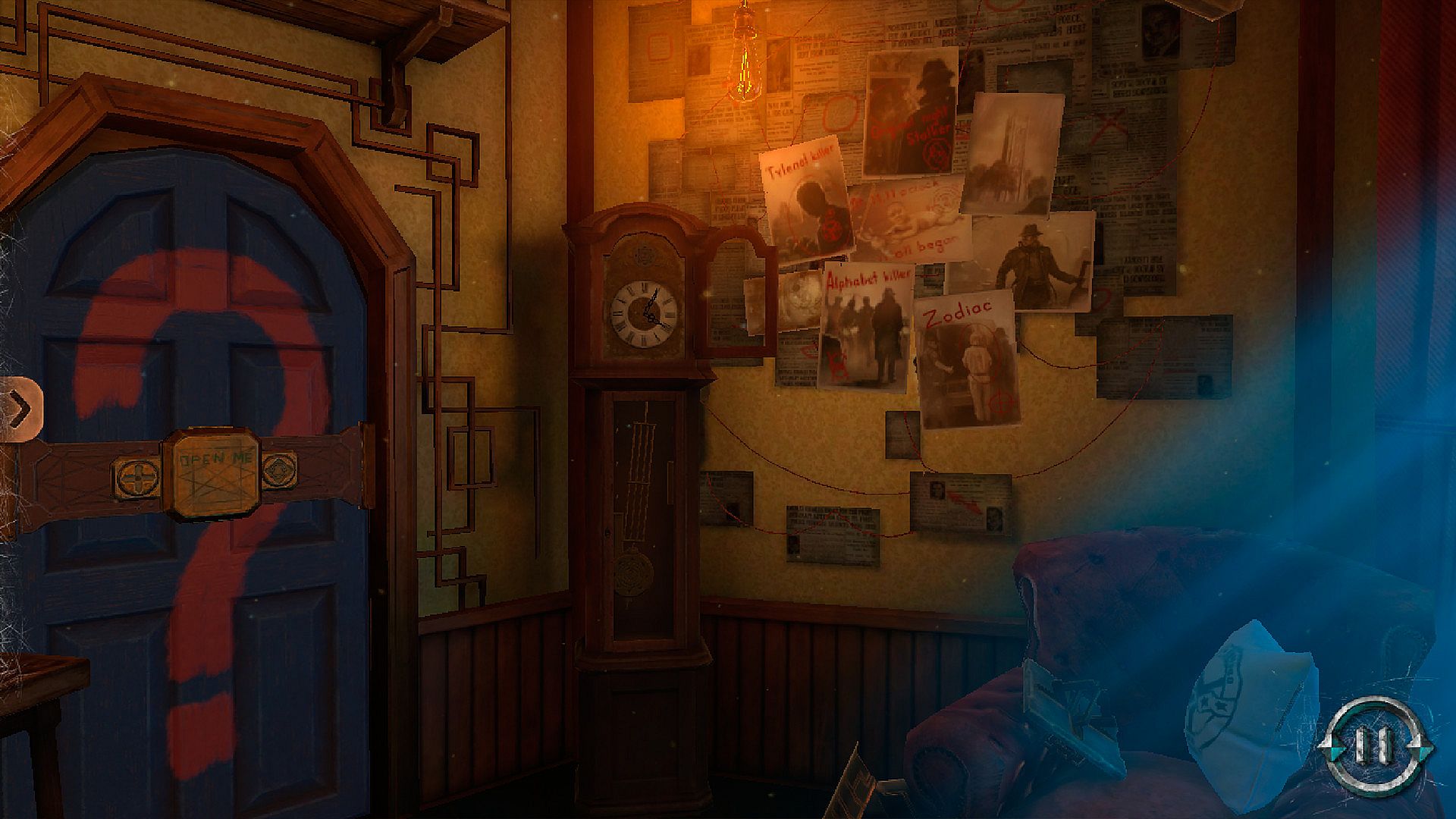
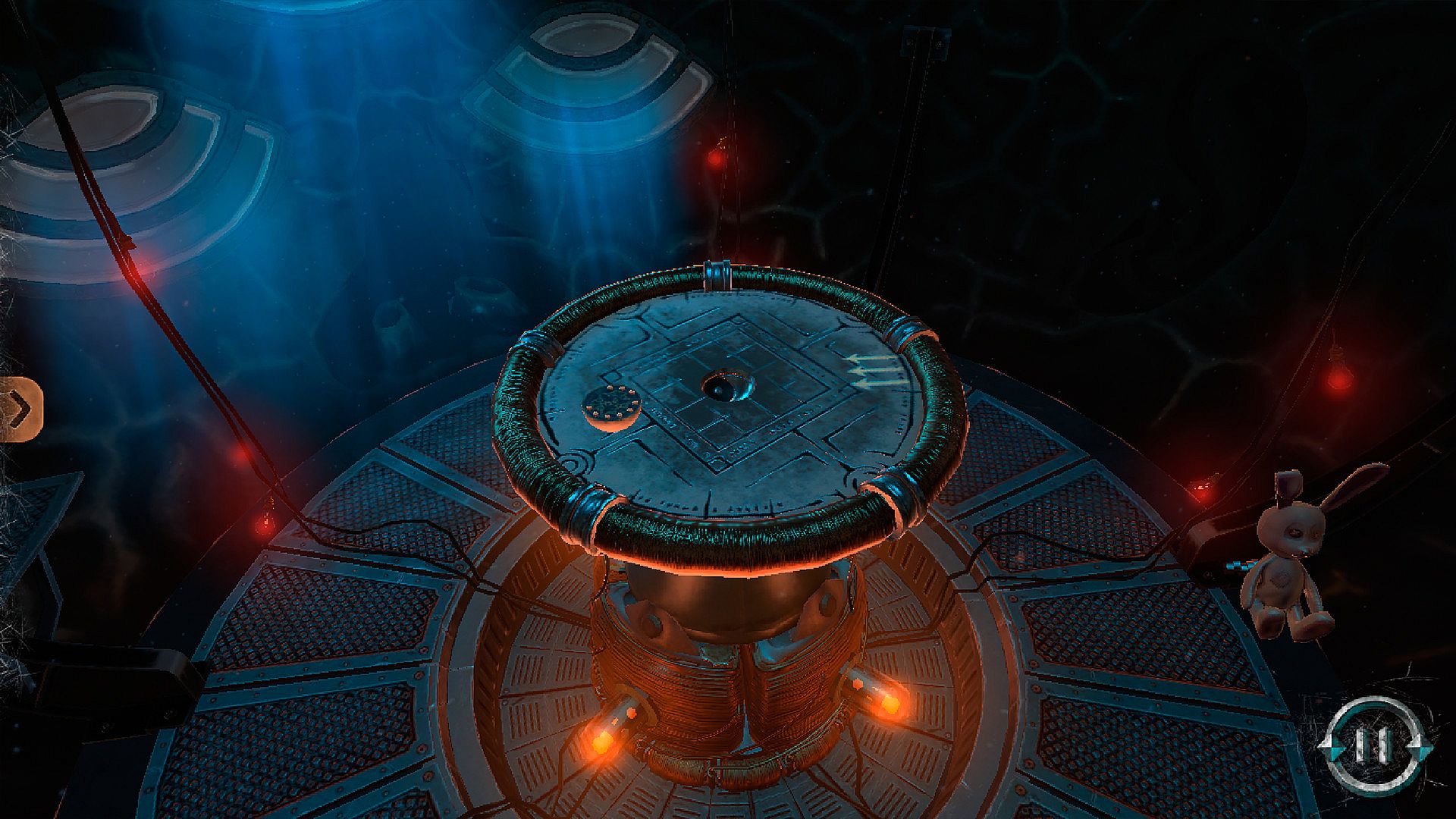
In this first-person puzzle experience, you navigate 3D environments filled with objects to manipulate and secrets to uncover. The core loop revolves around examining clues, combining items, and solving interconnected challenges that test logic and spatial awareness. Puzzles often require careful observation of patterns, such as aligning symbols or decoding sequences, with some drawing inspiration from real-world mysteries like the Zodiac killer case.
Mechanics emphasize hands-on interaction, where rotating views and zooming in on details reveal hidden mechanisms. Memory plays a role in recalling earlier hints, while ingenuity helps in piecing together narrative elements that advance the plot. The game demands persistence, as solutions can involve trial and error without overt hints, creating a sense of accomplishment when a tough riddle clicks.
Game Modes
Riddlord: The Consequence features a single-player campaign structured around chapters, each building on the detective's journey. There are no multiplayer options or alternative modes; instead, the focus remains on progressing through the story via puzzle-solving sequences.
Chapters unfold linearly, with each one introducing new environments and escalating difficulty. This setup suits solo play, allowing you to tackle the adventure at your own pace without time limits or competitive elements.
Story and Setting
The narrative follows detective Jack Reed as he pursues the enigmatic Riddlord, who has kidnapped his son Spark. Themes of mysticism and inner transformation weave through the plot, connecting puzzles to philosophical concepts like ancient alchemy.
Atmospheric elements, including detailed graphics and ambient music, enhance the detective-mystic vibe, making exploration feel immersive. Every puzzle ties back to the overarching mystery, encouraging deeper engagement with the character's fate.
Is It Worth Playing?
For those who thrive on challenging puzzle adventures, this game offers a solid test of wits with its array of brain teasers and narrative depth. Player feedback highlights a mixed reception, with 56% positive reviews from 74 users on platforms, noting an average playtime of about six hours.
Common praises include the intriguing story and clever puzzle design, but frustrations arise from clunky controls and overly obtuse challenges that can lead to roadblocks. If you enjoy games similar to The Room series and don't mind steep difficulty, it provides worthwhile mental stimulation. However, casual players might find the lack of guidance off-putting, so consider it if you're prepared for a demanding solo experience without ongoing updates or community support since its 2019 release.