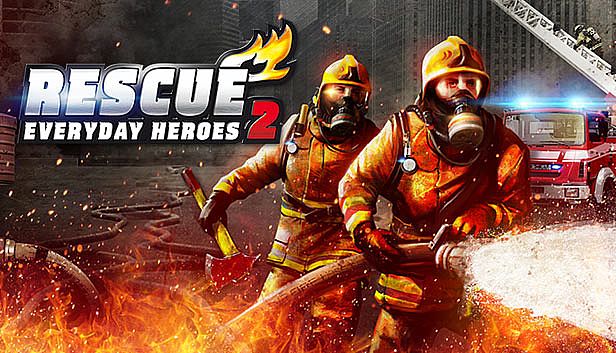





















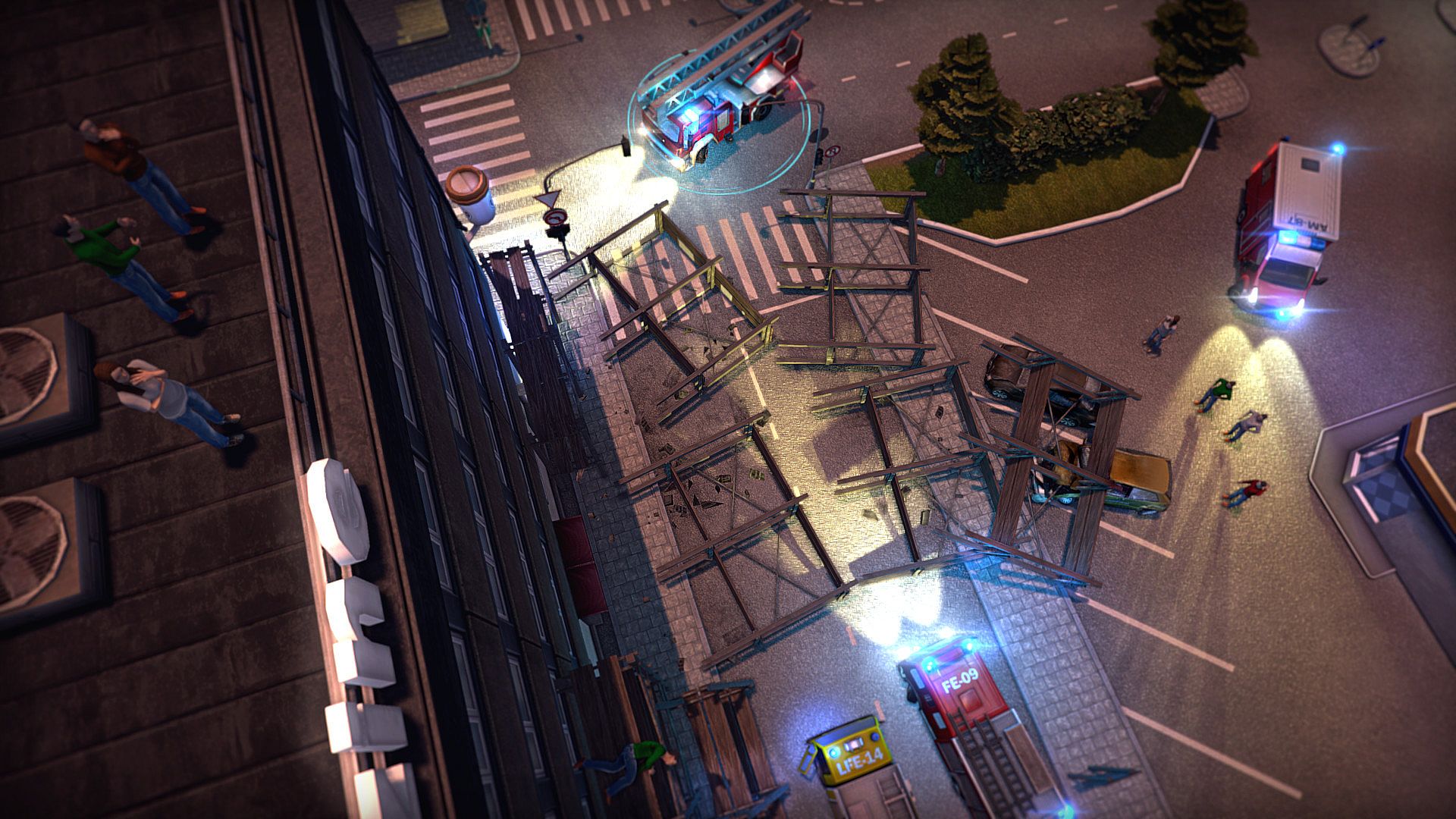
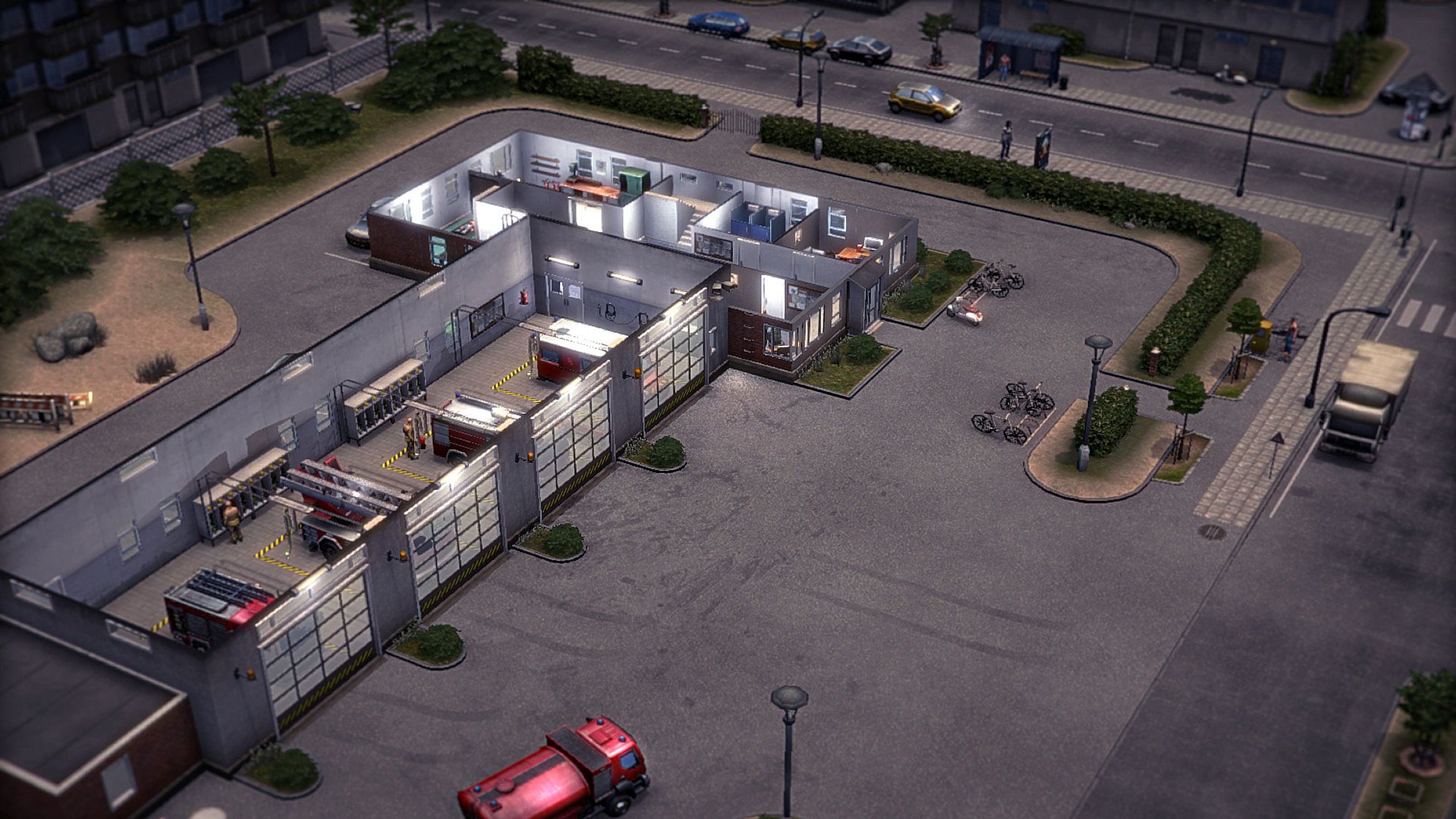
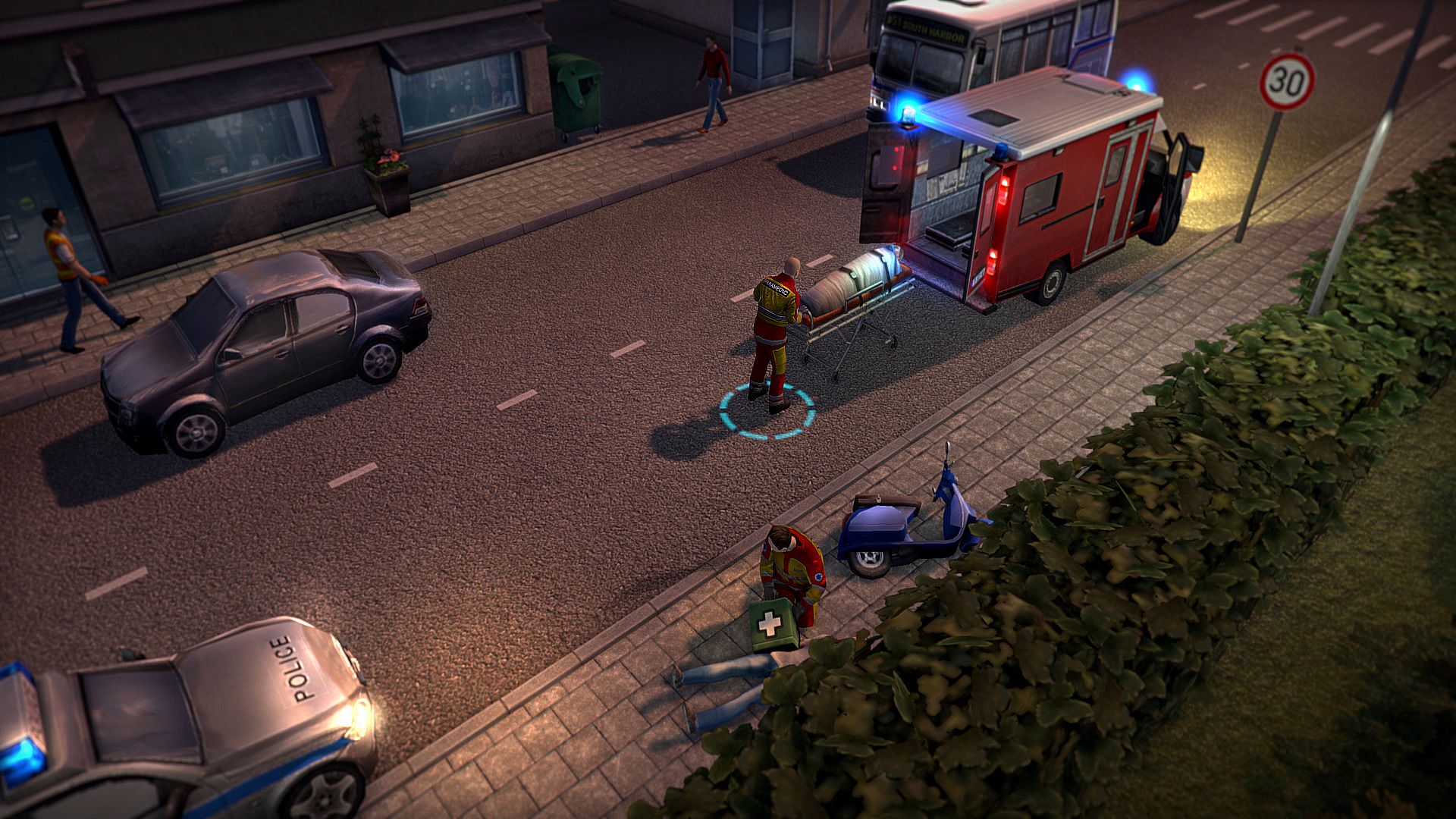
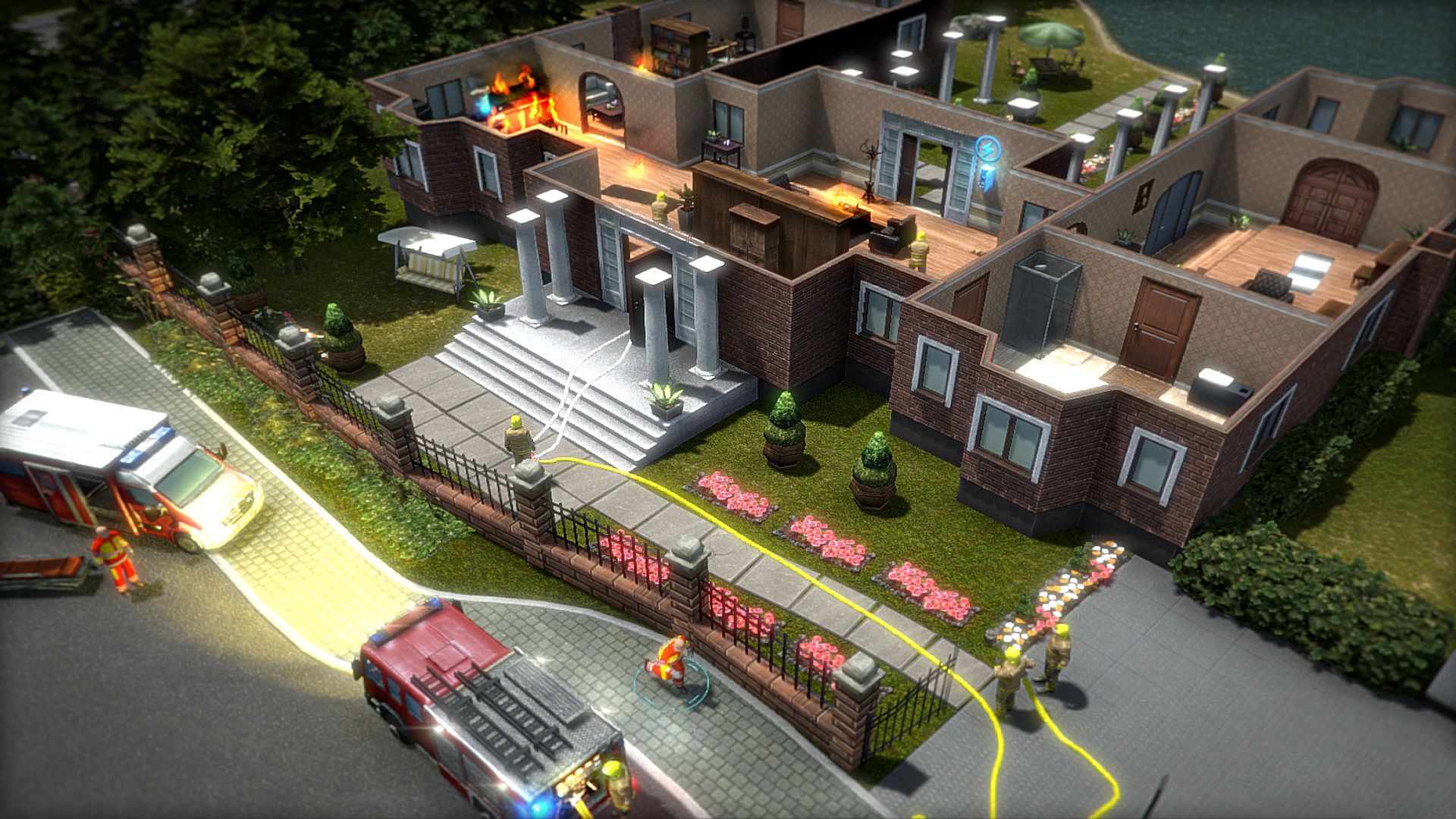
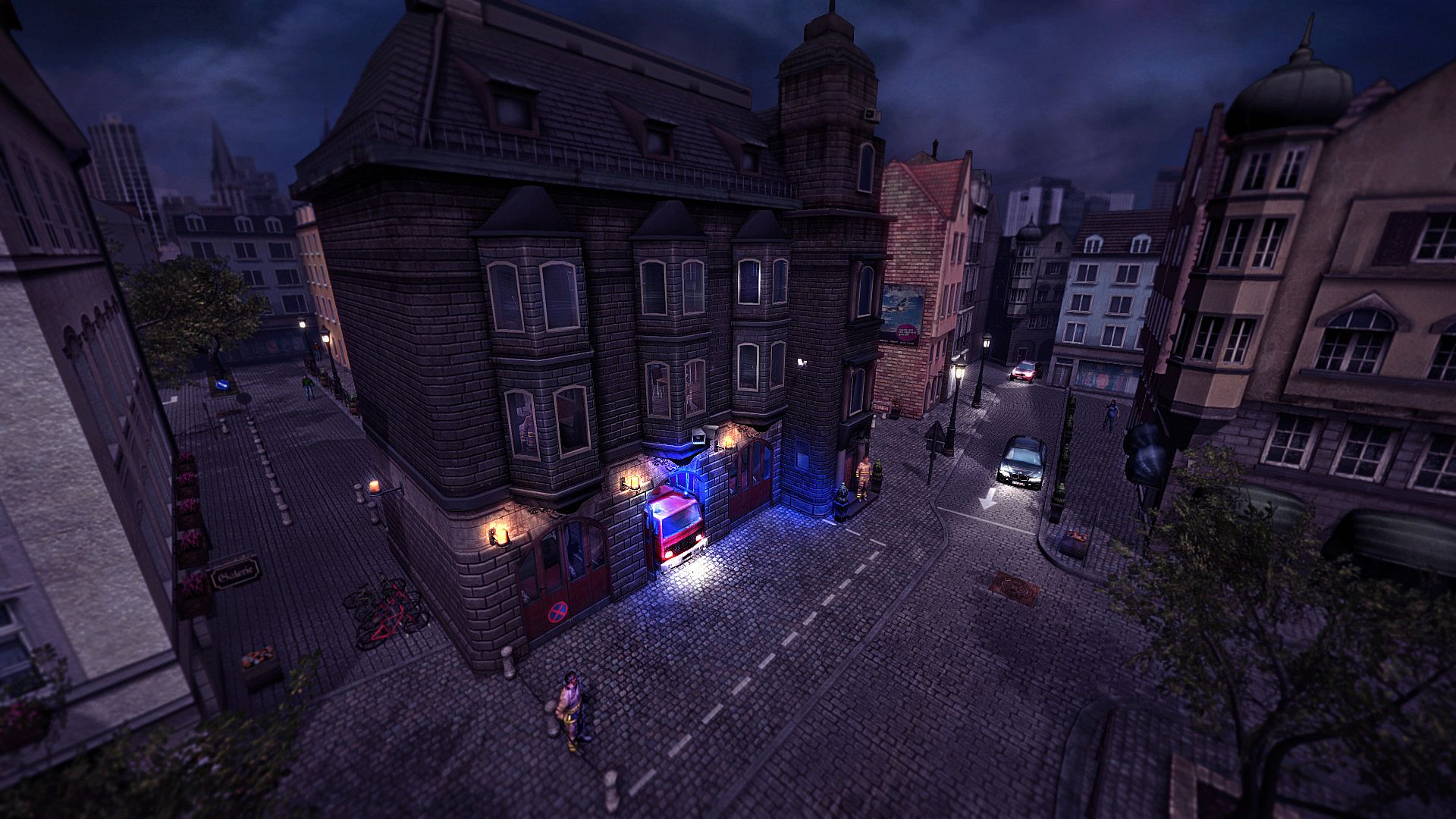
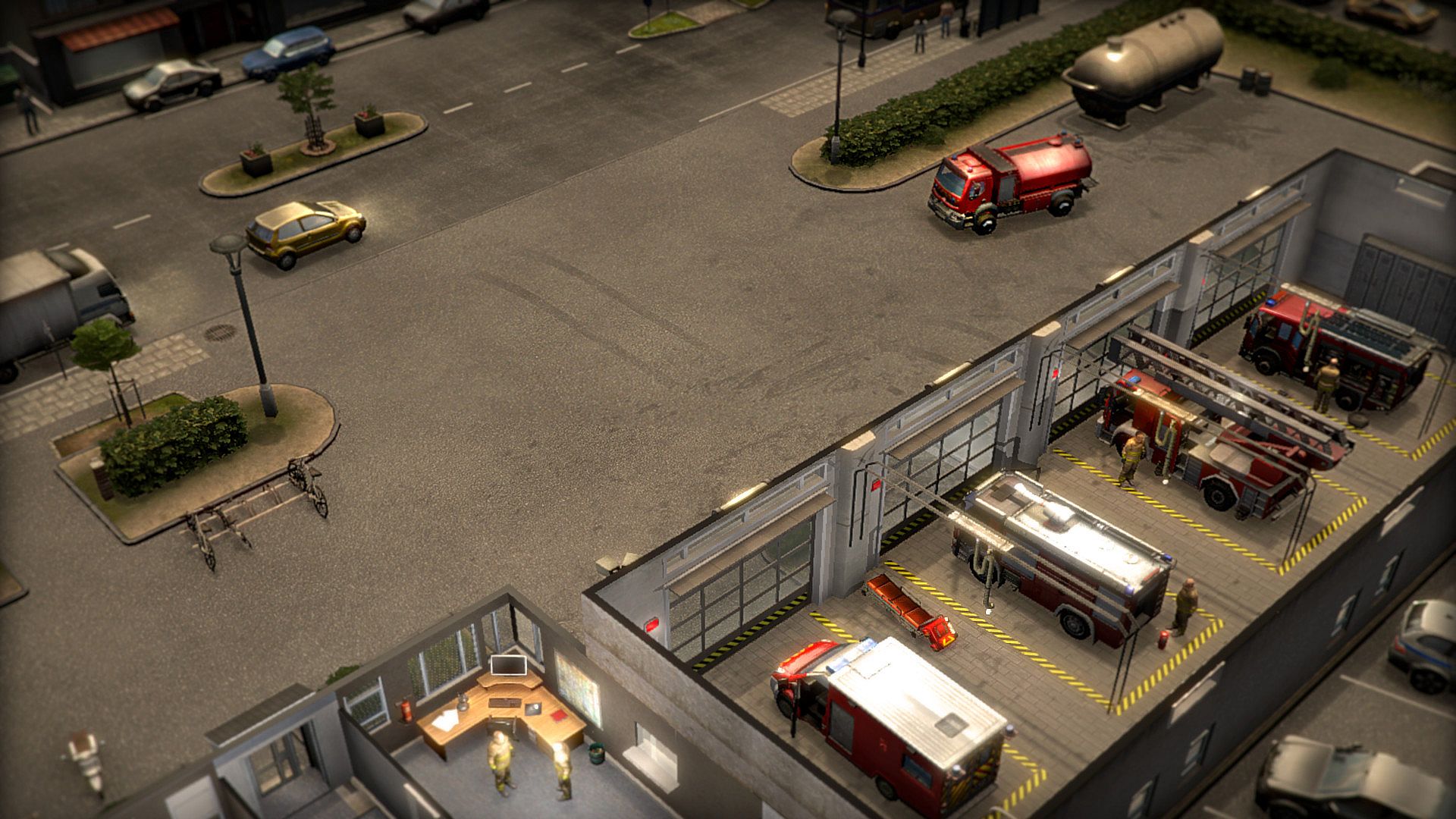





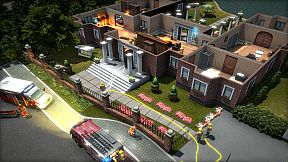
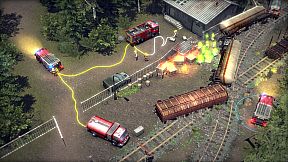
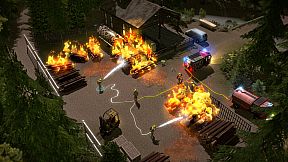

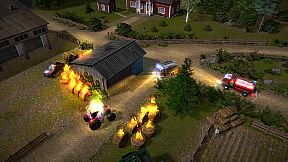


RESCUE 2: Everyday Heroes is a strategy simulation game in which players manage fire stations and coordinate rescue operations across an expanding city. The title places users in the role of fire commander responsible for equipment, personnel, and response planning during incidents ranging from routine blazes to complex accidents.
Gameplay
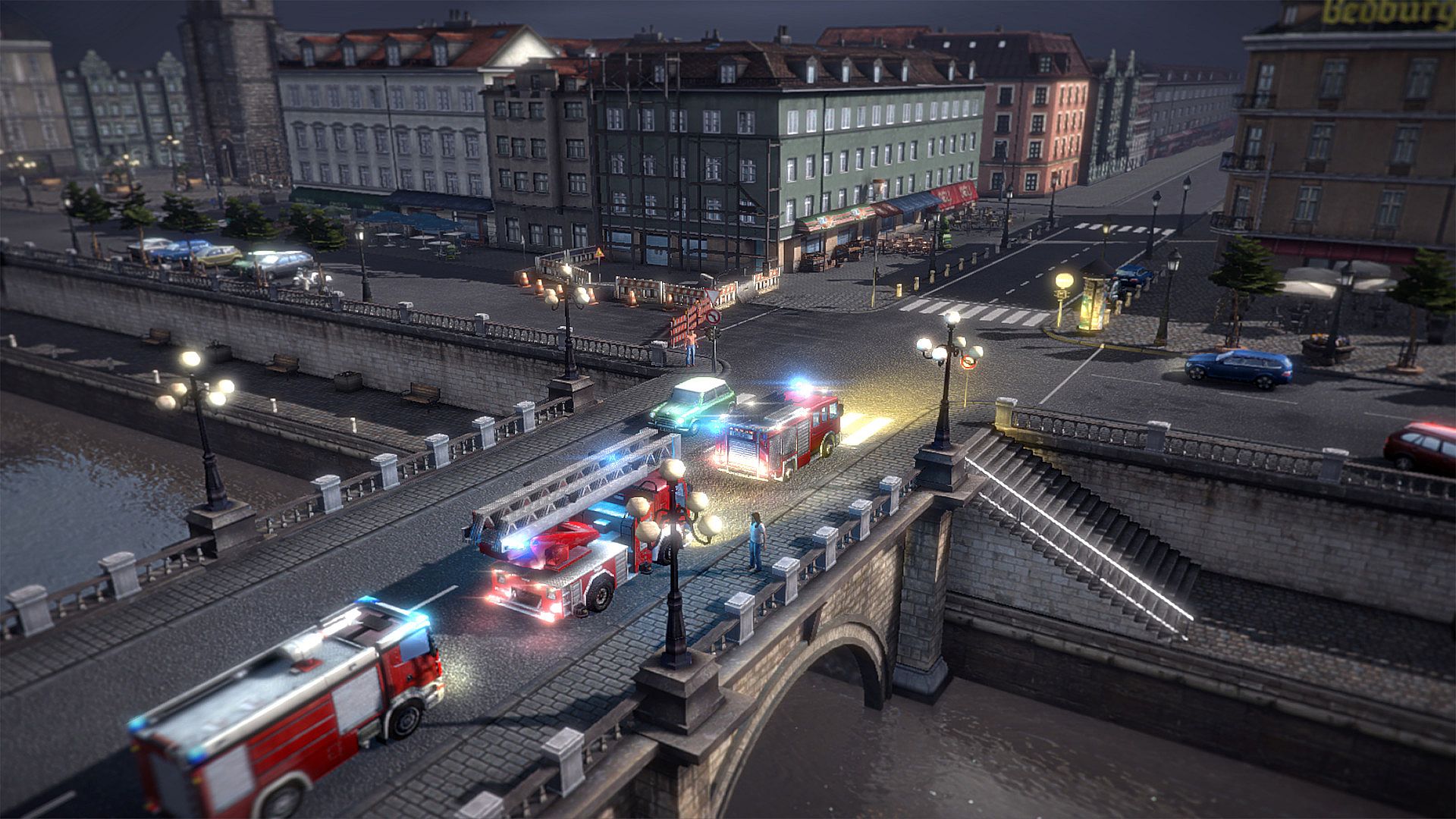
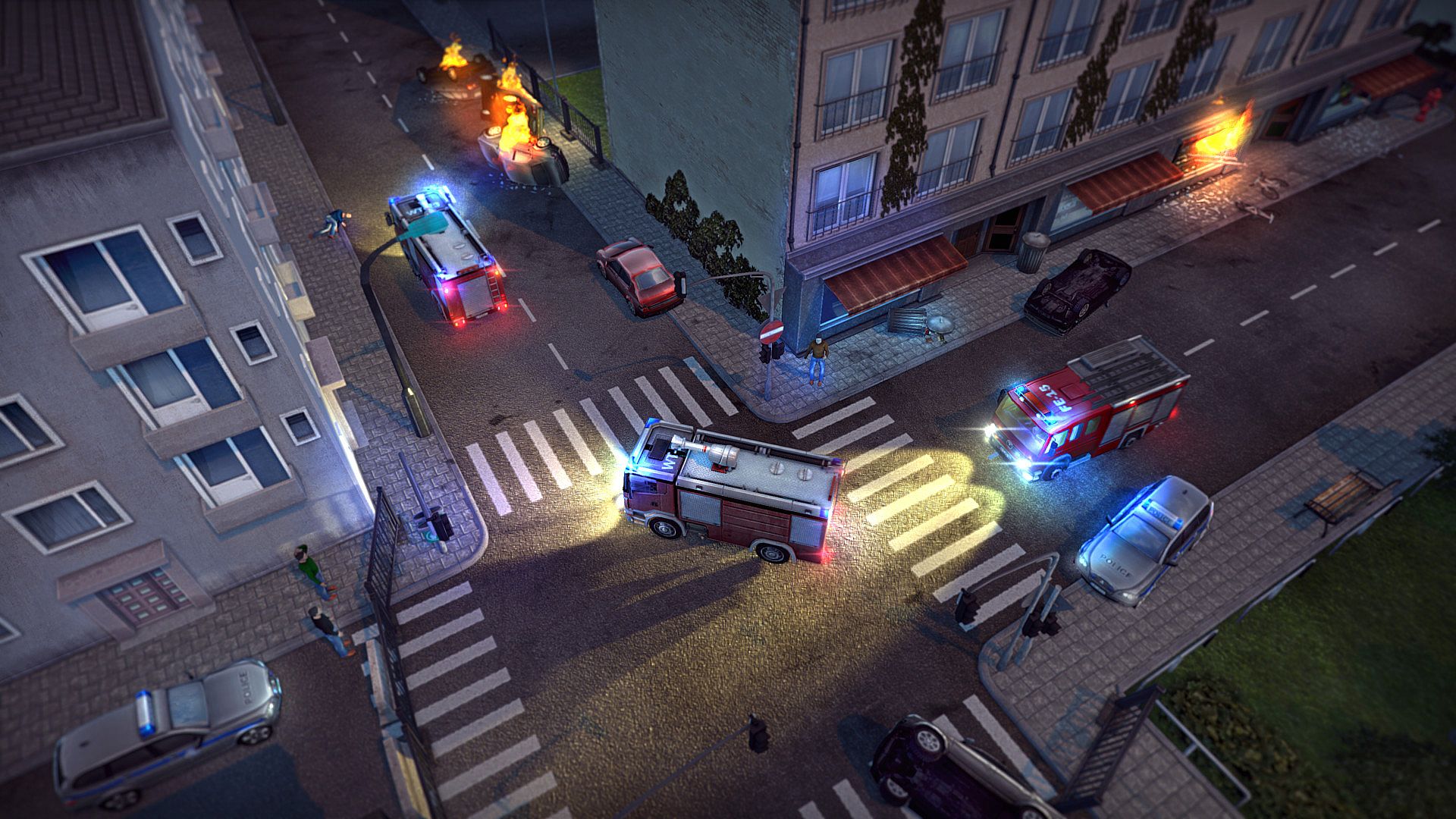
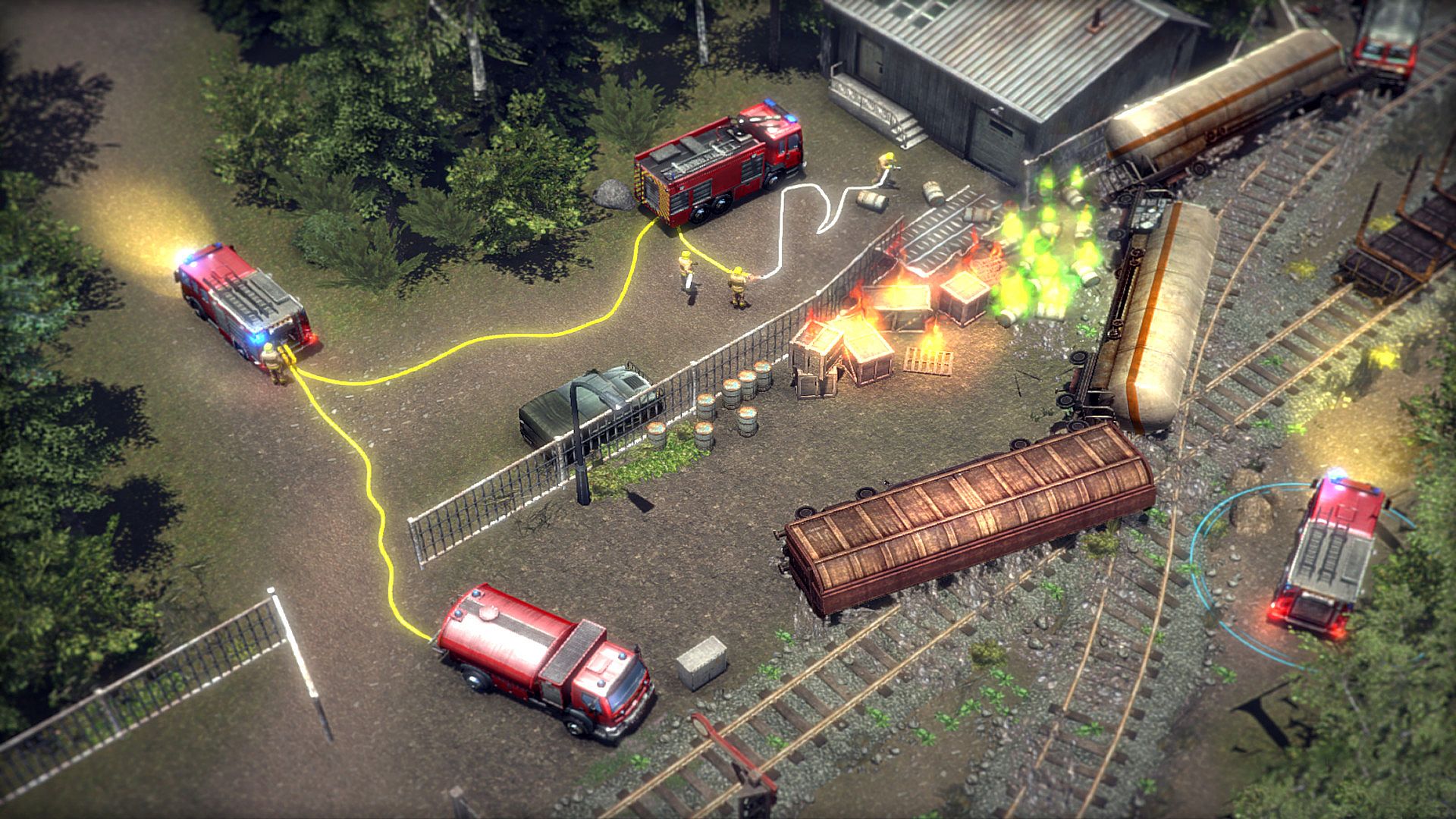
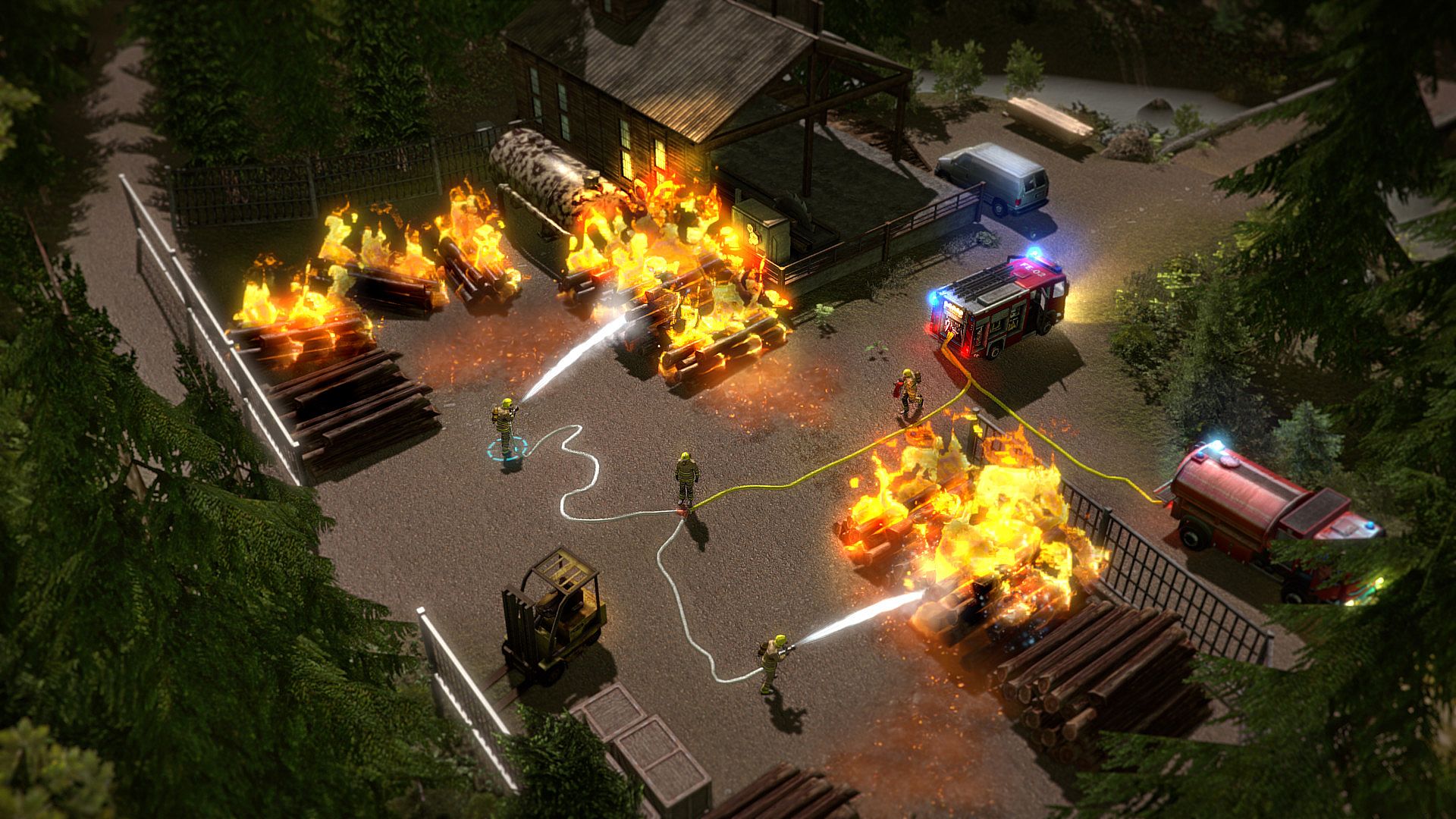
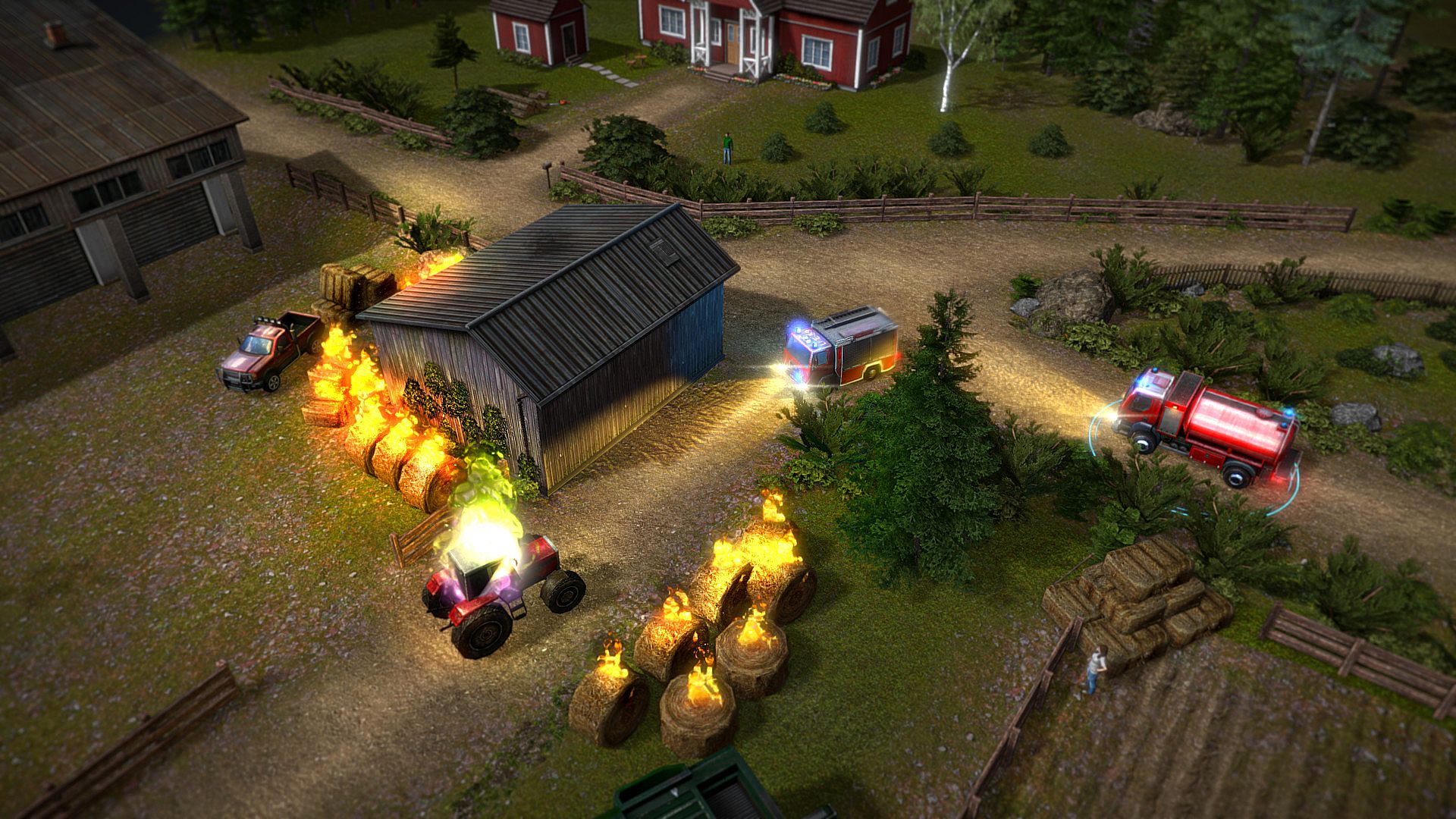
Core play revolves around overseeing multiple fire stations, assigning specialized staff, and dispatching vehicles equipped for specific threats. Players select appropriate extinguishing agents based on fire type, such as liquid or electrical hazards, while accounting for backdraft risks. Water supply comes from hydrants, natural sources, or tenders, requiring careful route planning on the city map to reach incidents before damage escalates.
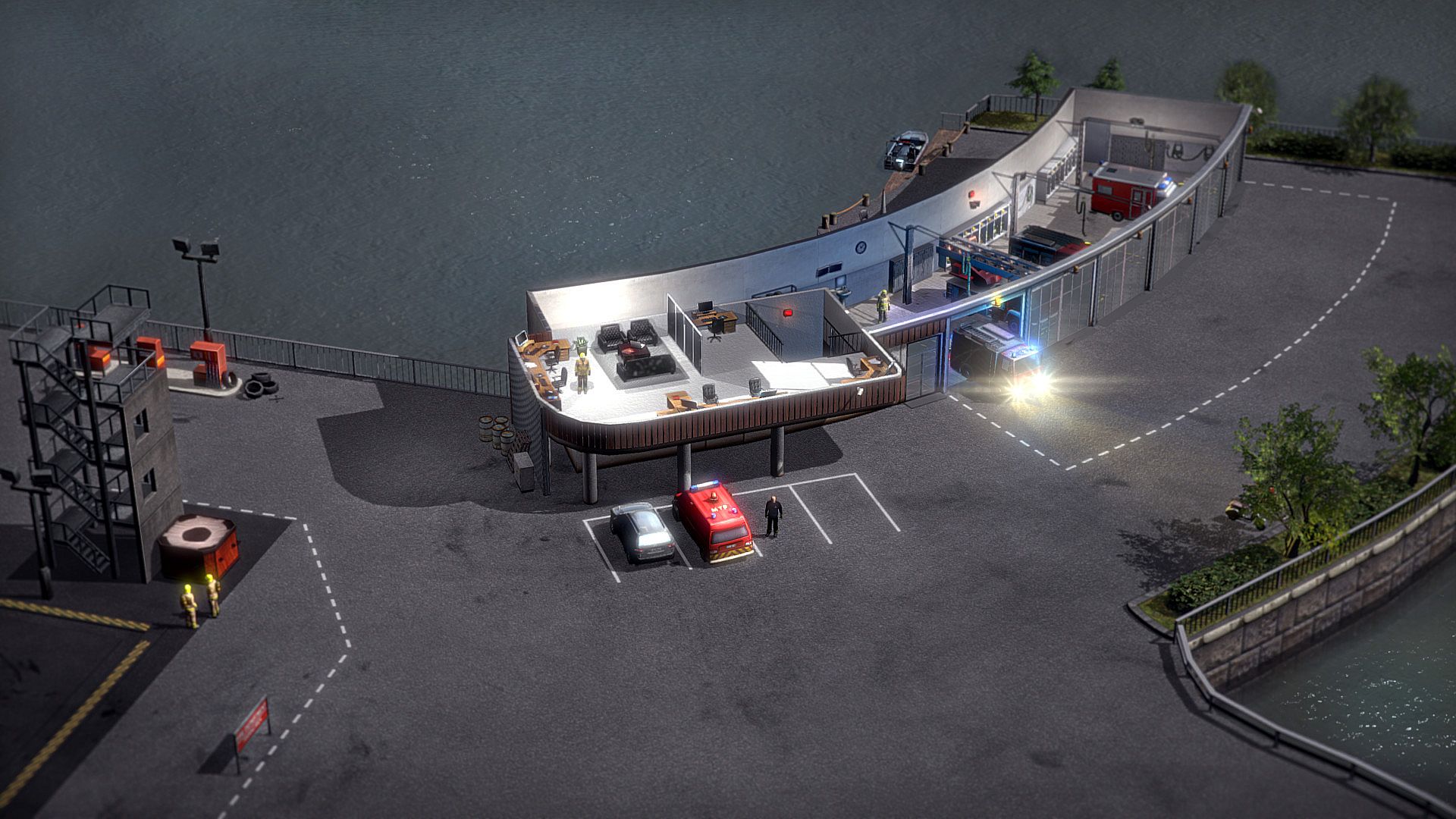
Progression begins with one station and expands through successful mission completion, unlocking additional facilities. New vehicles become available for purchase, including a turntable ladder suited for multistory rescues. Staff management includes hiring extra personnel and assigning them to teams, with options to transfer units between stations as needs shift. Missions occur in real time, demanding quick decisions on resource allocation and positioning.
Game Modes
Two distinct mission types structure the experience. Story missions follow a narrative sequence that introduces escalating challenges and new mechanics. Everyday missions provide standalone scenarios focused on standard response procedures, allowing repeated practice with different variables.
Both modes emphasize preparation through station upgrades and team composition. Players balance simultaneous calls by coordinating travel times and vehicle capabilities across the map, ensuring coverage without overextending resources.
Key Mechanics and Progression
Equipment variety supports tactical choices during operations. Turntable ladders enable access to higher floors, while different extinguishing tools address unique fire behaviors. The flexible water system forces consideration of supply points in advance, adding layers to route selection and timing.
Character development appears through recurring personnel with distinct traits. Female colleagues join the roster alongside returning figures from the prior entry in the series. Task assignment lets commanders match individual skills to mission demands, fostering familiarity with the team over repeated play sessions.
Is It Worth Playing?
RESCUE 2: Everyday Heroes suits players who enjoy detailed management simulations centered on emergency services. The focus on station expansion, vehicle customization, and mission coordination delivers steady progression without reliance on external multiplayer elements.
Reception remains mixed, with some appreciating the realistic mission structure and others noting control complexity. Those seeking a single-player strategy experience built around fire department operations will find the core loop consistent with its 2015 release. The game runs on PC and continues to appear in digital storefronts for those interested in this niche simulation style.