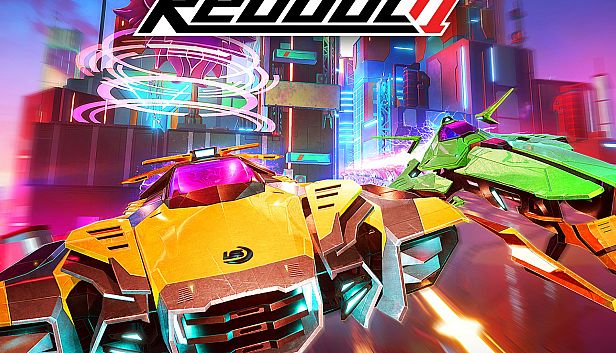


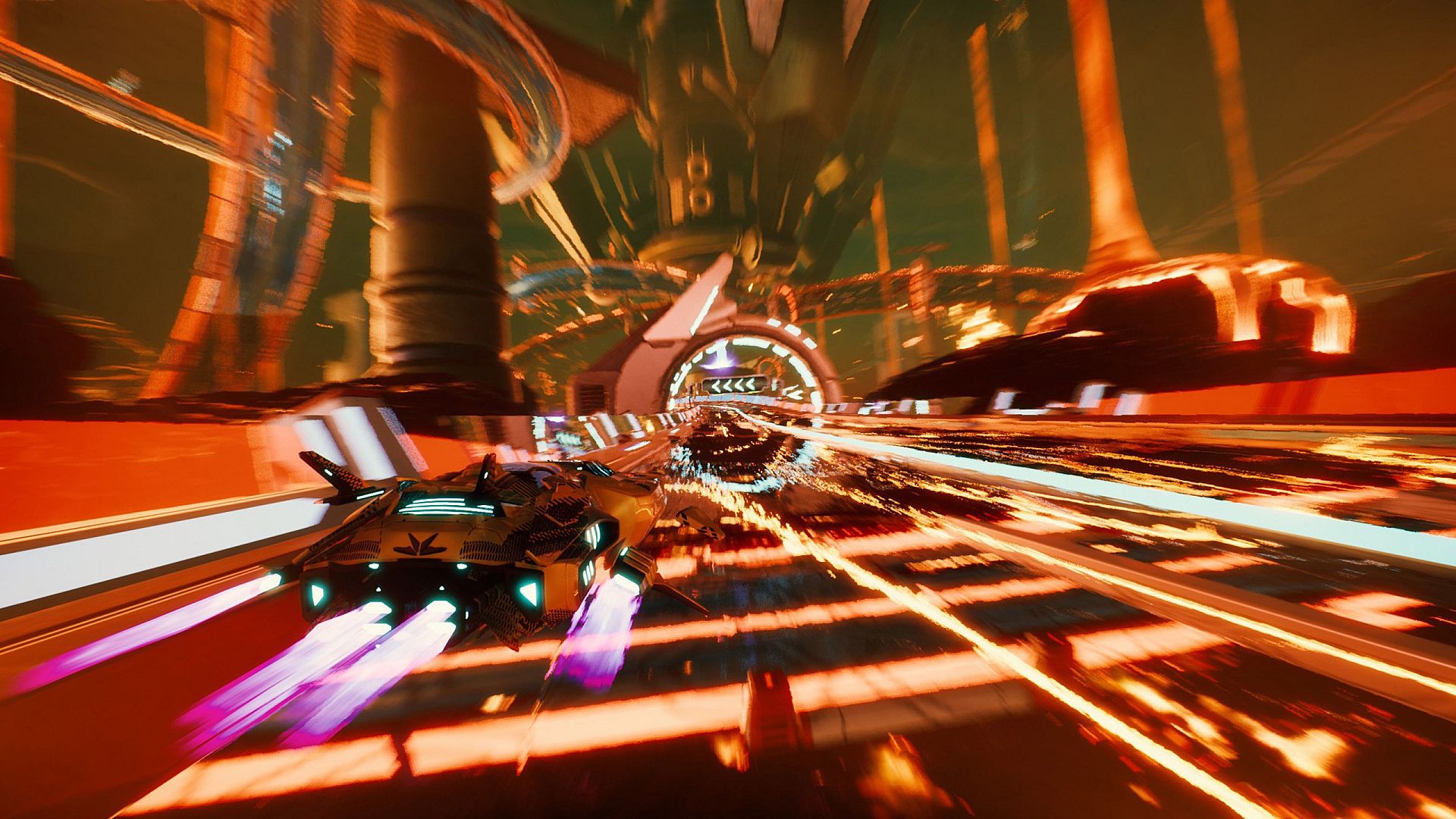
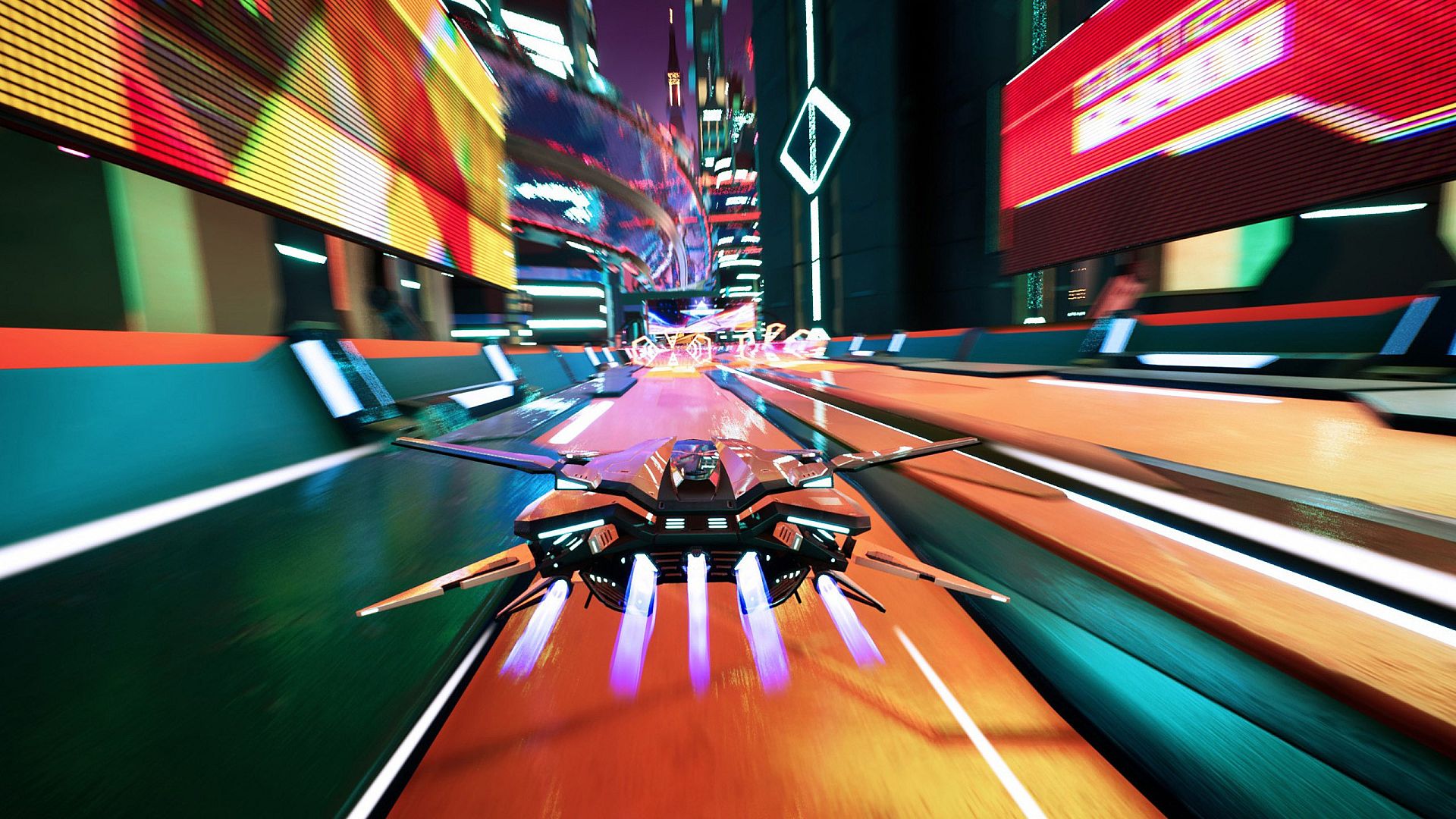
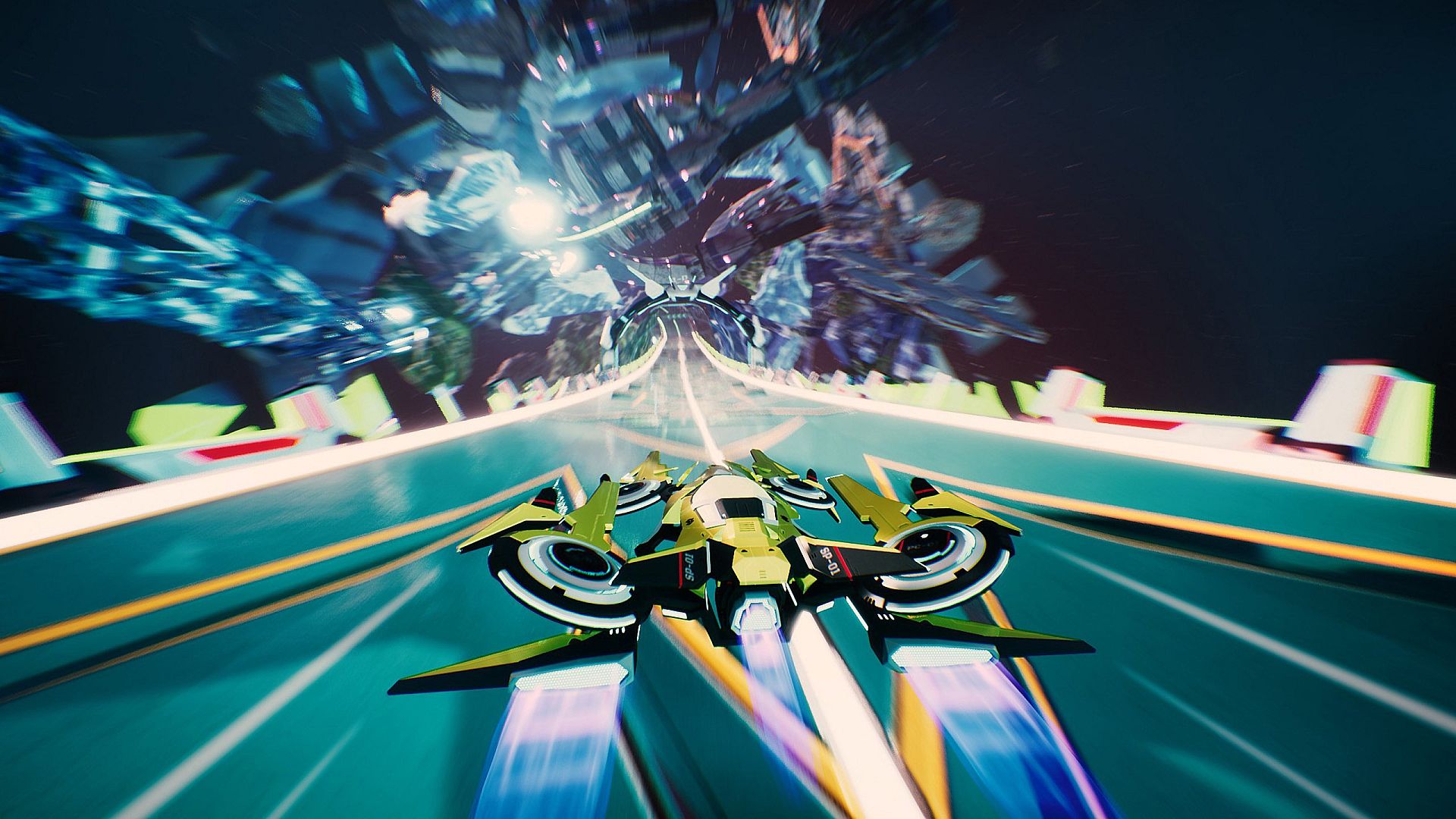
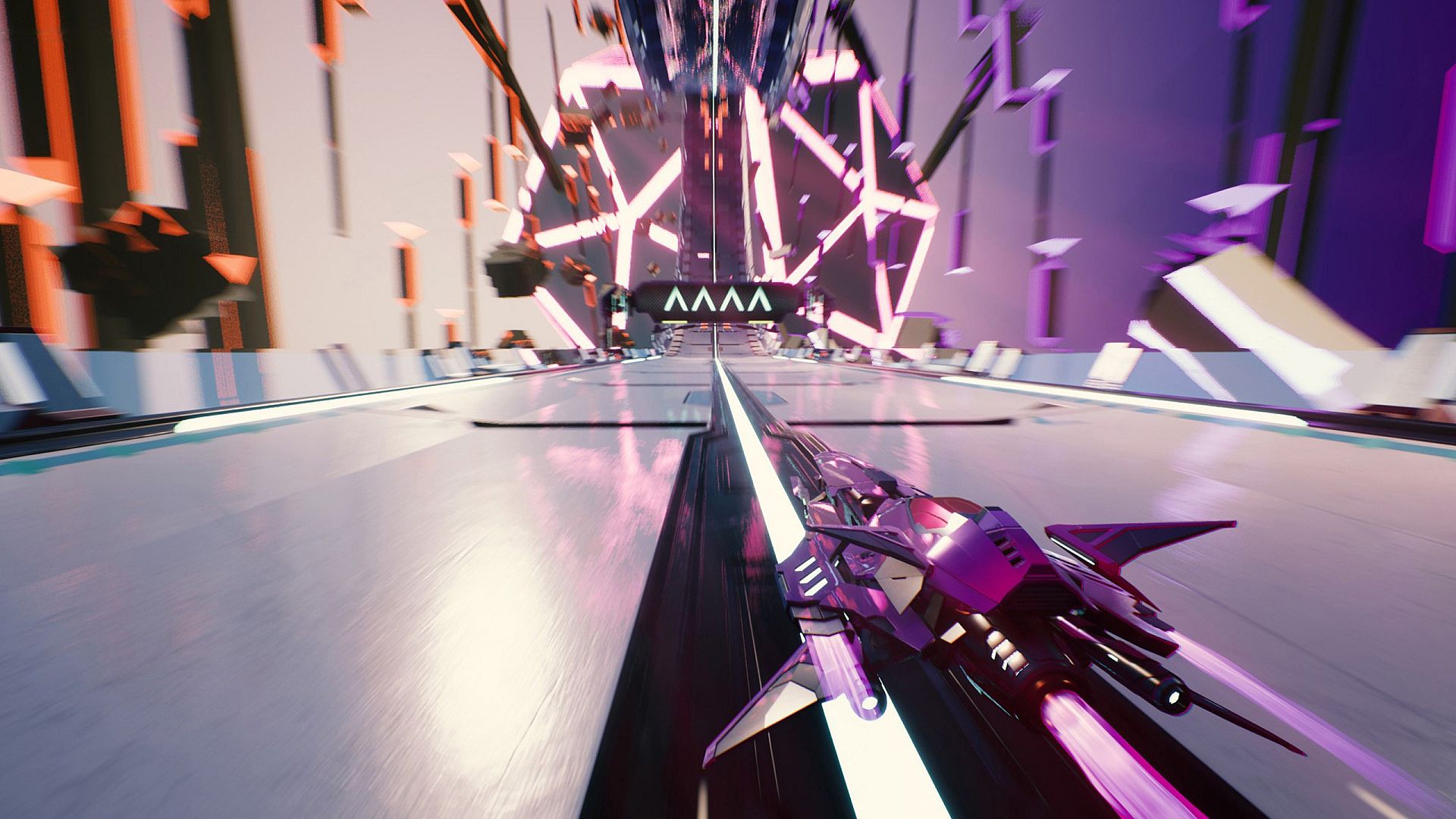
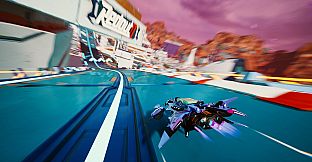
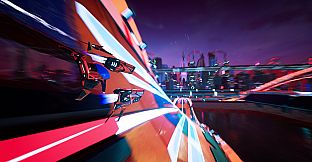
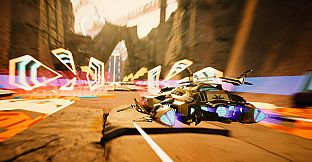
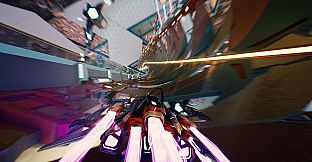
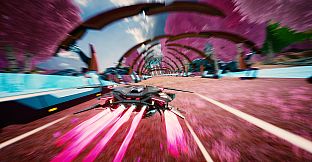
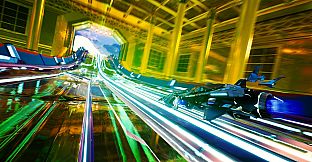
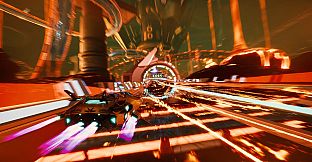
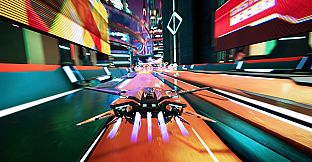
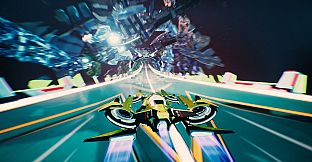
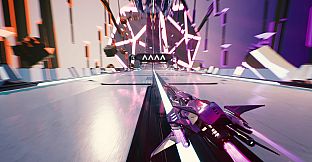
Redout 2 delivers intense anti-gravity racing action on Xbox One and Xbox Series consoles. This futuristic sports title puts players in control of customizable hoverships that reach extreme velocities across twisting tracks set in a dystopian future. The core loop centers on mastering high-speed navigation through complex layouts filled with loops, jumps, and tight turns while competing against AI or other racers.
Gameplay
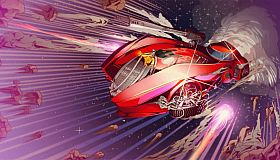
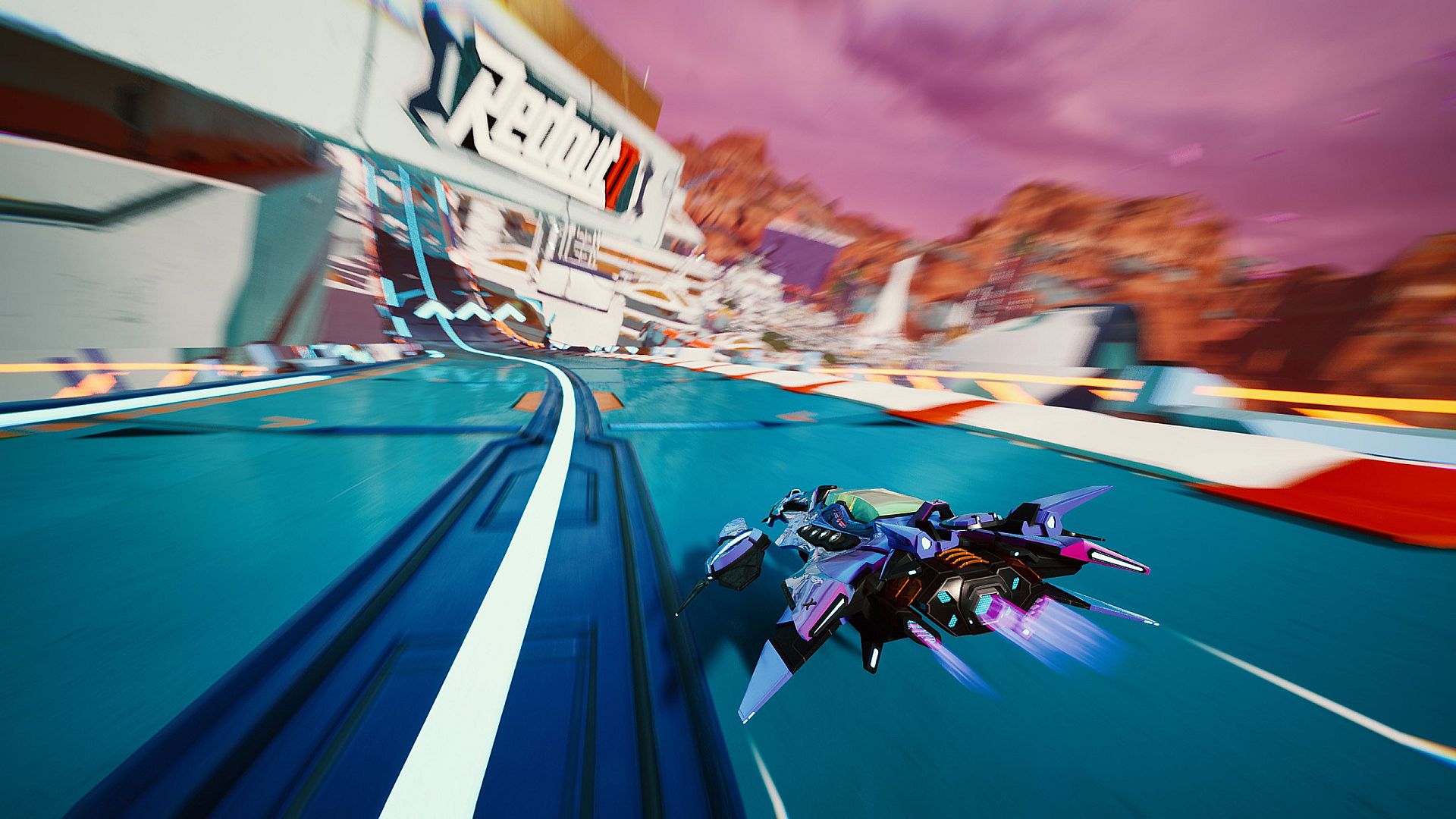
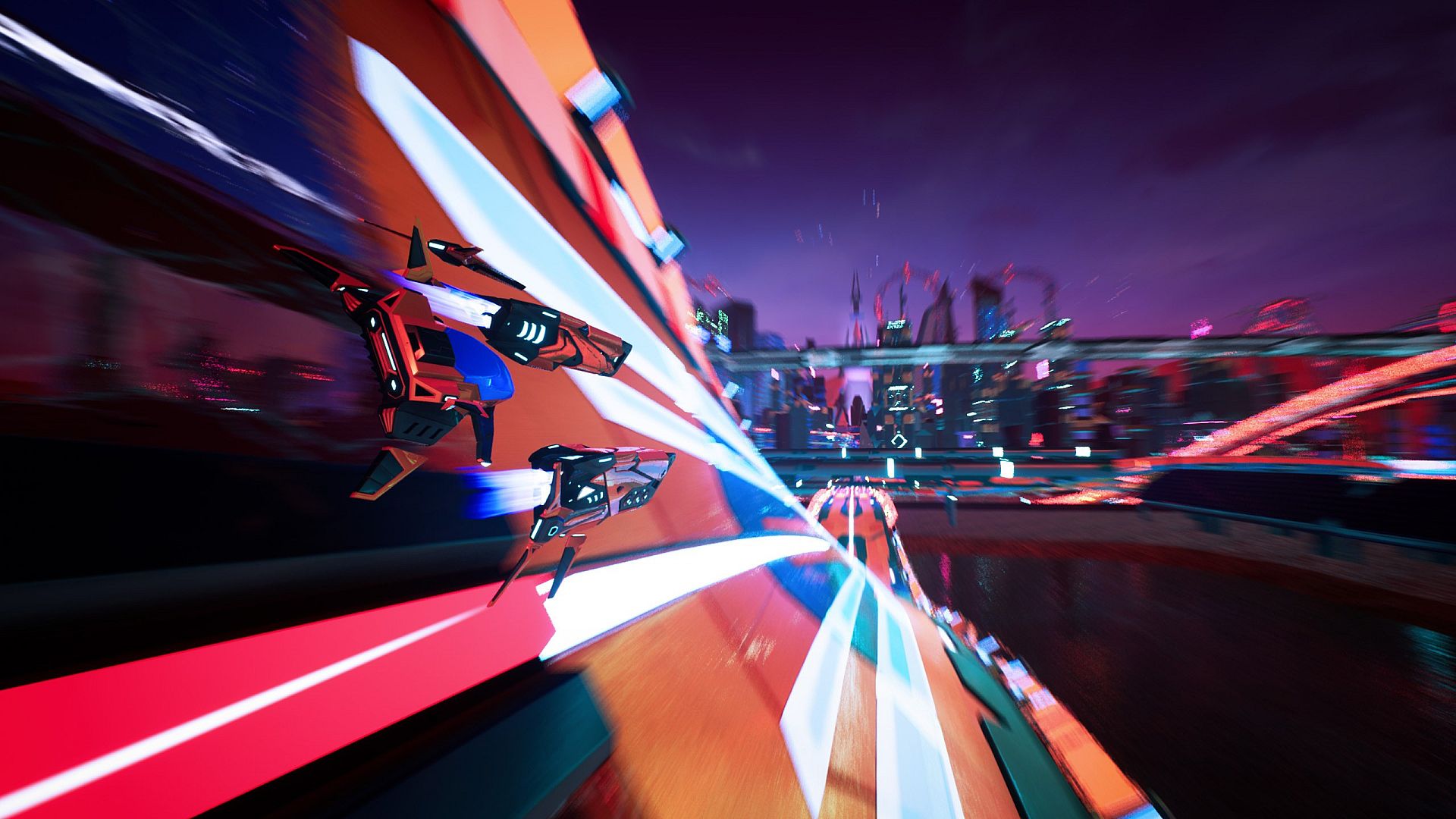
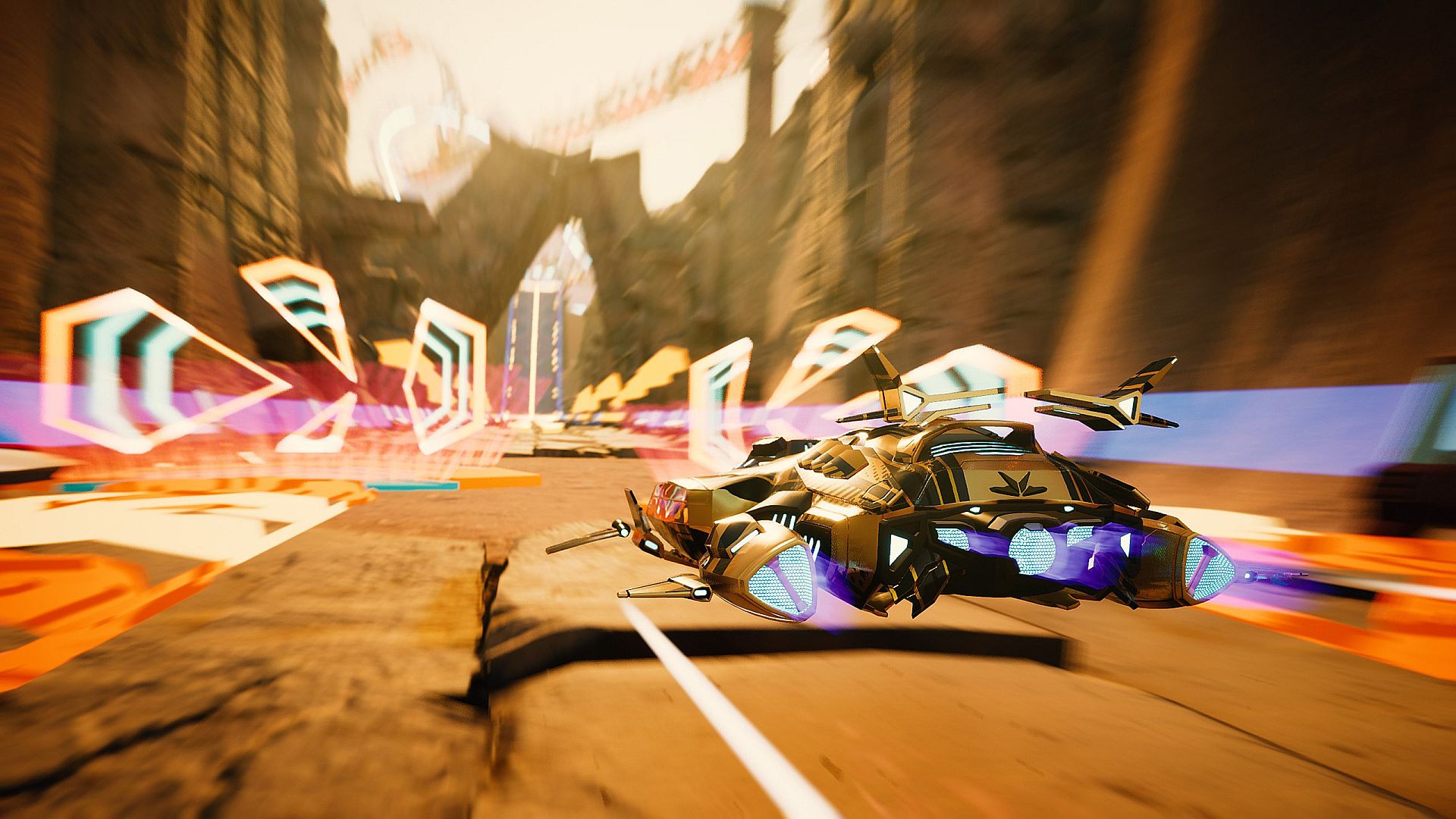
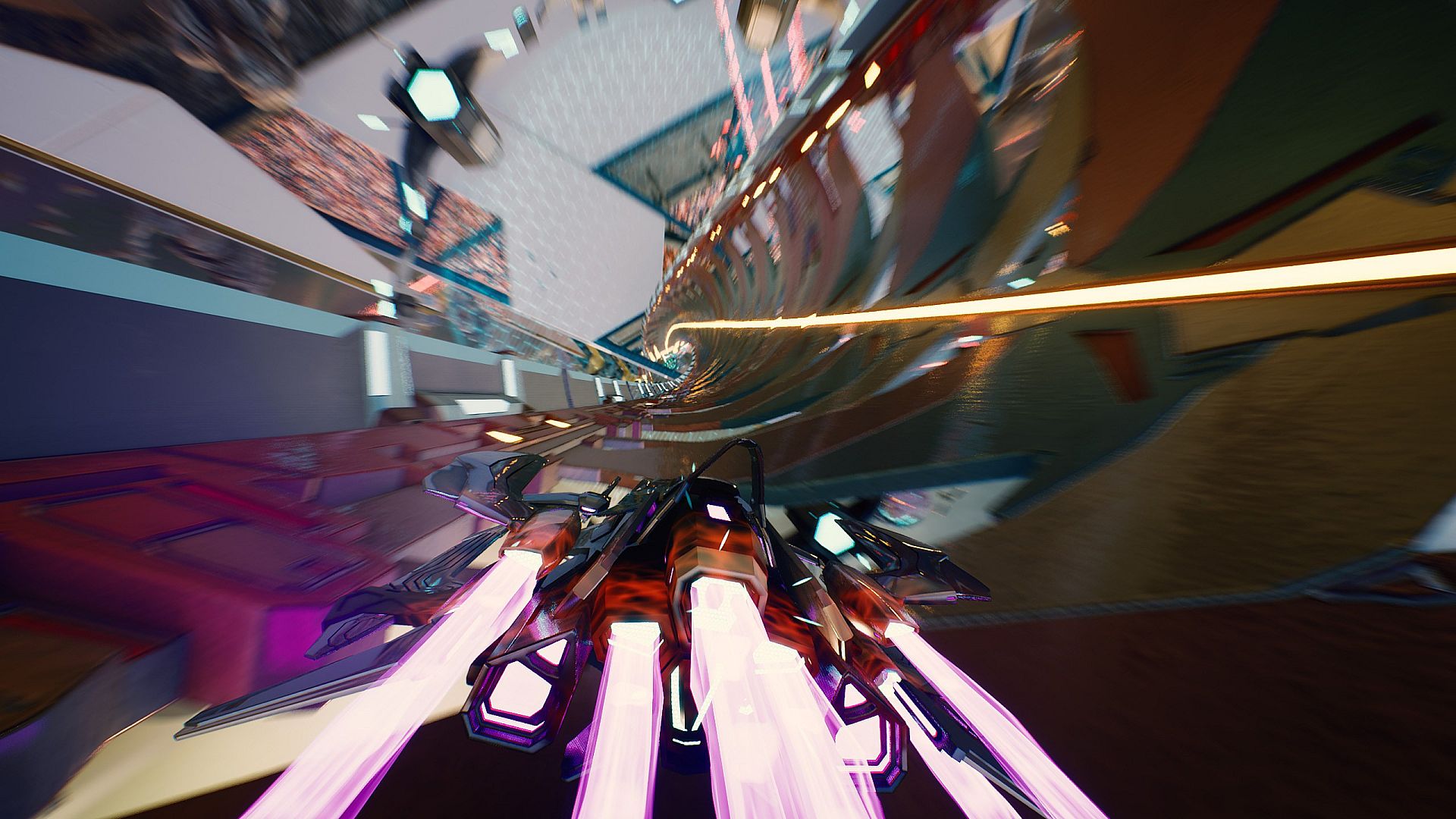
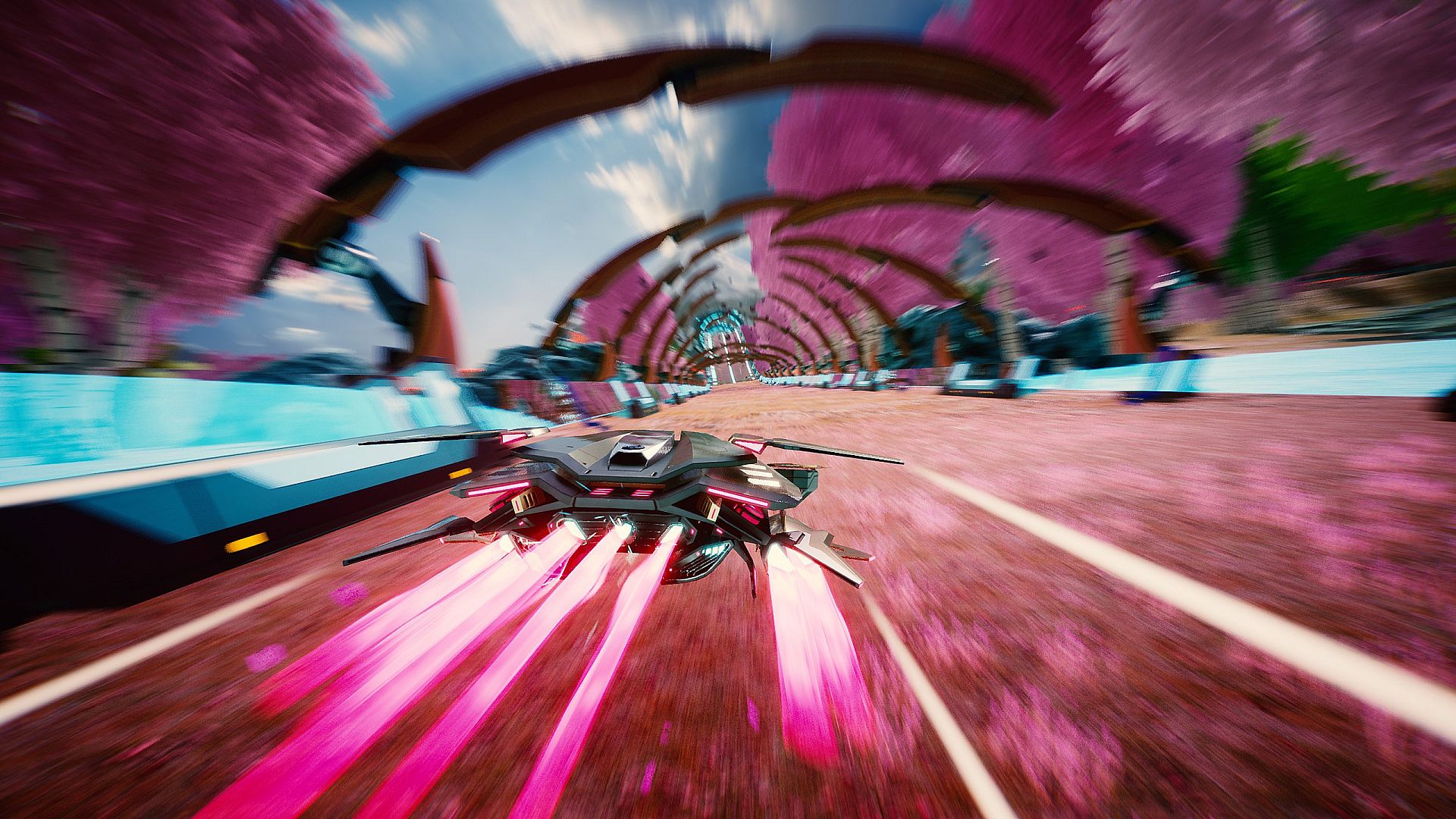
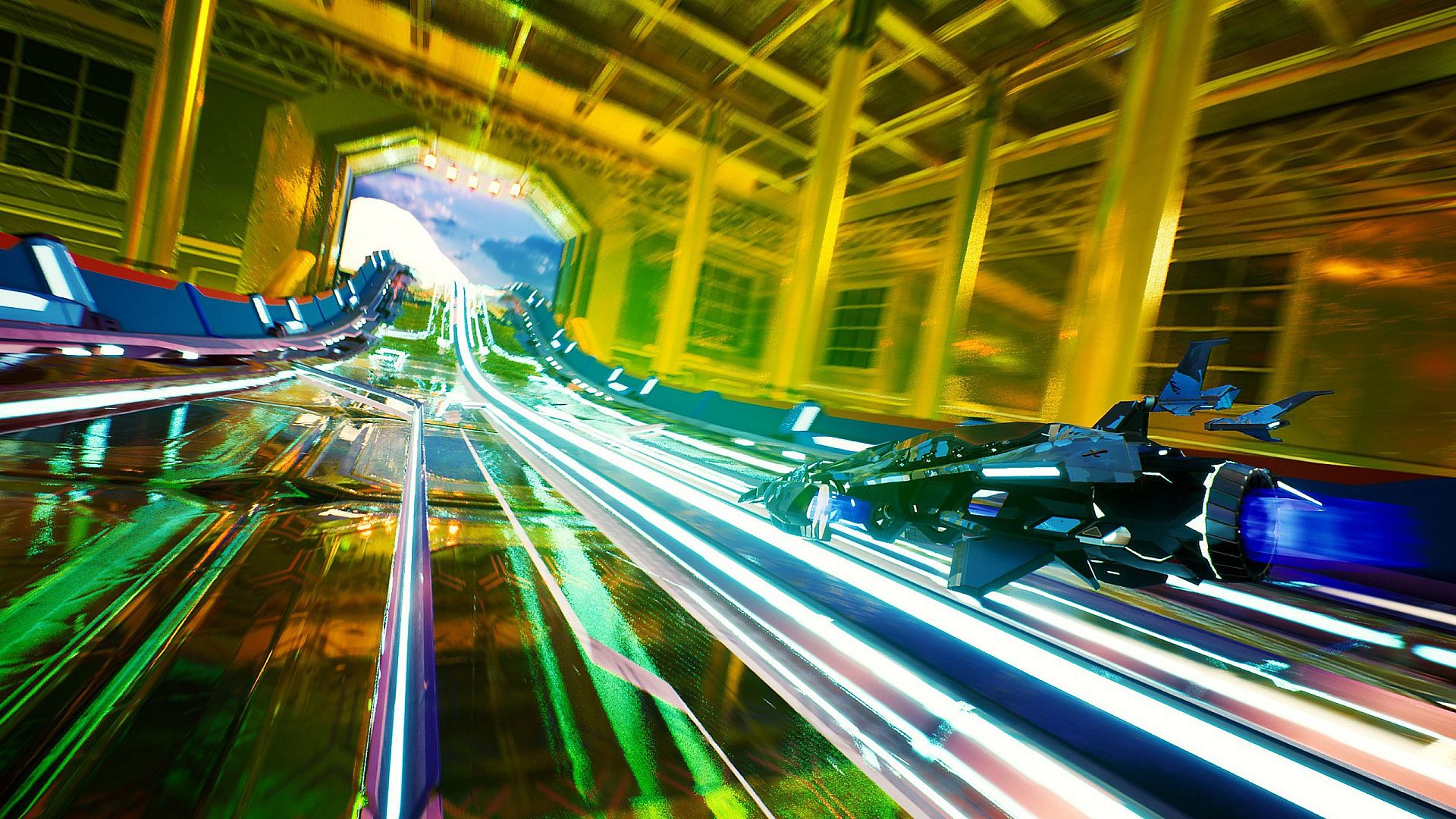
The handling model emphasizes speed and precision. Ships respond quickly to inputs, allowing sharp maneuvers and sustained acceleration through challenging sections. Players manage momentum carefully to avoid walls or falling off edges at over 600 miles per hour. The system rewards practice, as minor adjustments in angle or timing separate clean laps from crashes. Visual feedback highlights the velocity, with environments blurring past during straightaways and detailed track geometry demanding full attention in curves.
Control depth comes from the ability to fine-tune ship behavior mid-race through upgrades. Acceleration, stability, and turning respond differently based on equipped components. This creates a satisfying progression where initial runs feel frantic and later sessions allow more aggressive lines once familiarity grows. The absence of weapons keeps focus entirely on racing lines and overtaking opportunities.
Game Modes
Career Mode forms the main single-player experience. It spans three speed classes and hundreds of events spread across 36 unique tracks. Every track supports reverse direction, effectively doubling the variety. Events include standard races, time attacks for personal bests, arena races, last man standing elimination formats, and boss races that chain multiple tracks into endurance challenges.
Arcade Mode provides immediate access to all ships and tracks for quick sessions against AI opponents or solo time trials. This option serves as a sandbox for testing builds without career restrictions. Online multiplayer supports up to 12 players in competitive lobbies, with seasons introducing new challenges and aesthetic rewards for consistent participation.
Customization
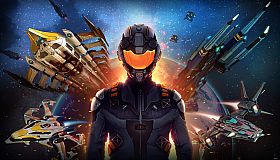
Twelve distinct chassis serve as starting points for hovership builds. Each one accepts extensive modifications across functional parts such as propulsors, stabilizers, rudders, intercoolers, flaps, magnets, wings, spoilers, and rocket engines. These changes directly influence handling characteristics like grip, boost duration, and cornering response. Aesthetic options include paints, liveries, and additional visual elements that allow unique appearances without affecting performance.
Progression ties customization to career advancement. New components unlock gradually through event completion, encouraging experimentation across different chassis. Photo Mode lets players capture and share standout moments from races, highlighting the visual style of the ships and tracks.
Is It Worth Playing?
Redout 2 suits players who enjoy precise, high-skill racing without combat elements. The demanding tracks and responsive controls create a rewarding loop for those willing to invest time in learning lines and ship tuning. Career Mode offers substantial content through its event volume and reversible layouts, while arcade and multiplayer options provide variety for shorter sessions or competitive play.
Reception highlights the thrilling speed and track design as strengths, with some noting the steep difficulty curve as a barrier for casual players. Regular content additions, including a free training mode for unlimited practice laps, have extended the game's longevity on Xbox platforms. Those seeking an arcade-style anti-gravity racer with deep customization will find the experience engaging, particularly if they appreciate titles focused on pure velocity and control mastery.