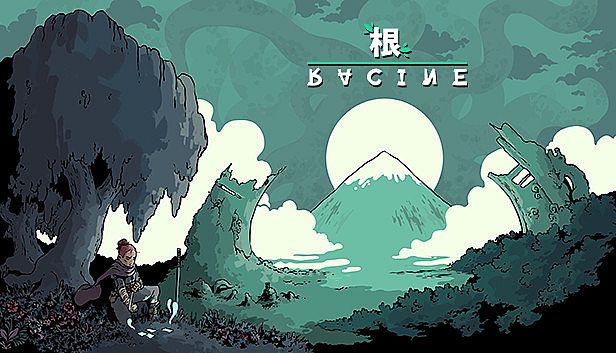




















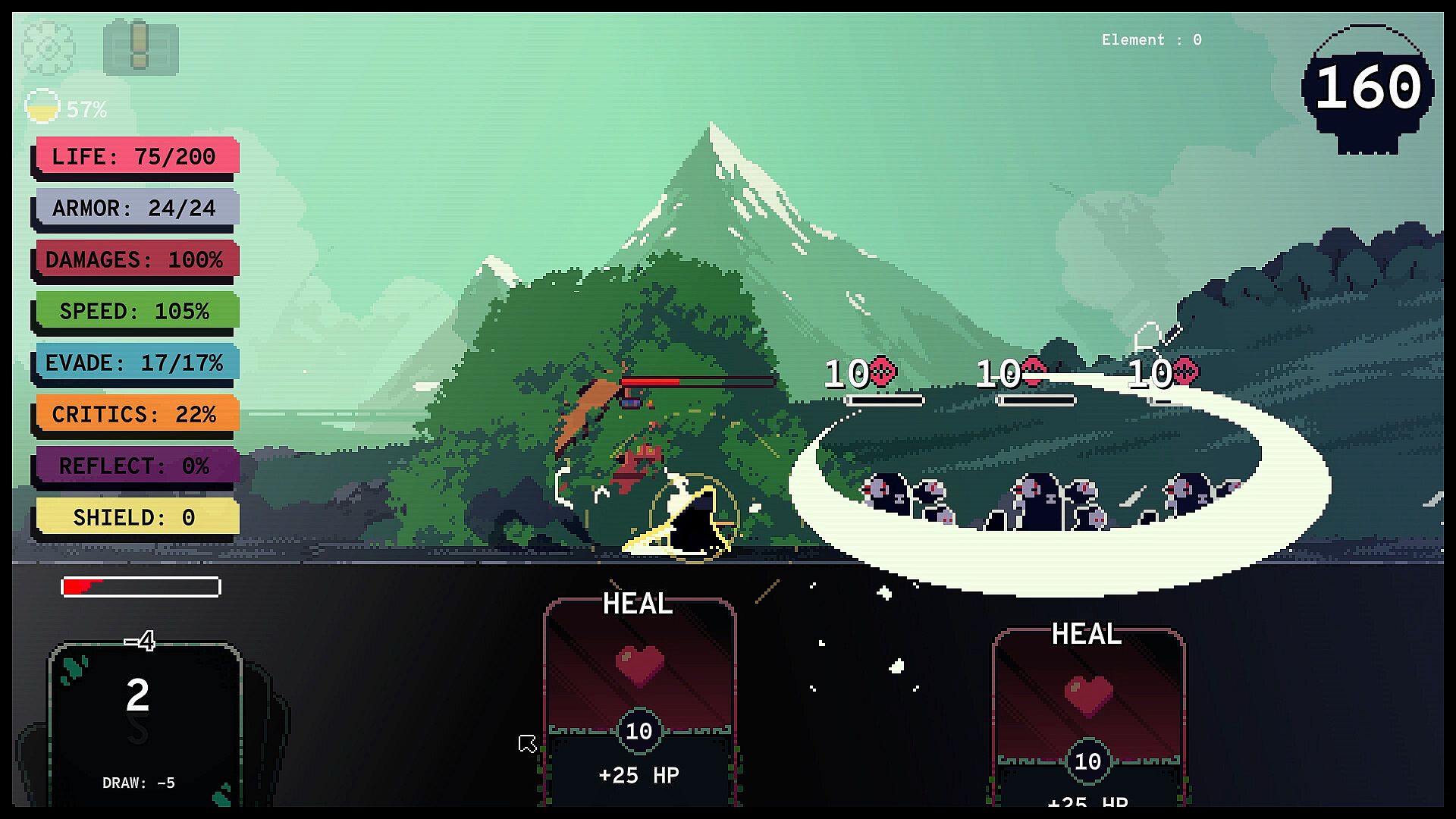
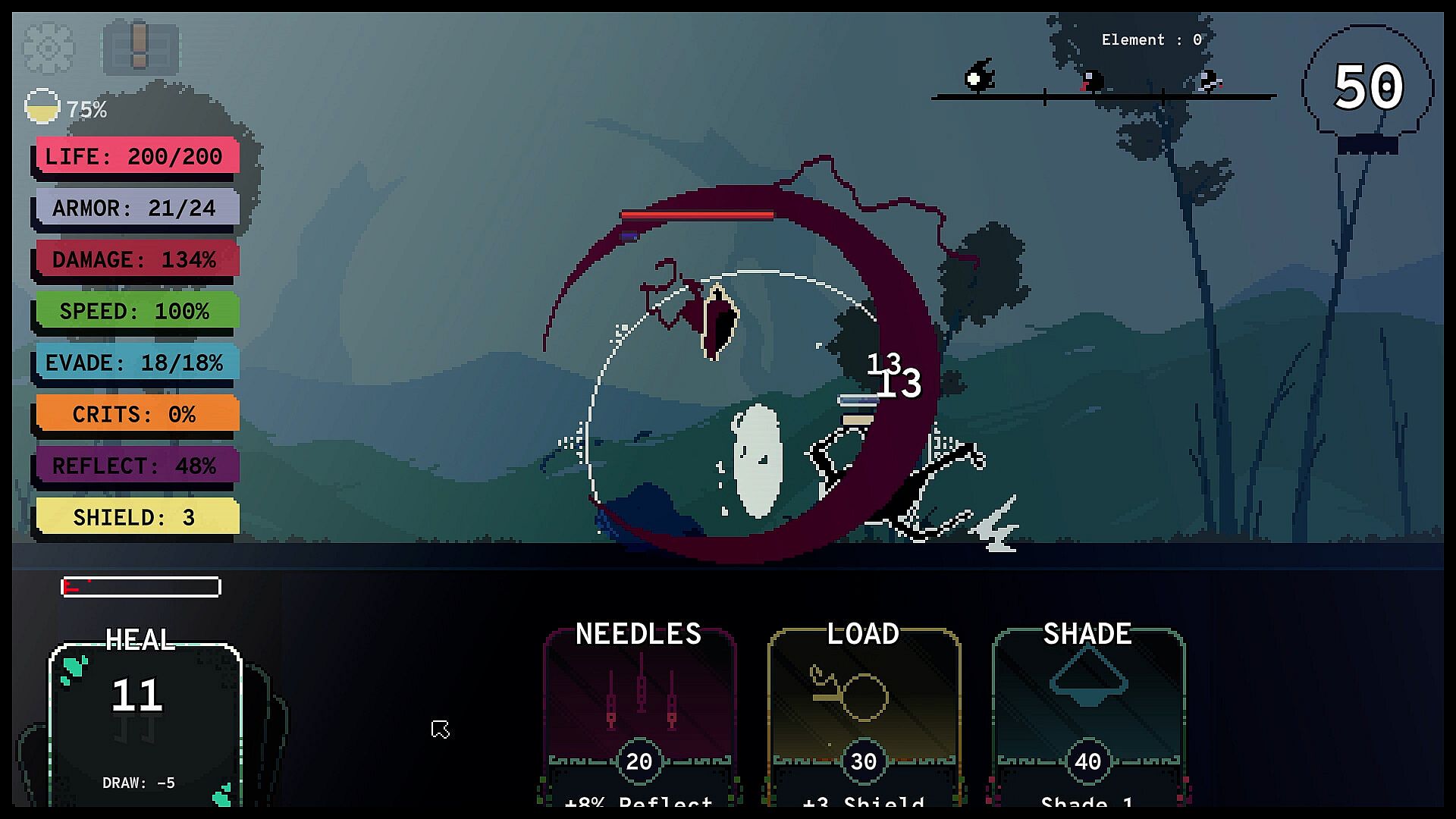
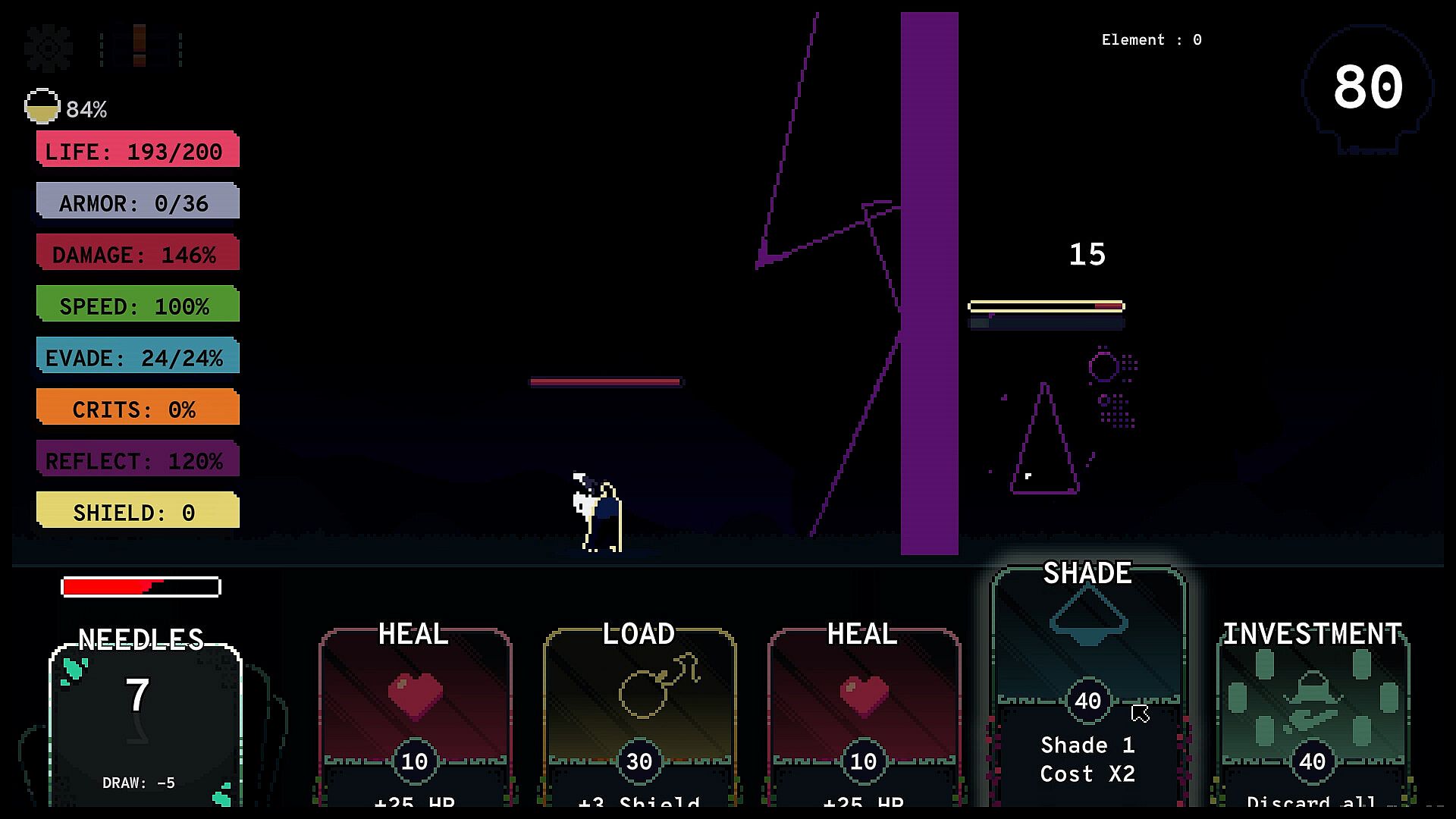

Racine is a strategy RPG that combines deck building with real-time autobattler combat on PC. Players guide a hero through encounters against aggressive spirits by playing praying cards that alter stats or deliver spells while fights unfold automatically. The game emphasizes quick choices during combat alongside persistent upgrades that carry forward across multiple battles in each run.
Gameplay
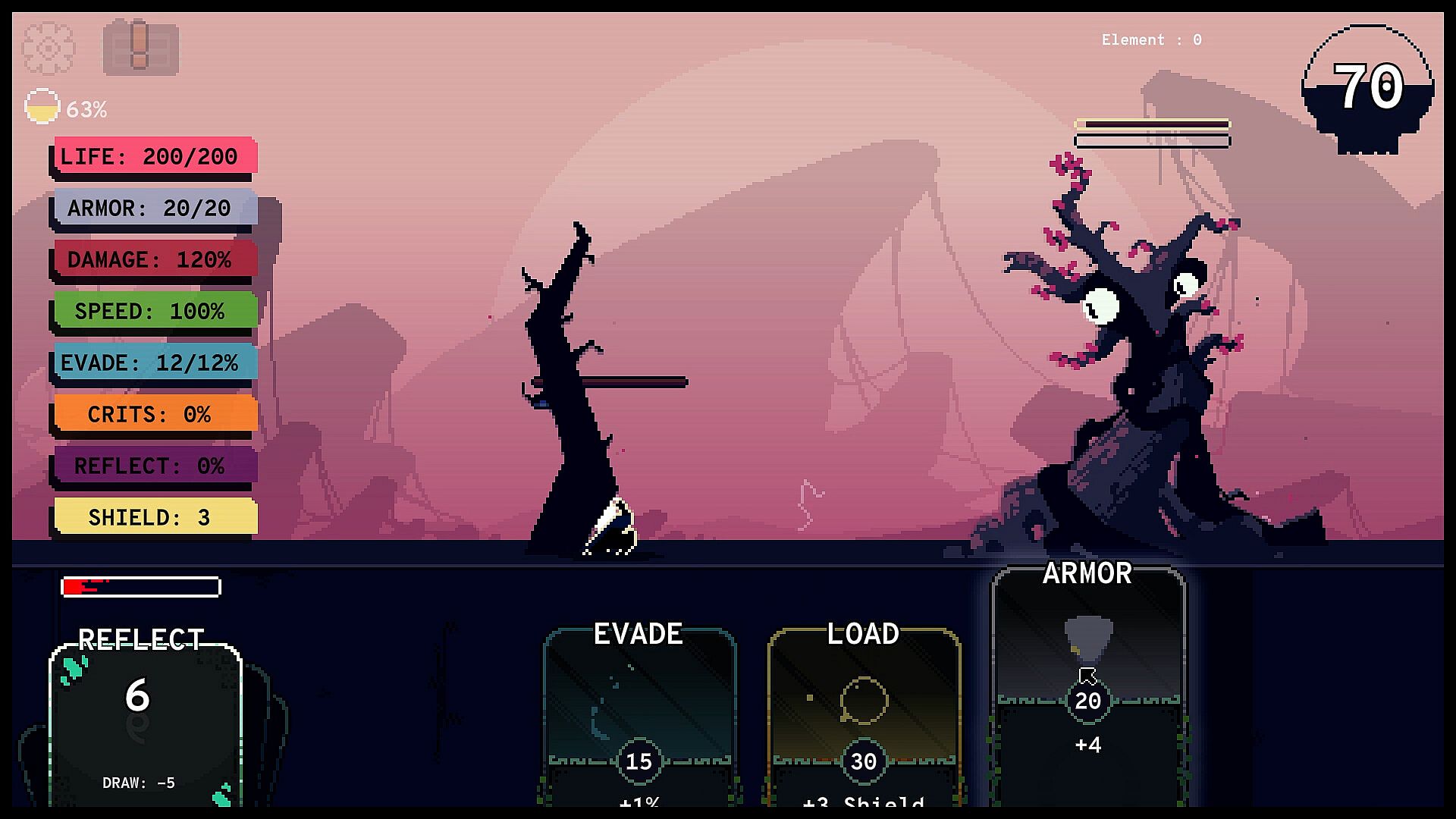
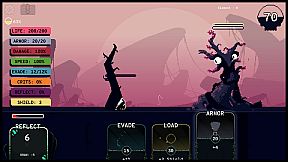
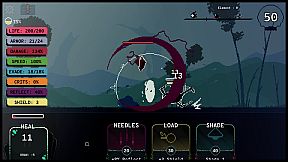
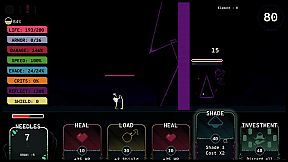
Combat occurs in real time, with enemies striking as soon as they are able regardless of whether cards have been played. Cards provide immediate boosts to the hero or trigger spells that shift the outcome of the current fight and subsequent ones. Because stat increases remain active between encounters, decisions made early influence later challenges and require careful planning rather than rushed reactions.
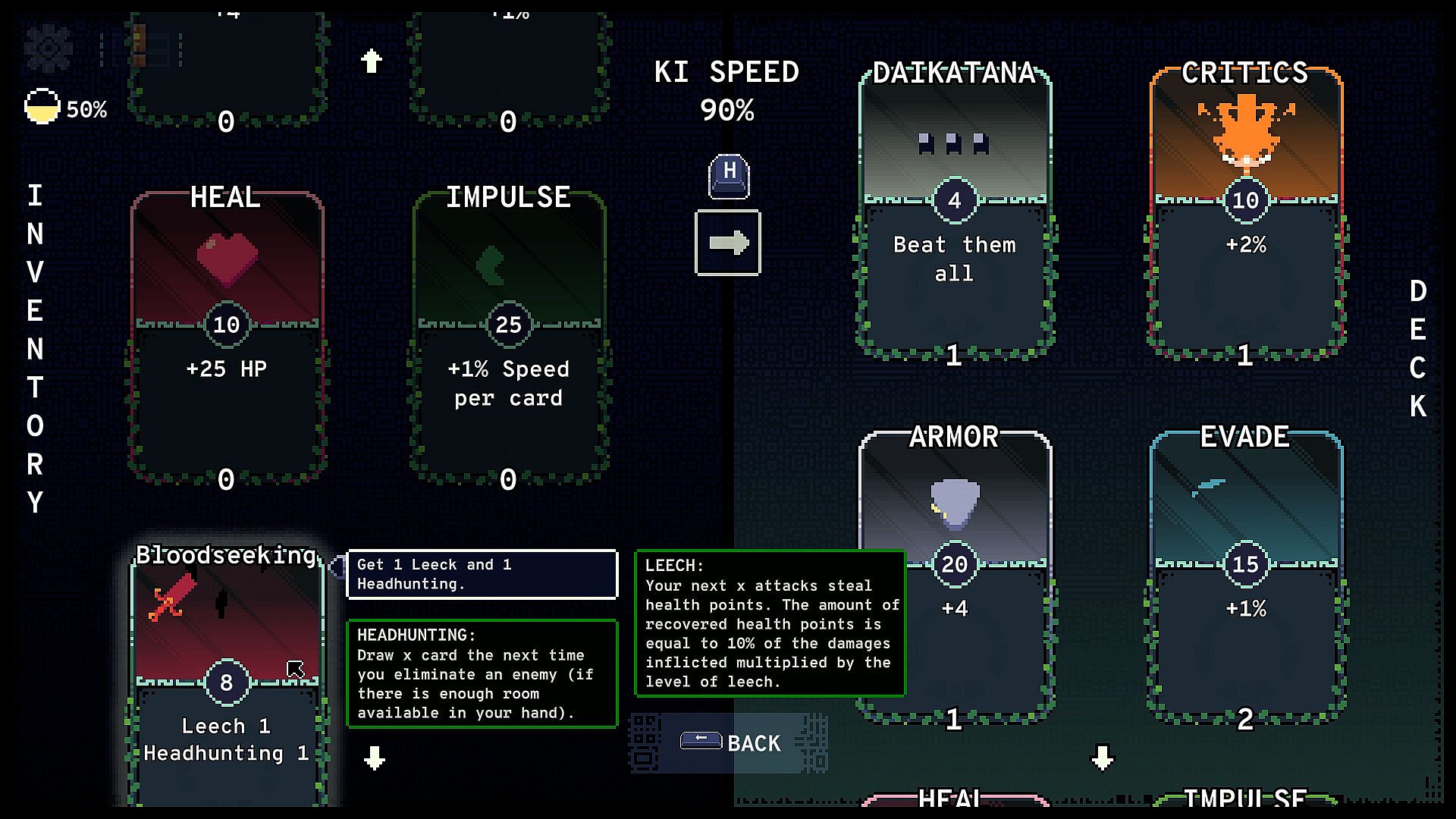
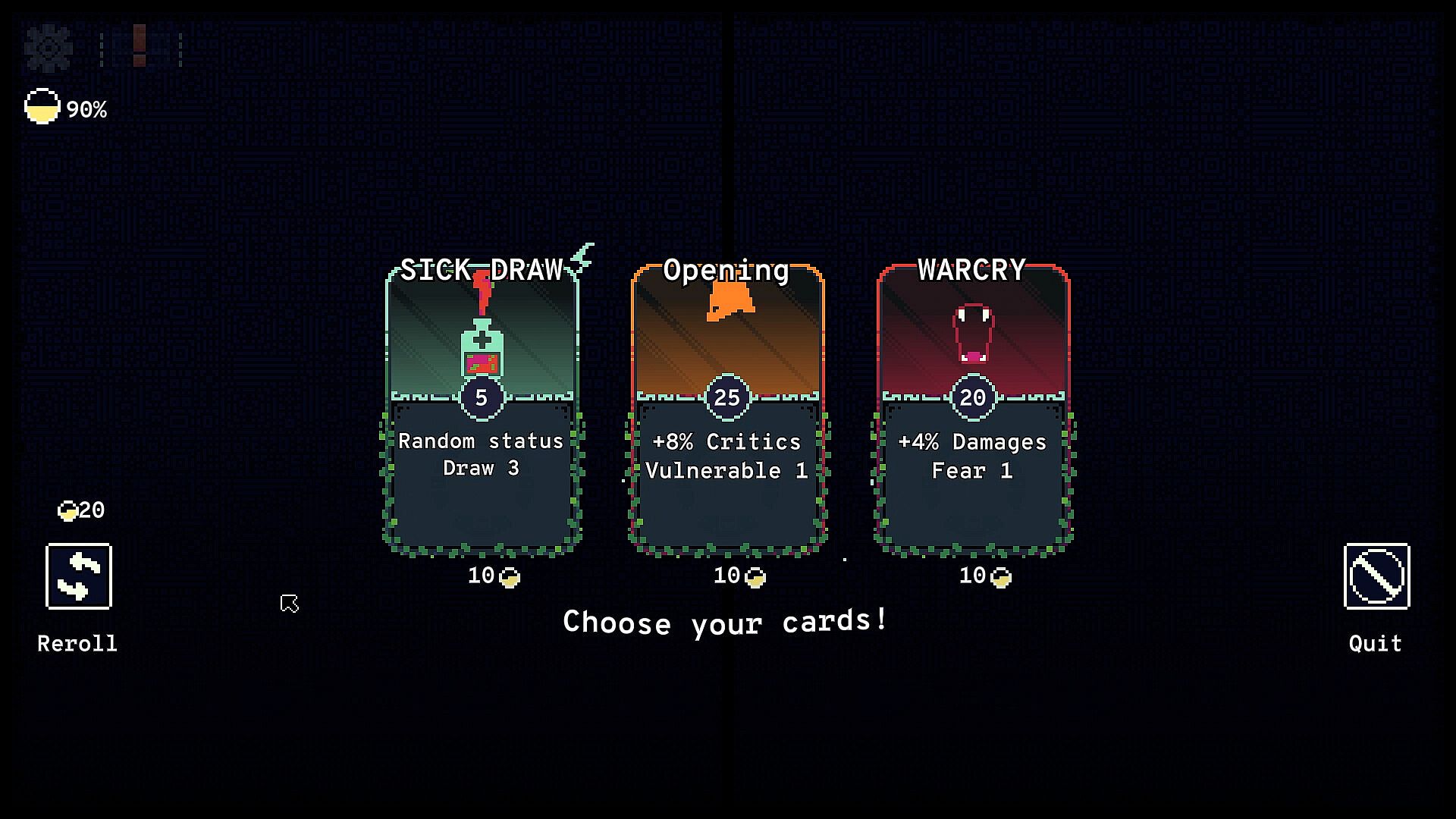
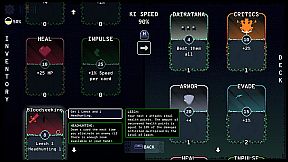
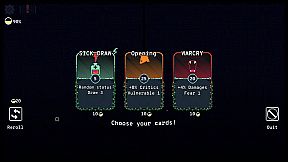
Deck construction forms the core loop. Players select a limited set of cards before each journey based on anticipated threats and preferred approach. Different card types support varied strategies, such as heavy stat focus for durability or spell-heavy selections for direct intervention. New cards appear through exploration of areas that contain ancient shrines and sacred sites, expanding options for future runs.
Intensity builds across fights, forcing ongoing adjustments to the hero's capabilities. The system rewards foresight in boost allocation while demanding speed in card deployment during active combat. This creates a balance between preparation and adaptability that defines each play session.
Game Modes
Racine operates as a single-player roguelike experience centered on repeated runs. Each attempt involves selecting cards, navigating encounters, and attempting to progress further while uncovering more of the world's background. There are no separate competitive or cooperative modes; progression relies on improving card collections and hero management across successive attempts.
The structure encourages experimentation with different card combinations and exploration paths. Runs end upon defeat, after which players return to refine their approach with newly acquired cards. This format supports multiple playthroughs focused on optimization and discovery rather than linear story completion.
Exploration and Progression
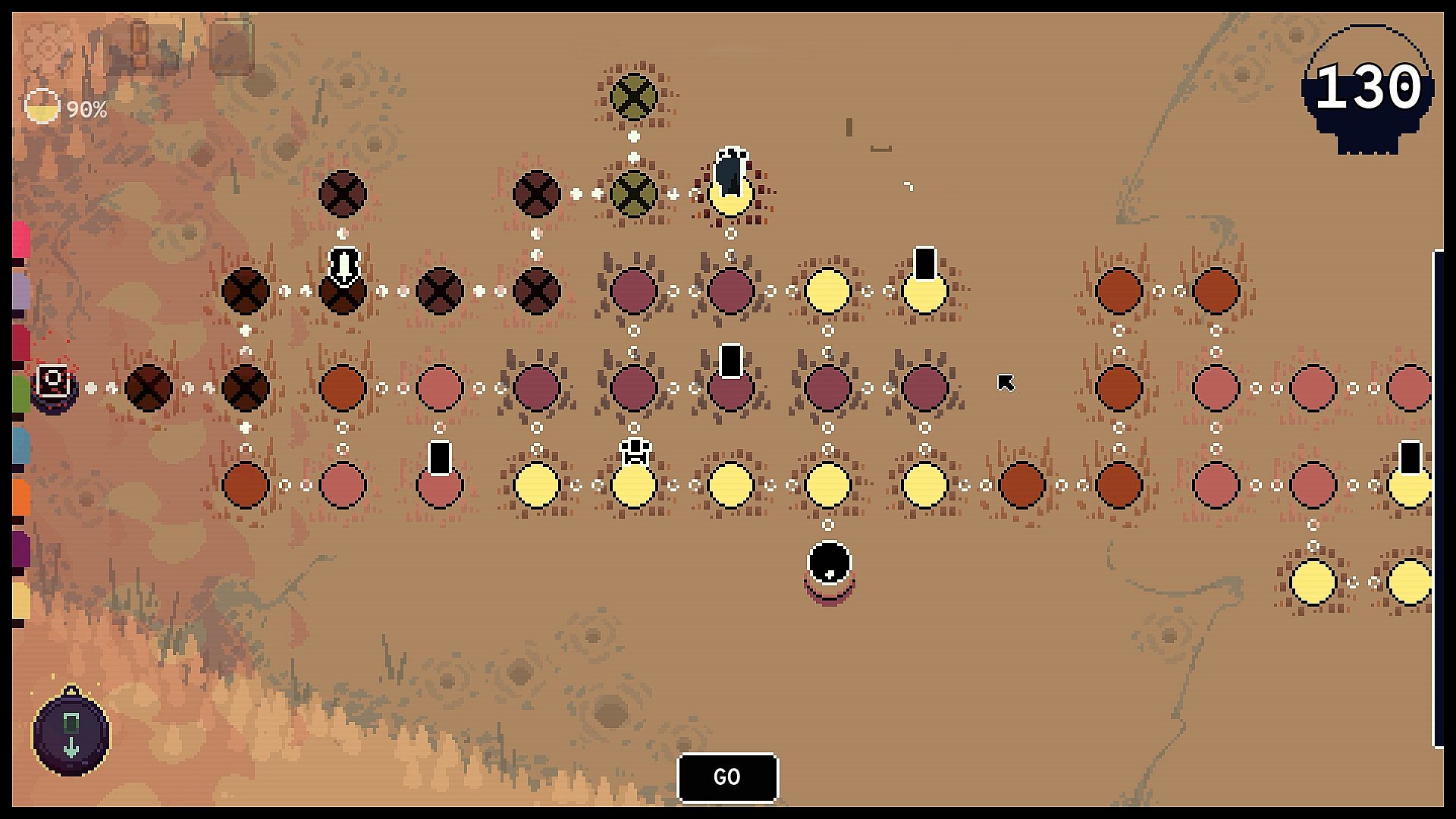
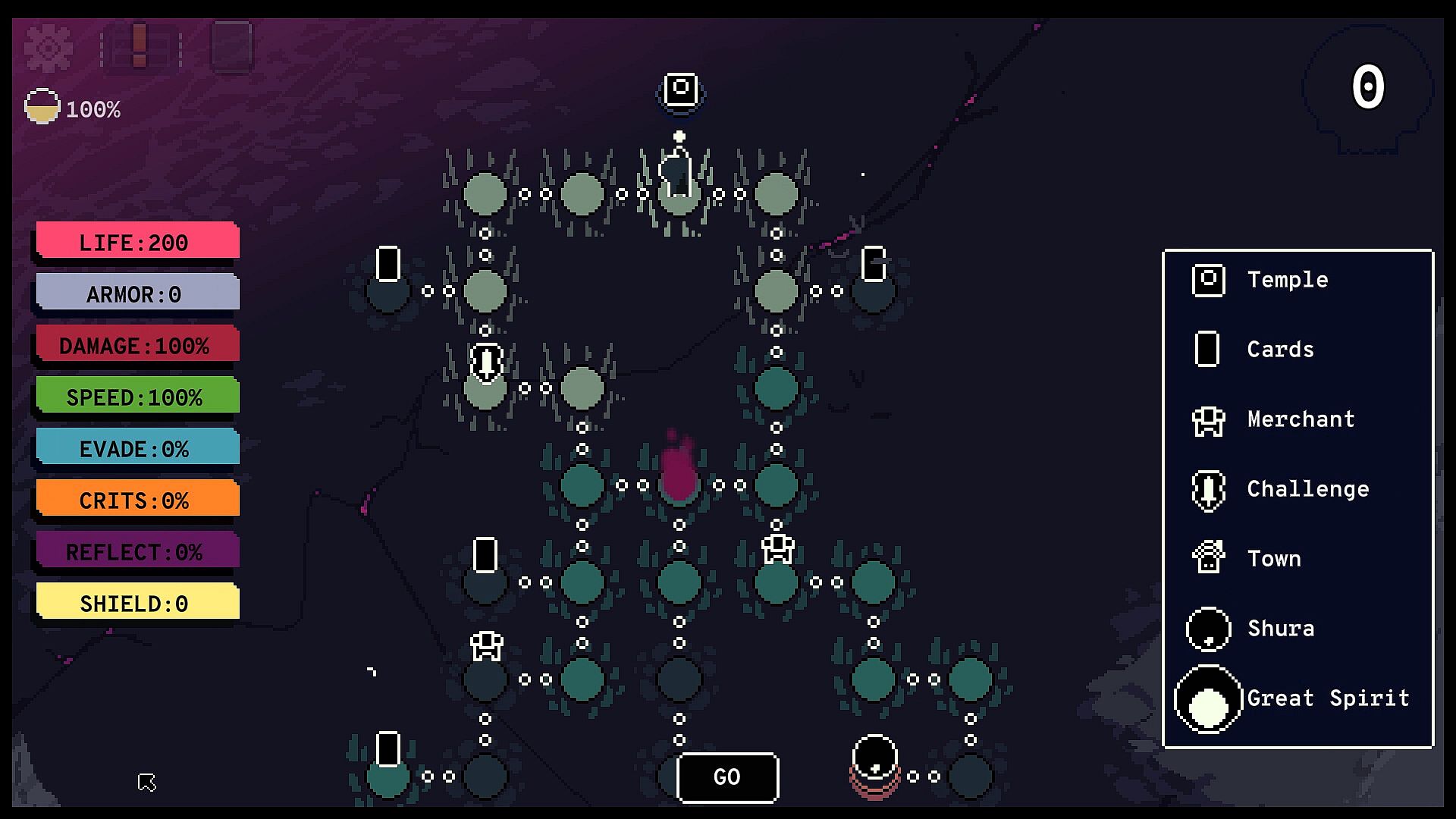
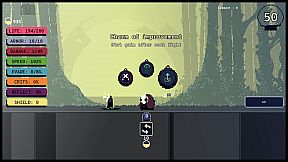
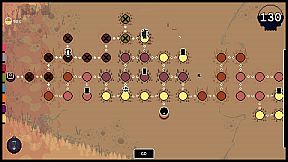
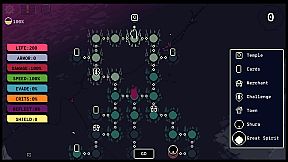
Exploration serves as the primary method for expanding the card pool. Various regions hide powerful cards at shrines and sacred locations, rewarding thorough searching. These finds directly influence deck options and allow customization aligned with individual preferences for combat style.
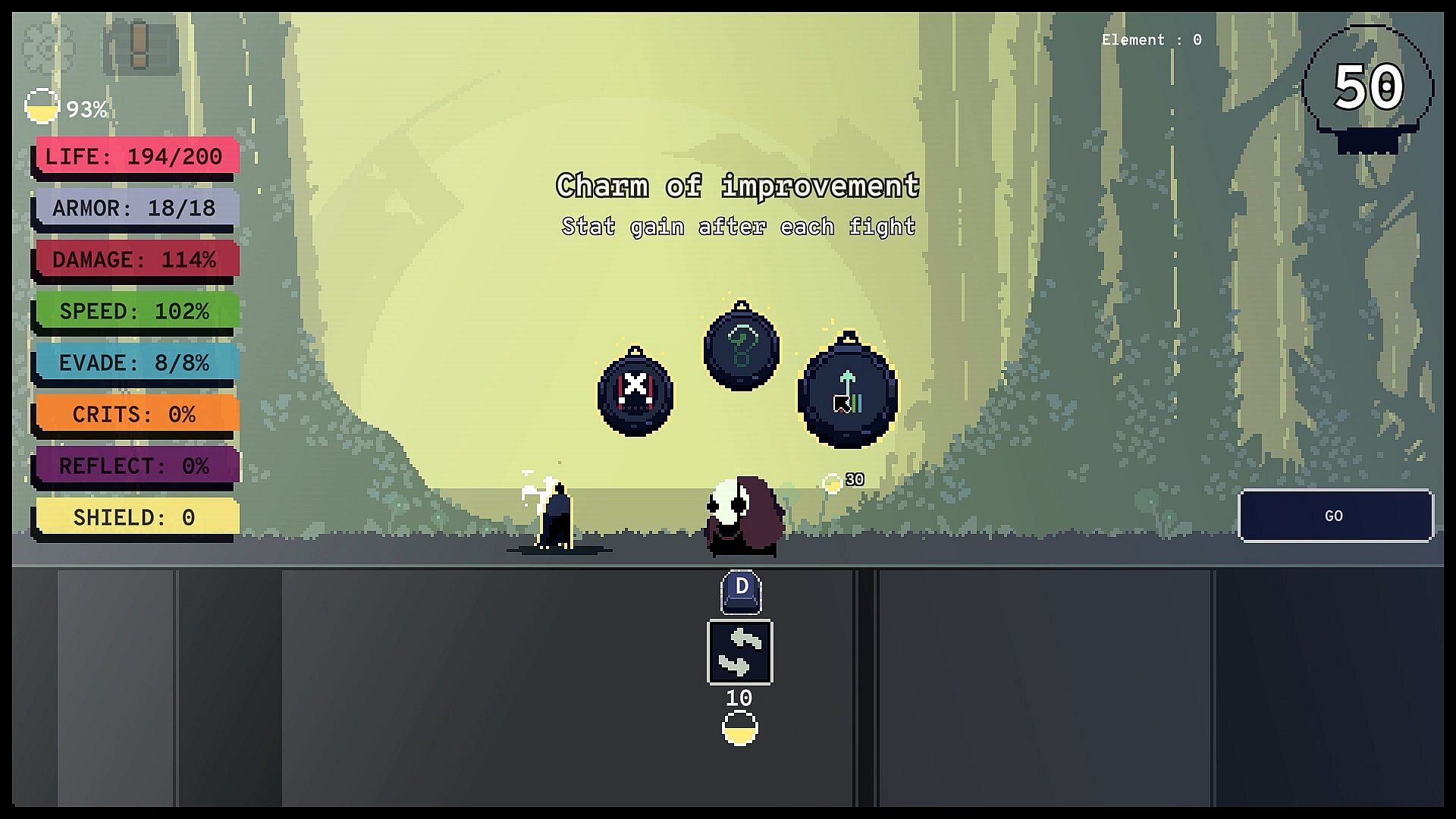
Persistent elements between fights reward thoughtful stat management from the outset. Early boosts compound over time, making initial selections critical for surviving later stages where enemy pressure intensifies. The overall loop ties combat decisions to long-term run viability.
Is It Worth Playing?
Racine suits players who enjoy strategy RPGs that merge deck building with real-time autobattler mechanics. The mixed reception, with 69 percent positive reviews from over 200 user submissions, reflects appreciation for the card system and roguelike structure alongside some notes on pacing and depth. Those drawn to persistent upgrades and quick card play during automated fights will find the core loop engaging, particularly if they value experimentation across multiple runs. The game launched in November 2023 and remains available as a complete title without ongoing seasonal content. A demo exists for those wanting to test the combat and card selection firsthand before committing.