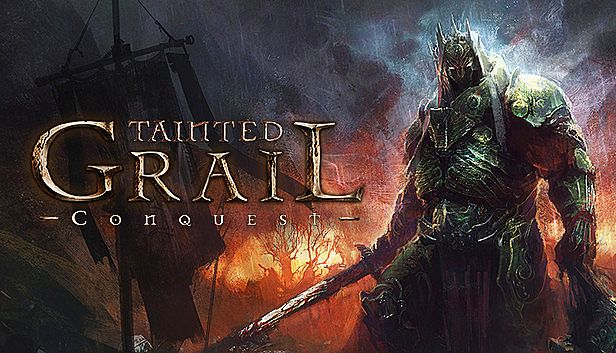





















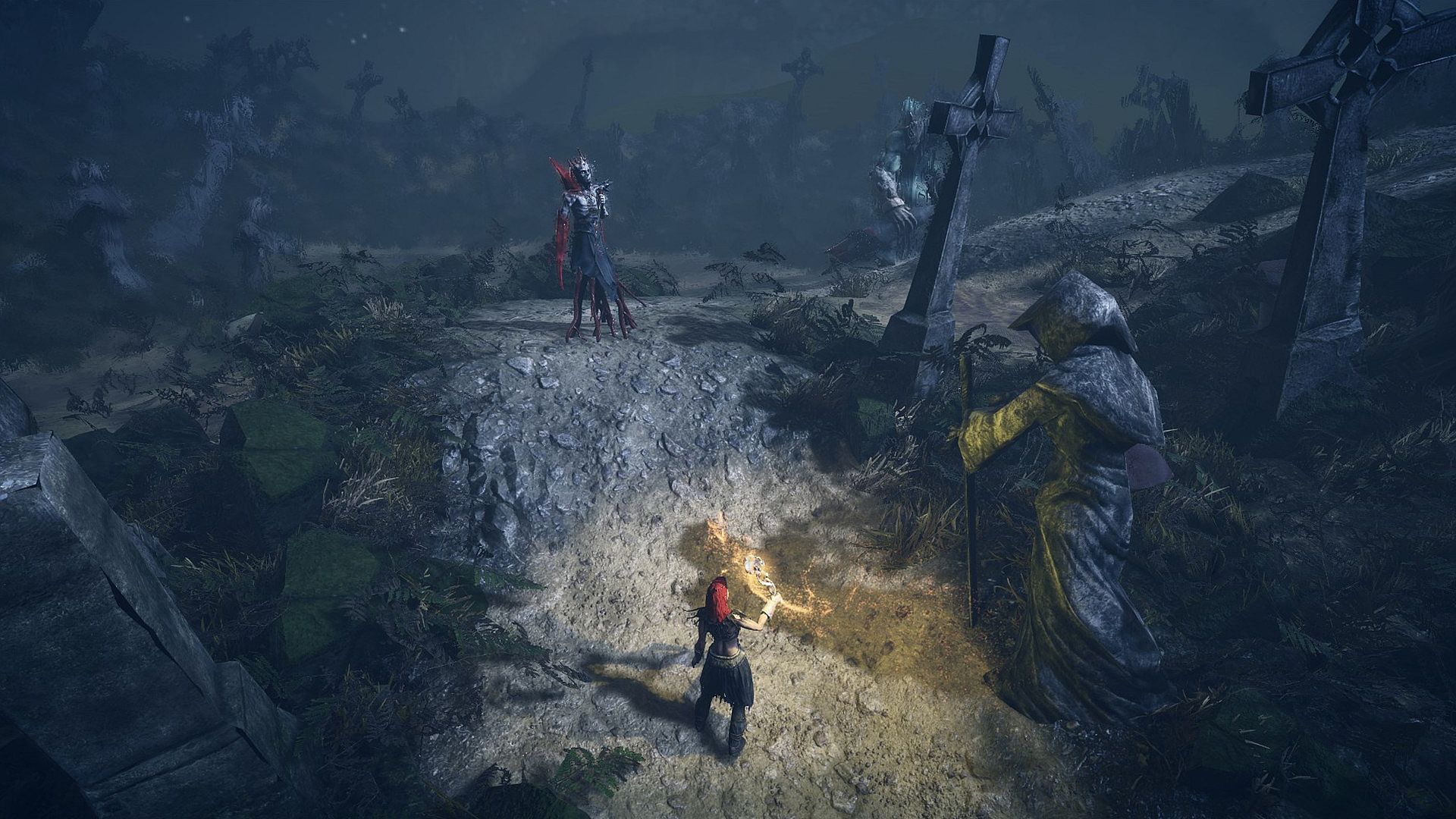
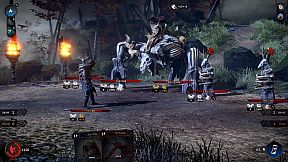
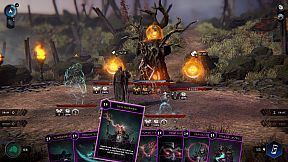
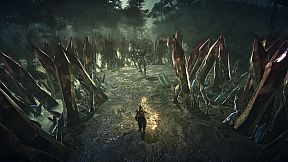
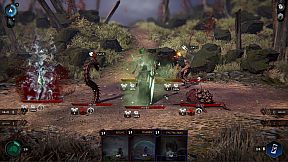
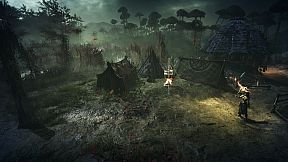
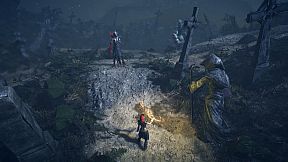
Tainted Grail: Conquest is a single-player deck-building roguelike RPG that blends card-based combat with persistent progression across repeated runs. Players explore a dark fantasy world inspired by Arthurian legend, where a cursed fog has transformed the land and its inhabitants. The core loop involves selecting a class, venturing into procedurally generated areas, building and refining a deck of abilities during runs, and managing resources to overcome increasingly difficult encounters before death forces a restart with some permanent unlocks carried forward.
Gameplay
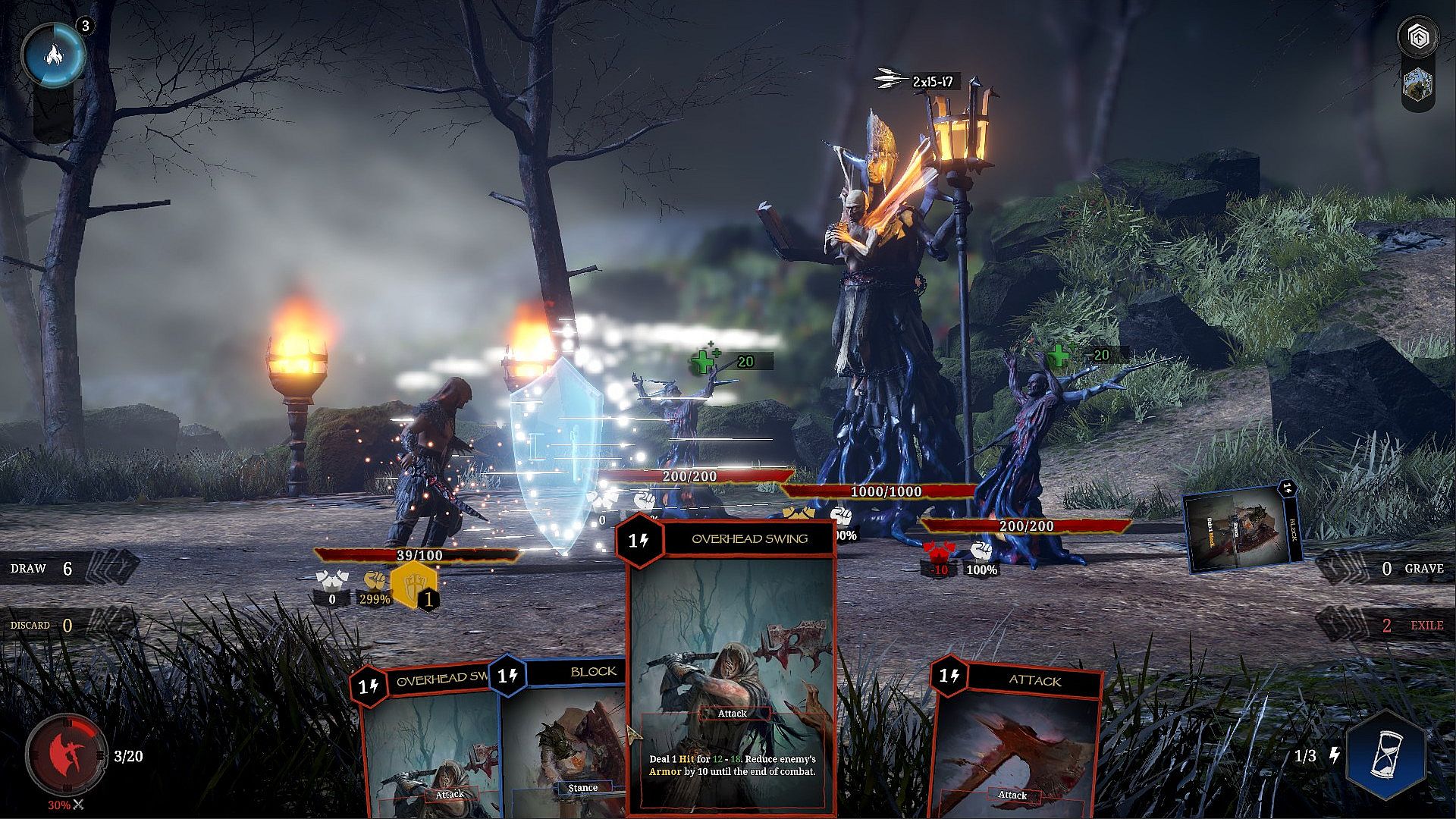
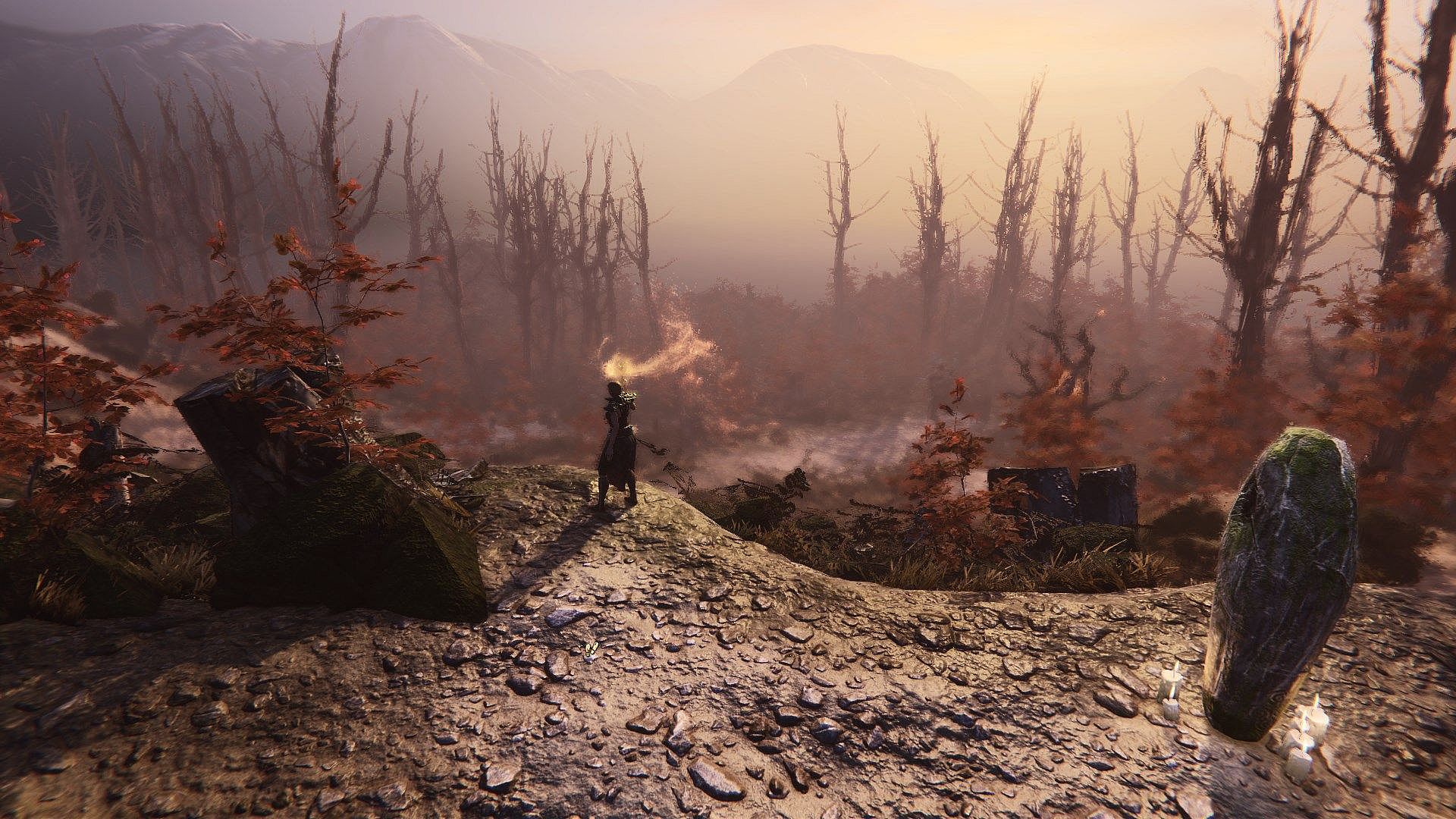
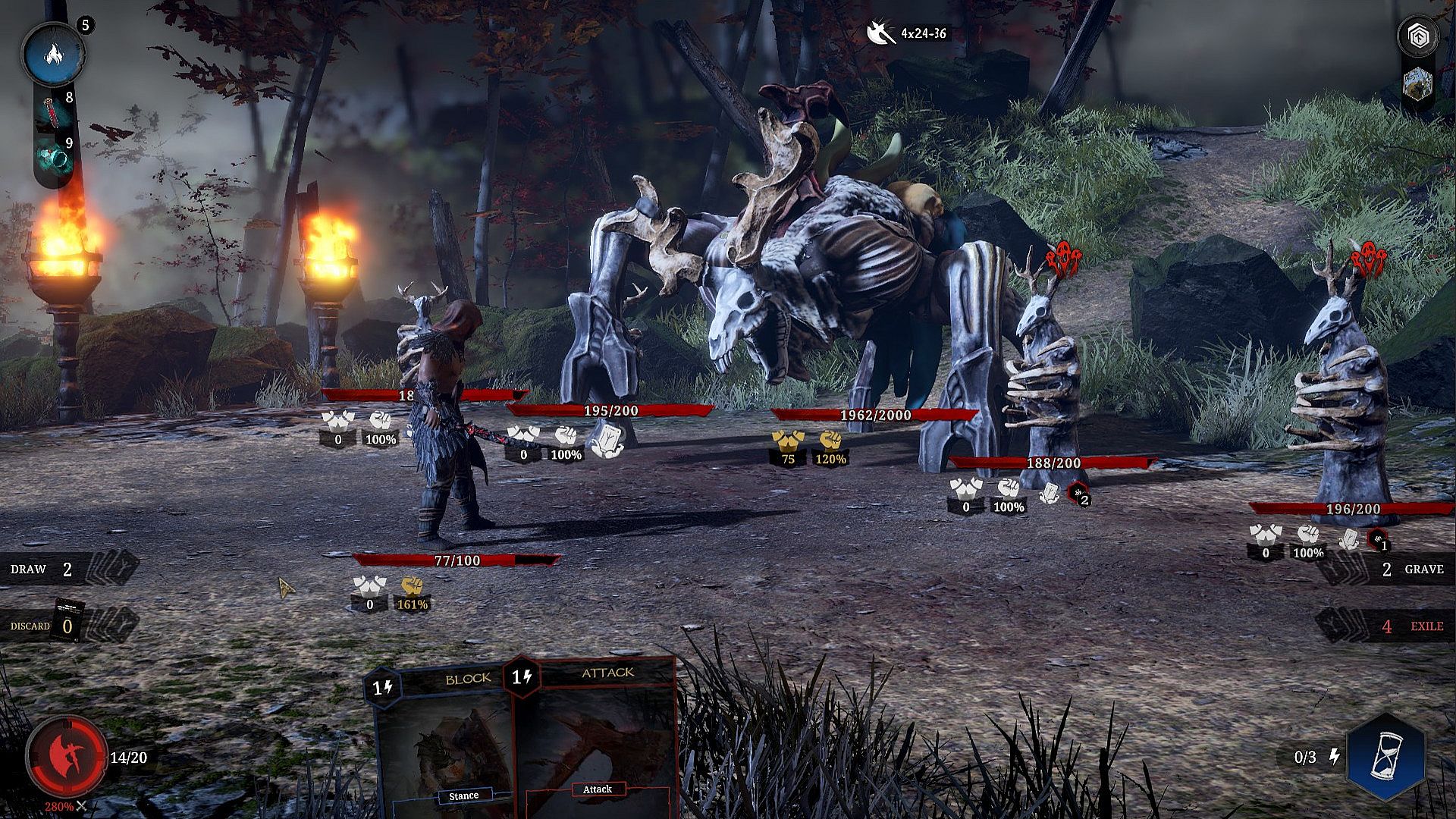
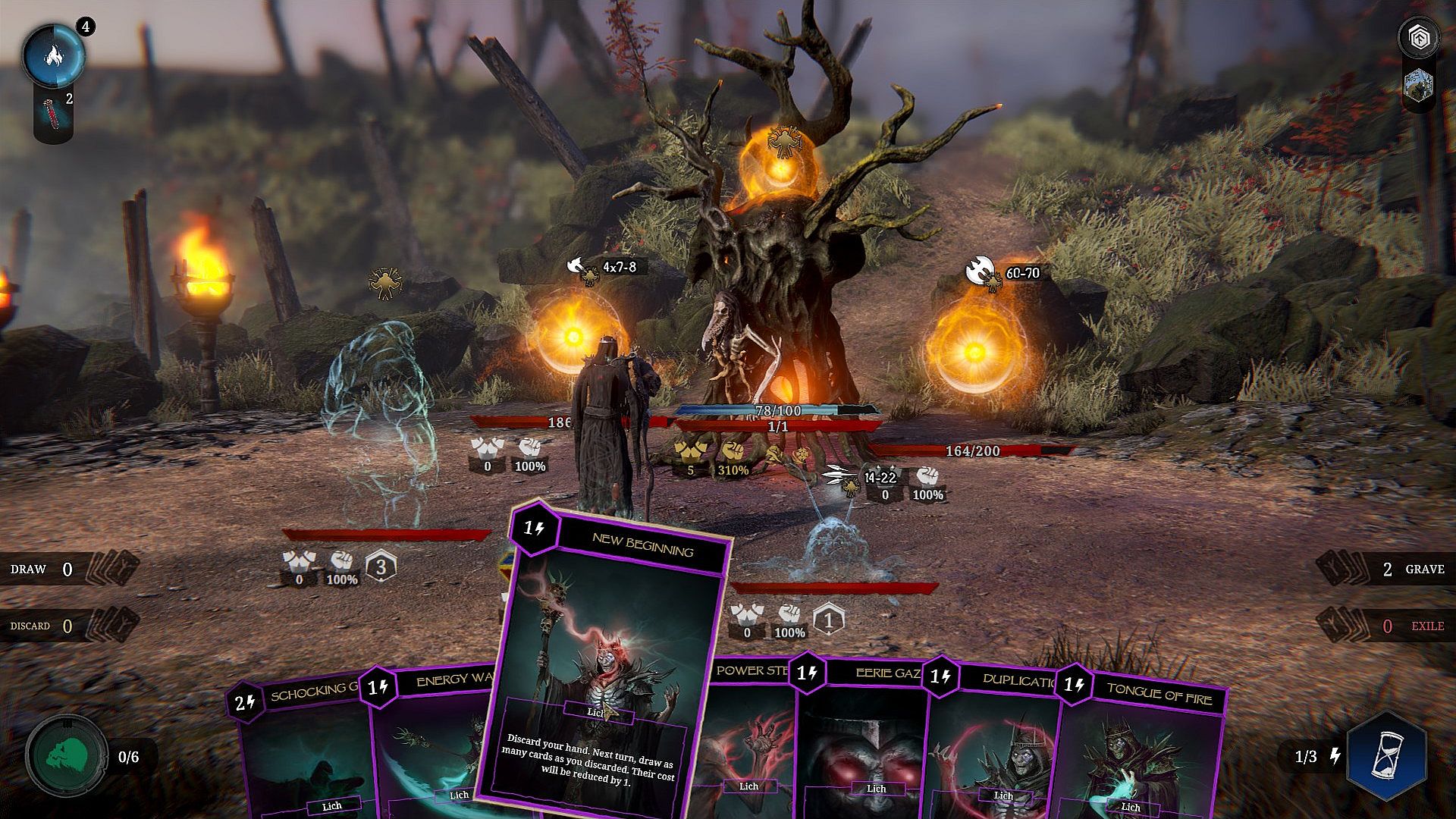
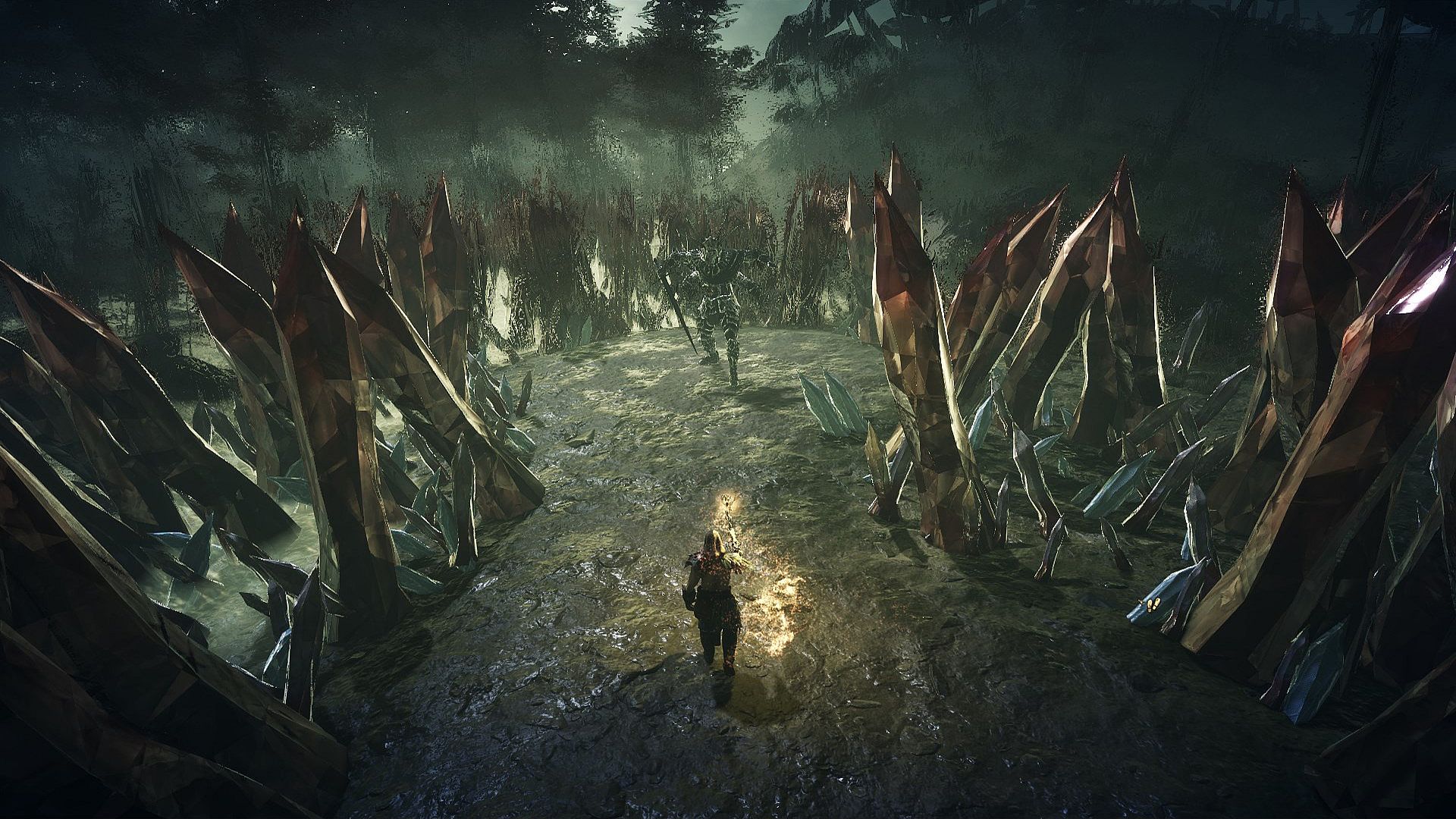
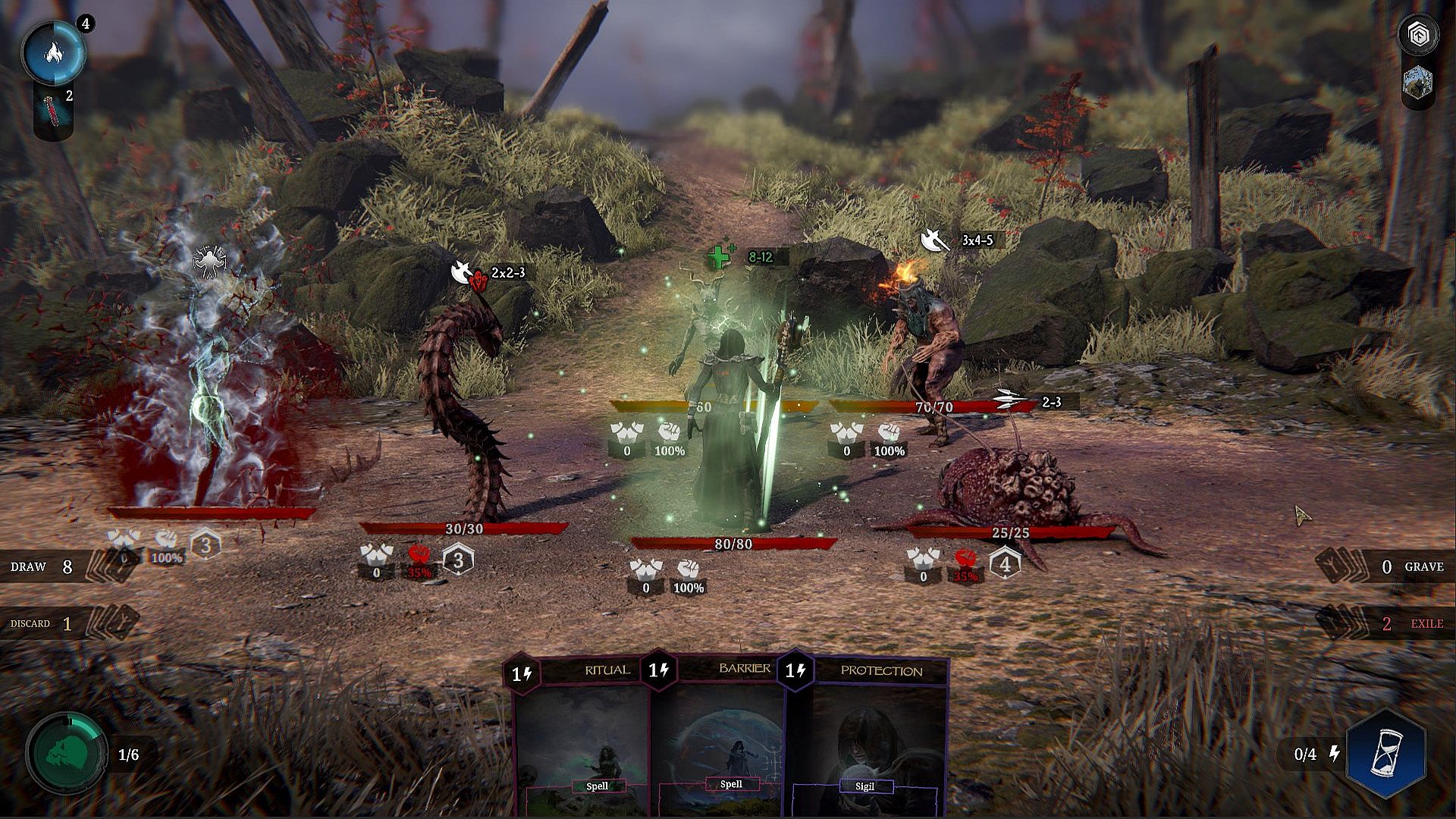
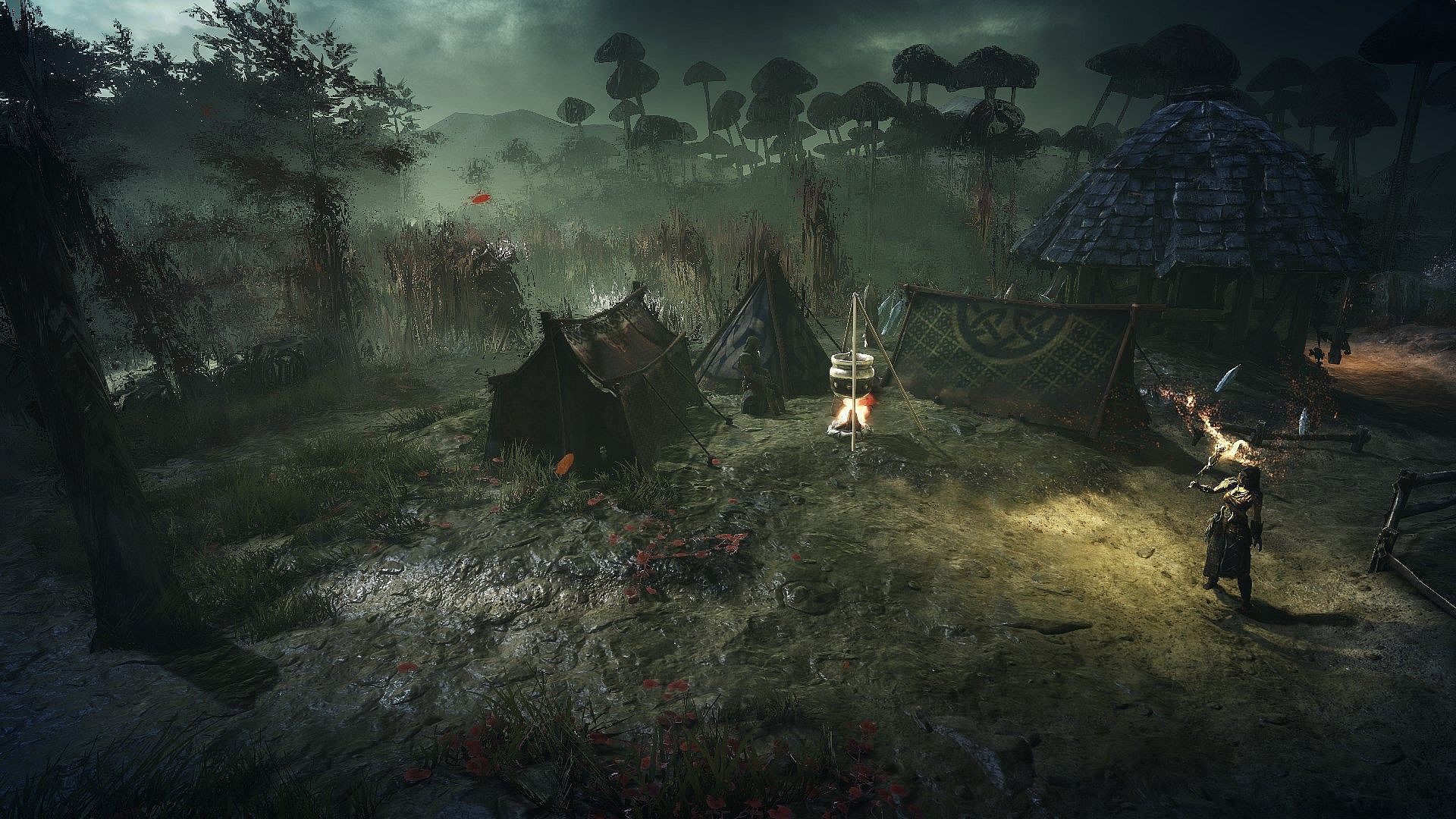
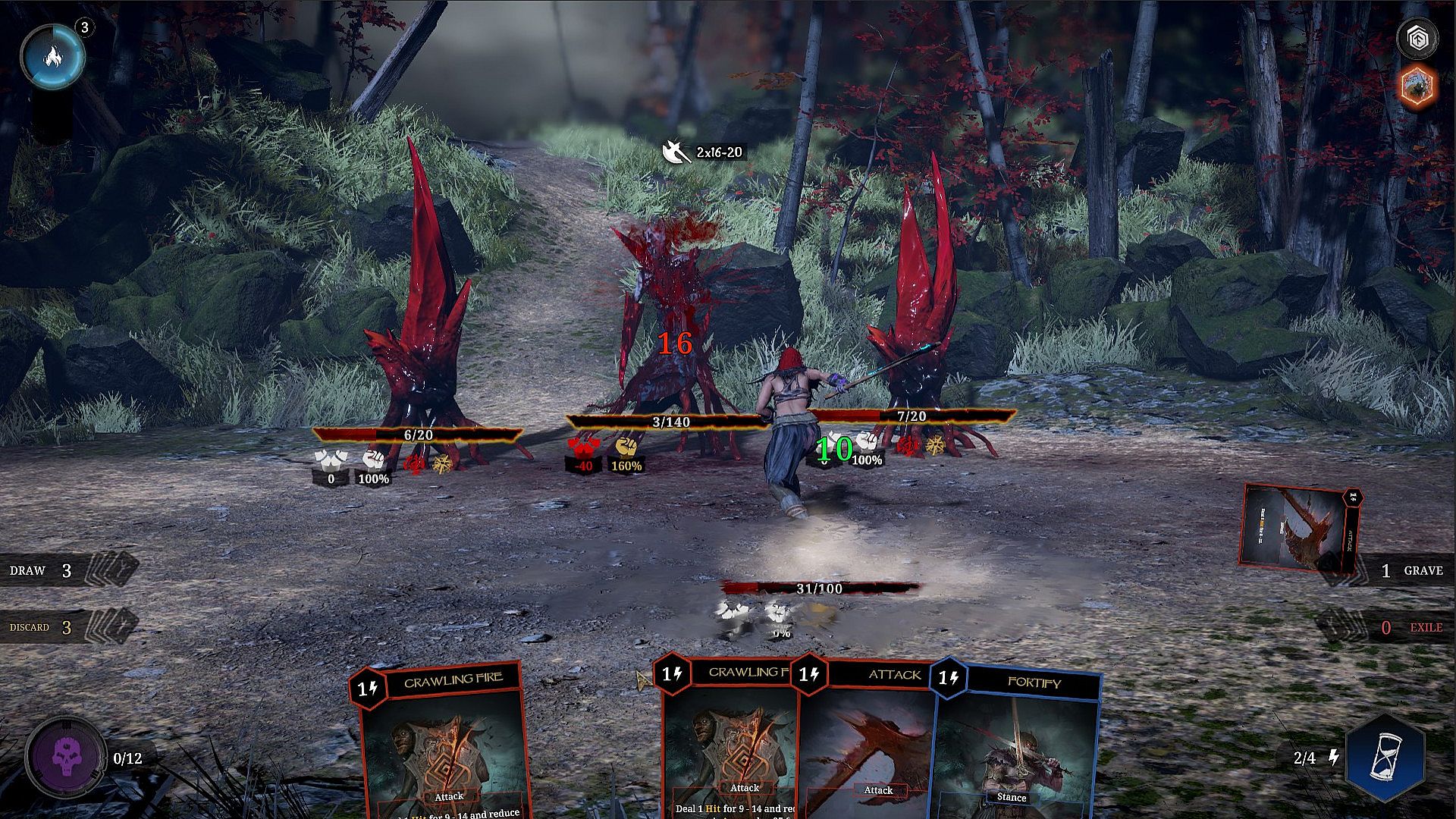
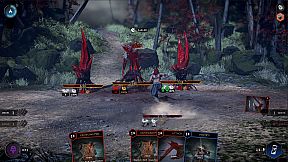
Combat takes place in turn-based card battles where enemies telegraph their upcoming actions, allowing players to plan counters with limited energy each turn. Cards come from class-specific pools and expand through leveling and discoveries during a run. Each of the nine classes belongs to one of three factions, sharing card pools within the faction while offering distinct starting decks, passive abilities, ultimate skills, and stat bonuses. The Wyrdhunter serves as the starting class, with others unlocked through score accumulation and successful or failed runs. Exploration features ever-changing maps divided into zones accessed via gates from a central village hub, where survivors provide quests, trade, or story fragments that vary between sessions due to procedural generation.
Permanent progress includes unlocked classes, abilities, and upgrades that persist across runs, encouraging repeated attempts to expand options. Resource management covers health, armor reduction, blocking, and faction-themed effects such as melee focus for one group or magic manipulation for another. The system rewards careful deck construction and adaptation to enemy patterns rather than raw power alone.
Game Modes
The primary experience centers on story-driven runs that advance an overarching narrative through encounters, NPCs, and locations. An easier story mode variant reduces difficulty while retaining the same items, quests, and map elements for players seeking a less punishing path. Endless mode provides a nonstop alternative without the structured campaign goals, focusing purely on survival and high scores. Weekly events introduce rotating challenges that alter rules or objectives for fresh variety on top of the core roguelike structure.
These modes support different play styles within the single-player framework. Standard runs emphasize completing objectives and unlocking content, while endless and event variants cater to those chasing longer sessions or time-limited rewards.
Progression and Classes
Unlock order follows a set sequence after the initial Wyrdhunter, granting access to summoner, sentinel, pathfinder, blood mage, zealot, berserker, necromancer, and apostate. Factions divide these into thematic groups, with Children of Morrigan emphasizing melee combat through blocking and damage cards, and Moonring focusing on druidic magic and wyrd manipulation. Each class modifies how the shared faction cards perform via unique passives and ultimates that charge based on specific actions like dealing damage or sustaining hits.
Village progression and quest completion feed into long-term advancement, with score from each run determining new unlocks. This meta layer turns individual failures into steps toward greater variety in future attempts.
Is It Worth Playing?
Tainted Grail: Conquest suits players who enjoy challenging single-player roguelikes combined with deck-building mechanics and gradual character expansion. The hybrid structure delivers replayability through procedural maps, class variety, and permanent unlocks without relying on multiplayer elements. Those who appreciate turn-based combat with visible enemy intentions and strategic resource decisions will find consistent depth across runs.
The game maintains active support through patches years after its 2021 release, including ongoing events that keep the experience current. Reception highlights its punishing yet fair difficulty curve and the satisfaction of mastering different factions, making it a strong choice for fans of the genre who value thoughtful progression over casual sessions. Players seeking easier access can use the dedicated story mode to experience the narrative and systems before tackling standard difficulty.