






























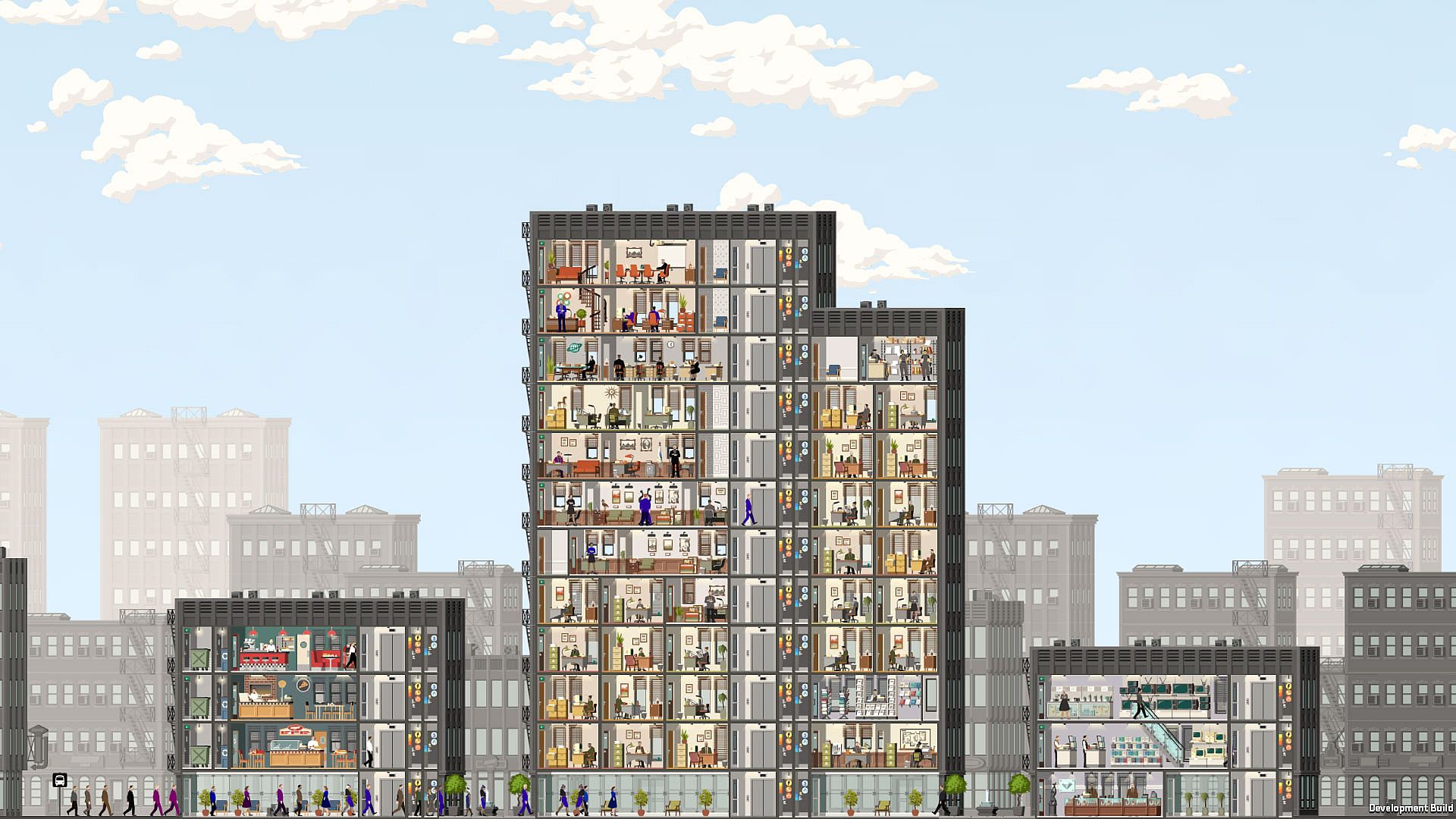
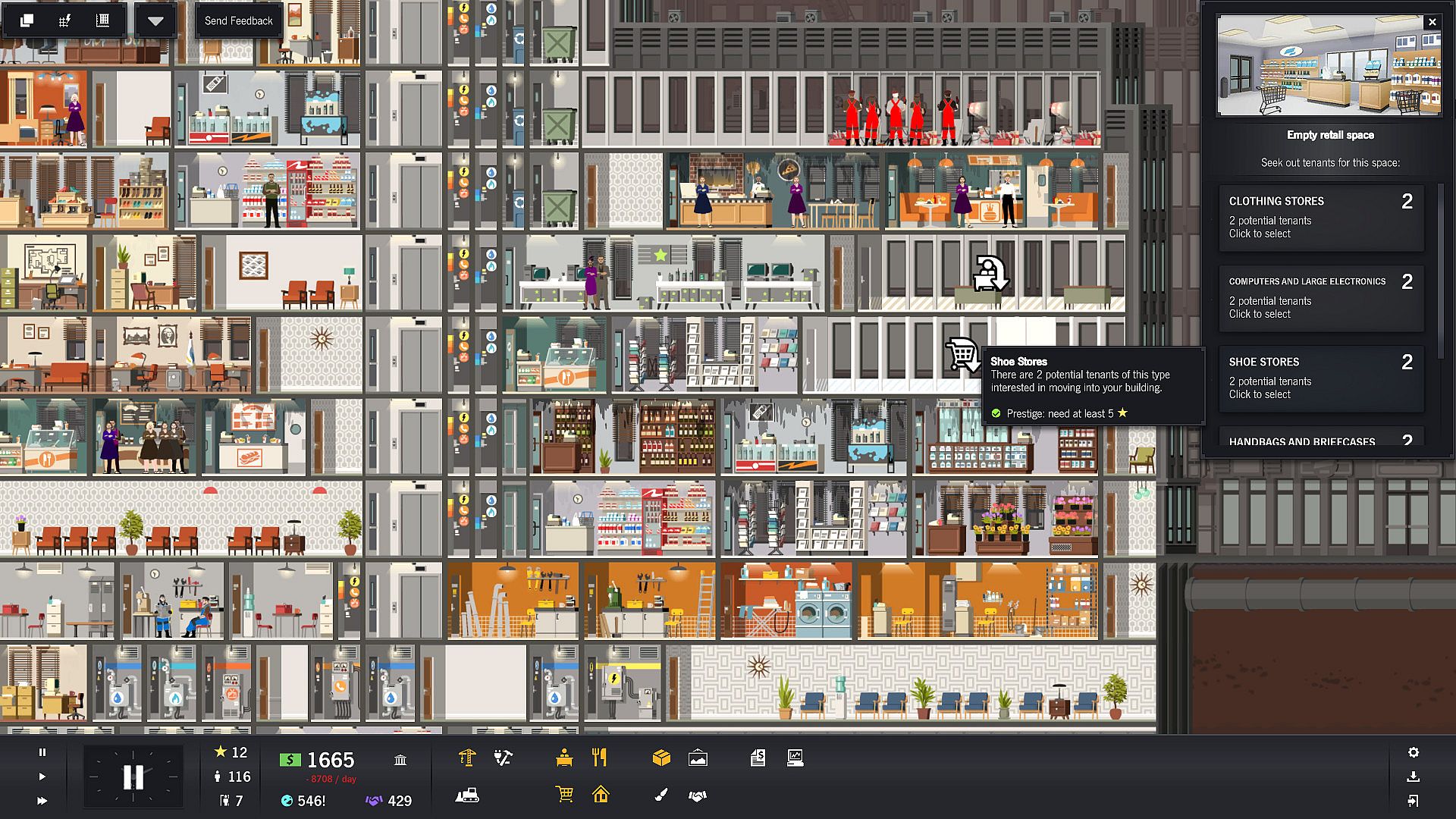
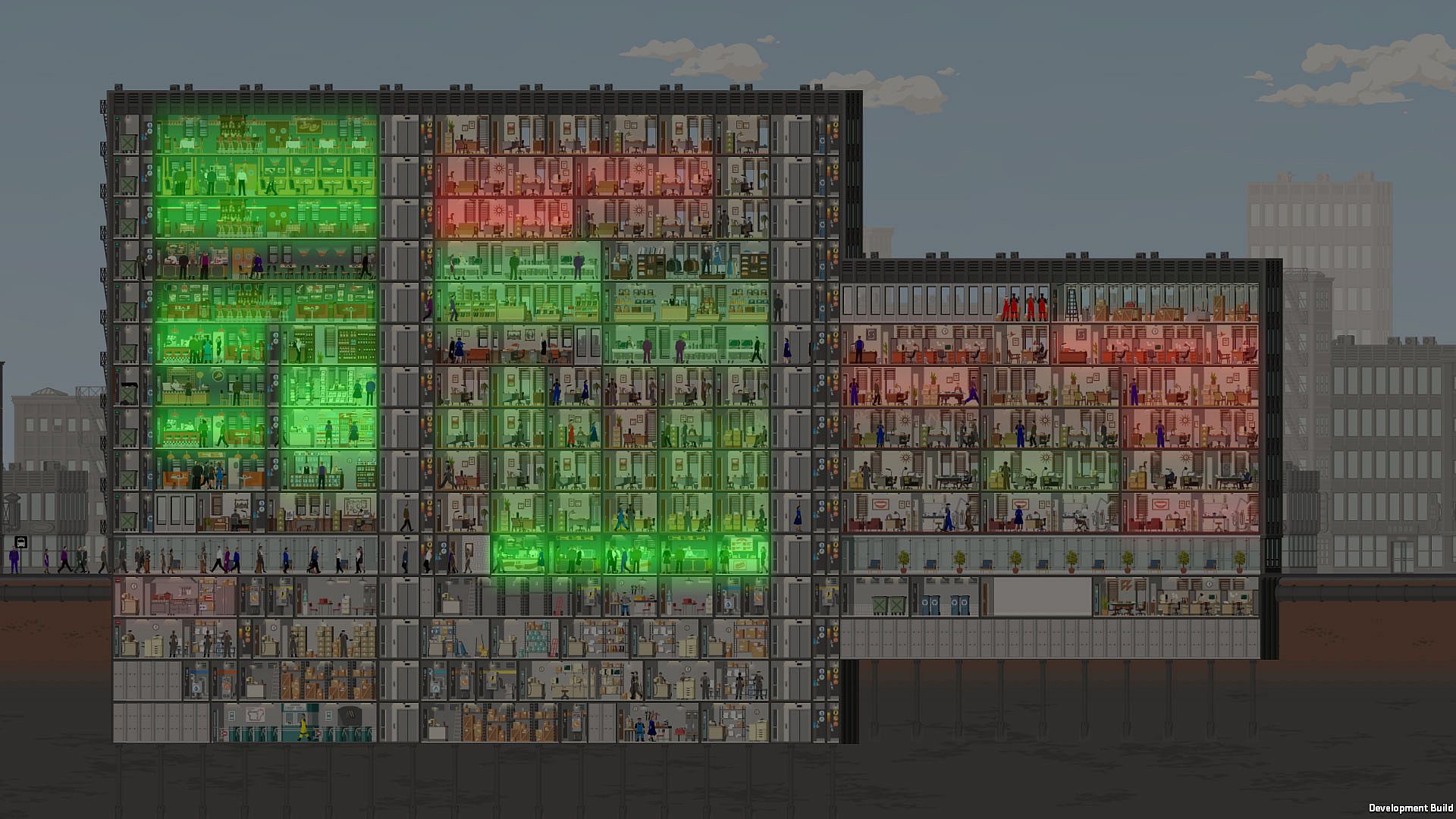
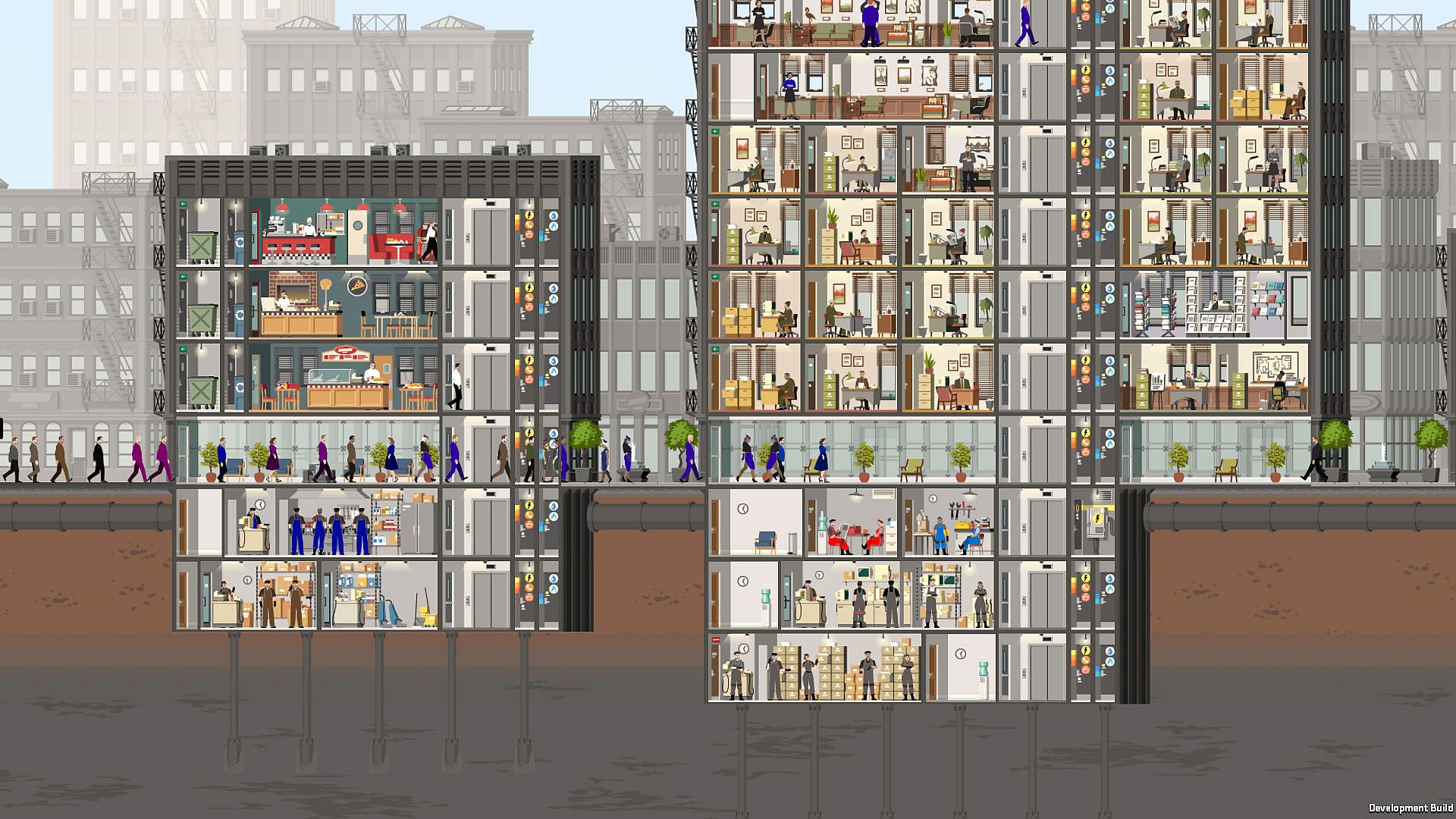
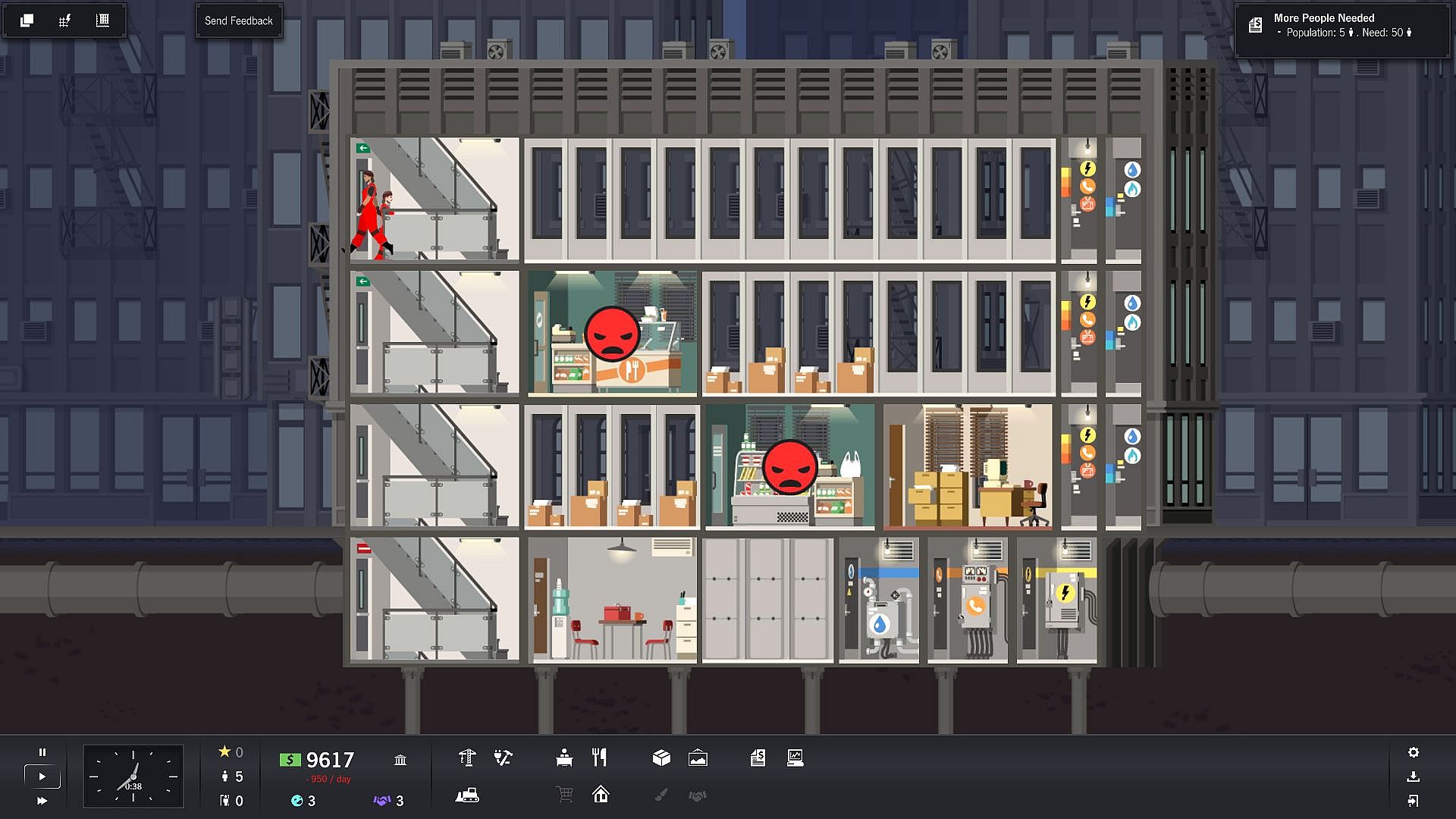
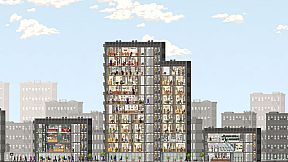
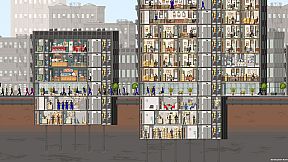
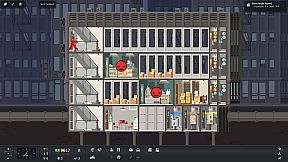
Project Highrise is a strategy simulation game focused on skyscraper construction and management. Players take on the roles of architect, owner, and developer to create towering buildings filled with offices, apartments, restaurants, and retail spaces while balancing construction costs, tenant satisfaction, and ongoing operations.
Gameplay
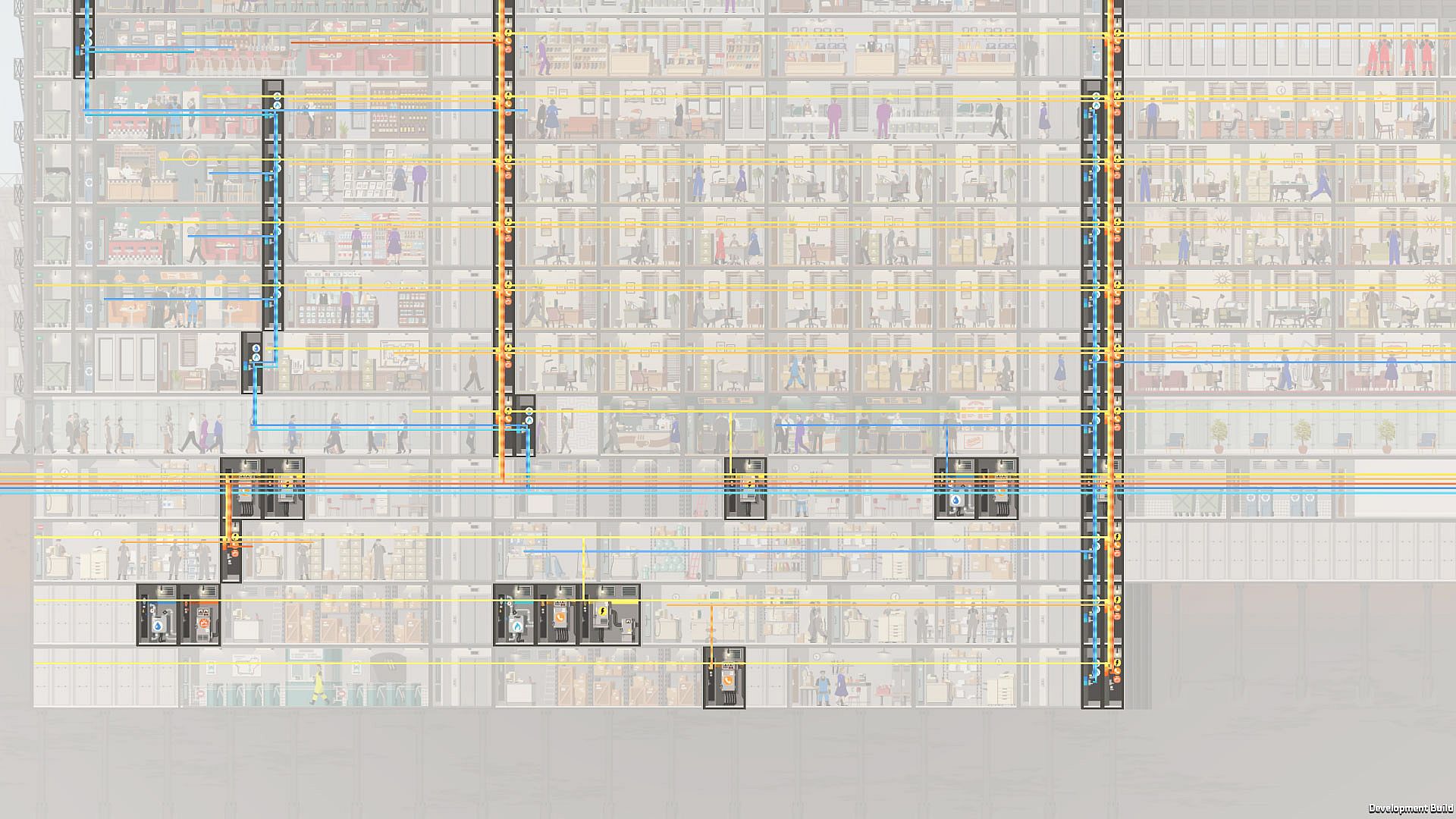
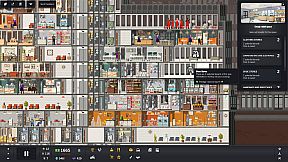
The core loop centers on planning and expanding a vertical structure floor by floor. Every decision involves laying out walls, utilities, and service connections that keep the building functional. Tenants arrive with specific requirements for space, power, water, and amenities, and their satisfaction directly affects rent payments and long-term occupancy.
Management extends beyond initial construction. Players monitor a growing population of residents and workers whose needs evolve over time. Restaurants demand steady foot traffic and waste removal, offices require reliable connectivity and professional surroundings, and apartments call for quiet environments plus recreational options. Failing to meet these demands leads to complaints, reduced income, or outright vacancies.
Economic pressures shape every phase. Construction materials and labor carry upfront costs, while monthly expenses for maintenance and services accumulate. Successful buildings generate surplus funds that can fund upgrades or attract higher-value tenants. Specialized consultants become available to boost curb appeal, streamline operations, or improve relations with city authorities for permits and incentives.
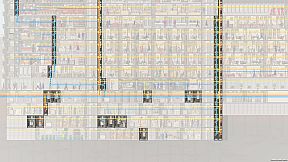
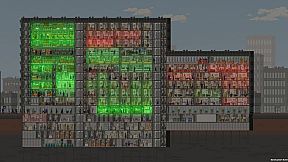
The simulation tracks intricate systems such as elevator traffic, utility distribution, and waste handling. These elements interact in real time, so a poorly placed service shaft or overloaded elevator bank can create cascading problems across multiple floors.
Game Modes
Two primary modes provide different approaches to skyscraper development. Sandbox mode offers open-ended play with adjustable starting conditions and difficulty settings that alter initial capital, economic conditions, and tenant availability. Players can experiment freely, aiming for record heights or specialized building types without external time limits.
Scenario mode presents a series of objective-driven challenges. Each scenario imposes constraints such as height caps, restrictions on certain tenant categories, or requirements to preserve existing structures while expanding. These setups test planning skills under pressure and reward efficient solutions that satisfy multiple goals simultaneously.
A tutorial sequence introduces core systems gradually, covering basic floor placement, tenant placement, and service management before players tackle full scenarios or sandbox sessions.
Building and Tenant Systems
Tenants fall into distinct categories with unique demands and benefits. Office spaces attract corporate clients who value prestige and infrastructure, residential units house individuals seeking comfort and convenience, and ground-level retail or dining establishments draw external visitors that increase overall building traffic. Mixing these types creates synergies but also competition for limited floor space and resources.
Advanced construction options include multi-story lobbies, skybridges, cantilevered sections, and rooftop features that expand usable area and improve flow. Decorative and functional upgrades further customize the building's character and operational efficiency.
City contracts offer additional revenue streams or resources in exchange for meeting specific targets, adding another layer to long-term strategy. Players must weigh immediate profits against investments that unlock more prestigious or profitable tenant tiers.
Is It Worth Playing?
Project Highrise suits players who enjoy detailed management simulations and iterative building processes. The emphasis on balancing tenant needs, utilities, and finances rewards careful planning and repeated adjustments. Those drawn to vertical city-building experiences will find substantial depth in the simulation systems and variety of scenarios.
The game remains available as a complete package with its original campaign content and sandbox flexibility intact. Its focused scope on a single structure rather than an entire city makes sessions approachable yet capable of long-term engagement through optimization and experimentation.