













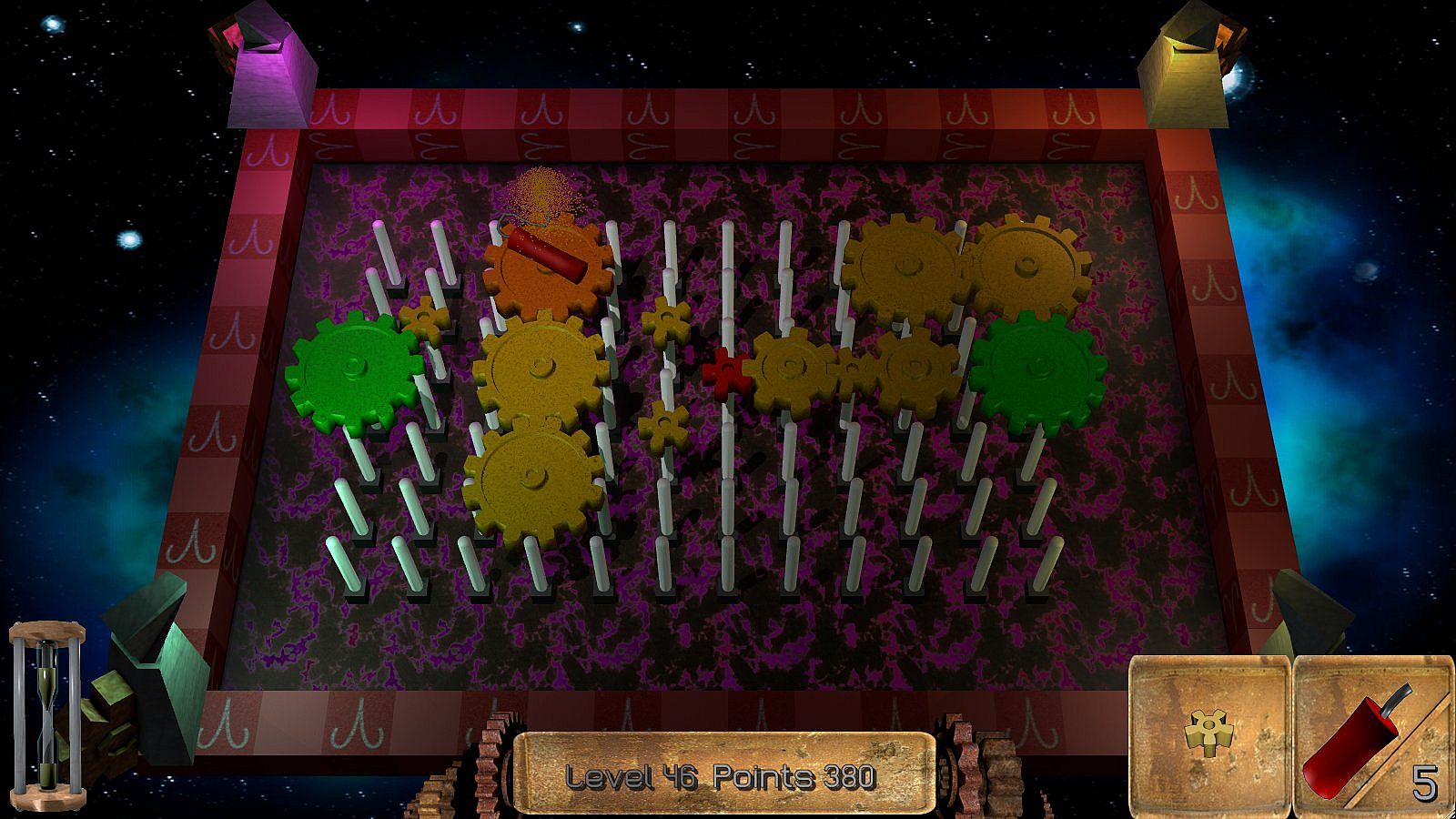
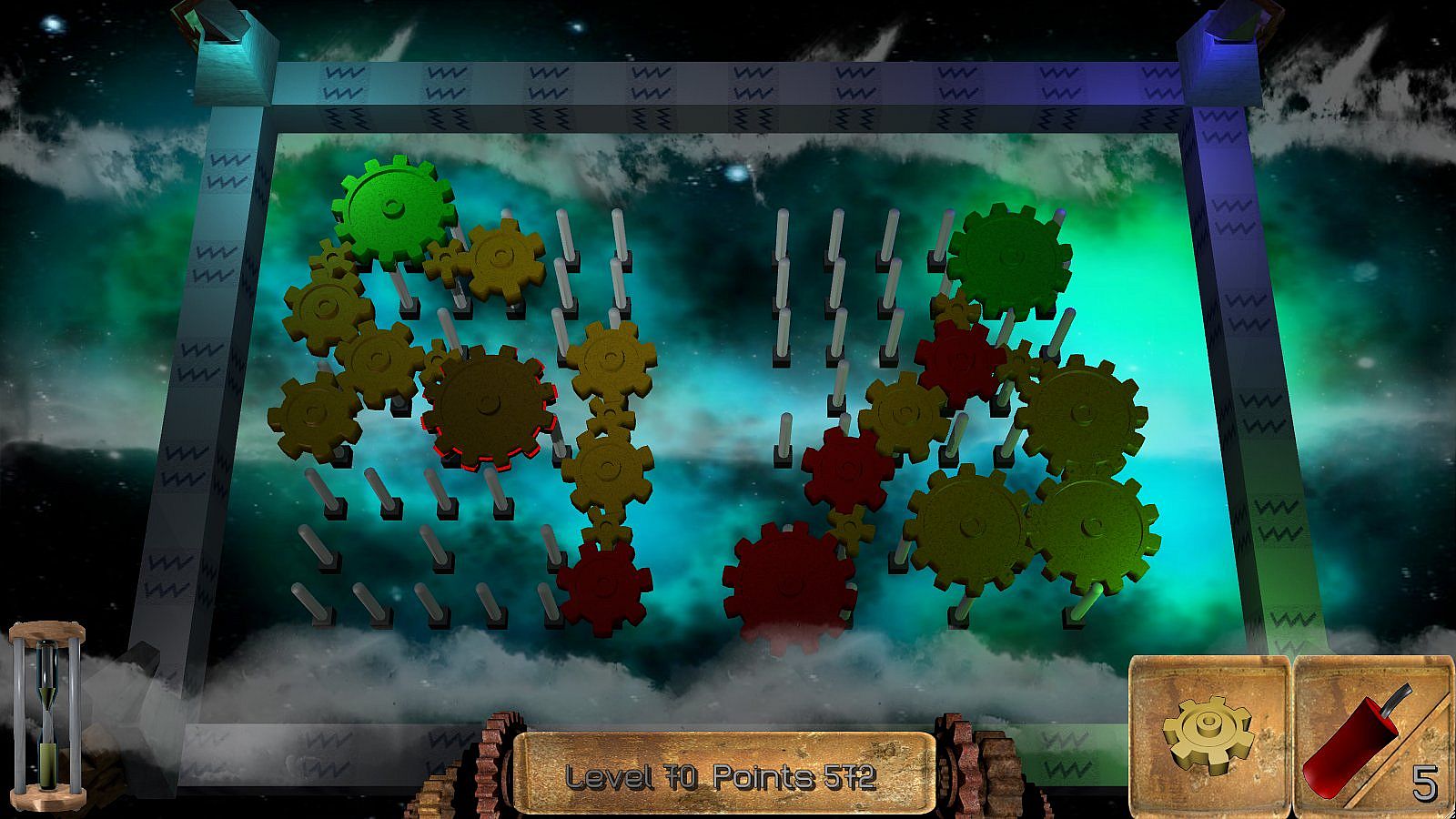
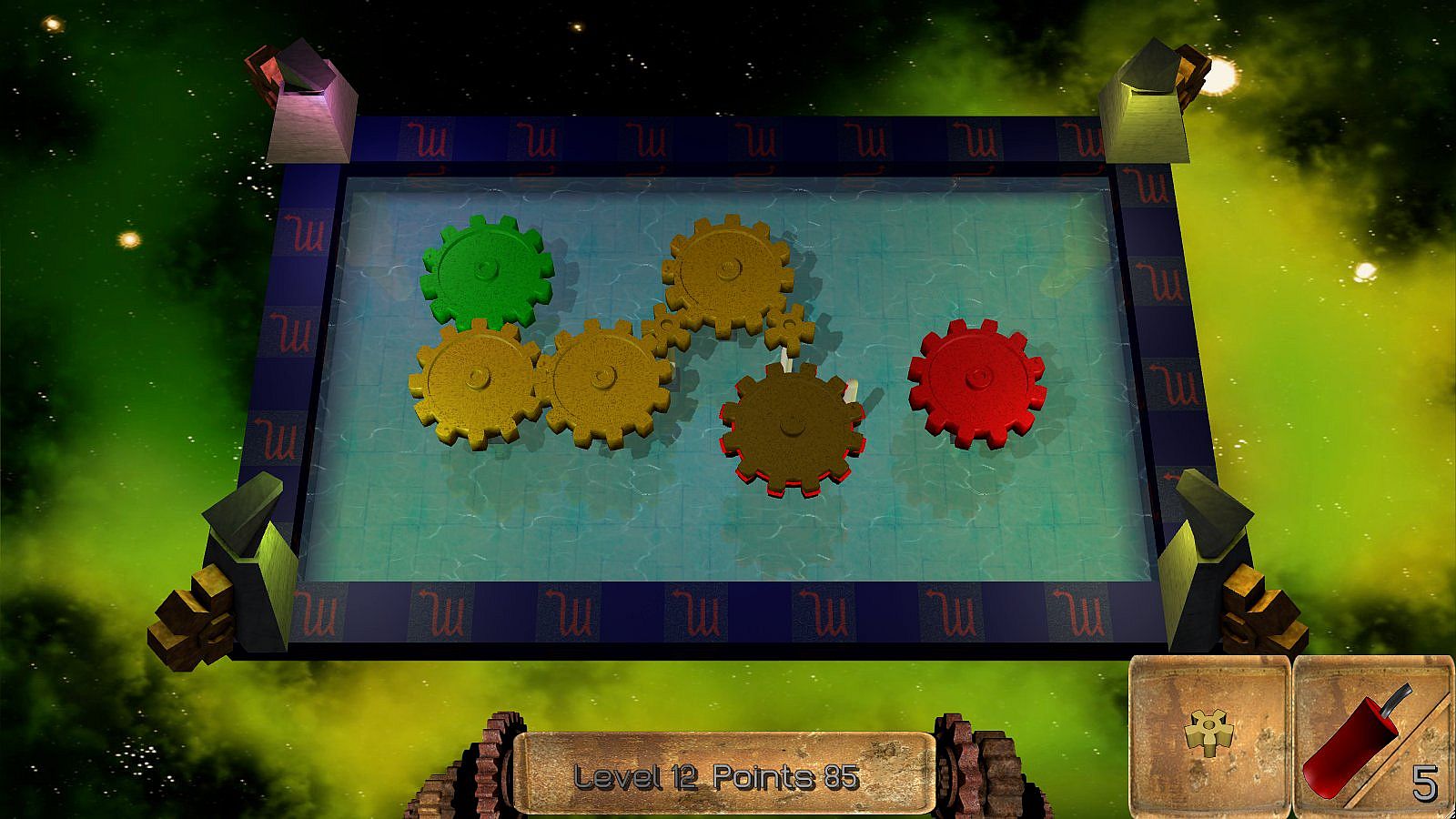
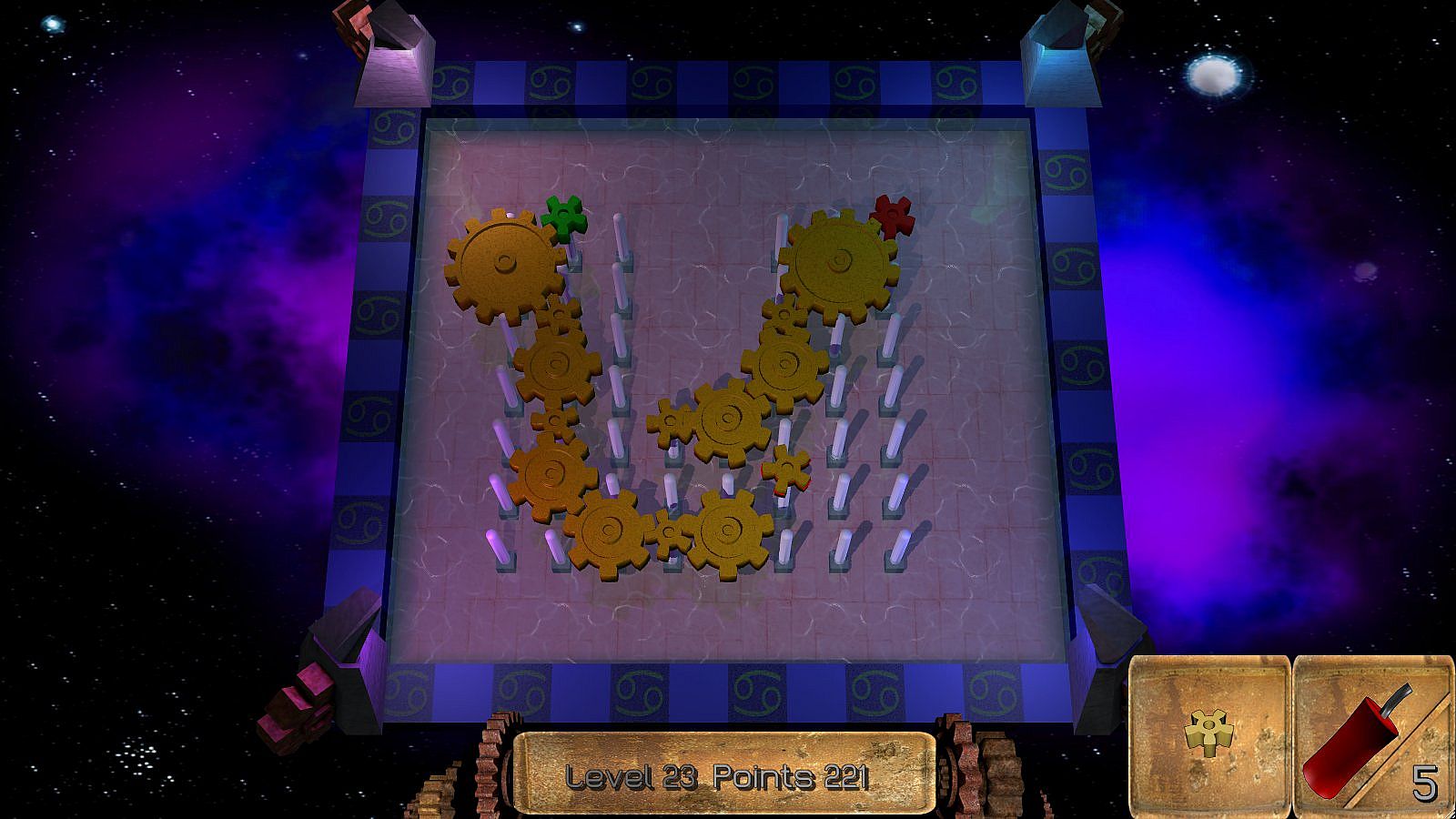
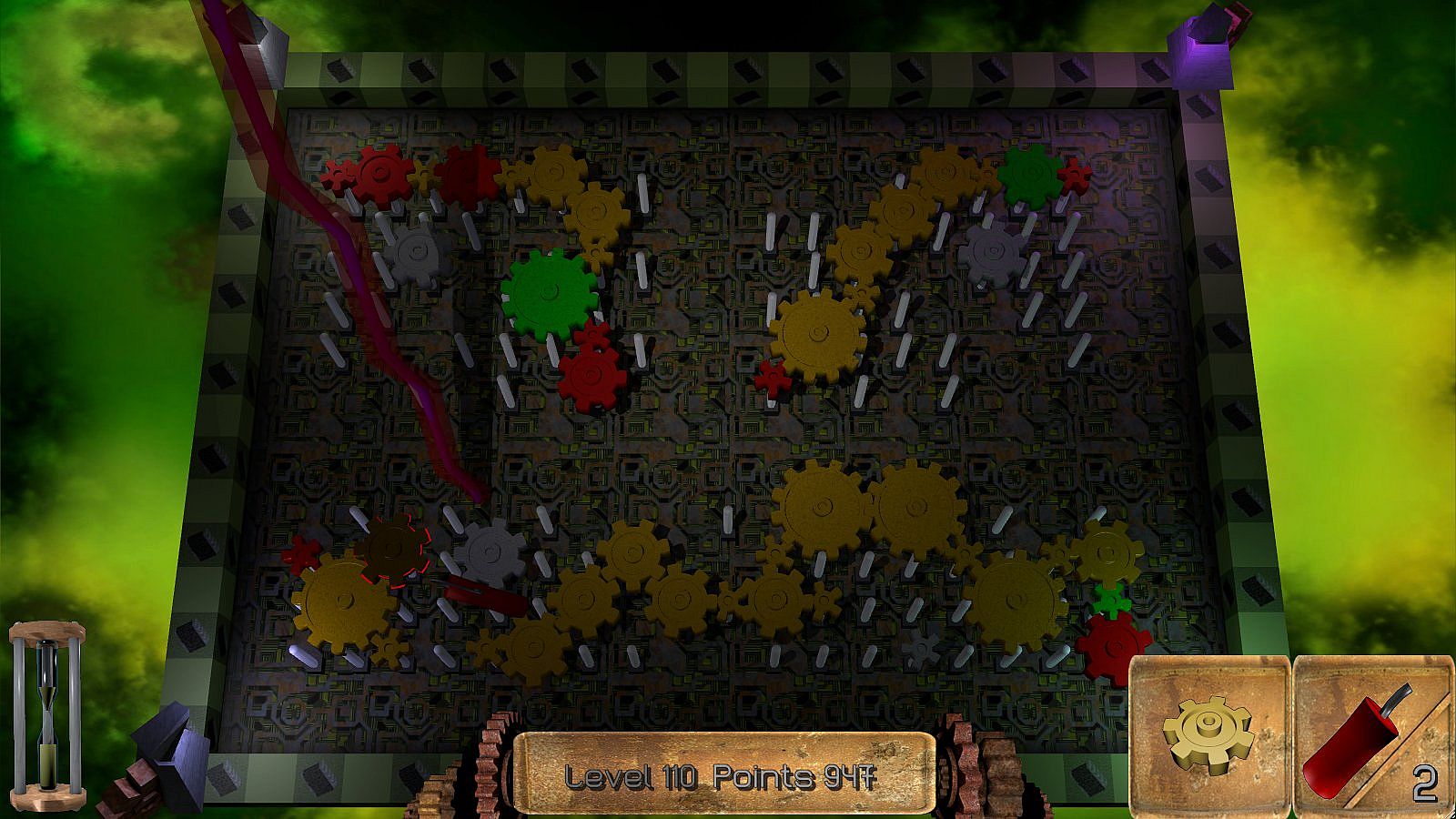
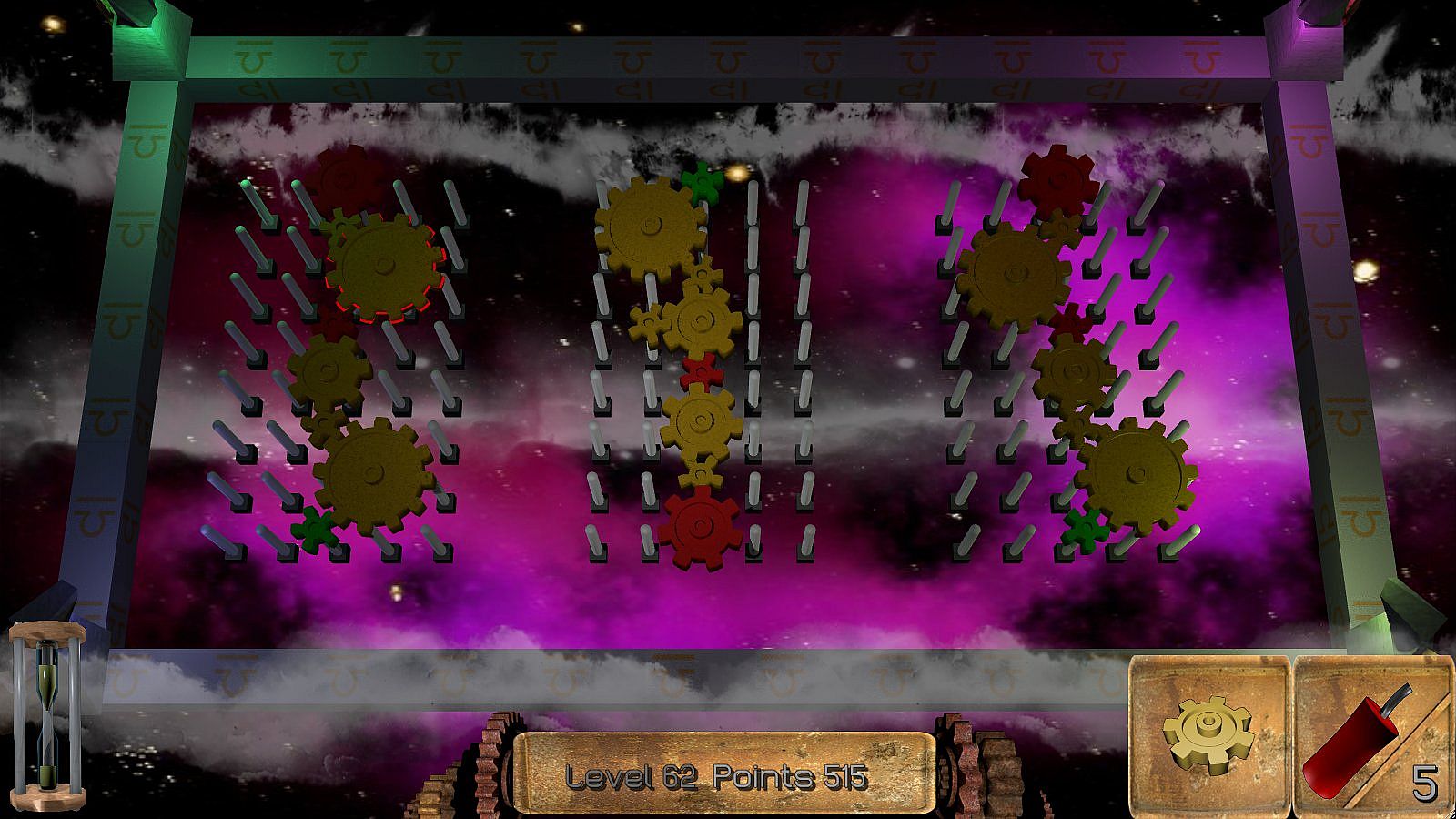
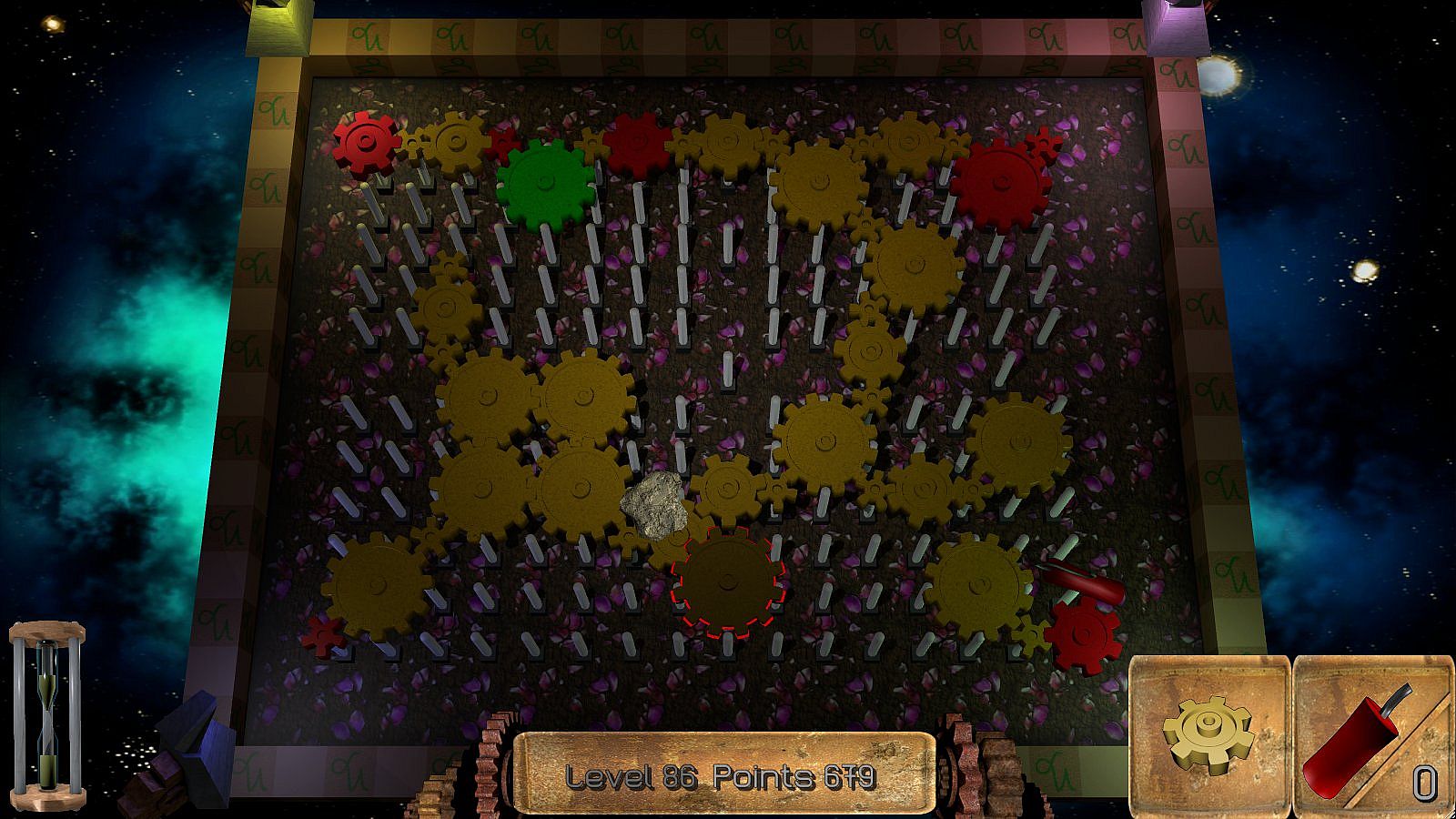
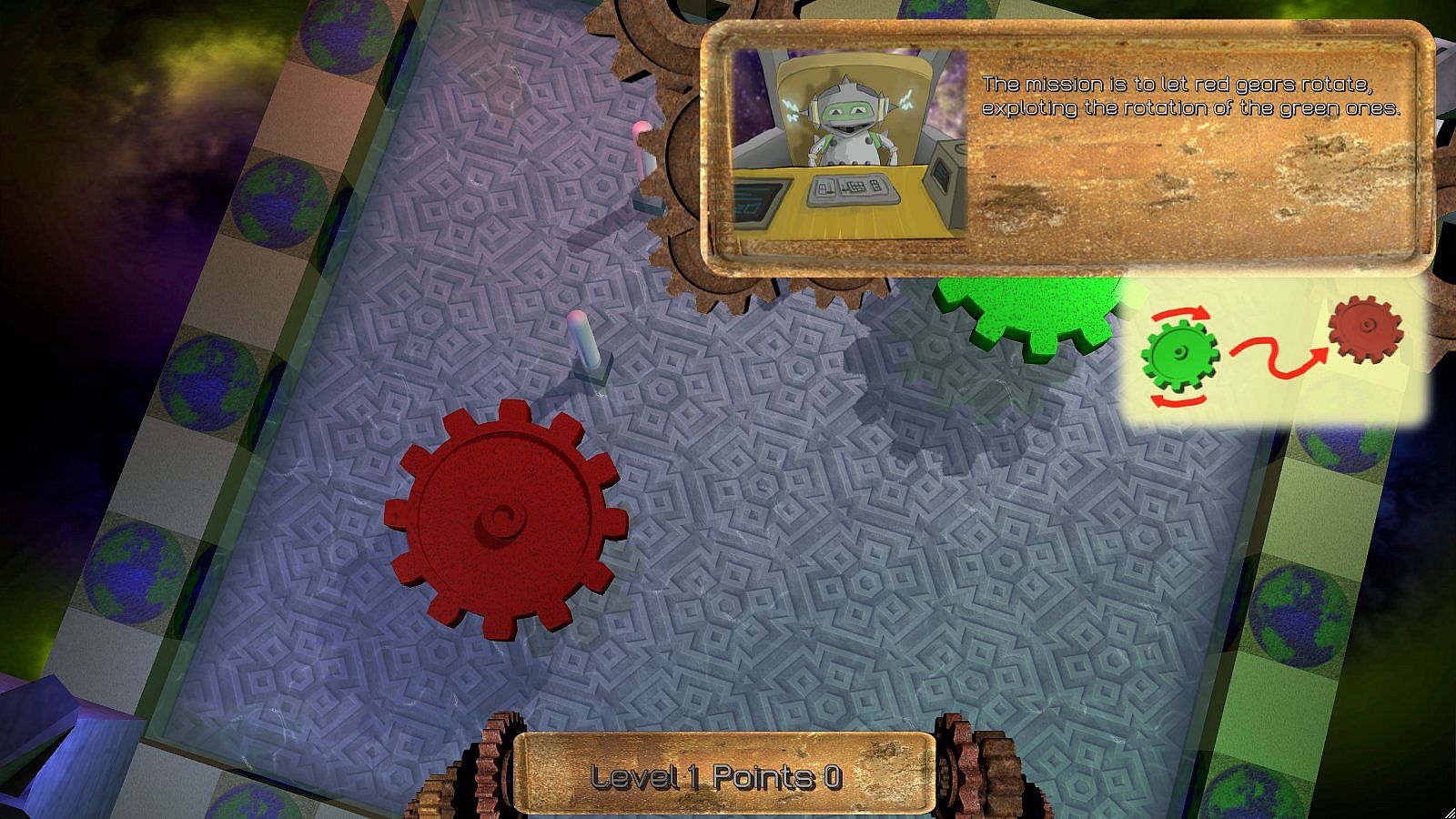




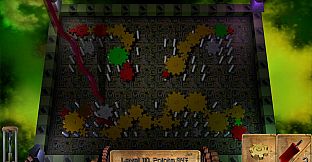
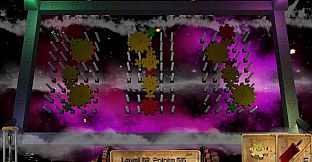
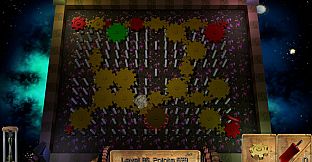
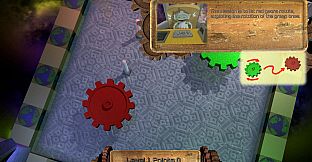


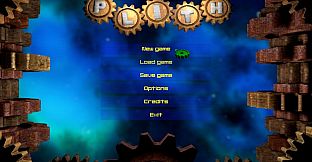
Plith is an indie puzzle game centered on spatial reasoning and mechanical interactions. Players arrange and manipulate gears in three-dimensional environments to transmit rotation and activate specific target gears within each level. The core loop revolves around quick placement decisions that either streamline or hinder progress toward the goal, all while managing limited space and emerging obstacles.
Gameplay
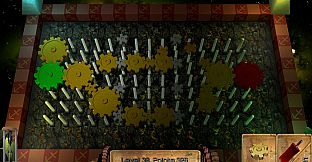
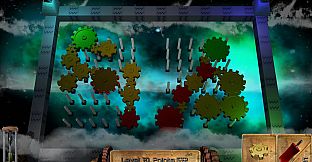
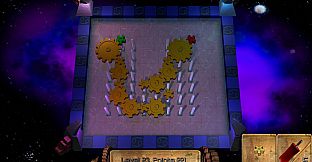
The central mechanic involves selecting gears from a pool and positioning them on the playfield so that rotation from powered sources spreads through connected pieces. Some gears spin continuously once activated, while others require precise alignment to link chains of motion. Obstacles appear in later stages to block paths or alter transmission rules, forcing players to adapt strategies on the fly. Levels emphasize efficiency, as unnecessary placements can crowd the area and block optimal routes. The presentation mixes detailed 3D models of the mechanical components with occasional hand-drawn elements that highlight key objectives or environmental details.
Progression introduces variety gradually. Early sections focus on basic gear types and simple transmission chains. Subsequent sections add specialized gears with unique behaviors, such as directional restrictions or conditional activation. This structure builds familiarity before layering complexity, encouraging experimentation within each confined space. The fast pace comes from the need to evaluate multiple configurations quickly rather than from time limits, rewarding players who recognize patterns across similar setups.
Game Modes
Plith operates as a single-player puzzle experience without separate competitive or cooperative modes. All content unfolds through sequential level solving organized into worlds and sections. The absence of branching paths or alternative rulesets keeps the focus on mastering the gear transmission system across increasing challenges. Players advance by completing levels in order, with each new section unlocking fresh mechanical elements that expand the puzzle possibilities without altering the fundamental objective of activating targets.
Worlds and Level Structure
Five distinct worlds house the more than one hundred levels, grouped into fourteen sections that each introduce new gear varieties or environmental constraints. Early worlds establish core placement and rotation concepts in relatively open spaces. Later worlds incorporate tighter layouts and additional obstacles that demand careful planning to avoid dead ends. The division into sections ensures players encounter mechanics in a controlled sequence, allowing time to internalize how different gear types interact before facing combined challenges.
Each level presents a self-contained spatial puzzle where success depends on forming efficient rotation networks. Hand-placed gears must connect powered sources to targets without unnecessary overlaps or gaps. The design encourages multiple attempts, as repositioning pieces reveals how small adjustments affect the entire chain. This structure supports repeated playthroughs for optimization, though the primary path remains linear through the sections.
Is It Worth Playing?
Plith suits players who enjoy methodical puzzle games built around physical mechanics and spatial problem-solving. The gradual introduction of new elements across sections provides steady progression without overwhelming newcomers, while the volume of levels offers substantial content for those who appreciate incremental difficulty increases. Mixed player reception reflects varied tolerance for the visual style and occasional trial-and-error required in denser stages. Those drawn to gear-based or connection puzzles will find the core loop engaging, particularly if they value concise sessions that reward precise thinking over extended campaigns. The game remains available on PC platforms with no ongoing updates or additional content layers.