




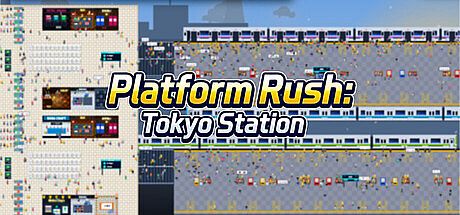



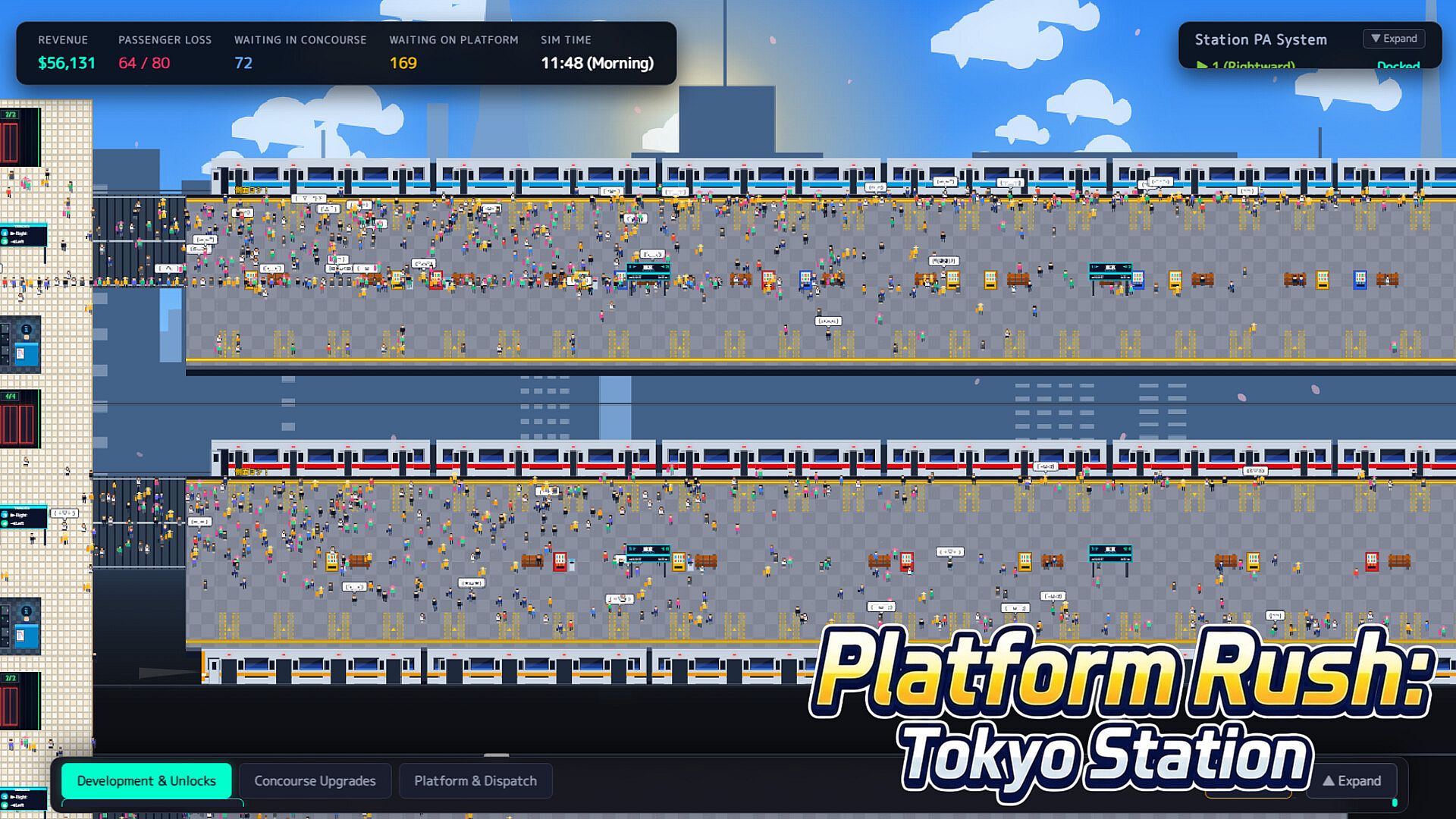
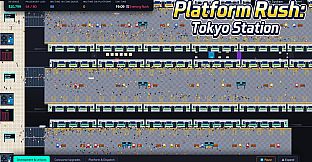
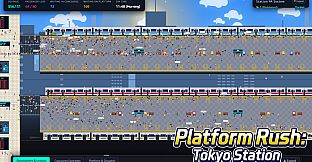
Platform Rush: Tokyo Station is a 2D pixel-art management simulator that blends strategy, indie, casual, and simulation elements into a focused station-building experience on PC. Players take on the role of station master at a major Tokyo hub, balancing expansion, scheduling, and incident response to keep commuter flows steady during peak periods.
Gameplay
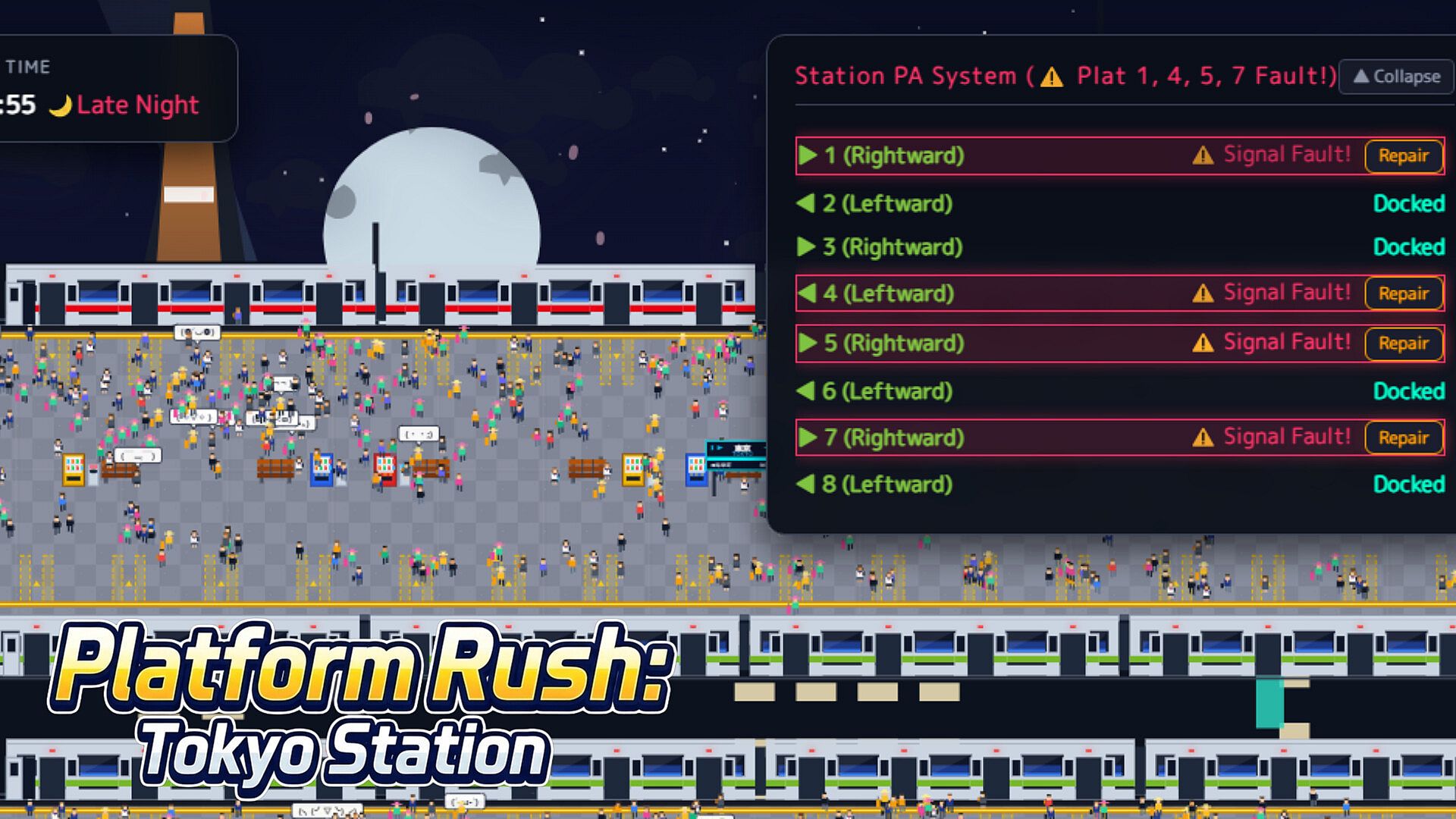
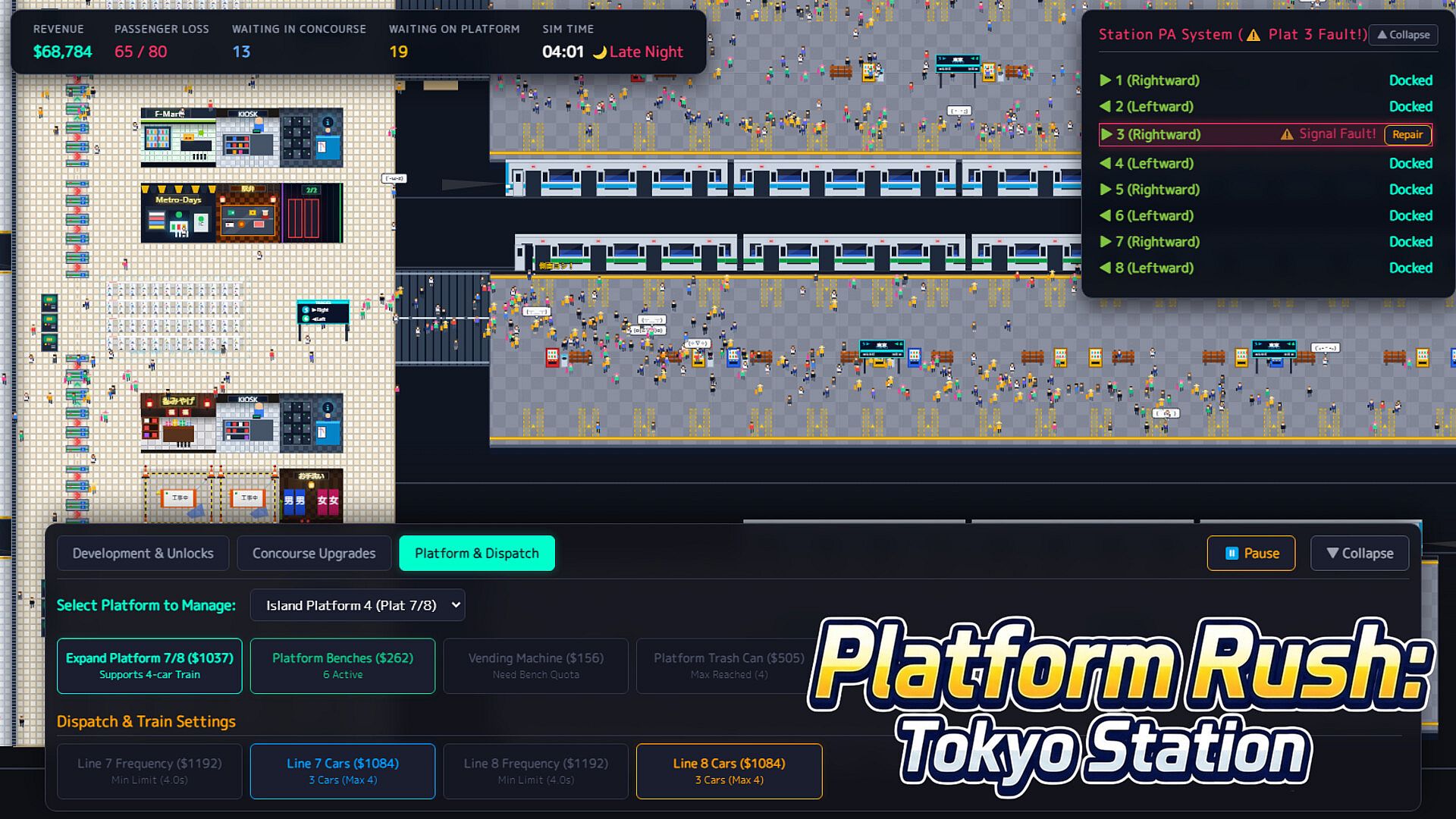
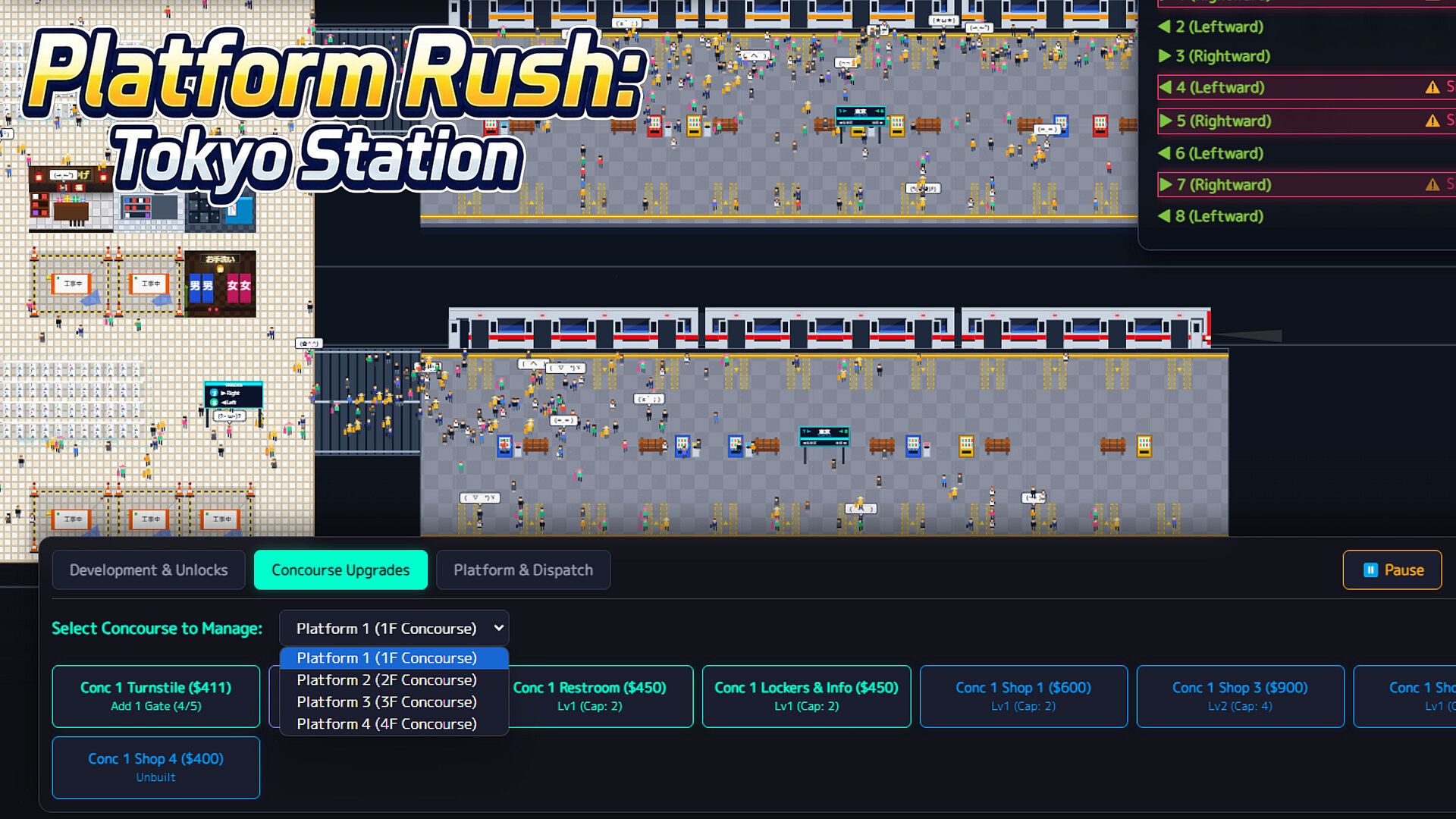
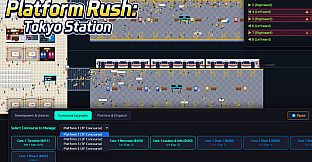
The core loop centers on expanding concourse floors while adding revenue-generating facilities such as ticket machines, turnstiles, Ekiben stalls, Gashapon machines, restrooms, and luggage lockers. These additions help manage passenger impatience and produce ongoing income that funds further growth. Train operations require adjusting lengths up to six cars, varying dispatch frequencies, and unlocking dual-side tracks to handle incoming waves of commuters. Sudden Signal Faults appear as interruptions that demand quick manual repairs to prevent delays from spreading. Resource allocation stays tight because every upgrade and repair competes for limited time and funds during high-traffic periods.
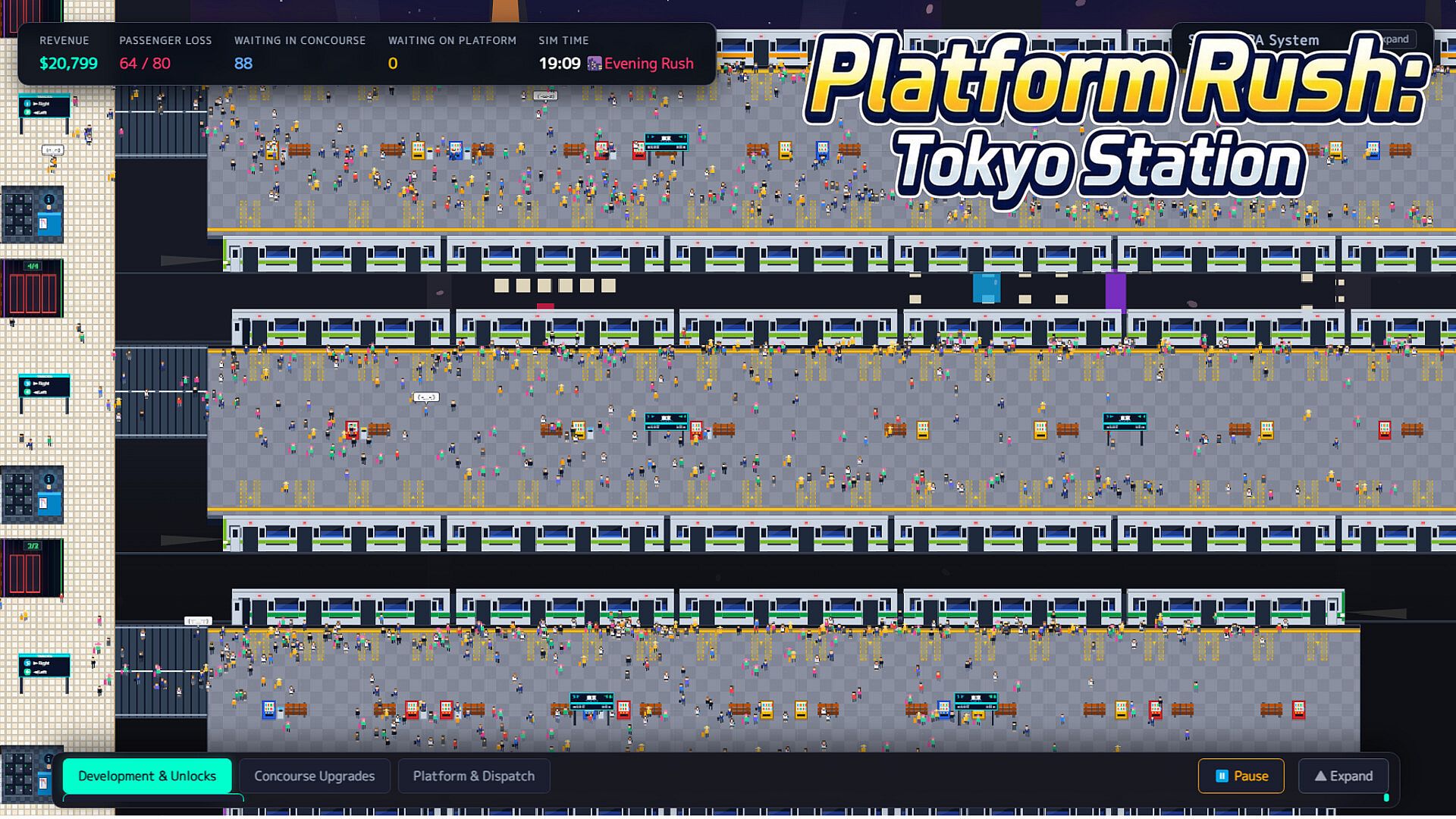
Pixel-art visuals keep the station lively with small passenger sprites moving between platforms, purchasing items, and boarding trains. The simulation emphasizes steady optimization rather than high-speed reflexes, rewarding careful planning of facility placement and schedule tweaks. Single-player progression unfolds through successive days or shifts that increase in intensity as the station grows.
Game Modes
Standard play follows the full management cycle of expansion and dispatching under time pressure from rush periods. Zen Mode offers a distinct option that shrinks the window into a compact desktop companion. In this state the simulation continues passively, allowing passengers to wander, interact with facilities, and observe trains arriving and departing without active intervention. The mode suits background viewing during other tasks while still displaying the same pixel-art activity.
No additional named modes appear beyond these two approaches. Morning and evening rush periods function as recurring challenges within the main experience rather than separate selectable modes.
Key Mechanics and Progression
Facility placement directly influences passenger satisfaction and revenue streams, creating a feedback loop where well-chosen upgrades reduce complaints and accelerate further development. Train length and frequency adjustments must align with platform capacity and incident frequency to avoid cascading problems. The dual-side track unlock expands options for parallel operations once resources permit. All systems remain contained within the single-player framework, with no multiplayer elements confirmed.
Progression relies on unlocking new floors and features through accumulated revenue and successful handling of incidents. The lightweight design keeps sessions accessible for short or extended play without complex menus or steep learning curves.
Is It Worth Playing?
The game targets players who enjoy relaxed management simulators with a cozy pixel-art presentation. Its combination of station expansion, scheduling decisions, and the optional Zen Mode desktop companion provides a low-pressure way to engage with the systems. Because the title remains listed as coming soon with no user reviews available, any final judgment depends on individual preference for simulation depth over action or narrative elements. Those drawn to indie strategy titles focused on incremental building and passive observation will find the described features align closely with that style. Availability on PC through standard digital storefronts makes it straightforward to follow for release updates.












