


















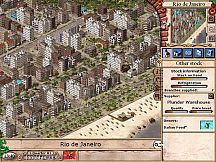
Pizza Connection 2 is a strategy simulation game focused on building and managing a pizza empire from a single small parlor. Players handle every layer of the business across multiple international locations, balancing daily operations with long-term expansion goals in a single-player experience.
Gameplay
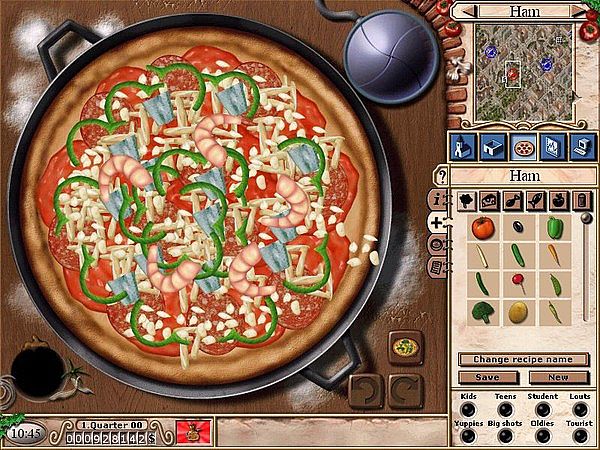
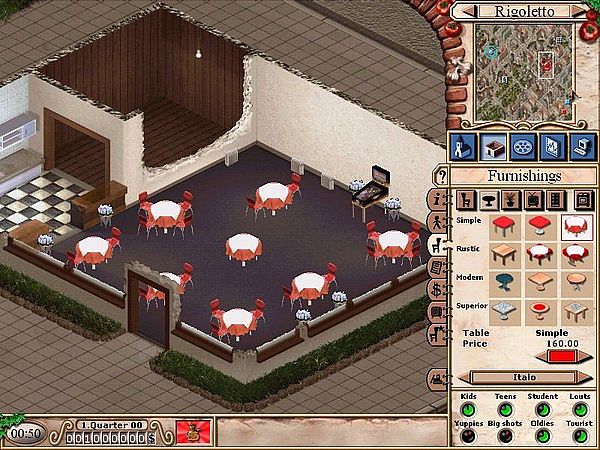
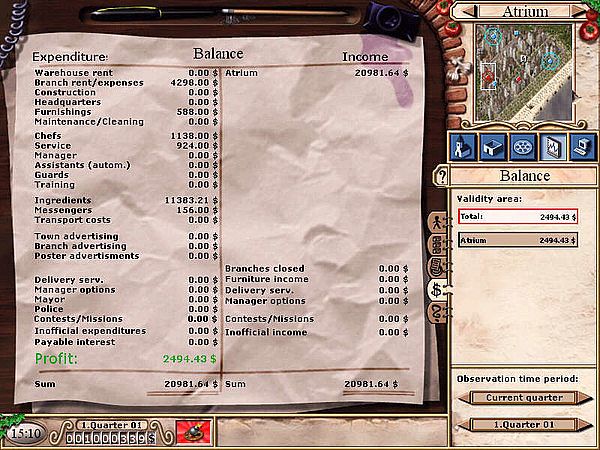
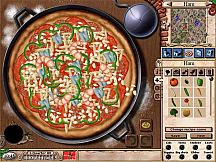
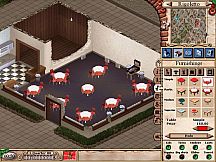
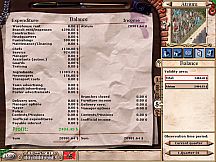
The core loop centers on detailed management decisions that affect revenue, customer satisfaction, and overall growth. Players select recipes to match local tastes, choose prime locations for new outlets, set staffing levels, and adjust pricing to stay competitive. Advertising campaigns help attract customers while restaurant mood customization influences the atmosphere and repeat visits. Hiring and training employees forms another key part of operations, with staff handling service, preparation, and other roles.
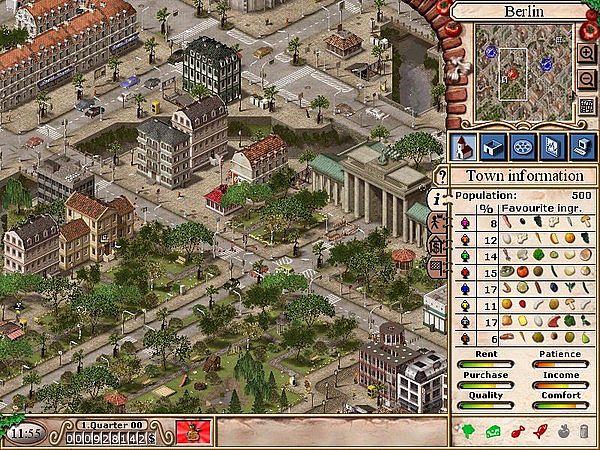
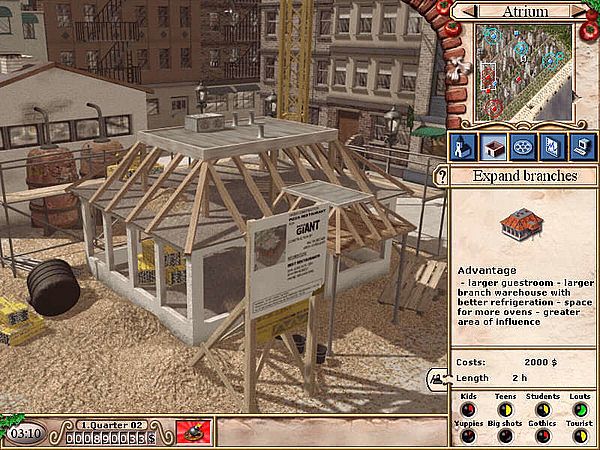
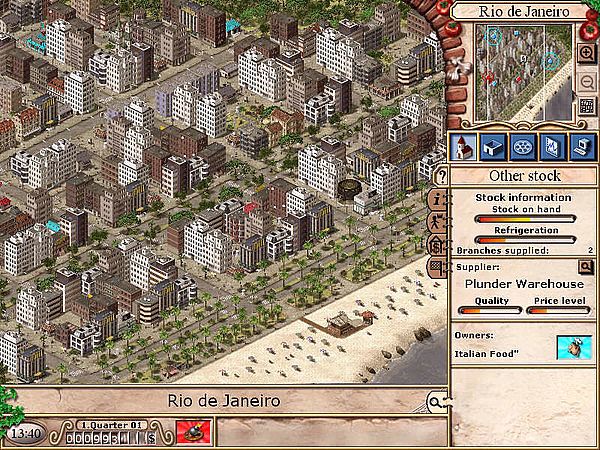
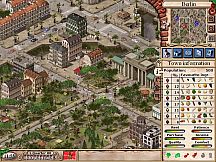
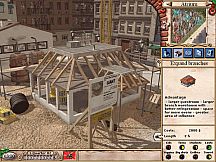
Expansion involves acquiring buildings and scaling the franchise while monitoring thousands of location-specific events that can impact performance. The game tracks variables such as popularity and empire size, requiring careful resource allocation to meet city-specific targets. In-game characters use the local language of each setting, adding to the sense of operating in diverse markets like major cities around the world.
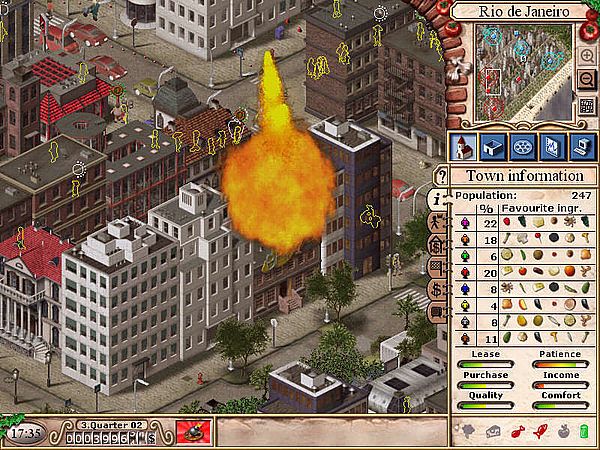
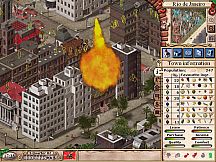
Competition introduces external pressures through rival actions and organized crime elements. Players can employ guards and police to counter threats, while also navigating opportunities or risks tied to shady dealings. These layers create a management challenge where short-term choices influence long-term stability.
Game Modes
Pizza Connection 2 operates entirely in single-player mode. There are no multiplayer options or additional modes listed in official descriptions. The experience revolves around a campaign-style progression where the player works to dominate the pizza market in ten different international cities, each with unique goals and conditions.
Progression follows a linear structure of starting small and expanding outward, with no separate scenarios or alternate play styles confirmed beyond the main empire-building path.
Key Mechanics and Challenges
Strategic choices extend to sabotage options against competitors and defensive measures against mob interference, including blackmail risks. These elements require ongoing attention alongside standard business tasks like recipe development and staff management. The depth comes from the sheer volume of interconnected decisions, where missteps in one area can cascade into broader problems.
Customization options for individual restaurants allow fine-tuning of the customer experience, while broader empire management demands attention to advertising reach and pricing strategies. The game emphasizes mastery through trial and error, with many variables determining success or failure in each market.
Is It Worth Playing?
Player reception on Steam stands at mostly positive, with 78 percent approval from 270 reviews. The title appeals to those who enjoy deep, old-school business simulations that demand patience and attention to detail. Its challenging nature suits players comfortable with complex management systems rather than quick sessions or action-focused gameplay.
The game remains available on PC with no recent updates or seasonal content. It delivers a focused single-player experience centered on tycoon-style progression and strategic oversight. Those seeking a demanding simulation with layered decision-making may find it rewarding, while players preferring modern interfaces or lighter mechanics could encounter friction with its age and difficulty curve.