










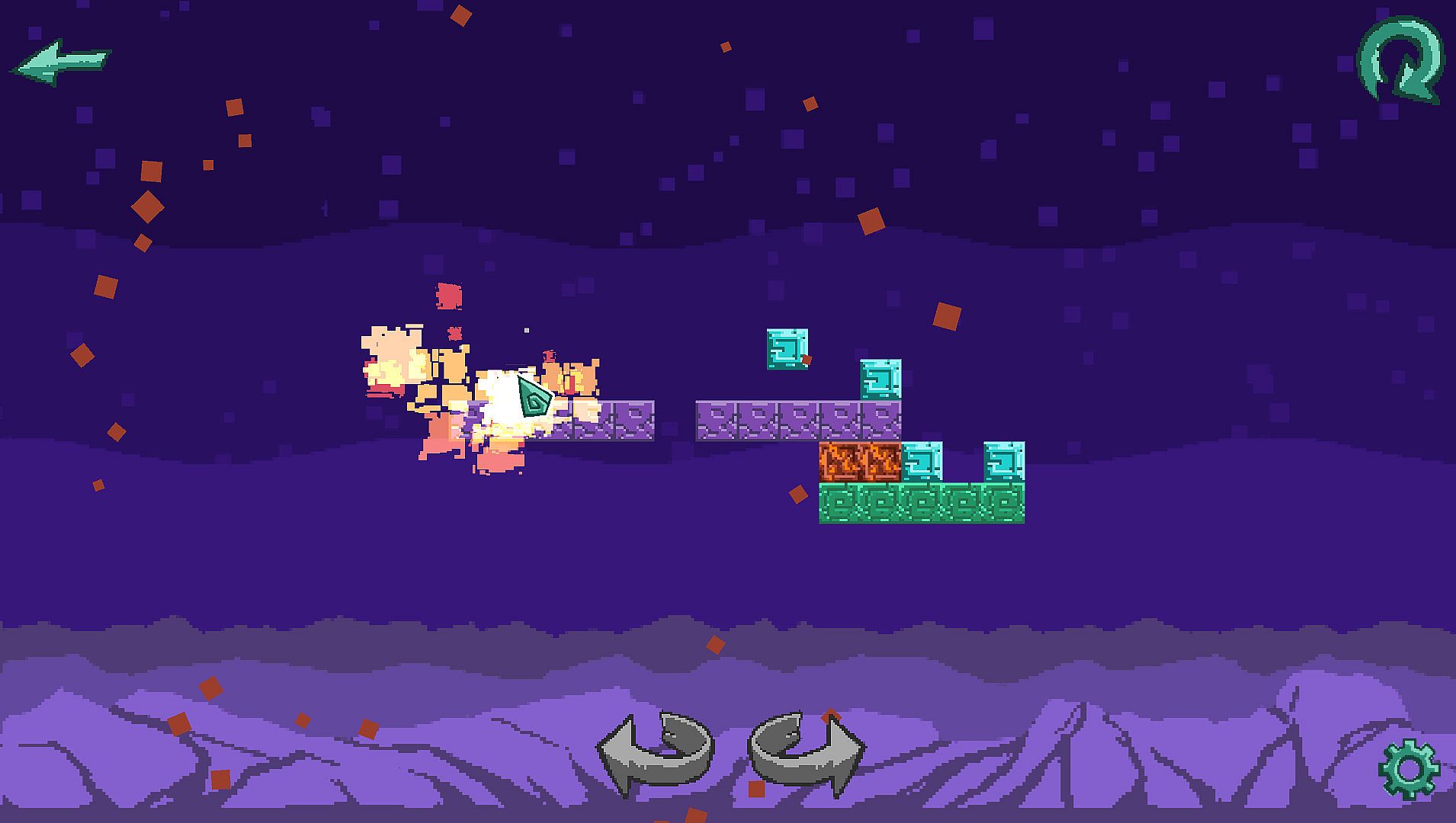
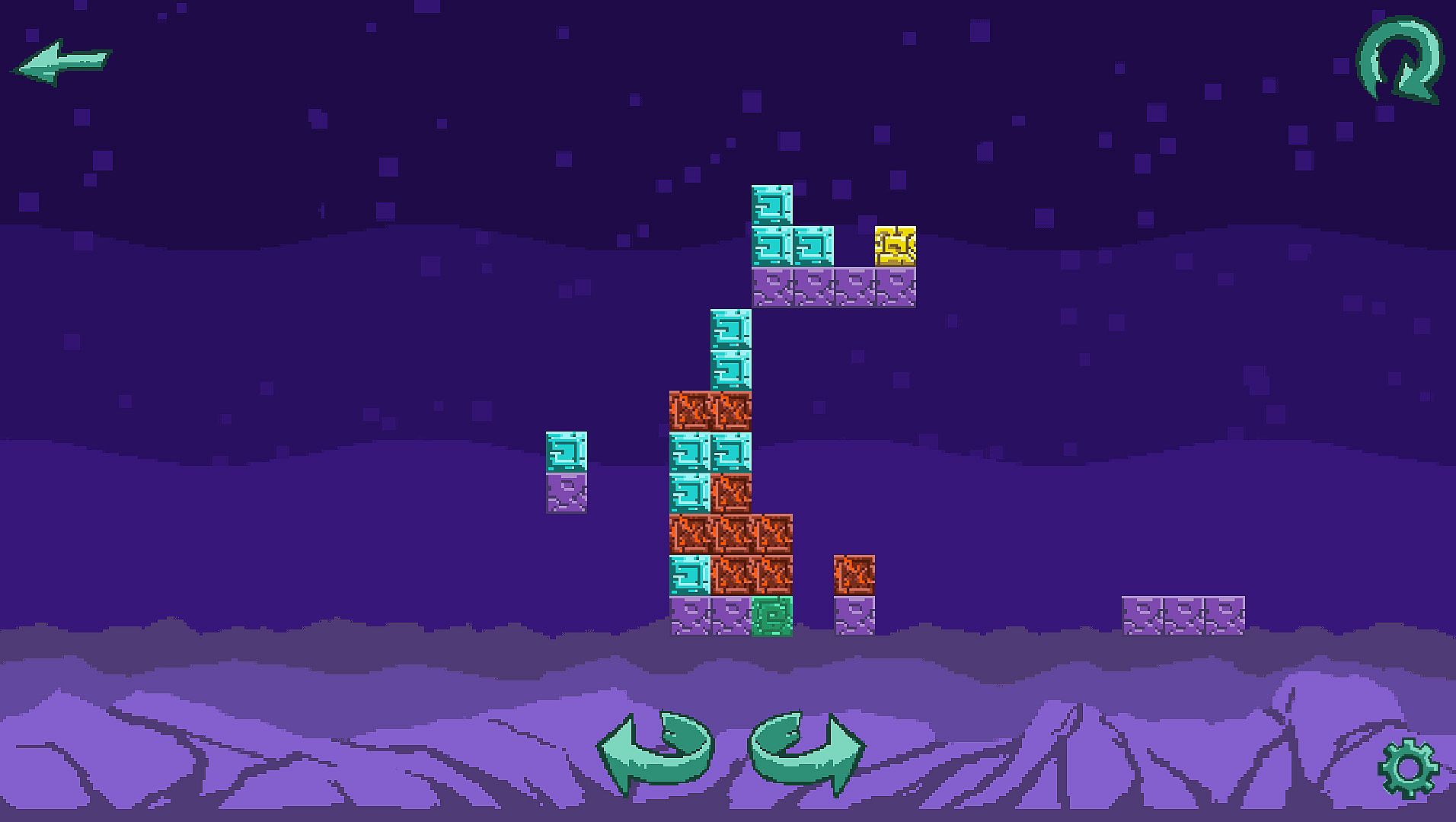

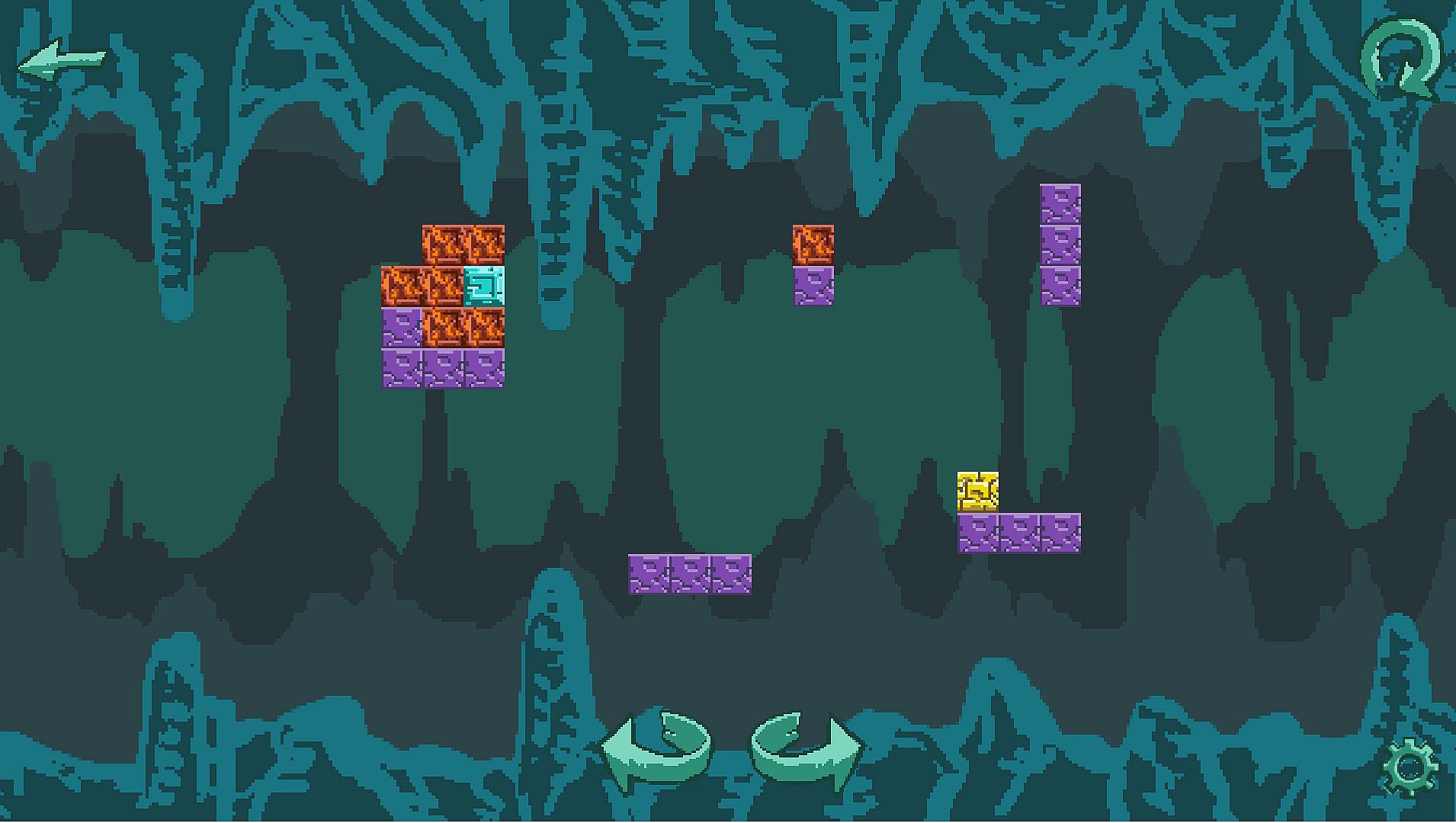
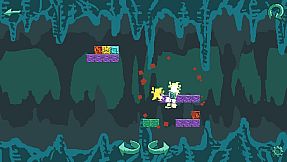
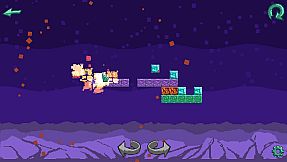
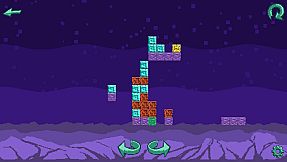

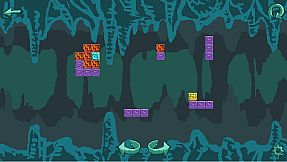
Pixplode is an indie casual puzzle game for PC that blends three-dimensional level structures with two-dimensional physics. Players manipulate objects through targeted explosions while rotating the camera perspective to reveal hidden connections and pathways. The core challenge lies in viewing each puzzle from multiple angles to determine how elements interact under gravity and force.
Gameplay
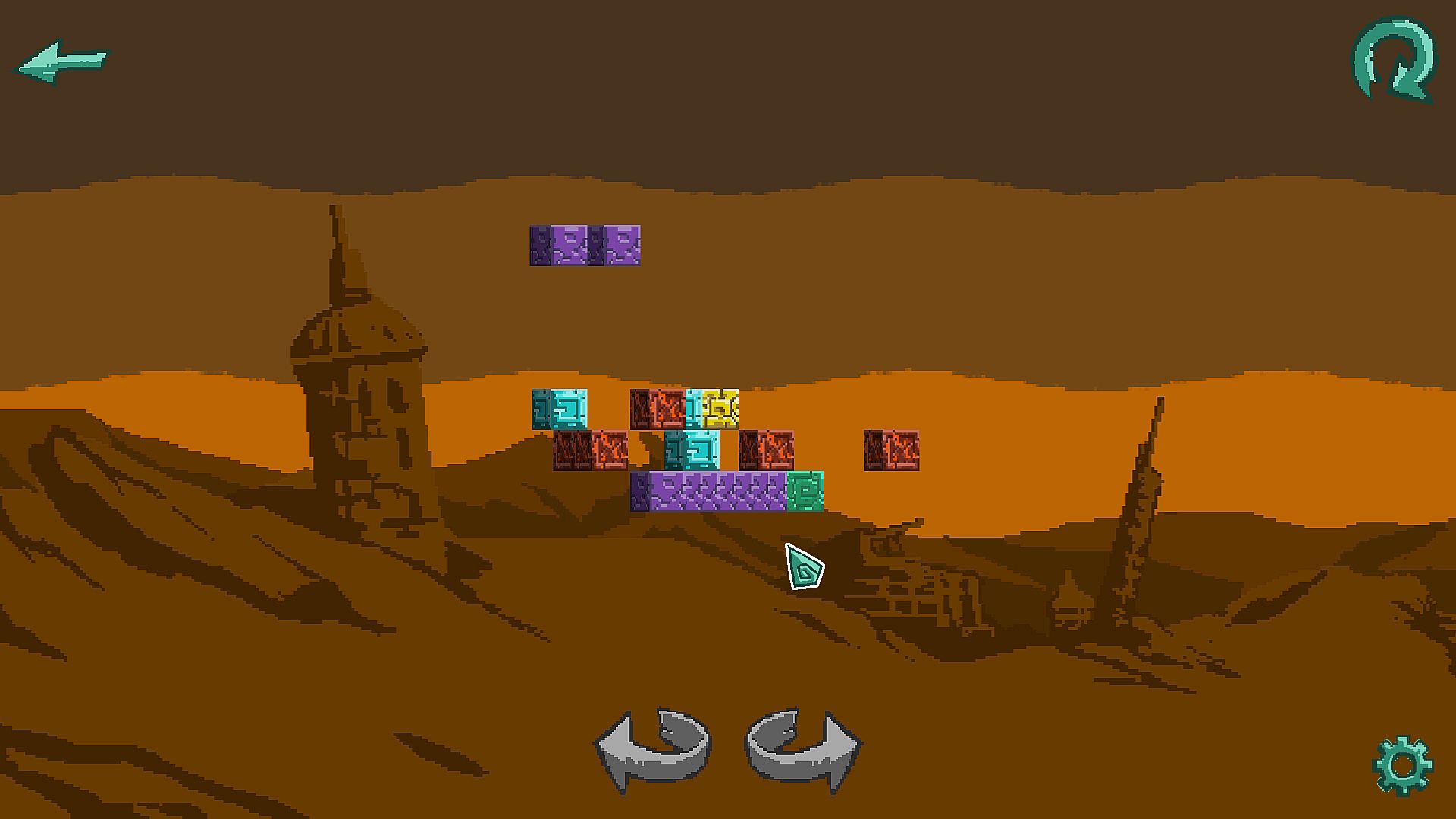
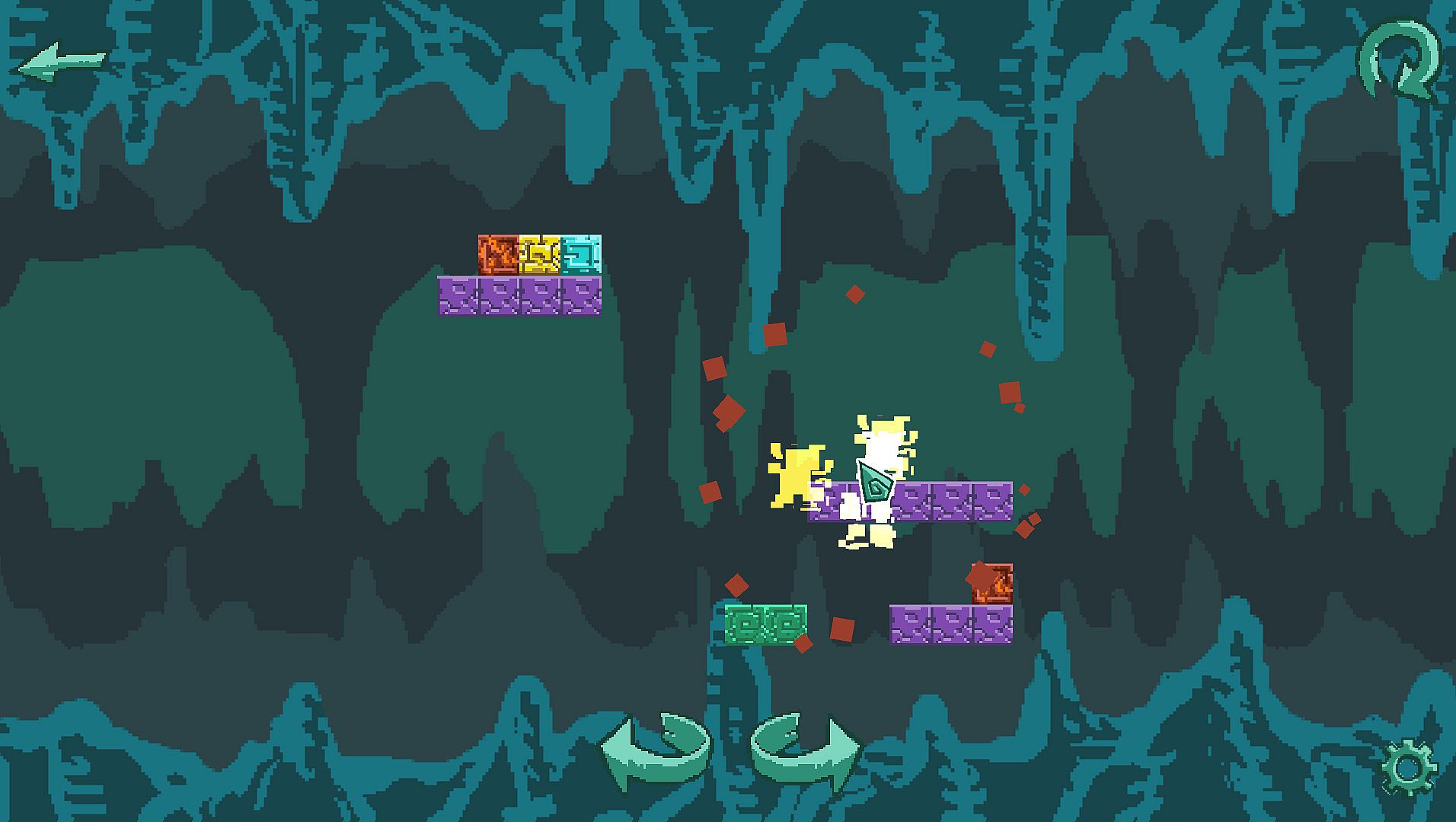
The central mechanic involves rotating the entire level view ninety degrees to the left or right. This shift alters which surfaces become floors, walls, or ceilings and changes how objects respond to explosions. Each level consists of four distinct sections that players can reorient independently. Explosions serve as the primary tool for moving blocks, platforms, and other elements toward a target. Physics behave consistently in two dimensions once the perspective is fixed, so a block that appears unreachable from one angle may slide directly into place after a rotation.
Levels begin with straightforward arrangements that introduce the rotation mechanic. Later stages combine multiple sections and require precise timing on certain explosions to align moving parts. Mistakes do not carry permanent consequences because every level includes an instant restart option. The design encourages experimentation rather than trial-and-error frustration, as players can freely test different sequences of rotations and detonations.
Game Modes
Pixplode offers a single-player experience built around a sequence of more than forty individual puzzle levels. There are no separate competitive or cooperative modes. Progression occurs by completing levels in order, with each stage presenting a new configuration of the four-part structure and physics interactions. Some levels incorporate timing elements where explosions must coincide with moving platforms, while others focus purely on spatial rearrangement through perspective changes. The absence of additional modes keeps the focus on mastering the core rotation and explosion loop across increasingly complex arrangements.
Level Design and Challenges
Each of the forty-plus levels is constructed so that the initial viewpoint often hides the solution. Rotating the view exposes new alignments between the four sections and reveals how gravity will affect objects once an explosion occurs. The puzzles reward careful observation over speed, though players can aim for efficient solutions by minimizing the number of actions required. Visual clarity remains consistent across all stages, with distinct colors and shapes helping players track individual components even after multiple rotations.
Restarting a level resets all elements to their starting positions without penalty, allowing repeated attempts to discover the optimal sequence. The difficulty curve builds gradually, introducing new combinations of timing and multi-section interactions only after players have practiced the basic rotation mechanic.
Is It Worth Playing?
Pixplode suits players who enjoy deliberate puzzle solving and spatial reasoning. The game contains no multiplayer components and focuses entirely on single-player level completion. All thirteen user reviews on its primary distribution platform rate the experience positively, highlighting the satisfaction of discovering solutions through perspective shifts. The title has remained available since its 2017 release with no further seasonal content or major updates confirmed. Those seeking a compact collection of rotating-view physics puzzles will find the full set of levels provides several hours of focused engagement without extraneous features.