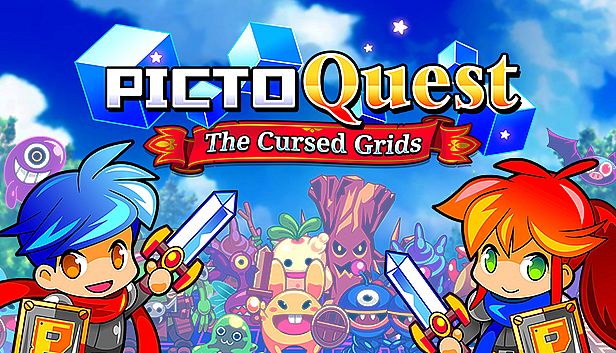





















PictoQuest is a casual indie logic puzzle game that blends classic nonogram grids with light role-playing progression. Players guide two young heroes through the realm of Pictoria, restoring legendary paintings stolen or damaged by the wizard Moonface. The core loop centers on deductive puzzle solving that directly advances an overarching quest, complete with exploration, resource management, and encounters that feel like turn-based battles resolved through careful grid completion.
Gameplay
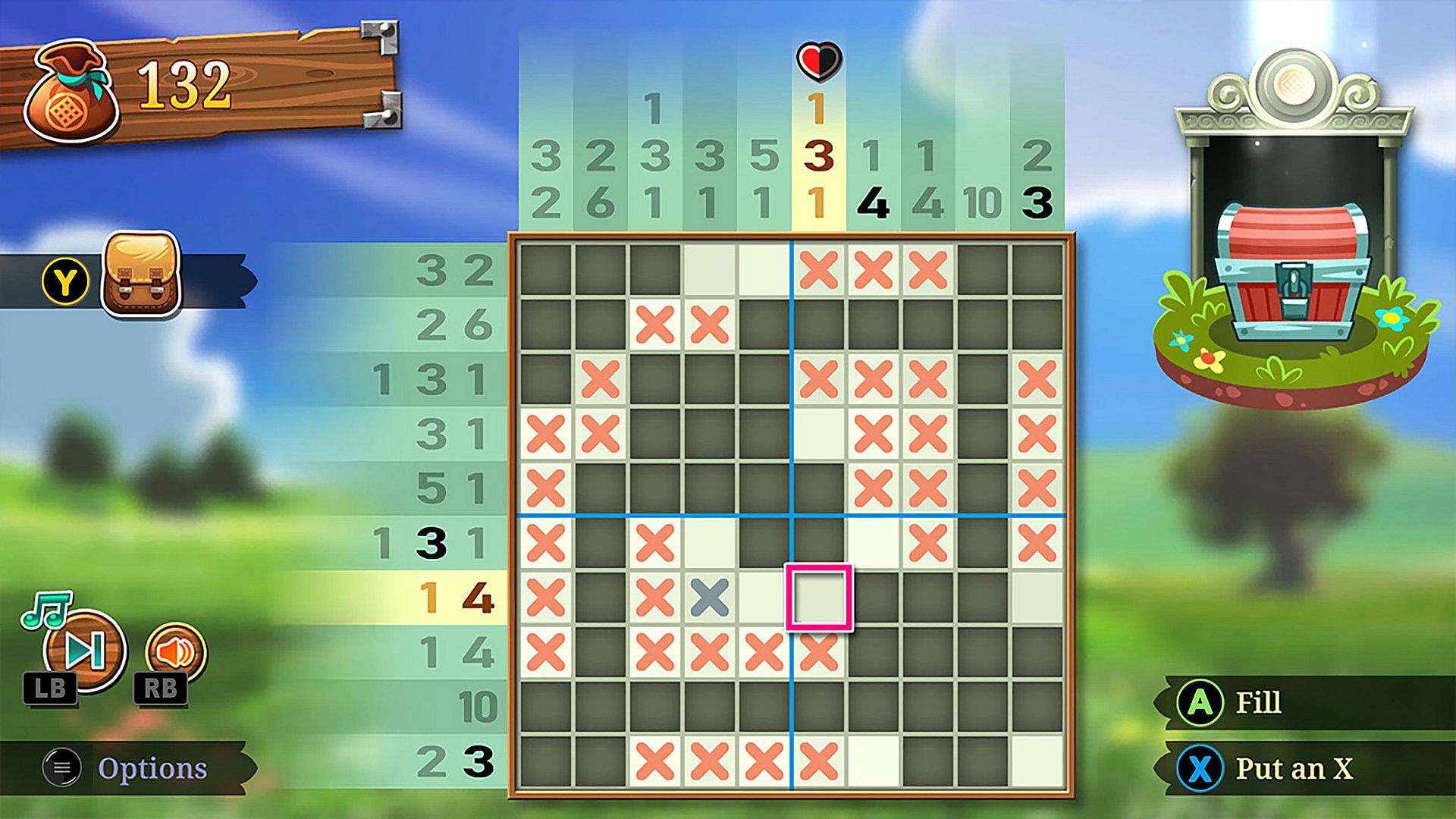
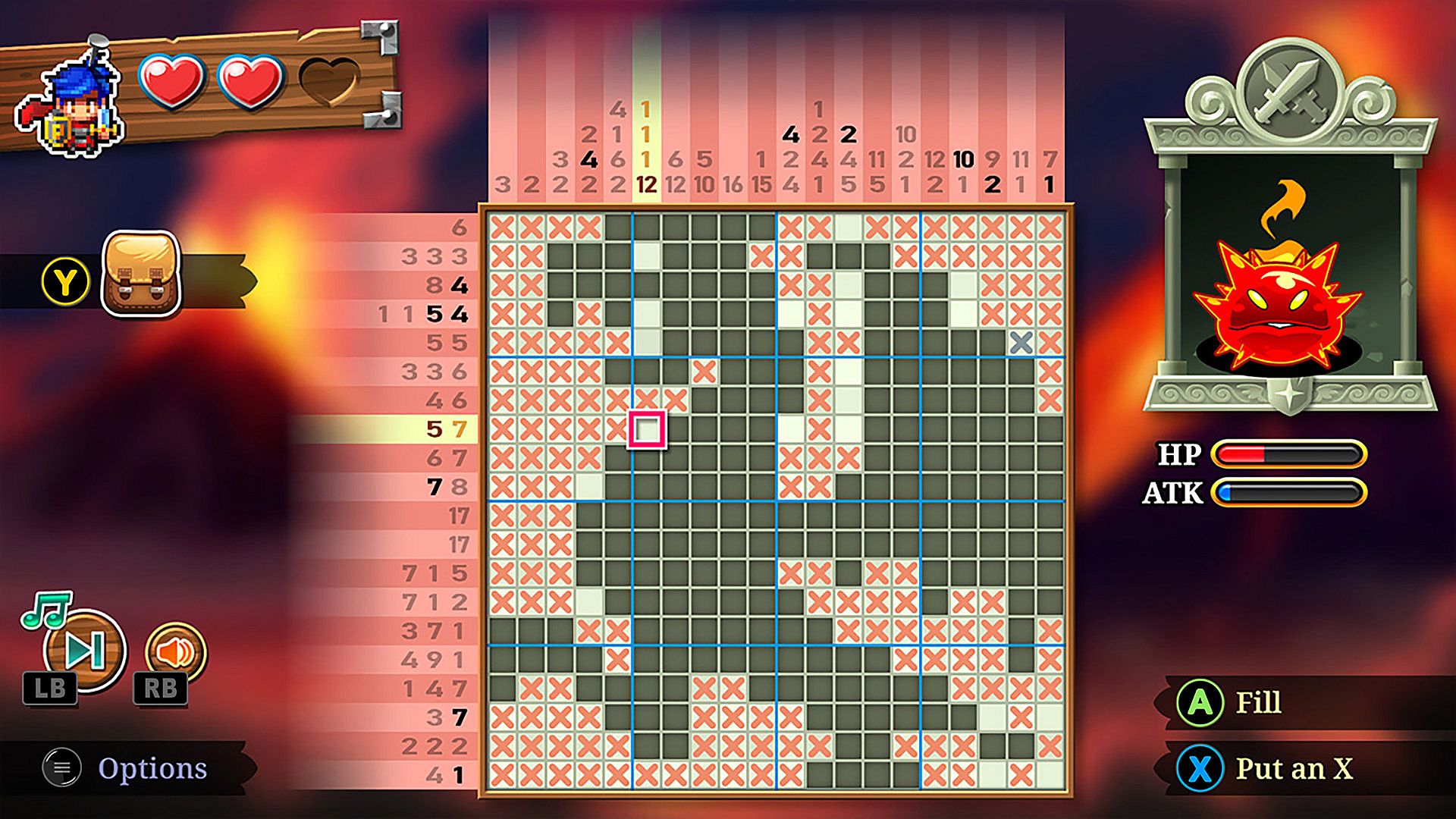
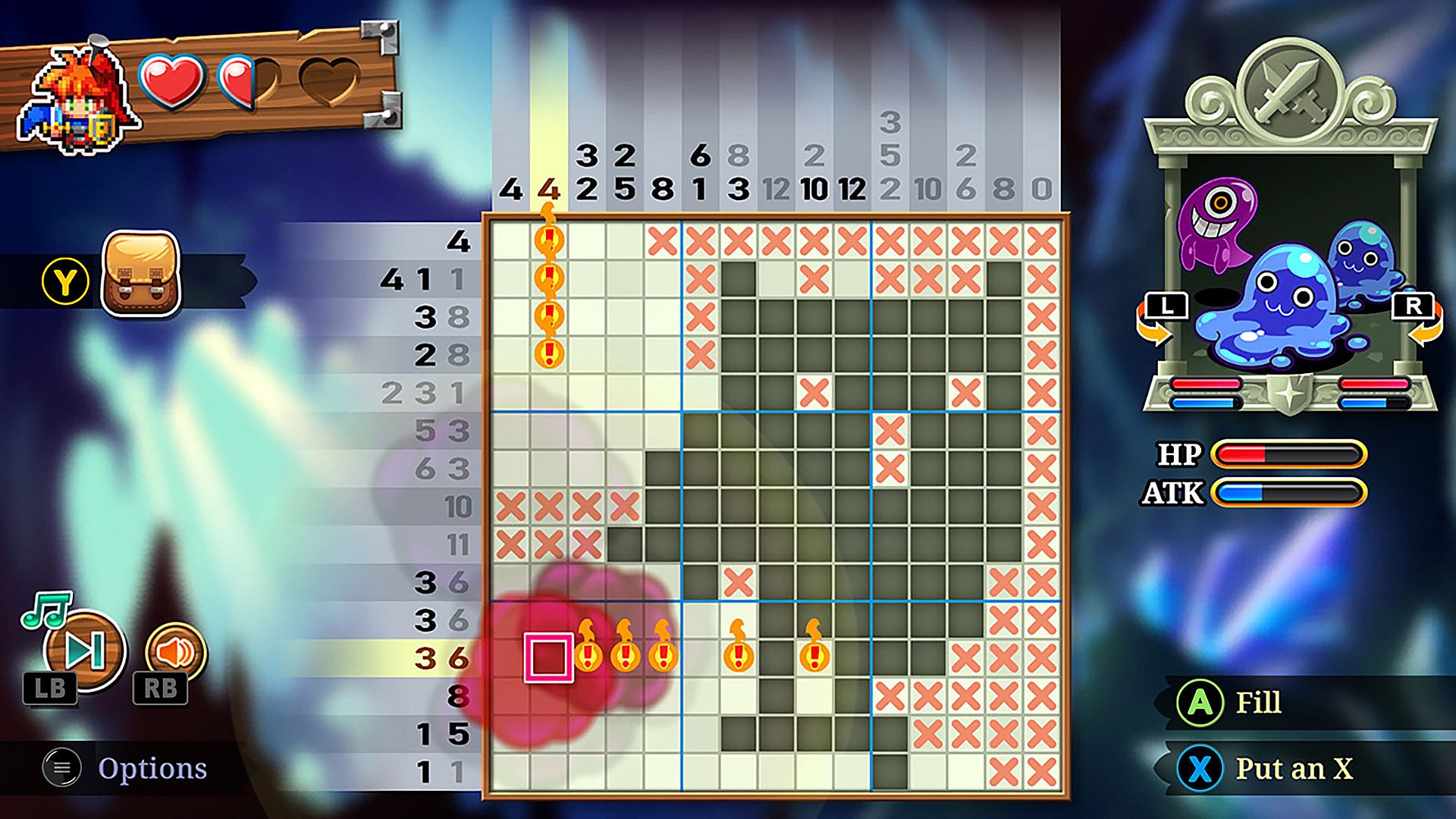
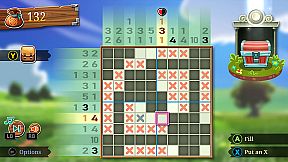
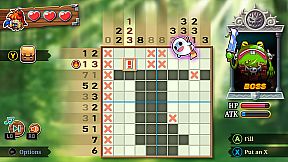
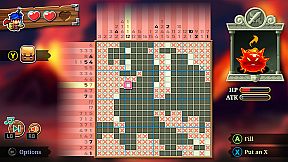
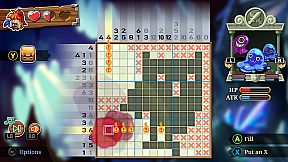
The central mechanic involves standard nonogram rules where numbers along the edges of each grid indicate sequences of filled cells. Solving these reveals portions of the image while advancing the story or defeating enemies. Puzzles integrate into an RPG framework, with each grid representing a confrontation against animated foes or artifacts. Mistakes during solving can lead to critical hits from opponents, adding tension without overwhelming the deductive focus.
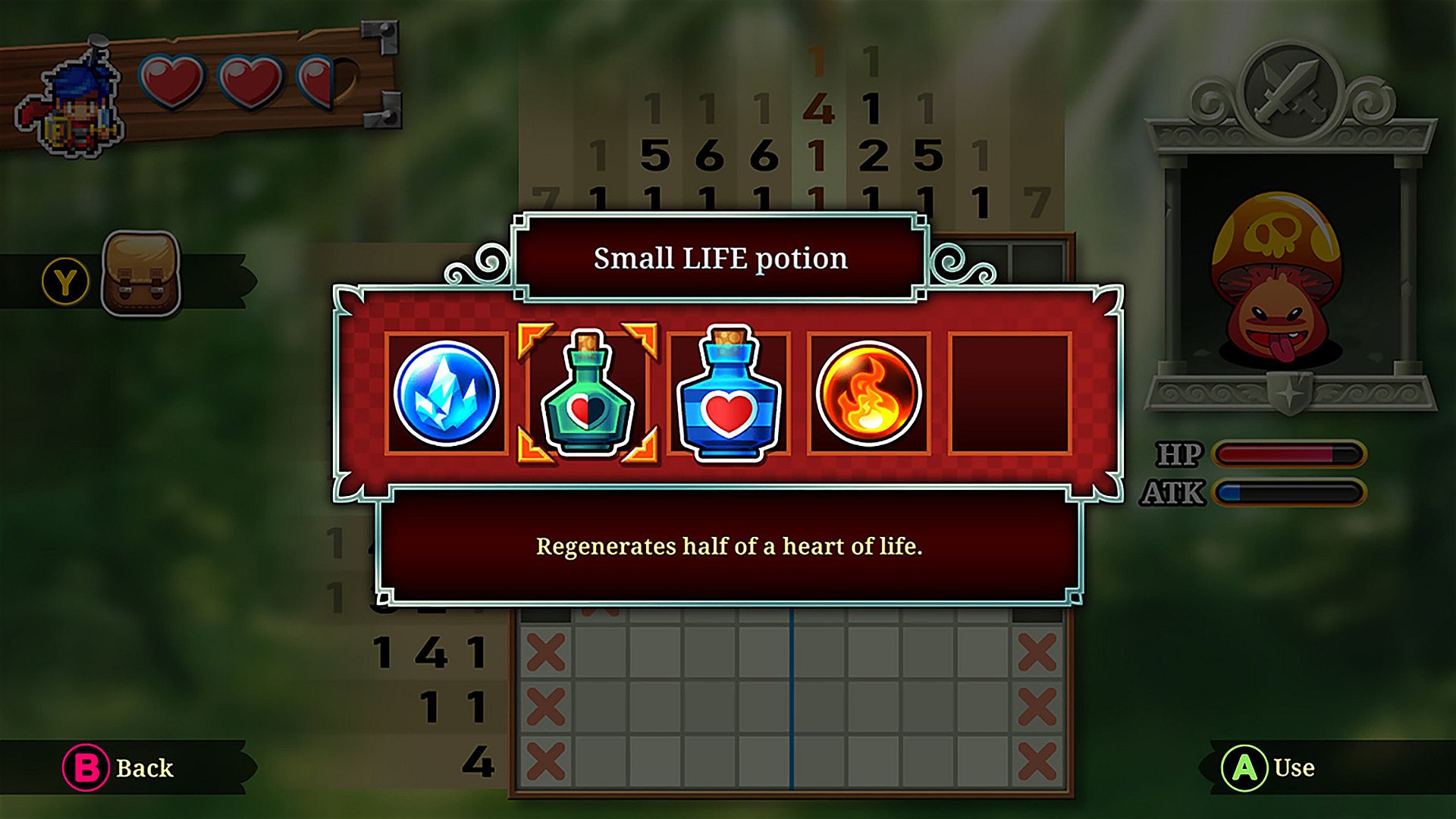
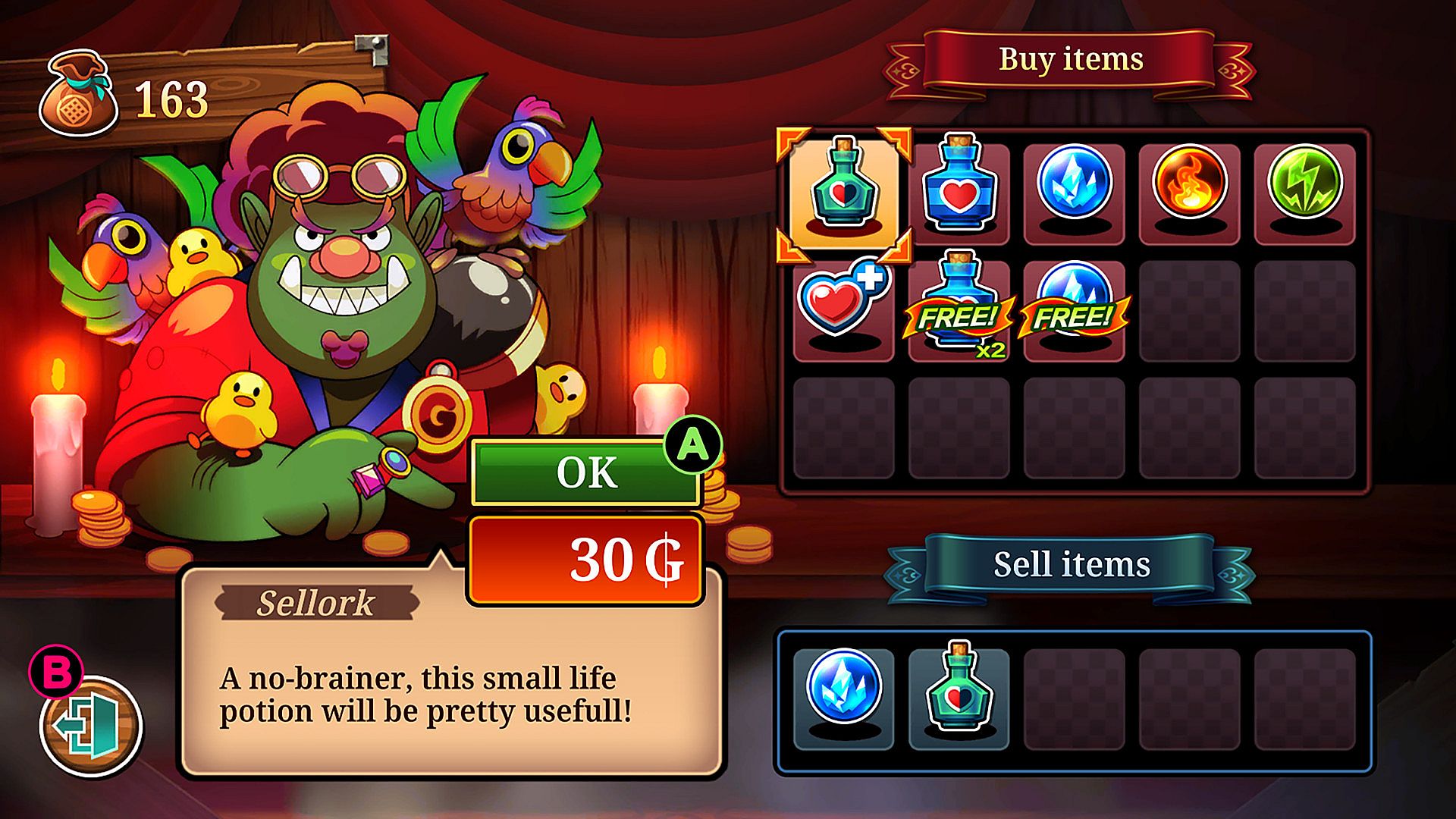
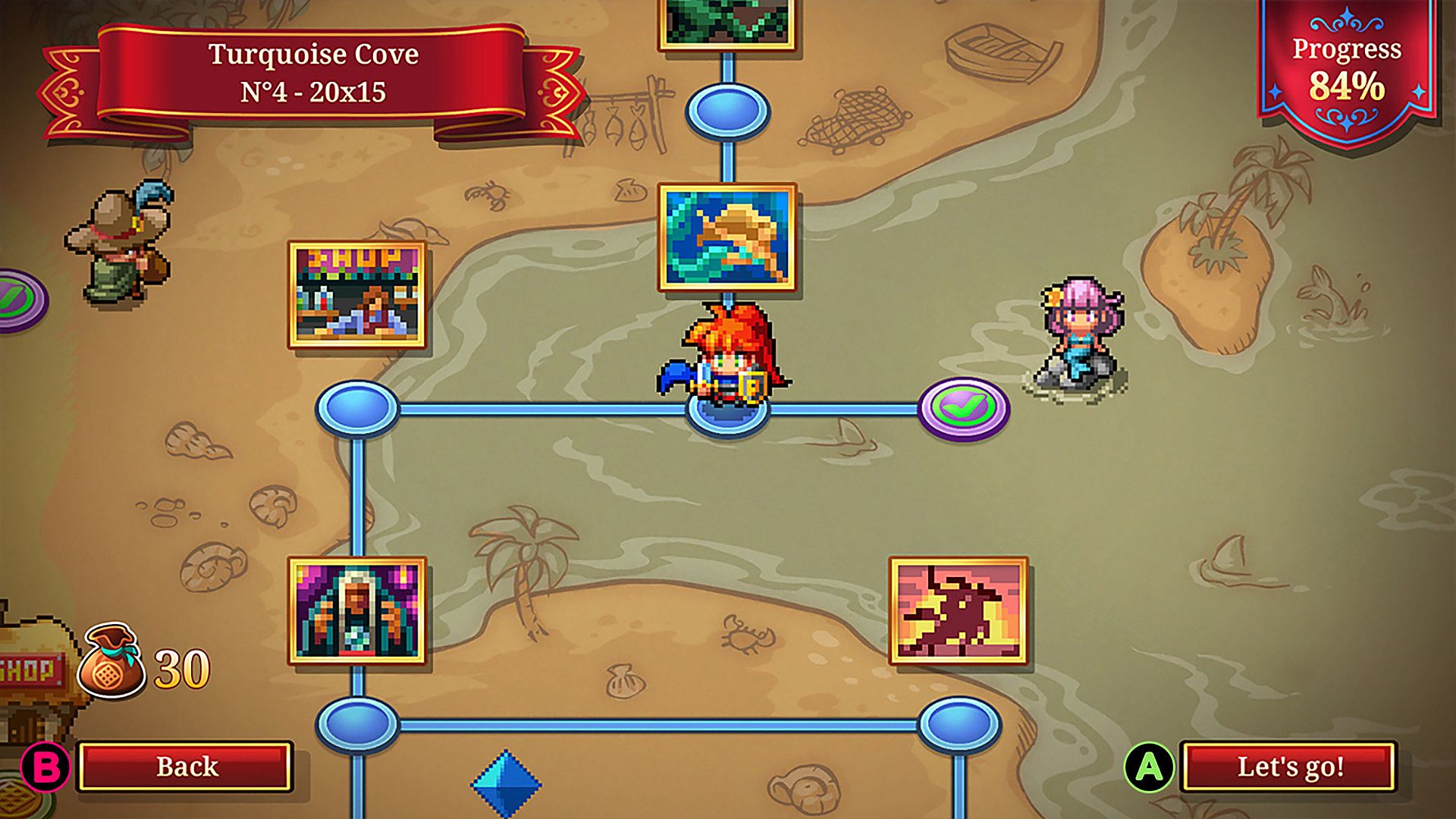
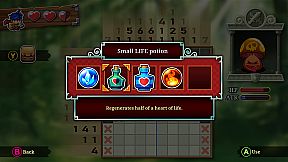
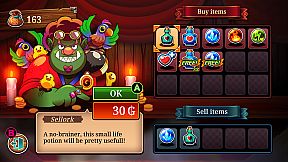
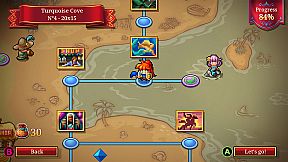
Progression occurs across a world map divided into regions. Heroes move from one puzzle location to the next, collecting gold from completed grids. This currency funds purchases at a shop stocked with magic items that provide hints or simplify difficult sections. Villagers scattered along the map offer optional side tasks that branch off the main path and reward additional resources or story details.
Enemies range from basic baddies to larger bosses, each tied to specific grids. The light RPG elements emphasize strategy in puzzle choice and item use rather than character leveling or complex stats. Grids vary in size and complexity, encouraging players to scan numbers methodically while managing the risk of errors during combat-style sequences.
Game Modes
PictoQuest operates as a single-player campaign built around sequential puzzle resolution on an interconnected world map. The main quest follows the heroes' journey to confront Moonface, with each region presenting a series of grids that must be cleared to advance. Side content appears through villager missions that players can accept for extra gold or unique challenges, extending playtime without altering the core structure.
No separate multiplayer or competitive modes exist. All activity stays within the campaign framework, where puzzle difficulty scales naturally with story progression. The shop system and item purchases function as a persistent resource layer across the entire map, allowing players to prepare for tougher grids encountered later in the journey.
Visuals and Presentation
Grids display colorful, animated results once solved, showcasing enemies and artifacts with smooth motion that rewards completion. The art style remains light and approachable, fitting the casual tone while highlighting the fantasy setting of Pictoria. Sound design supports focused play with understated music that avoids distraction during extended solving sessions.
Controls emphasize precision on PC, with clear feedback for cell marking and error correction. The interface keeps numbers and grid lines prominent, supporting long sessions without visual fatigue. Animation quality stands out in boss encounters, where defeated enemies reveal more elaborate illustrations tied to the restored paintings theme.
Is It Worth Playing?
Player feedback highlights the game's accessible entry point for nonogram fans combined with its RPG framing that adds purpose to each grid. The 391 Steam reviews rate the title Very Positive overall, praising the charming presentation and steady sense of advancement through the world map. Those who enjoy methodical puzzle solving paired with light narrative and resource decisions find the experience engaging from start to finish.
The campaign structure suits players seeking a self-contained adventure rather than endless modes or competitive elements. Side missions from villagers provide optional depth for completionists, while the shop system offers practical help without requiring heavy optimization. Availability on PC makes it straightforward to try for anyone interested in logic puzzles that incorporate simple progression systems.
Overall, PictoQuest delivers consistent puzzle variety within a cohesive quest, making it a solid choice for casual sessions or longer dedicated playthroughs focused on deductive challenges and light fantasy storytelling. The absence of ongoing updates keeps the focus on the original content, which remains intact and polished years after release.