




















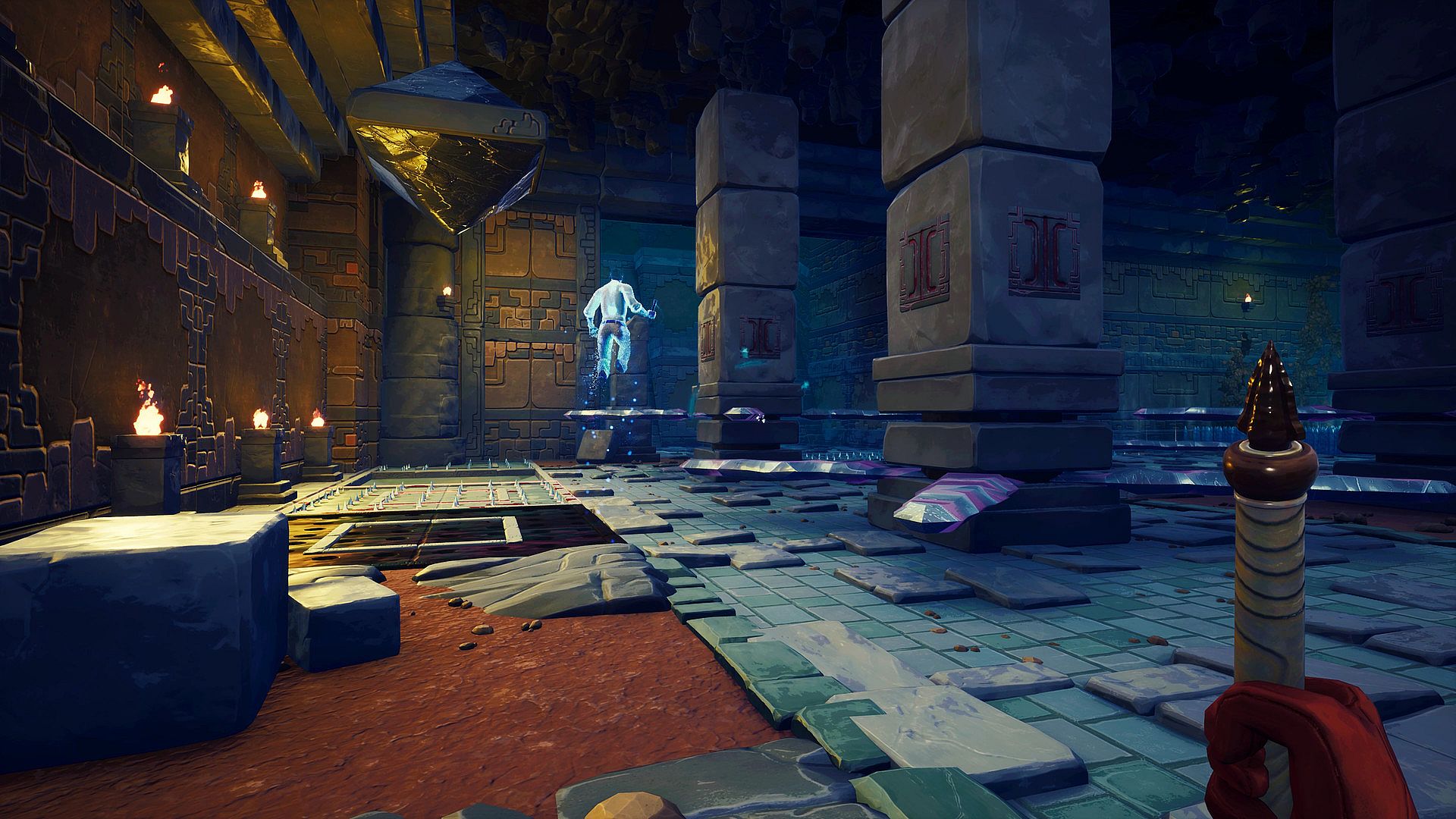

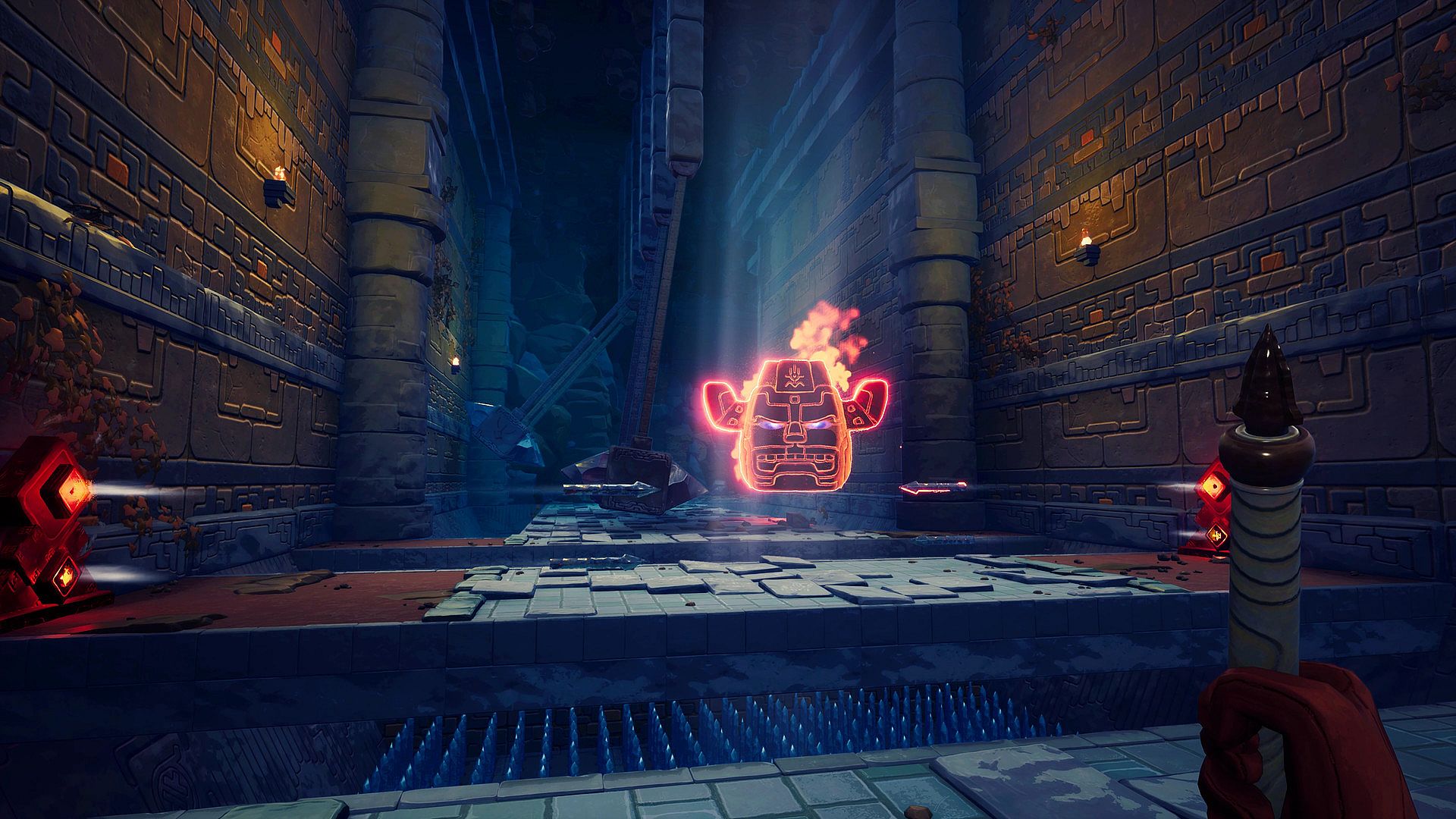
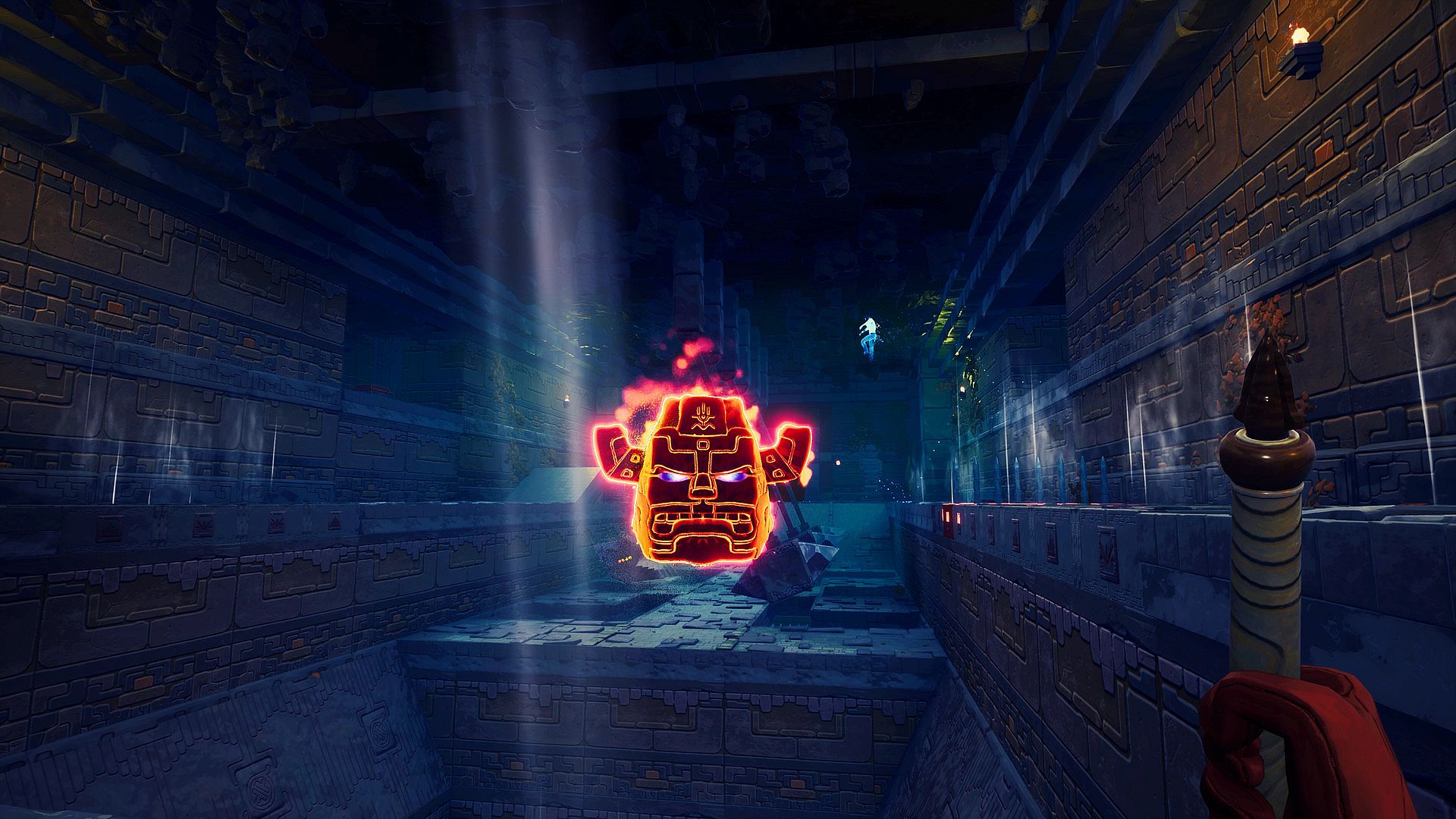
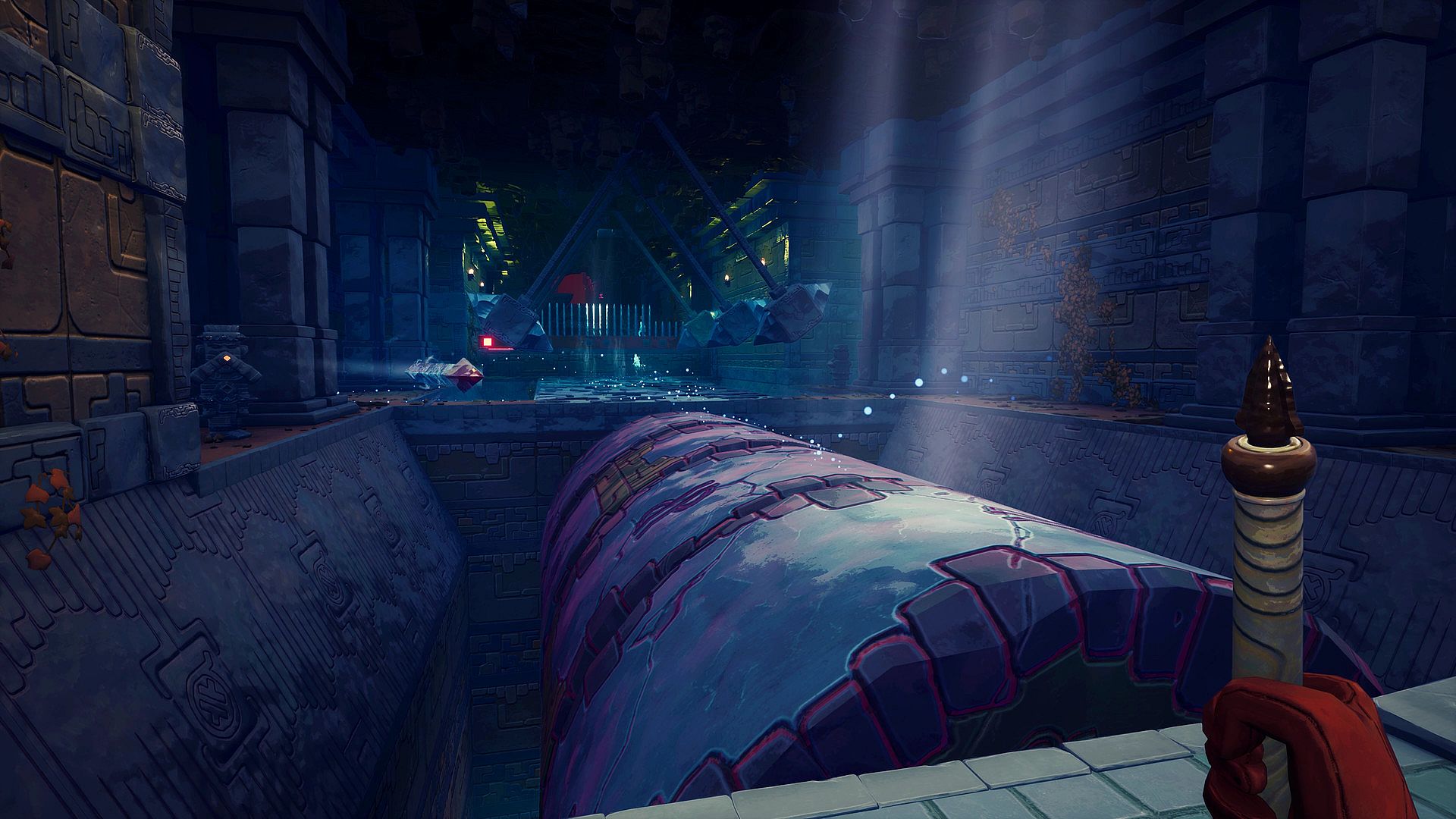
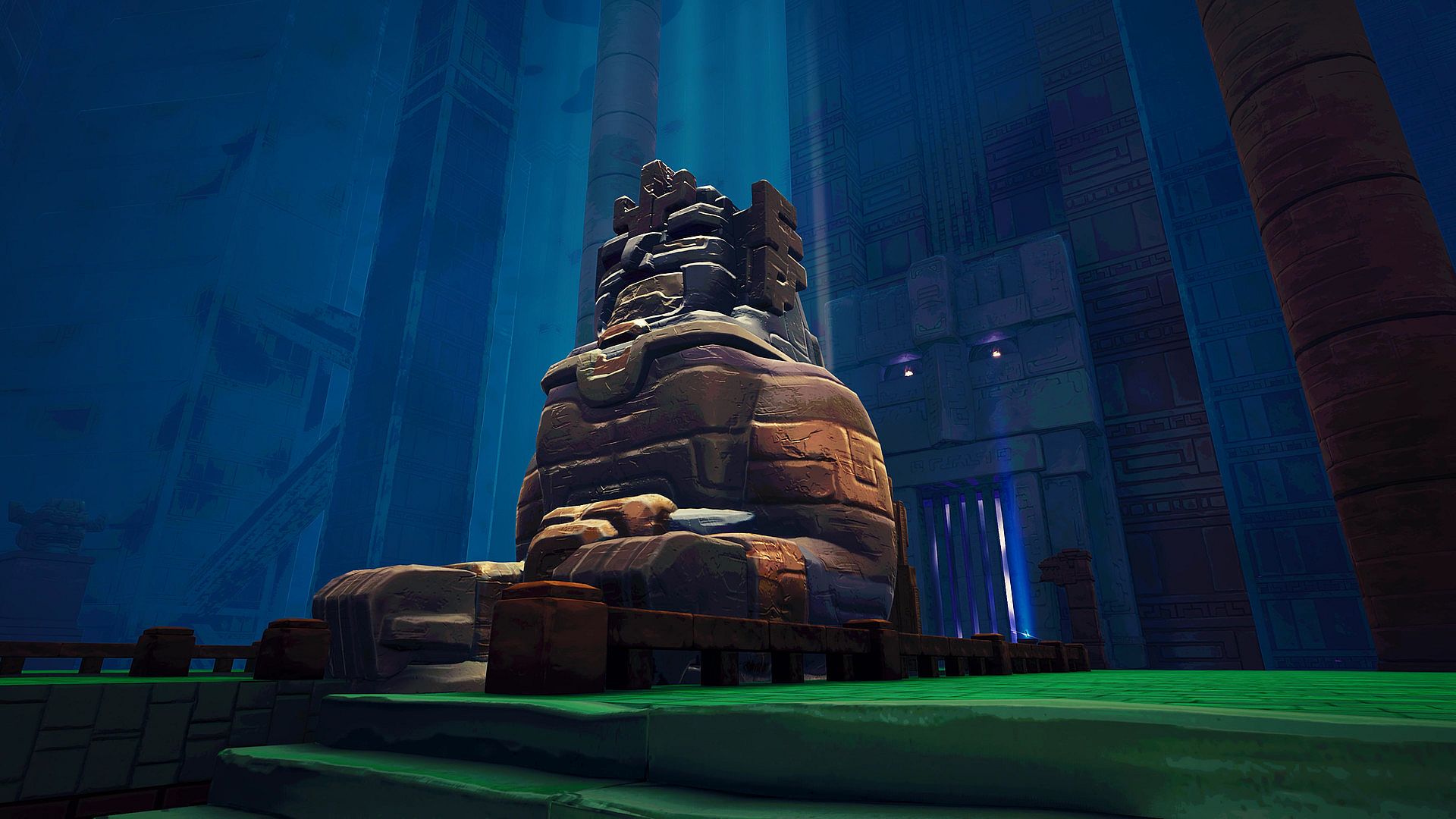









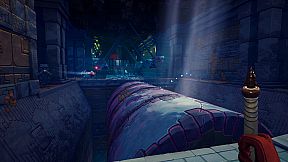

Phantom Abyss stands out as an action-adventure title that merges tight 3D platforming with asynchronous multiplayer elements. Players enter procedurally generated temples filled with traps and guardians, aiming to secure sacred relics while navigating deadly chambers. The experience emphasizes one-shot attempts per temple, where success or failure permanently alters availability for everyone involved.
Gameplay
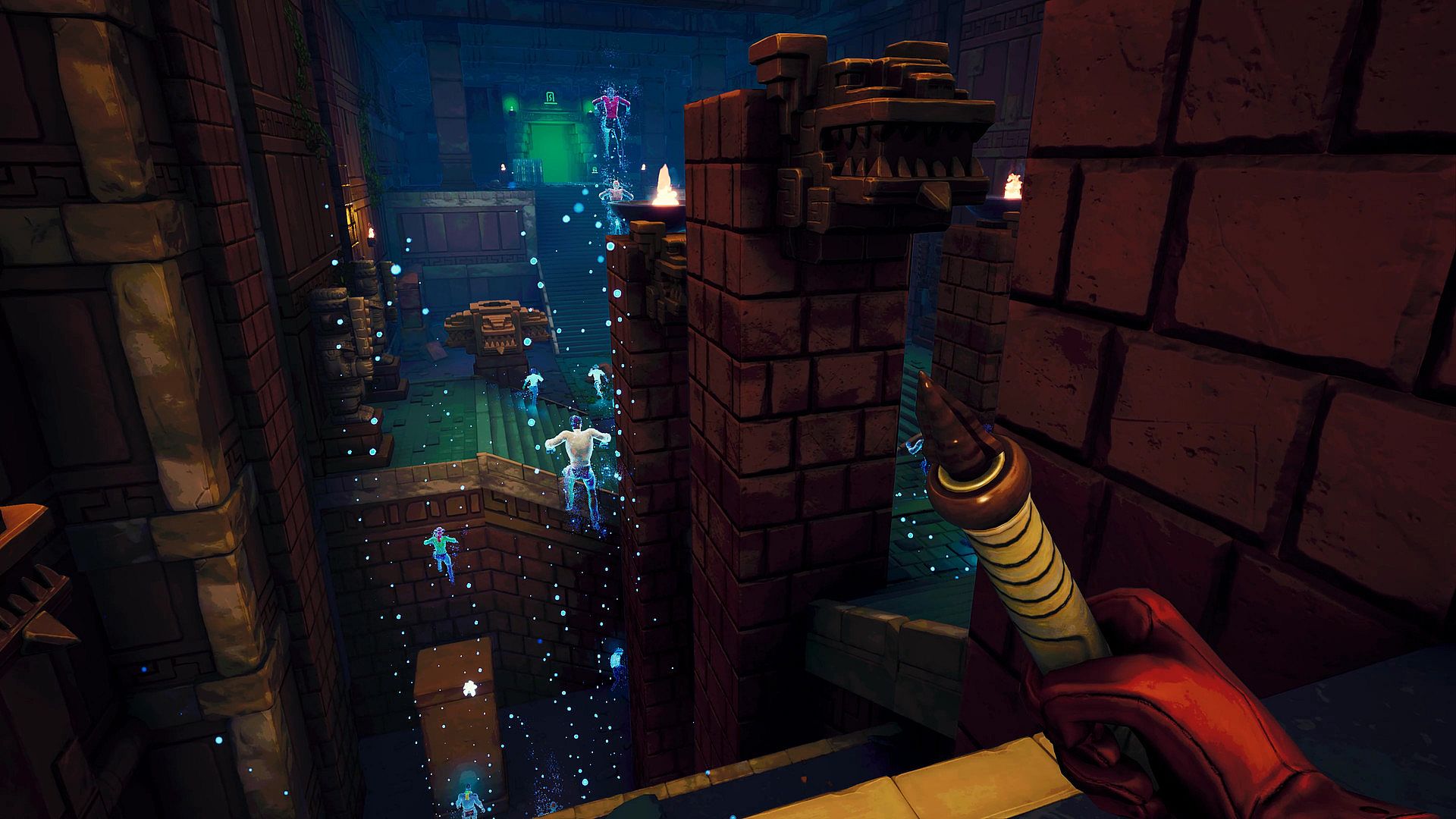
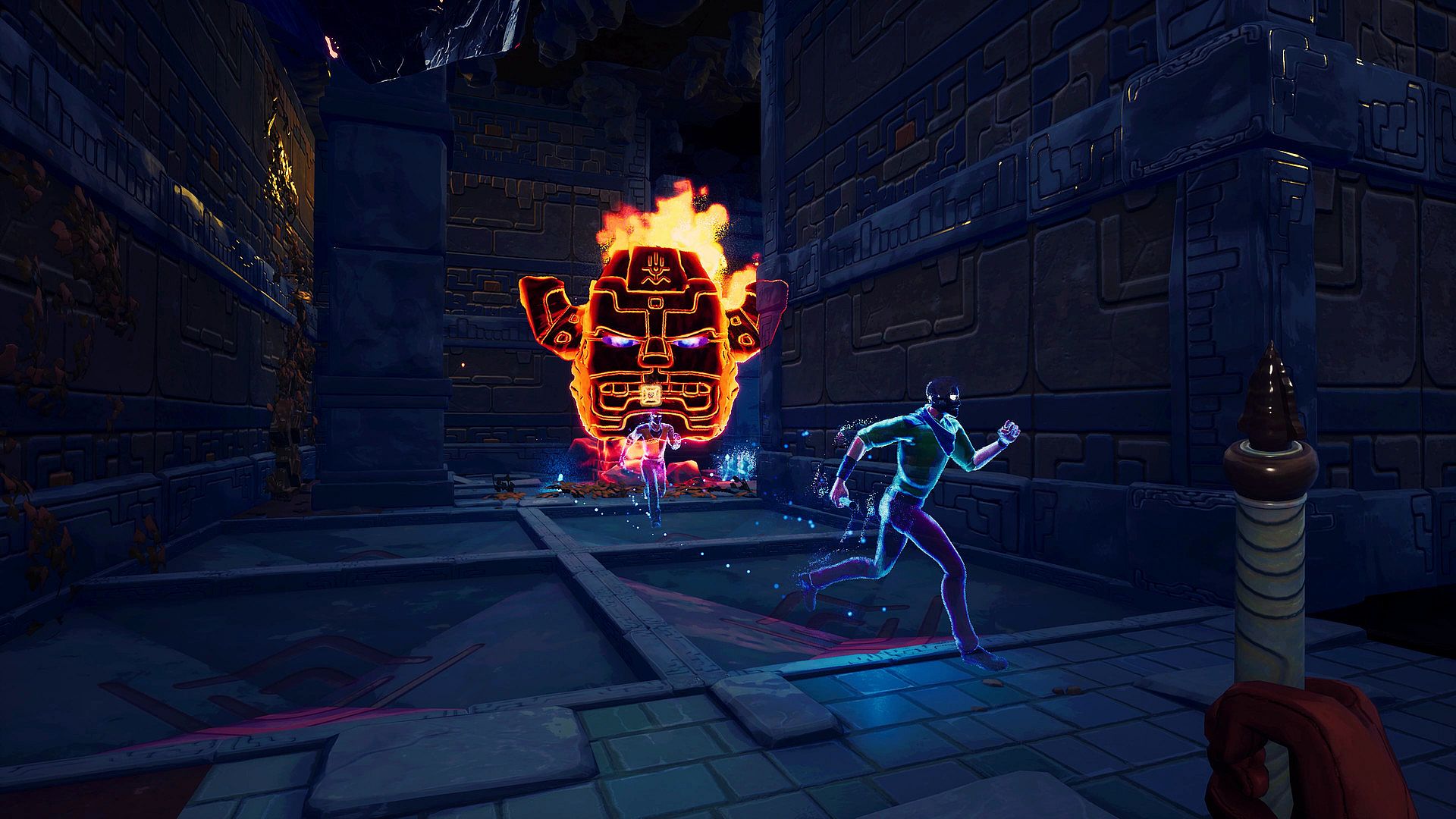
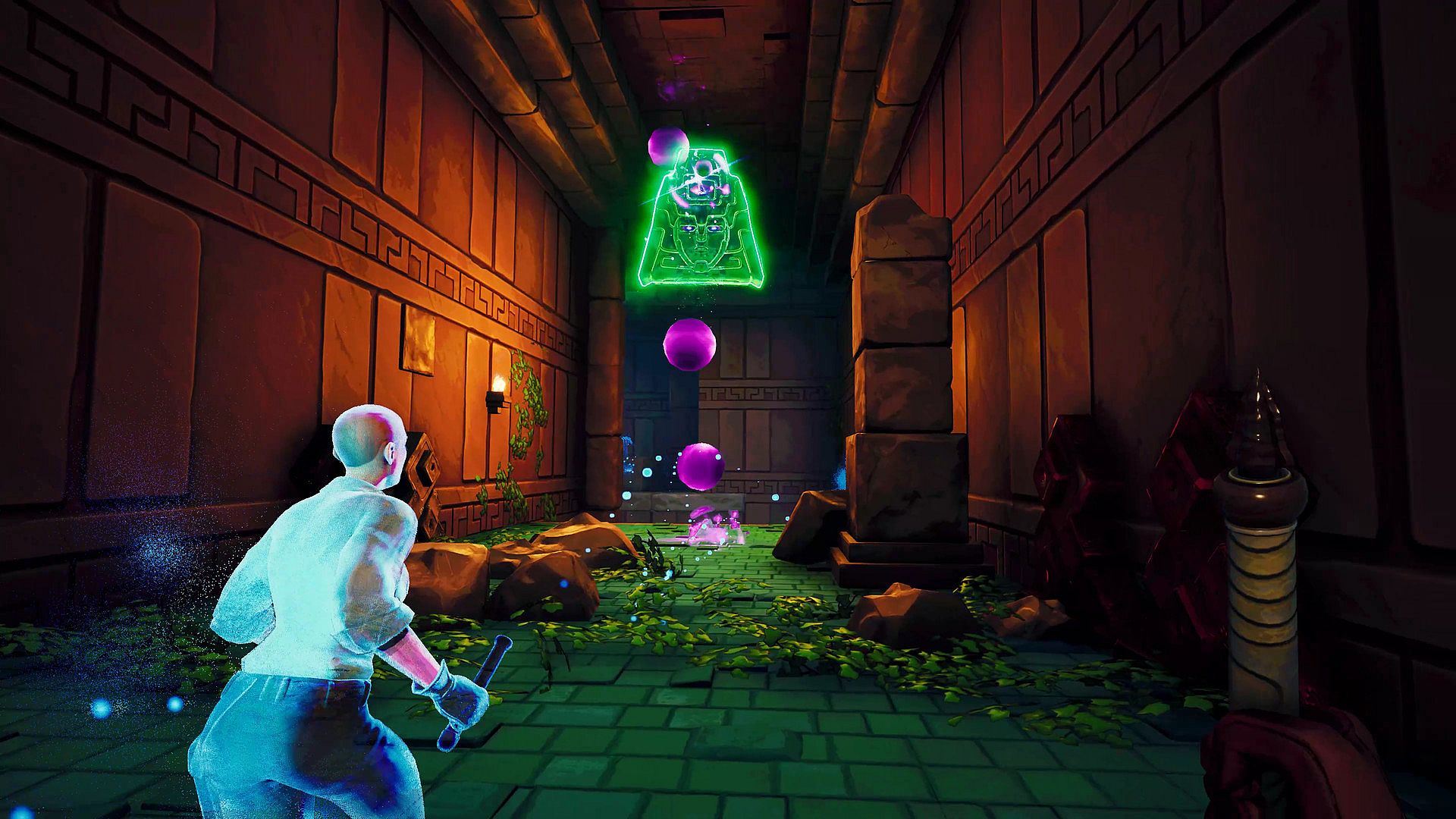
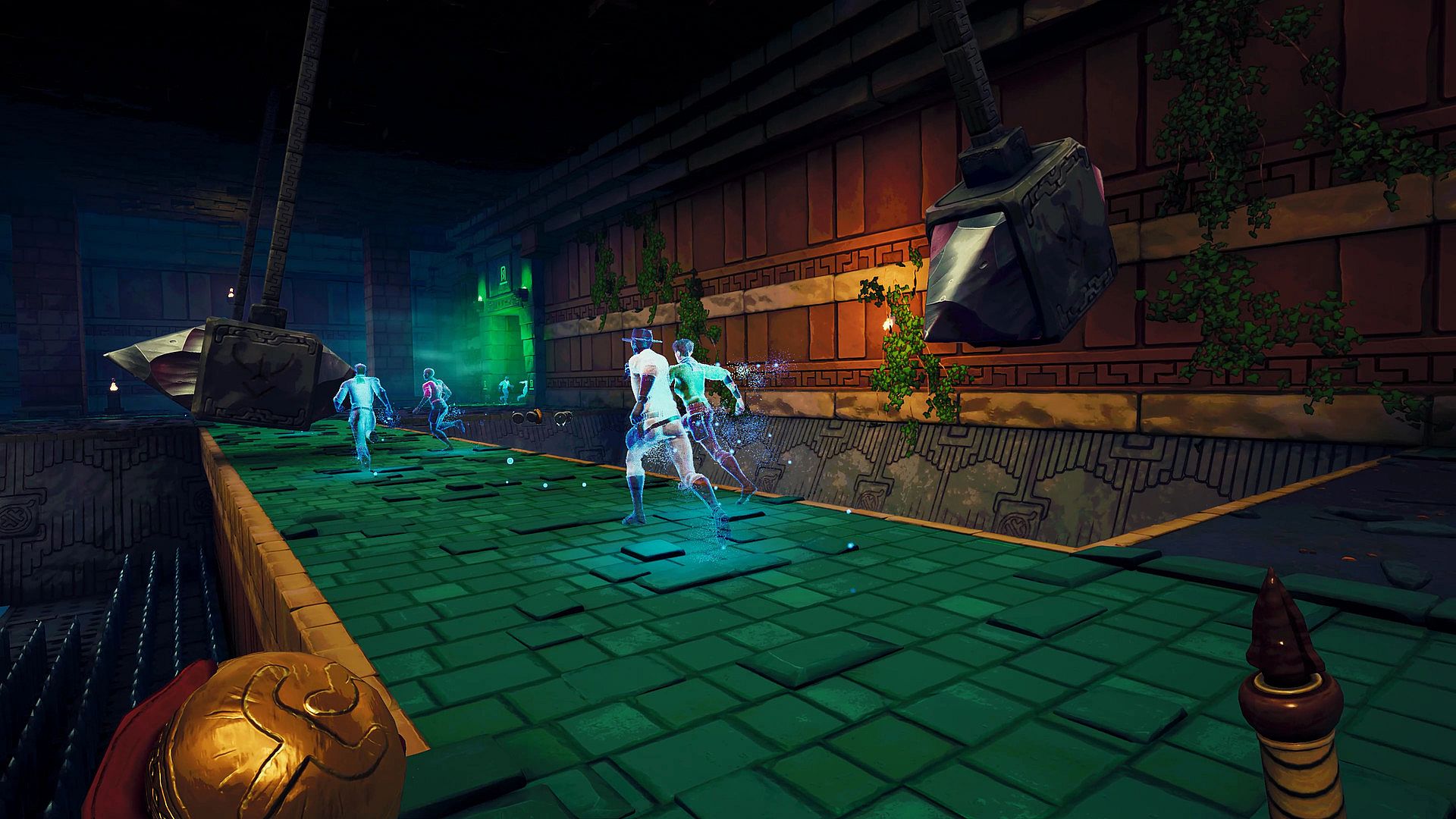
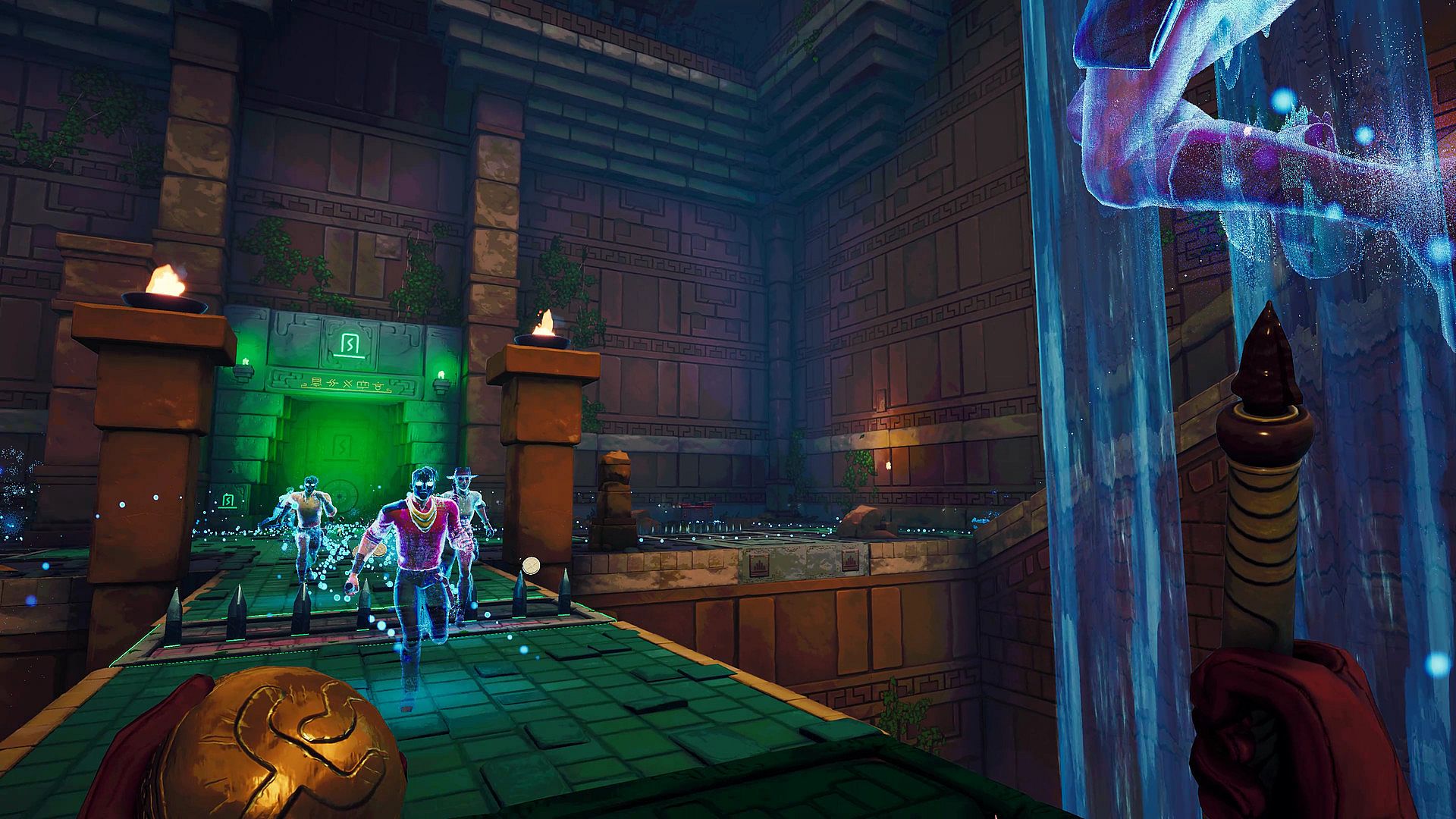
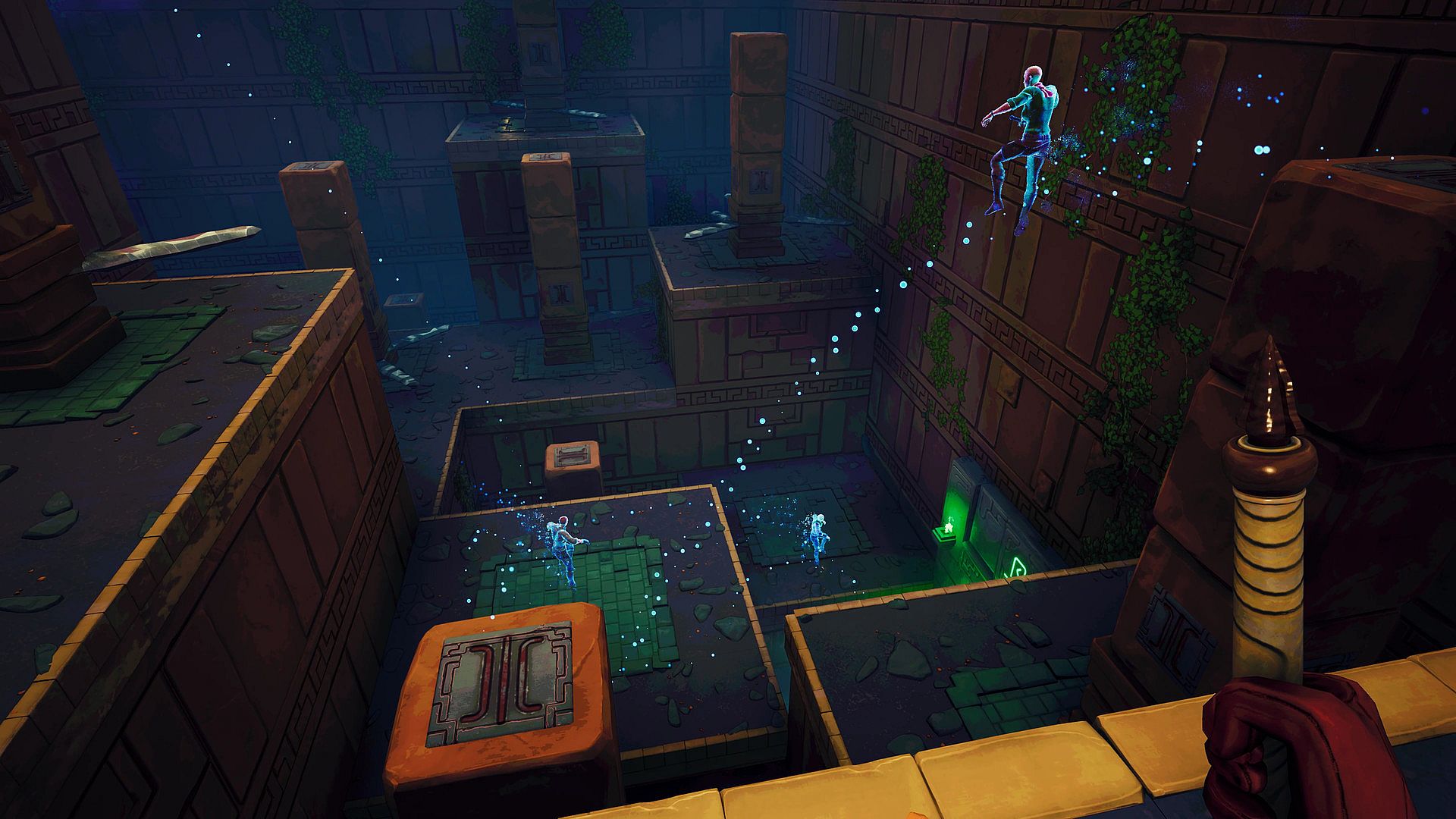
The core loop revolves around swift movement through branching temple layouts. Adventurers dodge hidden traps, cross dangerous gaps, and evade persistent guardians using a whip for traversal and interaction. Phantoms of prior attempts appear as ghostly figures, revealing paths taken, mistakes made, and opportunities seized. Up to twenty such phantoms, including those from friends, provide visual cues that help avoid fatal errors and allow collection of fallen whips for continued progress.
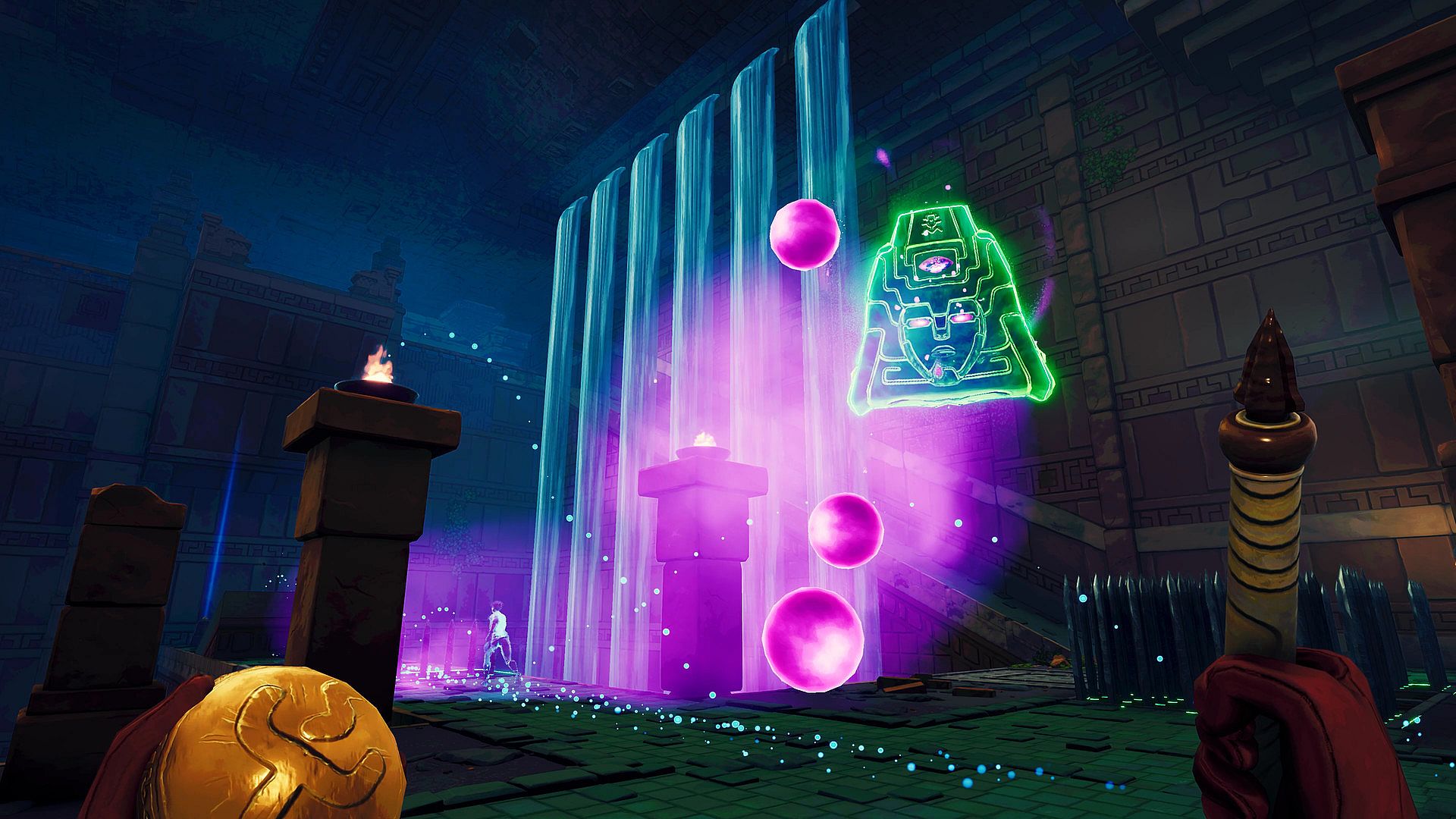
Blessings obtained at altars enhance capabilities for the remainder of a run. Offerings of gathered treasure unlock options such as double jumps, glide jumps, extended slides, and damage protection. Deeper temple sections require keys found in chests, leading to more challenging areas and superior relics. Each temple offers multiple relic tiers, with the legendary one at the bottom granting permanent ownership that removes the temple from further attempts.
Whips form a key customization layer. New options unlock through successful runs, each providing a minor advantage without the drawbacks present in earlier versions. These tools support varied movement styles suited to different temple hazards.
Game Modes
Two primary modes define the structure. Adventure Mode presents curated sequences of temples, each tied to a specific whip, relic target, and set of challenges. Completion builds explorer reputation while allowing focused progression through chosen paths.
Abyss Mode delivers the foundational temple-clearing experience. Participants tackle all four areas within a single temple to claim the final relic. Only one adventurer ever succeeds on any given temple, heightening the competitive edge through timing and skill.
Progression and Customization
Success across runs expands the available whip collection and opens access to tougher content. Temple codes enable sharing of specific failed attempts with others, while adventure codes compile personal histories into selectable playlists. These systems encourage repeated engagement without altering the one-attempt rule per temple.
The asynchronous nature means every session builds on collective efforts. Phantoms not only inform strategy but also interact with the environment by triggering traps or opening routes, creating dynamic shared spaces even in solo play.
Is It Worth Playing?
Phantom Abyss appeals to players who enjoy precise platforming, roguelike risk-reward loops, and the novelty of learning from others' attempts in real time. The gameplay loop delivers satisfying movement and discovery, particularly for those drawn to speedrunning or puzzle-solving under pressure. Availability on PC and Xbox Game Pass broadens access for interested users.
Reception highlights strong core mechanics alongside notes on technical polish and scope. Those seeking a focused, high-stakes adventure with social observation elements will find consistent value in short or extended sessions. The permanent temple removal mechanic adds lasting consequence that differentiates it from standard roguelikes.