




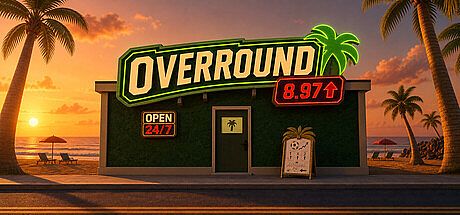


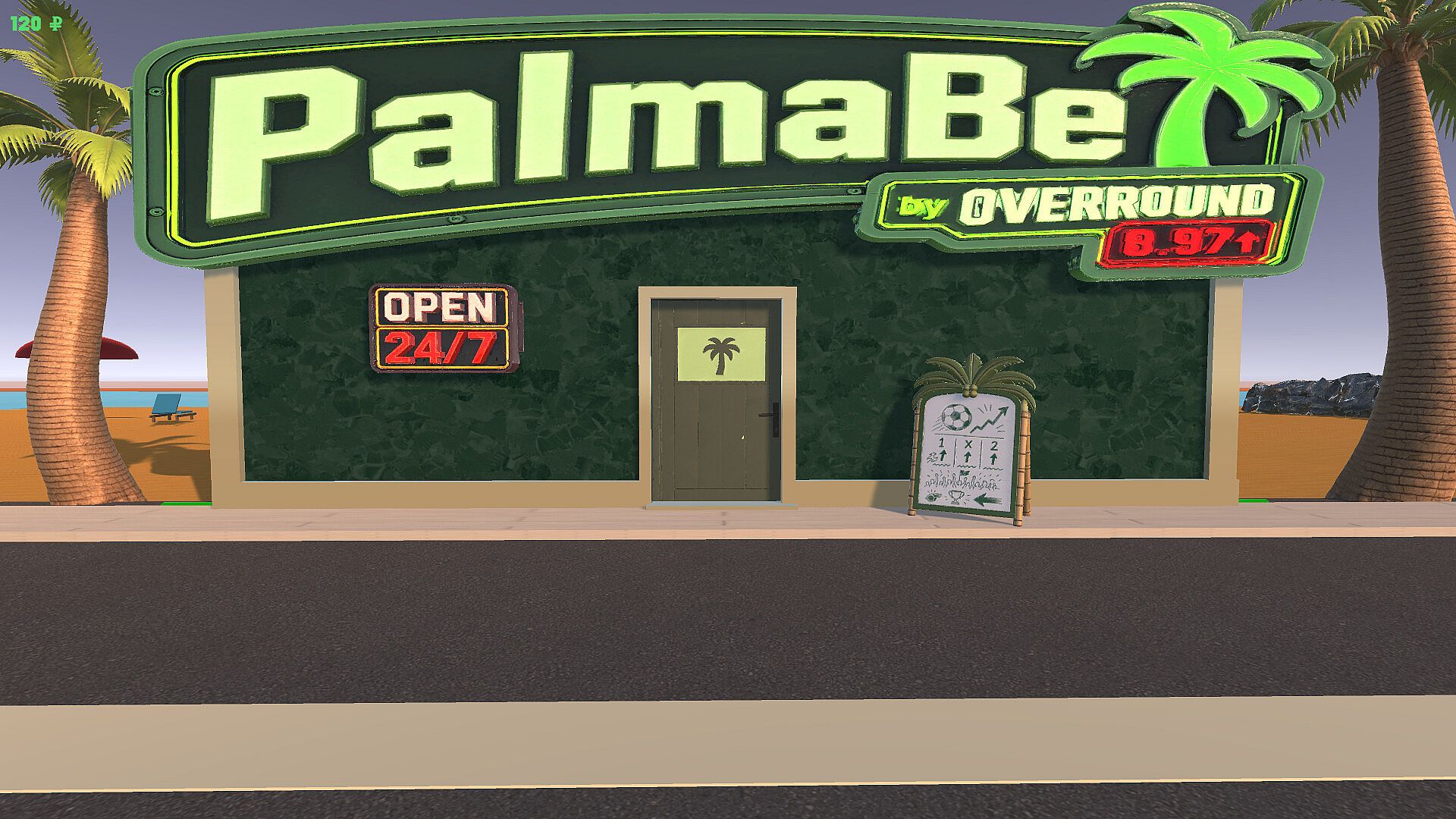
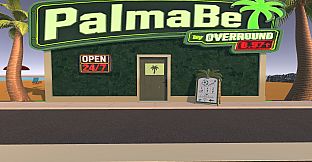
Overround is a single-player sports betting and management roguelite developed for PC. Players manage bets and resources inside a small betting shop called Palmabet while working to clear a debt over multiple simulated matchdays. The game blends strategy, simulation, and casual elements as decisions about risk, odds, and resource allocation determine whether a run succeeds or ends in failure.
Gameplay
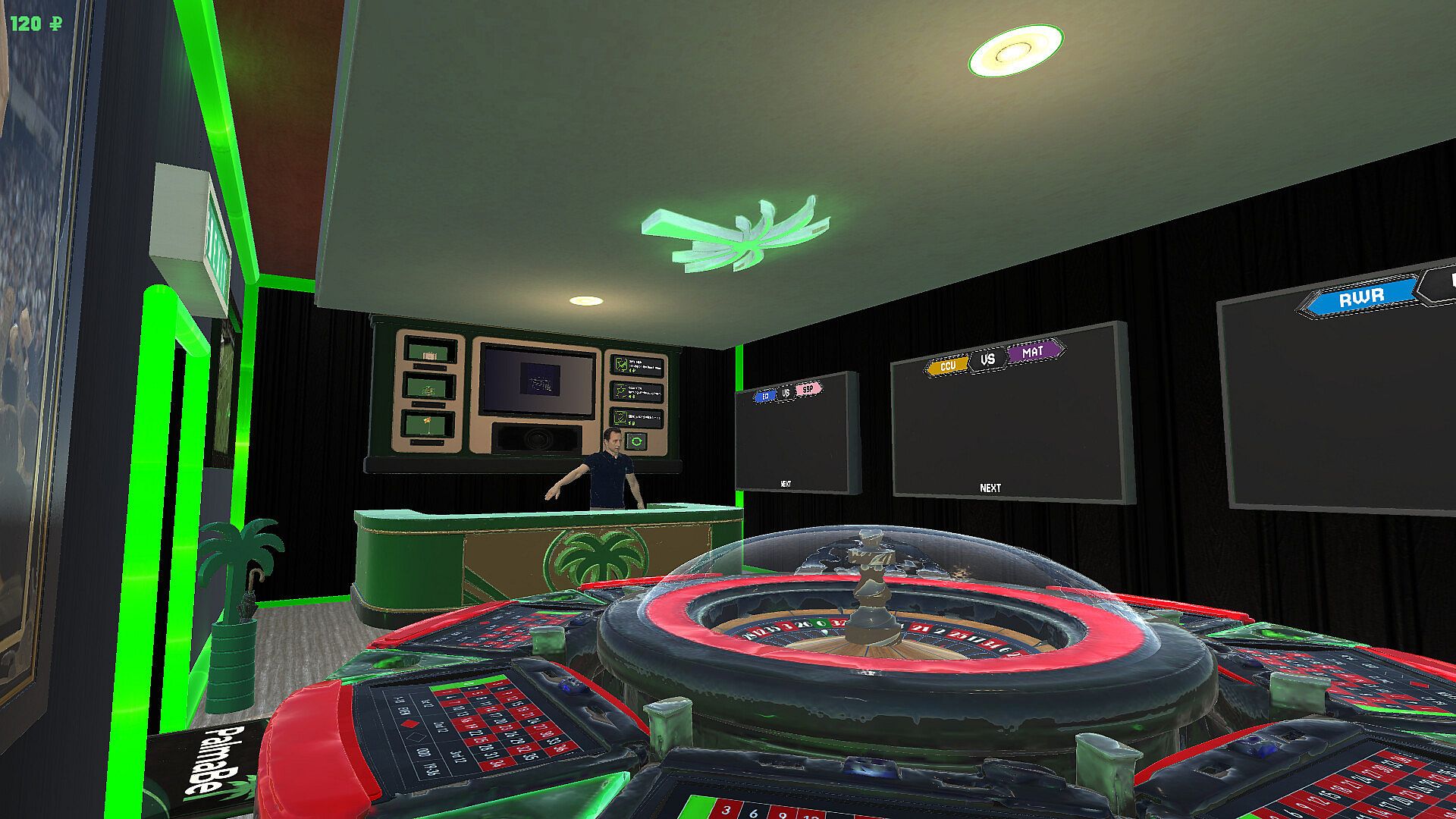
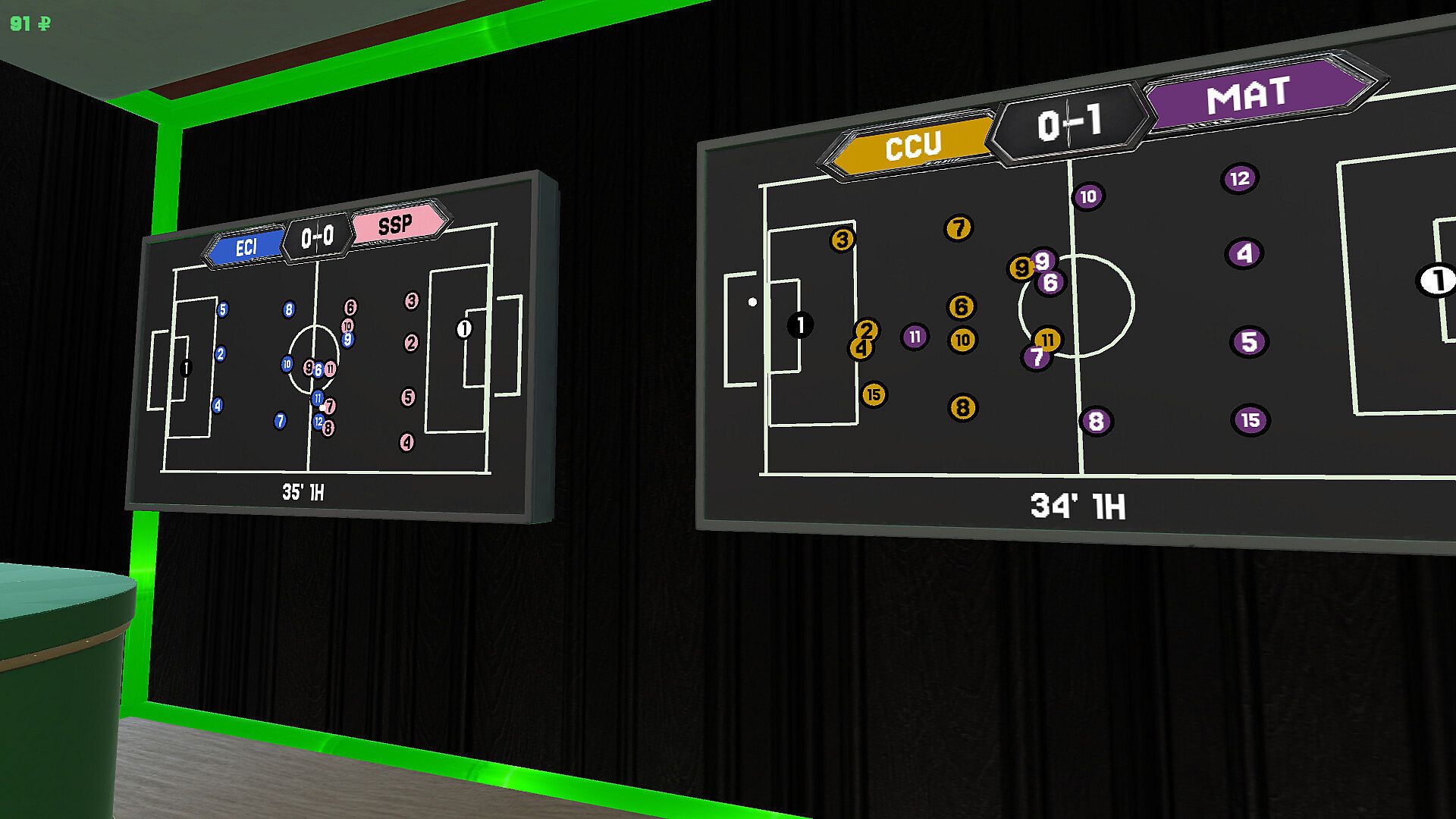
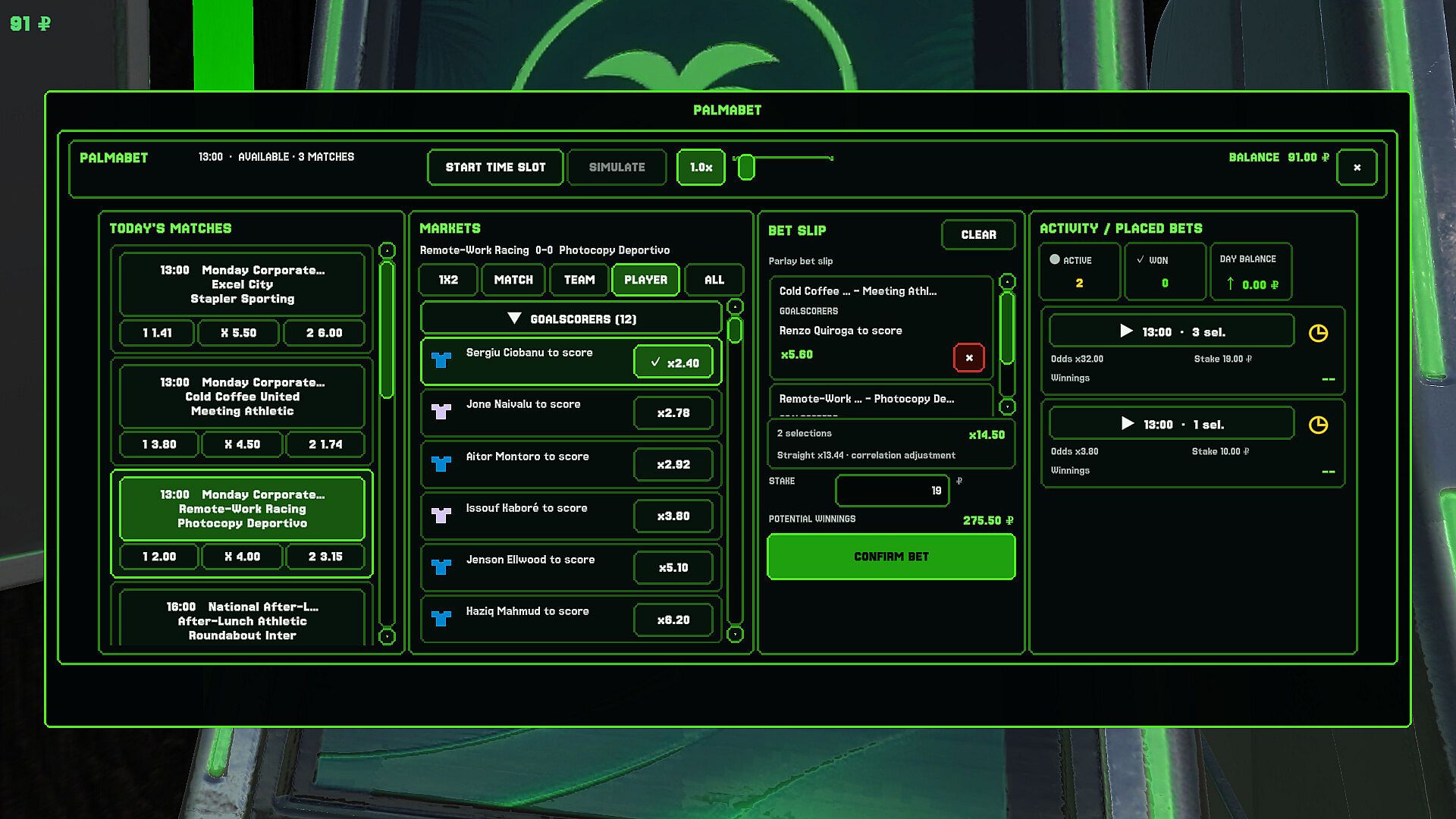
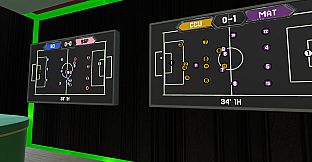
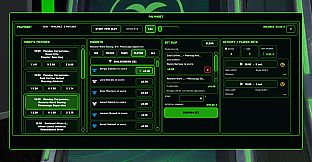
The core loop centers on analyzing upcoming matches from two leagues featuring twenty teams. Each club maintains its own squads, statistics, strength levels, and current form. Before matches begin, players select from various betting markets and place single bets or accumulators. Once matches start, simulated action unfolds in real time on the shop's televisions, with outcomes settling bets automatically.
Risk assessment forms a central part of every decision. High odds may appear attractive yet often carry hidden drawbacks that require careful evaluation of team data and reports. Limited starting funds and an outstanding debt add pressure, forcing choices between aggressive plays and conservative protection of capital. A changing store offers items and bonuses that can be purchased to influence betting, reports, or shop systems.
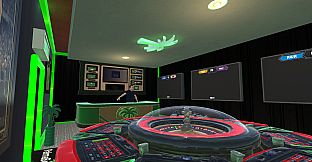
Charms and bonuses obtained during a run alter gameplay in targeted ways. Some provide situational advantages while others modify broader mechanics such as odds calculation or rescue options when results turn poor. Physical elements inside the shop include a roulette table for additional chances and terminals for placing wagers. Movement between these stations, along with phone checks and conversations with the cashier, keeps all systems grounded in the same location.
Game Modes
Overround structures play around roguelite runs that last several simulated days. Each run begins with constrained resources and ends either upon clearing the debt or exhausting funds. Success in one run does not carry over directly, yet permanent collection progress outside runs influences future attempts.
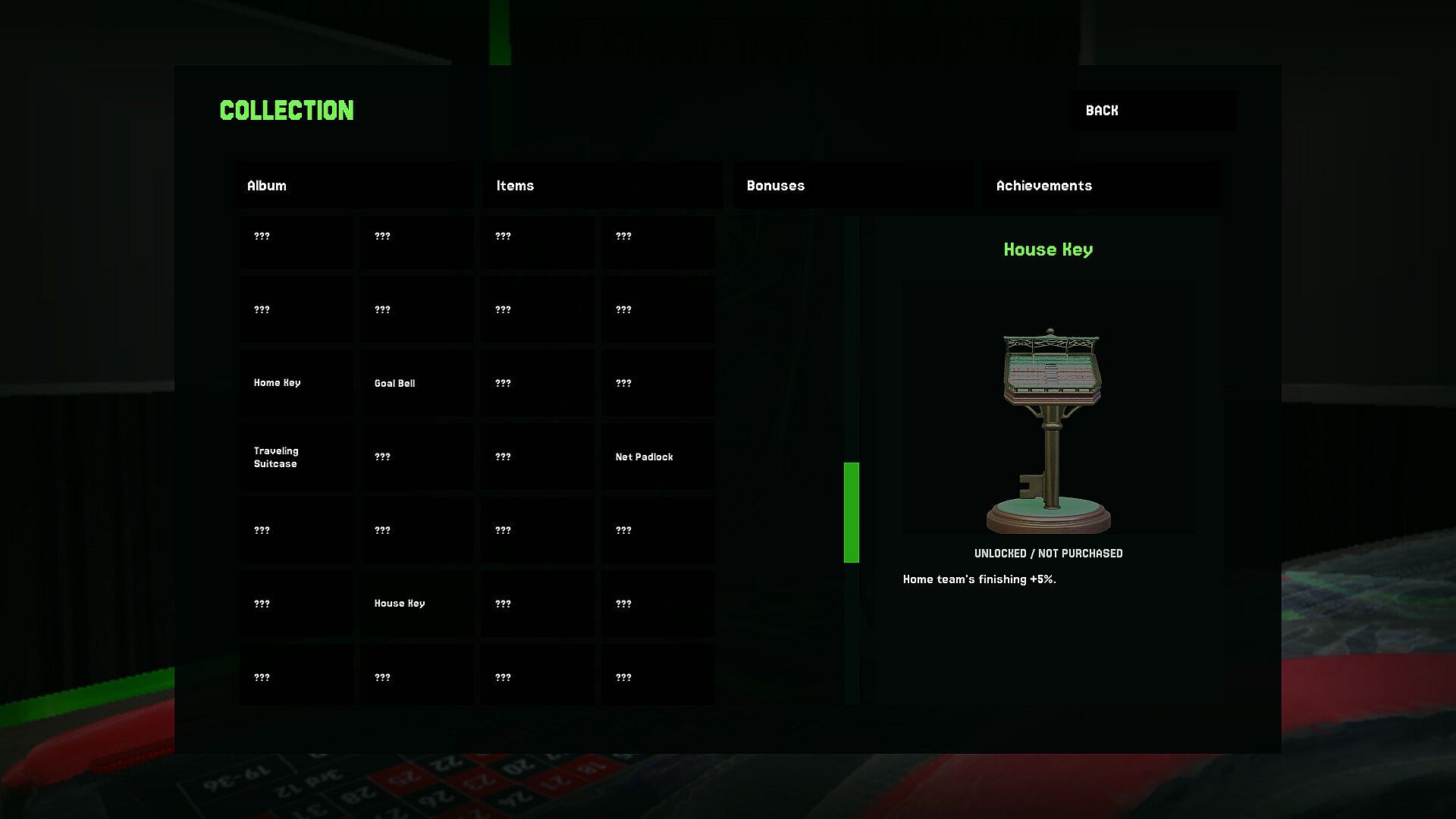
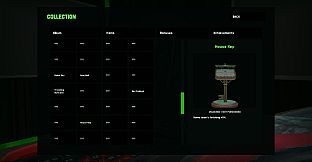
The collection system includes hundreds of player cards, packs, and an album that advances across multiple runs. Completing album pages unlocks run modifiers that adjust starting conditions, league characteristics, odds structures, or betting limits. These changes encourage repeated play by altering strategic priorities without repeating identical experiences.
No separate multiplayer or versus modes exist. All activity remains single-player, focused on iterative runs that test different combinations of bonuses, reports, and risk levels within the fixed shop environment.
Progression and Collection
Outside individual runs, players open packs and organize cards into an album. Progress here grants access to modifiers that reshape subsequent runs, such as increased or reduced starting money, shifts toward attacking or defensive leagues, or added restrictions on certain bet types. This meta layer ensures that completing a successful run reveals only part of the available content.
Rescue systems provide safety nets during particularly difficult stretches, while the store inventory evolves throughout a single run. Reports on teams, players, and markets supply the data needed for informed decisions, and combining charm effects effectively can determine whether a run reaches its conclusion.
Is It Worth Playing?
Overround suits players who enjoy roguelite structure combined with simulation and strategy mechanics centered on resource management and probabilistic decision making. The single-player format emphasizes careful analysis of odds and team data rather than fast reflexes or competitive play.
Its satirical approach to betting themes explores the idea of continued play even after apparent success, using the shop setting to tie all systems together. Because the game contains no real-money elements or external financial features, it functions purely as a simulation experience.
With a planned release in September 2026 and no reviews available yet, potential players should consider their interest in roguelites that reward repeated runs through collection-based progression and modifier unlocks. Those drawn to casual strategy titles with sports simulation layers may find the focused scope and physical shop presentation appealing.











