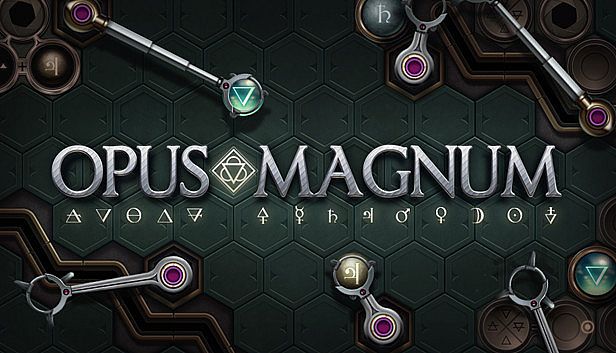













Opus Magnum is an indie simulation puzzle game centered on alchemical engineering. Players take on the role of a talented alchemist who joins a powerful noble house and must navigate both intricate machinery and underlying political tensions. The core experience revolves around constructing physical machines that perform complex transmutations to produce items ranging from medicines to weapons.
Gameplay
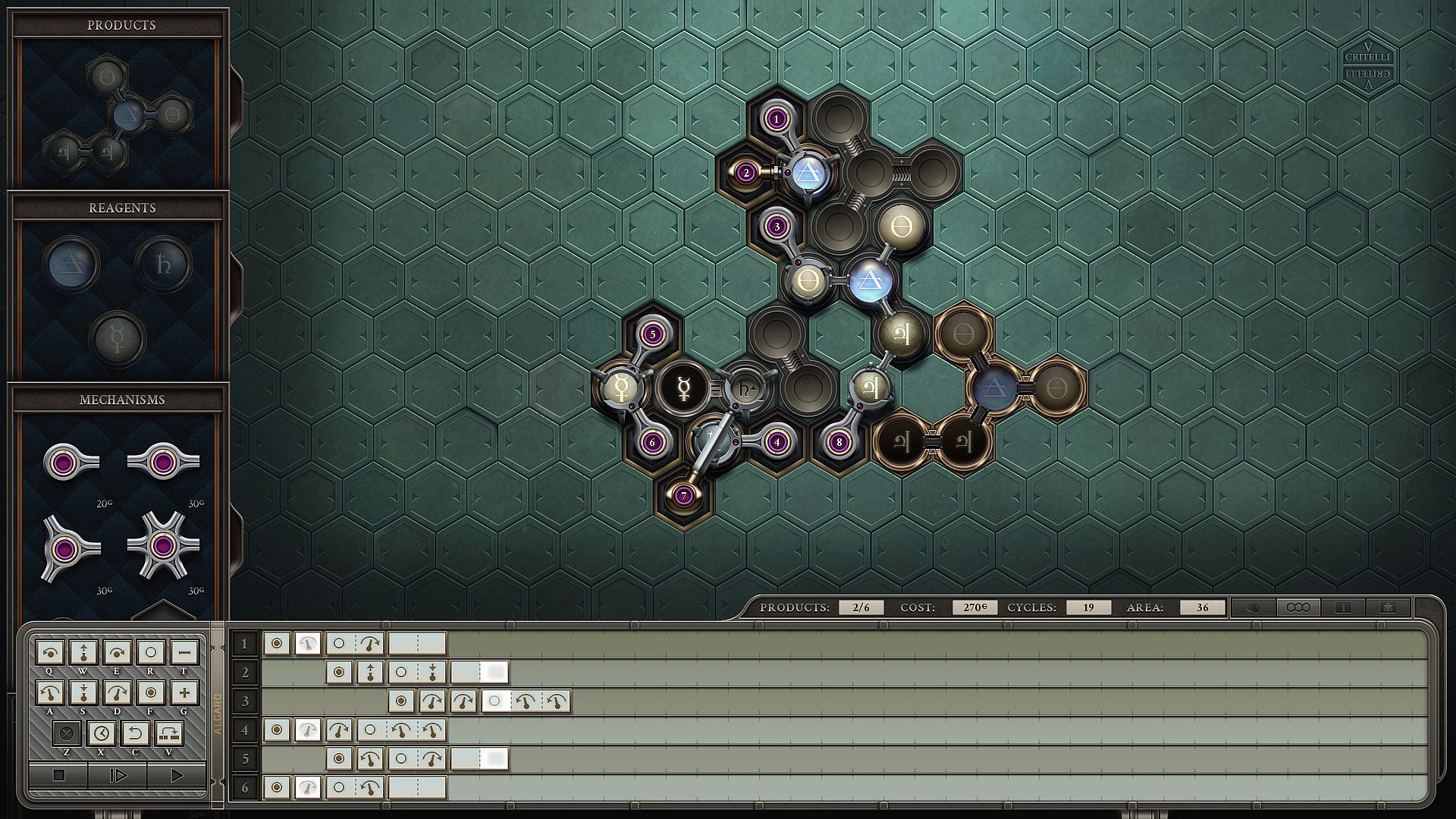
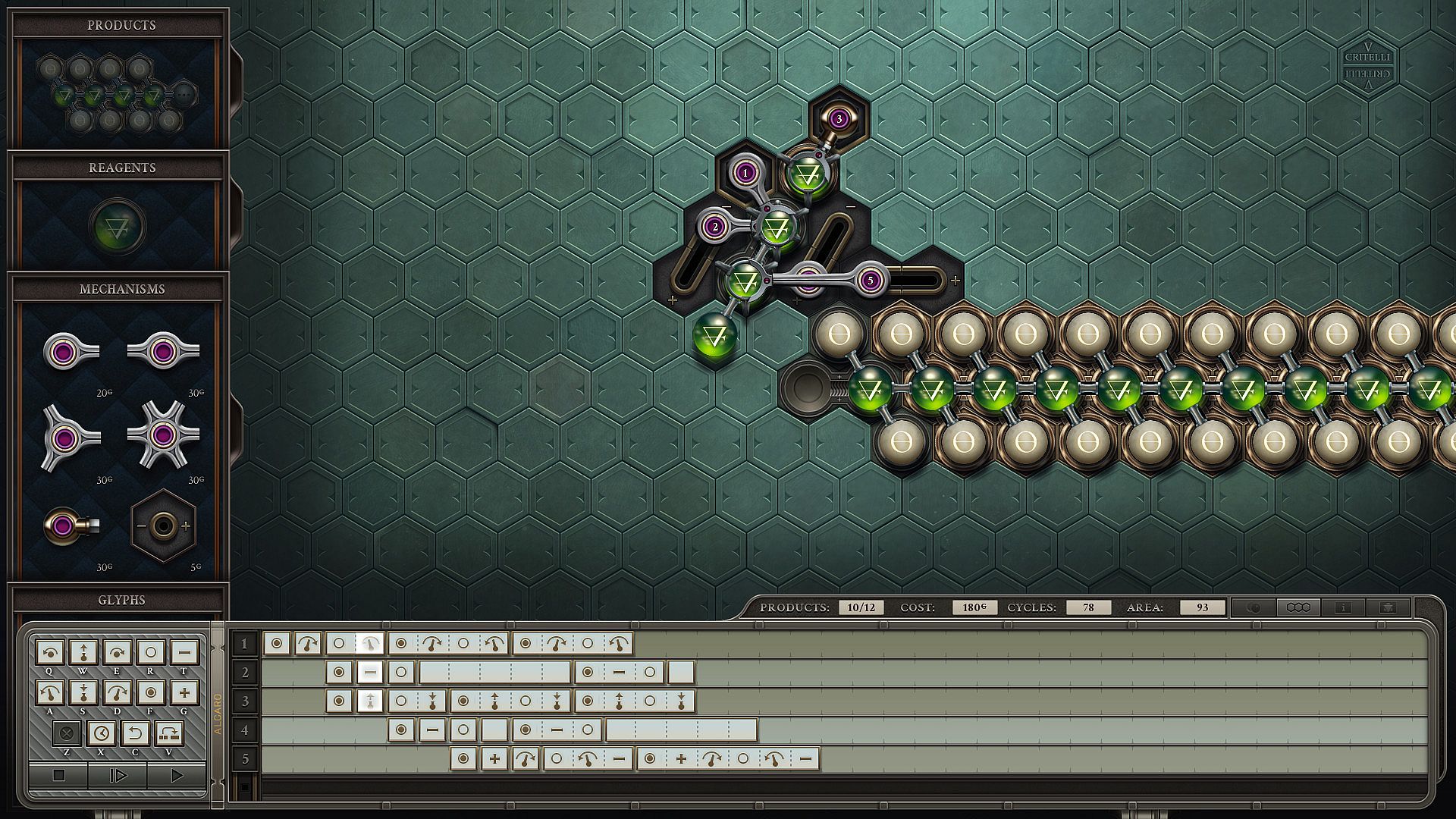
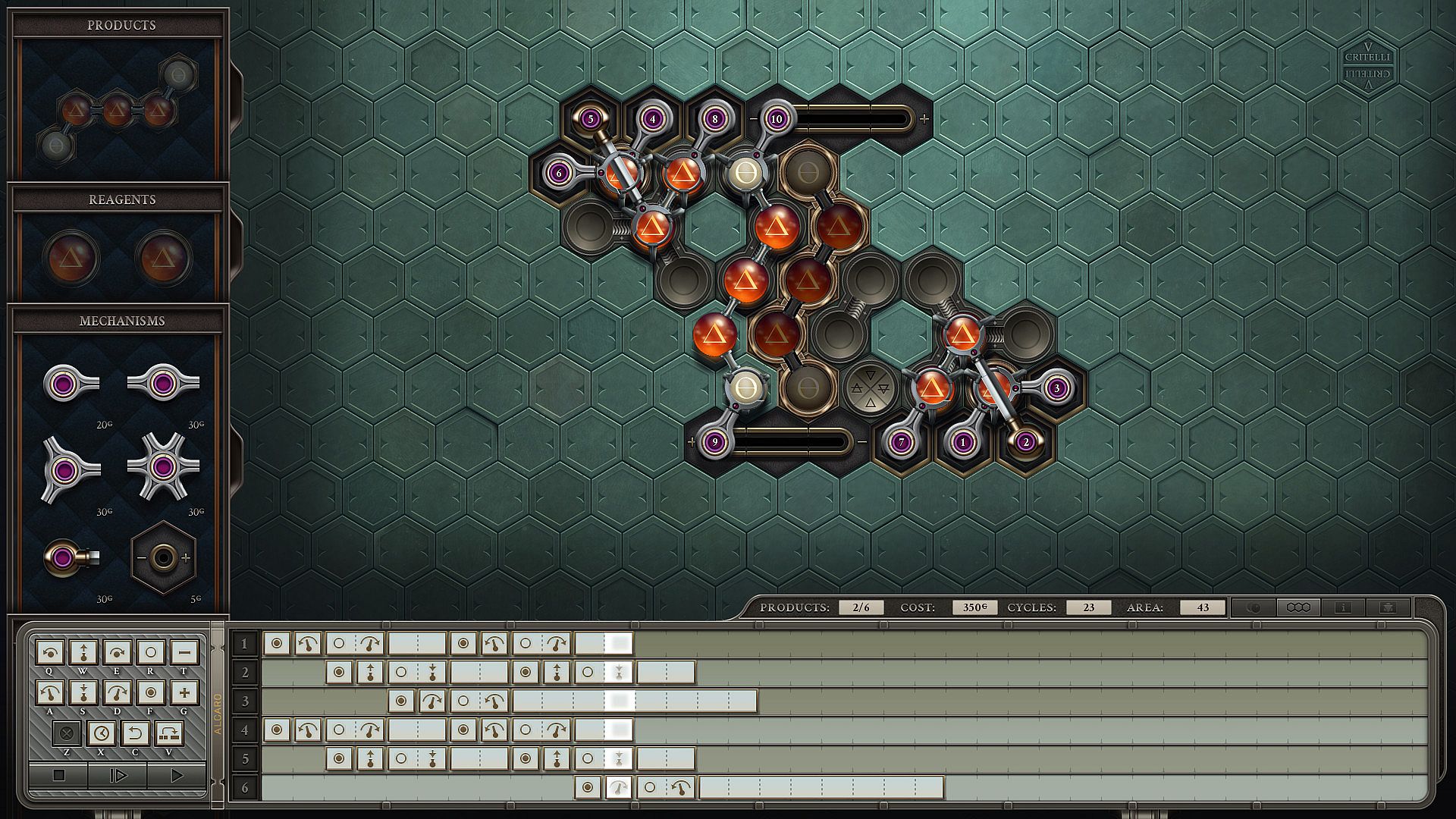
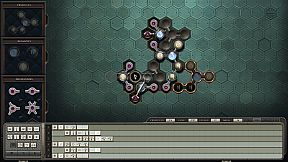
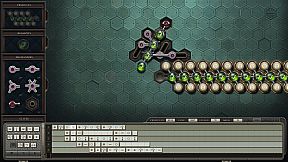
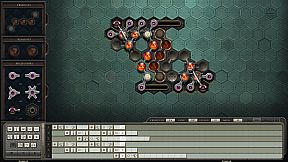
The central loop involves designing and refining machines inside a transmutation engine. Components such as programmable arms and customizable tracks form the foundation of each build, while more specialized tools like Van Berlo's wheel and the Glyph of Animismus enable advanced operations. Machines must handle precise sequences of movement, rotation, and combination to complete alchemical formulas. Solutions can be iterated upon endlessly because the play area allows for creative arrangements that prioritize efficiency in space, speed, or part count. Visual feedback shows every mechanism in motion, turning successful designs into satisfying automated processes.
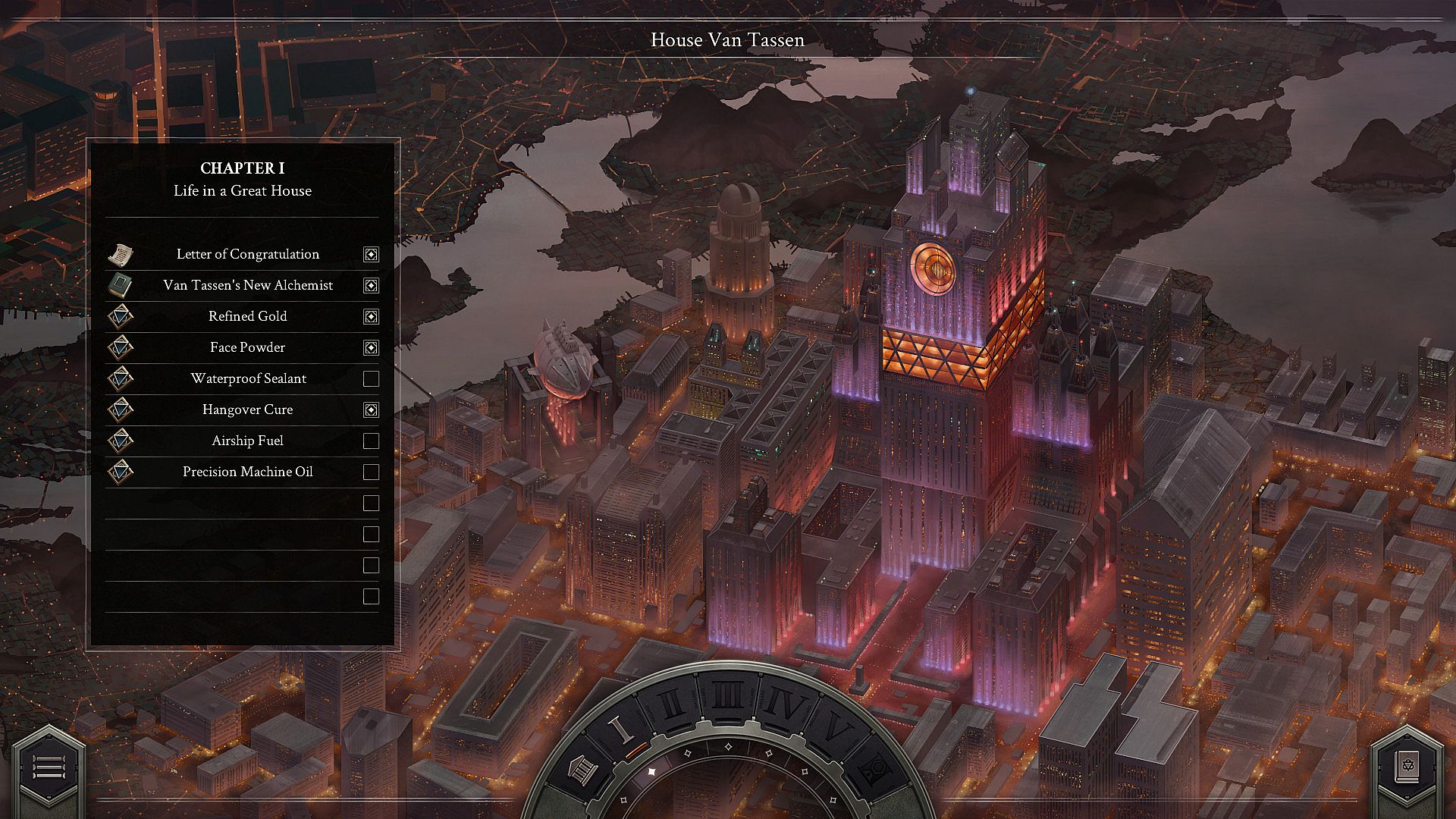
Story elements unfold across the campaign as the protagonist encounters intrigues within the ancient Houses. Alchemists hold significant influence in this setting, and the narrative highlights the risks and responsibilities that accompany their abilities. These plot threads provide context without interrupting the focus on machine construction.
Game Modes
The main campaign presents a series of structured challenges divided into chapters. Each puzzle requires the creation of a functional machine that fulfills a specific production goal. Players can tackle these in sequence or revisit them to improve existing solutions.
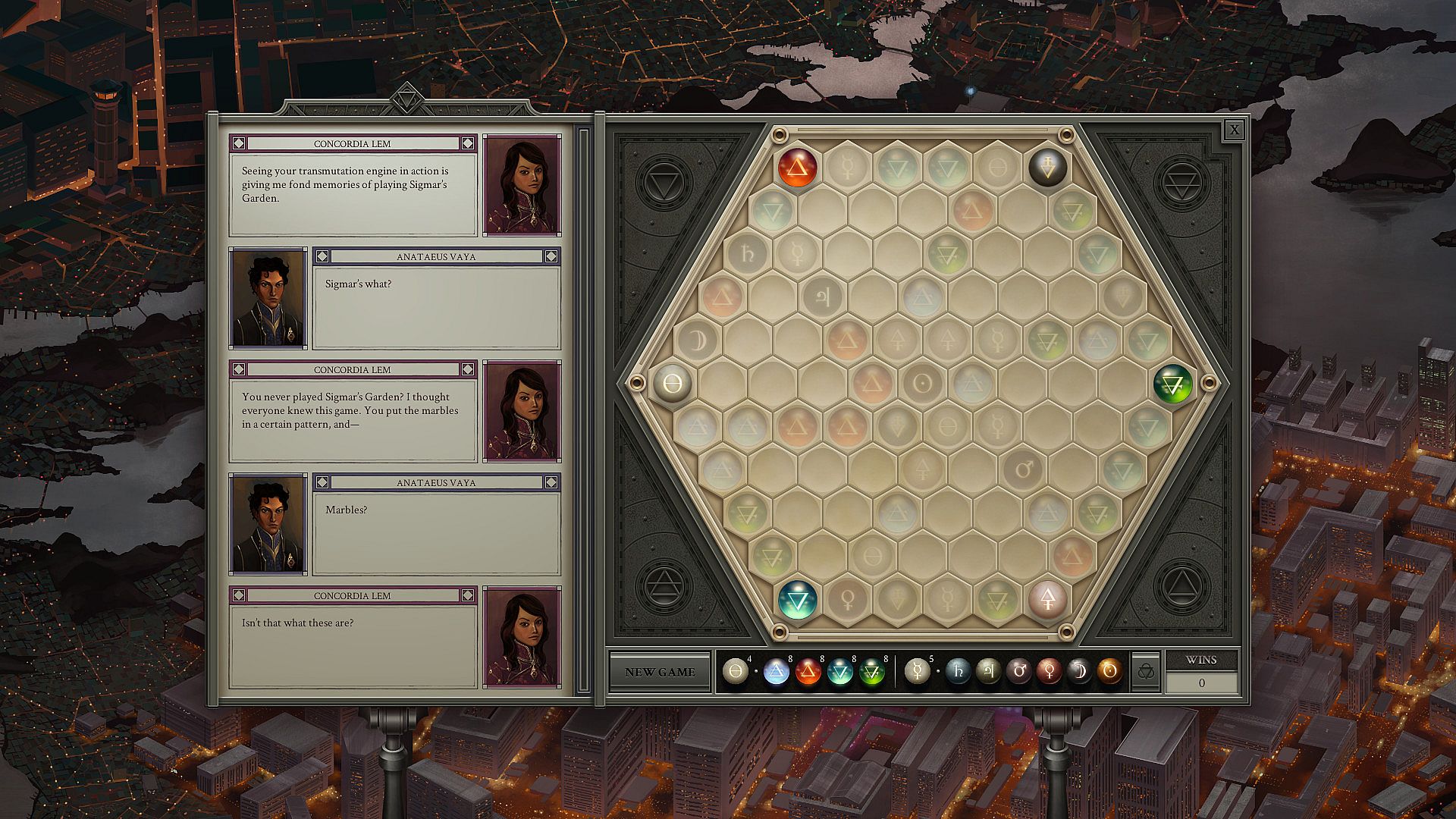
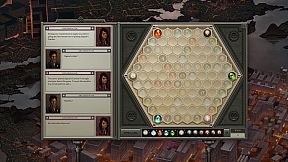
An optional solitaire minigame called Sigmar's Garden offers a different pace. This alchemy-themed card game provides a break from machine design while still tying into the game's thematic elements. Every session follows consistent rules that make completion possible with careful play.
Community features expand the experience through user-created content. A built-in editor supports the design of custom puzzles, which can be shared and played by others. Curated selections appear in a dedicated journal that highlights standout community work.
Optimization and Sharing
Competition comes from comparing solutions across multiple metrics. The game tracks performance in terms of compactness, cycle time, and component usage, encouraging repeated refinement. Players often export short animated recordings of their machines to demonstrate elegant arrangements. This focus on optimization appeals to those who enjoy iterative problem solving and logical planning.
Workshop integration allows direct access to a library of additional challenges beyond the official campaign. These range from simple exercises to highly complex scenarios that test advanced mechanical understanding. The system keeps the puzzle variety fresh long after the initial story content is completed.
Is It Worth Playing?
Opus Magnum suits players who appreciate deliberate, logic-driven puzzle experiences with room for personal creativity. The open-ended nature of the machine-building system rewards experimentation and repeated attempts at improvement. Those drawn to simulation-style construction tasks will find the physical component interactions engaging and the progression satisfying.
Reception among puzzle enthusiasts remains strong years after release, with many describing the title as one of the most approachable yet deep entries in its genre. The combination of campaign structure, optional minigame, and ongoing community content provides substantial playtime without requiring additional purchases. Availability on PC makes it accessible for anyone interested in methodical engineering challenges rather than fast-paced action or narrative-heavy adventures.
Overall the game delivers consistent value for its target audience through focused mechanics and flexible solution paths. Individuals who enjoy refining systems until they run perfectly will likely return to it multiple times.