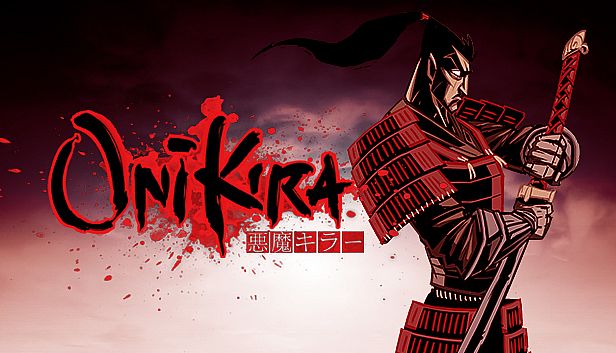













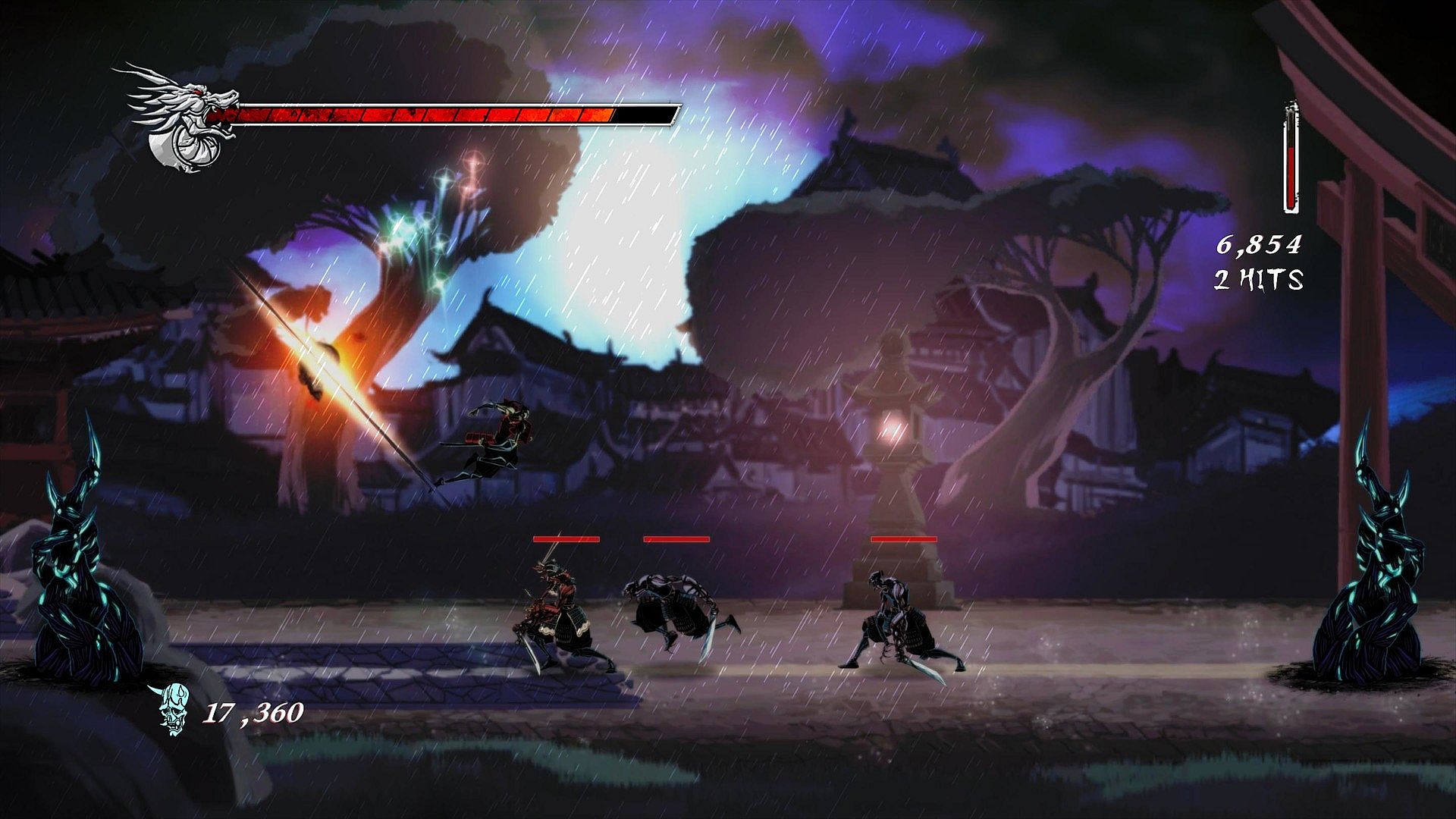
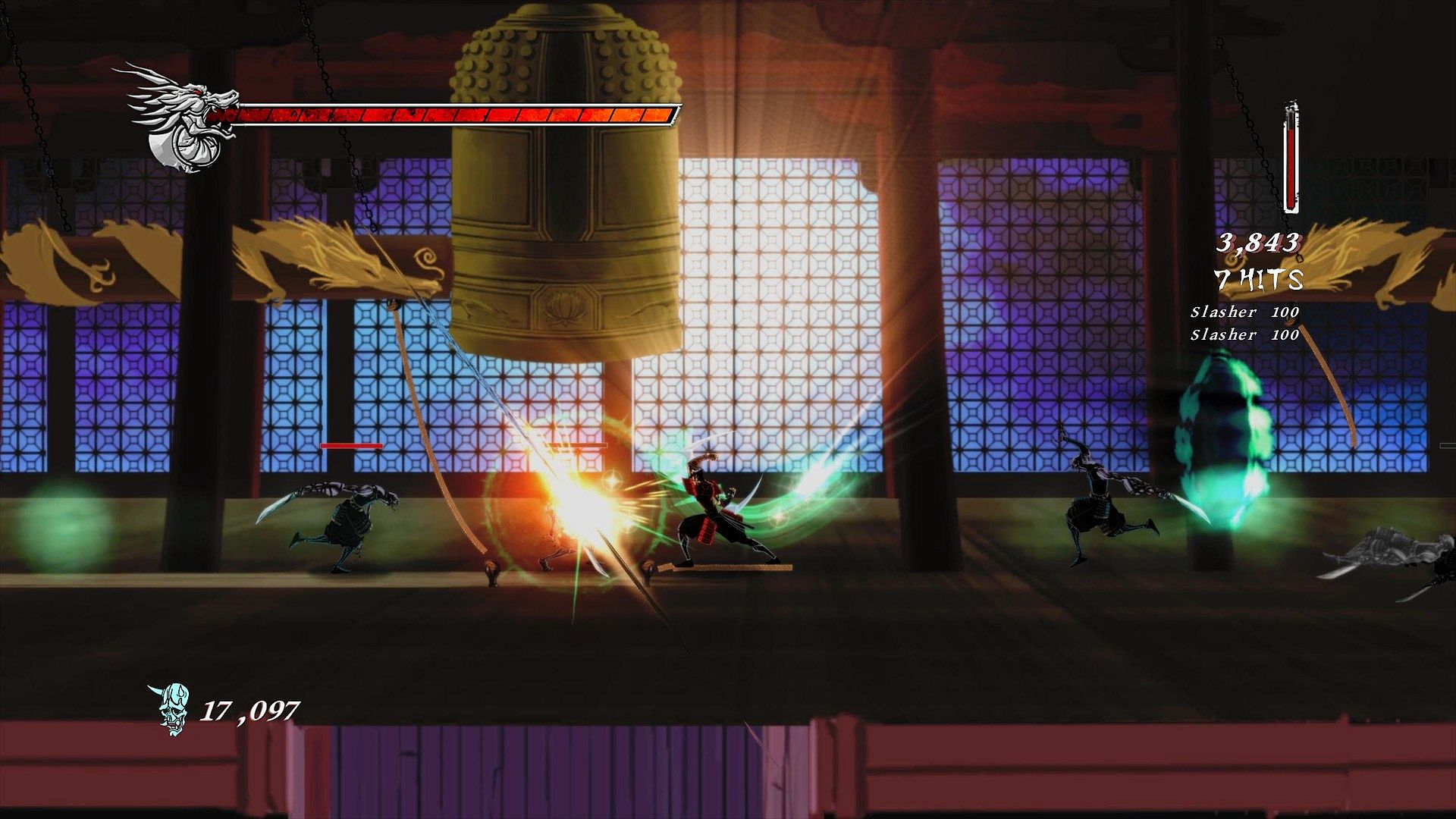
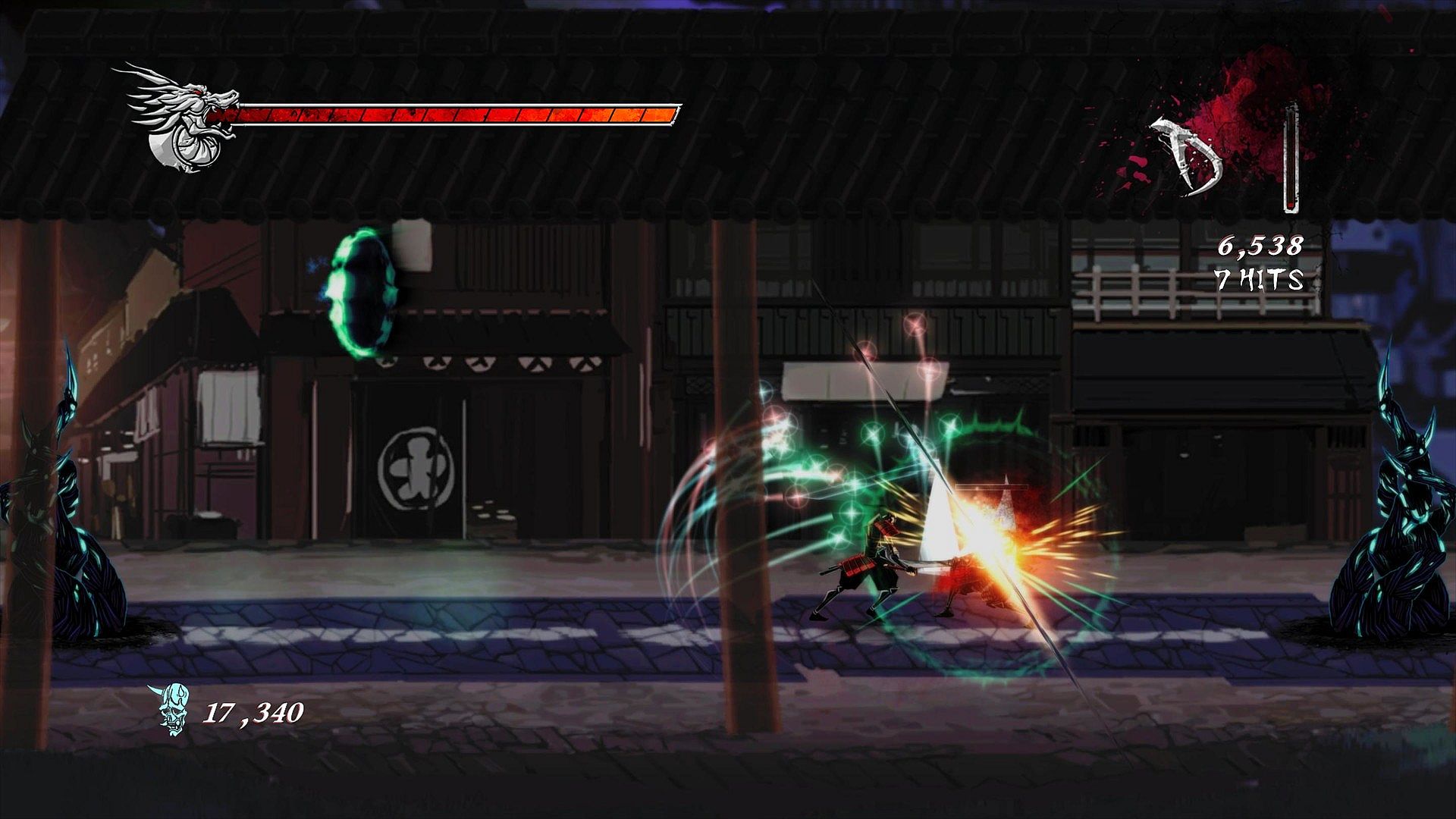
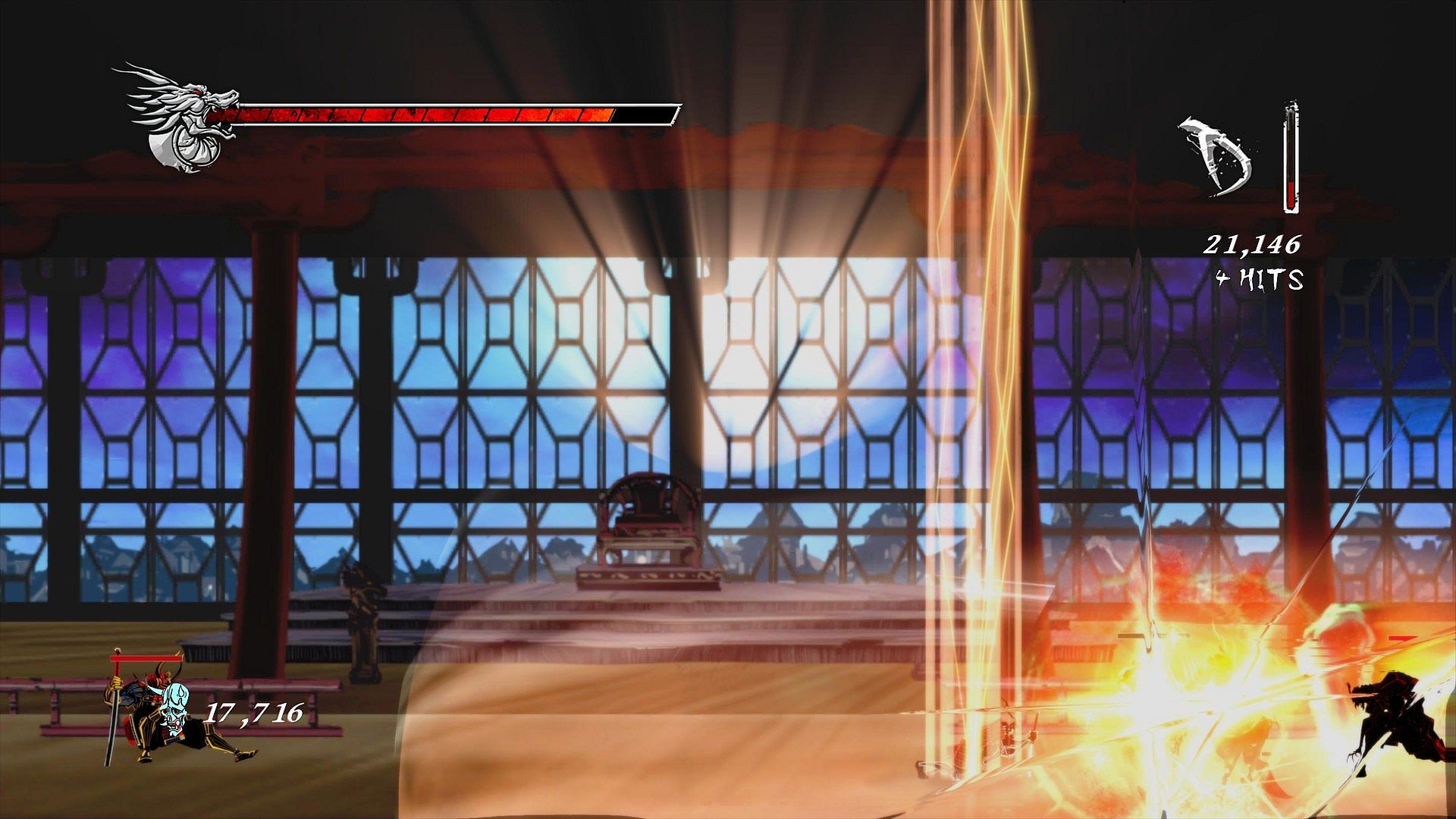
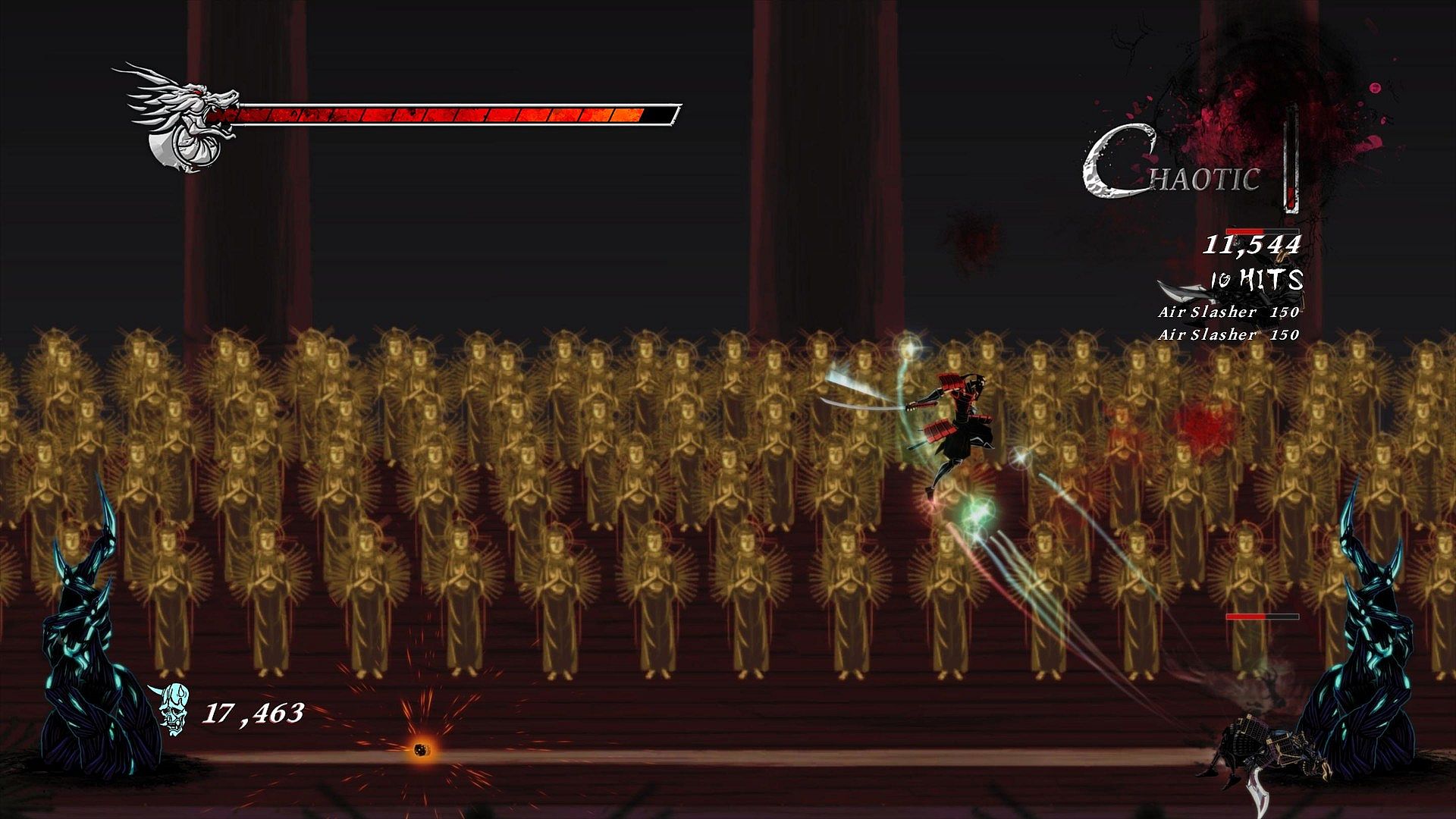
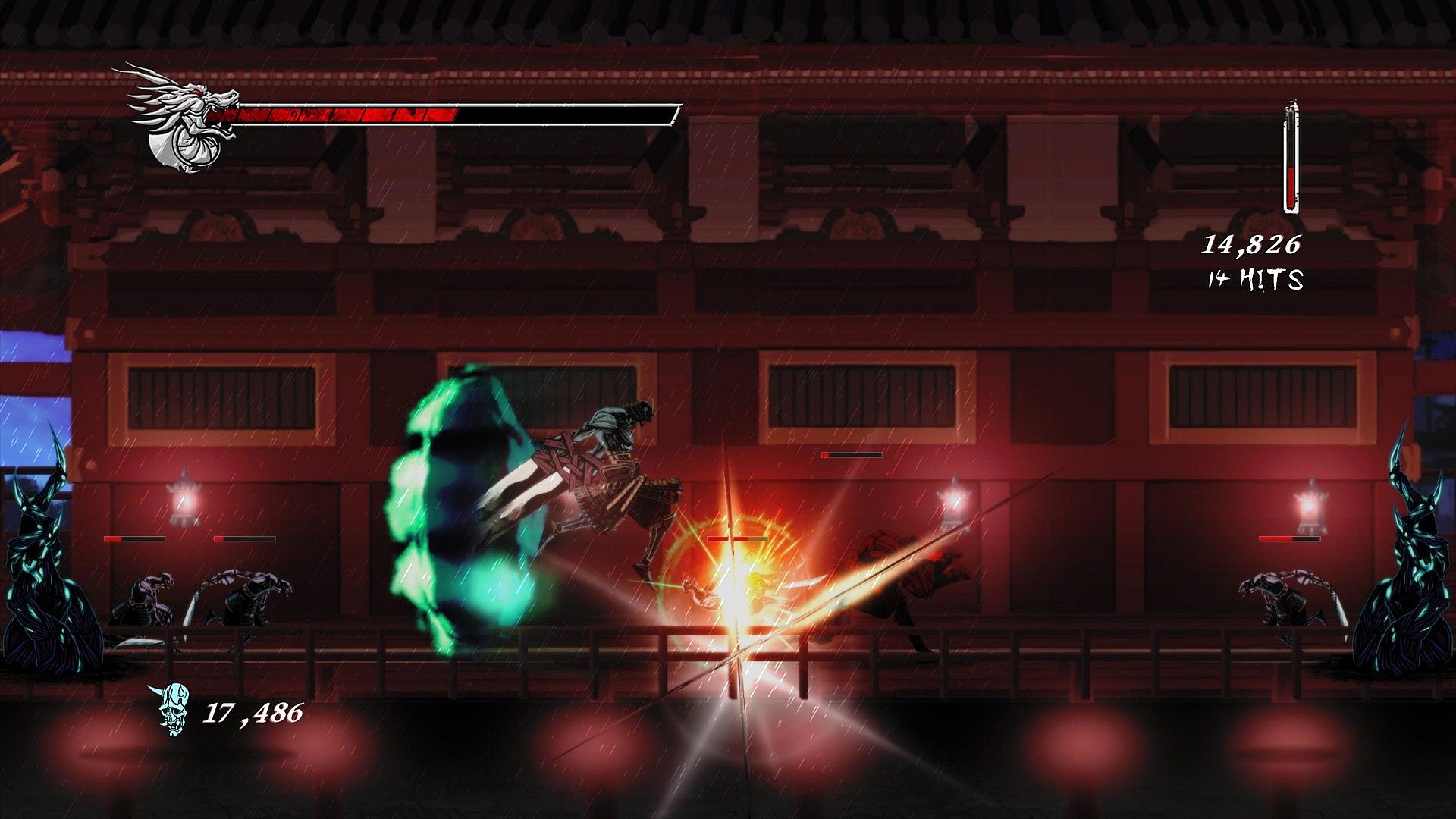
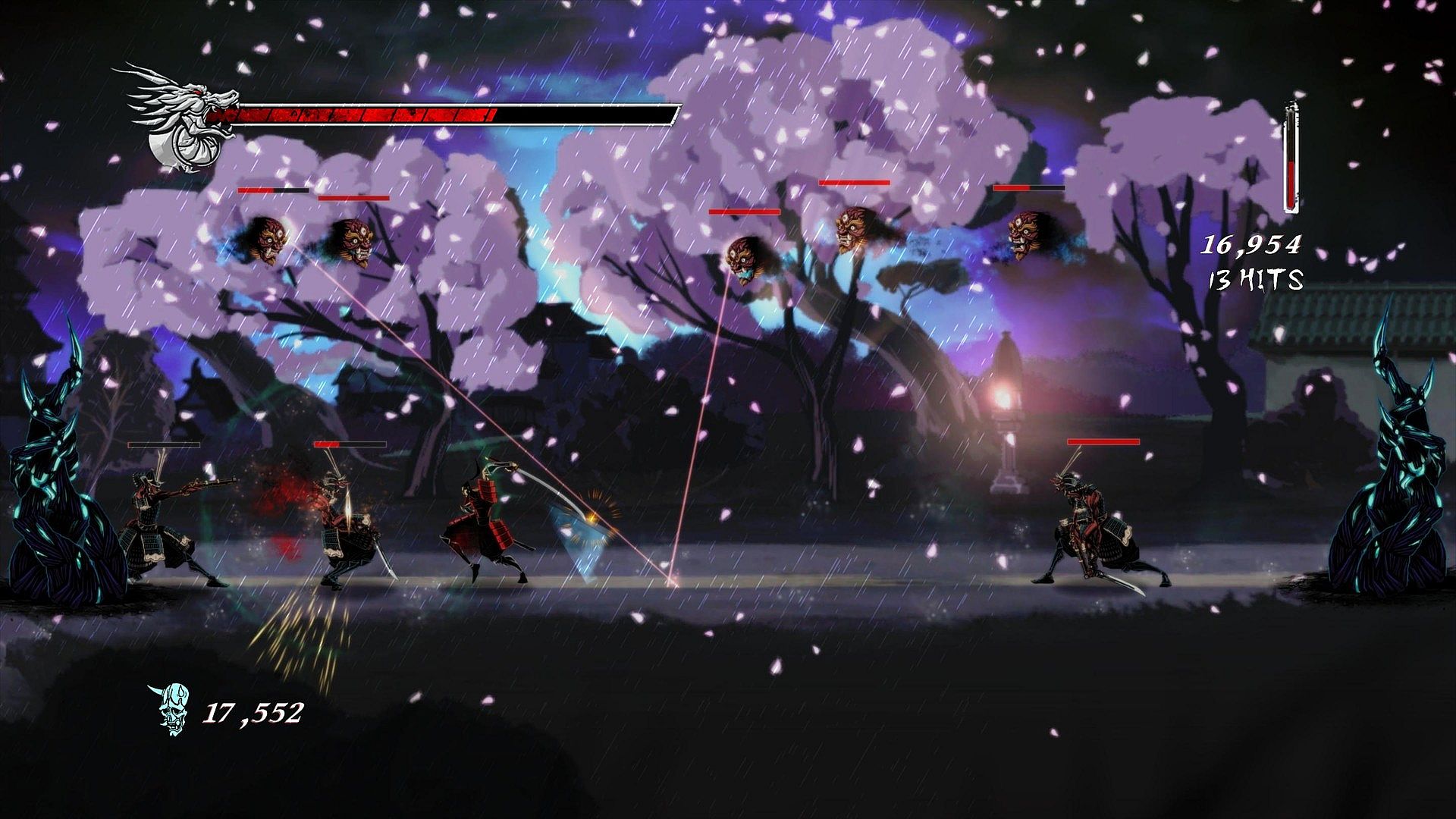
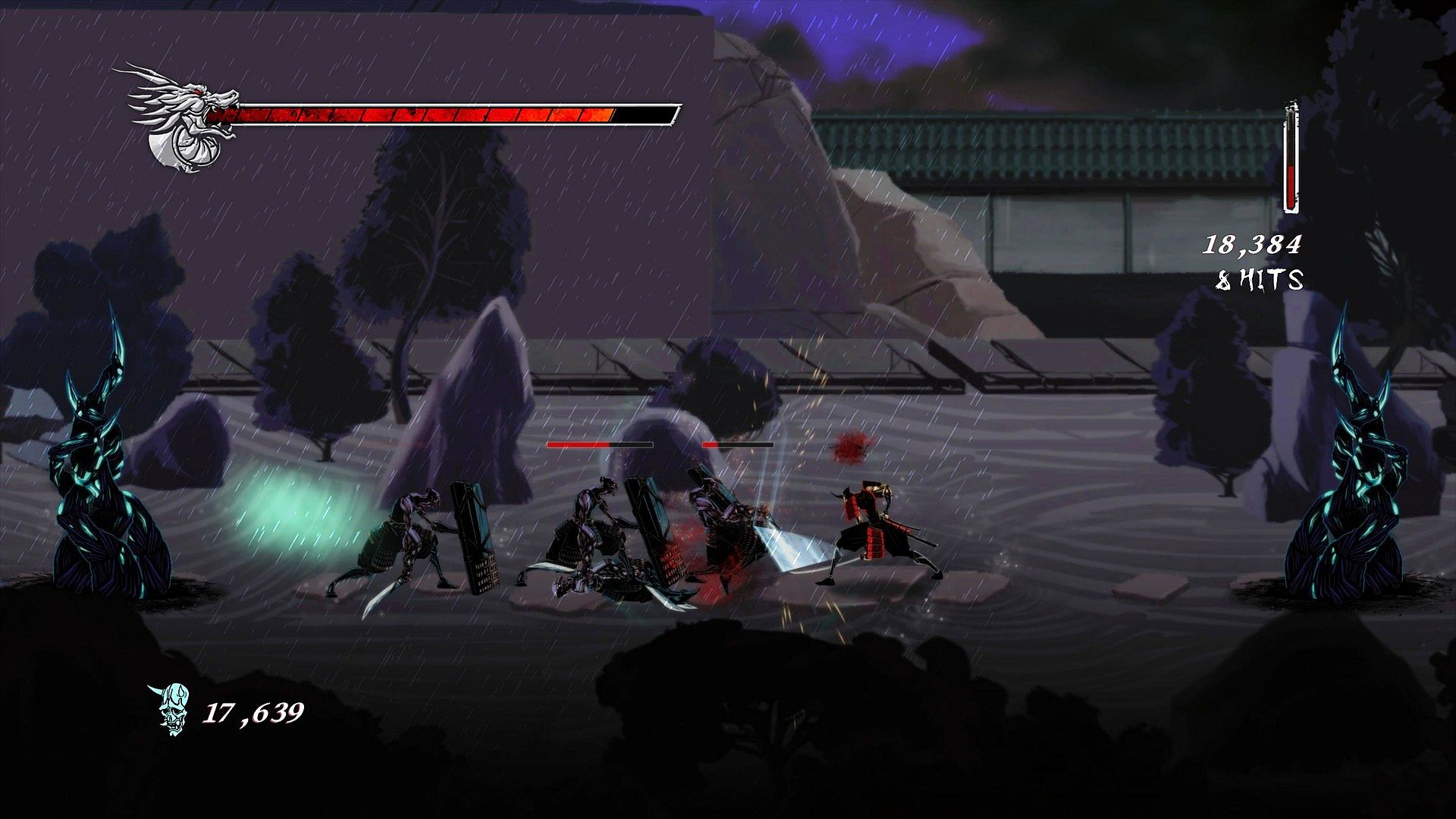
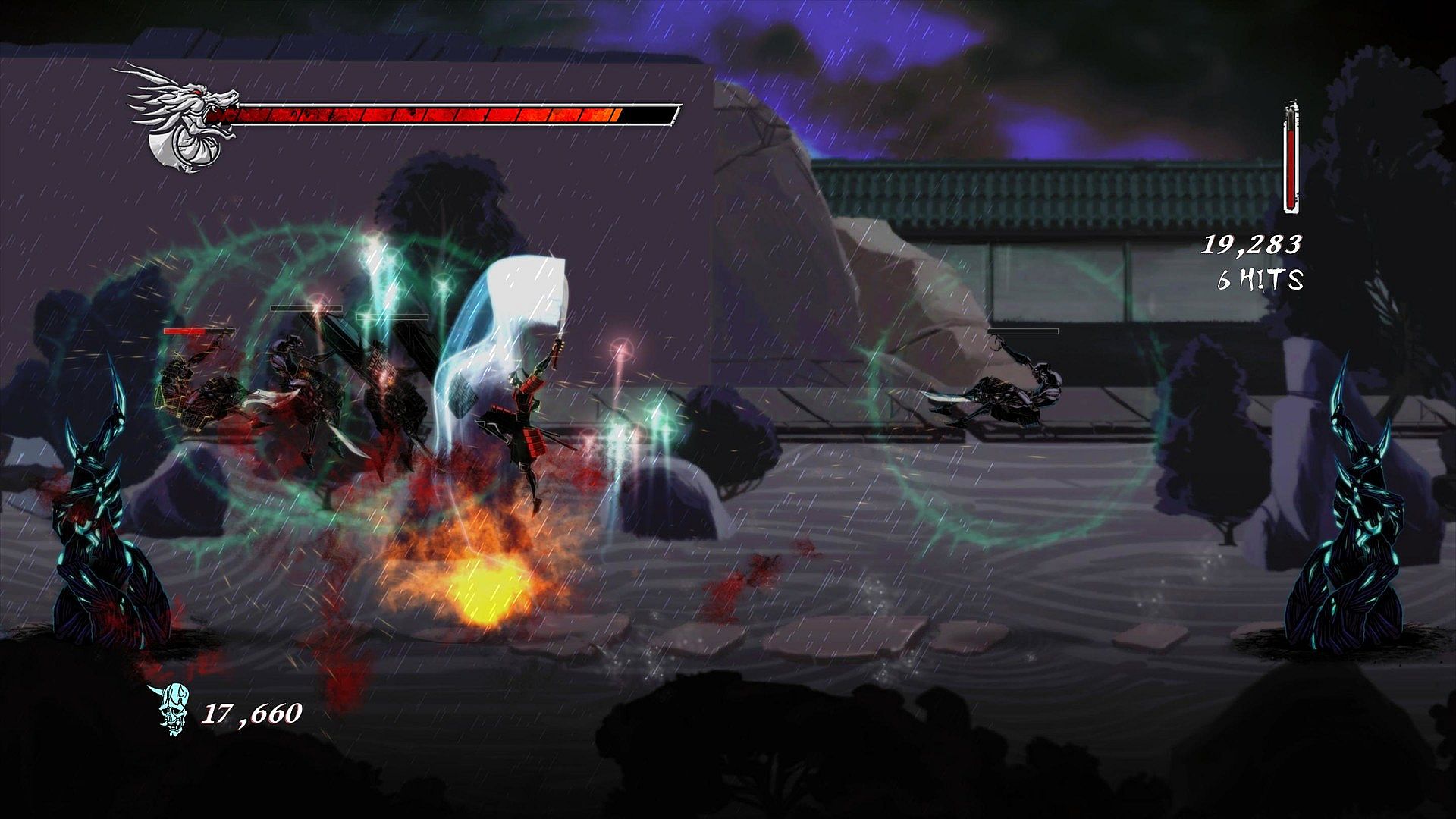
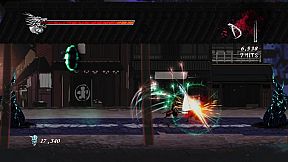
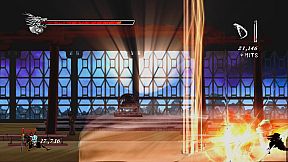
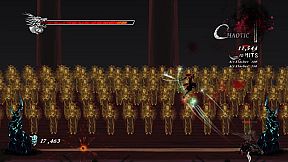
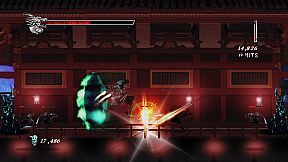
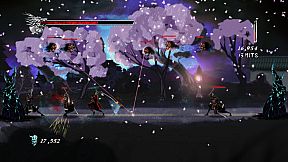
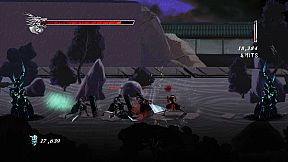
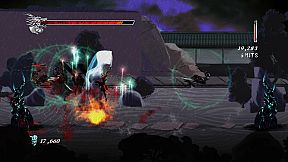
Onikira Demon Killer is a 2D side-scrolling action beat em up adventure game developed by the Irish indie studio Digital Furnace Games. Players take control of the samurai Yamazaki Jiro in a setting inspired by feudal Japan, where the goal centers on stopping demonic forces from the underworld Yomi from overtaking the living world. The title combines precise platforming with layered combat drawn from deeper fighting games, all delivered through hand-painted stages that span rain-soaked villages, ruined cities, mountain peaks, and volcanic terrain.
Gameplay
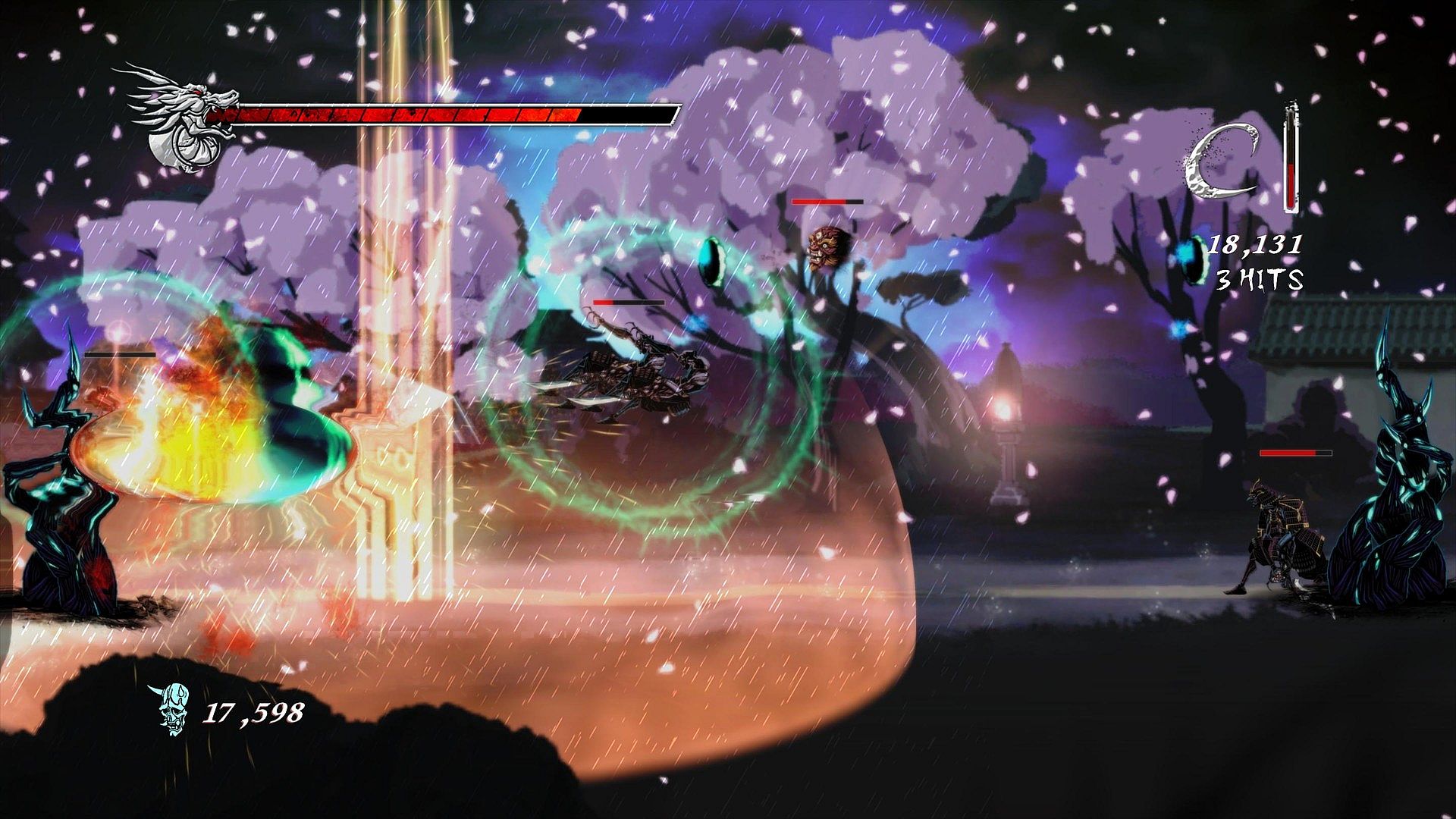
The core loop revolves around navigating linear stages filled with demons while using a responsive combat system that rewards timing, positioning, and weapon switches. Four weapons each carry distinct move sets: the katana for close slashes, the heavy tetsubo for powerful strikes, the naginata for reach and lifts, and arm blades for agile attacks. Over forty moves unlock through progression, and chaining them builds score multipliers that encourage experimentation rather than repetition.
Platforming elements integrate directly into fights. Wall jumps, air dashes, grappling hooks, and moving platforms turn encounters into three-dimensional puzzles where players launch foes upward, reposition mid-air, or slam them into hazards like spikes or collapsing structures. Environmental interactions add variety, such as cutting pillars to drop buildings on groups of enemies, though miscalculations can backfire on the player. Seven distinct areas structure the experience, each populated with regular demons, two mini-bosses, and two larger bosses that test different aspects of the move set.
Souls collected from defeated enemies serve as currency at rifts within levels, where players trade for new moves or restore health. Specific enemy types demand adapted tactics, from airborne masks that favor aerial combos to armored samurai that punish reckless aggression and reward hit-and-run approaches.
Game Modes
The primary experience is a single-player campaign that unfolds across the seven areas, focusing on sequential level completion and boss encounters. Challenge Arenas provide a separate mode for isolated combat trials, where players refine scores and techniques against waves or specific setups. These arenas tie into online leaderboards for competitive comparison of performance.
No additional modes such as co-op, versus, or endless survival appear in the game. Progression remains linear within the campaign, with the arenas serving as optional skill tests that integrate directly into the Steam ecosystem for tracking achievements and rankings.
Weapons and Combat System
Each weapon supports multiple unlockable techniques that combine into long chains when executed fluidly. The system emphasizes player expression, allowing button-mashing heavy styles or ranged avoidance depending on preference. Air combat receives particular attention through lifts, dashes, and slams that keep fights off the ground and away from crumbling platforms. Combo success directly influences scoring, pushing players to discover emergent sequences beyond preset strings.
Responsive controls reward strategic decisions over raw aggression. Switching weapons mid-combo or using the grappling hook to reposition during fights creates dynamic encounters that evolve with each stage's layout and enemy placement.
Level Design and Enemies
Stages emphasize verticality and hazards alongside combat. Hand-painted backgrounds depict varied environments that support the narrative of a land under siege. Enemies feature distinct behaviors and weaknesses that highlight different playstyles, ensuring no single approach dominates every encounter. Two mini-bosses and two major bosses per area escalate difficulty while introducing new patterns tied to the weapon and movement toolkit.
Is It Worth Playing?
Player reception on Steam stands at mostly negative based on 175 reviews, with roughly 37 percent positive. Feedback often highlights fluid animations and atmospheric presentation alongside criticism of pacing and overall depth. The game suits players who enjoy challenging 2D action-platformers that blend beat em up combat with precise movement, particularly those willing to invest time mastering weapon switches and environmental tactics.
Its current state shows no ongoing seasons or major updates since release, positioning it as a complete but dated indie title best approached during sales for fans of the genre. Those seeking modern polish or frequent content additions may find the experience limited, while enthusiasts of expressive single-player combat systems can still extract value from its unique mechanics.