




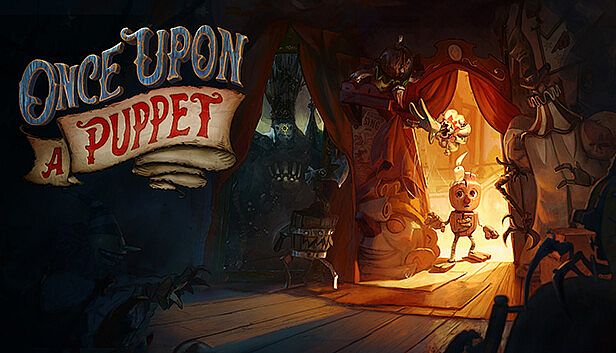

























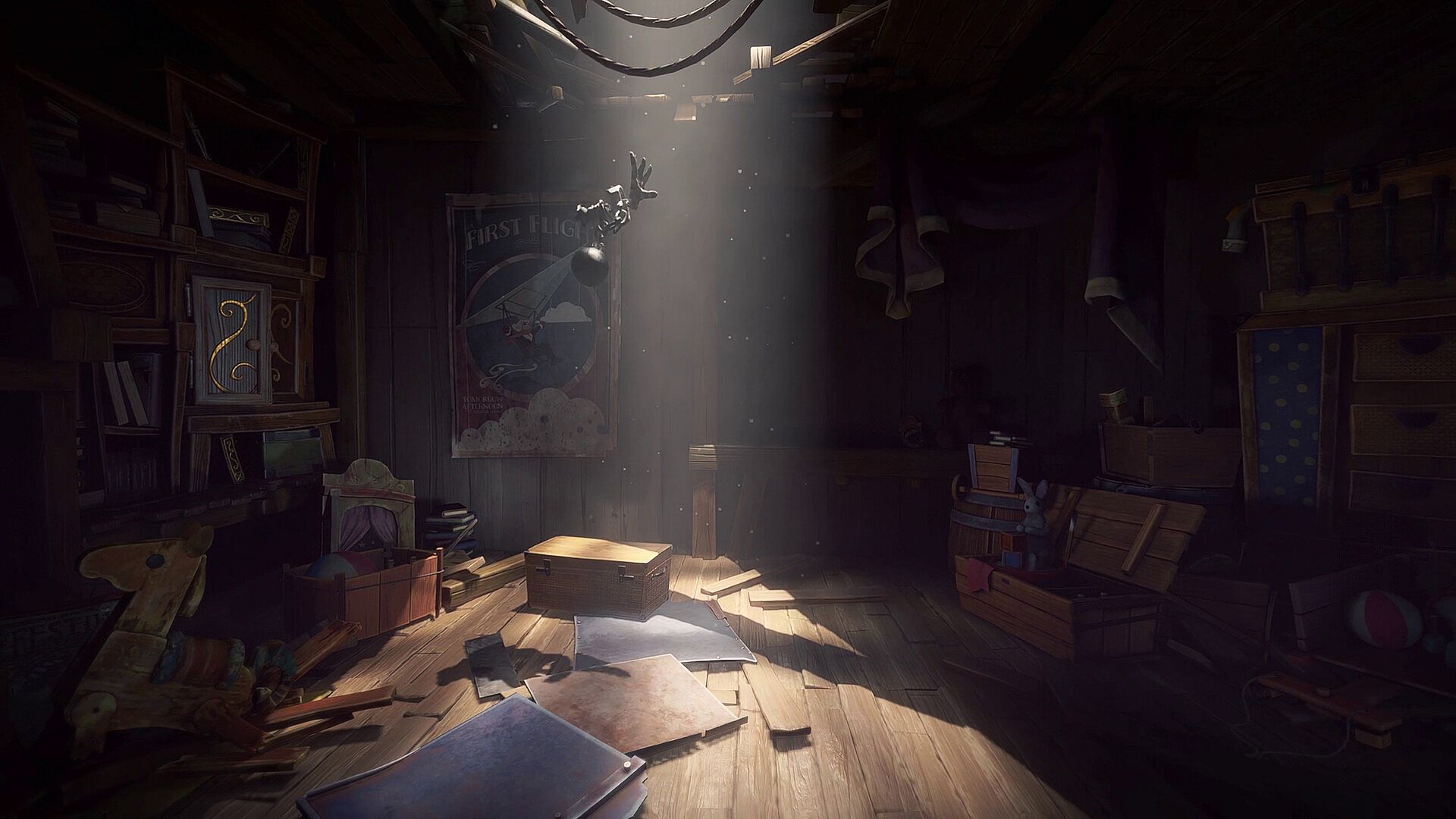
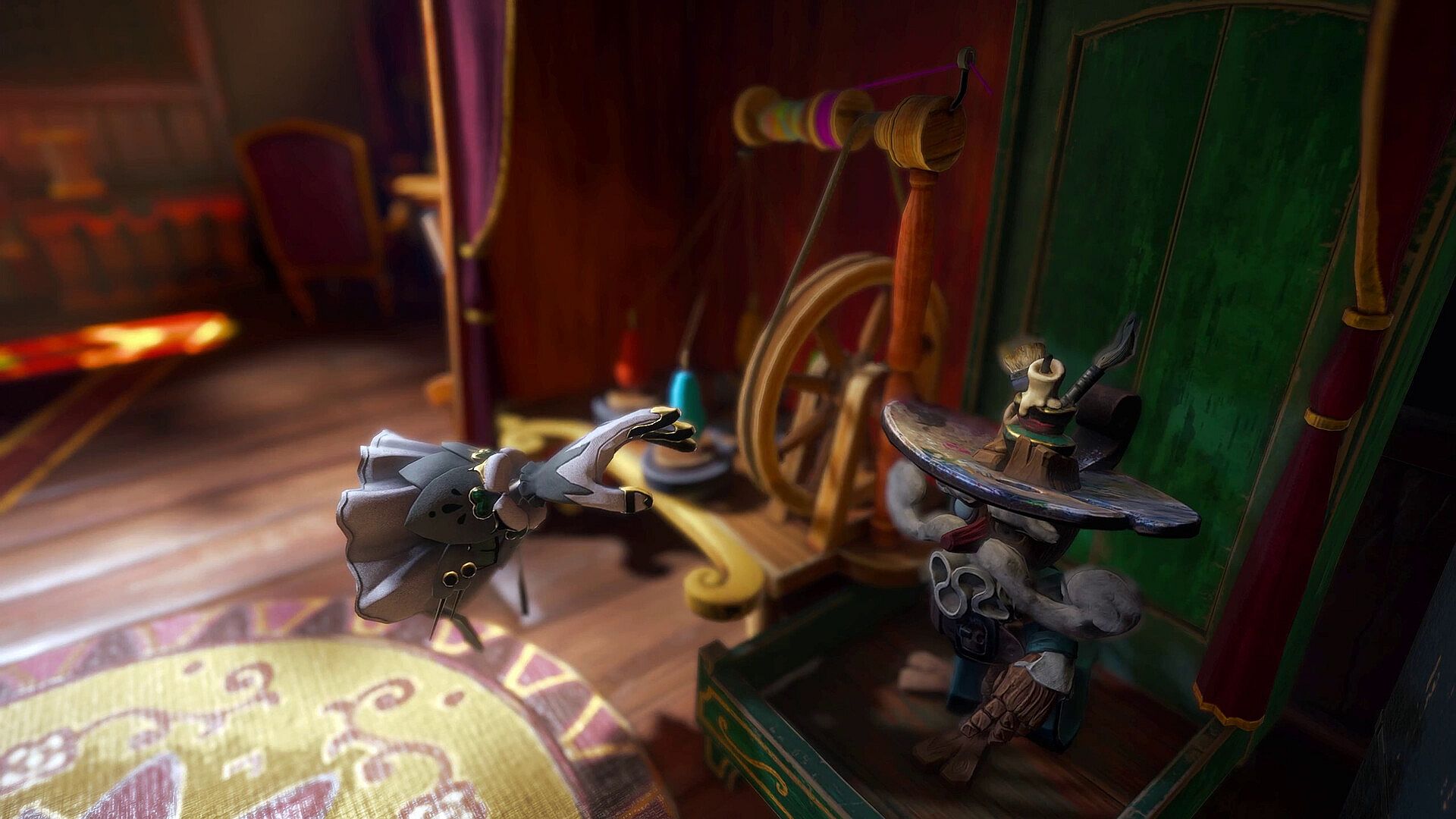
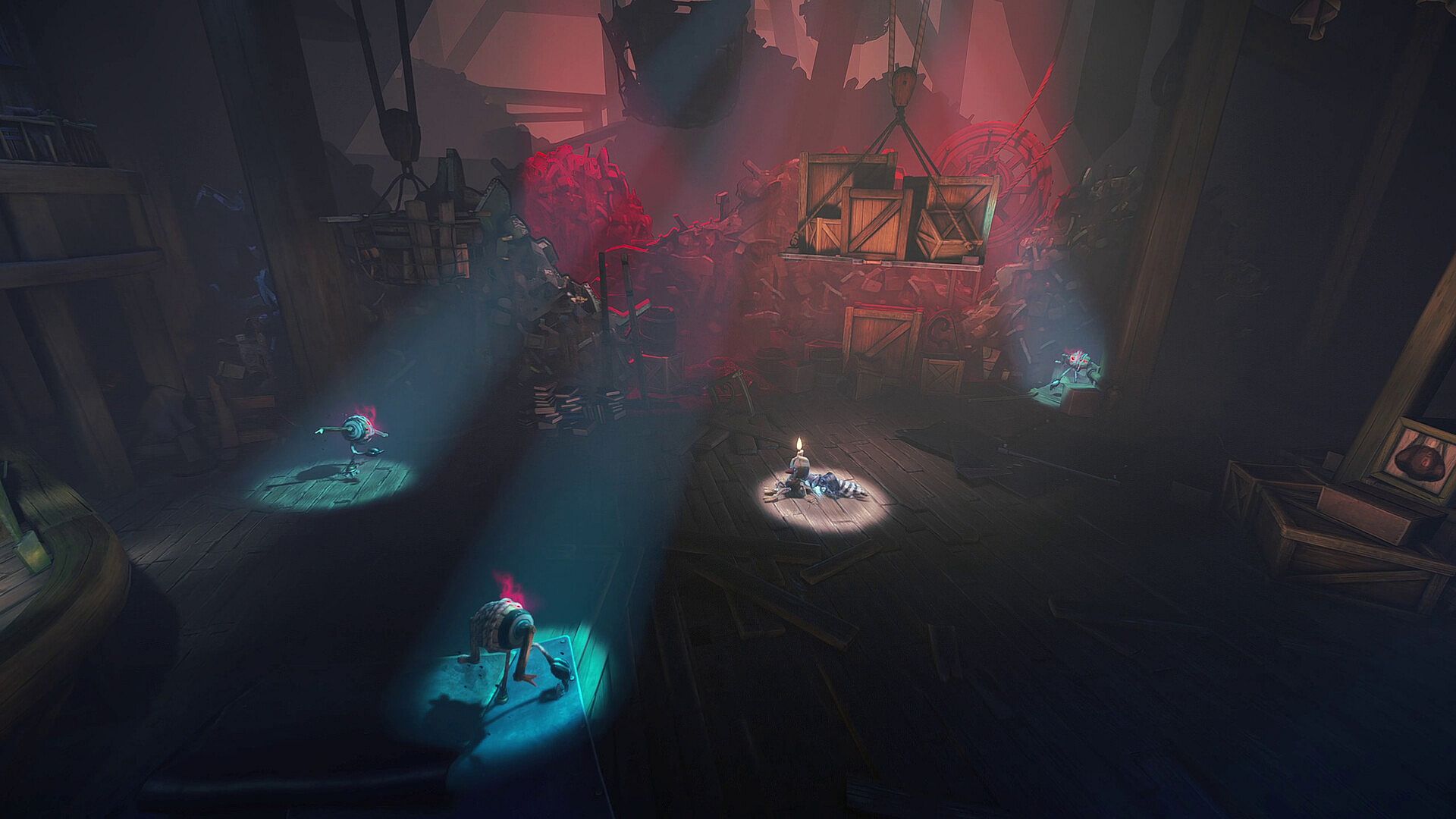
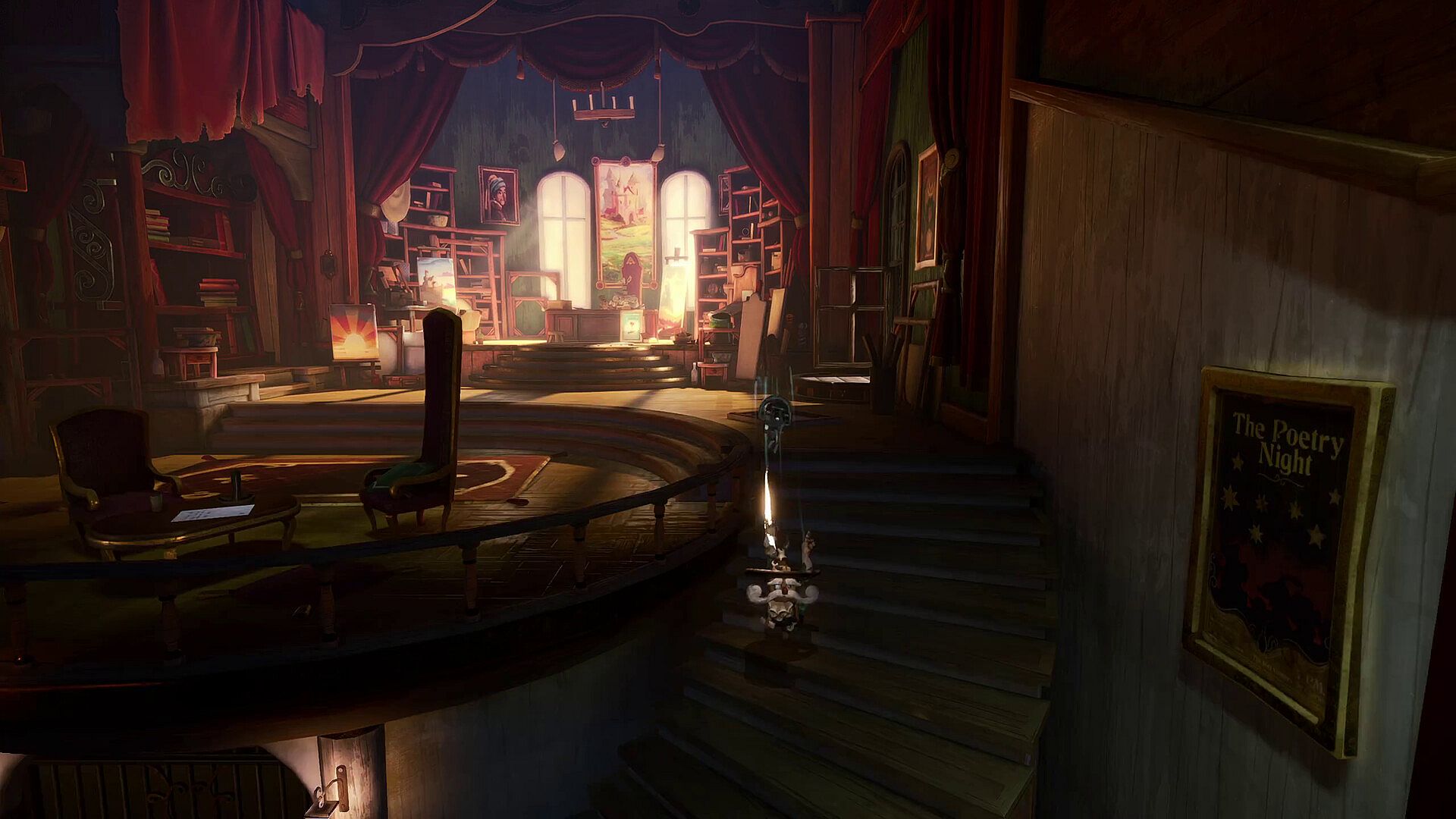
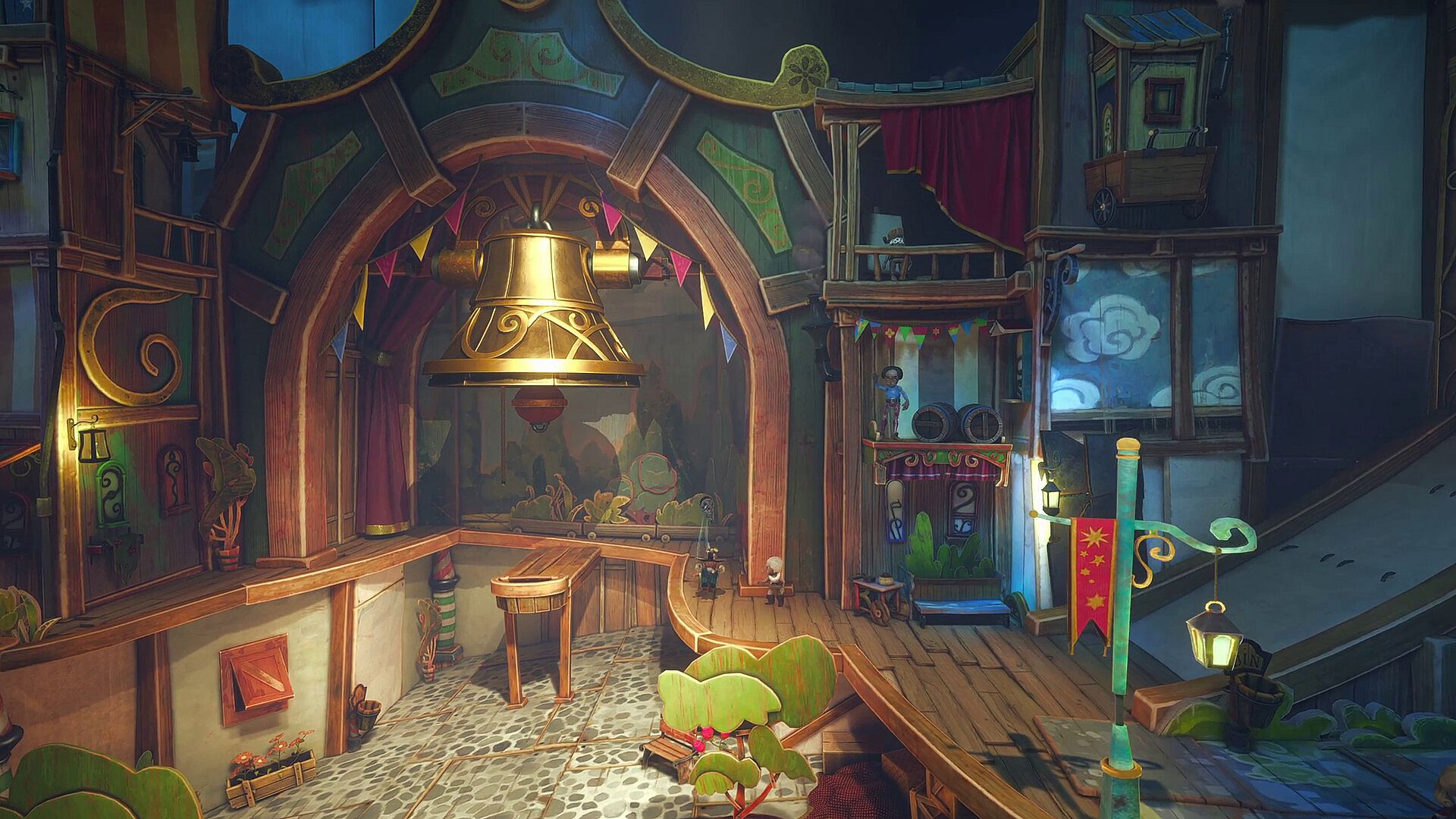
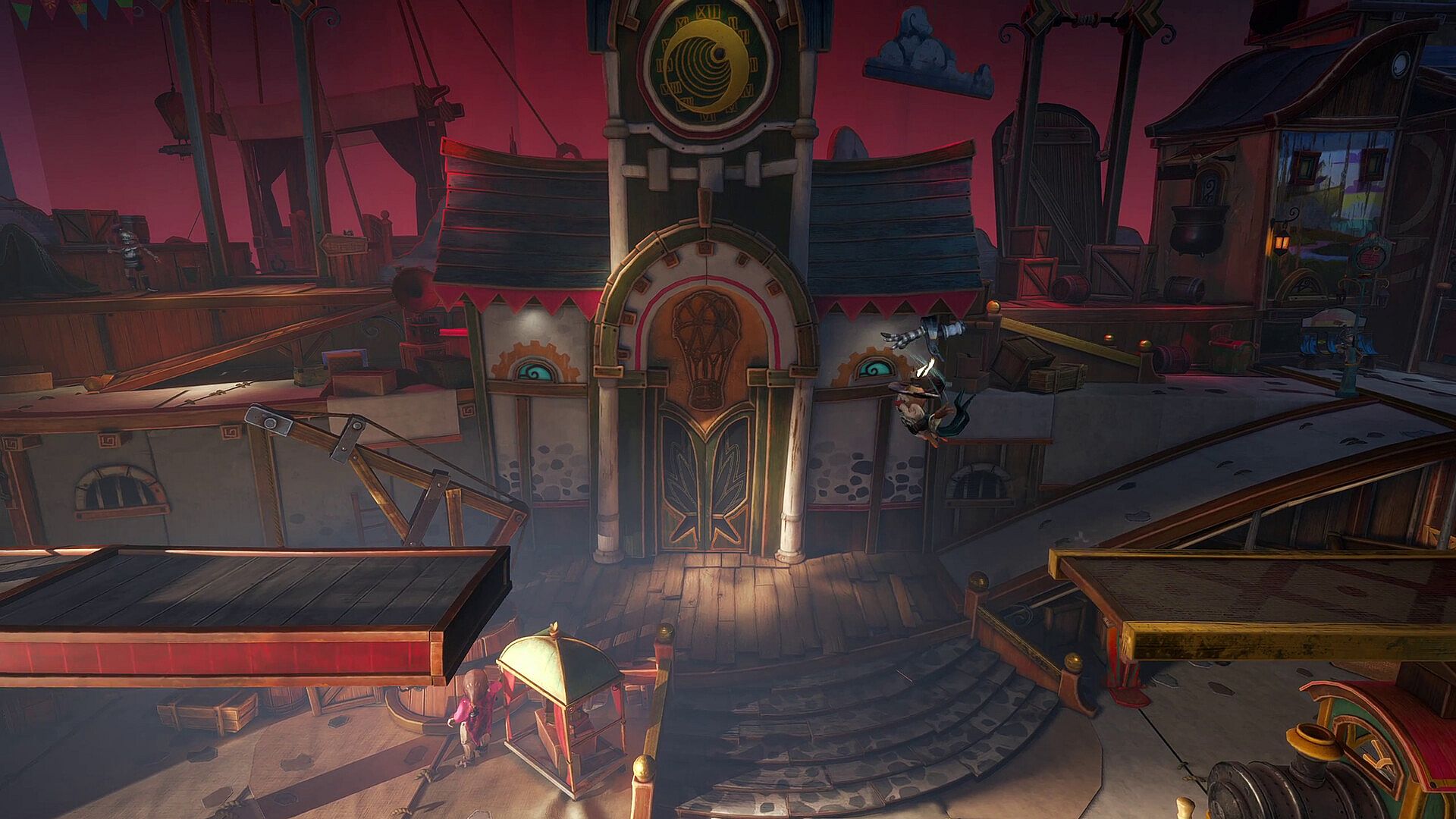
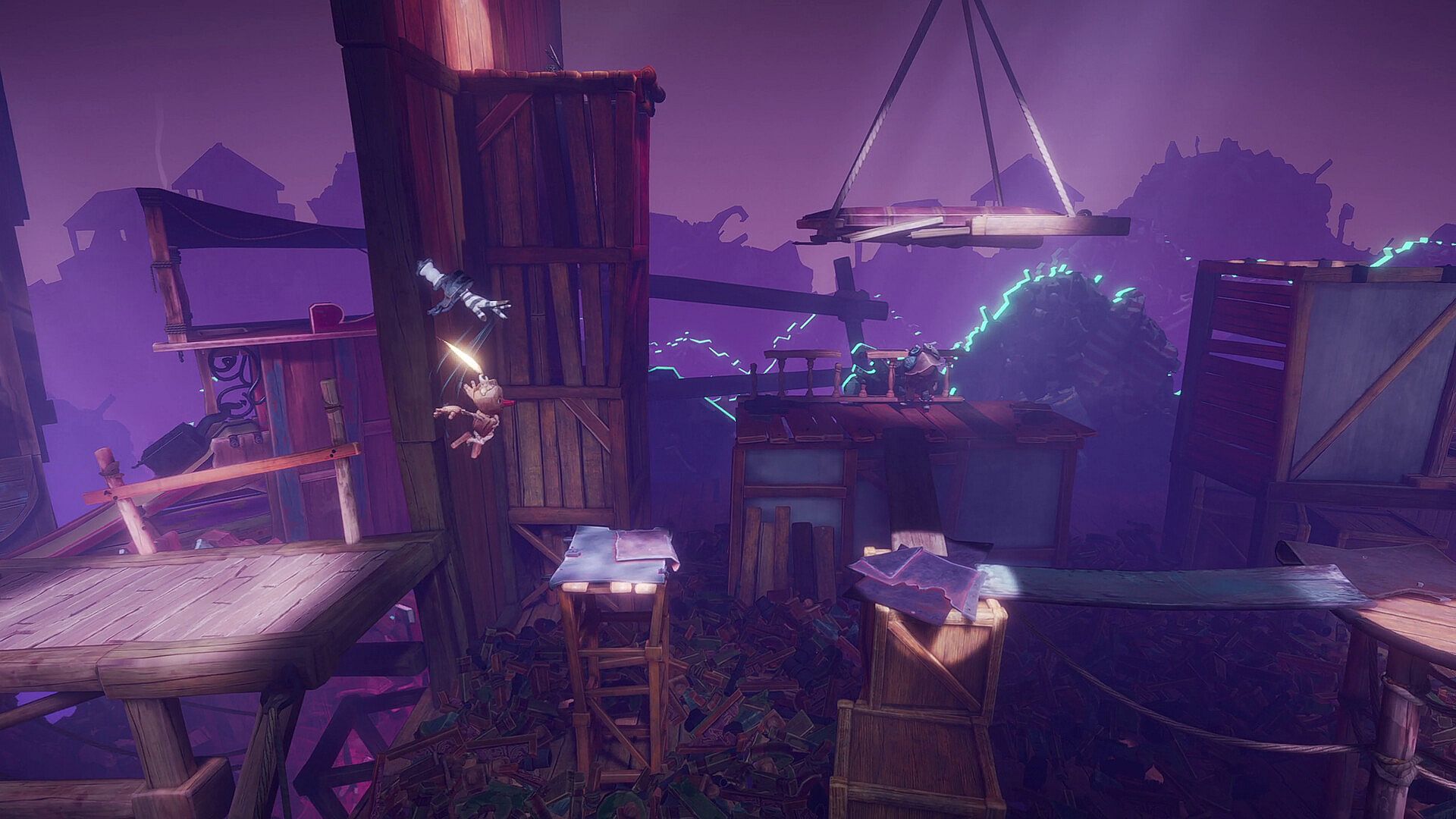
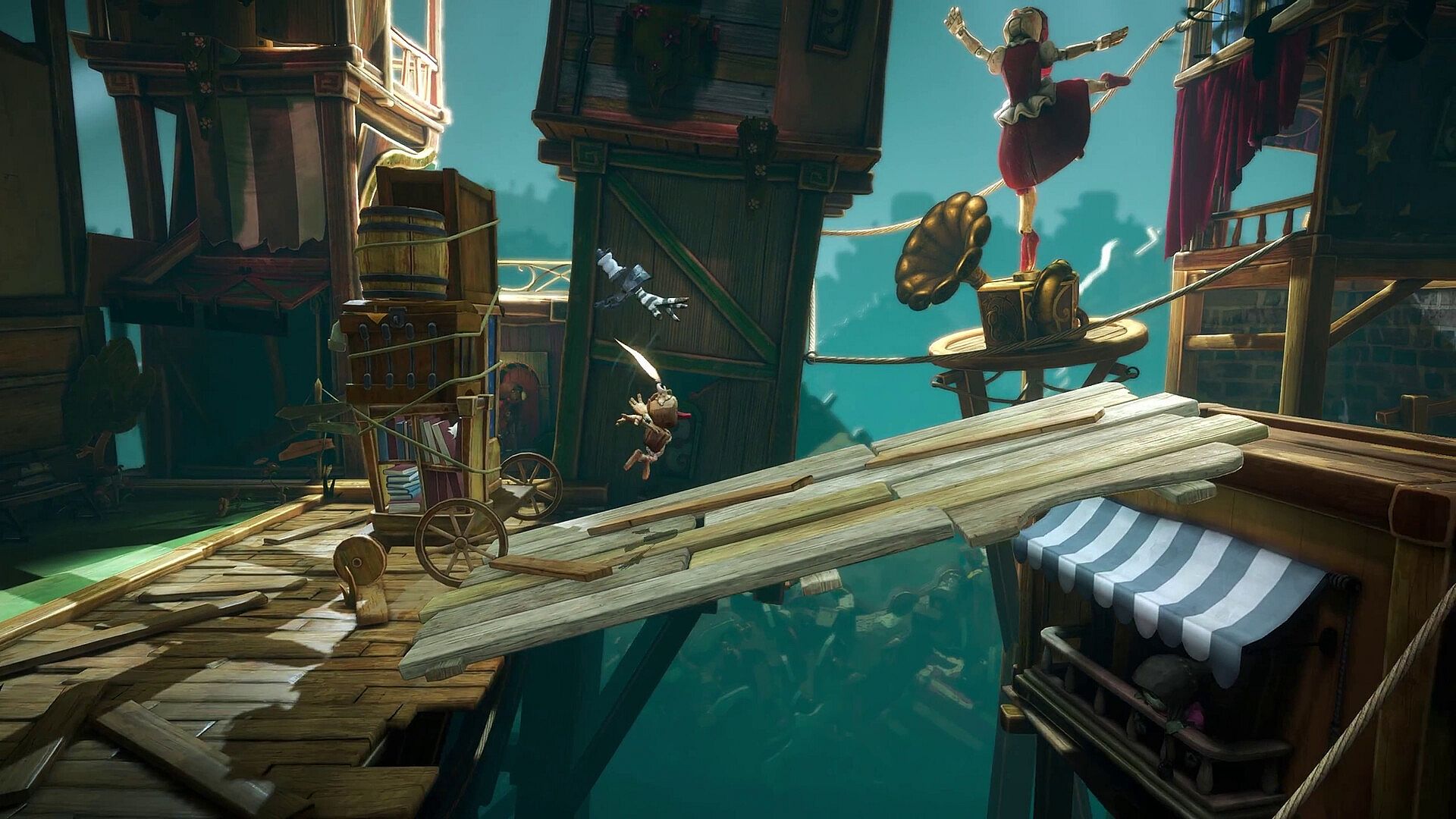
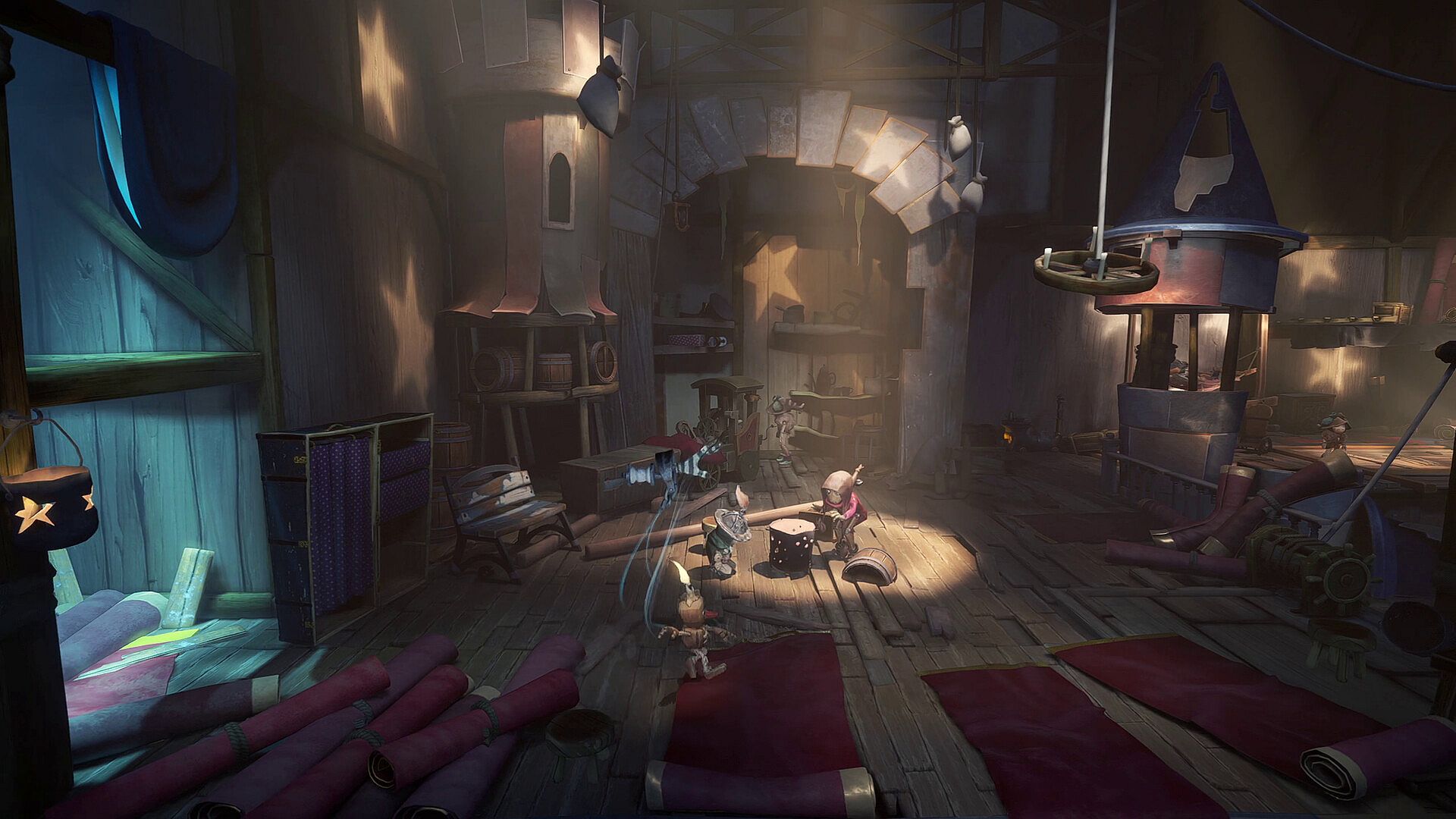
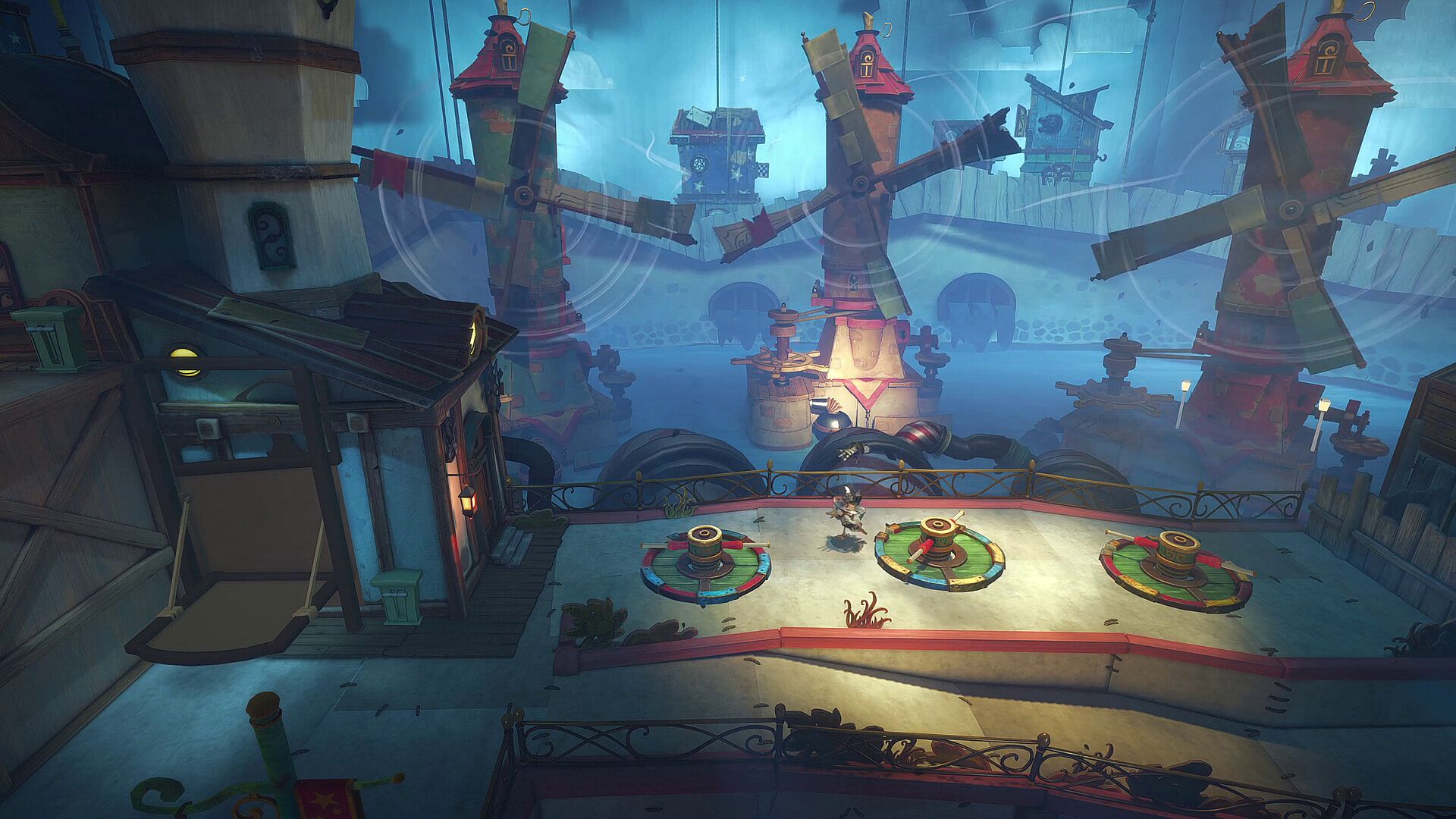
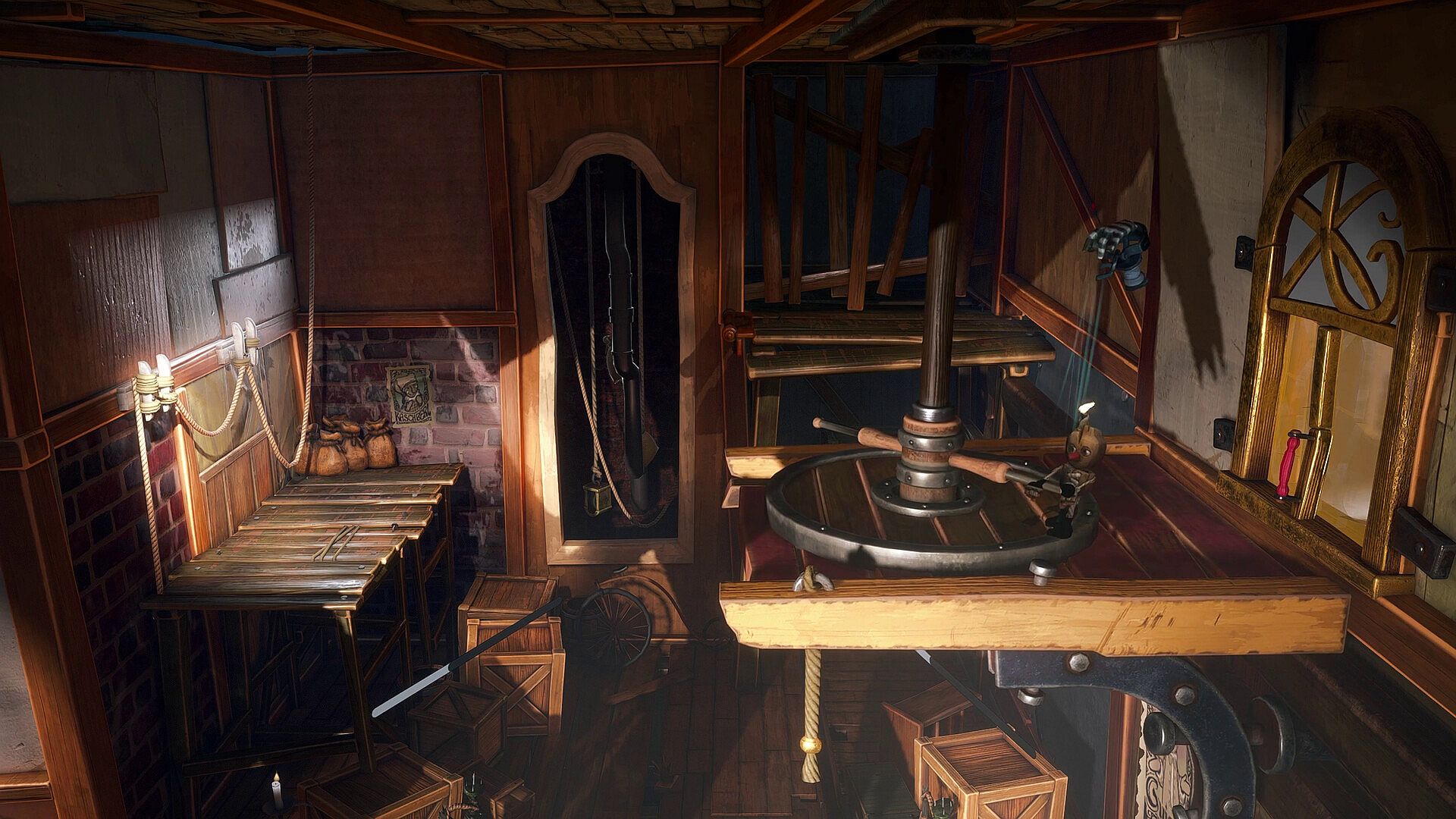
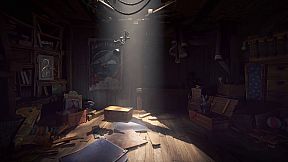
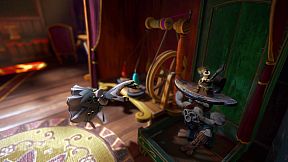
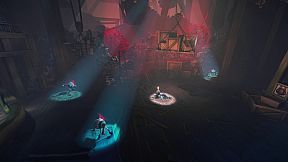
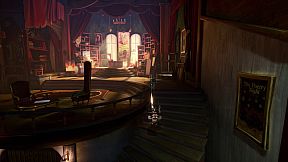
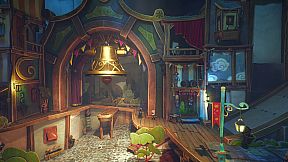
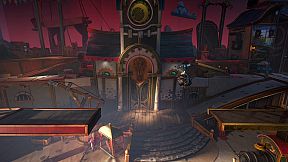
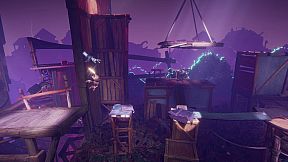

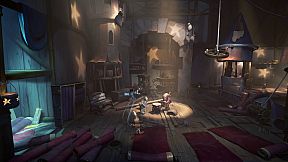
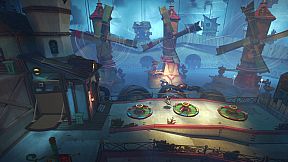
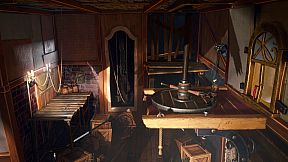
Once Upon A Puppet is a 2.5D puzzle-platformer adventure game that places players in a stylized theater kingdom filled with stages, props, and shadows. The experience centers on Nieve, an exiled stagehand, and her bound puppet companion Drev as they navigate the Understage and work toward the Frontstage above. Core play combines platforming jumps and traversal with puppetry controls that let players manipulate Drev's strings for movement, interactions, and puzzle solutions while Nieve handles positioning and environmental adjustments.
Gameplay
Players switch between direct control of Nieve and string-based puppet commands for Drev. This dual system drives both movement across theatrical platforms and creative puzzle-solving, such as positioning Drev to reach distant switches or objects. Scene-setting mechanics require arranging props, backdrops, and characters to reconstruct stages and replay key moments from the kingdom's past. These actions reveal story details while advancing progress through levels that shift between present dangers and historical flashbacks.
Combat elements involve confronting shadowy creatures that threaten to extinguish lights and end performances prematurely. Encounters mix direct action with stealth and chase sequences that leverage the puppet mechanics for evasion or counterplay. A cast of dozens of characters delivers hundreds of lines of dialogue that flesh out relationships and the central conflict against a heartbroken king. Collectibles scattered throughout stages reward exploration and observation, while the soundtrack and sound design emphasize the theatrical atmosphere with orchestral cues and stage-specific effects.
Game Modes
The game delivers its content through a single-player campaign structured around sequential stages in the theater world. Progression follows a linear narrative path focused on story beats, puzzle challenges, and platforming sections that build on the puppeteer and puppet dynamic. No separate multiplayer or competitive modes exist; the emphasis remains on solo exploration of the world, character interactions, and mechanical mastery within the main journey that typically spans five to six hours.
Story and World
The narrative follows Nieve's self-doubt and Drev's ambition as they form an unlikely partnership bound by magic and circumstance. Their quest uncovers secrets about the theater kingdom while confronting personal fears and larger threats from the shadows. Stages serve as both gameplay arenas and storytelling devices, with visual shifts between past and present reinforcing themes of friendship, redemption, and the power of performance. Handcrafted dialogue and an ensemble of supporting characters add depth to the fairy-tale tone without overwhelming the platforming focus.
Is It Worth Playing?
Once Upon A Puppet suits players who enjoy narrative-driven puzzle-platformers with inventive mechanics and a distinctive visual style. Its strengths lie in the integrated puppet control system, detailed theater-inspired environments, and emotional character arcs that reward completion of the campaign. Some technical glitches and occasional pacing issues appear in player feedback, yet the overall reception highlights the charm of the core loop and the satisfaction of solving creative puzzles. Those seeking a concise, story-focused indie adventure on PC will find the experience engaging, particularly if they appreciate games that blend platforming precision with light environmental manipulation and dialogue-heavy world-building. The short length makes it accessible for a focused playthrough rather than extended sessions.














