






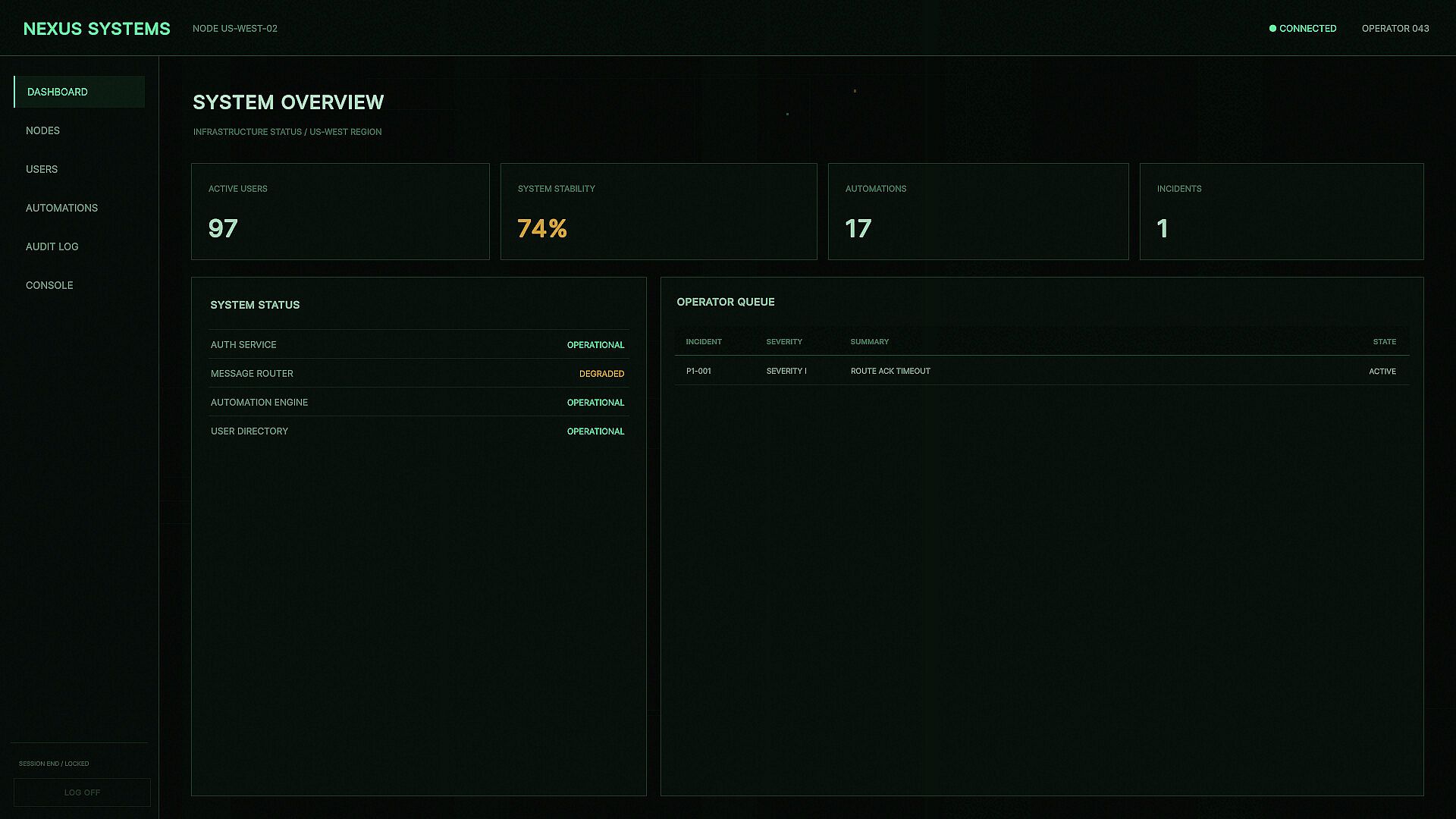
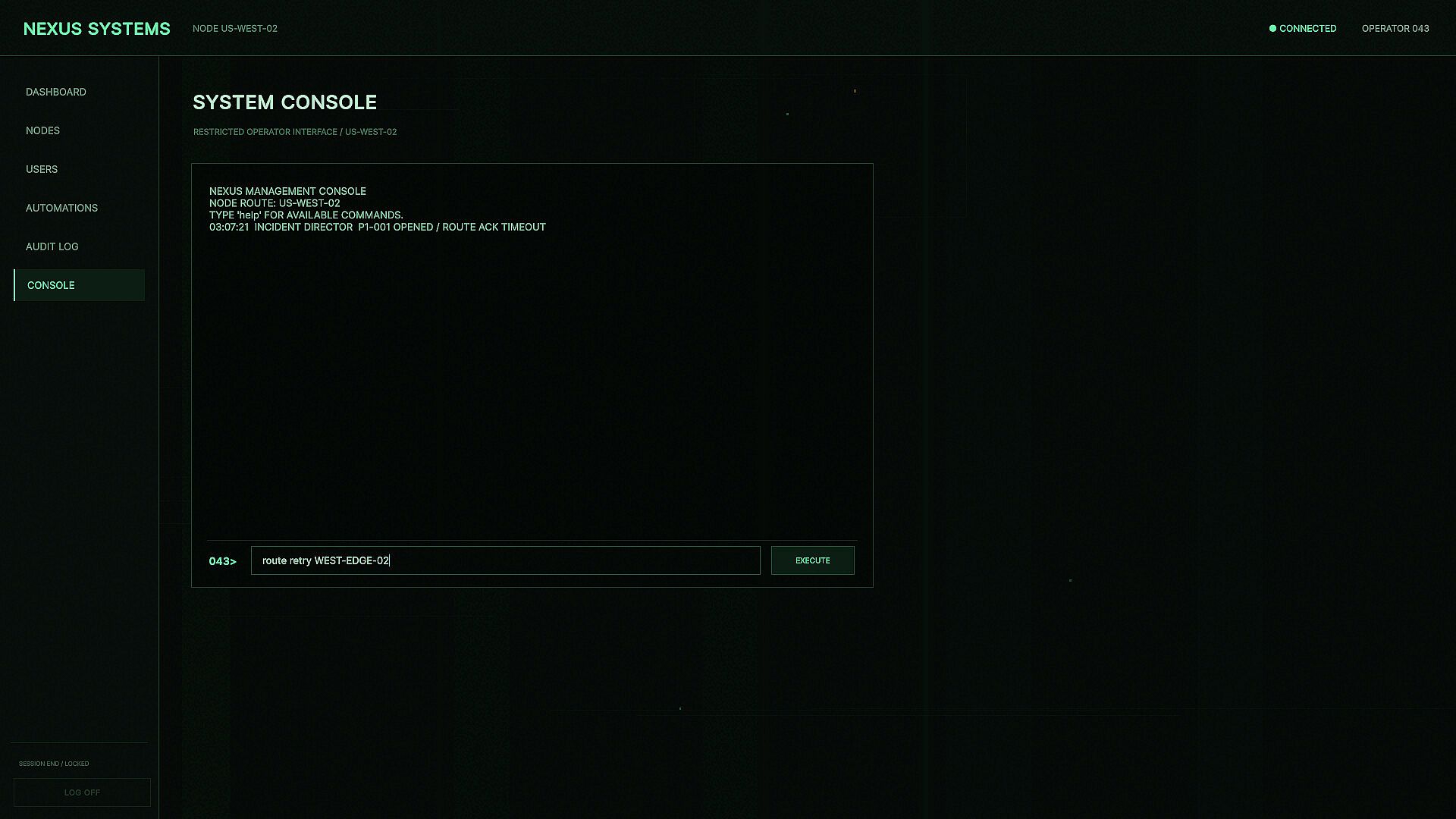
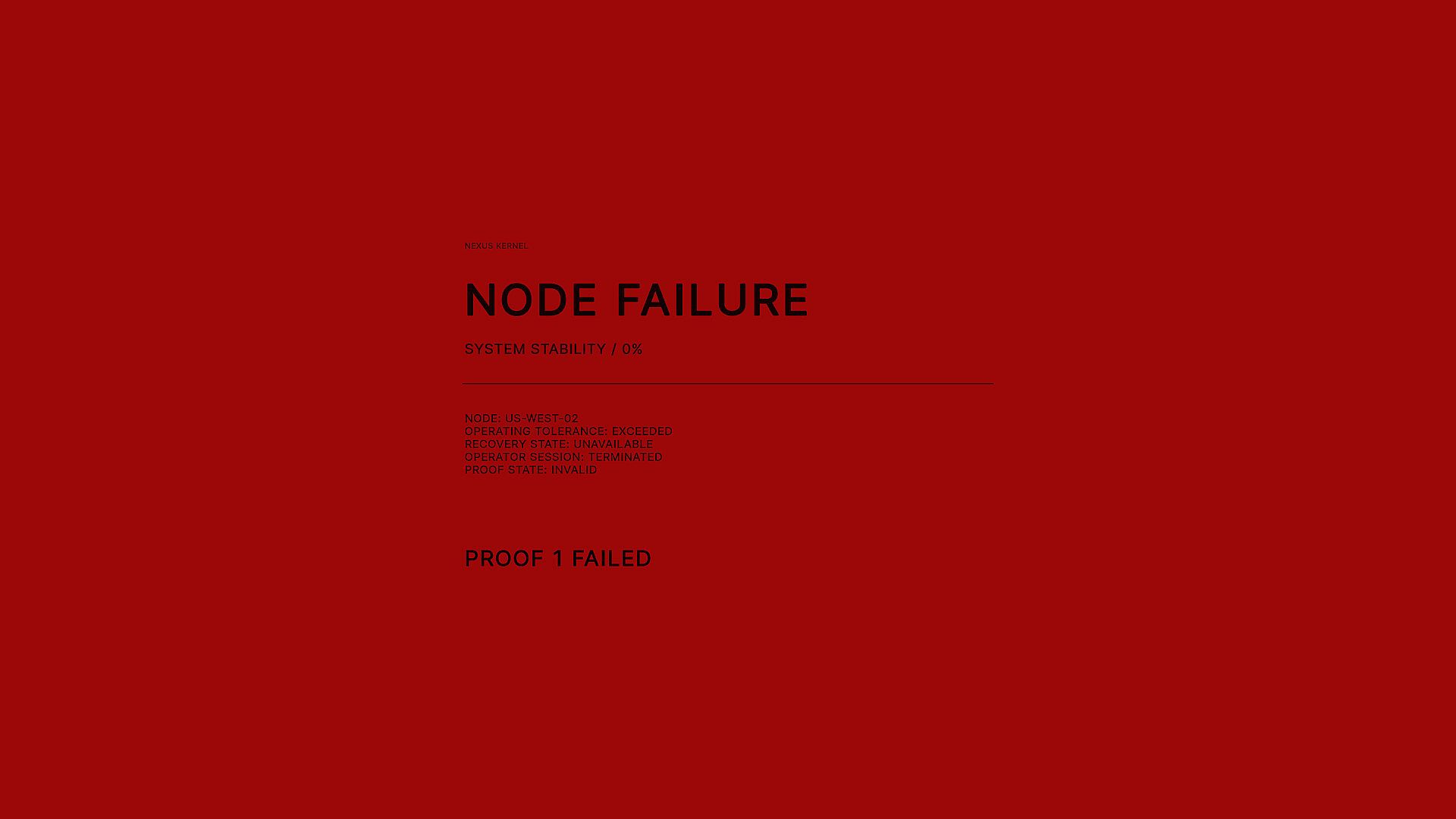

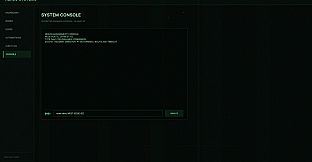
NODE ZERO is a single-player sci-fi mystery puzzle simulation game set in an abstract digital environment. Players step into the role of an operator managing a failing network through a terminal-inspired interface, where routine checks reveal deeper layers of corruption and instability. The experience emphasizes careful observation of logs, evidence fragments, and system data to uncover what went wrong, all while the network degrades toward zero stability.
Gameplay
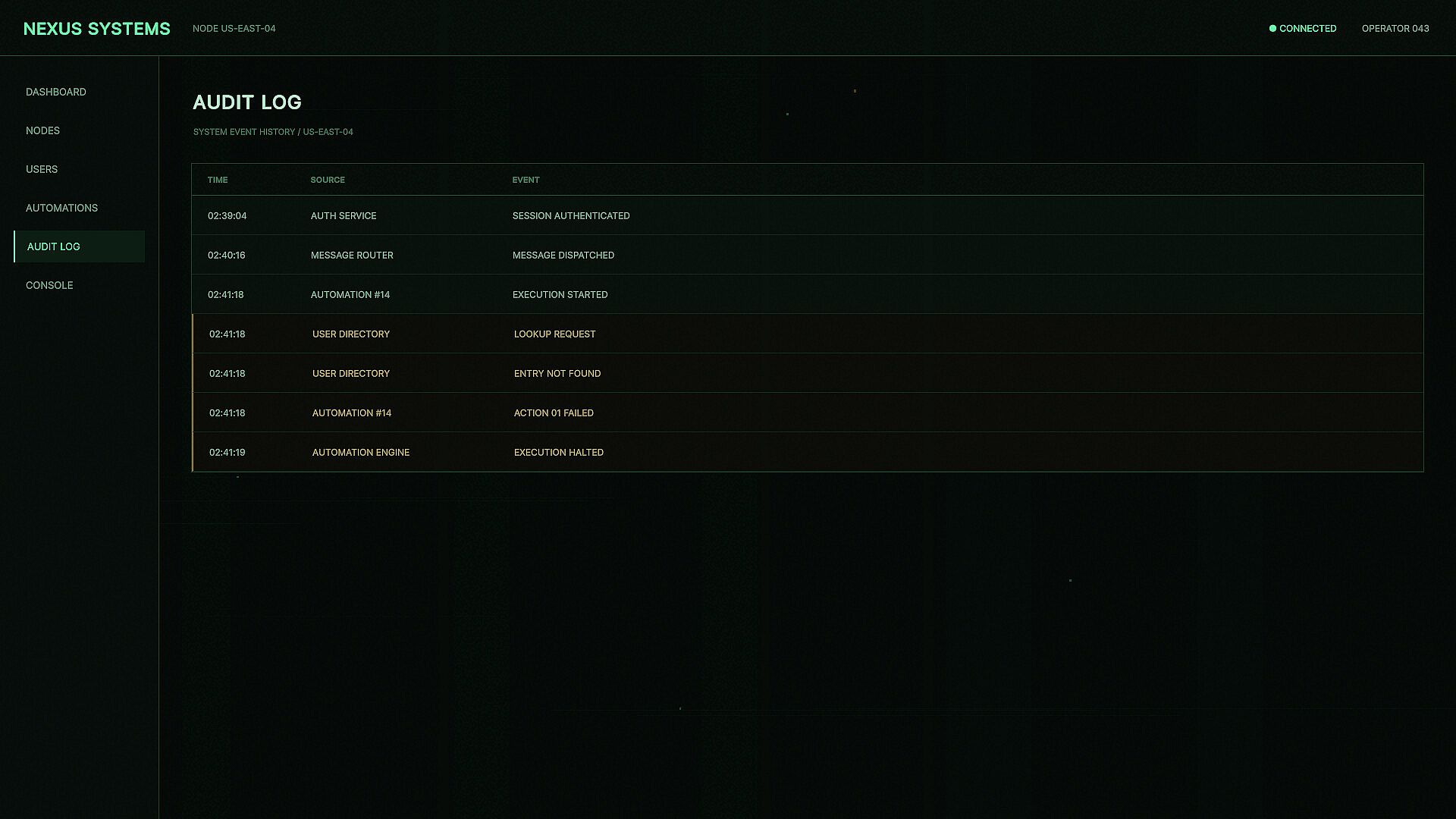
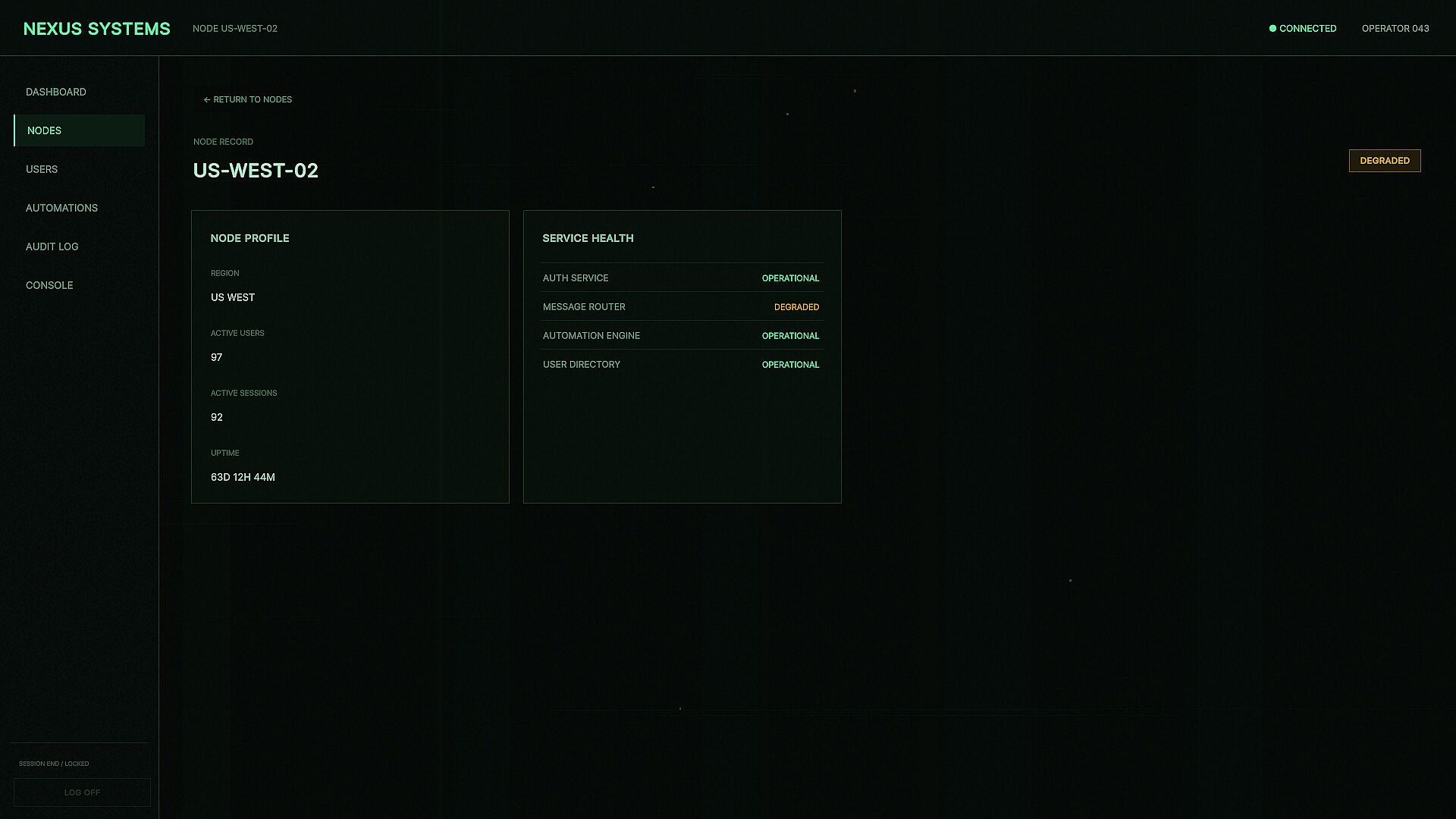
The core loop revolves around navigating corrupted interfaces and interpreting fragmented information across layered digital systems. Each session involves searching logs, examining evidence, and making connections between disparate pieces of data. Progression depends on deduction rather than action, as players piece together incidents that affect the overall network health. The interface remains clean and stylized, presenting information in a way that rewards attention to detail and cross-referencing across multiple screens or records. As stability drops, the system introduces more instability, forcing operators to adapt their approach to keep the node functional.
Psychological tension builds through unsettling system behaviors and an increasingly adaptive environment that responds to player actions. The focus stays on interpretation and decision-making within the NEXUS management client, where every choice influences how evidence appears and connects. This creates a deliberate pace suited to those who enjoy methodical investigation over fast-paced challenges.
Game Modes
NODE ZERO offers two Operator Assistance modes that adjust the level of support during investigation runs. Guided mode provides stronger clue support and highlights key evidence, allowing players to follow trails with more direct direction. Standard mode delivers the same core information and systems but with reduced assistance, increasing the demand on personal observation and deduction skills. Both modes share the same underlying mechanics, including persistent run progression and isolated proof sessions, so players can switch based on preference or experience level.
These modes form the primary variation in how the game presents its challenges. No additional multiplayer or competitive elements exist, keeping the experience centered on individual exploration of the digital network and its incidents.
Evidence and Progression Systems
Progression builds around completing multiple proofs, each representing a distinct incident or layer of the network failure. Players collect and connect evidence to resolve these proofs, with later ones planned to increase complexity and adaptive system responses. The current early access build focuses on initial proofs alongside core systems like stability management and node degradation. Future updates aim to expand the sequence of proofs while refining interface clarity and incident behaviors based on player input.
The game structures its narrative through these evidence-driven revelations rather than direct exposition. Hidden patterns and buried records emerge only through careful analysis, rewarding repeated sessions or different assistance settings with new insights into the world's underlying issues.
Is It Worth Playing?
NODE ZERO targets players who appreciate atmospheric puzzle experiences built on observation and logical connections rather than reflexes or combat. Its single-player focus and terminal-style interface create a contained, introspective session length ideal for short or extended play periods. The two assistance modes make it accessible to different comfort levels with deduction-heavy gameplay.
As the title remains in early access with an initial release centered on the first proofs, interested players can expect ongoing refinements to investigation paths and balance. Those drawn to psychological horror elements delivered through system instability and isolation themes will find the current foundation aligns closely with the described mechanics. The absence of user reviews at this stage means expectations should center on the verified features of evidence collection, mode selection, and network management rather than polished narrative conclusions.











