







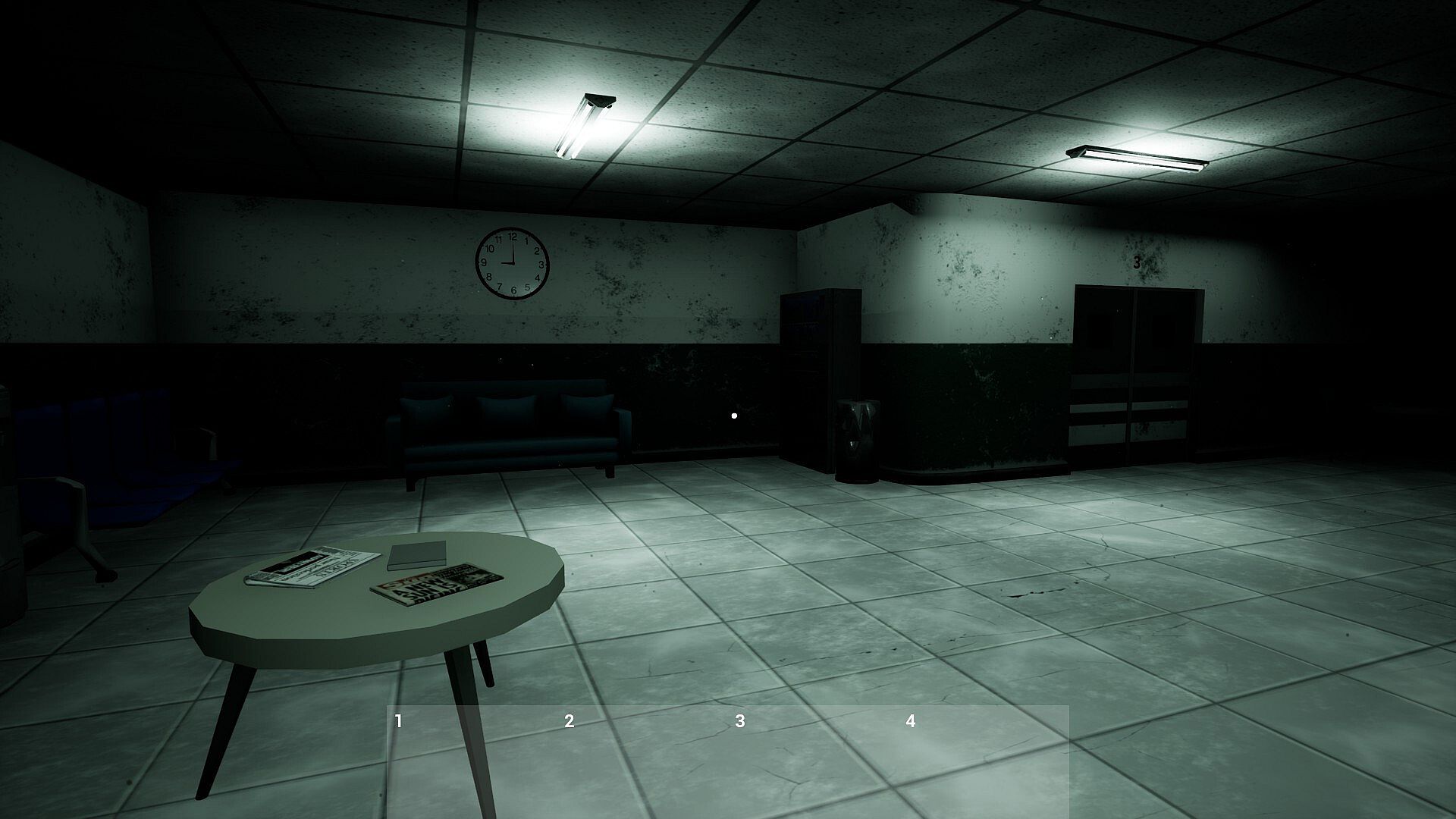
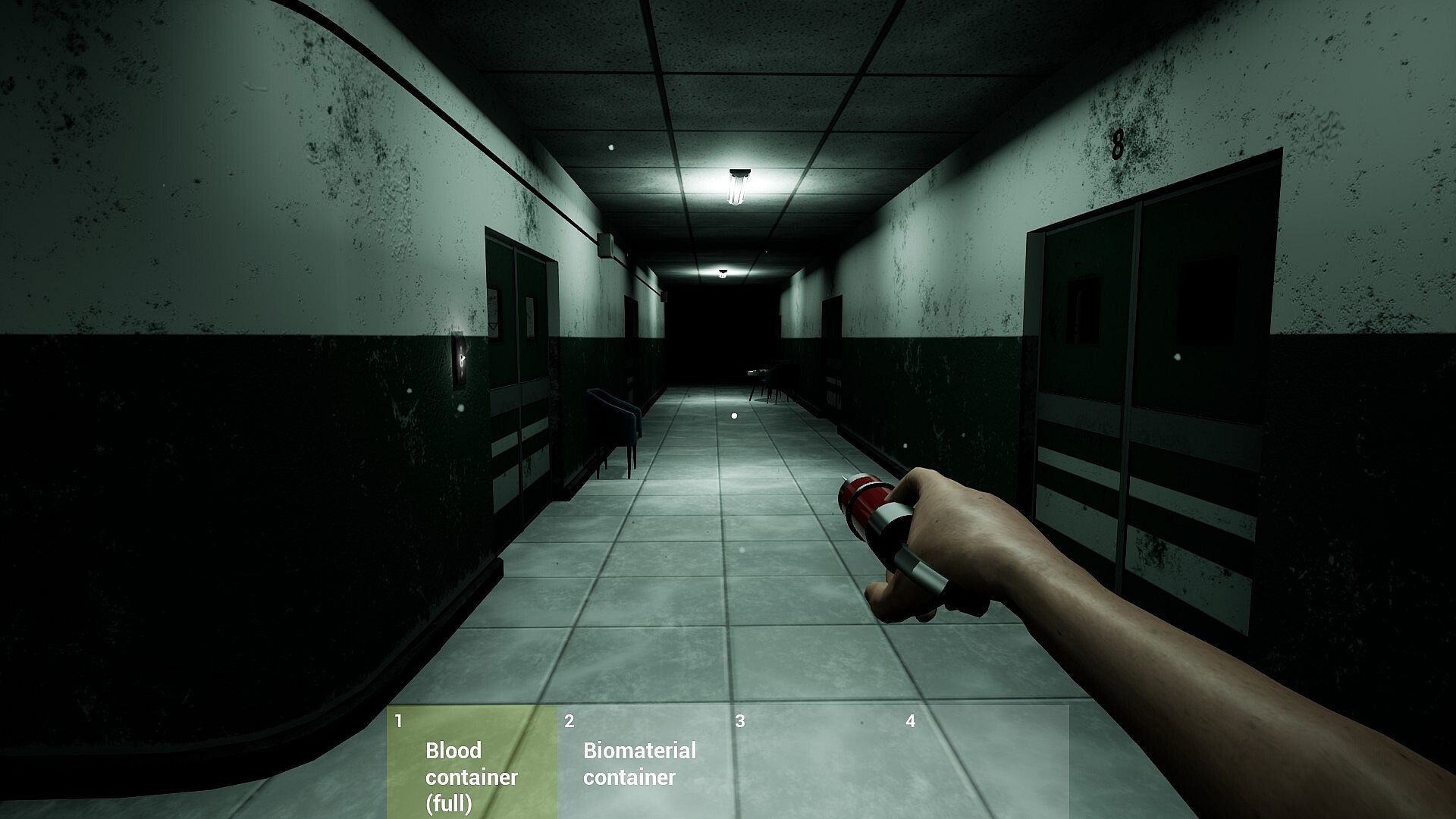
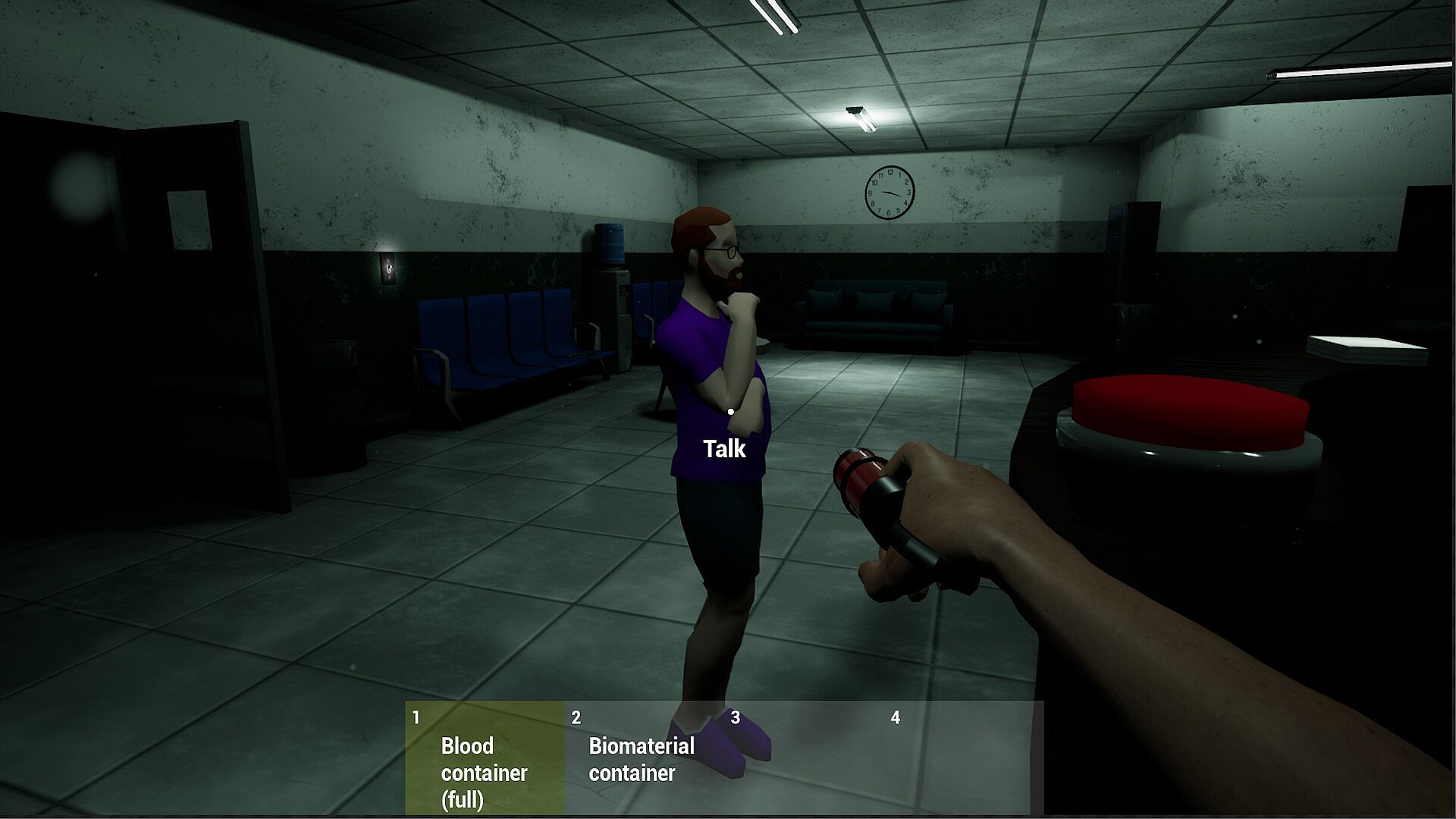
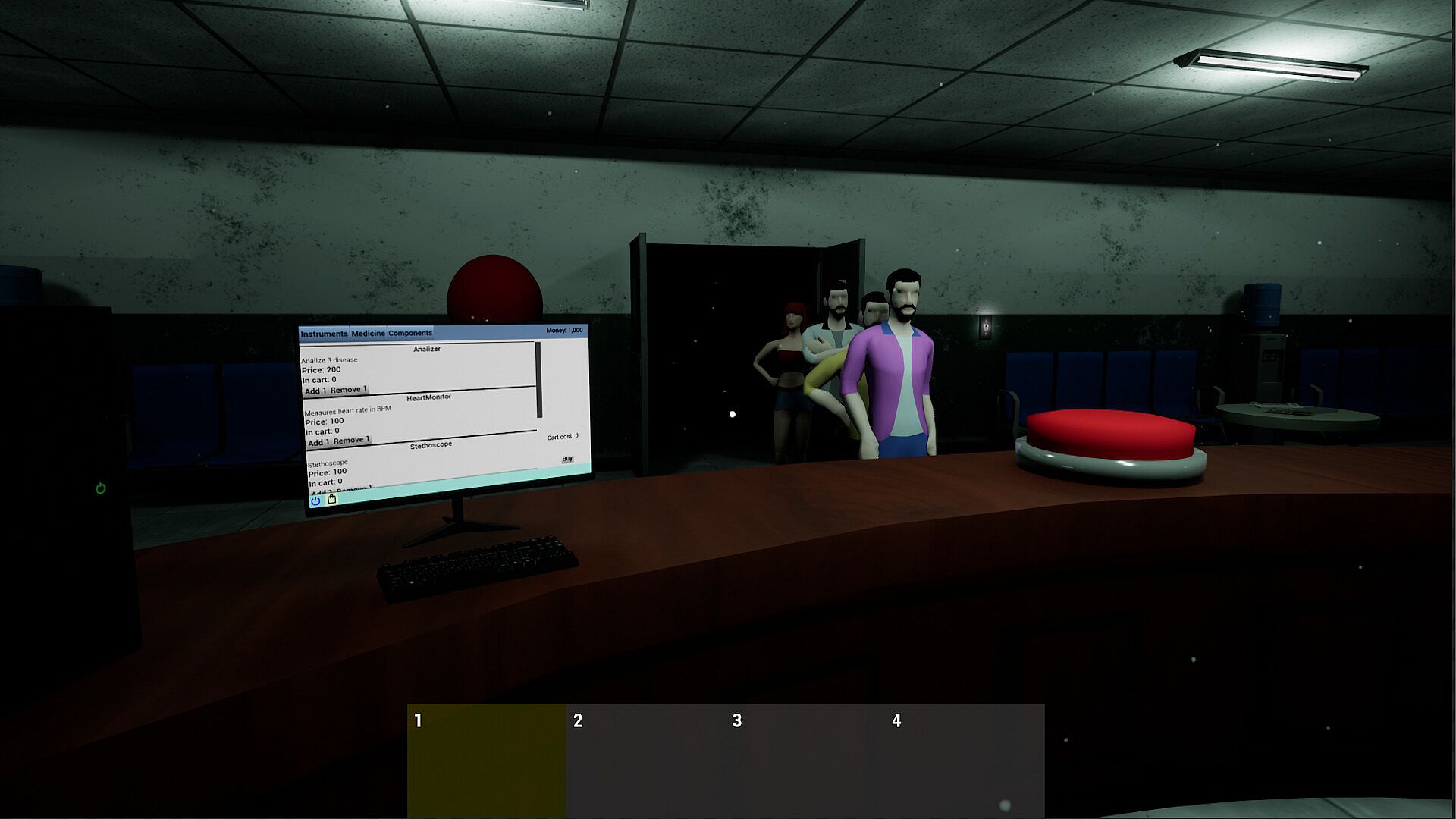

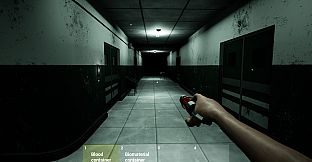
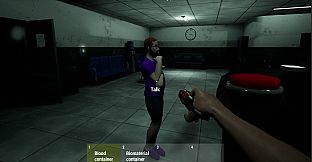
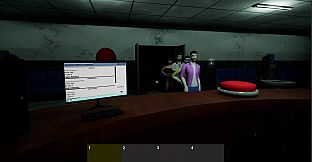
No Emergency: Pestilence is an indie simulation game set in a small town clinic where players manage patient care amid an emerging epidemic. Up to six participants work together to admit arrivals, perform examinations, and develop treatments before an unknown pathogen spreads further. The experience centers on careful observation and resource management rather than action or combat.
Gameplay
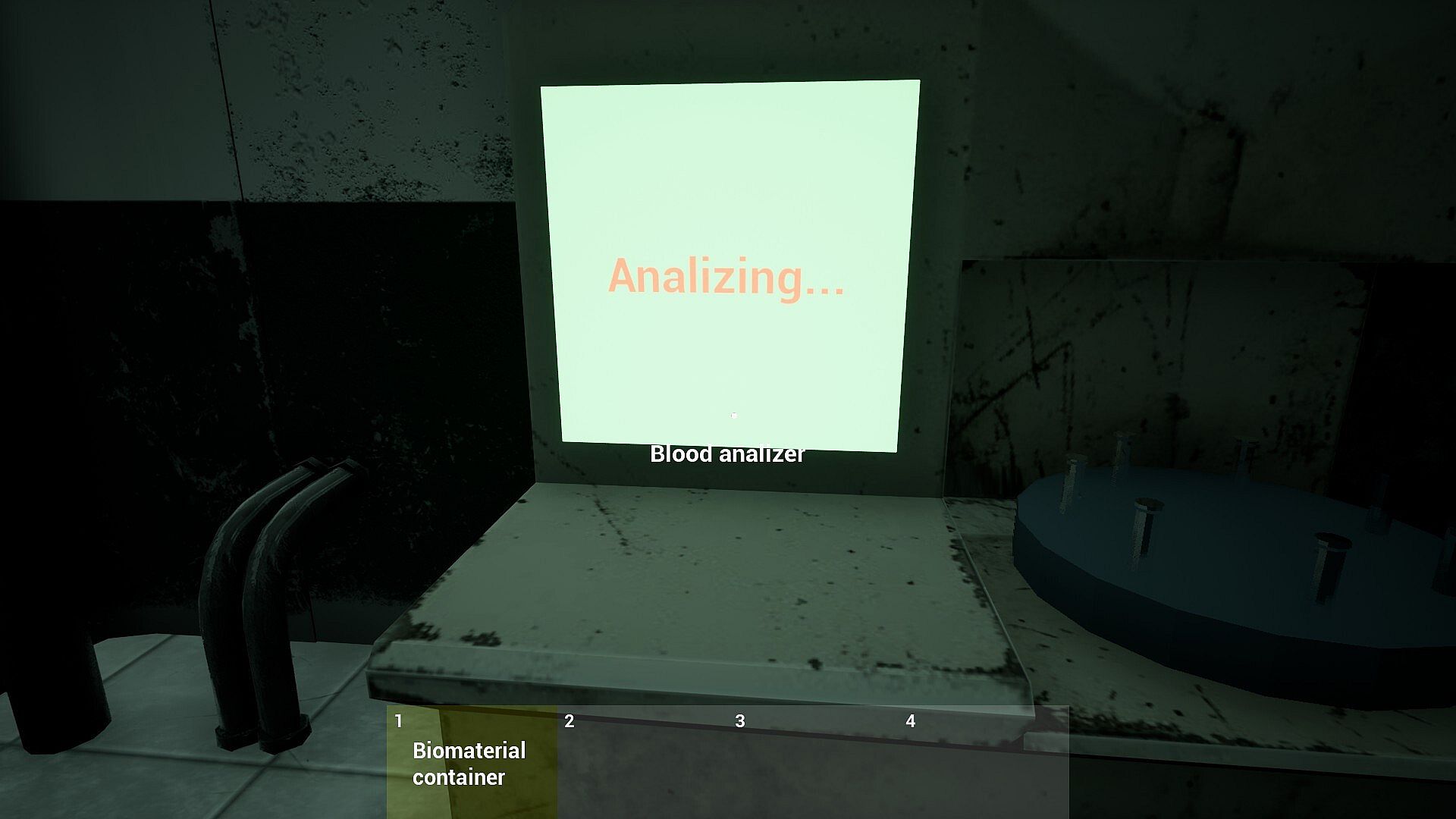
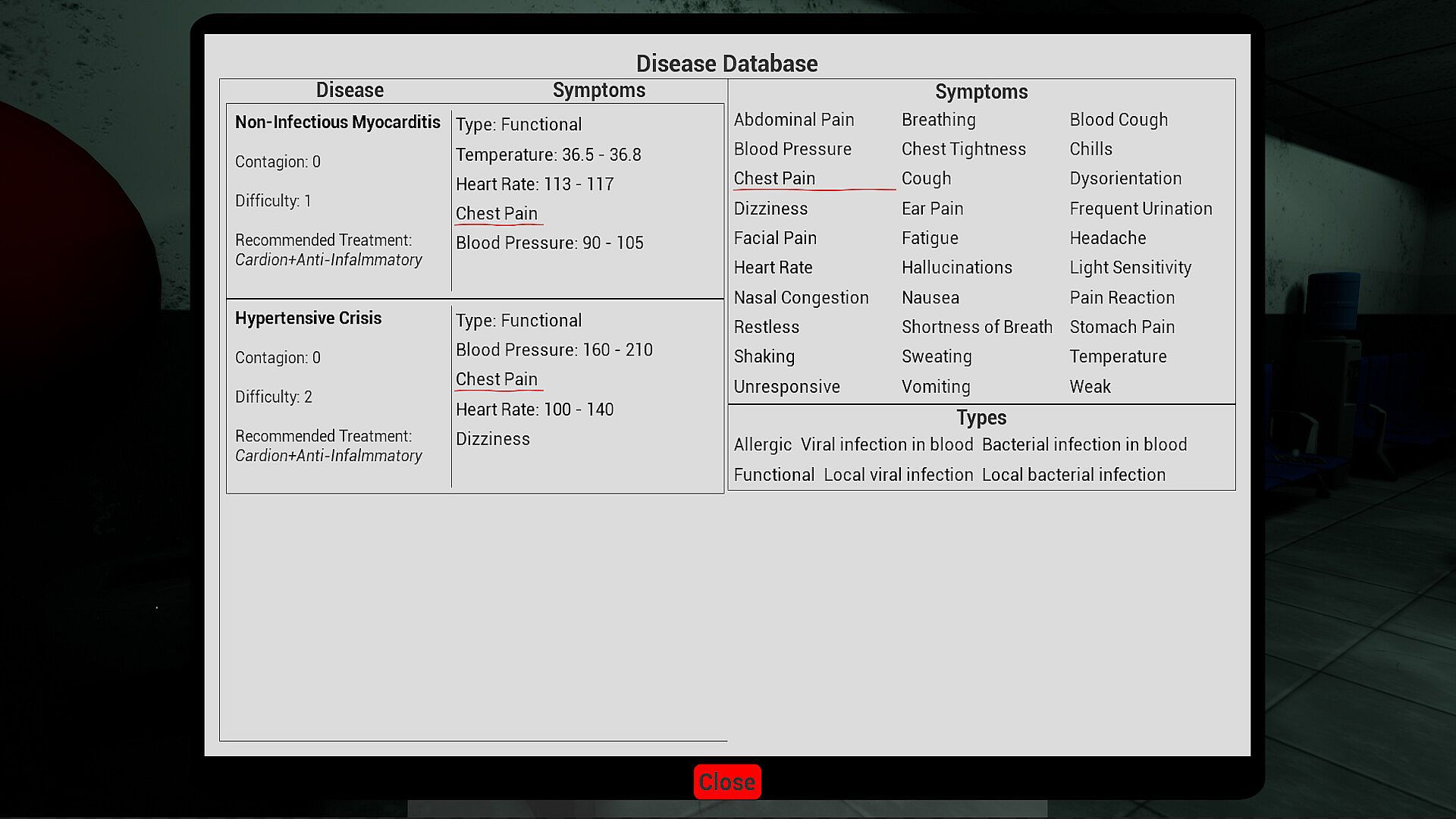
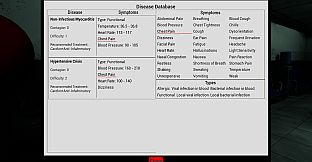
Players begin each shift by admitting individuals who present with various symptoms. Basic checks include measuring temperature and discussing reported feelings, while more involved steps involve blood tests and other diagnostic procedures. These steps build a profile of the condition at hand. Once information is gathered, attention turns to the laboratory where equipment combines selected components into custom medicines. Incorrect combinations risk worsening the patient's state, so choices carry direct consequences for outcomes. The overarching threat involves randomly generated special diseases that mutate and require targeted cures developed through repeated testing cycles. Coordination among the team helps divide tasks such as monitoring multiple patients or operating different stations simultaneously.
Game Modes
The game supports single-player sessions where one person handles all clinic duties across shifts. Online co-op and LAN co-op allow groups of up to six to share responsibilities in real time, with each participant controlling a colleague in the same hospital environment. Procedural generation of the special disease ensures that each session presents fresh diagnostic challenges even when replaying the same core loop. No additional named modes exist beyond these options in the current build.
Core Systems and Progression
Medicine synthesis forms a central loop that demands precise component selection to produce effective remedies. Diagnostic tools expand the information available about each case, reducing uncertainty when deciding on prescriptions. Responsibility for patient welfare means that rushed or mistaken decisions can lead to negative results, reinforcing the need for methodical play. The clinic operates under time pressure as the town faces the spreading ailment, with success measured by how many cases are resolved before complications arise. Early access allows ongoing adjustments to these systems based on player input.
Current State and Development
The title entered early access planning with a September 2026 release window. The present version focuses on diagnosis of common ailments alongside the hunt for cures to the special disease in cooperative settings. Future updates intend to add equipment such as MRI scanners, expanded symptom variations, and narrative elements tied to local groups. The developer has outlined a six-to-twelve-month early access period to refine balance and variety through community feedback.
Is It Worth Playing?
Those drawn to simulation titles that emphasize deduction, teamwork, and consequence-driven decisions will find the core loop engaging. The cooperative structure suits groups that enjoy dividing roles in a shared workspace, while single-player offers a focused test of individual judgment. With no completed reviews available and the game still in development, expectations should center on its current emphasis on patient examination and medicine creation rather than finished narrative or extensive content. Players interested in supporting an independent project through its refinement phase may appreciate the opportunity to influence future additions like new tools and faction interactions.












