




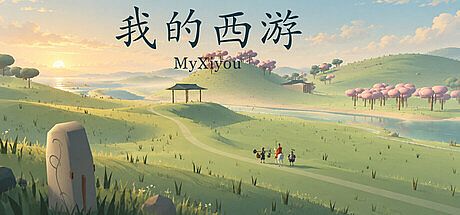





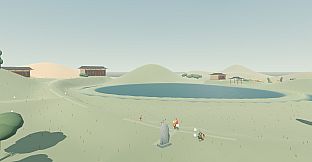

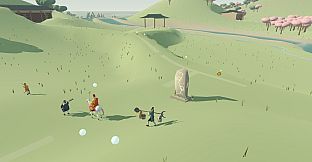



MyXiyou is a single-player 3D exploration adventure game in the indie and early access categories on PC. It draws inspiration from Journey to the West and blends open-world roguelite elements into its core loop of party management and world traversal. Players assemble a small group of characters, navigate procedurally generated landscapes, and pursue a pilgrimage route while managing resources and encounters along the way.
Gameplay
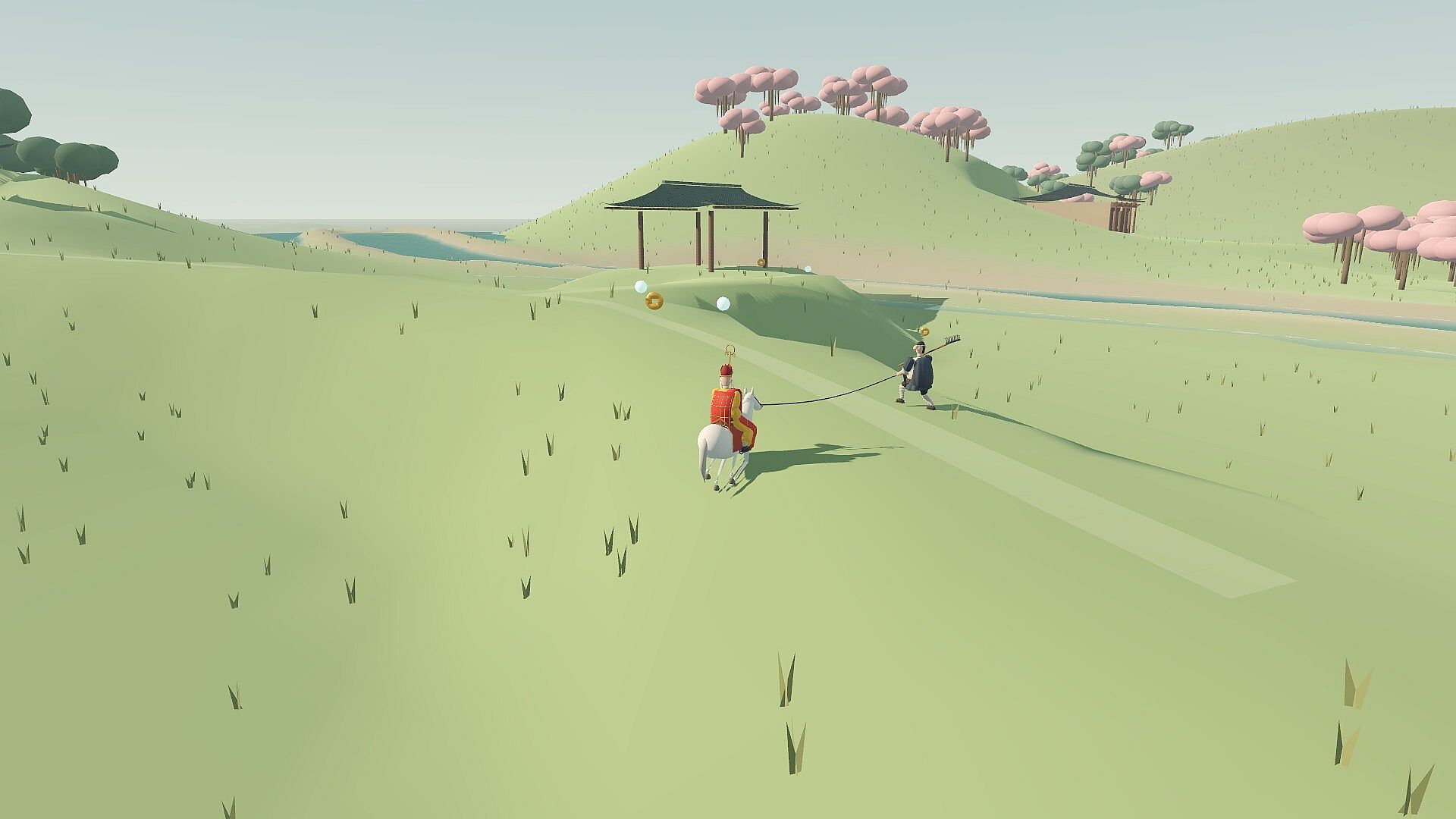
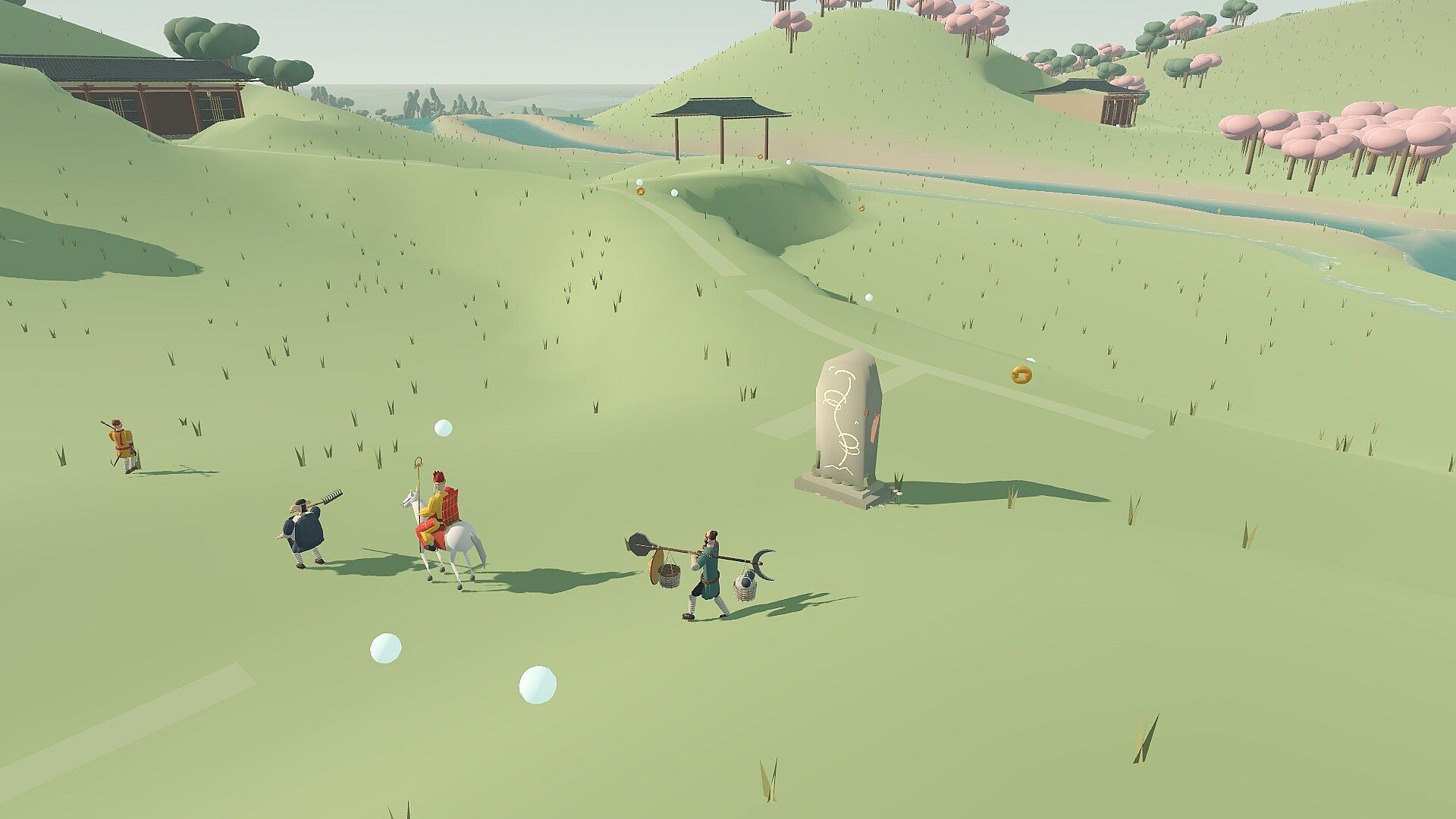
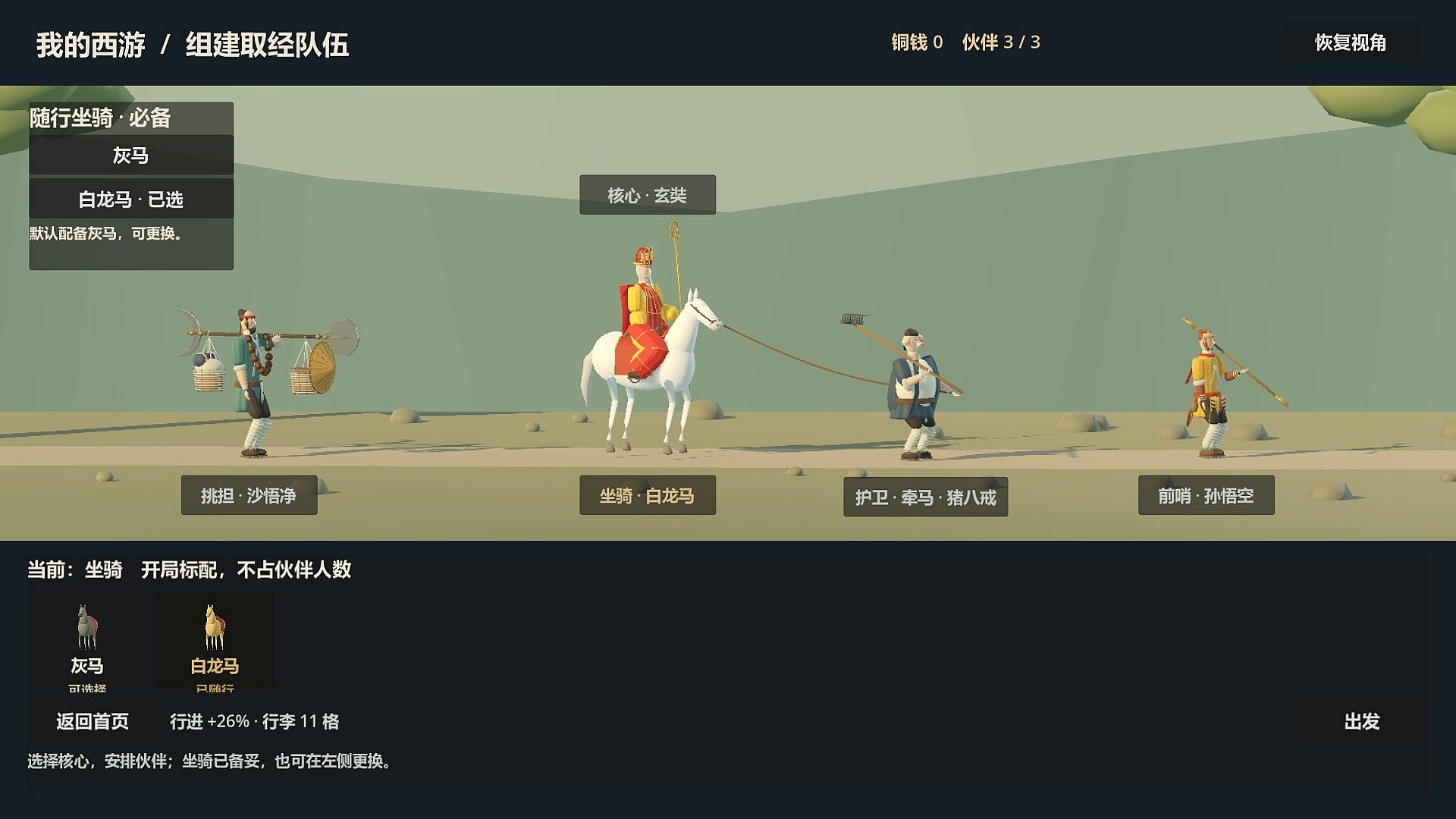
The central experience revolves around selecting a lead character and a mount, then unlocking and assigning up to three companions to specialized roles such as scout, guard, or baggage carrier. Certain characters offer dual forms, allowing them to serve as humanoid party members or transform into mounts without changing their names. Examples include the White Bone Demon shifting to a deer or Chang'e becoming a crane. Other mount choices feature a horse, a cloud, or Wind-and-Fire Wheels. Control switches freely among party members while the rest follow automatically.
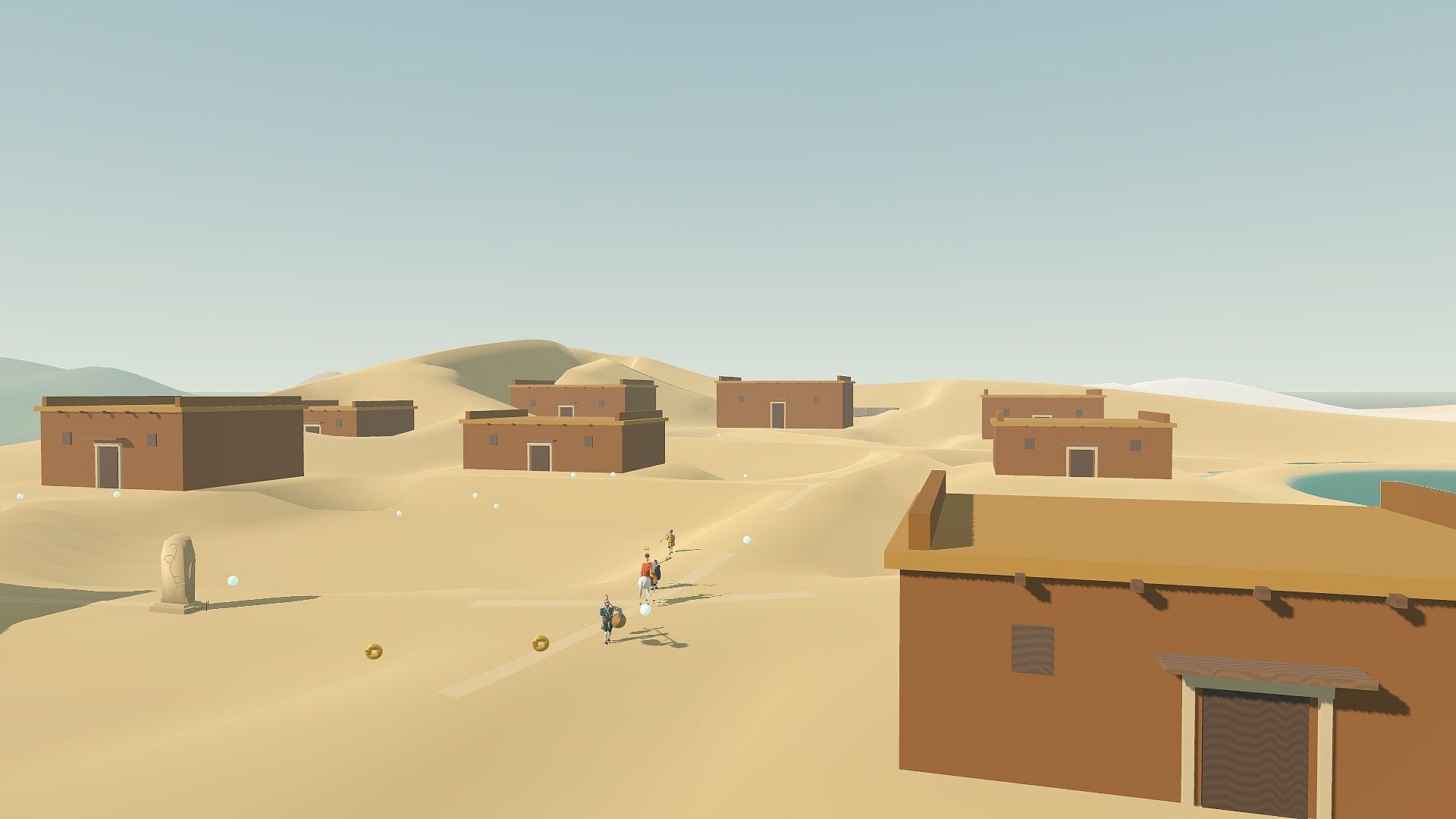
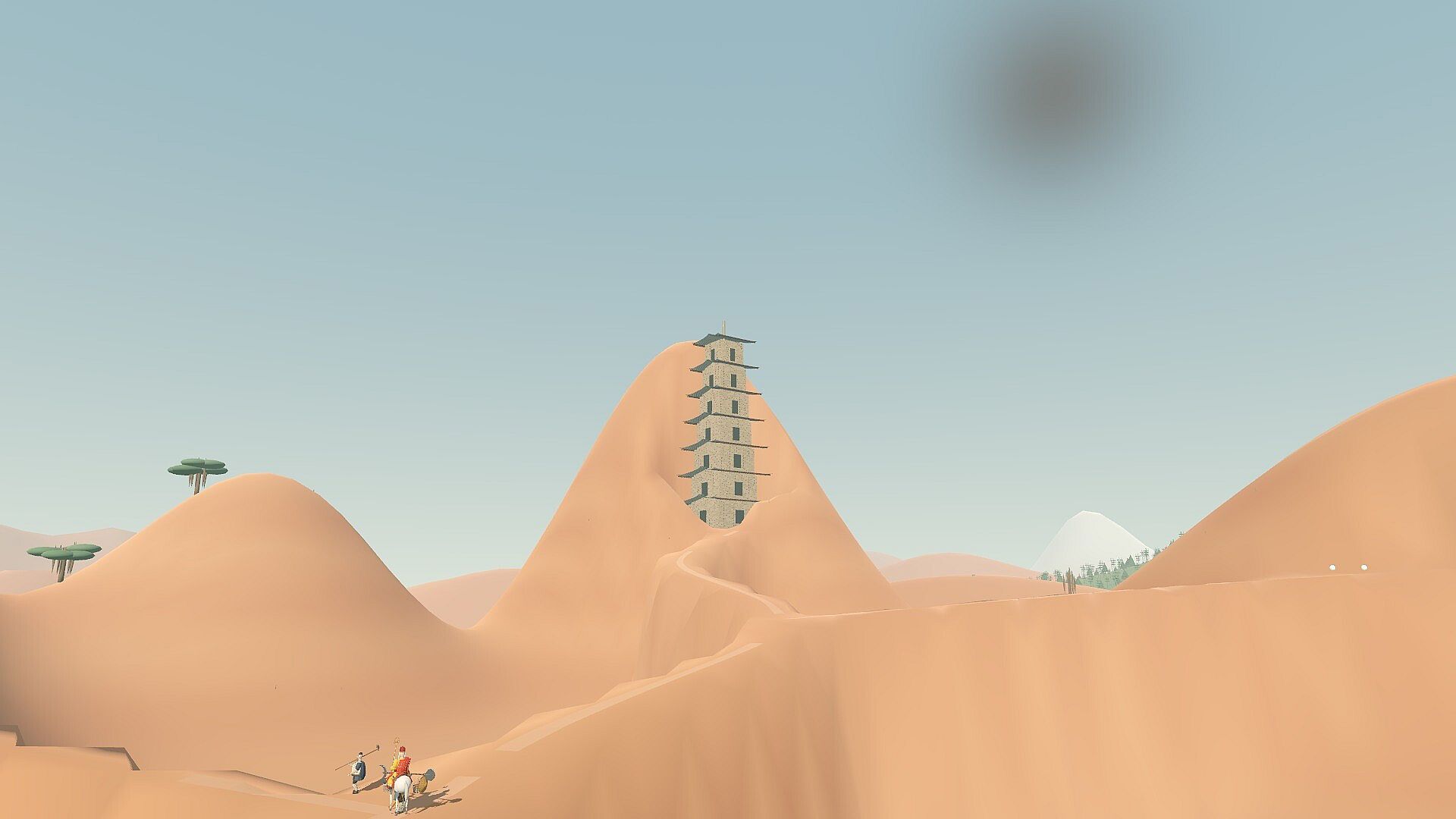
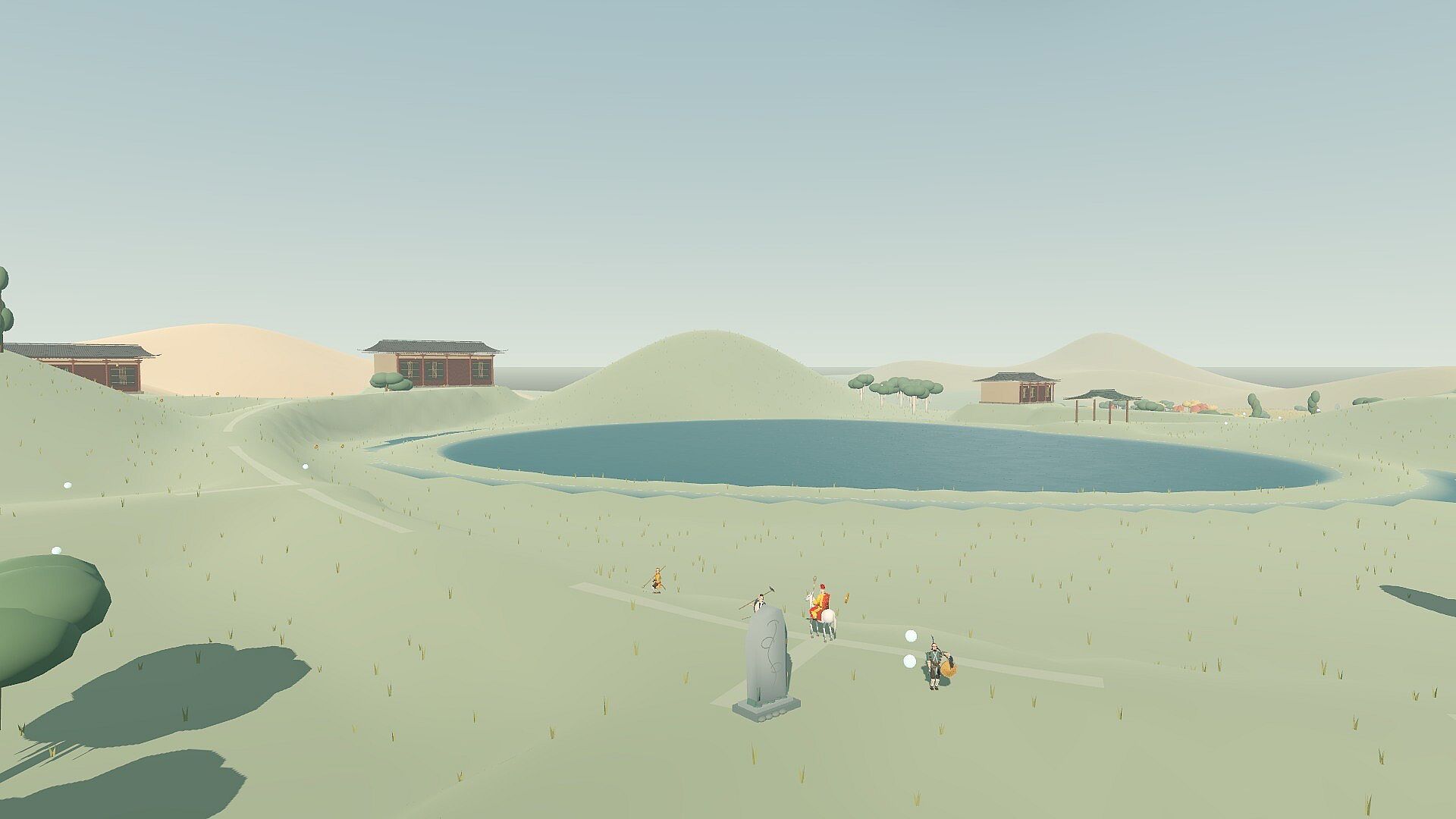
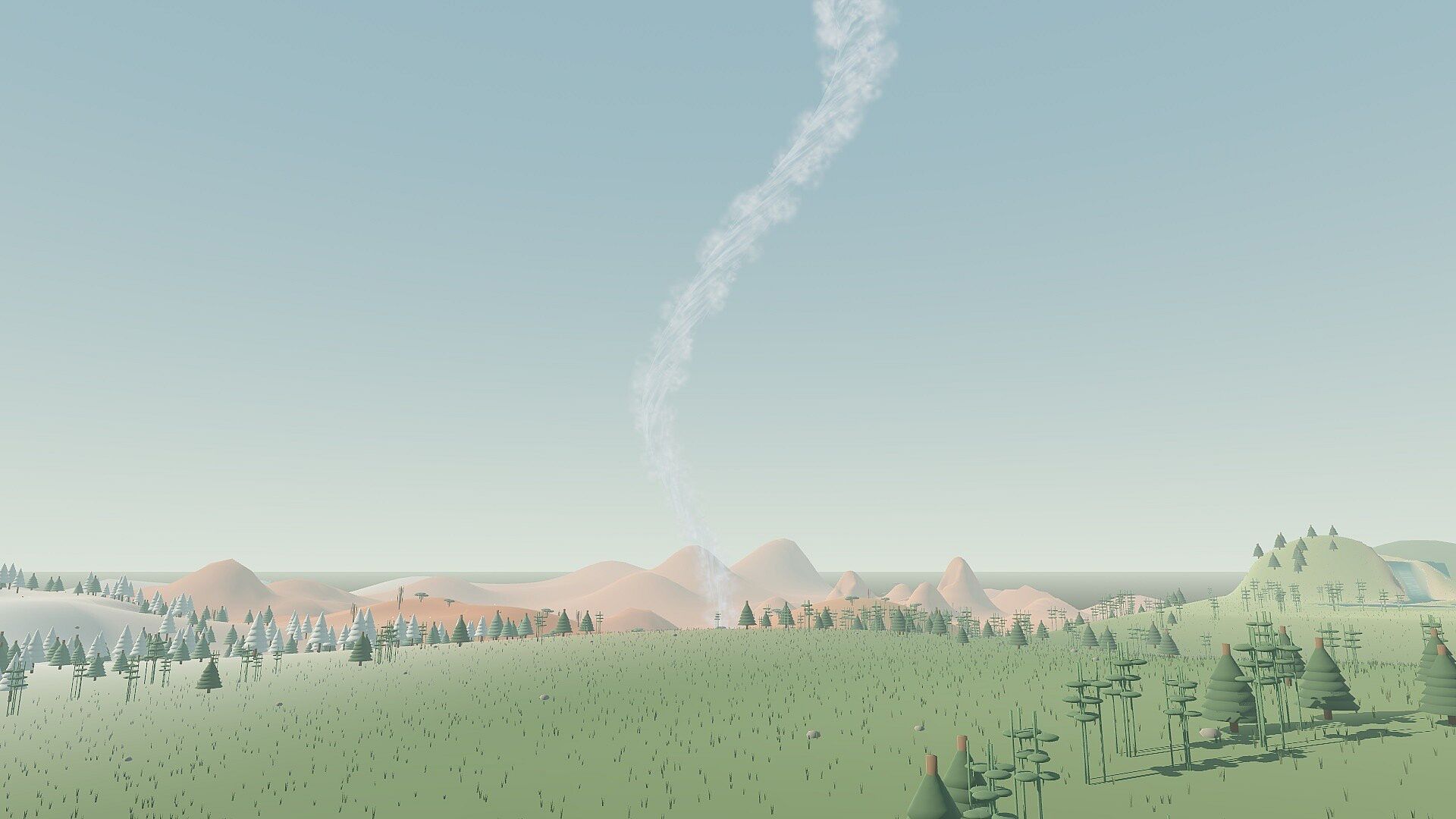
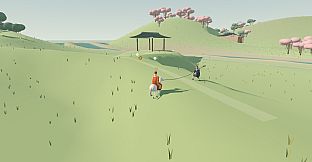
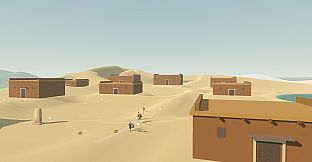
Each new journey creates a fresh world layout and interconnected road network across nine main stages plus branches and exploration zones. Landscapes range from forests and bamboo groves to snowy terrain, deserts, and waterside areas, with landmarks like temples, pagodas, villages, and cave entrances. Movement uses standard WASD controls, and a rainbow serves as a visual guide toward the destination. The map fills in as areas are explored, and players can activate Waystones for fast travel or place destination markers that manifest as visible tornado landmarks.
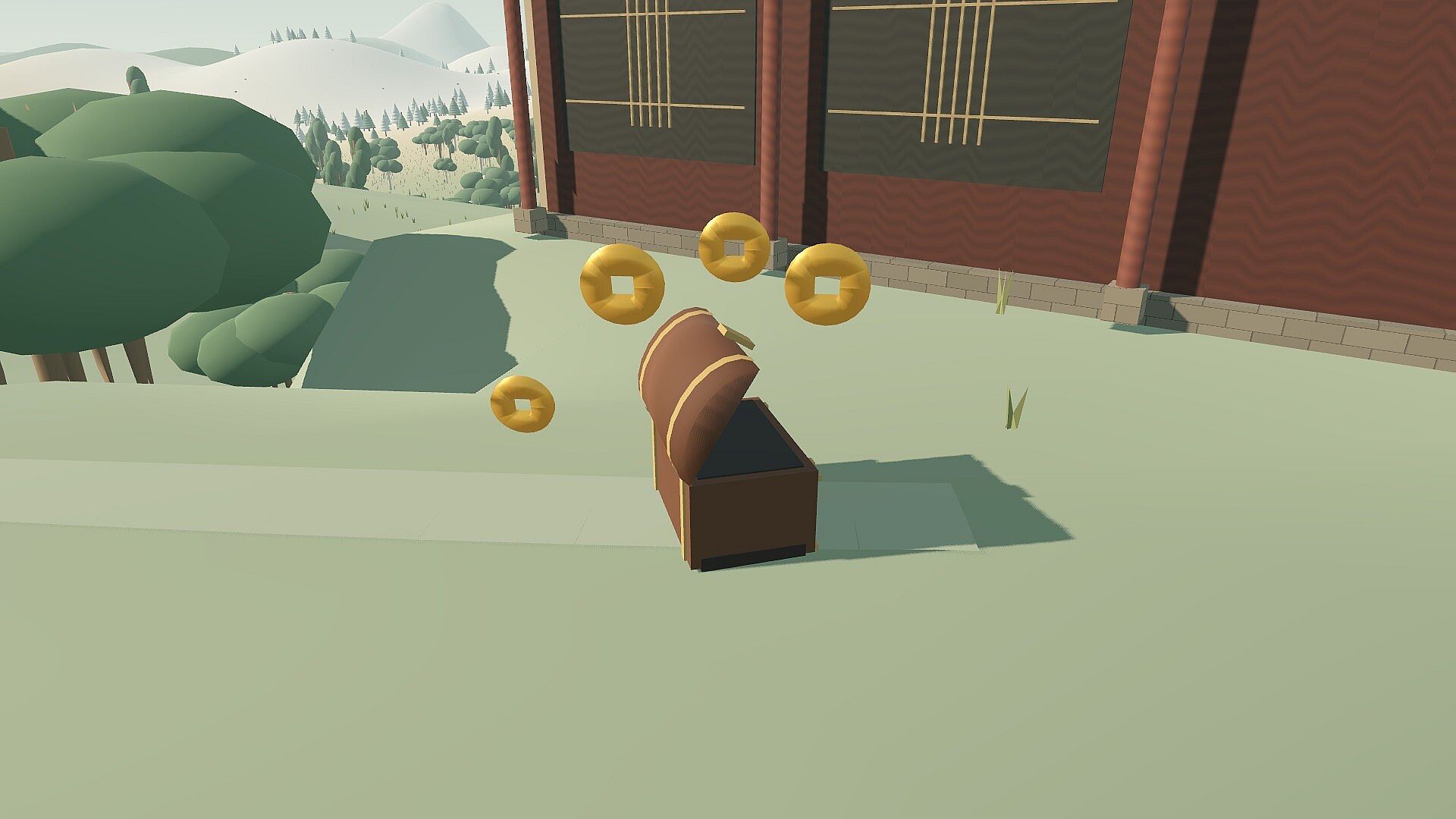
Travel distinguishes between roads and wilderness through an energy system. Roads preserve energy, while off-road movement drains it, forcing periodic recovery stops. Treasure appears as coins and qi that players collect by proximity or mouse hover, with chests yielding coins for unlocks. Companion slots purchased with coins persist across journeys. NPC pilgrimage parties move through the world as non-player groups that rest and gather resources.
Roaming demon groups patrol and guard areas, with alert mechanics that can summon reinforcements. In the current build, party members engage in automatic combat using their abilities rather than manual attack inputs. Health tracks for each character, injuries carry over between fights, and an Earth God near Waystones aids recovery. Defeated enemies stay gone within a single world instance.
Game Modes
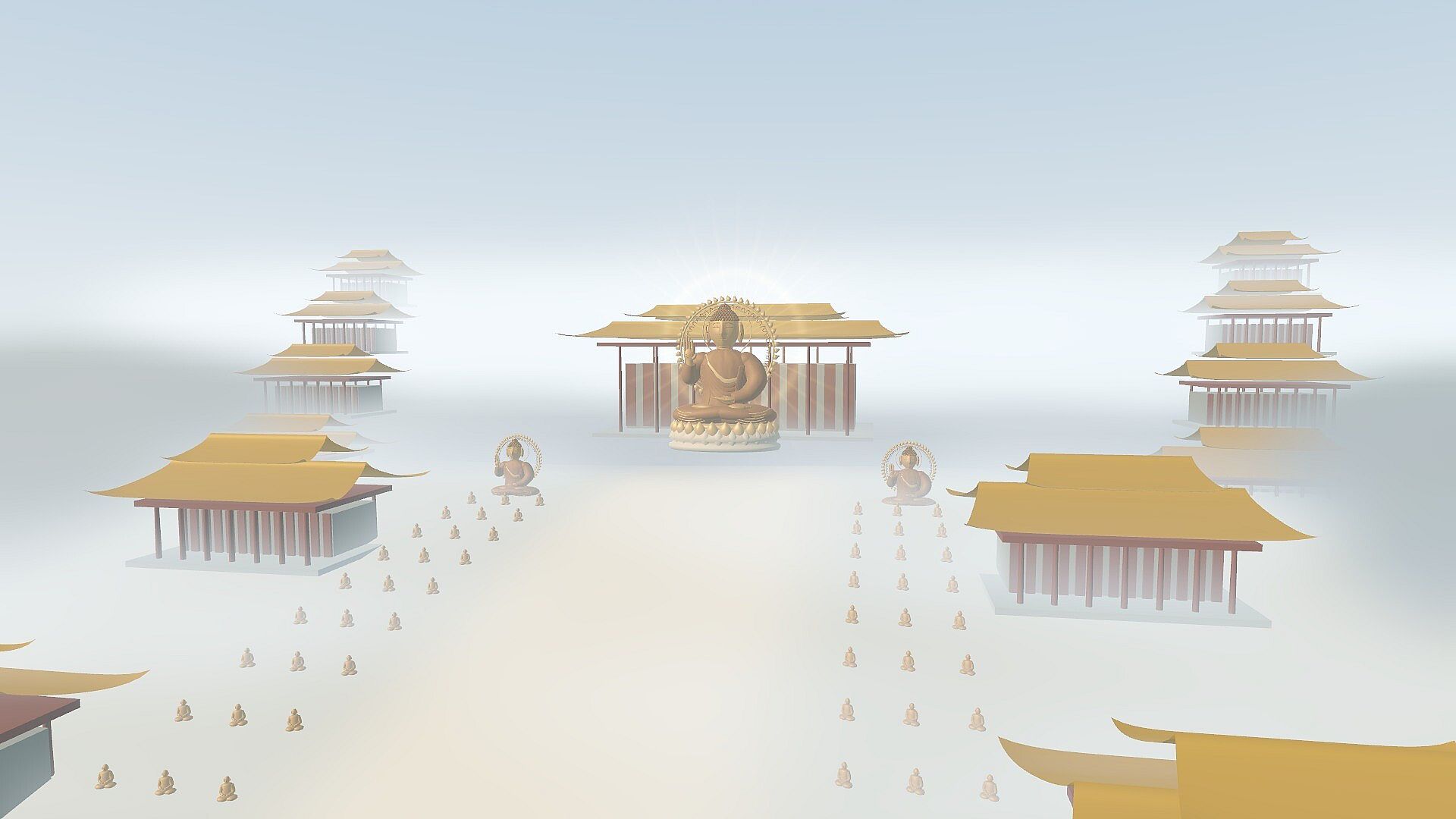
The game operates in a single-player format focused on repeated journeys through generated worlds. No separate multiplayer modes or competitive structures exist. The primary activity centers on exploration and pilgrimage progression, with each run offering new layouts, resource opportunities, and encounters. Players reach the conclusion by locating a special Waystone at the base of Mount Ling and ascending through the clouds in a continuous sequence with the full party.
Exploration and Progression Systems
World generation combines landscape regions with authored scenic modules linked by roads. Players decide routes, weighing direct shortcuts against energy costs or detours for landmarks and treasures. Fast travel unlocks progressively through Waystone activation, supported by environmental wind cues that point toward inactive sites. The map supports manual destination marking for visual guidance during travel.
Resource collection ties directly into party expansion. Coins fund character unlocks and additional companion slots, while qi contributes to overall progress. The system encourages repeated journeys because purchased slots carry forward, allowing gradual party growth without resetting prior investments.
Is It Worth Playing?
MyXiyou suits players who enjoy single-player exploration adventures with roguelite world generation and party customization. The current early access build delivers functional systems for route planning, resource gathering, automatic combat encounters, and fast travel setup, all within a cohesive pilgrimage framework. Development continues on combat depth, equipment and skill progression, additional bosses, and end-of-journey rewards, so the experience remains a work in progress. Those drawn to Journey to the West themes, procedural landscapes, and incremental party building may find value in testing the available features and providing feedback through official channels. The game is available on PC for those ready to engage with its present state rather than waiting for further refinements.











