










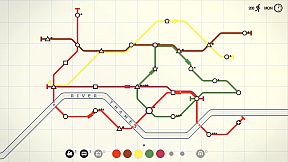
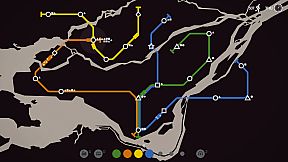
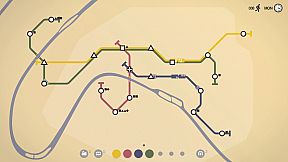
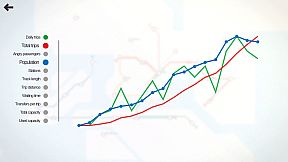
Mini Metro is a strategy simulation game where players design and manage subway networks for growing cities. The core loop involves connecting stations with lines, routing commuters efficiently, and adapting to constant expansion as new stations appear and passenger numbers rise. Available on PC, the experience blends thoughtful planning with the pressure of an ever-busier system.
Gameplay
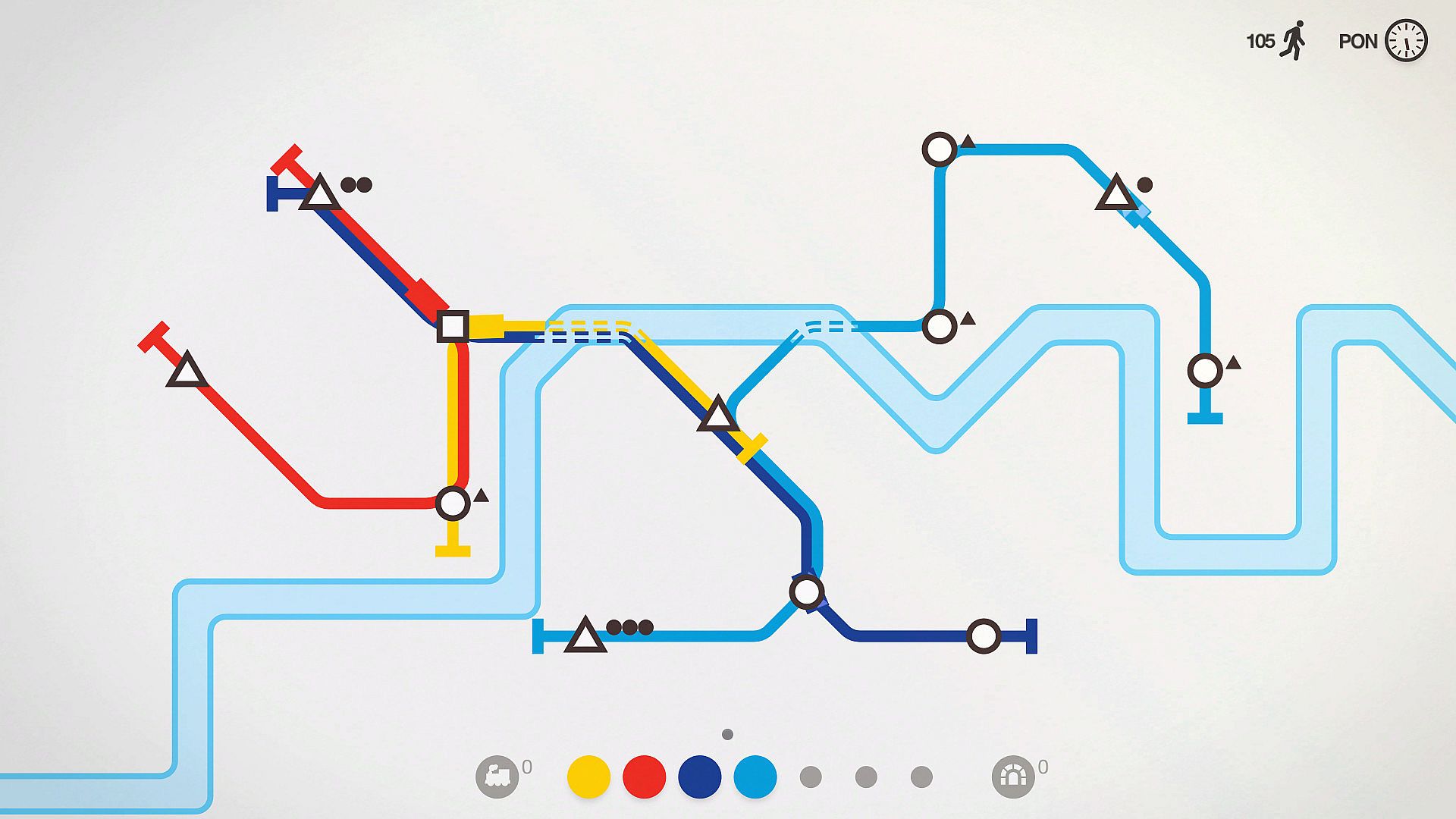
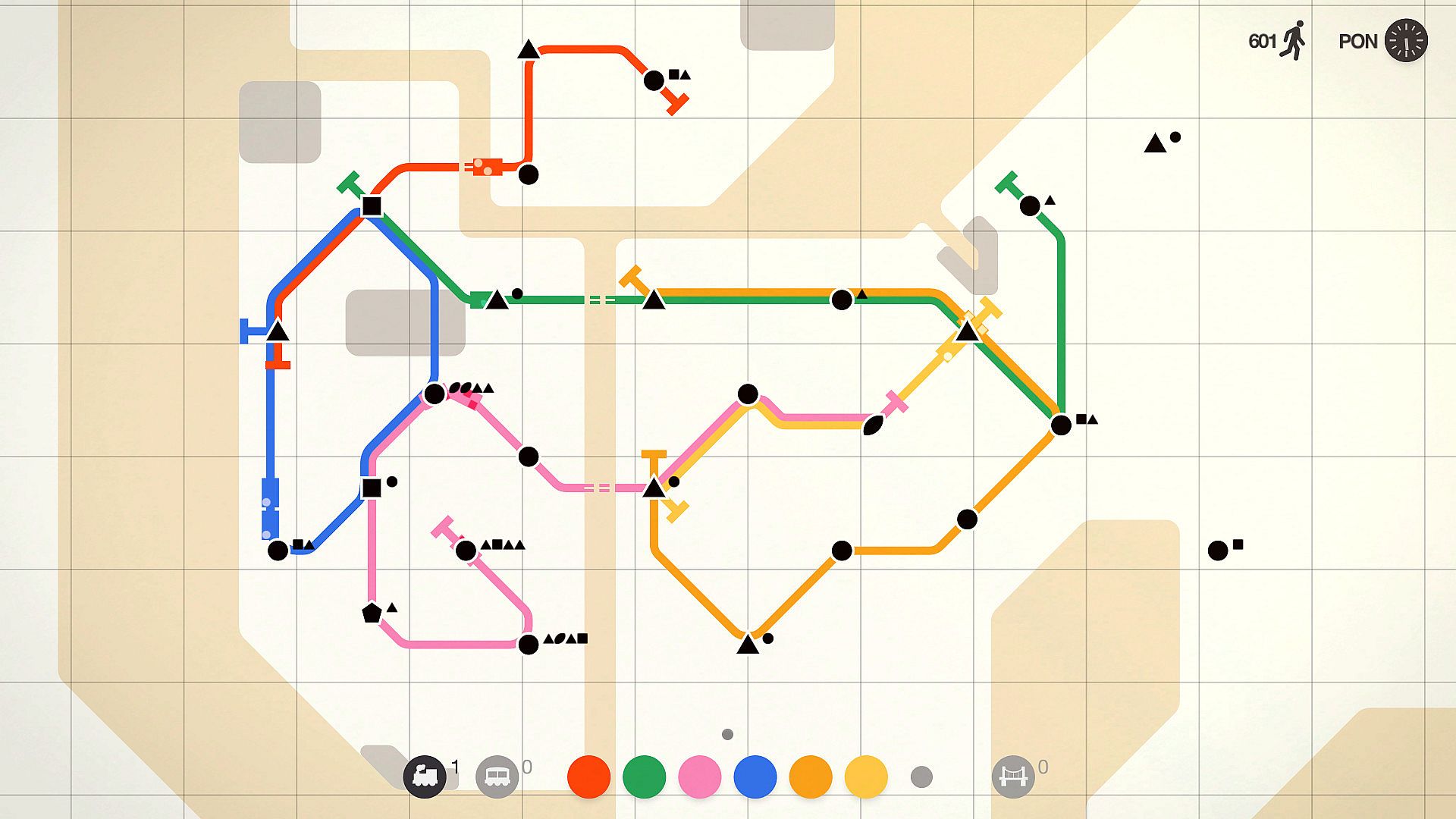
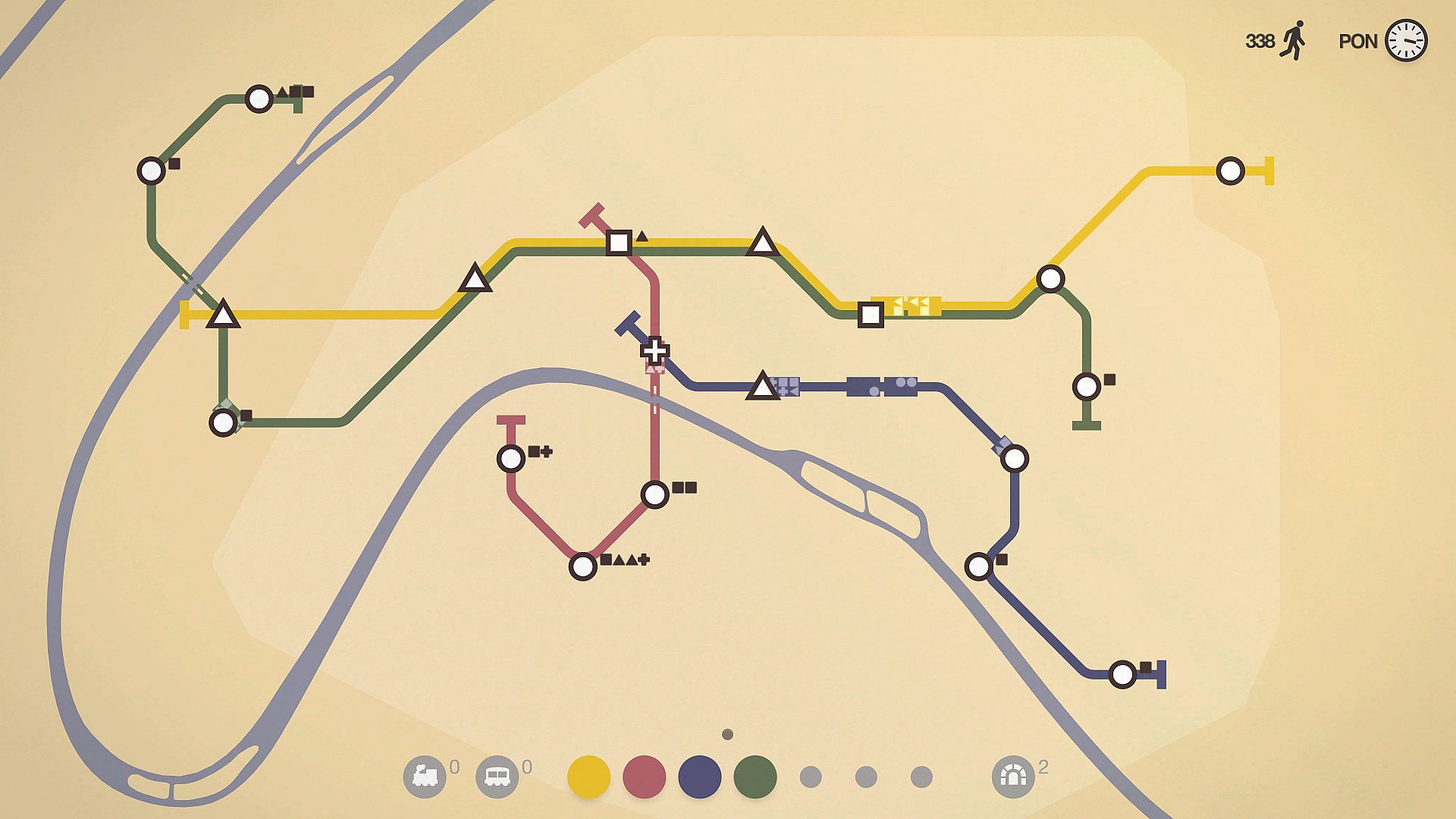
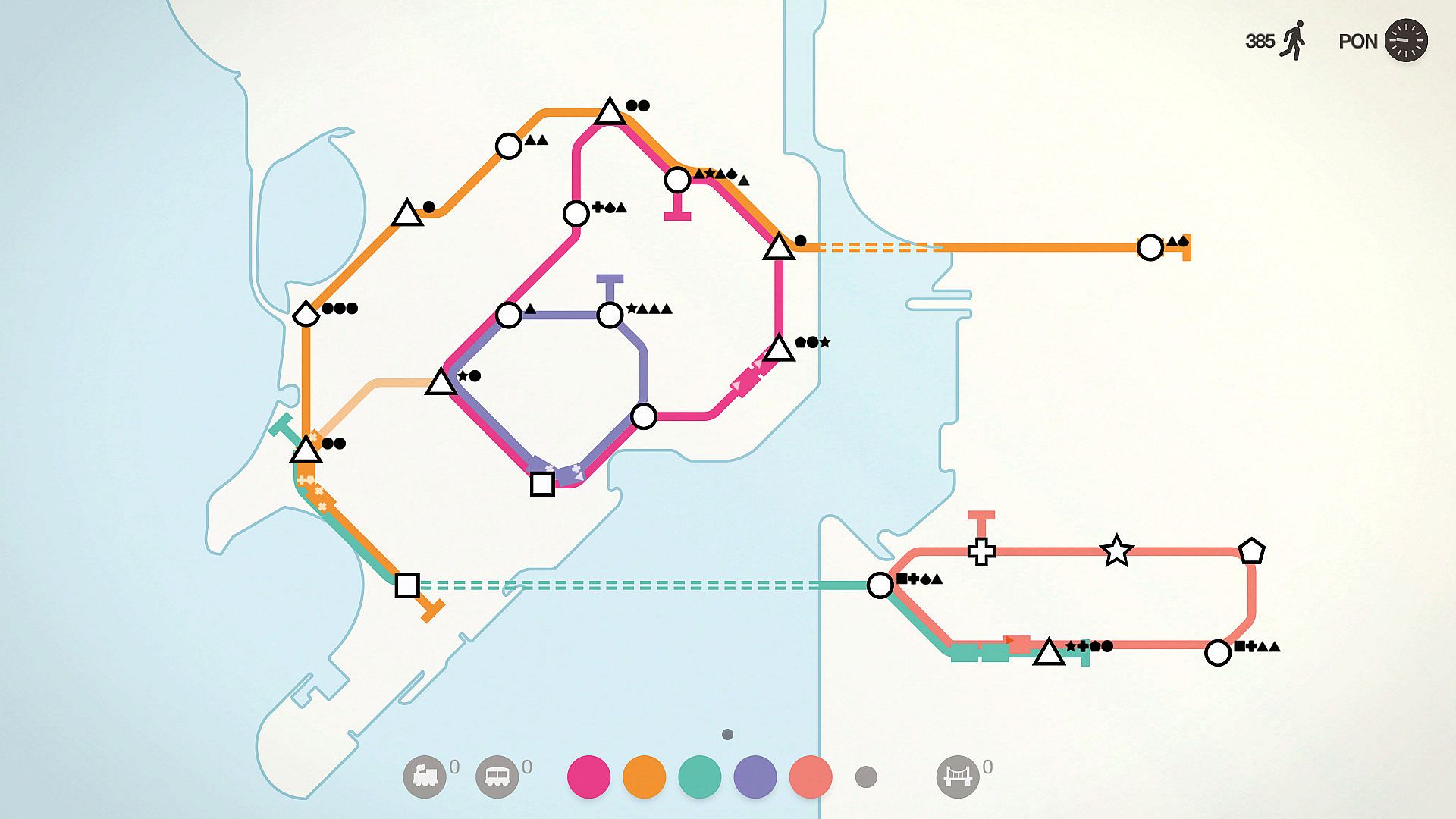
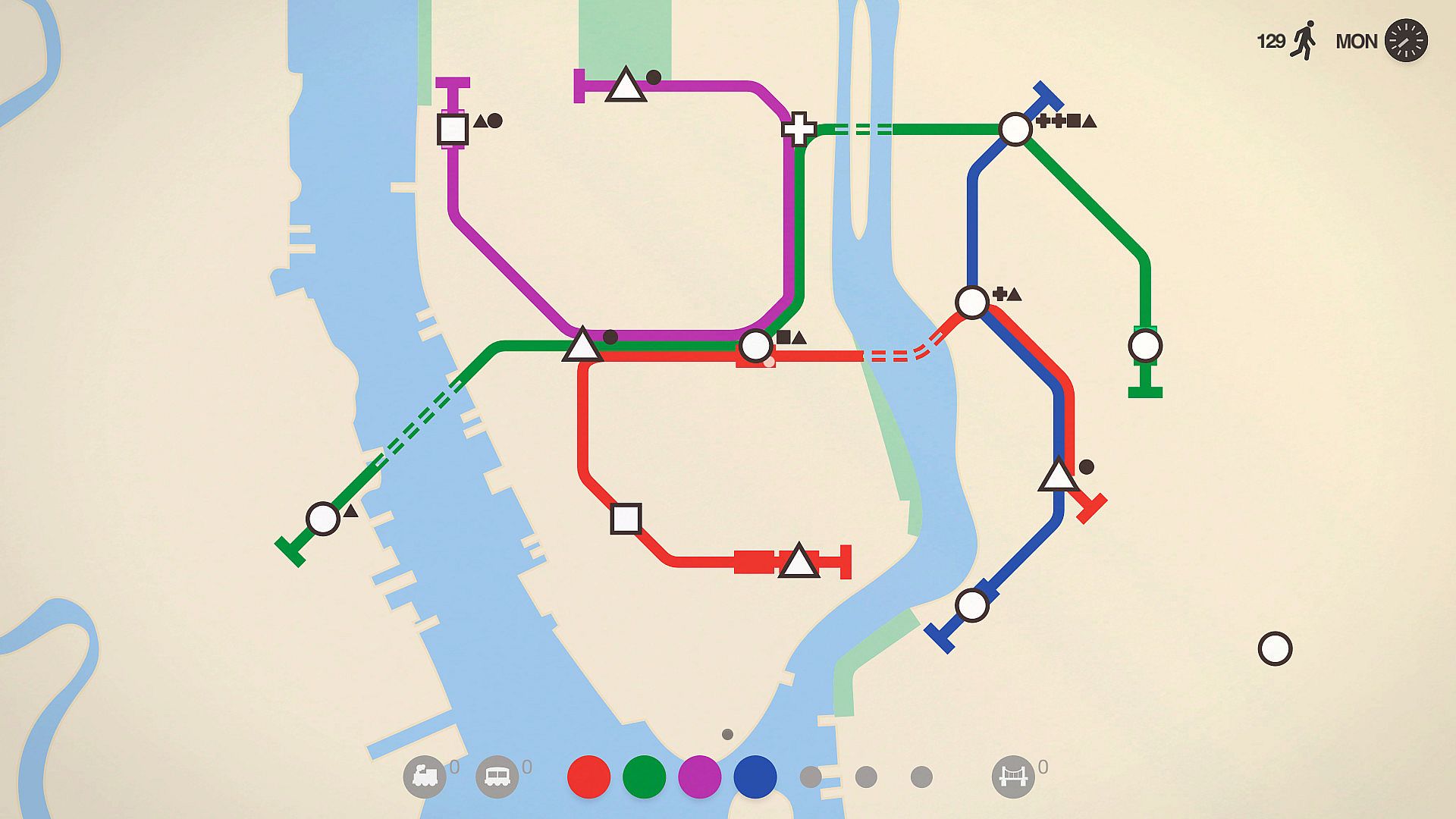
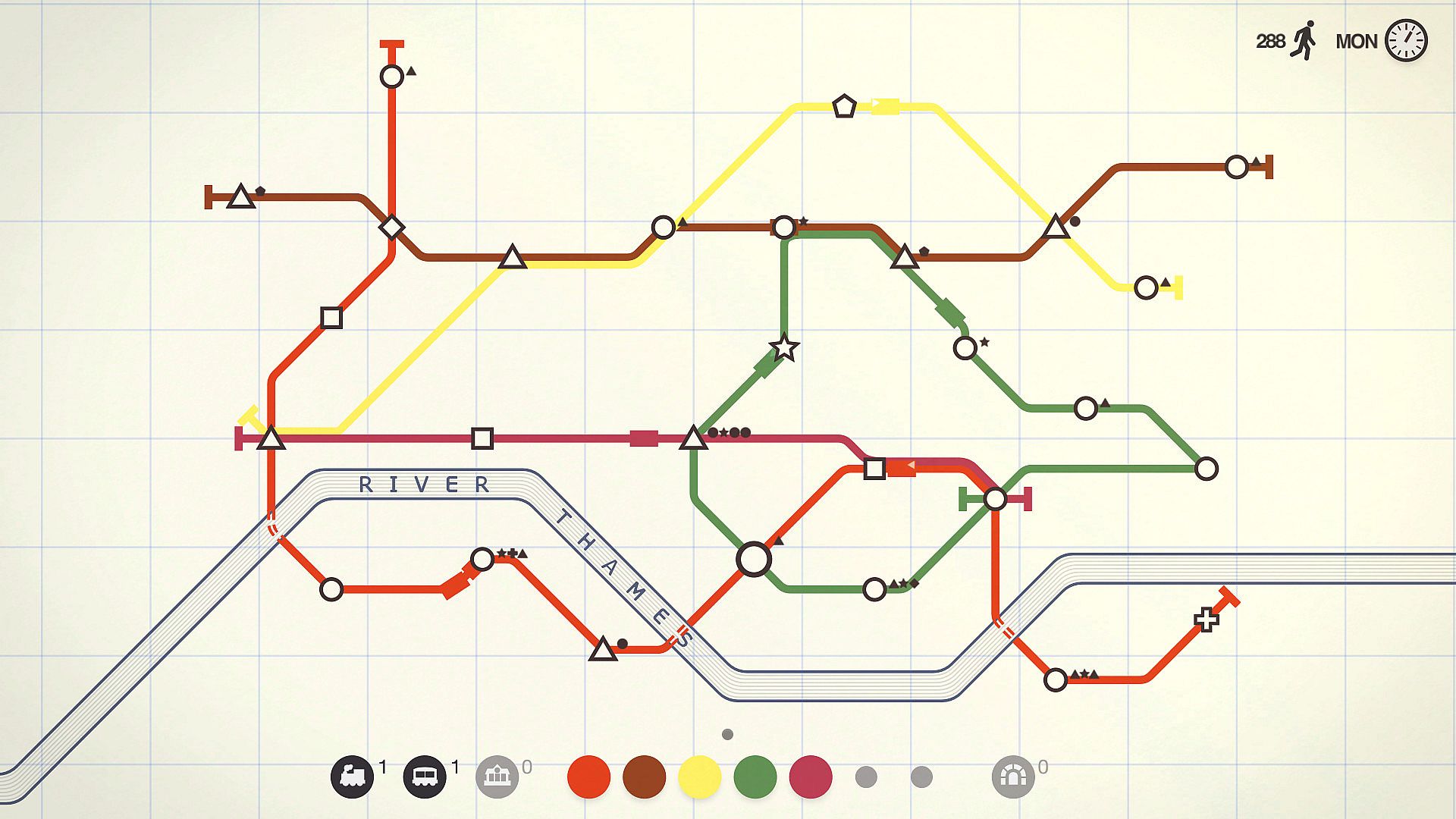
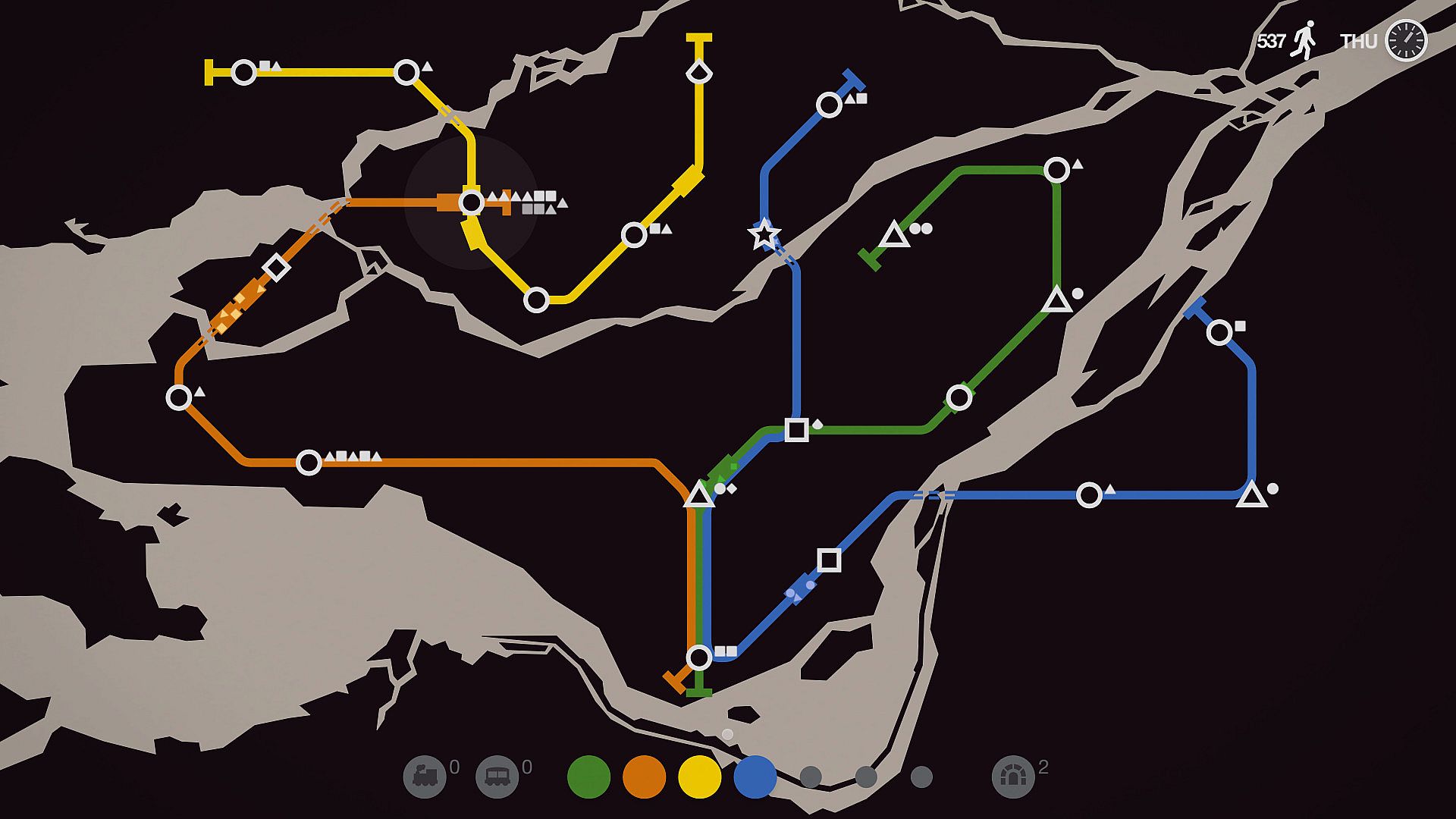
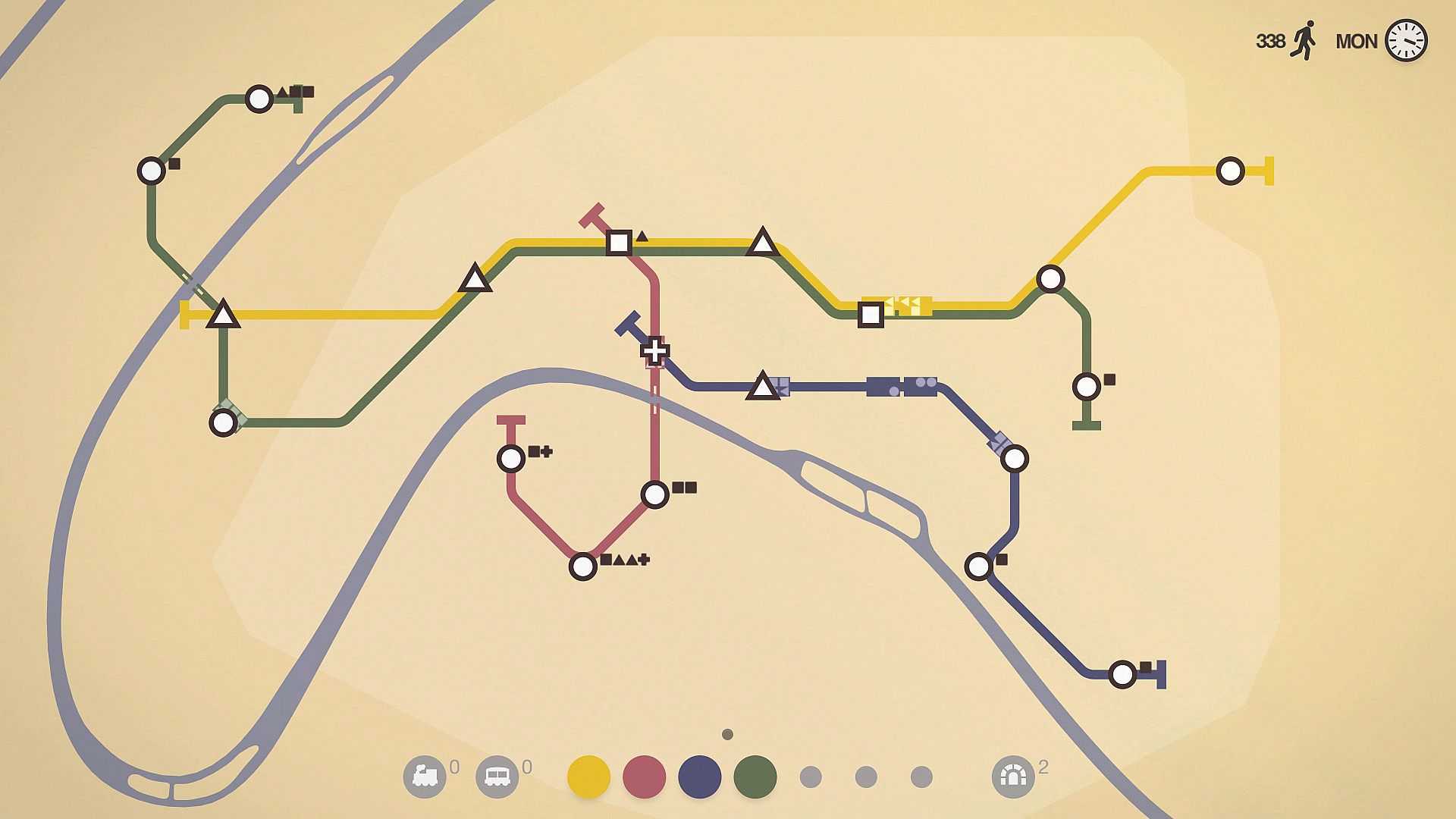
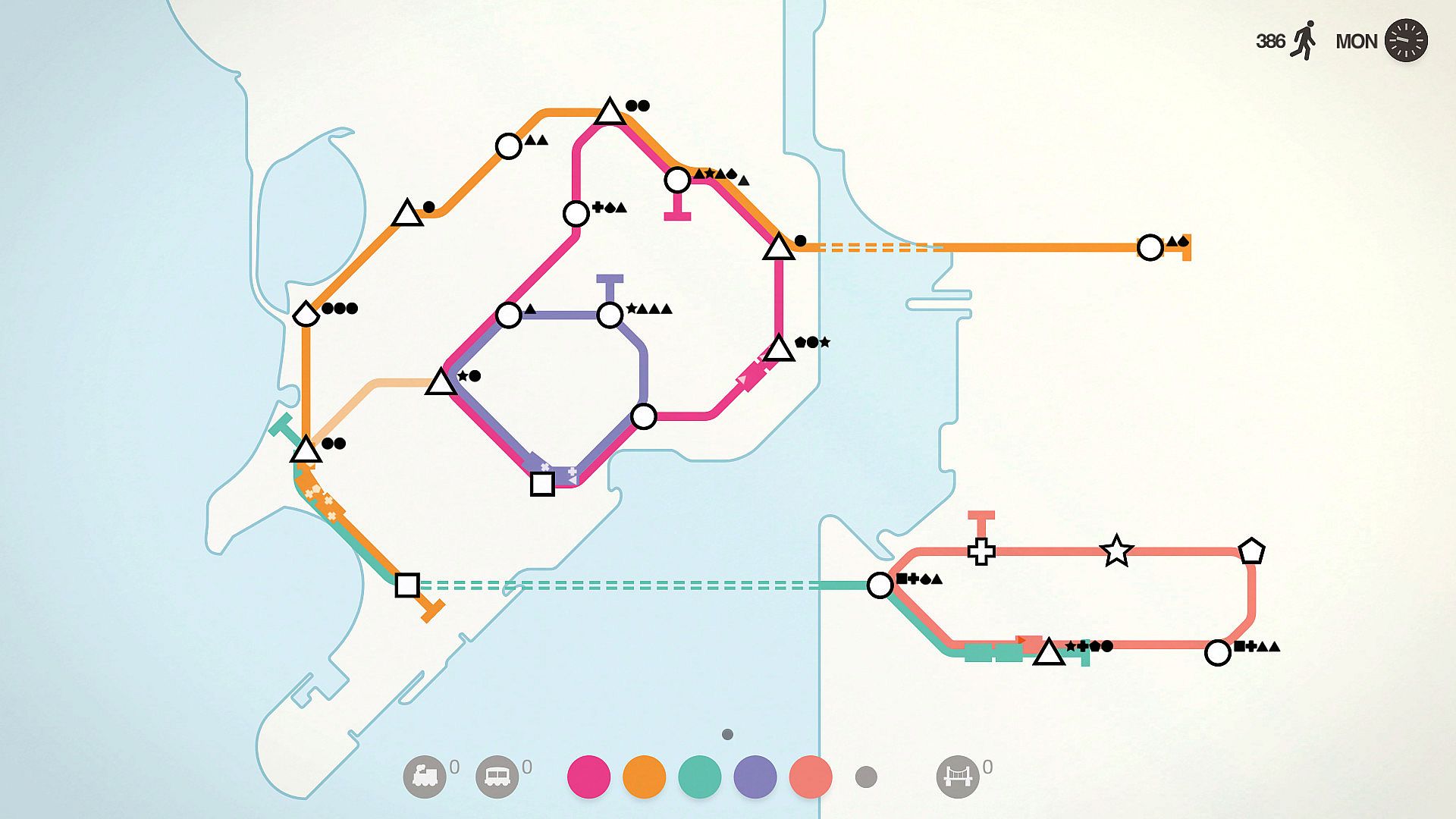
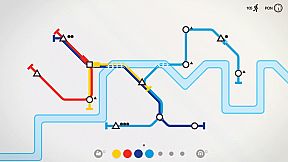
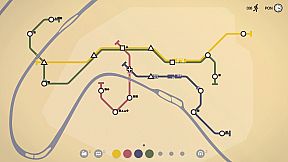
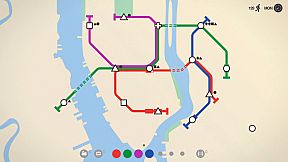
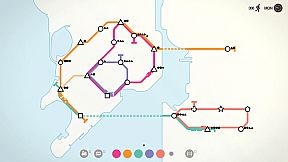
Players begin with a handful of stations and draw routes to link them. Commuters appear at stations as distinct shapes and travel along the lines to their matching destinations. Each station holds only a limited number of waiting passengers, so lines must be arranged to prevent overcrowding and delays. As the city expands, additional stations open at an increasing rate, forcing ongoing adjustments to the network.
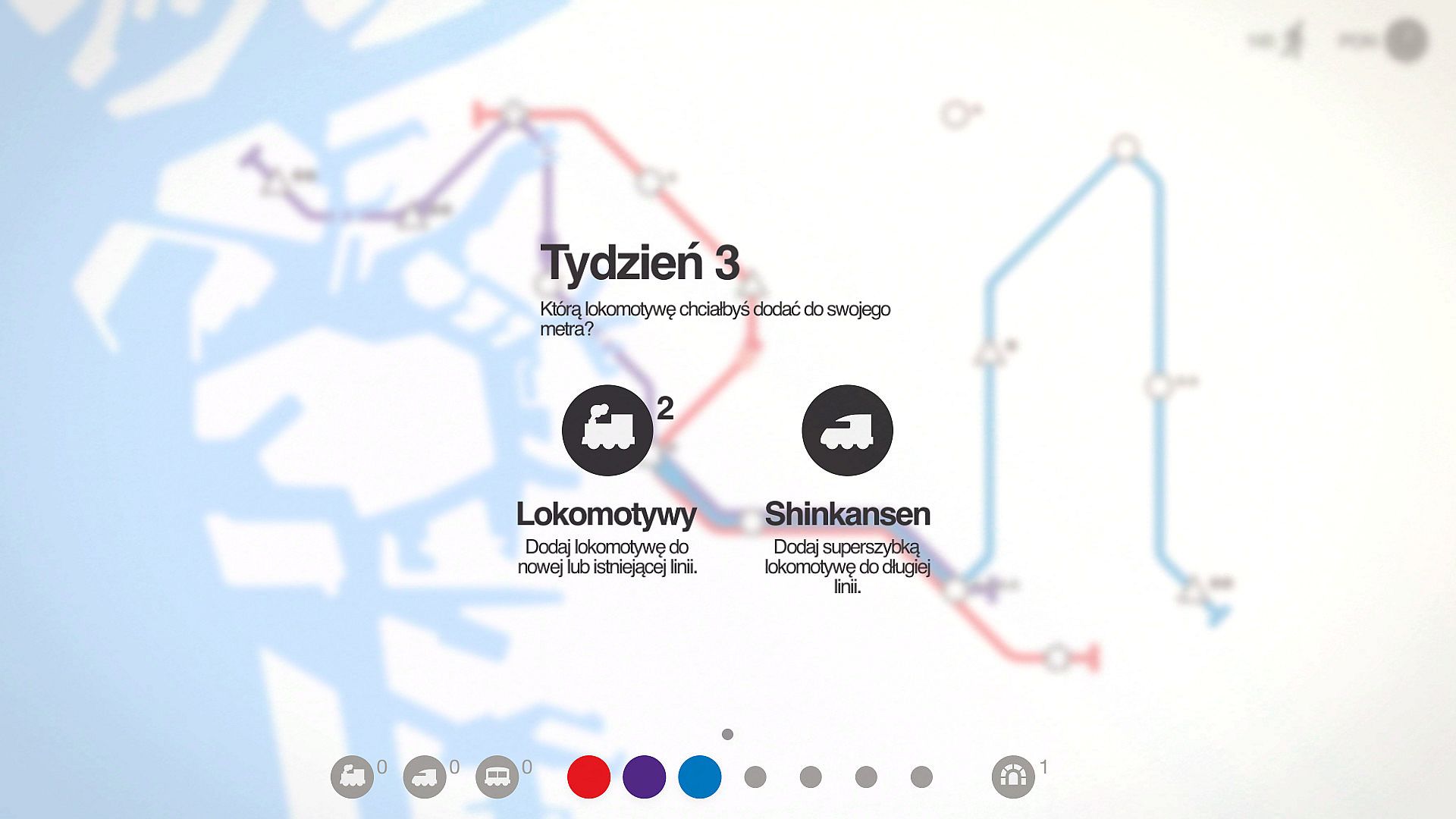
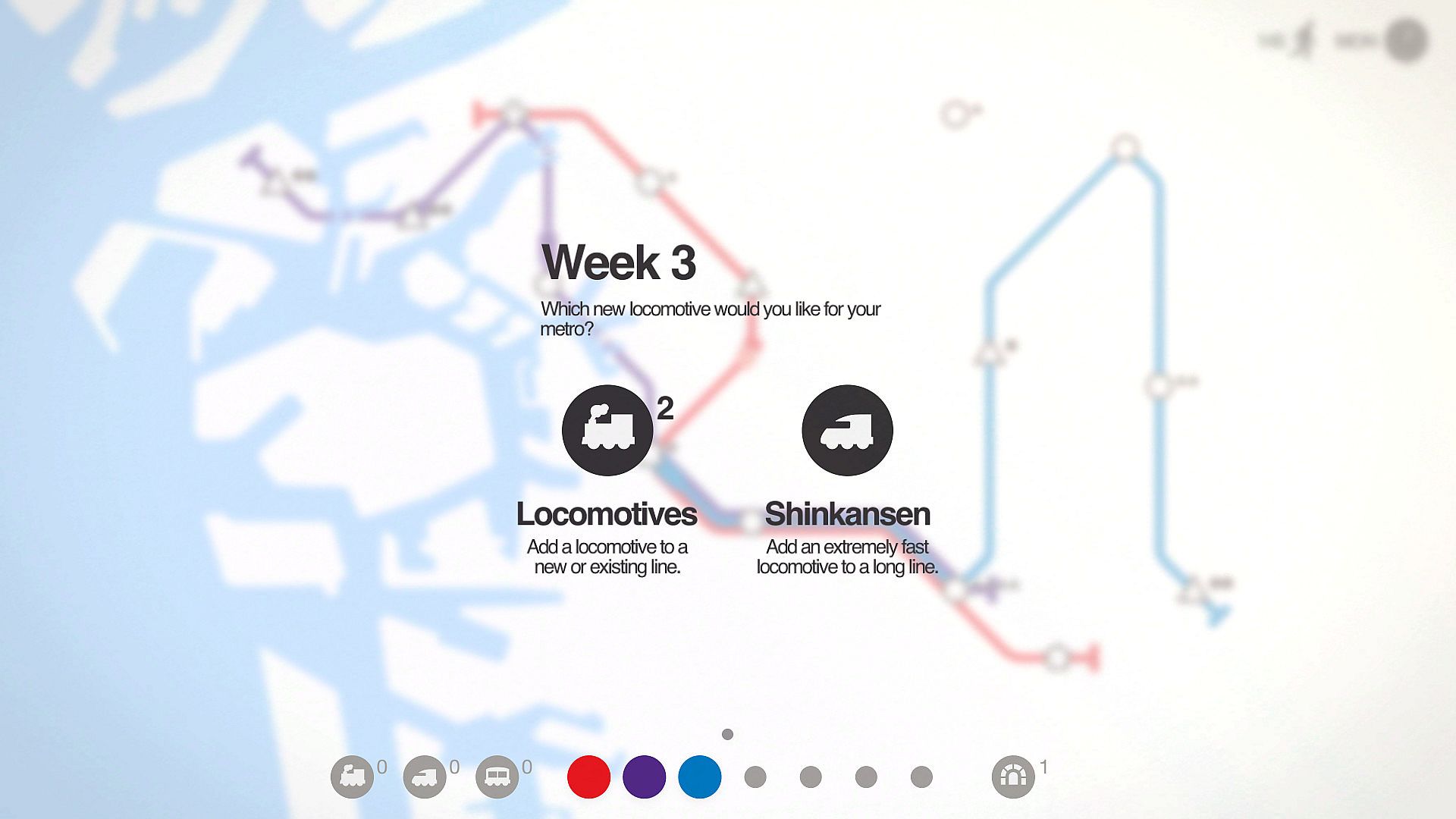
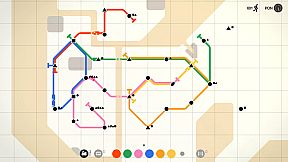
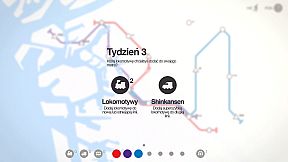
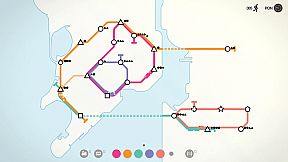
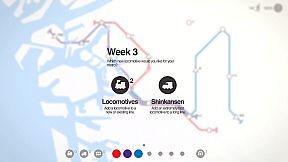
Weekly rewards provide new assets such as extra trains, carriages, or station upgrades. These must be allocated carefully to maintain flow. The map builds in the classic abstract style of real transit diagrams, with lines and stations forming clean geometric patterns. Random station placement ensures every session differs, and successful strategies from one run often require revision in the next. The soundtrack responds directly to the movement of trains and the overall pace of the network.
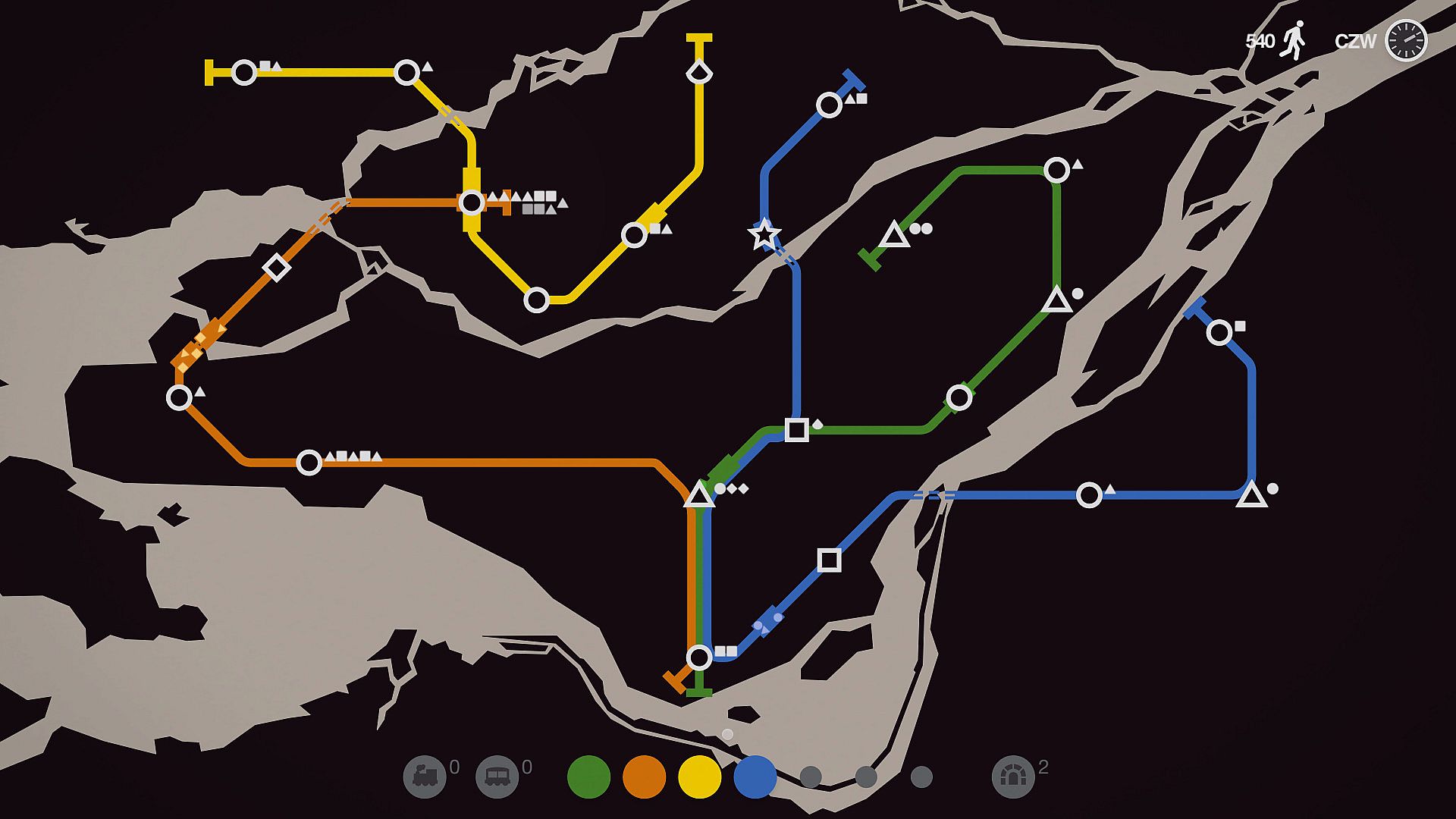
Accessibility options include colorblind modes and a night mode for varied viewing conditions. The system supports extensive customization of lines and trains, rewarding precise placement and timely upgrades to keep the city moving longer.
Game Modes
Normal mode delivers the standard challenge of scoring as many passengers as possible before a station becomes overcrowded. It suits shorter sessions focused on high scores and efficient network building.
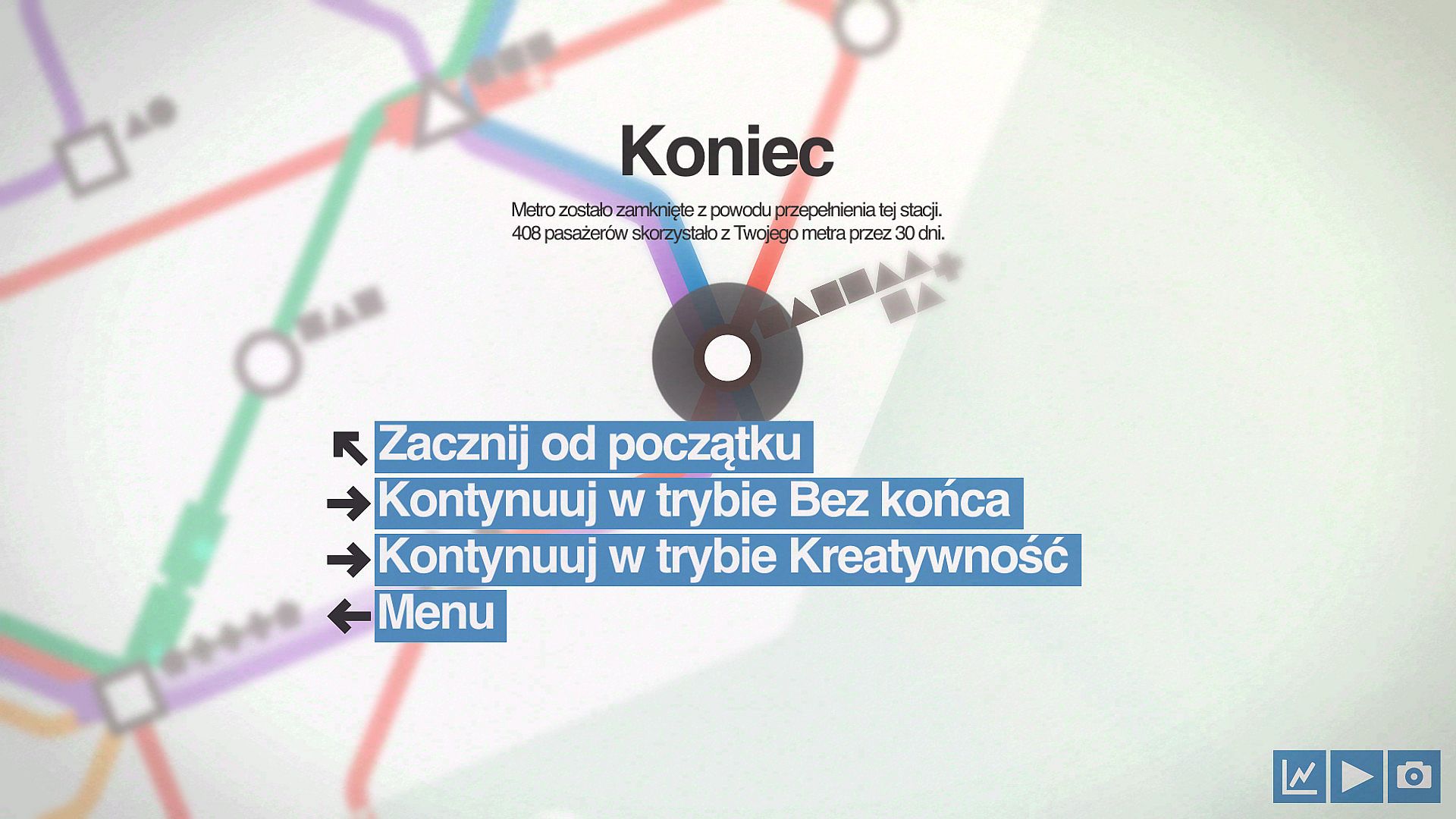
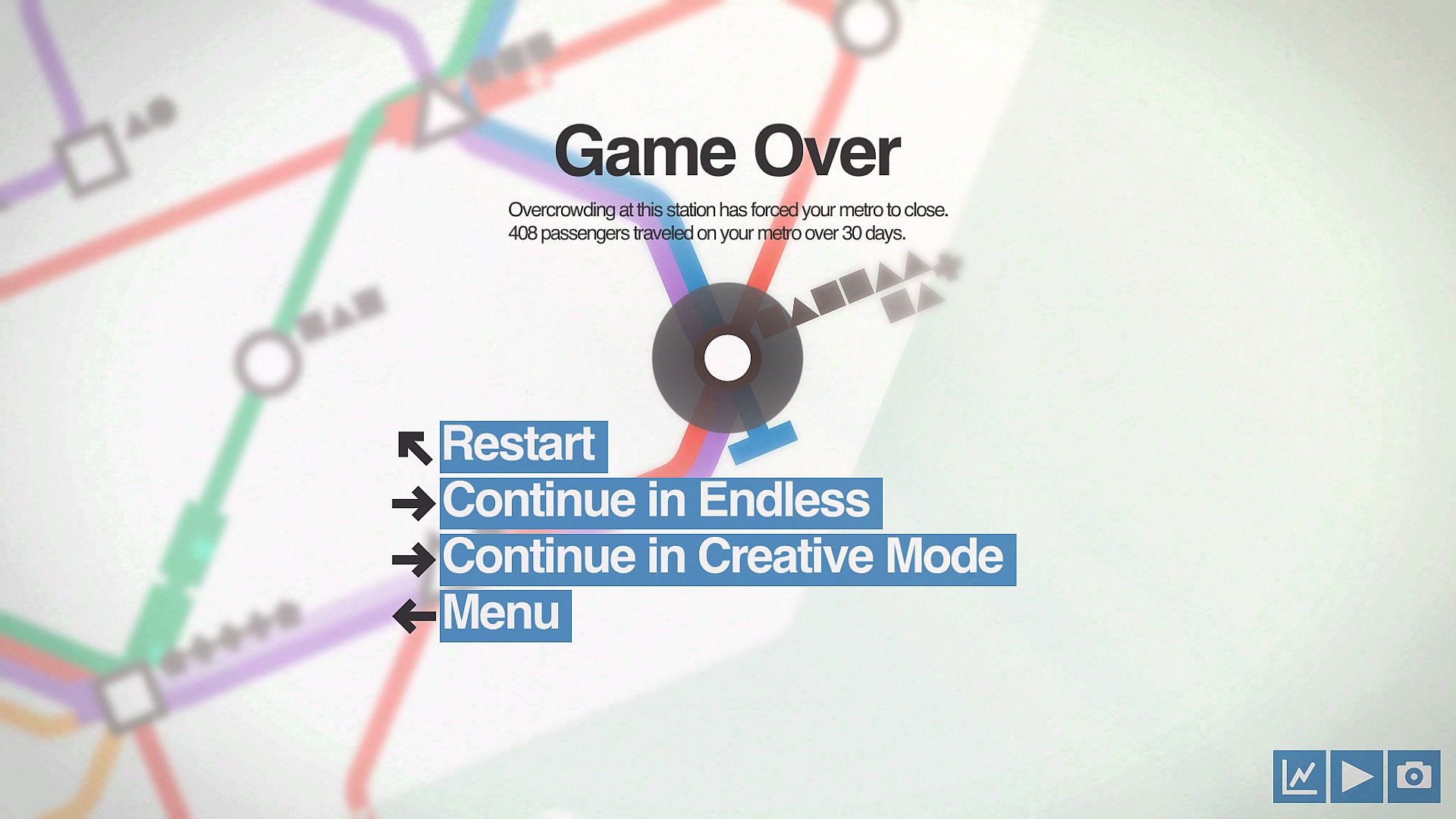
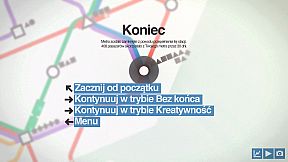
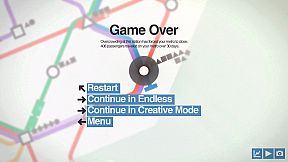
Endless mode removes the overcrowding failure state for a more relaxed sandbox experience. Stations continue to appear without the risk of immediate collapse, allowing players to experiment with layouts at their own pace while still earning assets through ridership.
Extreme mode increases difficulty by locking lines and assets in place once placed. No relocation or removal is permitted, demanding careful initial decisions and long-term planning under stricter constraints.
Creative mode functions as a free-form builder. Players can add, adjust, and connect stations without time pressure or scoring, ideal for designing custom maps or exploring ideas freely.
City Design and Progression
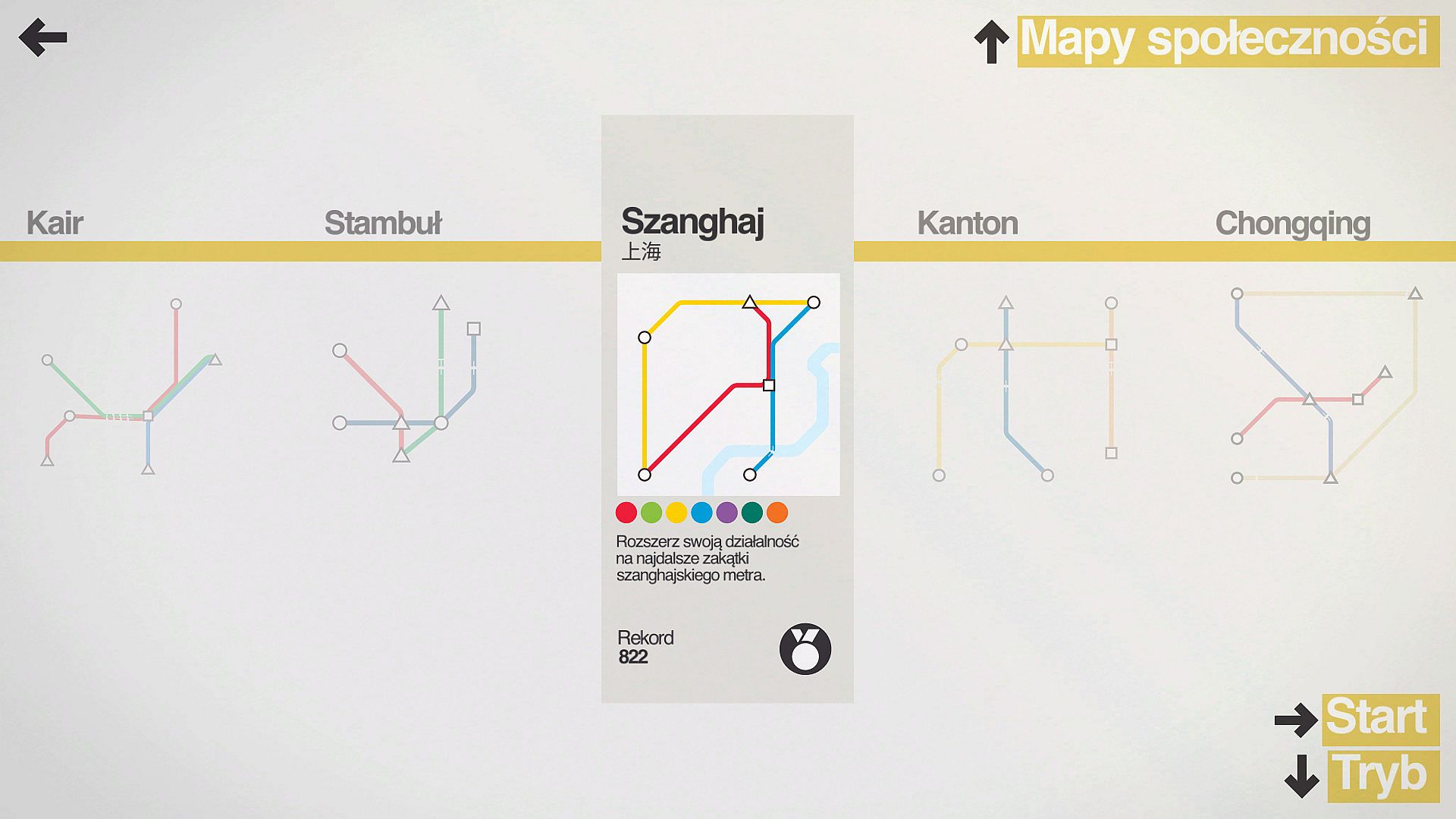
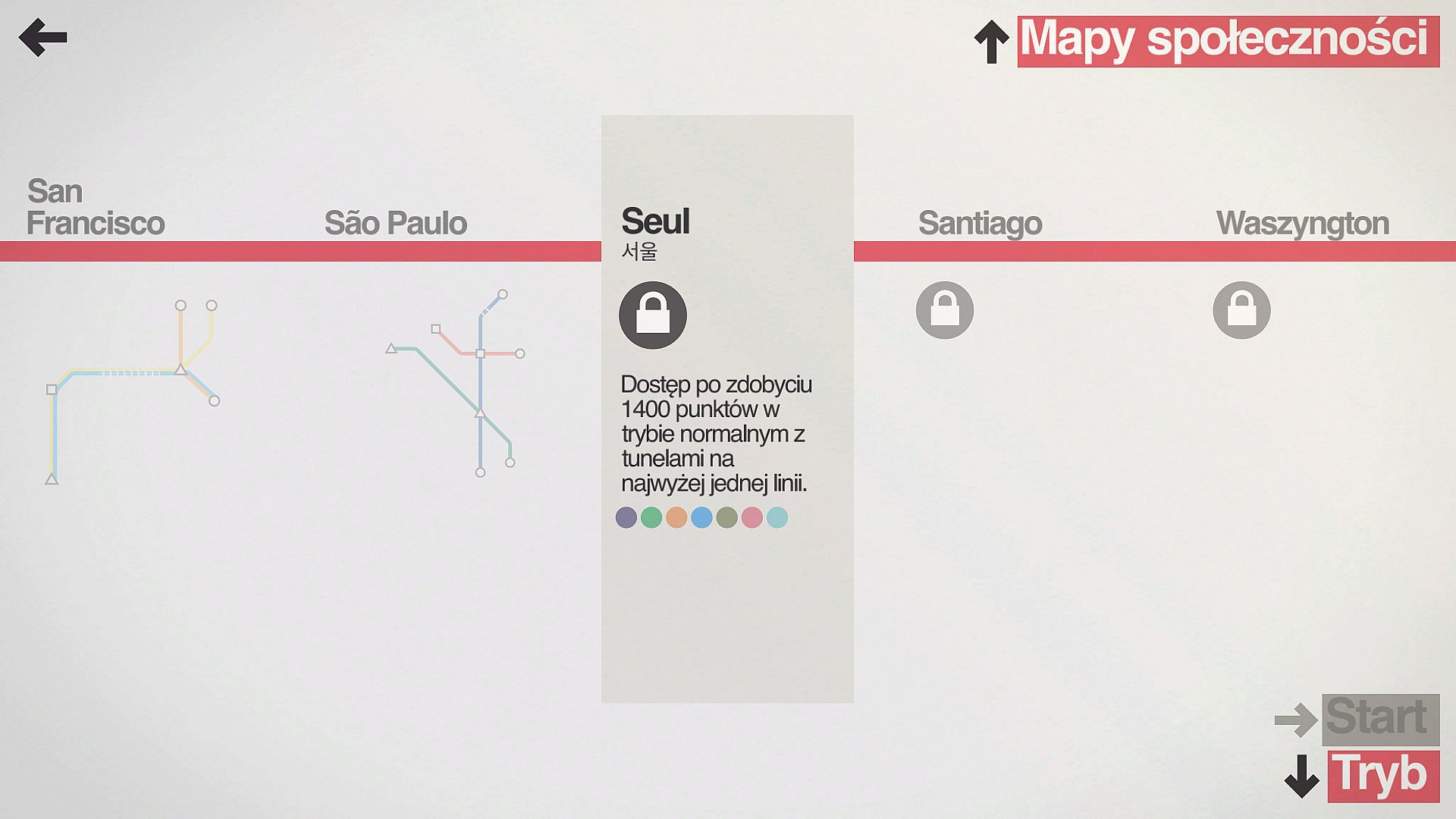
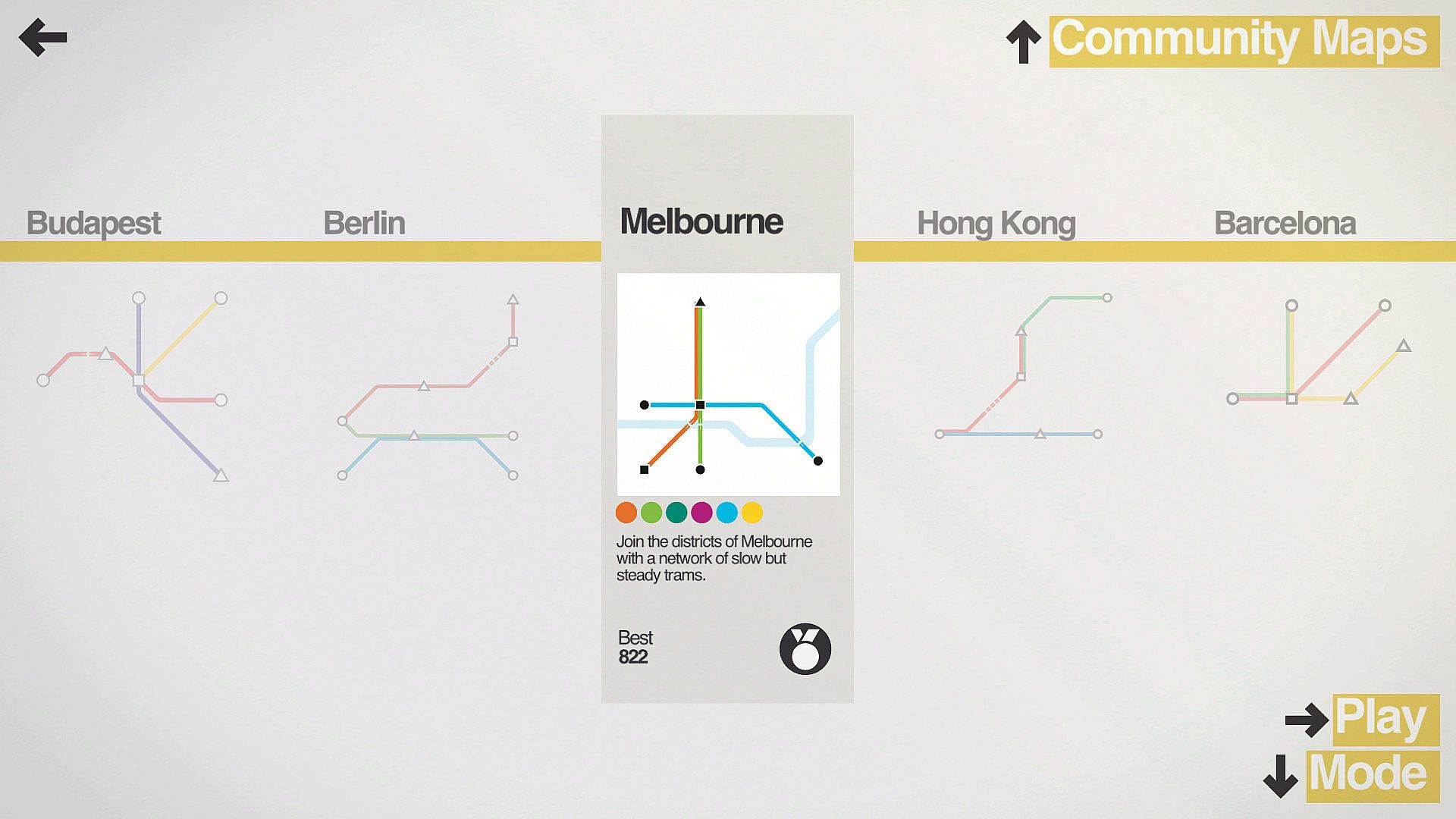
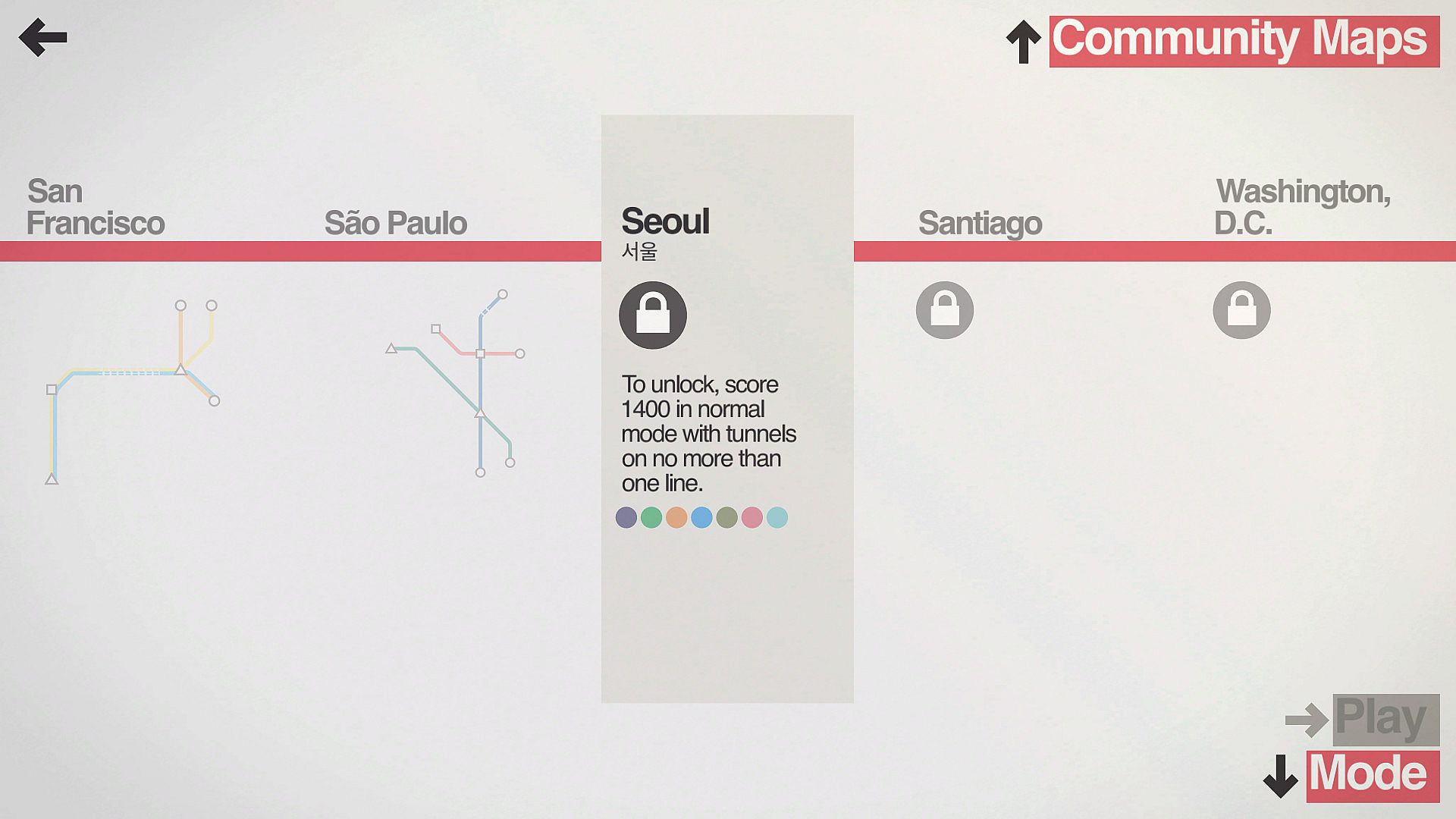
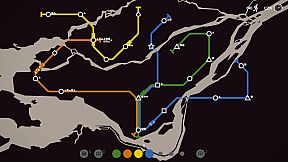
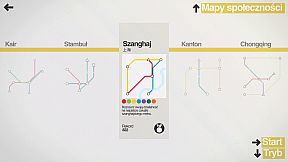
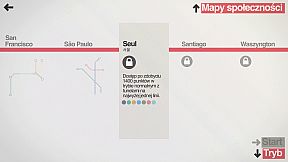
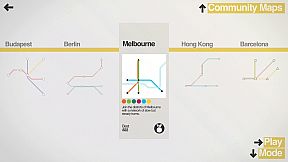
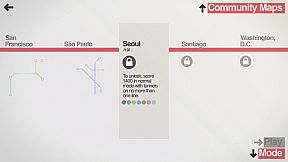
More than two dozen real-world cities serve as backdrops, each with its own color palette, growth pace, and environmental obstacles. Examples include London, Paris, New York City, Osaka, and São Paulo. Procedural generation means station locations and types vary each time, creating fresh layouts even within the same city.
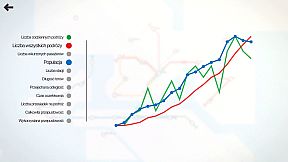
Progression centers on managing limited resources against rising demand. Early games focus on basic connections, while later stages require complex interchanges and multiple lines to handle volume. The abstract visual style keeps the focus on route efficiency rather than detailed graphics.
Is It Worth Playing?
Mini Metro appeals to players who enjoy strategic planning and optimization in a single-player setting. The combination of simple controls and deepening complexity creates sessions that feel both meditative and demanding. Positive reception highlights the satisfying rhythm of a well-run network and the replay value from random city growth.
Those who appreciate management simulations or puzzle-like route building will find the core loop engaging across multiple modes. The game maintains steady support through its established feature set, with no reliance on seasonal content or frequent major updates. It suits both short focused plays in Normal mode and longer creative sessions in Endless or Creative modes.
Overall, the title delivers consistent value for strategy fans seeking a clean, thoughtful experience without unnecessary complexity. The depth emerges naturally from the expanding city demands and the need for constant adaptation.