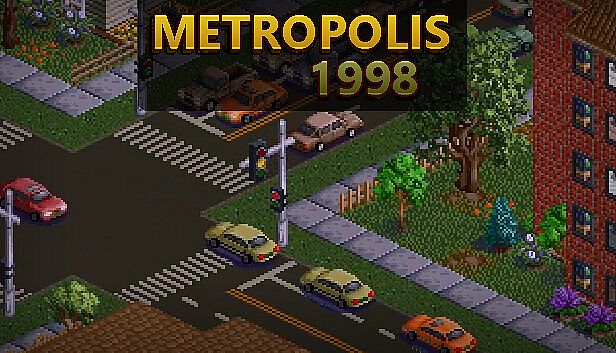



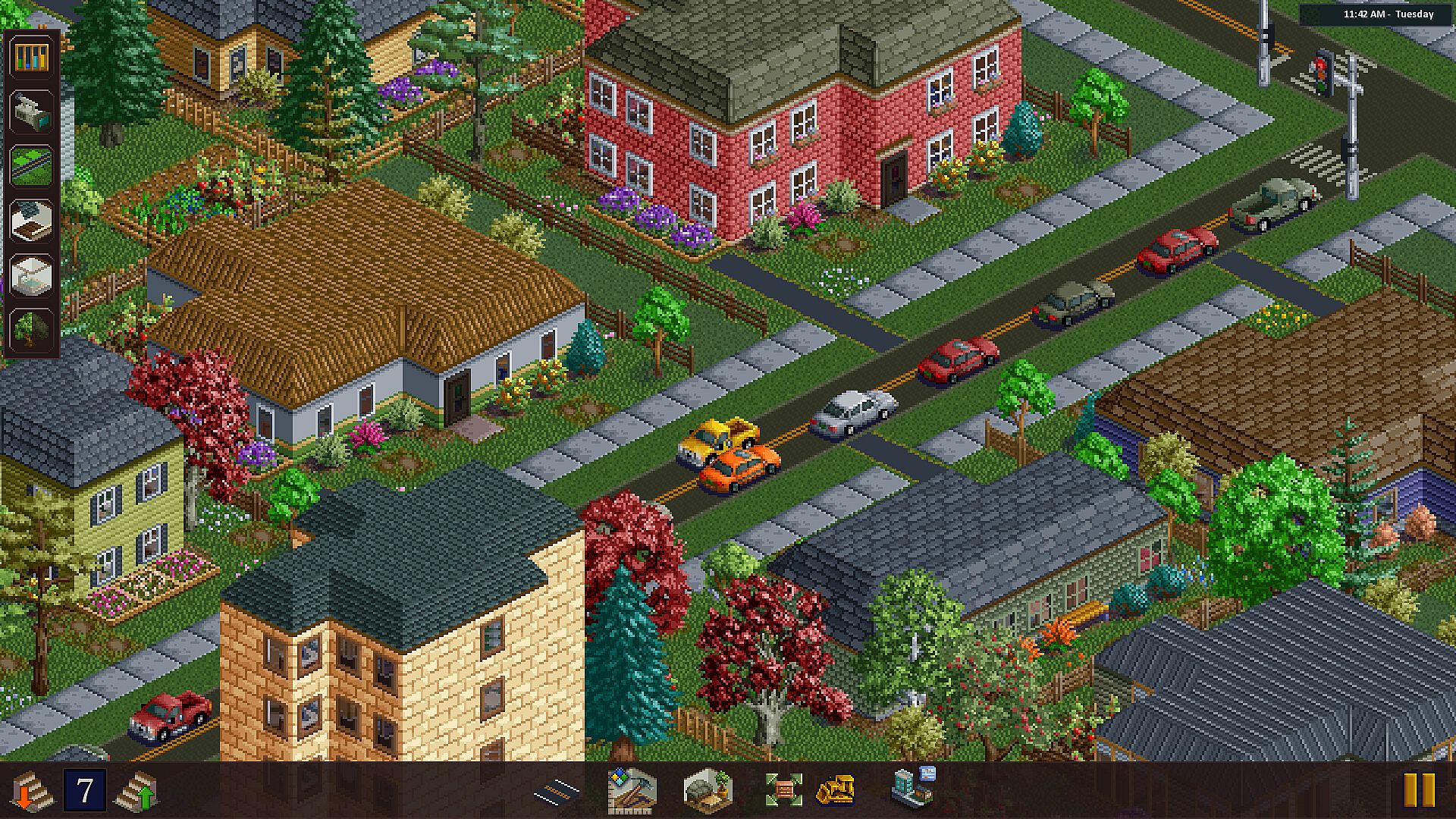
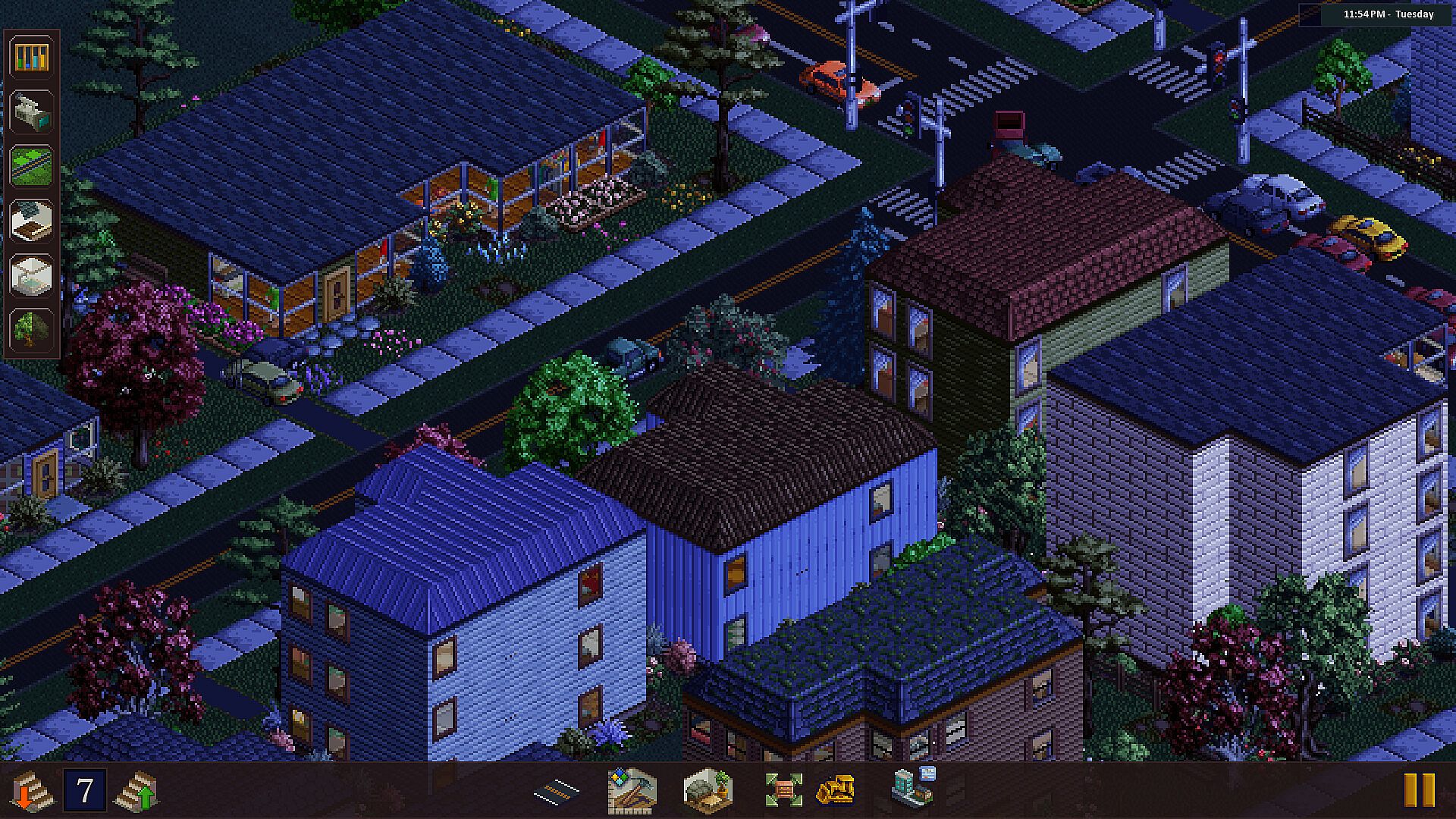
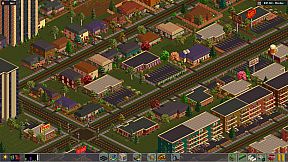
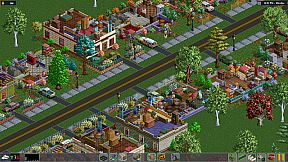

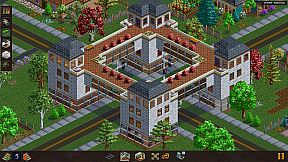
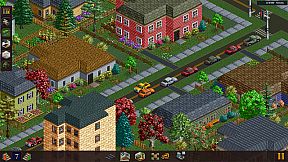
Metropolis 1998 stands out as a city-building simulation game that blends nostalgic pixel art with contemporary strategy elements. This indie title, available on PC, invites players to construct and manage thriving urban environments where every decision impacts the lives of virtual citizens. With its free-to-play model and early access status, it appeals to fans of strategy and simulation genres who enjoy detailed world-building without high entry barriers.
Gameplay
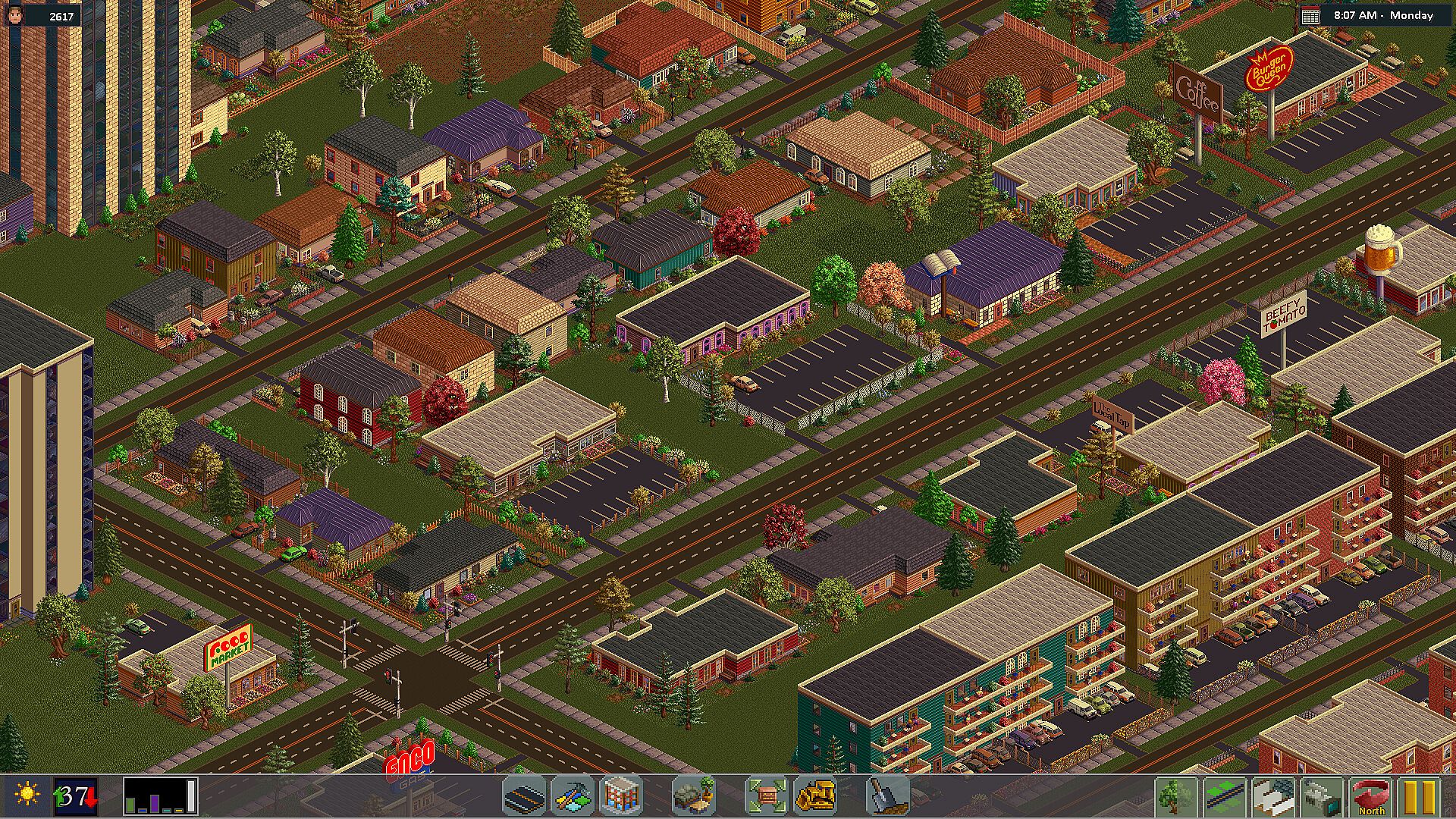
In Metropolis 1998, the core experience revolves around developing a city from the ground up, focusing on the intricate needs of individual citizens rather than broad zoning systems. Players act as mayor, allocating land for businesses and watching demand emerge organically from residents' daily requirements for work, rest, food, and leisure. The simulation tracks citizens through their routines, including commuting, sleeping, and relaxing, all powered by an advanced agent-based system that makes each person feel unique.
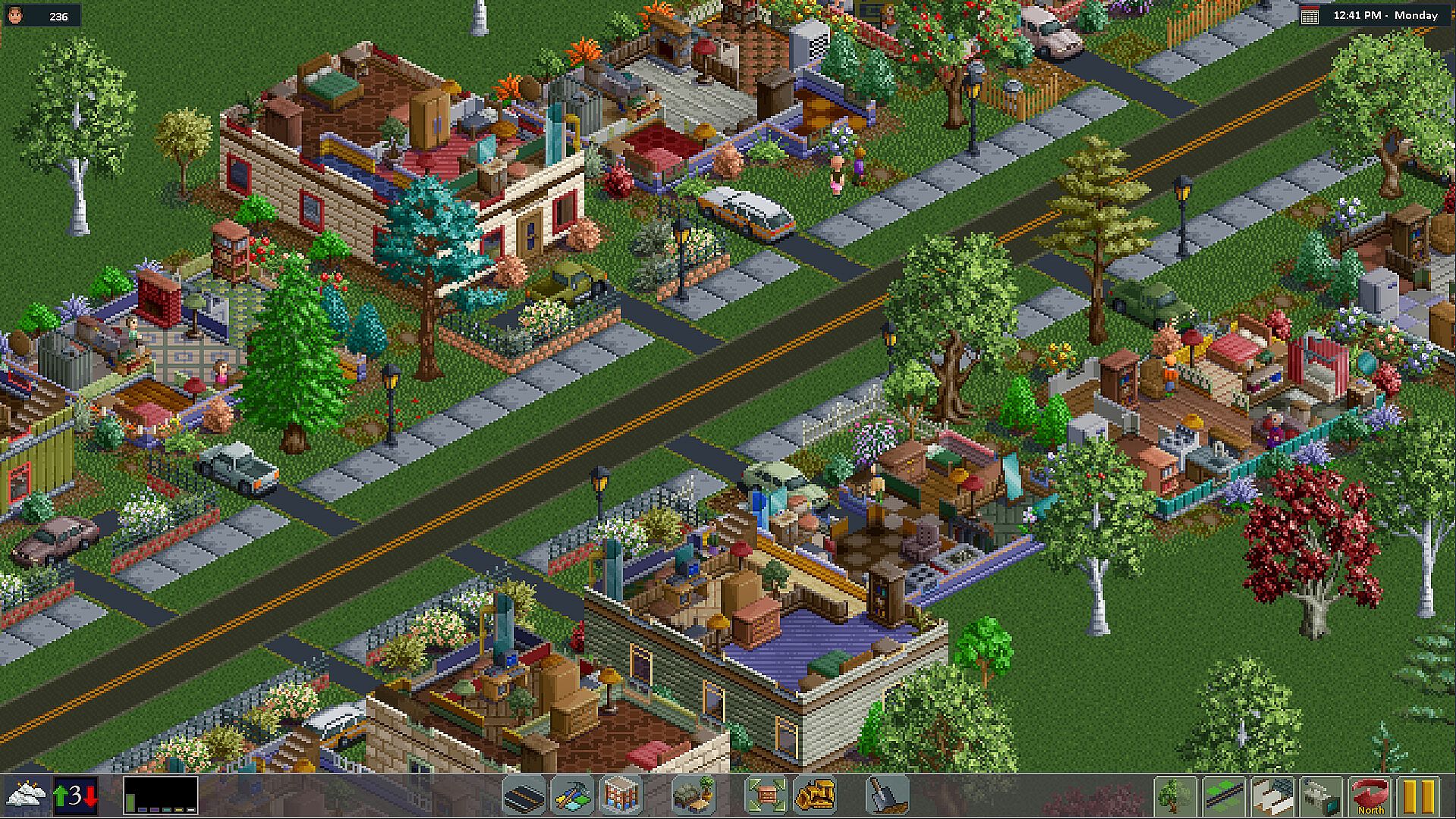
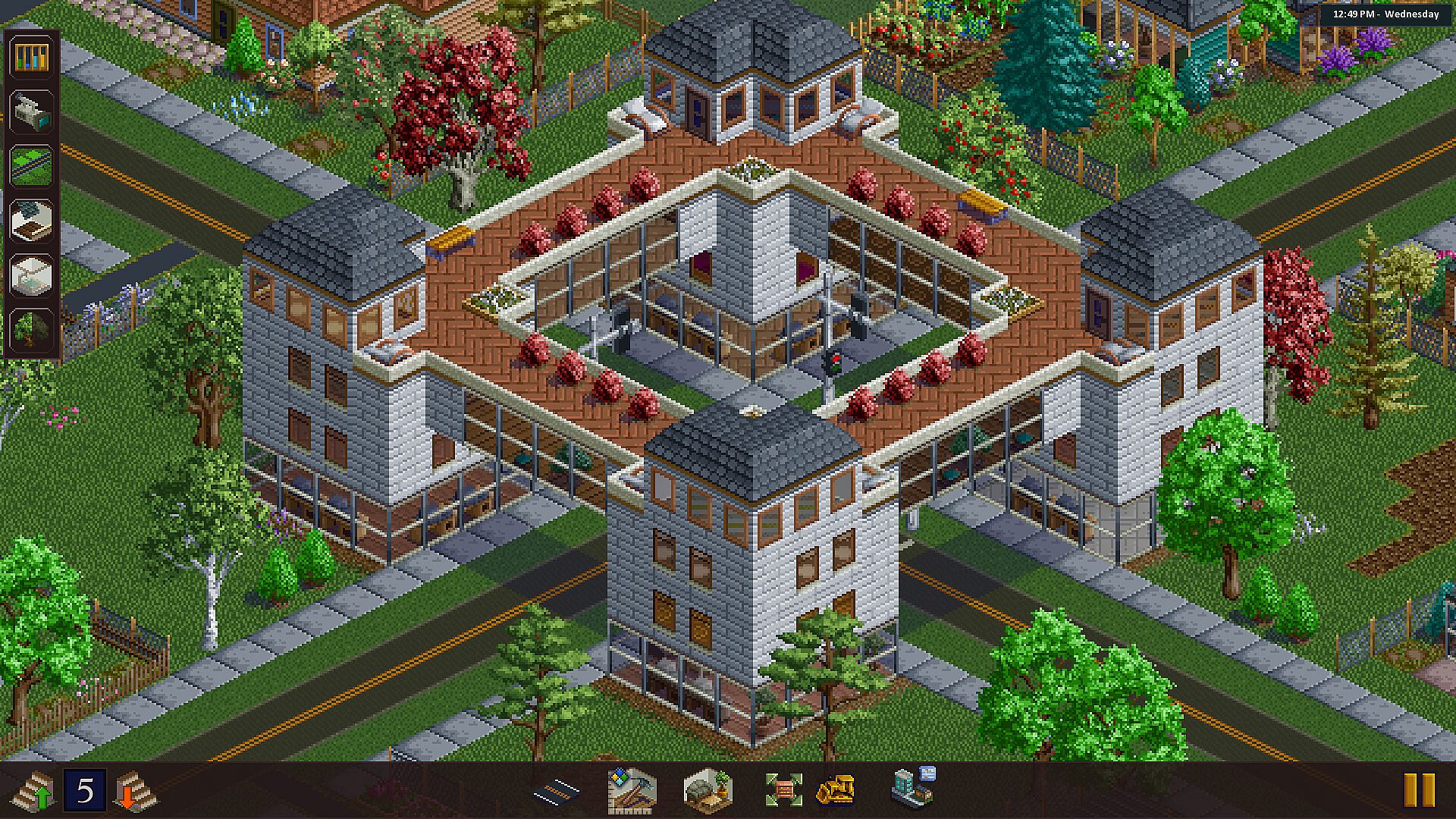
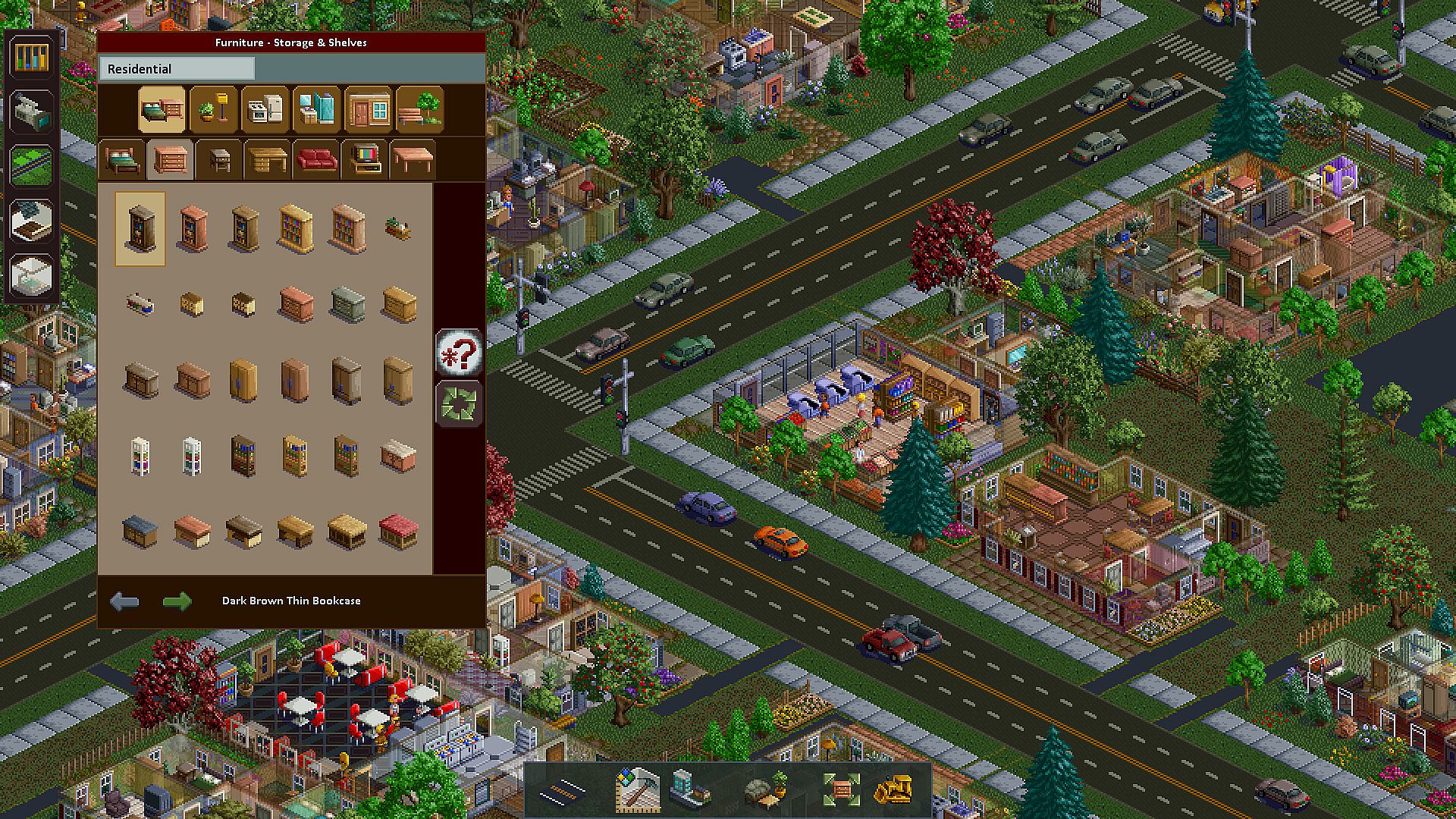
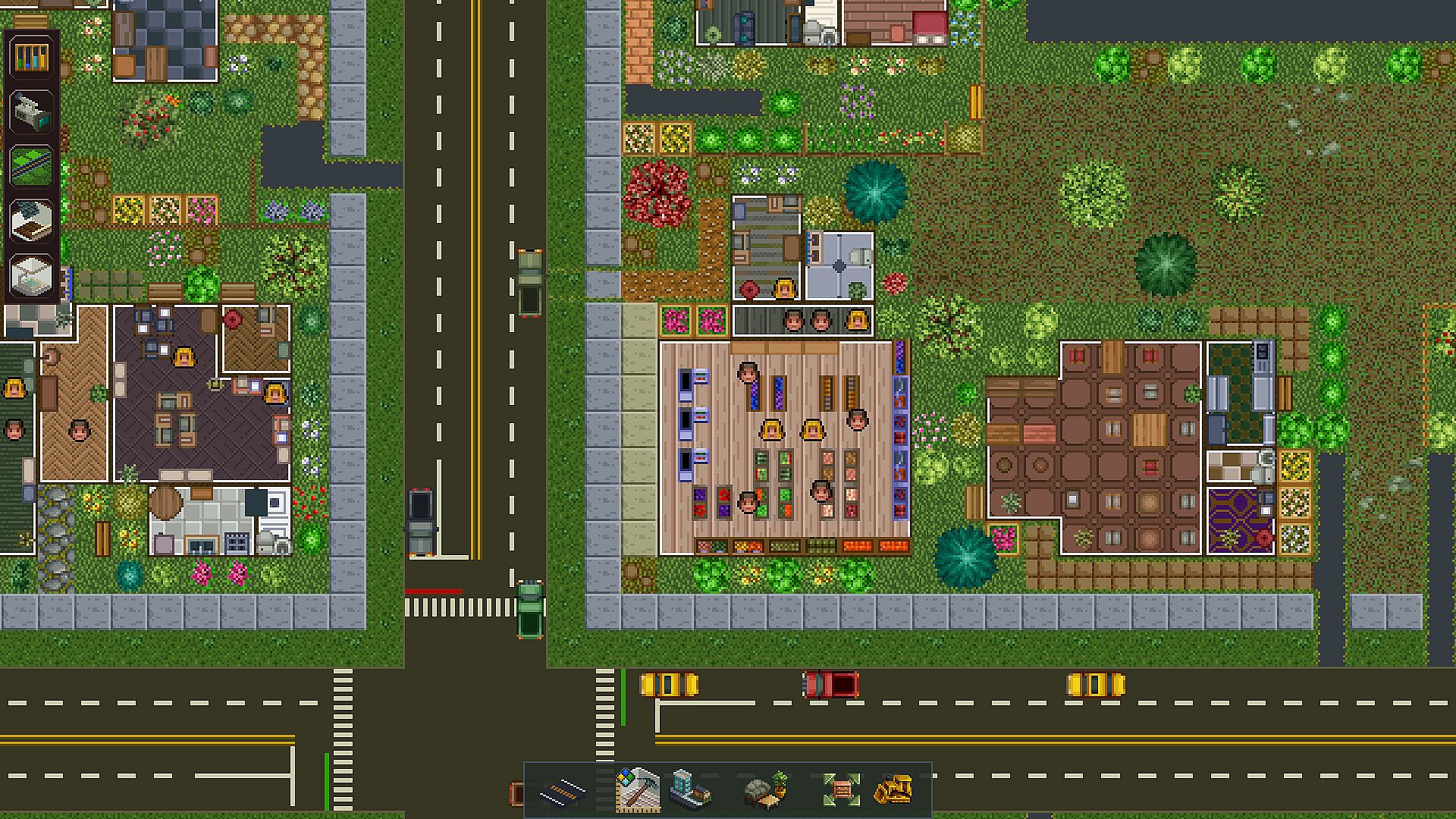
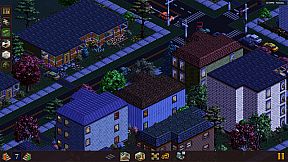
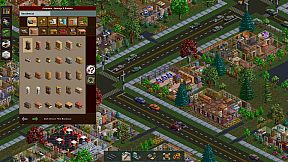
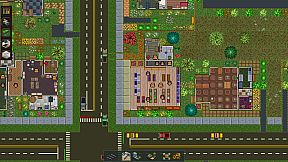
A standout aspect is the traffic management, which handles over 100,000 vehicles and pedestrians efficiently without overwhelming hardware. This allows for large-scale cities that run smoothly. Players can switch between isometric and top-down views to inspect buildings closely, even peering inside homes to observe activities. Building design plays a key role too, with tools to create custom structures, furnish interiors, and share designs with others, adding a creative layer to the strategy.
Game Modes
The game emphasizes a single, expansive mode centered on city construction and management, without distinct competitive or multiplayer options. Players can engage in Micro Map Mode for focused, smaller-scale building sessions that highlight detailed simulations in confined areas.
Camera perspectives enhance flexibility, letting you toggle between classic isometric for a broad overview and top-down for intimate details, adapting to different play styles within the main simulation framework.
Key Features
Metropolis 1998 uses a true 2D isometric engine with pixel art assets, evoking the charm of 90s and early 2000s titles while incorporating modern efficiencies. The granular demand system ensures that economic growth ties directly to citizens' evolving needs, creating a dynamic loop of expansion and adjustment.
Customization extends to almost every element, from exterior facades to interior layouts, fostering replayability through community-shared content. This depth suits strategy enthusiasts who prefer thoughtful planning over fast-paced action.
Is It Worth Playing?
For those drawn to simulation and strategy games with a creative twist, Metropolis 1998 offers a compelling option, especially in its free-to-play format that lowers the barrier to entry. The game's detailed citizen behaviors and building tools provide hours of engagement for players who enjoy micromanaging virtual societies.
Positive feedback from early players highlights its beautiful pixel art and innovative traffic simulation, making it a fresh choice in the city-builder space. If you appreciate indie titles that evolve through early access with community input, this one aligns well, though it may not suit those seeking quick sessions or multiplayer elements.