

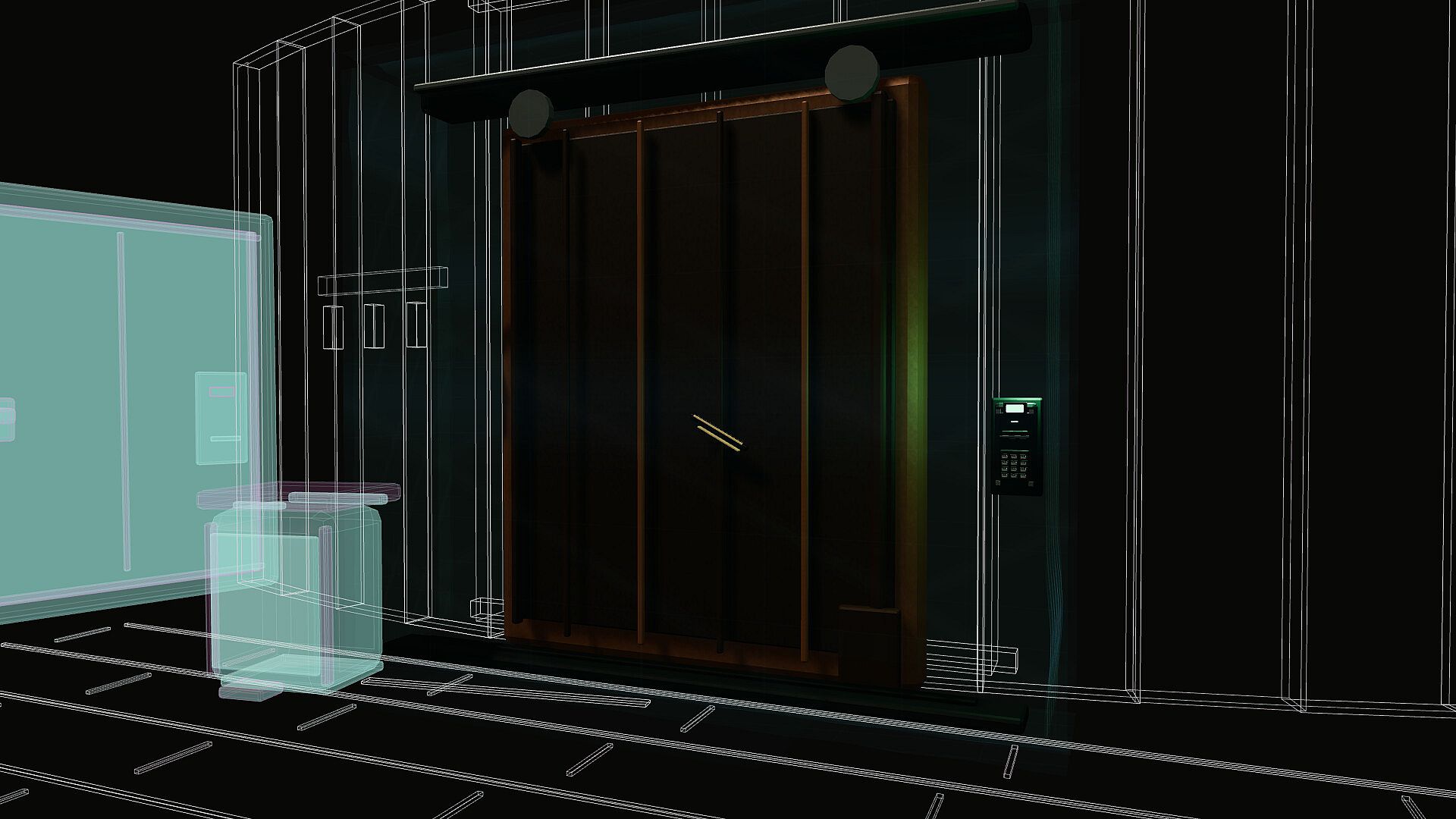
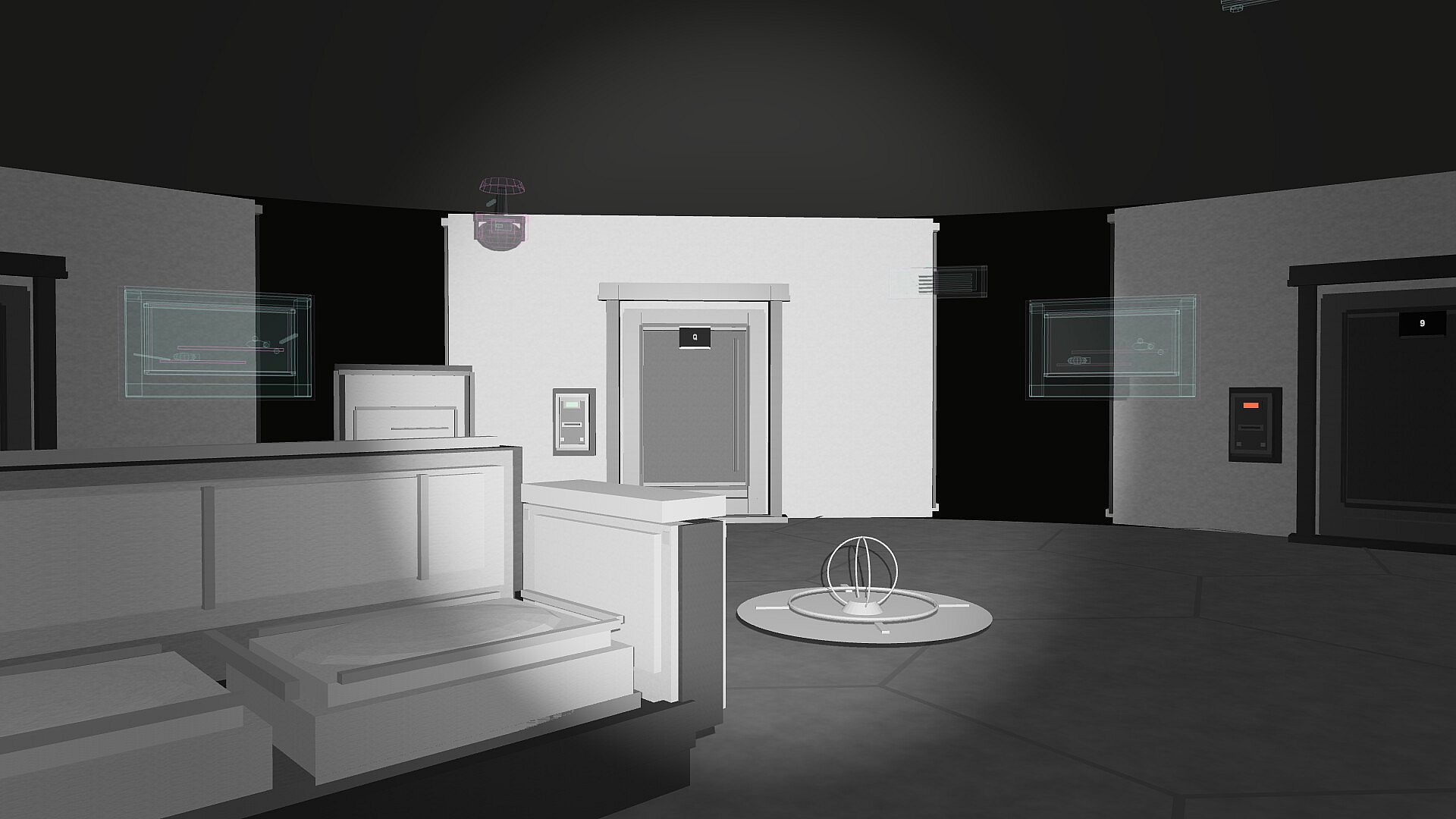
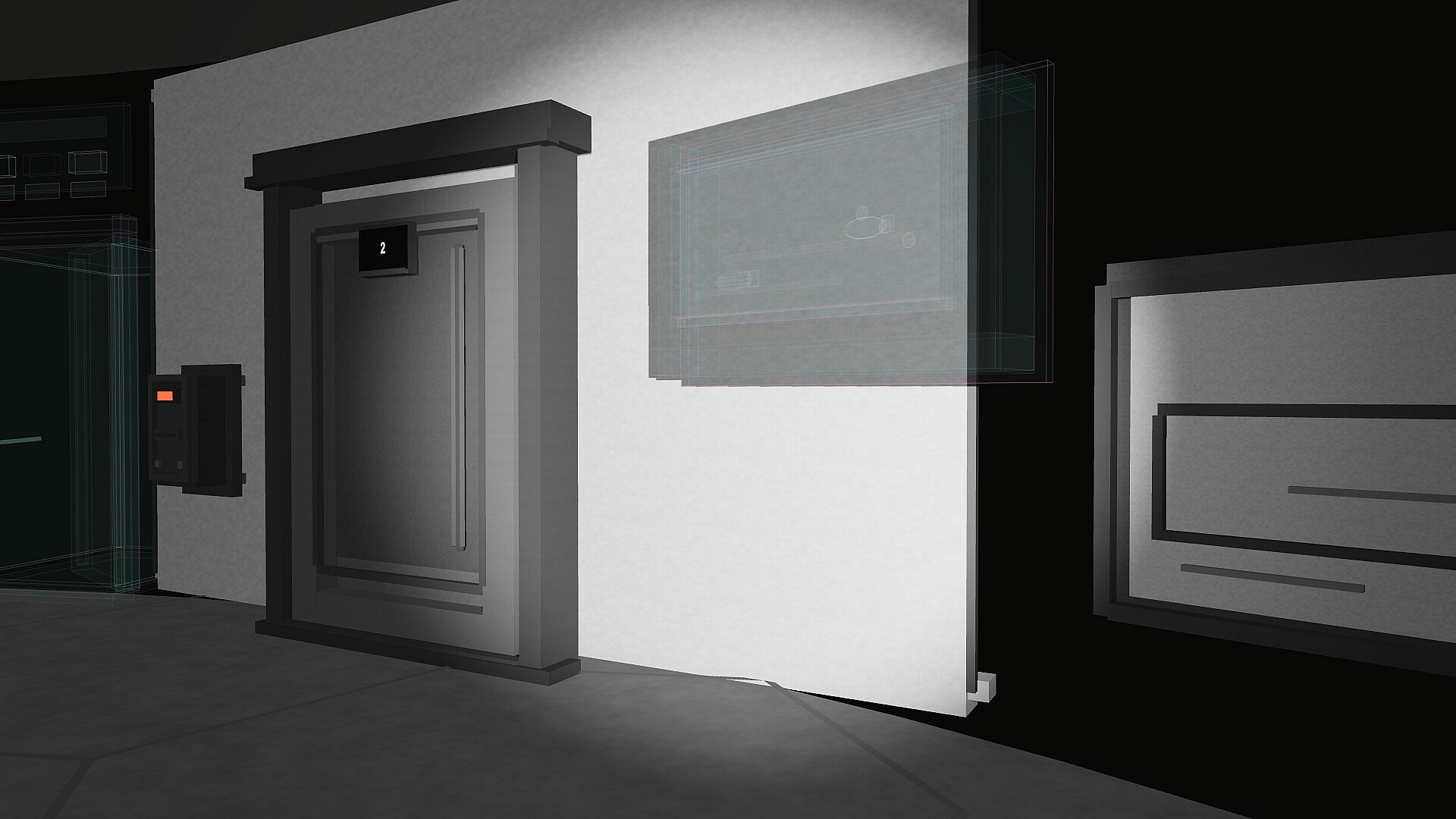
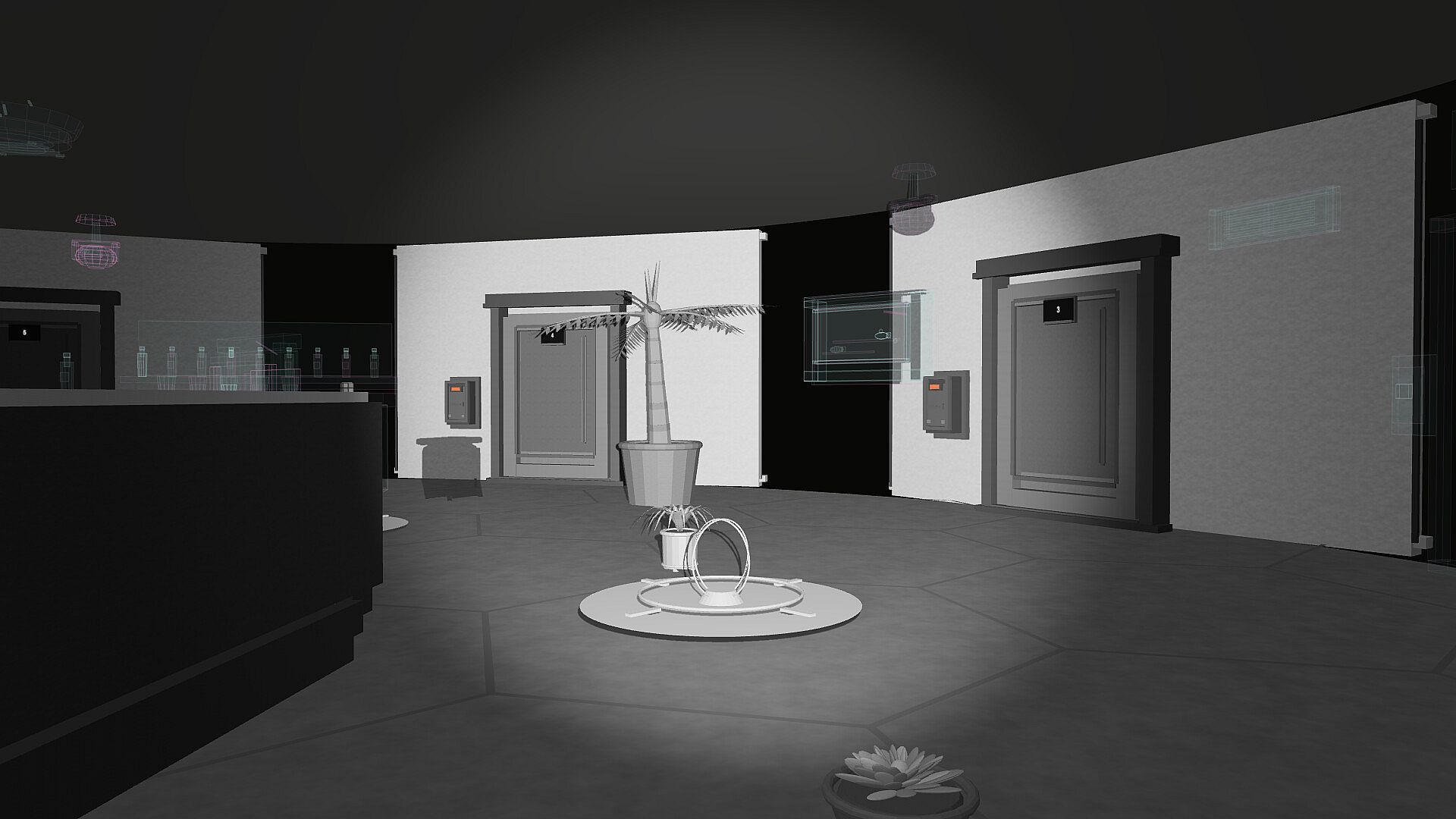
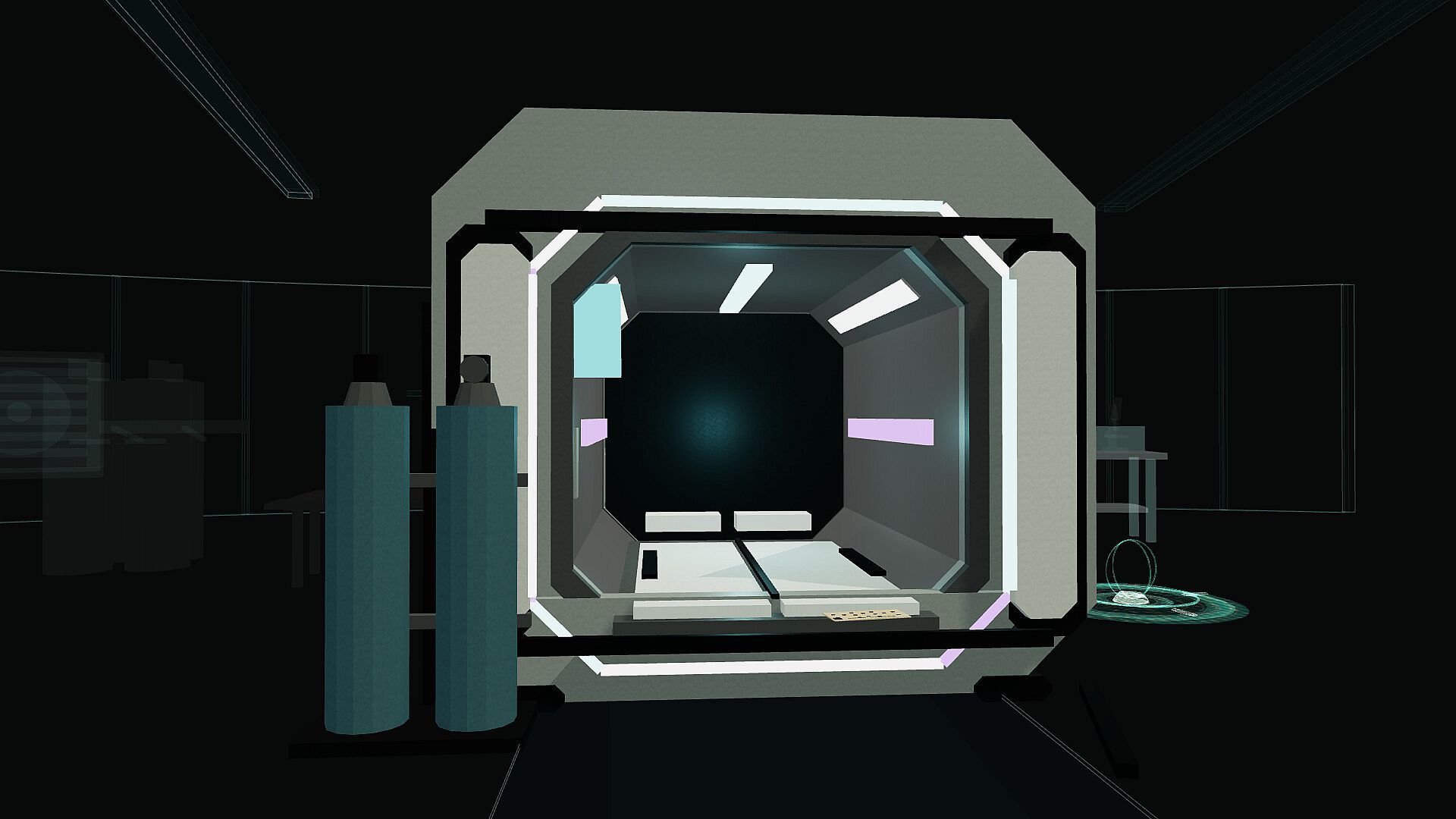
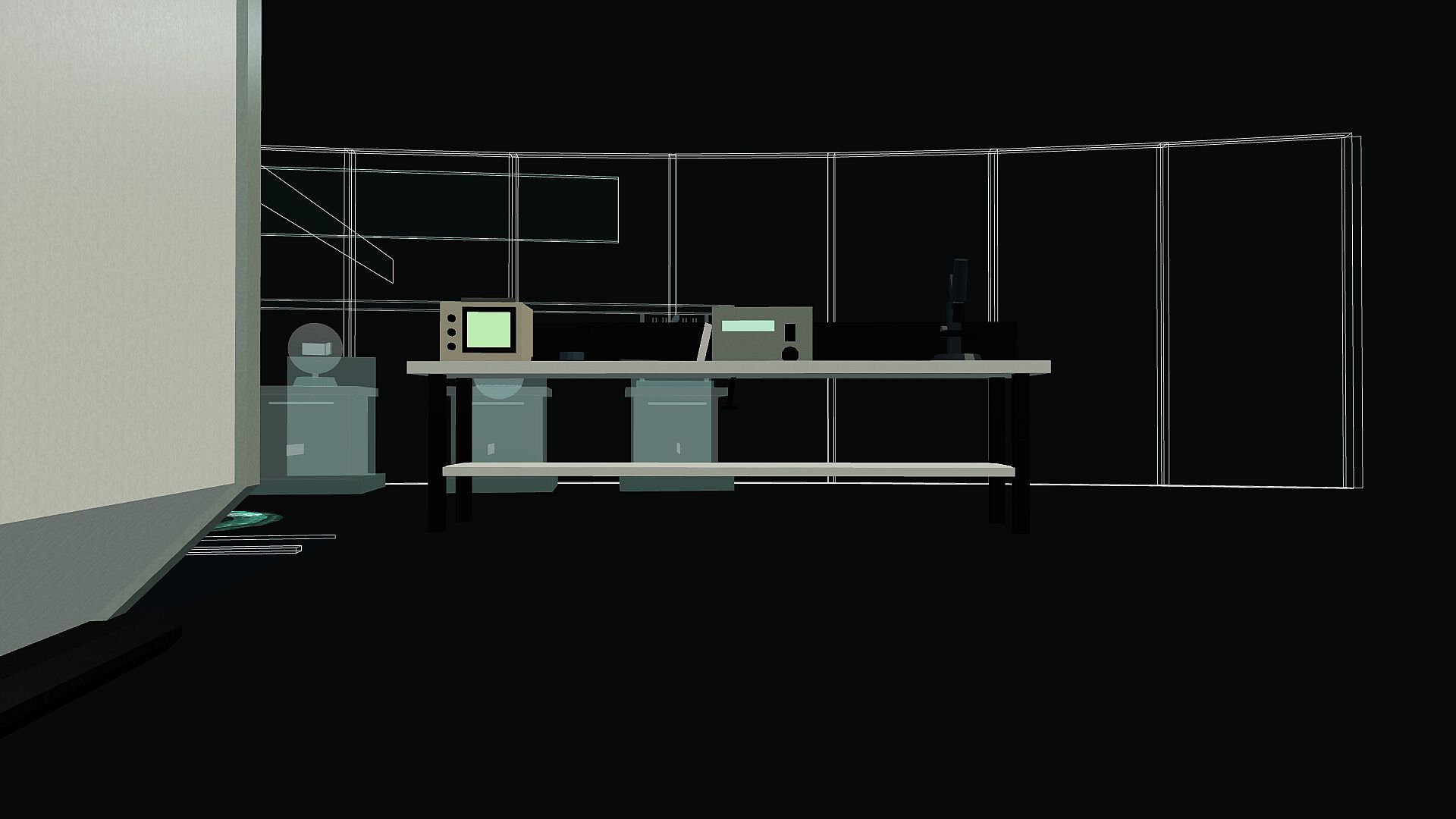
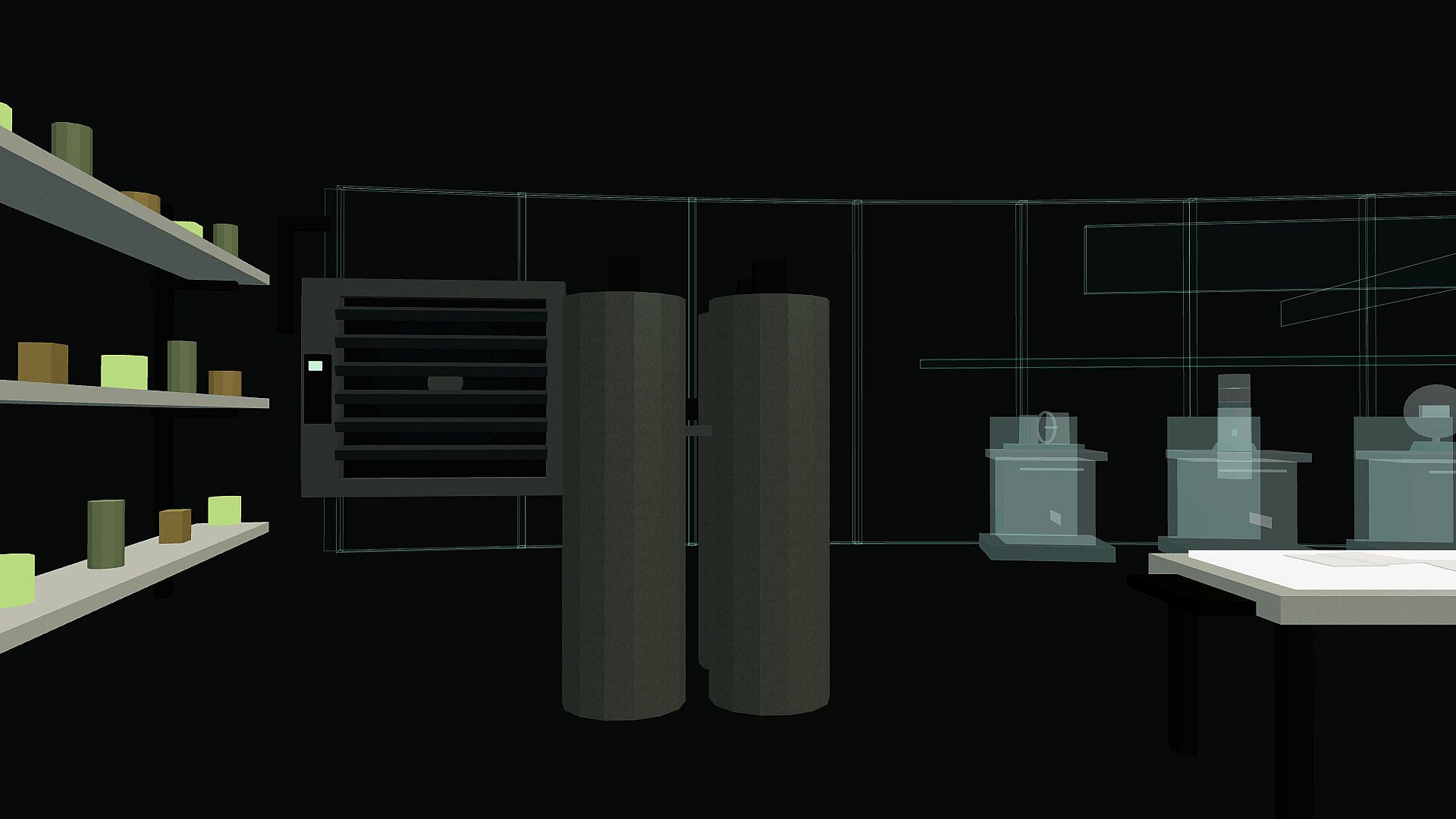

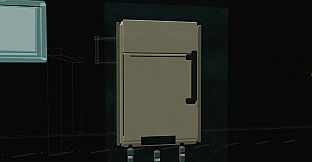
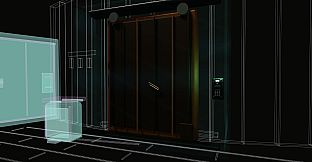
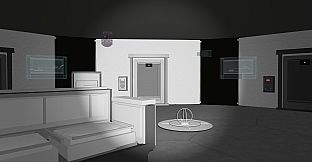


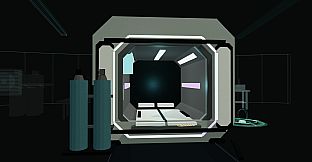
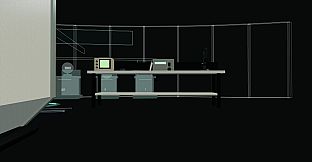
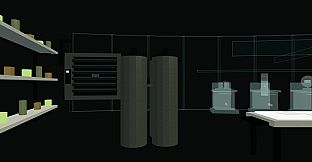
Memory Dive: An 3xscape Game Chapter One is a first-person investigation adventure for PC that places players inside a reconstructed memory scan. The experience centers on exploring spaces assembled from incomplete data, where the goal is to understand events through careful observation rather than action or speed.
Gameplay
The core loop involves moving through three distinct locations while examining objects at close range. Players focus on items to resolve them into usable records, which then enter a searchable case database. These records gain value only when linked together, unlocking doors, machines, or additional information. The system tracks every entry permanently, allowing connections to form across extended sessions without loss of progress.
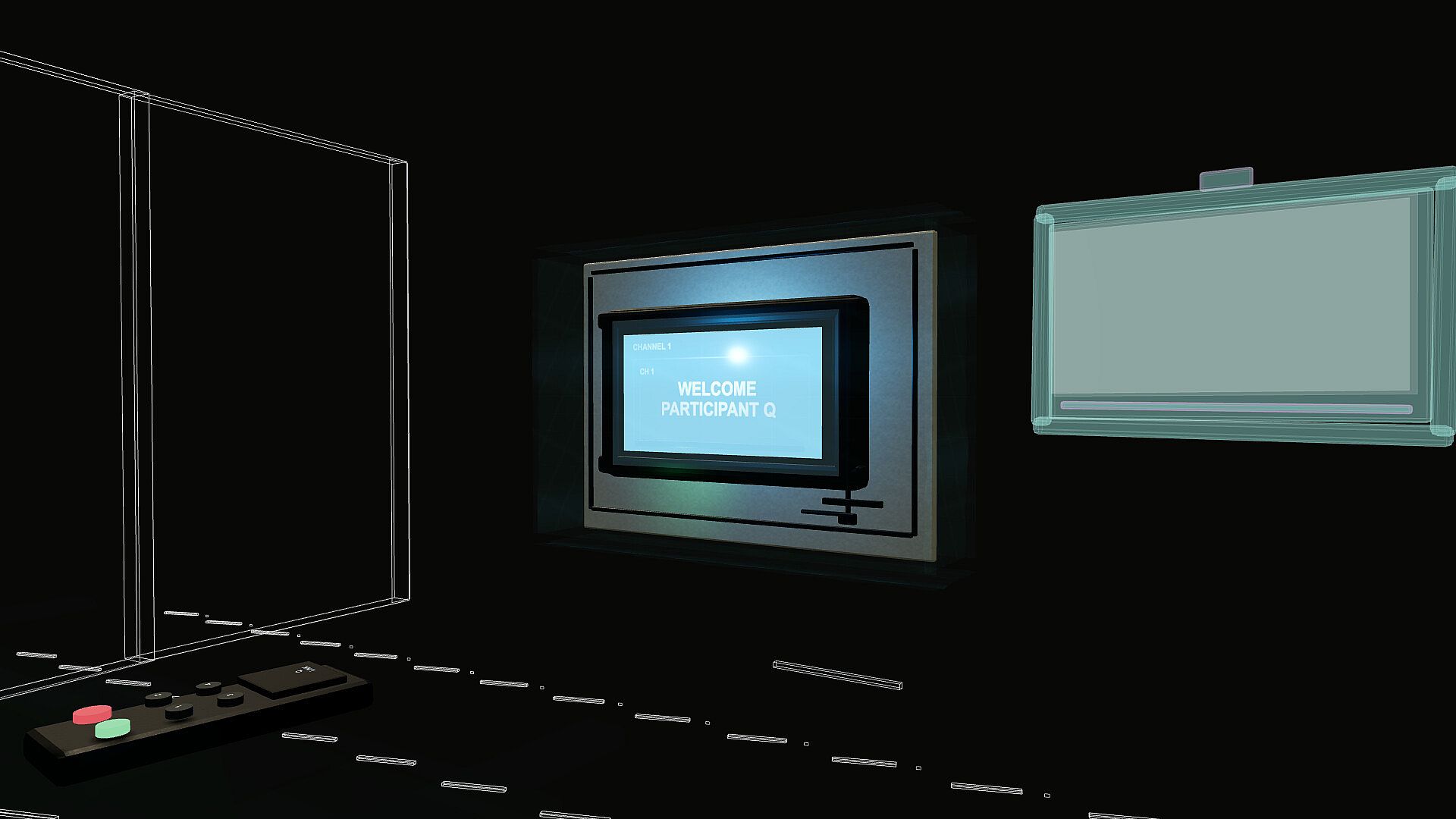
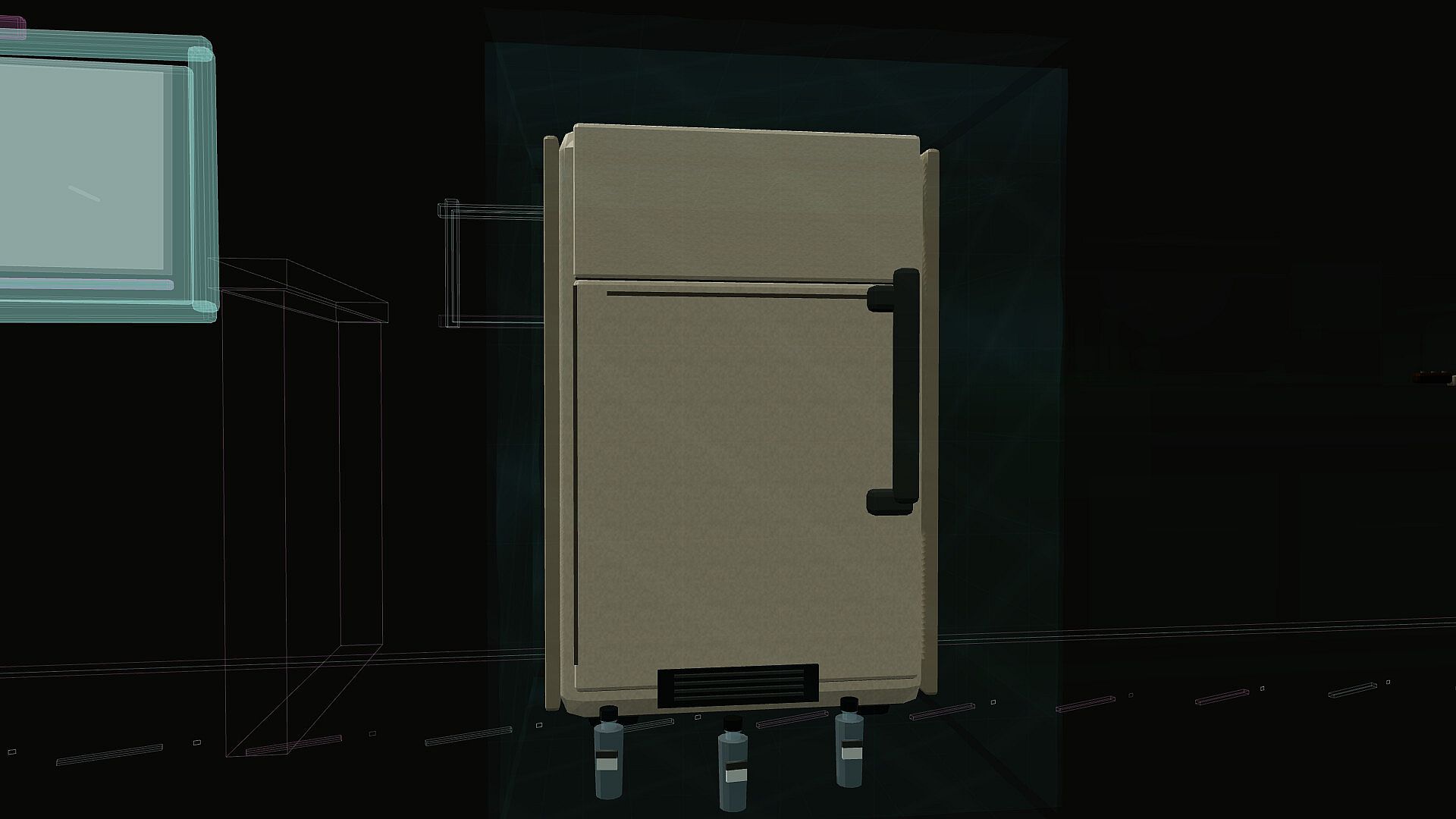
Inspection includes free orbit around focused objects, revealing details that shift an item from background scenery into testimony. Some elements remain unresolved until the right connections appear, and the reconstruction includes deliberate inaccuracies such as misplaced objects or invented details. Distinguishing recovered facts from machine-generated guesses forms a central part of the process. Cinematic memory flashbacks appear at key moments and reframe previously explored areas.
Progress depends on evidence rather than trial-and-error clicking or external hints. The design supports a measured pace with the ability to save at any point, and optional layers of detail plus hidden records reward repeated examination of the same spaces.
Game Modes
The game operates as a single continuous investigation without separate modes or variations. Chapter One delivers one complete narrative arc across its three locations, with all mechanics integrated into the main experience. There are no additional modes, multiplayer options, or alternate play styles confirmed for this release.
Story and Setting
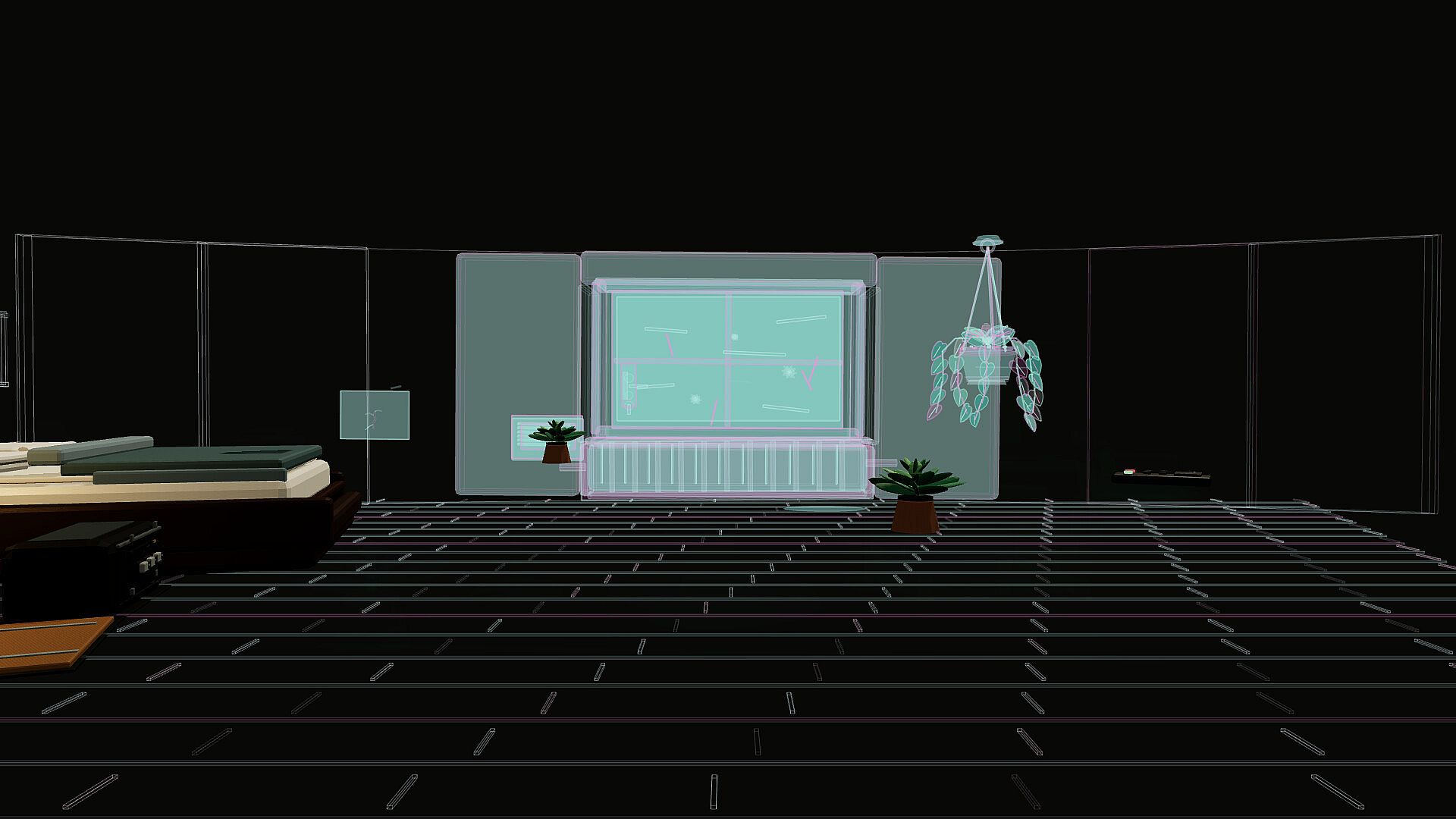
The narrative follows nine strangers connected to a facility and the games they participated in. Players navigate a hotel room where the scan originated, a lobby ringed with participant doors, and a laboratory where the reconstruction itself becomes an active element. Two fully voiced characters guide the process: one offers patient classification and citation of facts, while the other maintains a more detached, schedule-driven perspective. Their guidance reveals layers about the scan subject and the purpose behind the memory reconstruction.
Is It Worth Playing?
This title suits players who enjoy methodical first-person mystery adventures built around evidence gathering and logical connections. The absence of combat, timers, or inventory management keeps attention on observation and deduction within an escape-room framework. Chapter One provides a self-contained arc with three varied locations and direct answers about the reconstruction mechanics, making it accessible for those seeking a focused single-player experience. The emphasis on distinguishing real details from reconstruction errors adds depth for players who examine environments thoroughly. Availability on PC supports flexible session lengths through its save-anywhere system.