




















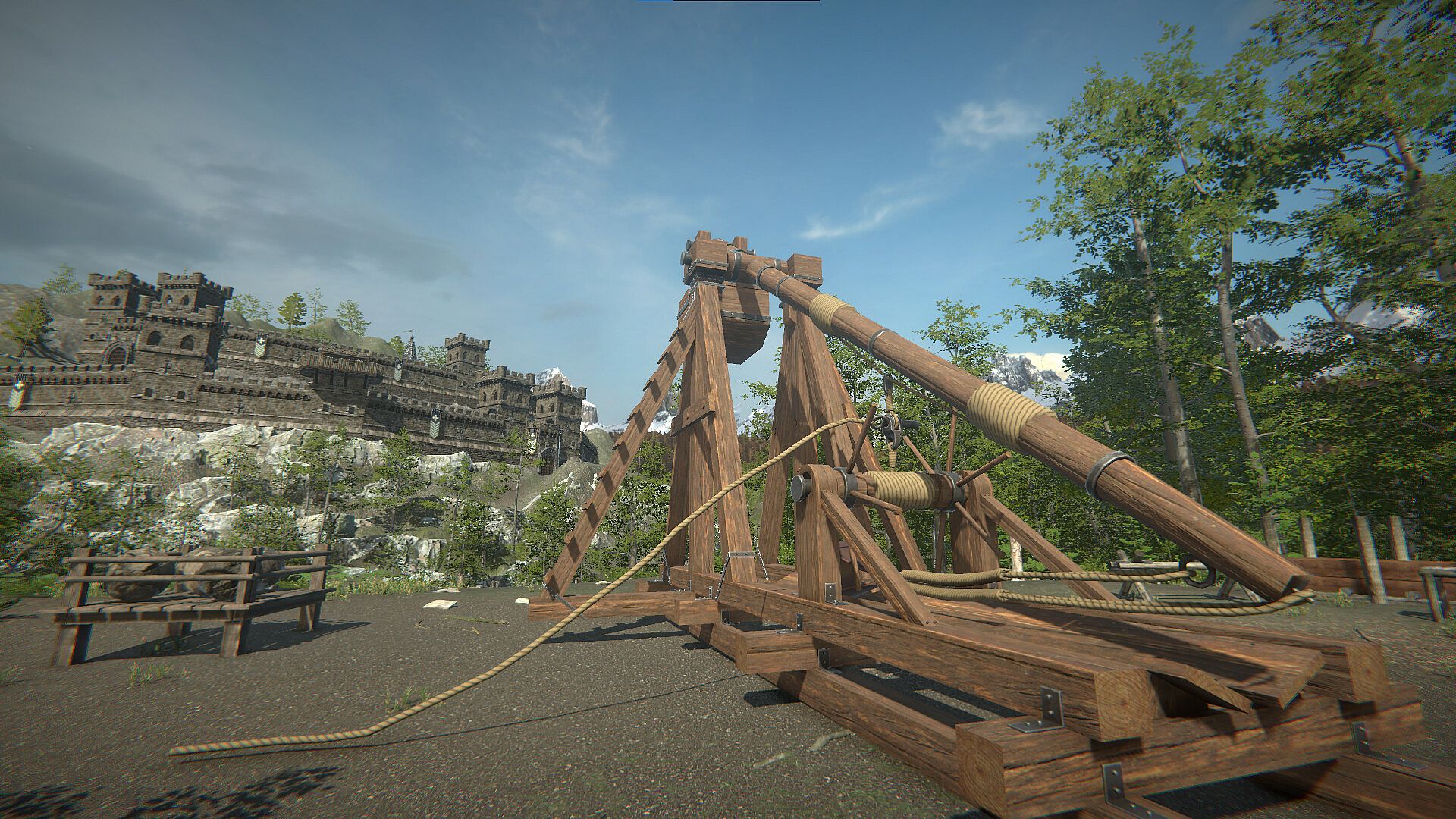
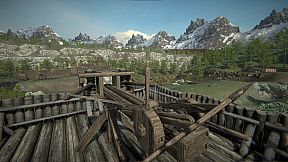
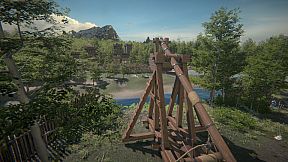
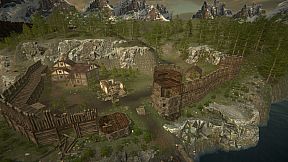
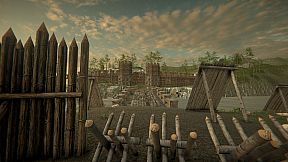
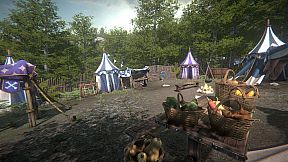
Medieval Machines Builder is a physics-driven simulation game that places players in the role of a medieval engineer tasked with creating and deploying siege weapons. The experience centers on constructing functional war machines from gathered materials and then using realistic physics to test their destructive capabilities against fortified structures. Available on PC, the title blends elements of action, simulation, and adventure within a focused single-player framework that emphasizes planning, assembly, and iterative improvement.
Gameplay
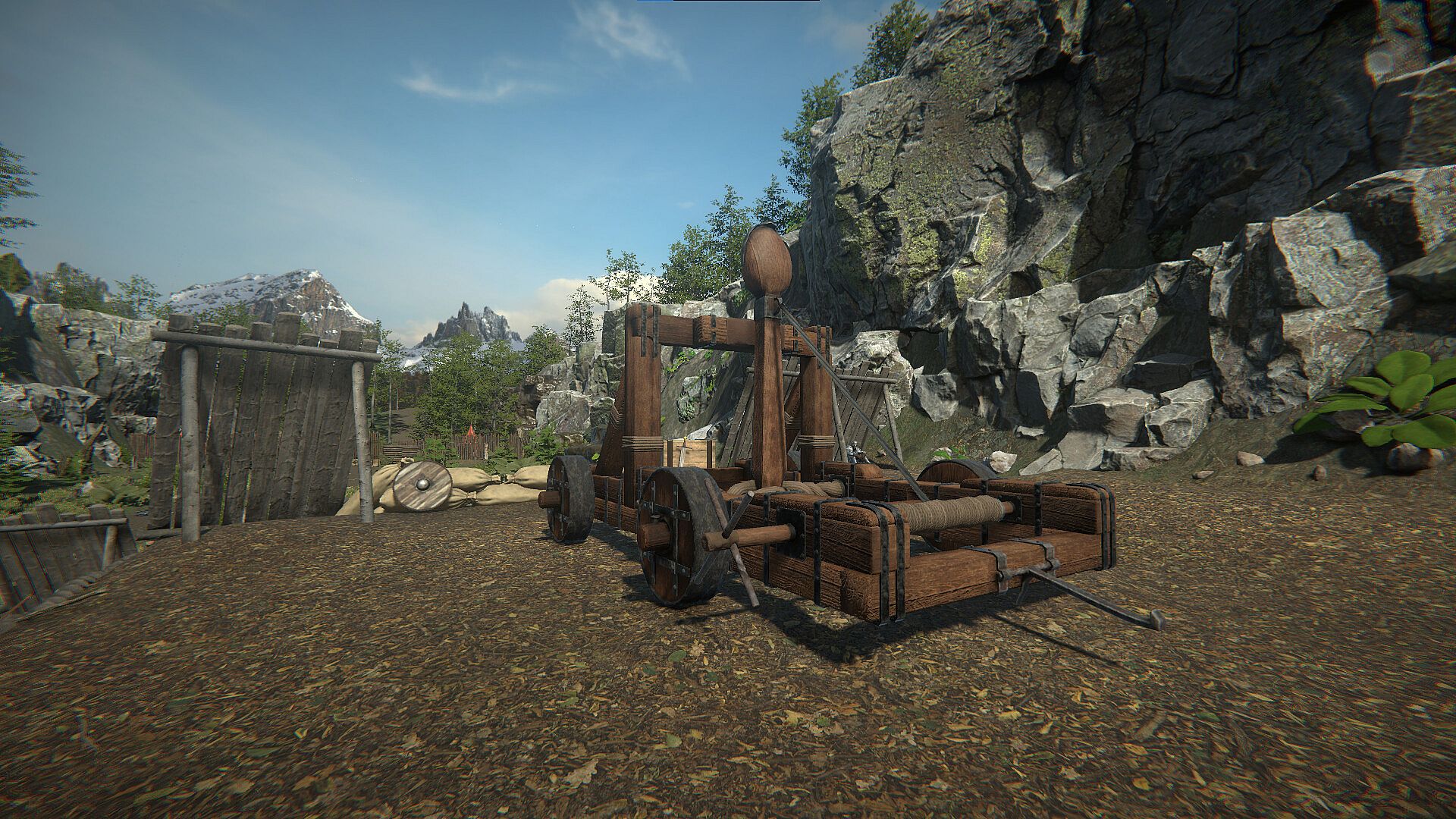
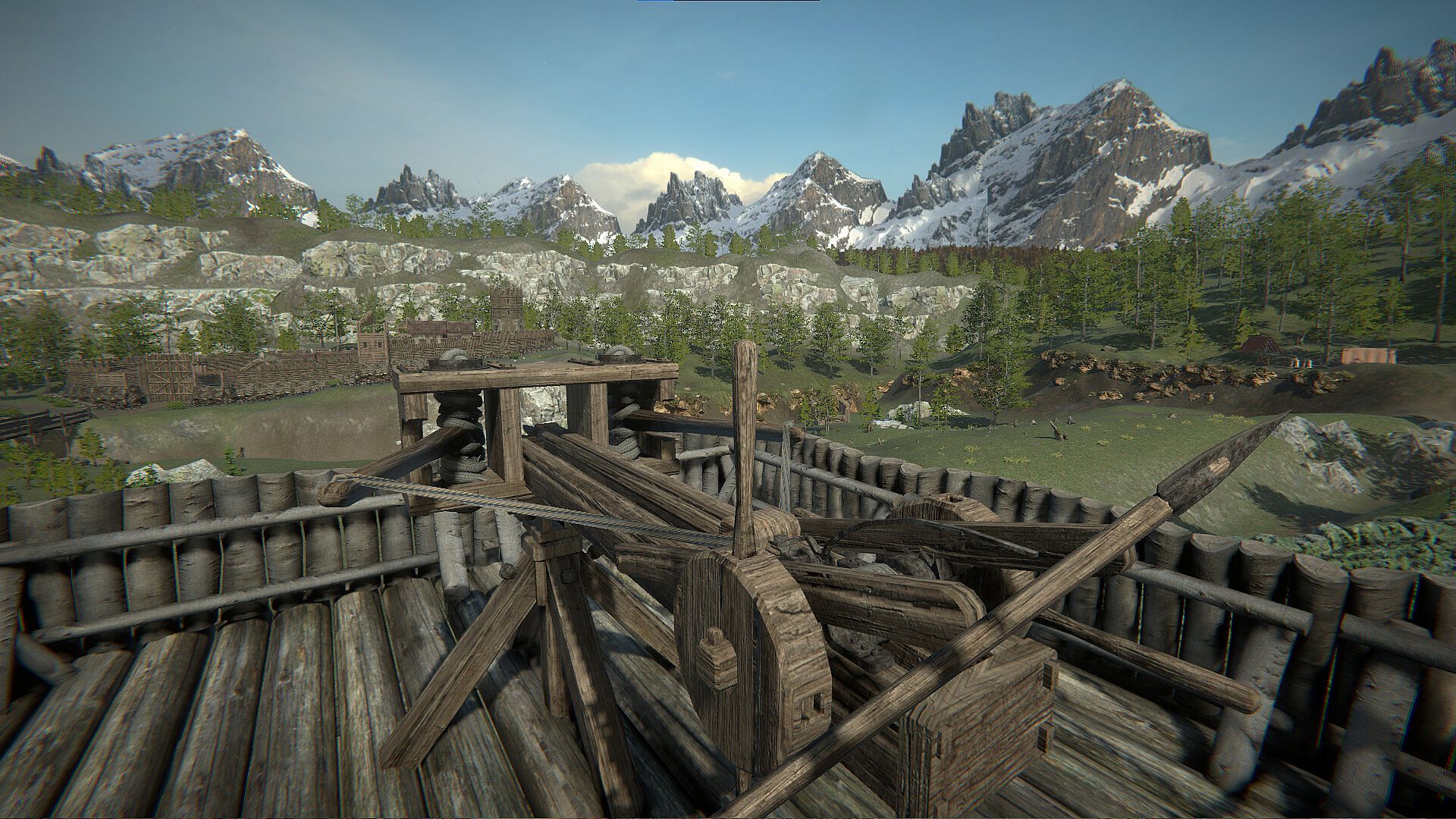
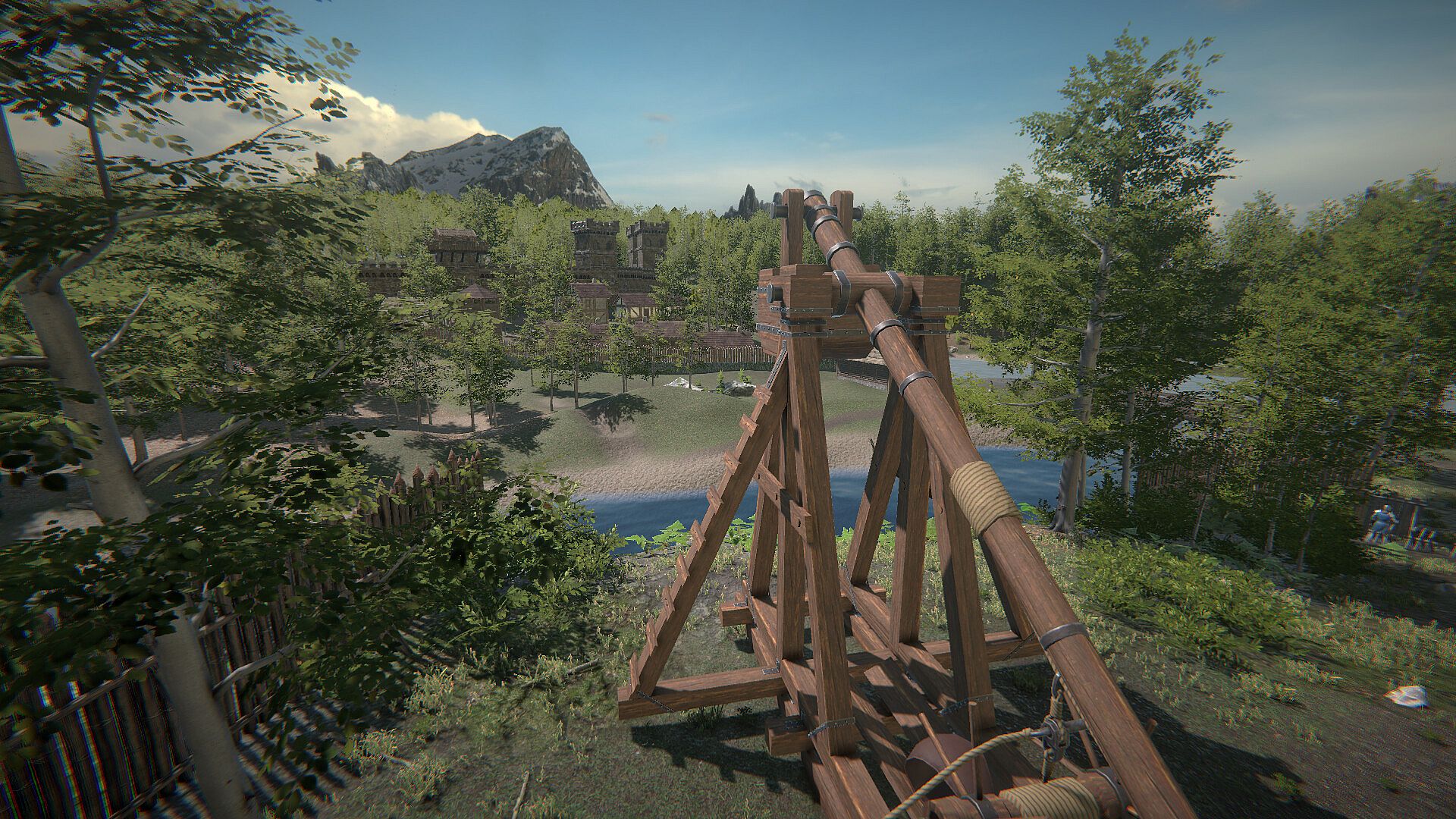
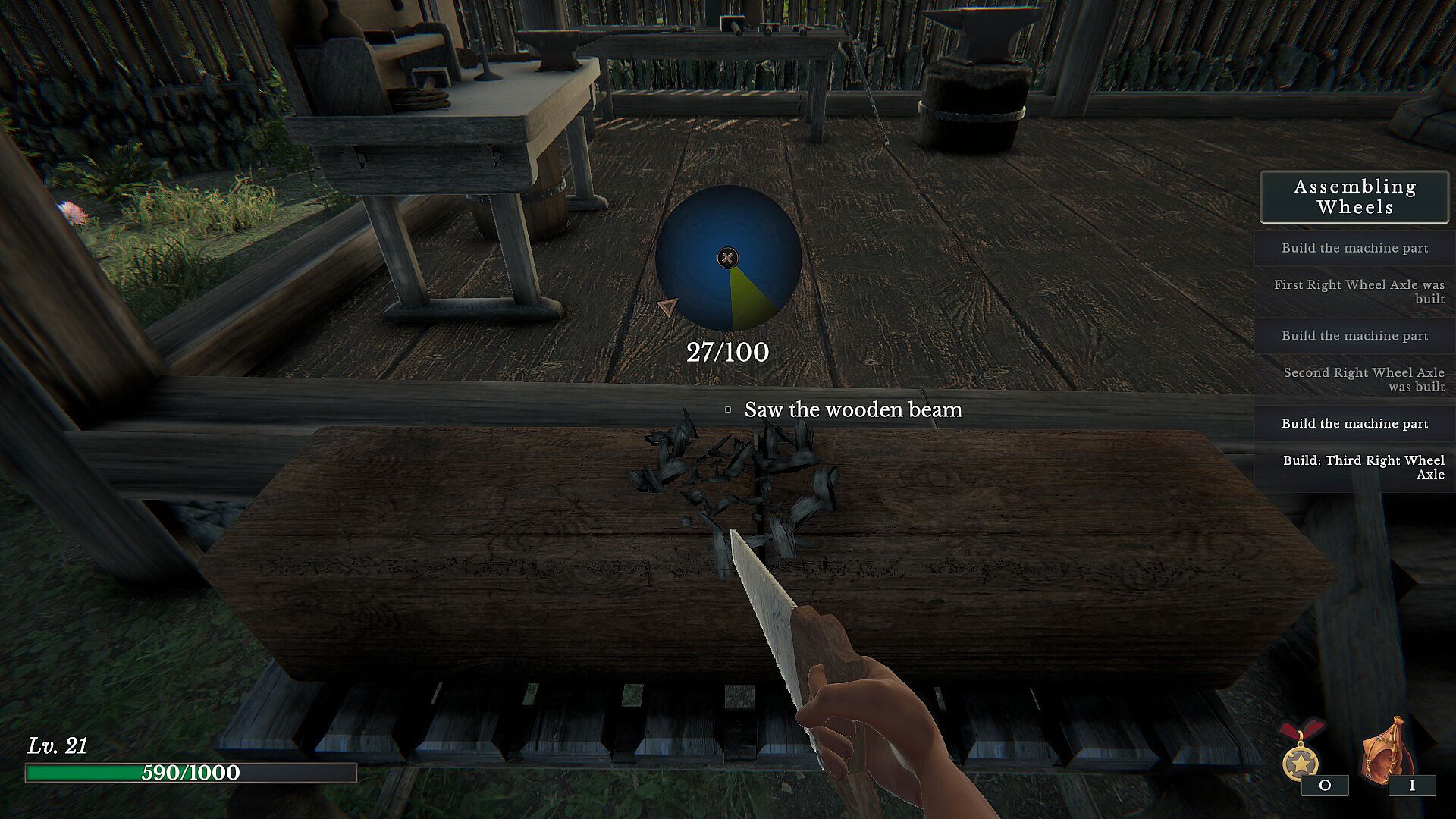
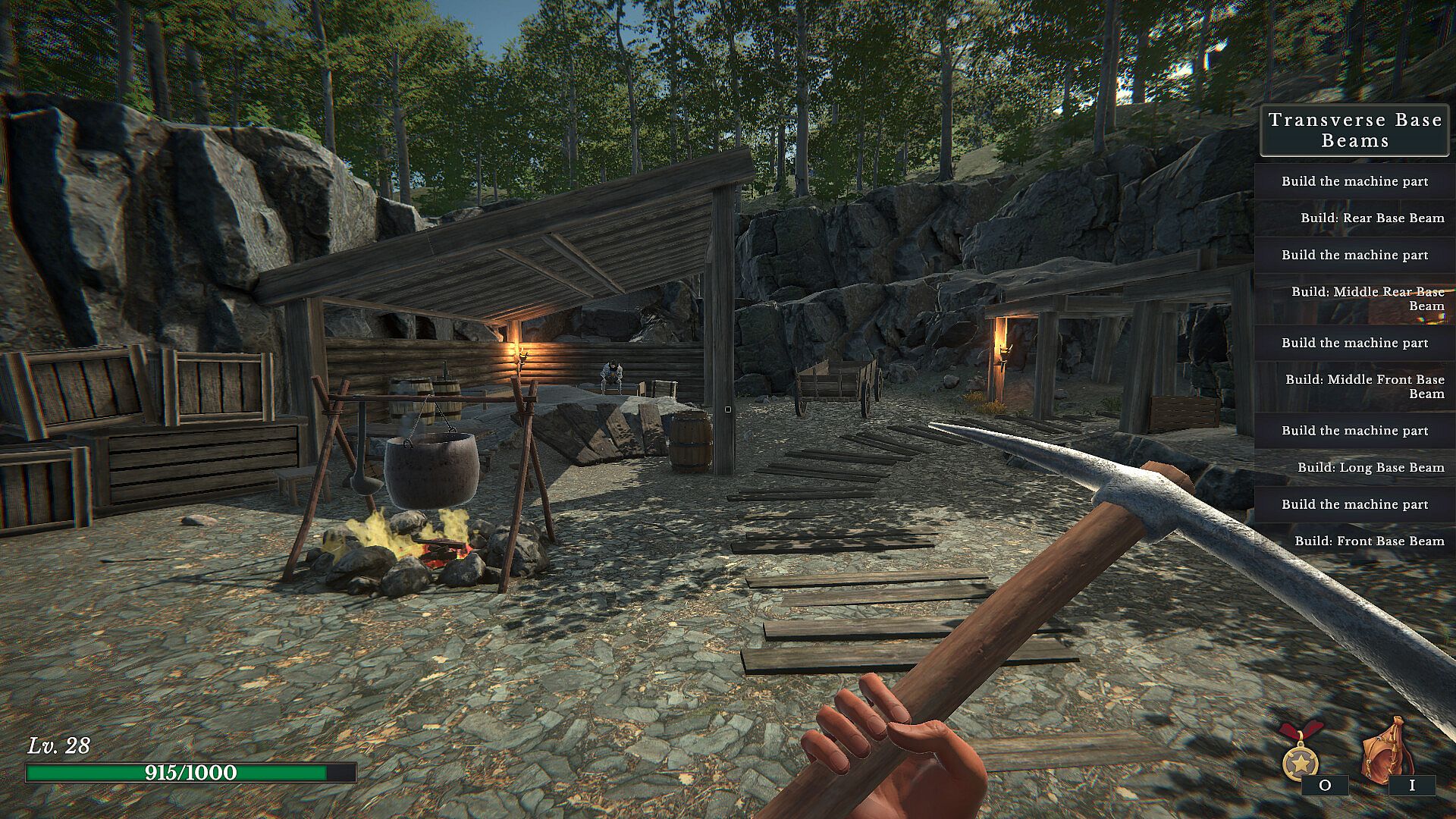
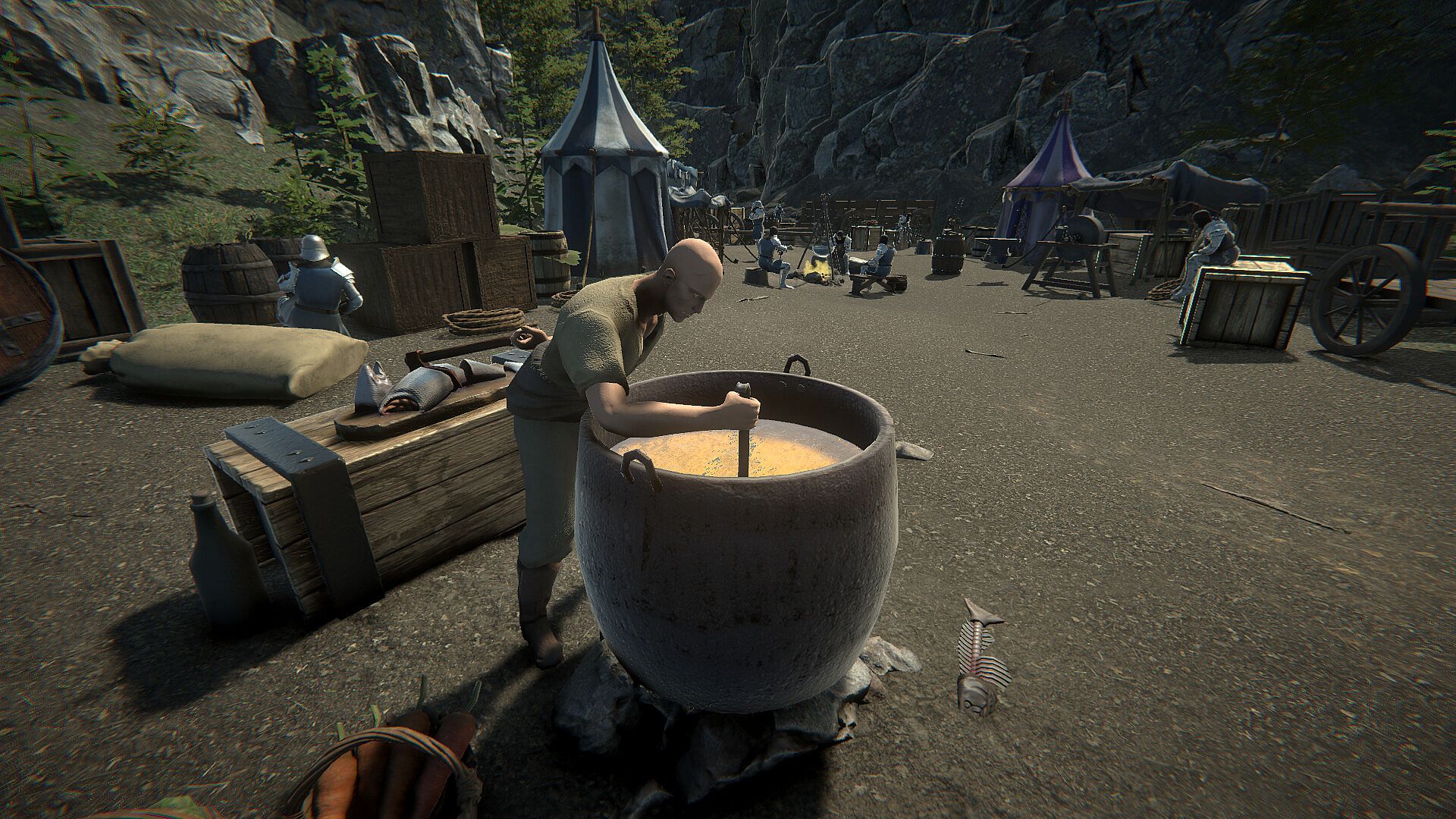
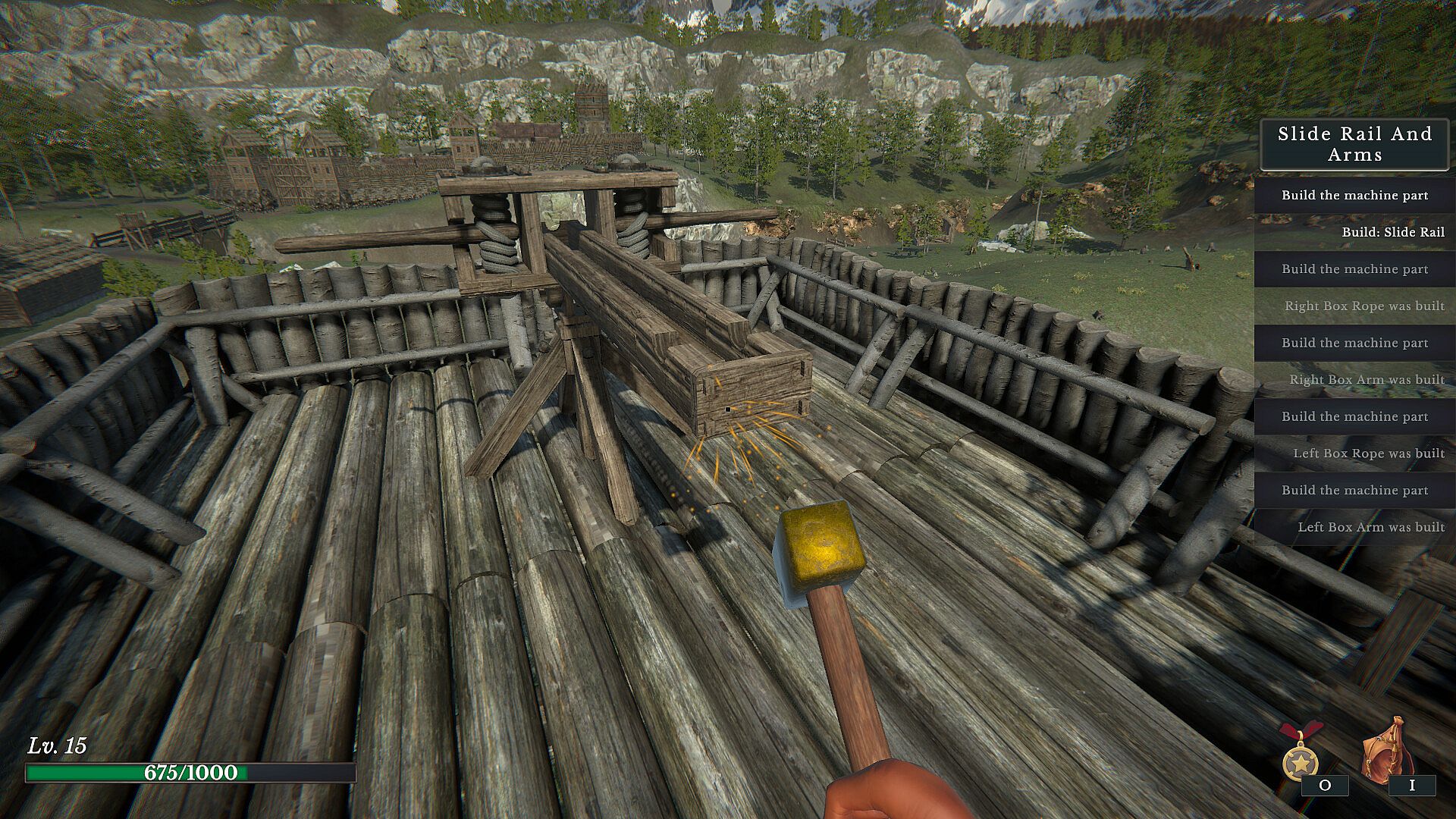
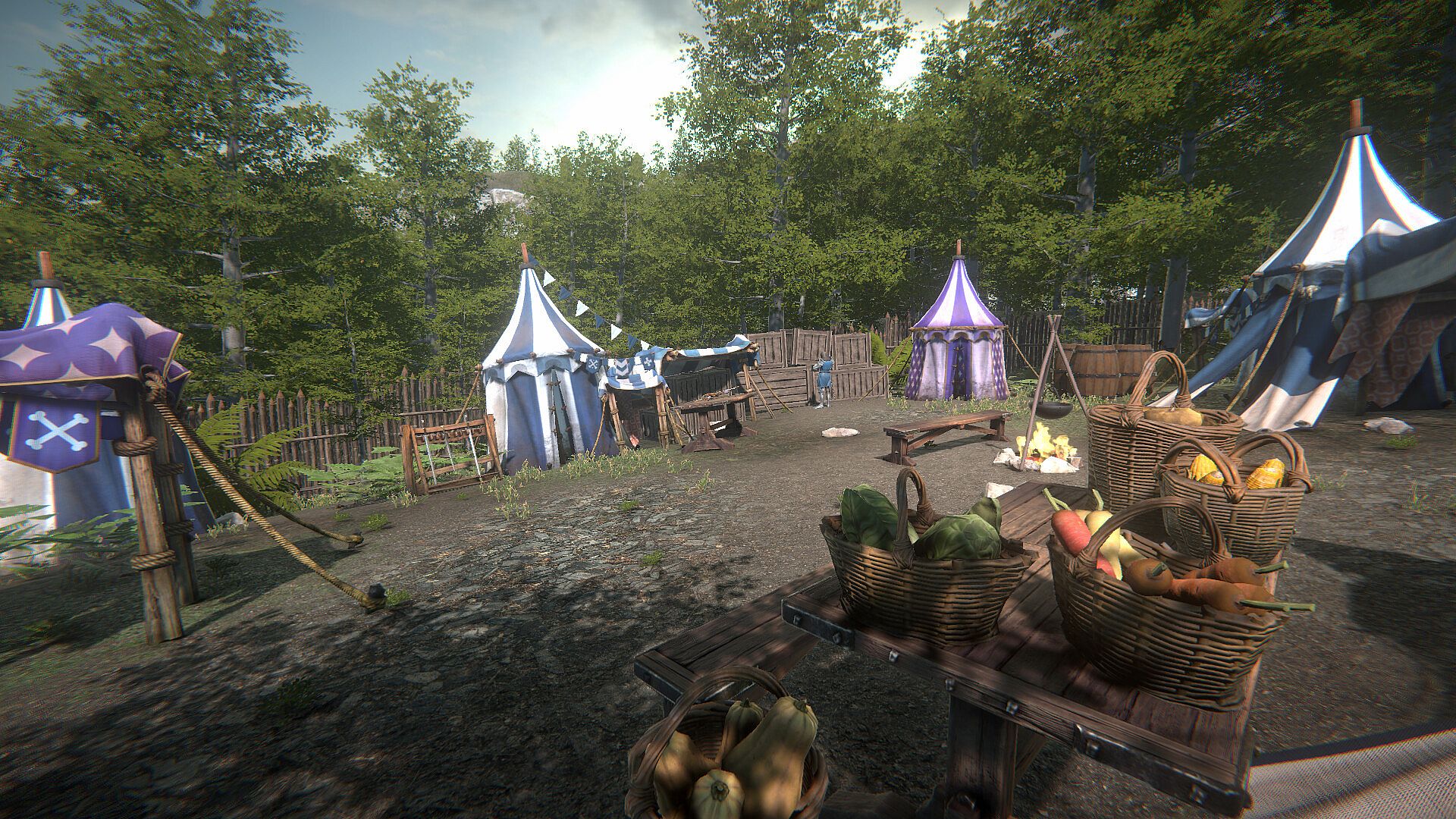
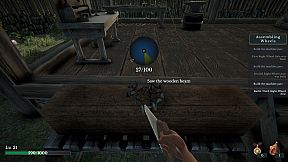
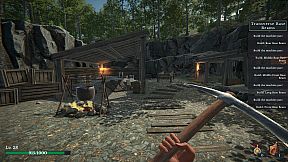
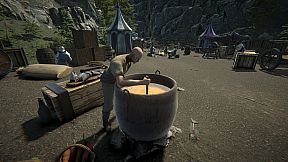
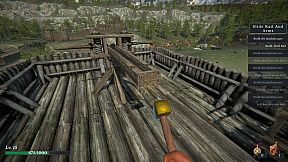
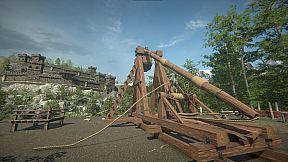
Core gameplay revolves around resource collection and machine construction. Players explore the environment to harvest wood, iron, rope, and other materials needed for building components. These resources feed into a blueprint system where different parts and mechanisms combine to form catapults, trebuchets, ballistae, and similar engines. Assembly requires attention to balance and structural integrity so the finished device can withstand operation.
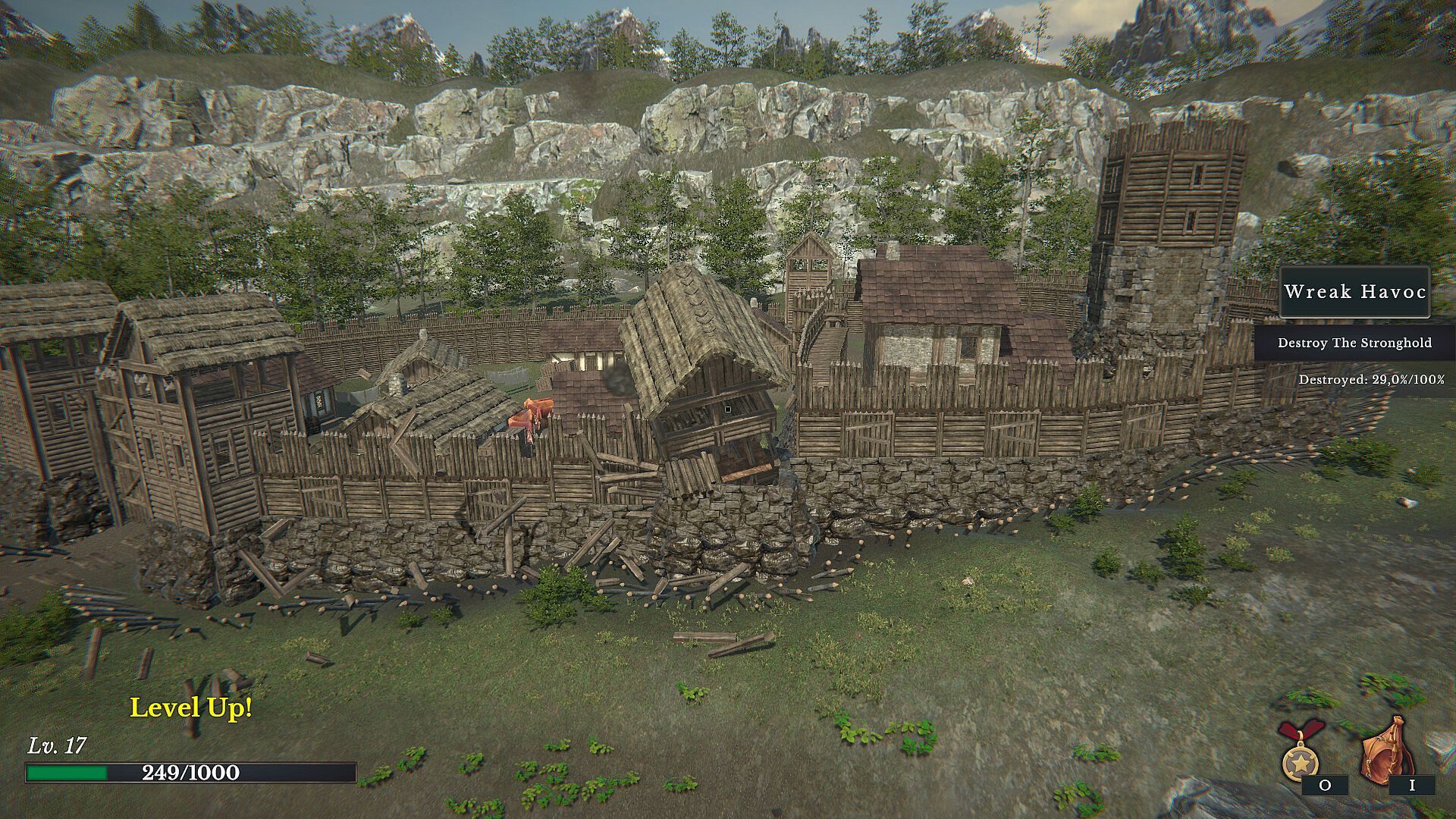
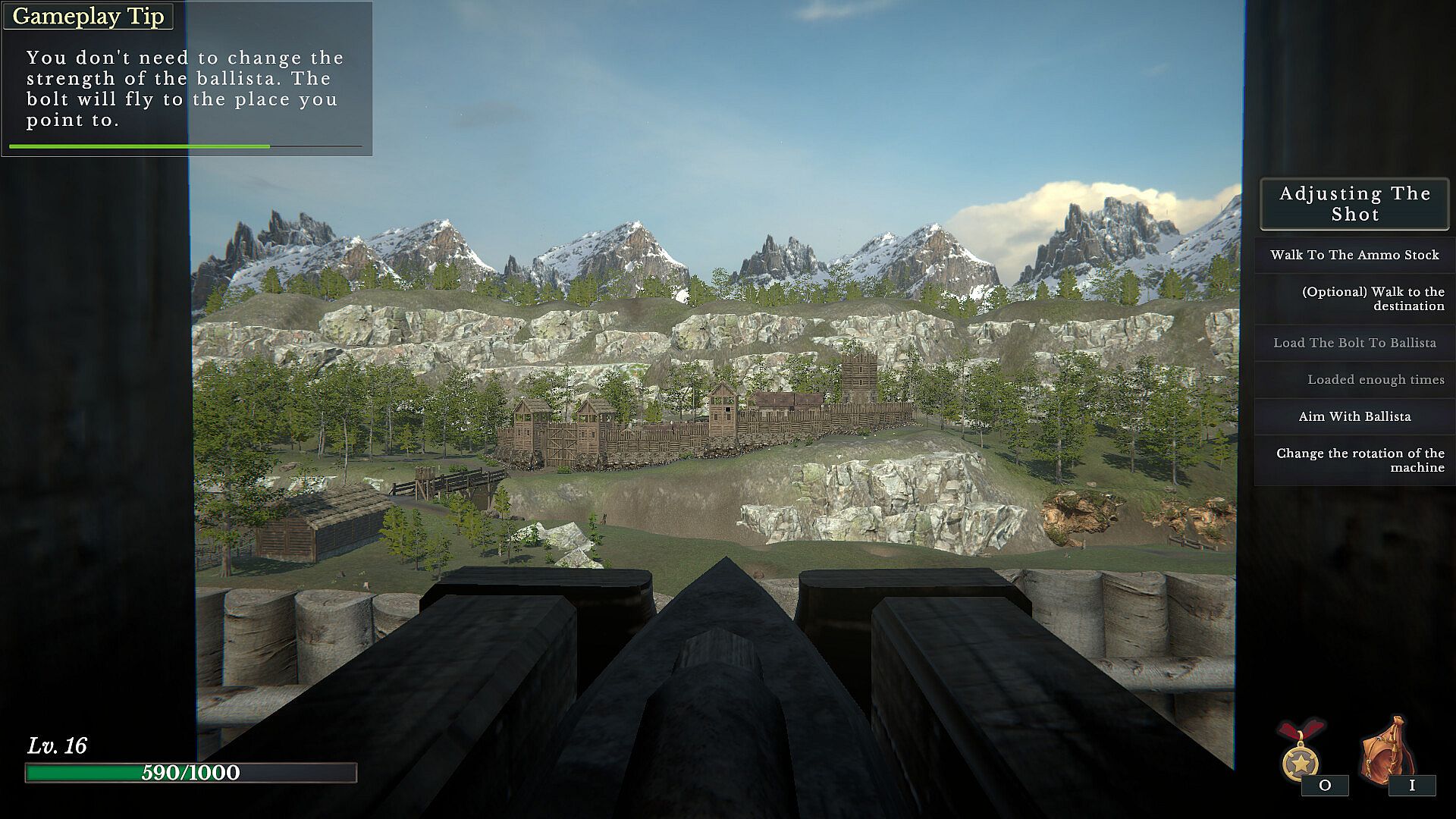
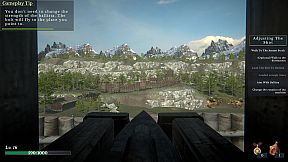
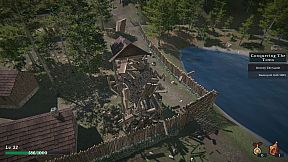
Once built, machines move to testing phases on the battlefield. Players operate the weapons directly, adjusting angles, tension, and firing sequences to maximize impact on stone walls and defensive positions. Physics simulation governs projectile trajectories, structural collapse, and machine stability, rewarding precise engineering over brute force. Ongoing maintenance forms another layer, as repeated use leads to wear that demands repairs to sustain performance.
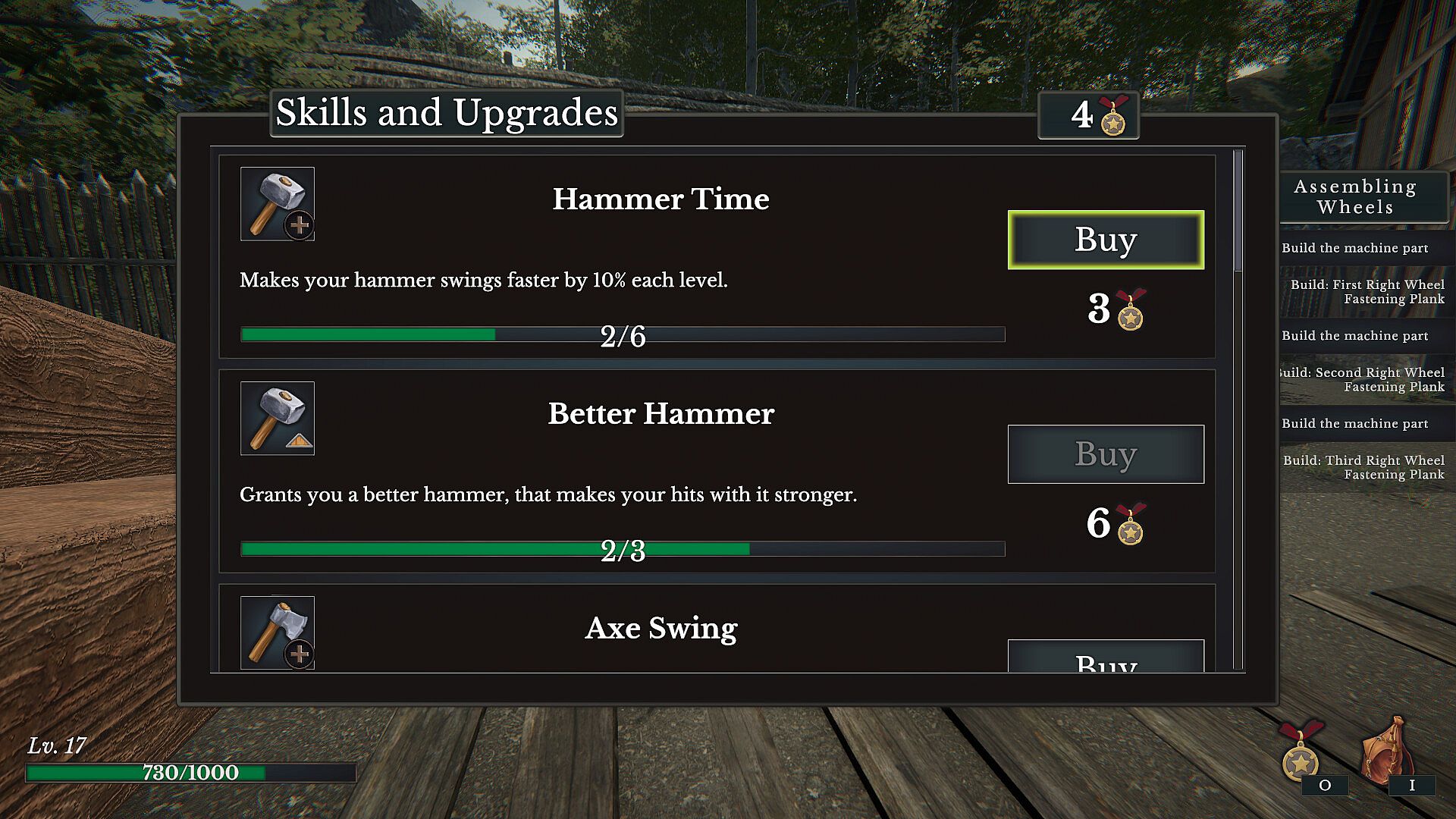
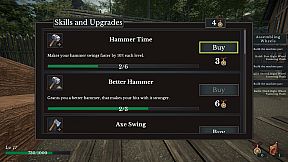
Experimentation drives progression. Different part combinations produce varied results in range, power, and reliability, encouraging players to refine designs across multiple attempts. The loop of gathering, building, testing, and optimizing creates a hands-on engineering sandbox without reliance on external story elements or character progression systems.
Game Modes
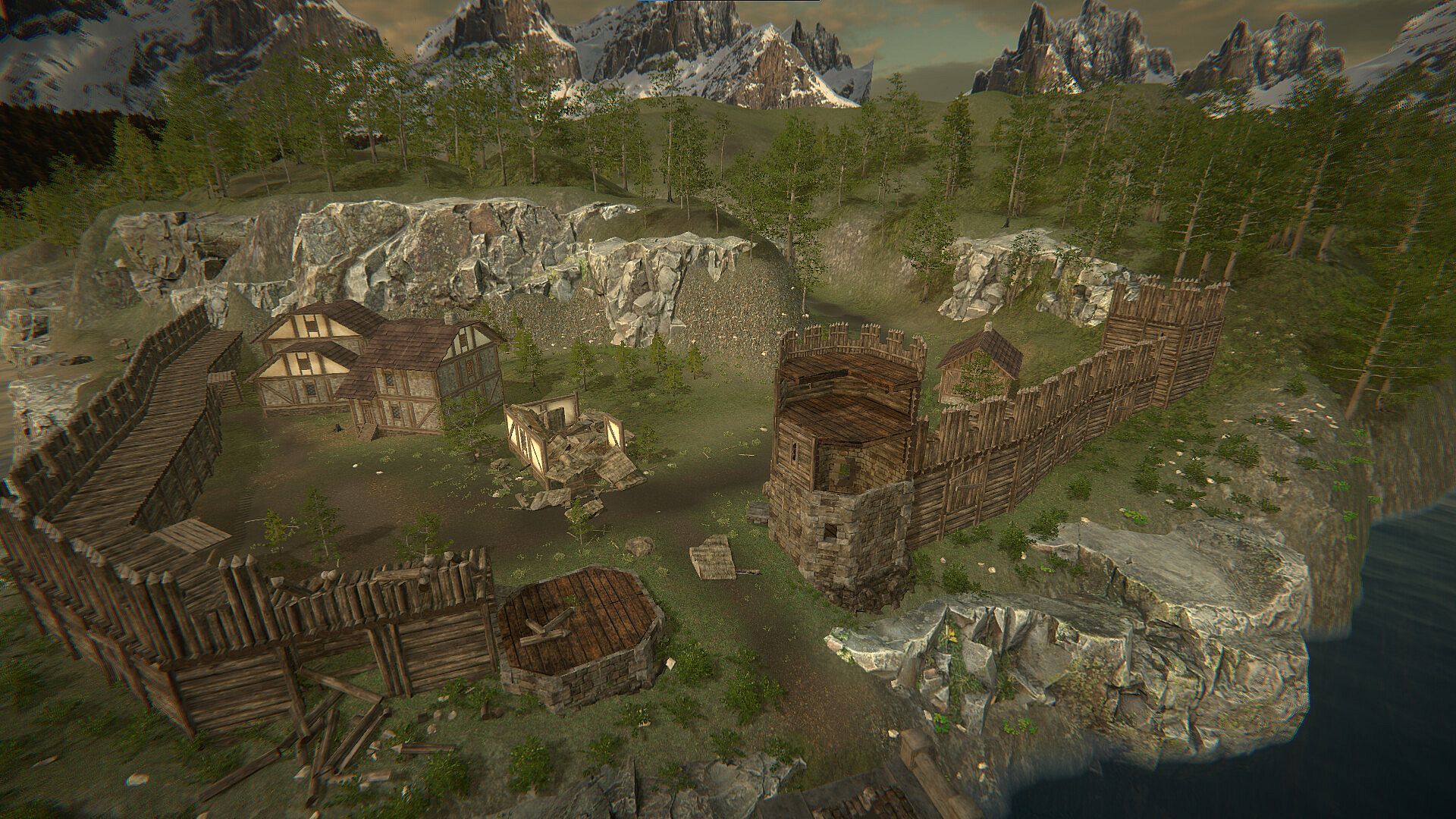
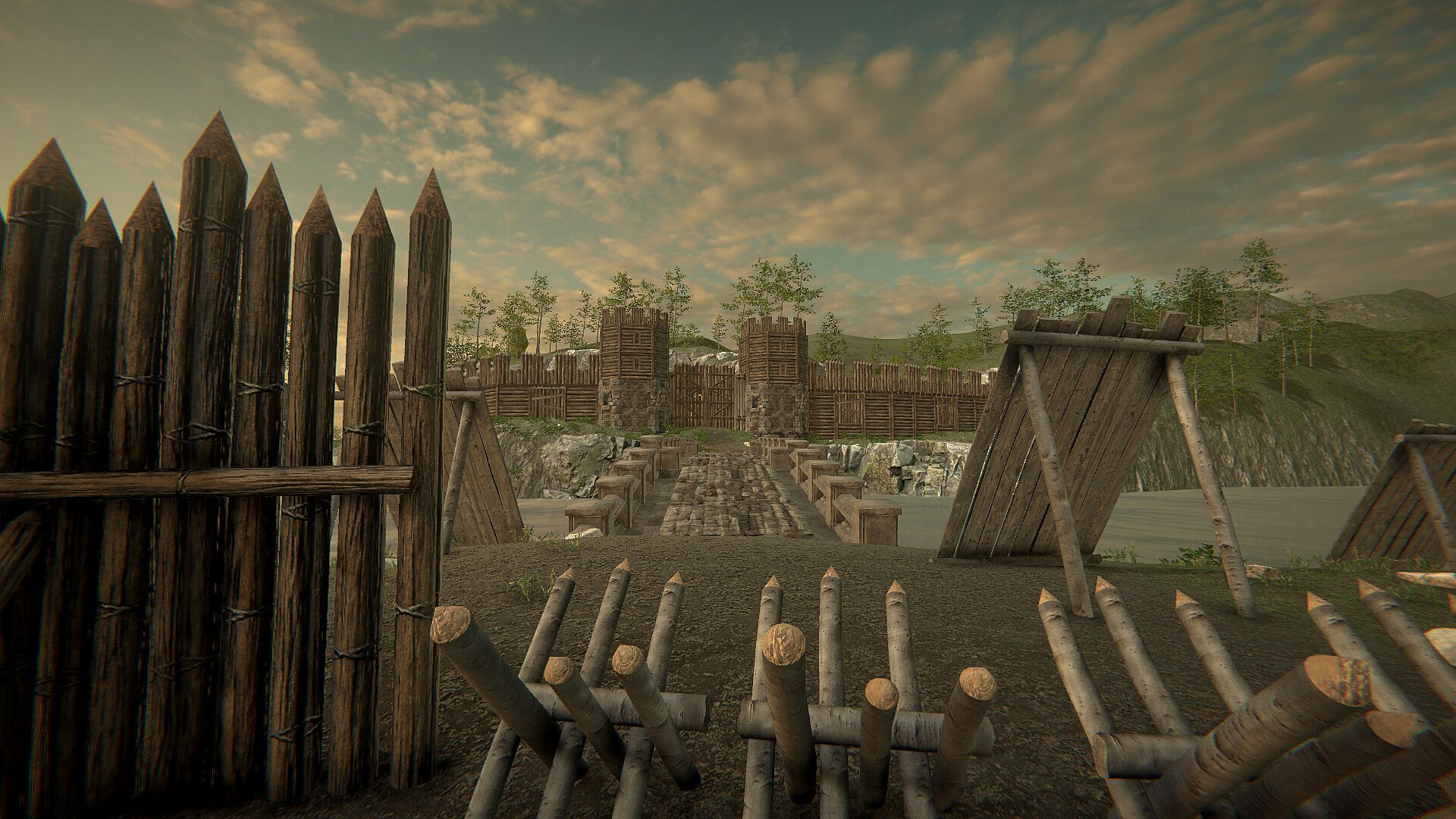
The primary experience consists of a continuous building and destruction loop rather than distinct named modes. Players progress through increasingly challenging fortifications by designing machines suited to specific defensive layouts and material constraints. A separate free preview titled First Siege offers a standalone simulation slice that mirrors the core building and firing mechanics for those wanting an initial taste before committing to the full title.
Single-player focus keeps attention on individual creativity and problem-solving. There are no multiplayer components or faction-based systems confirmed in the current release. The structure supports repeated sessions through open-ended design challenges and the ability to revisit earlier constructions for upgrades.
Key Mechanics and Features
Authentic medieval siege engines form the centerpiece, with construction drawing from historical concepts while applying modern physics calculations for authenticity. Resource management stays straightforward yet essential, as shortages force creative substitutions or additional exploration. Maintenance tasks add a practical dimension, preventing machines from degrading into ineffective states during prolonged testing.
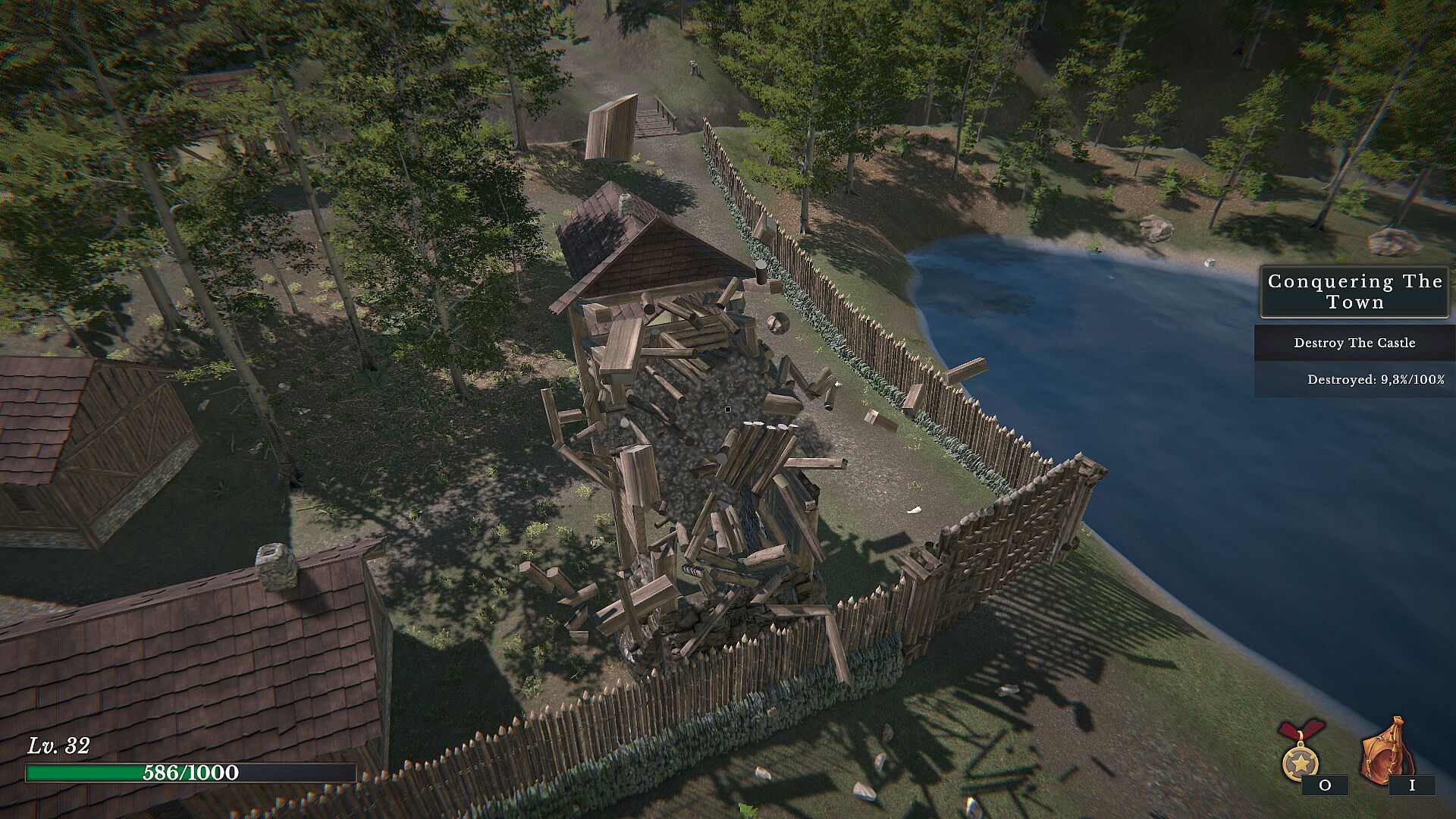
Destruction relies on observable cause-and-effect interactions. Walls respond to impact force, angle, and repeated strikes, allowing players to observe and learn optimal firing patterns. The sandbox nature permits free-form experimentation, from compact rapid-fire designs to massive single-shot engines, all within the same unified world.
Is It Worth Playing?
Medieval Machines Builder suits players who enjoy detailed construction simulations and physics-based experimentation. Its Mostly Positive review standing on Steam reflects appreciation for the satisfying building process and visual feedback from collapsing structures. The game appeals particularly to those interested in engineering puzzles and medieval warfare themes without requiring combat skills or narrative investment.
Recent departure from Early Access indicates a more complete feature set compared to initial versions, with the core loop polished enough for extended play sessions. Availability of the free First Siege preview lowers the barrier to entry, allowing direct assessment of whether the mechanics align with personal preferences. For fans of simulation titles focused on creation and controlled destruction, the experience delivers consistent engagement through its emphasis on iterative design and realistic outcomes.