





























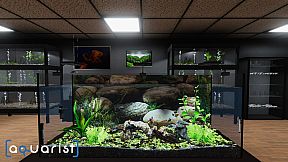

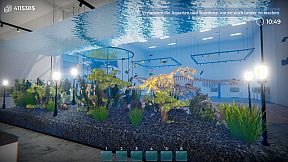

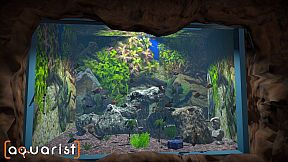

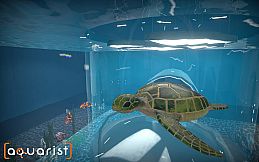


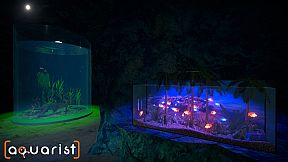
Aquarist is a casual simulation game focused on building and managing aquariums filled with a wide range of marine life. Players take on the role of an aquarist who designs underwater habitats, maintains fish and other creatures, and expands a business through client commissions and new facilities.
Gameplay
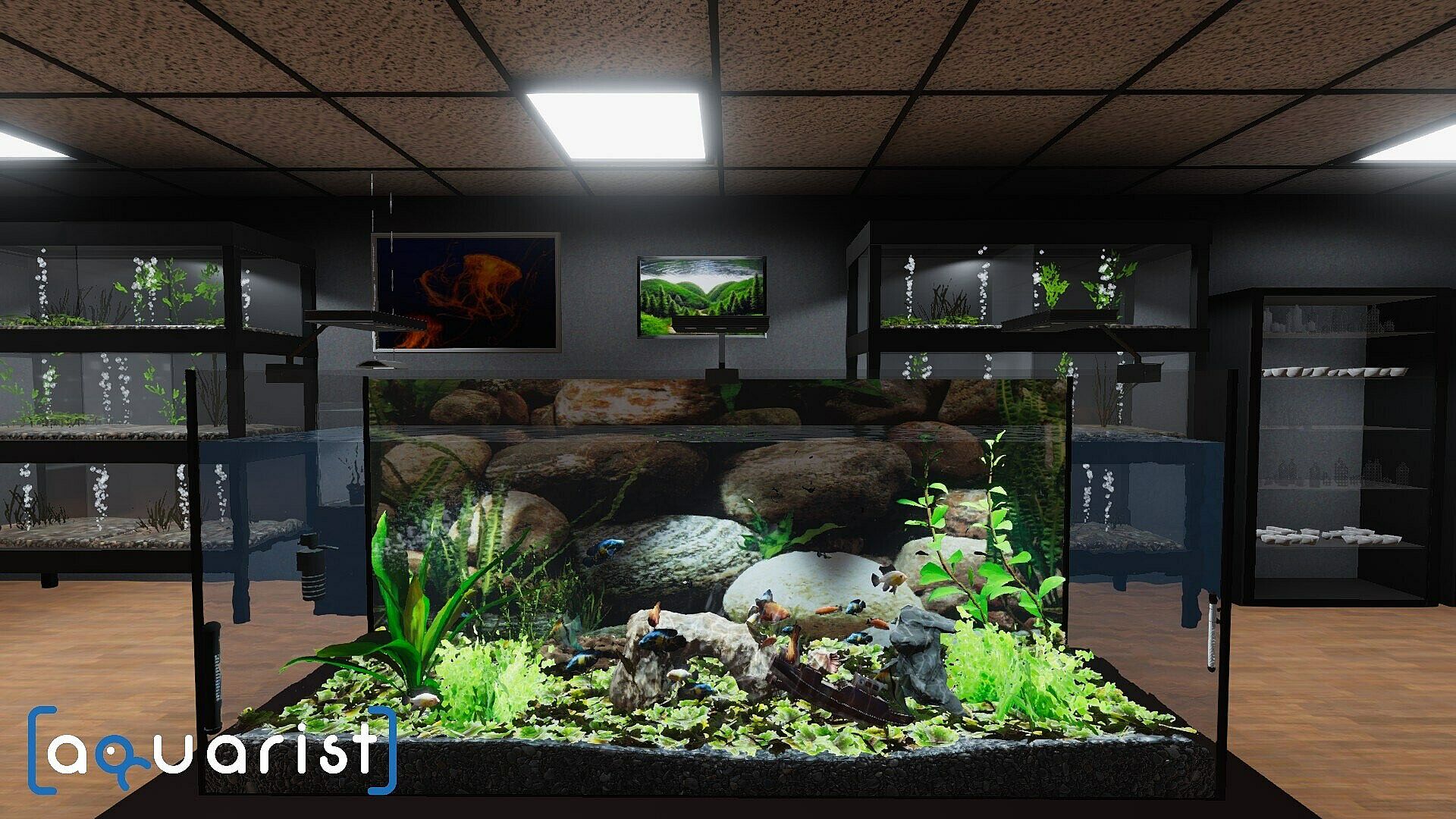
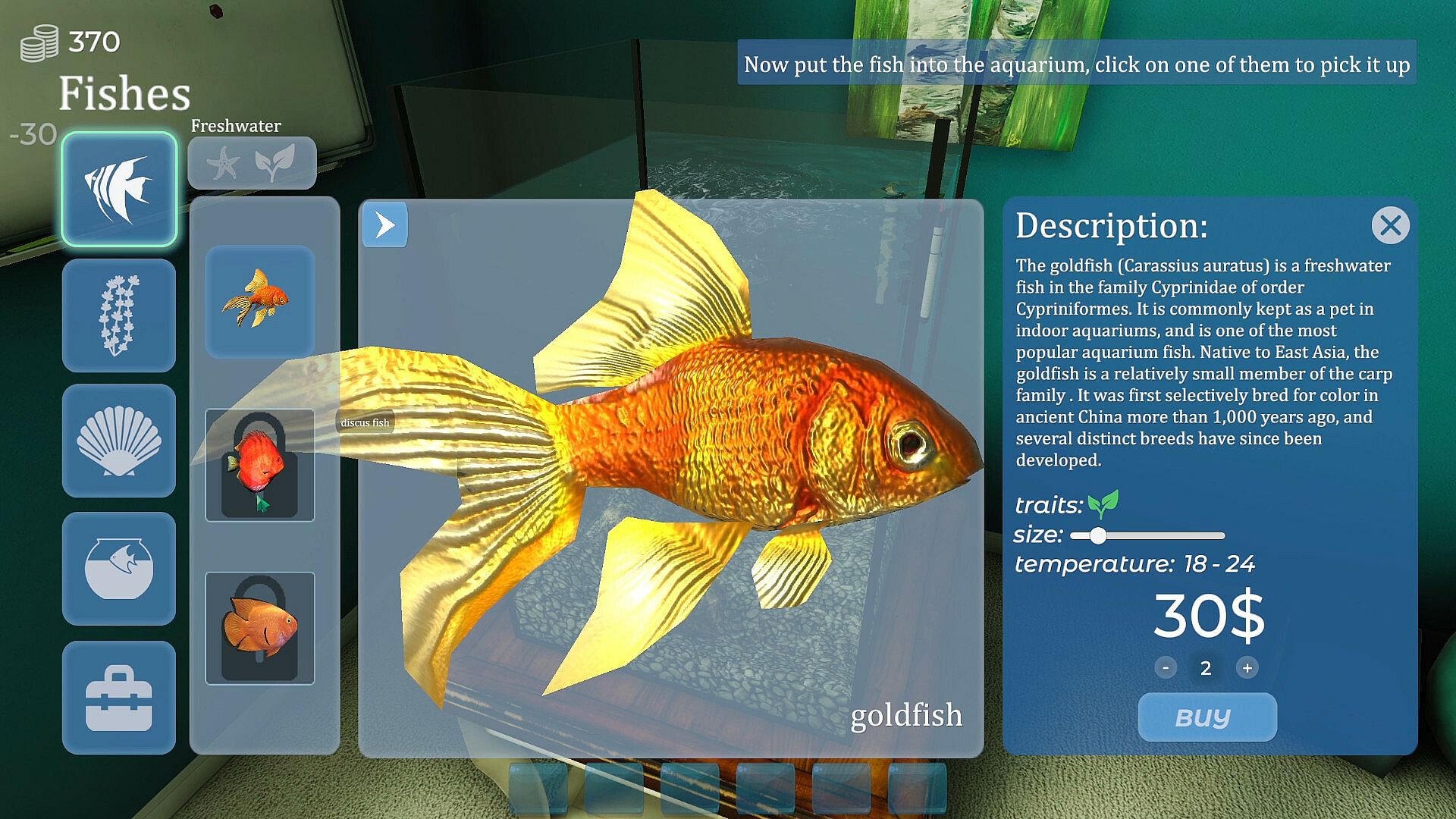
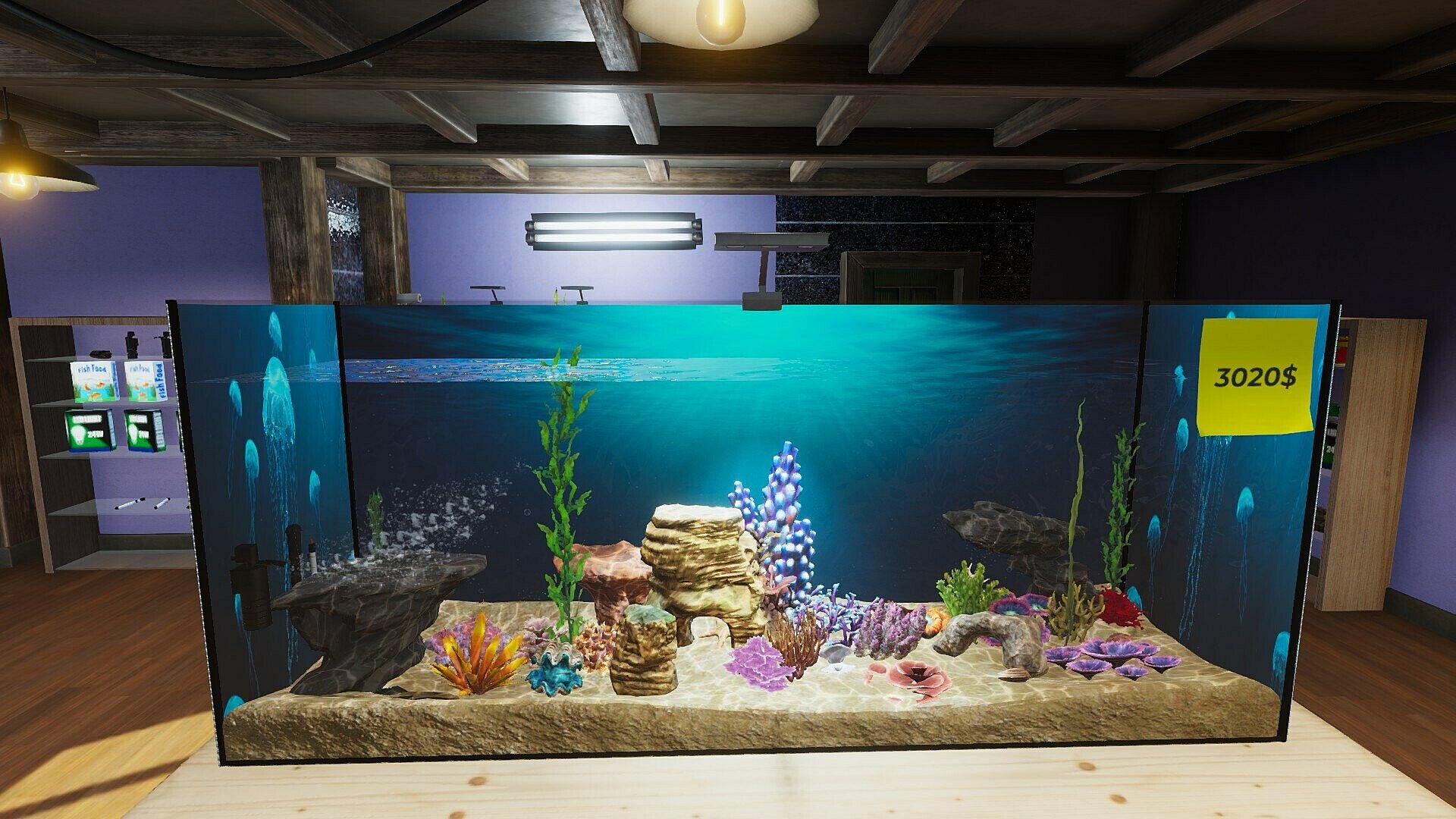
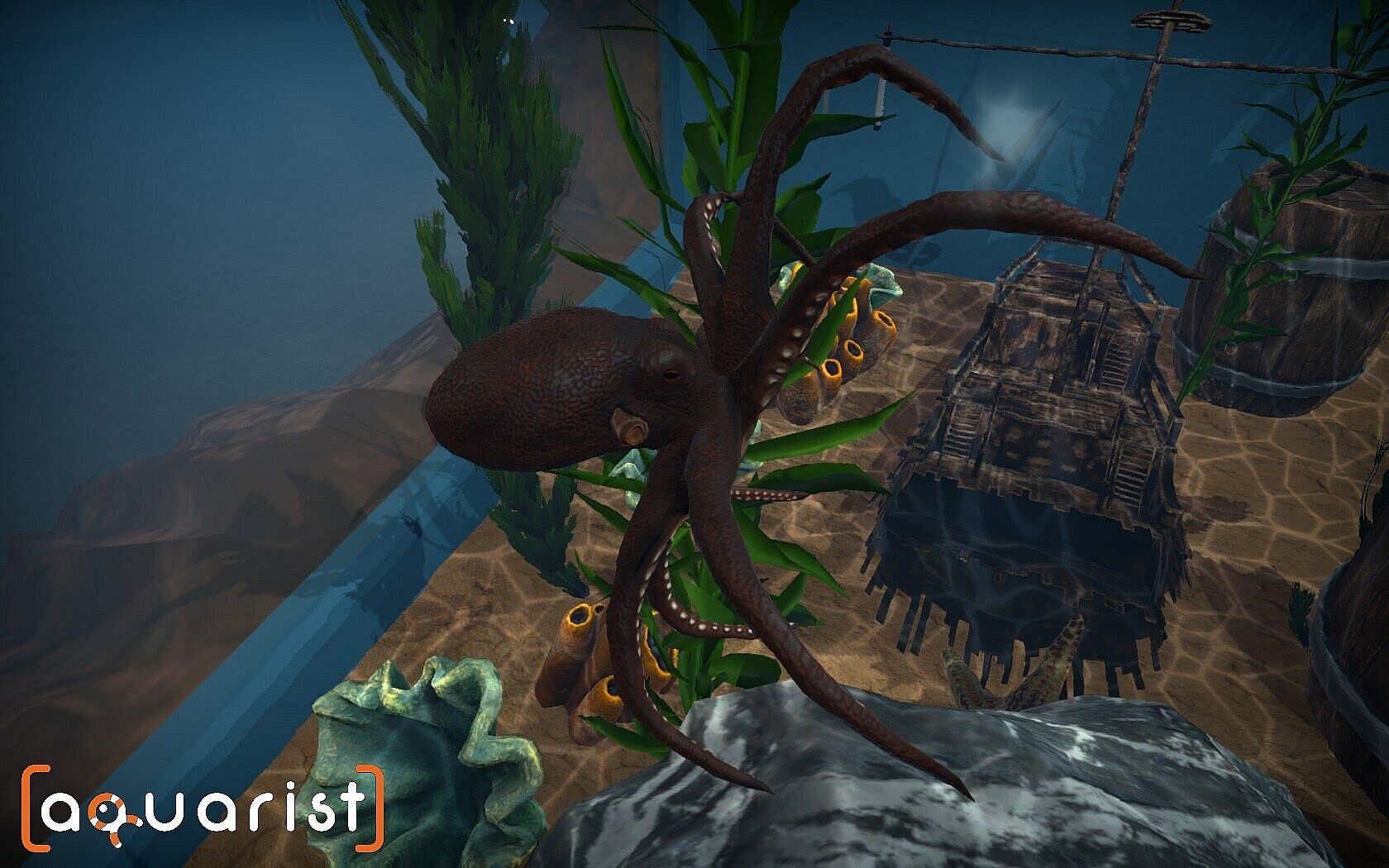
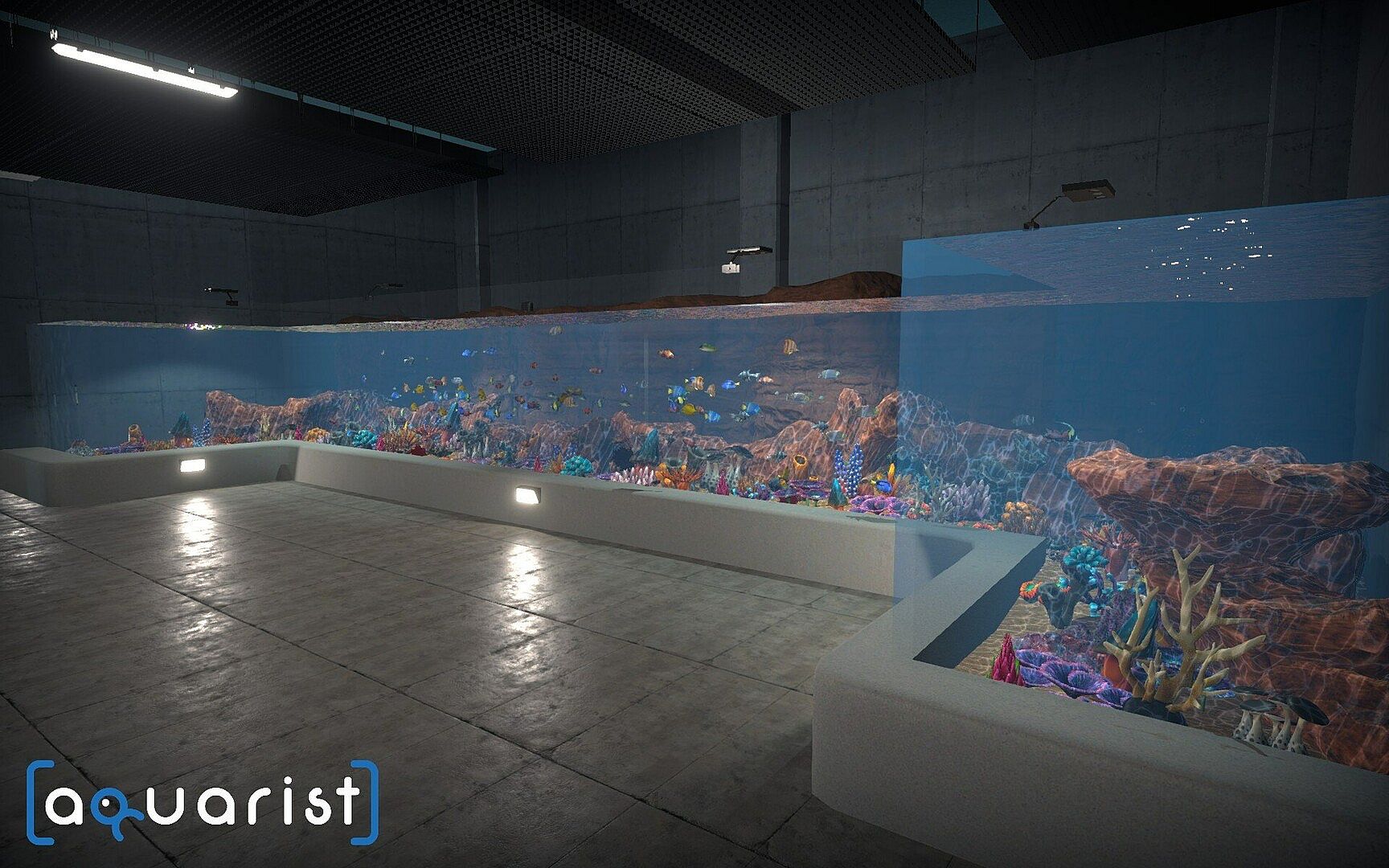
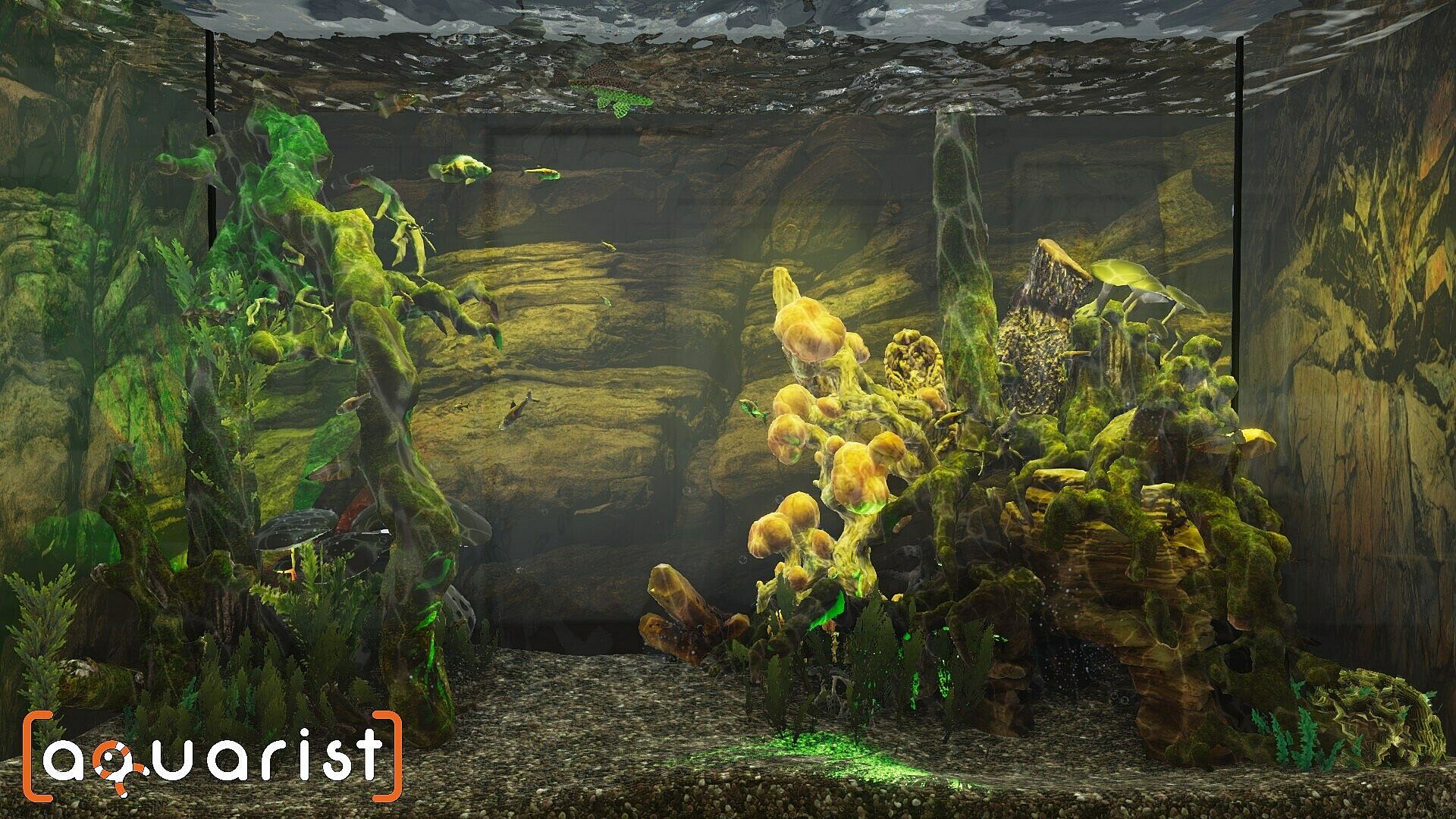
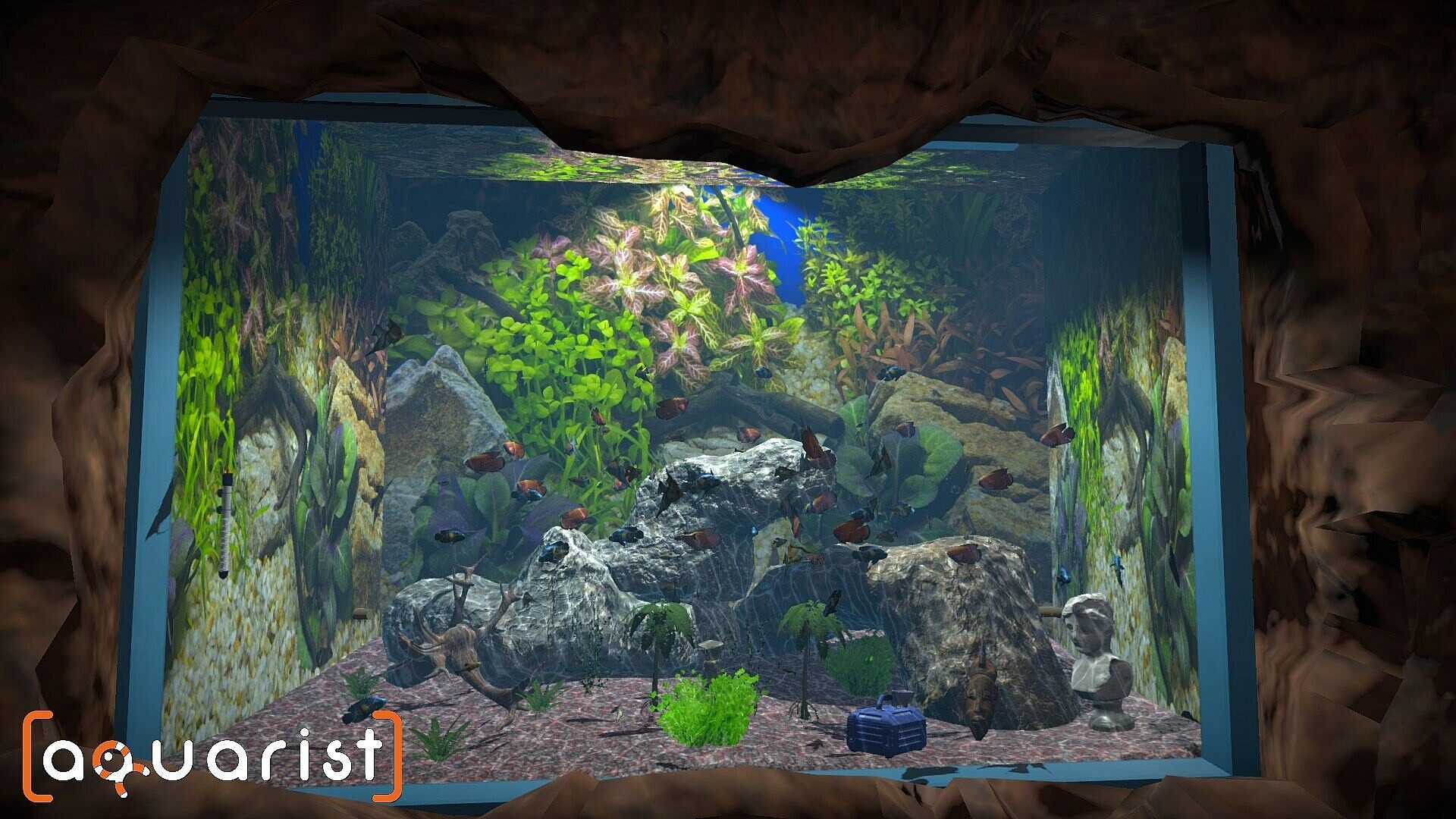
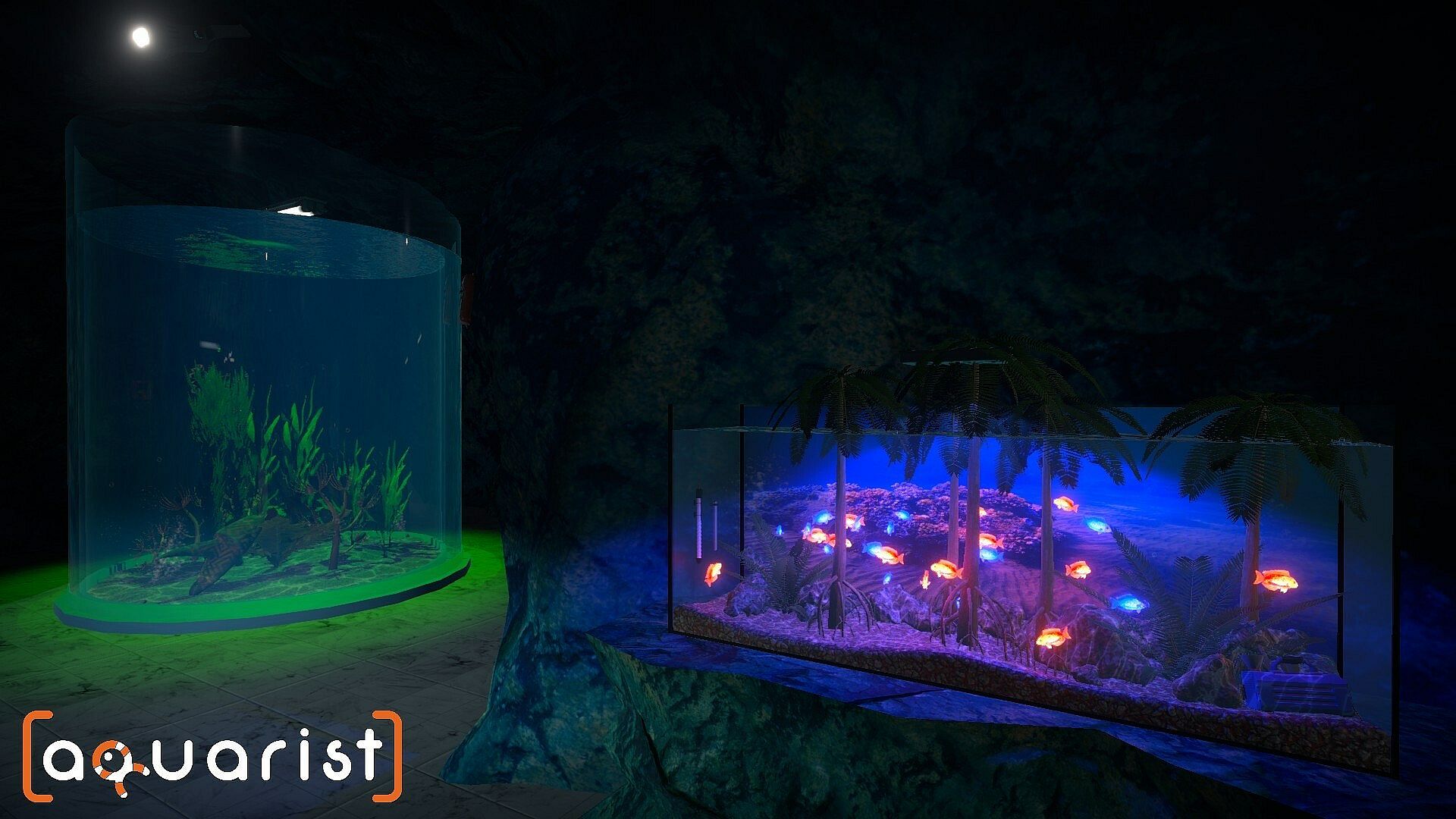
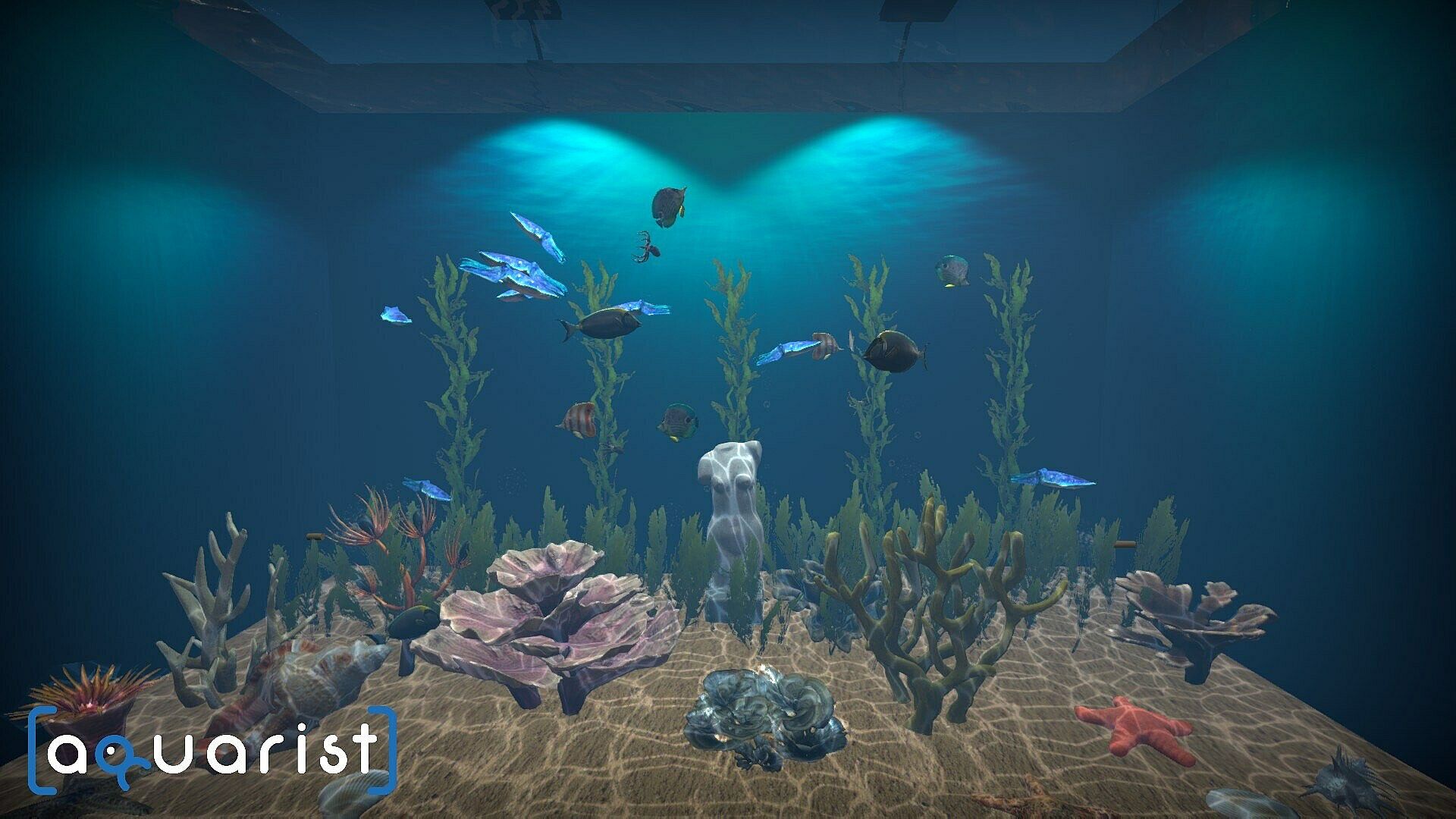
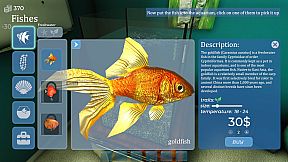
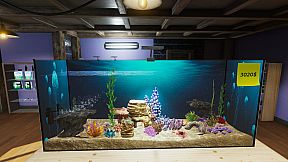
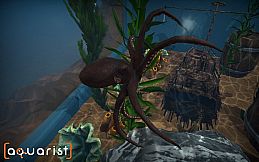
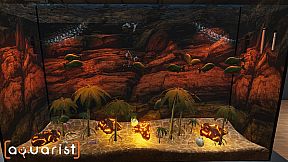
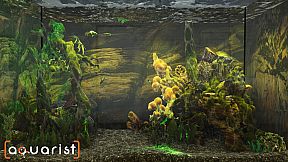
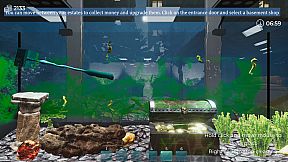
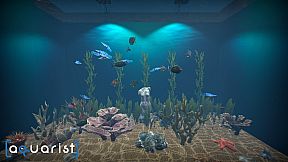
The core loop centers on creating custom aquariums by selecting tank sizes, layouts, decorations, and inhabitants. Players adjust water conditions such as temperature and feeding schedules to keep species healthy. A broad selection of fish appears in the game, including common types like goldfish alongside more specialized ones such as octopuses, shrimp, sharks, cuttlefish, arapaima, rays, manta rays, and glofish. Both freshwater and saltwater environments receive support.
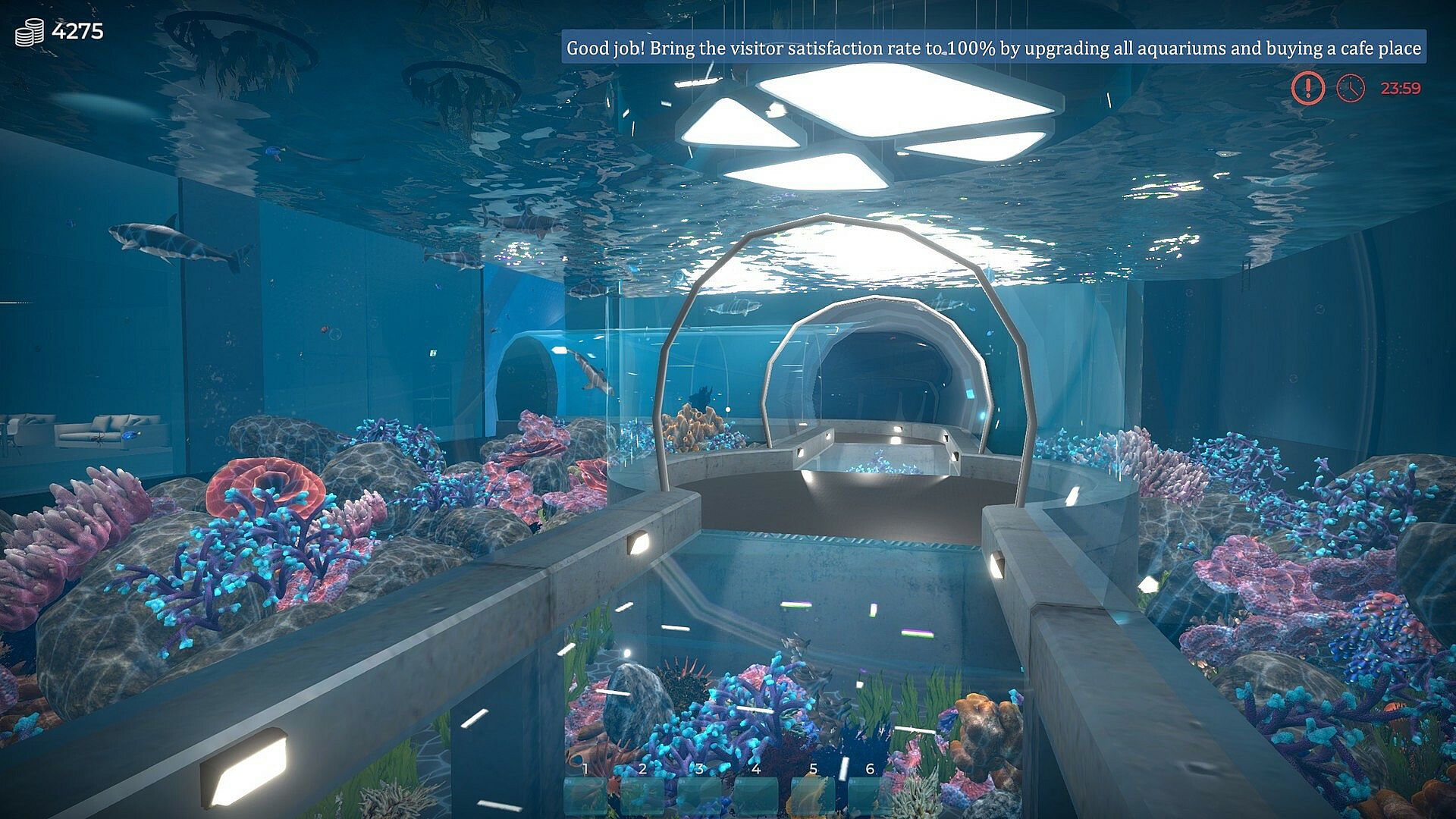
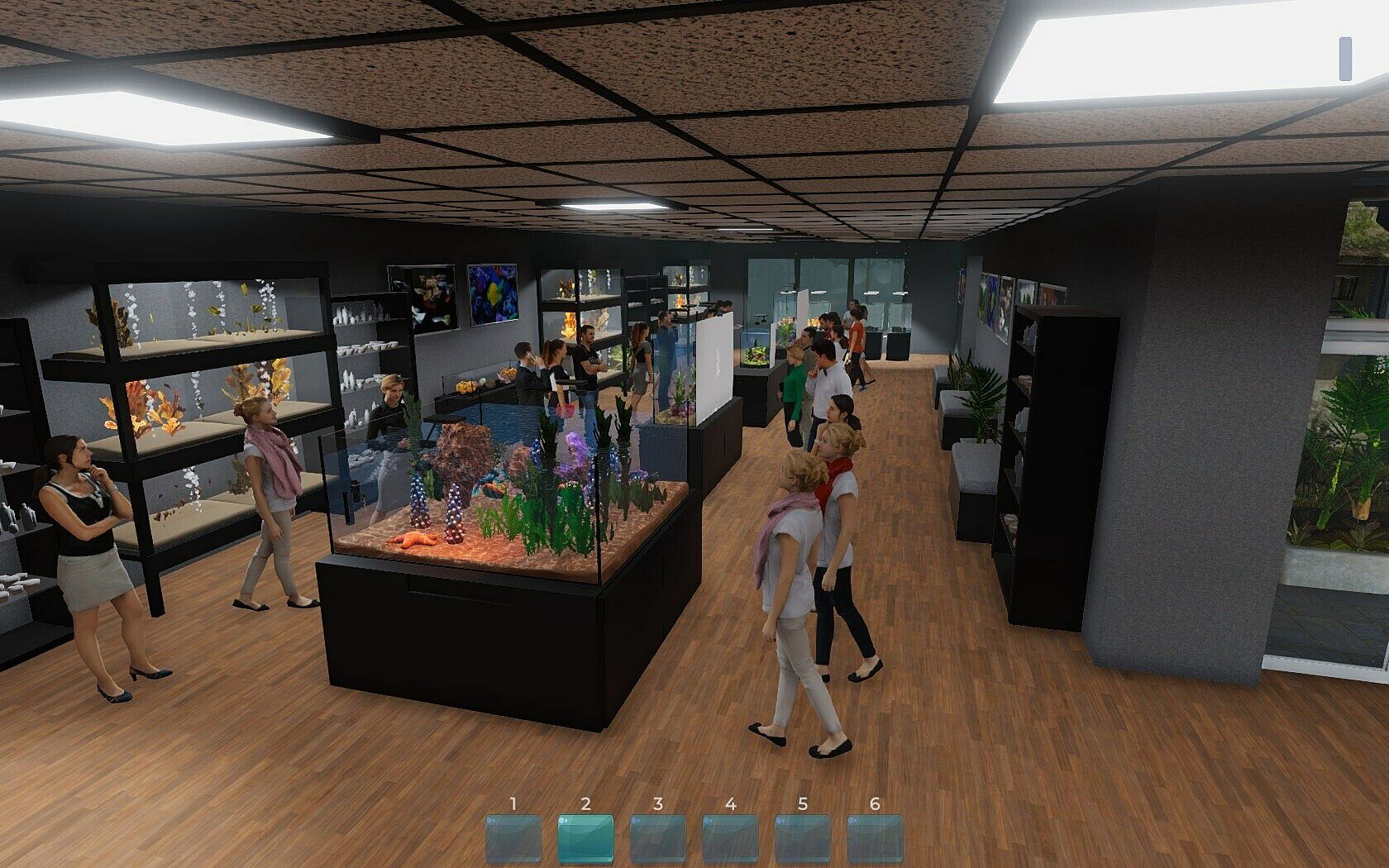
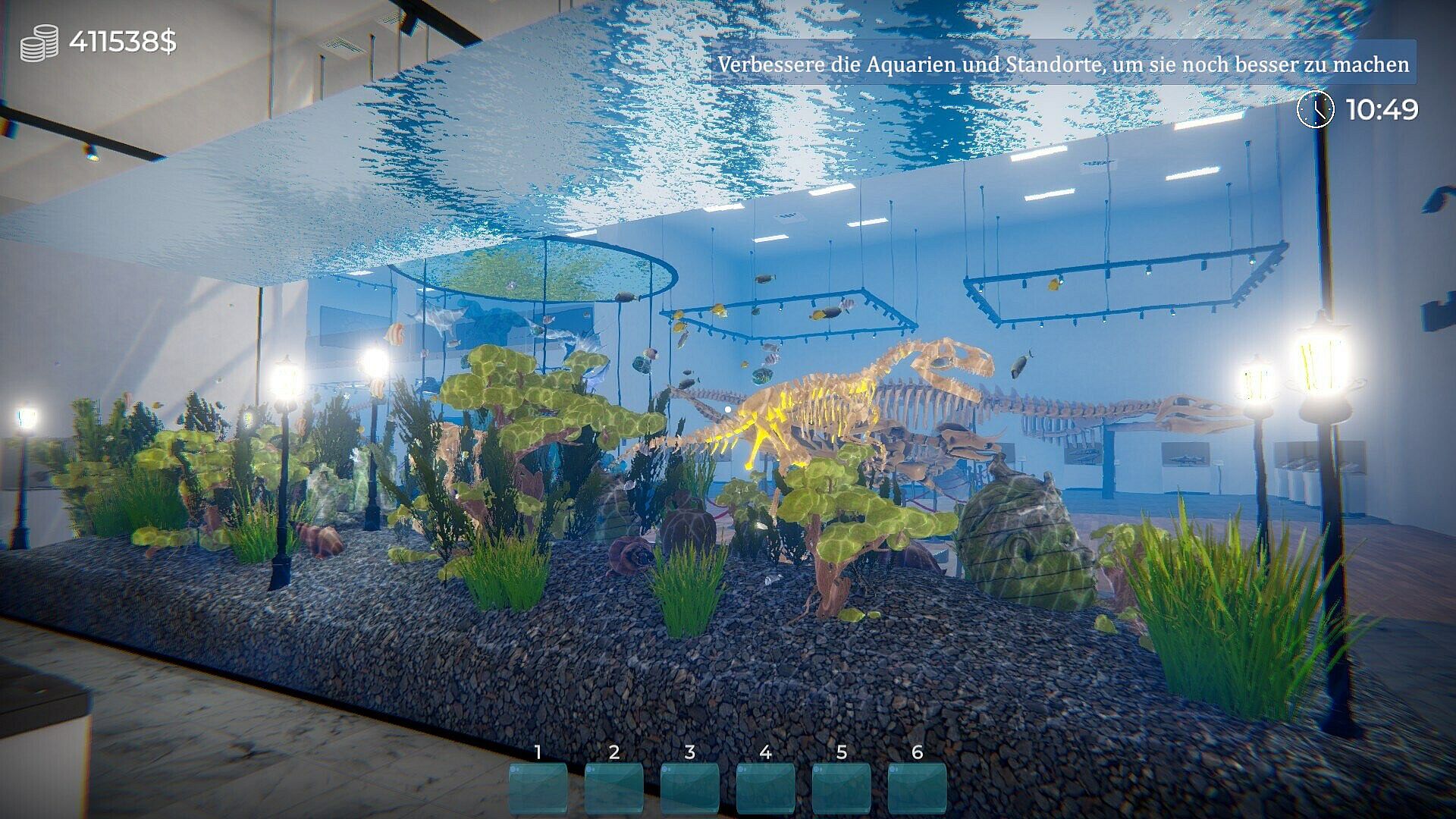
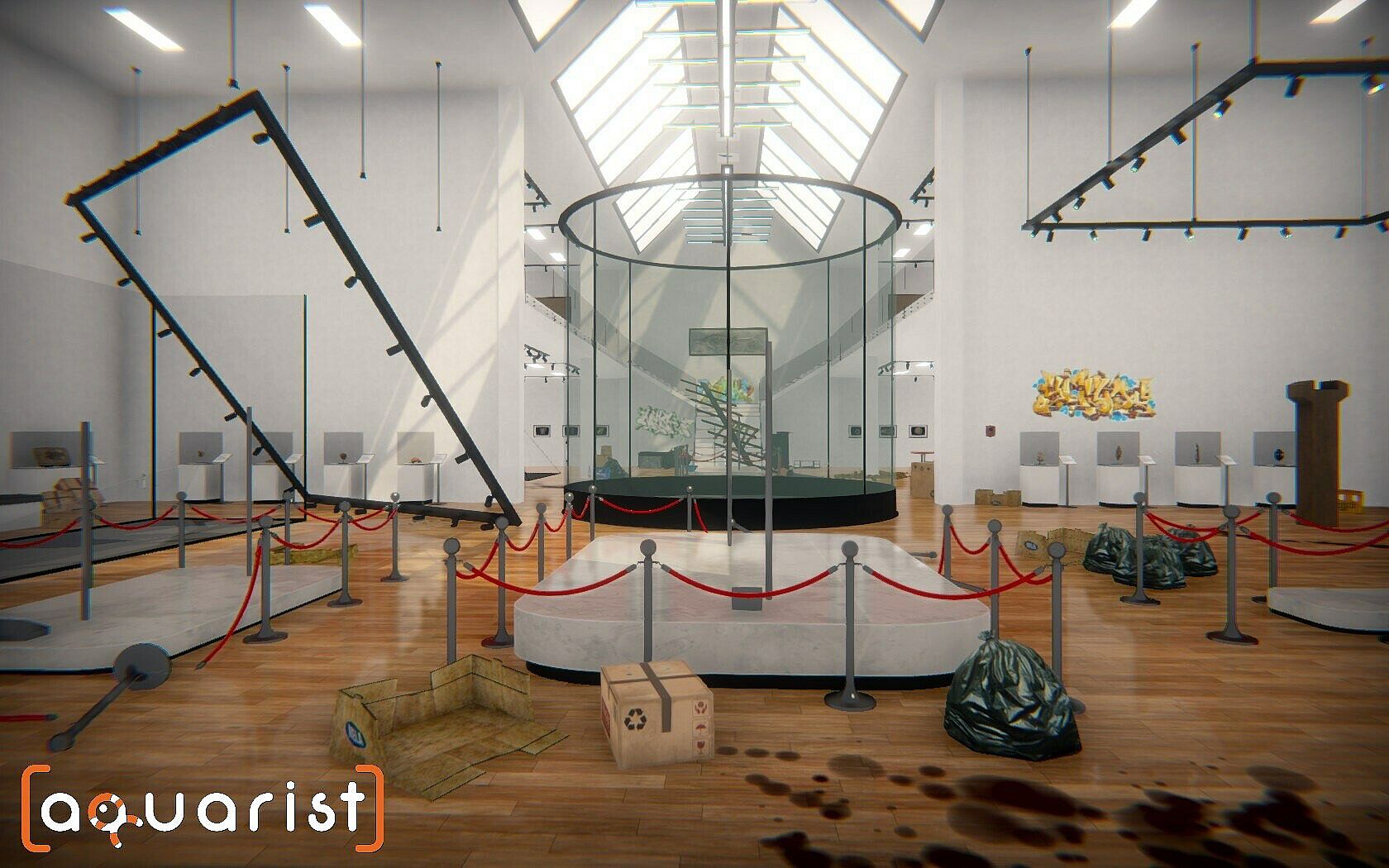
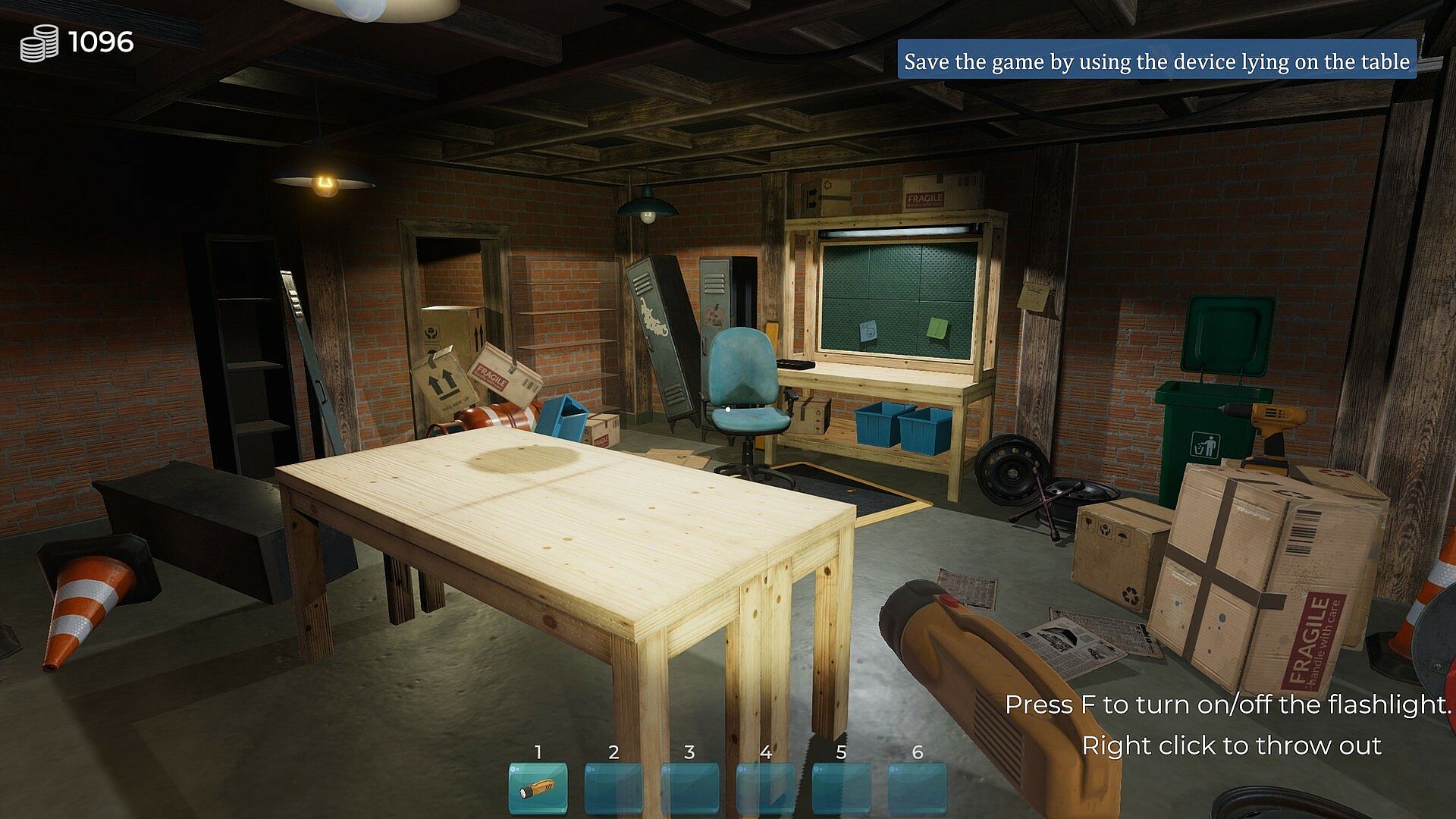
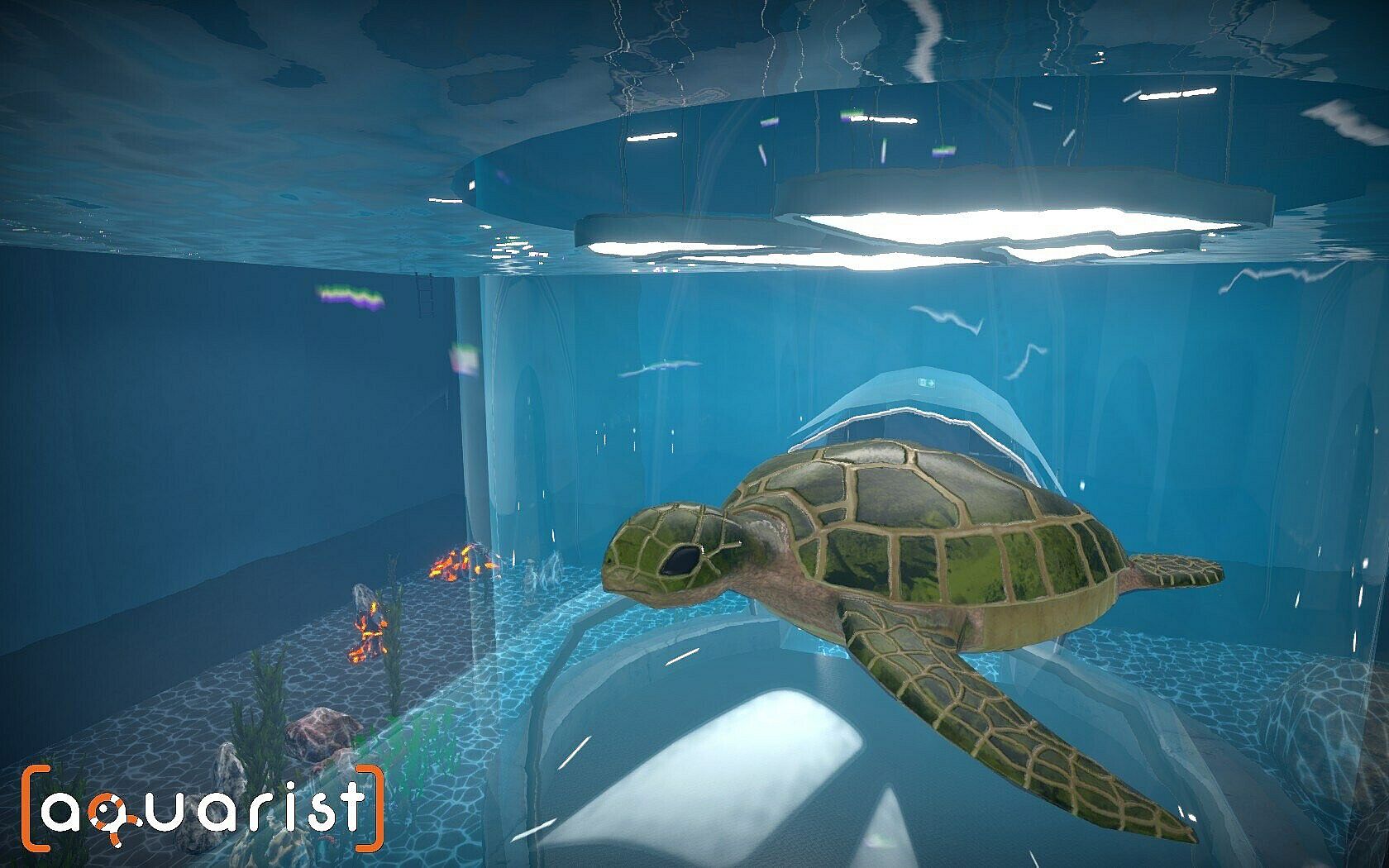
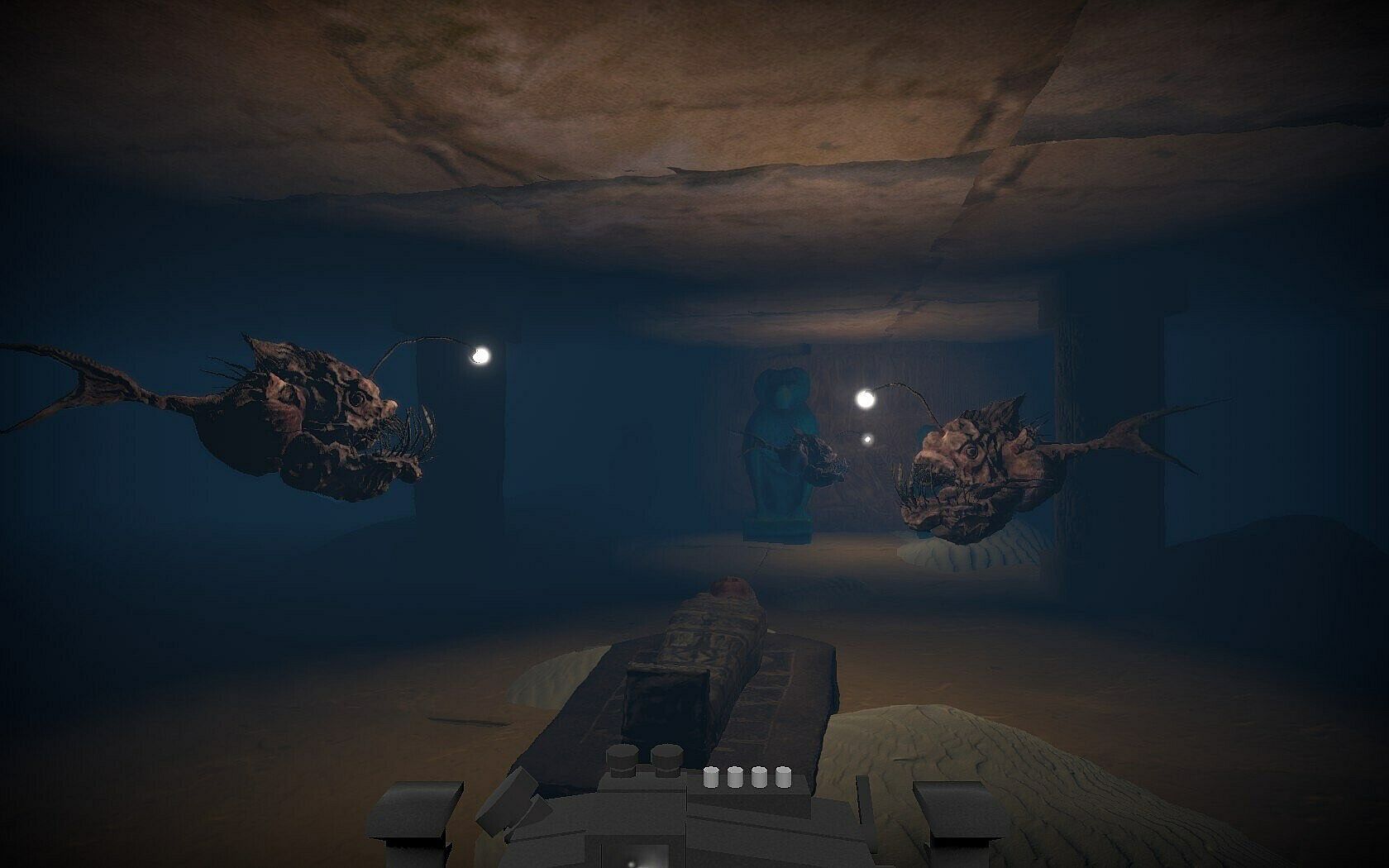
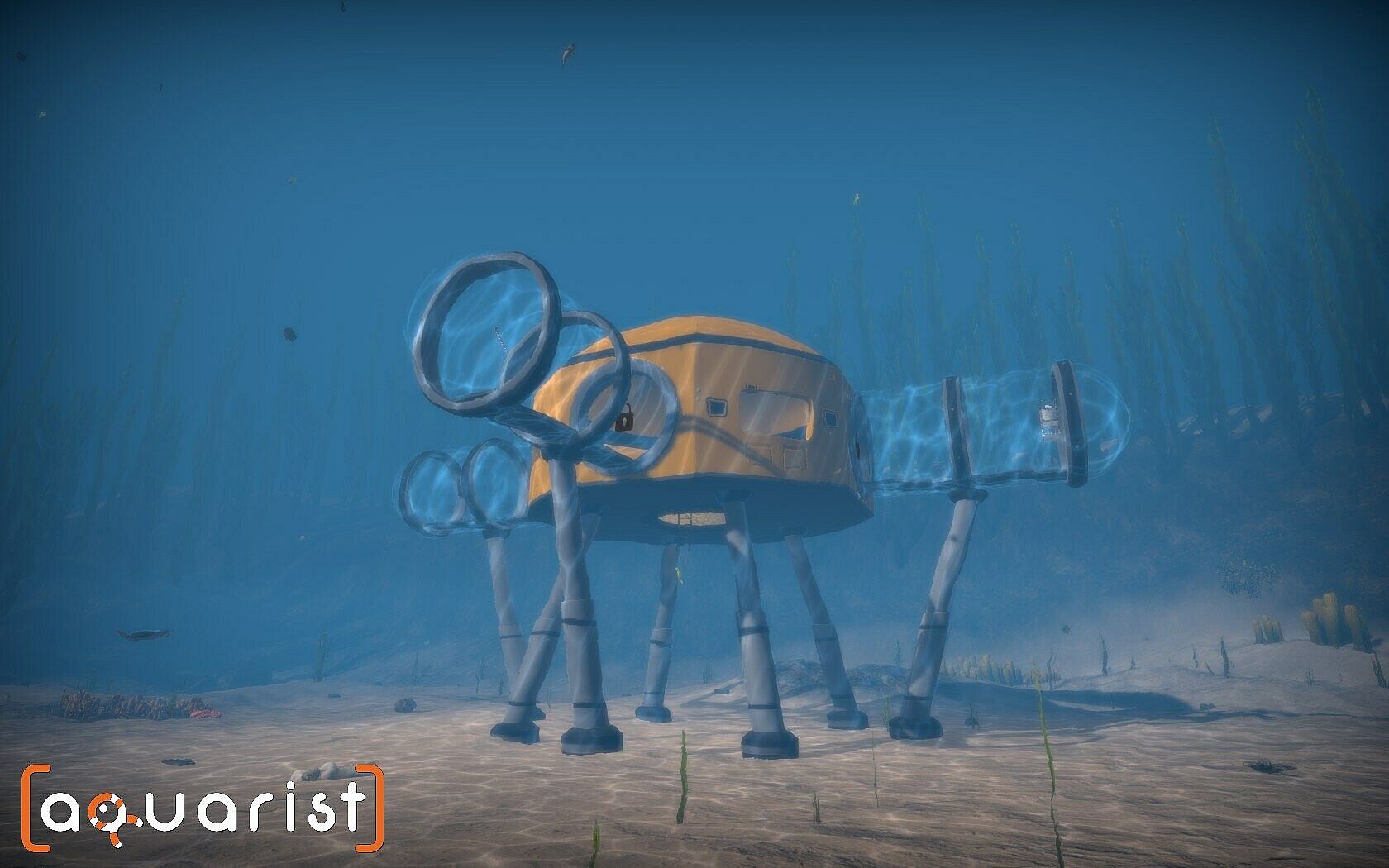
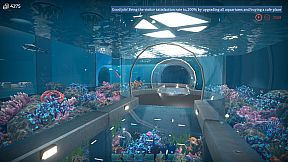
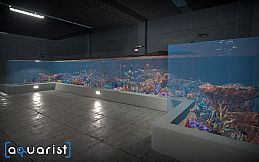
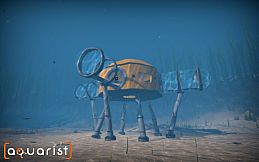
Business elements add depth through shop management. Clients request specific aquarium builds, and completing these jobs provides income for purchasing new equipment, plants, and animals. Progression involves unlocking additional spaces, including an exhibition hall for displaying fish and an oceanarium for larger exhibits. Side activities include exploring underwater areas for new species and fulfilling unusual client orders that place tanks in unexpected settings like museums or remote locations.
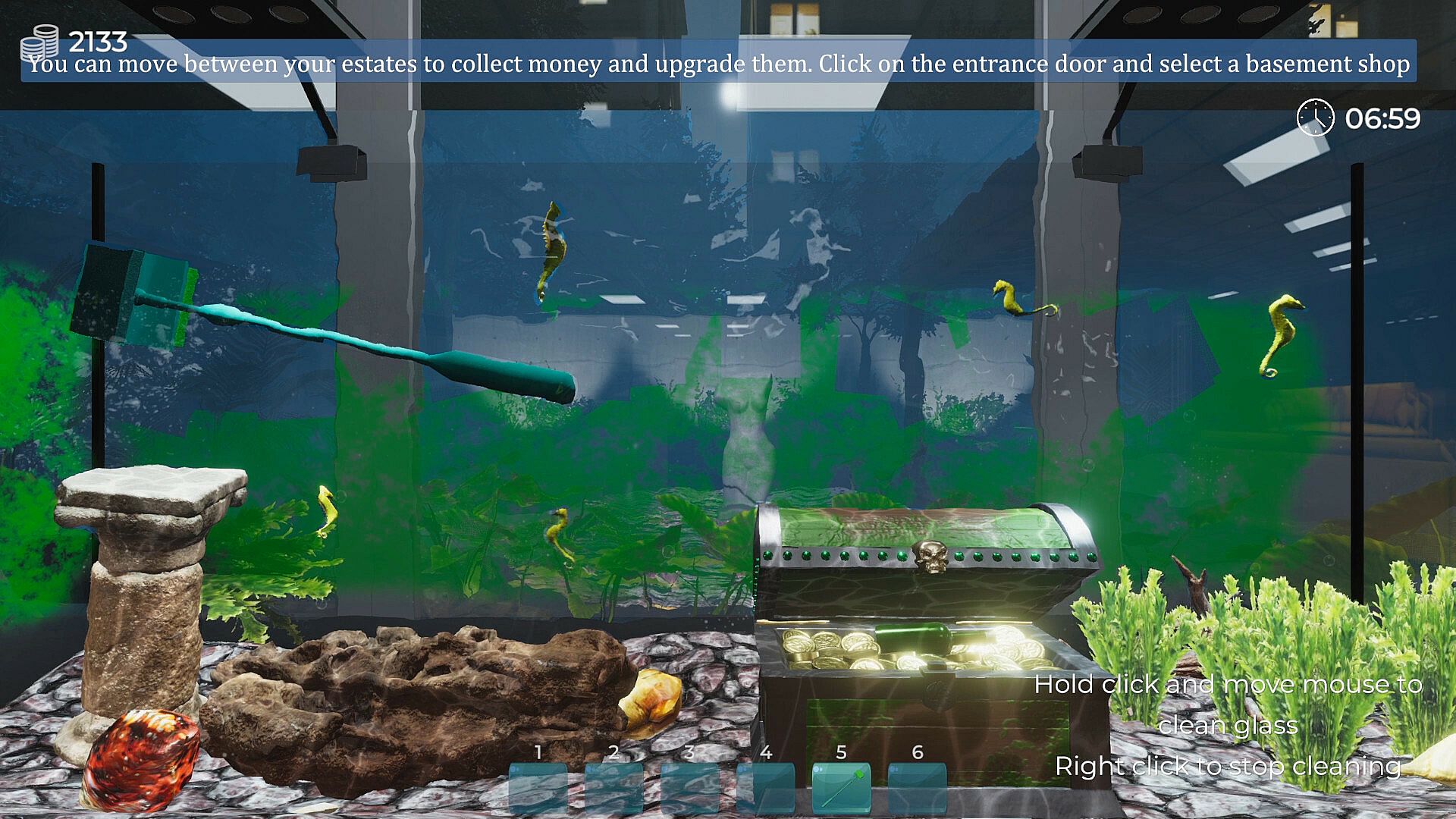
Customization extends to personal touches, such as using a photograph as an aquarium background. Maintenance tasks cover cleaning, repairs, and arranging elements to attract visitors and generate revenue. The experience remains singleplayer throughout, emphasizing creative freedom in a sandbox style without time pressure or competitive elements.
Game Modes
Aquarist structures its content around progressive business development rather than separate named modes. Early stages focus on accepting client commissions to build and stock aquariums according to detailed specifications. This leads into shop operations where players sell items and expand inventory.
Later stages open larger venues. An exhibition hall allows for curated displays that showcase collected species. An oceanarium supports bigger installations with more demanding inhabitants. Additional locations include an aquatic museum that incorporates thematic elements into tank designs. Quests tied to these areas introduce new species and equipment through exploration and task completion.
The sandbox nature lets players return to any built aquarium for further adjustments at any time. No multiplayer components exist, keeping all activities centered on personal management and creative building.
Progression and Features
Players advance by completing commissions that unlock new fish varieties and tools. Expanding the business requires balancing care routines with commercial goals, such as attracting customers to the shop and exhibition spaces. Diverse tasks range from standard tank setups to elaborate projects involving multiple species in shared environments.
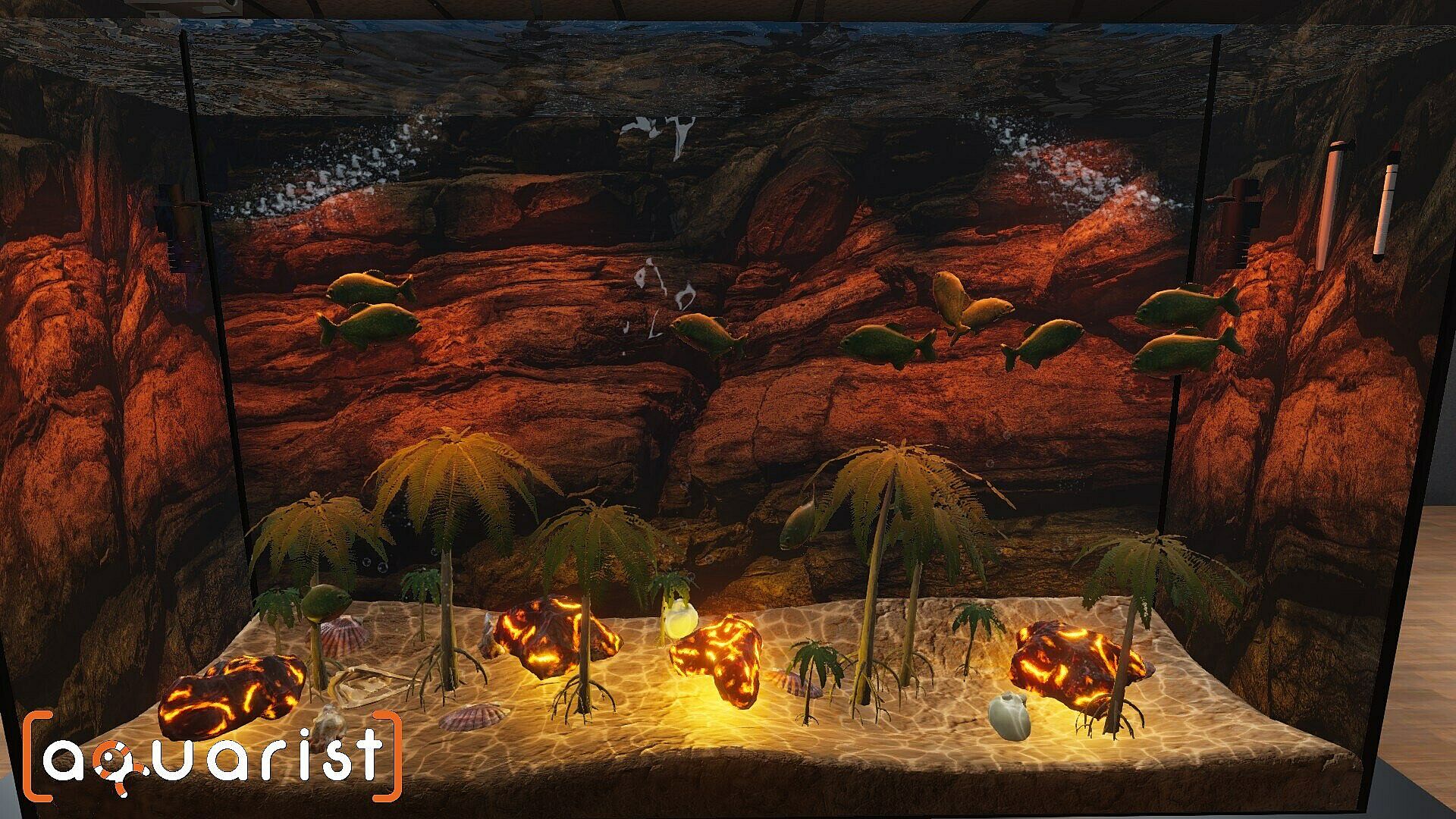
Decorative options cover everything from natural greenery to antique-style accents, allowing varied aesthetic approaches. The game supports both straightforward builds and more experimental arrangements based on client requests. Care mechanics require ongoing attention to each creature's needs to maintain thriving populations.
Is It Worth Playing?
Aquarist suits players who enjoy relaxed simulation experiences centered on creative building and light management. The combination of aquarium design, animal care, and business growth provides steady engagement without intense challenges. Those interested in marine life or cozy management titles will find the variety of species and customization options appealing.
The game has received updates since its full release, including additional content that expands available locations and species. Reception highlights its relaxing pace alongside notes on occasional control or visual limitations. It offers a focused singleplayer experience best suited for short to medium sessions of creative play rather than long competitive campaigns. If aquarium simulation appeals as a hobby-like activity, the title delivers consistent value through its core systems.