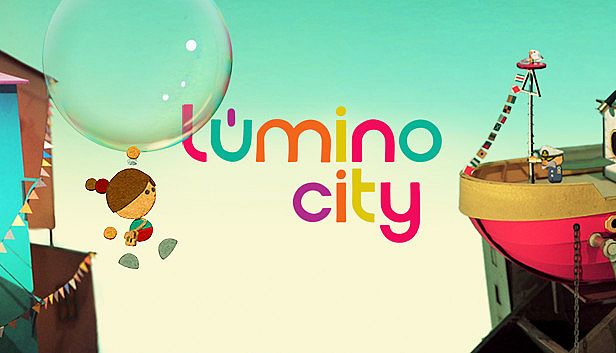














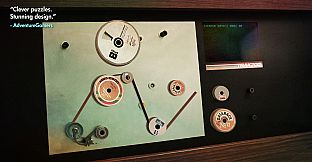

Lumino City stands as an indie puzzle adventure game built around exploration and mechanical problem solving in a distinctive handmade setting. Players take on the role of Lumi, who embarks on a search for her grandfather after events from the earlier title Lume. The experience unfolds through a series of interconnected scenes where ingenuity with physical mechanisms restores power across the city and its surroundings.
Gameplay
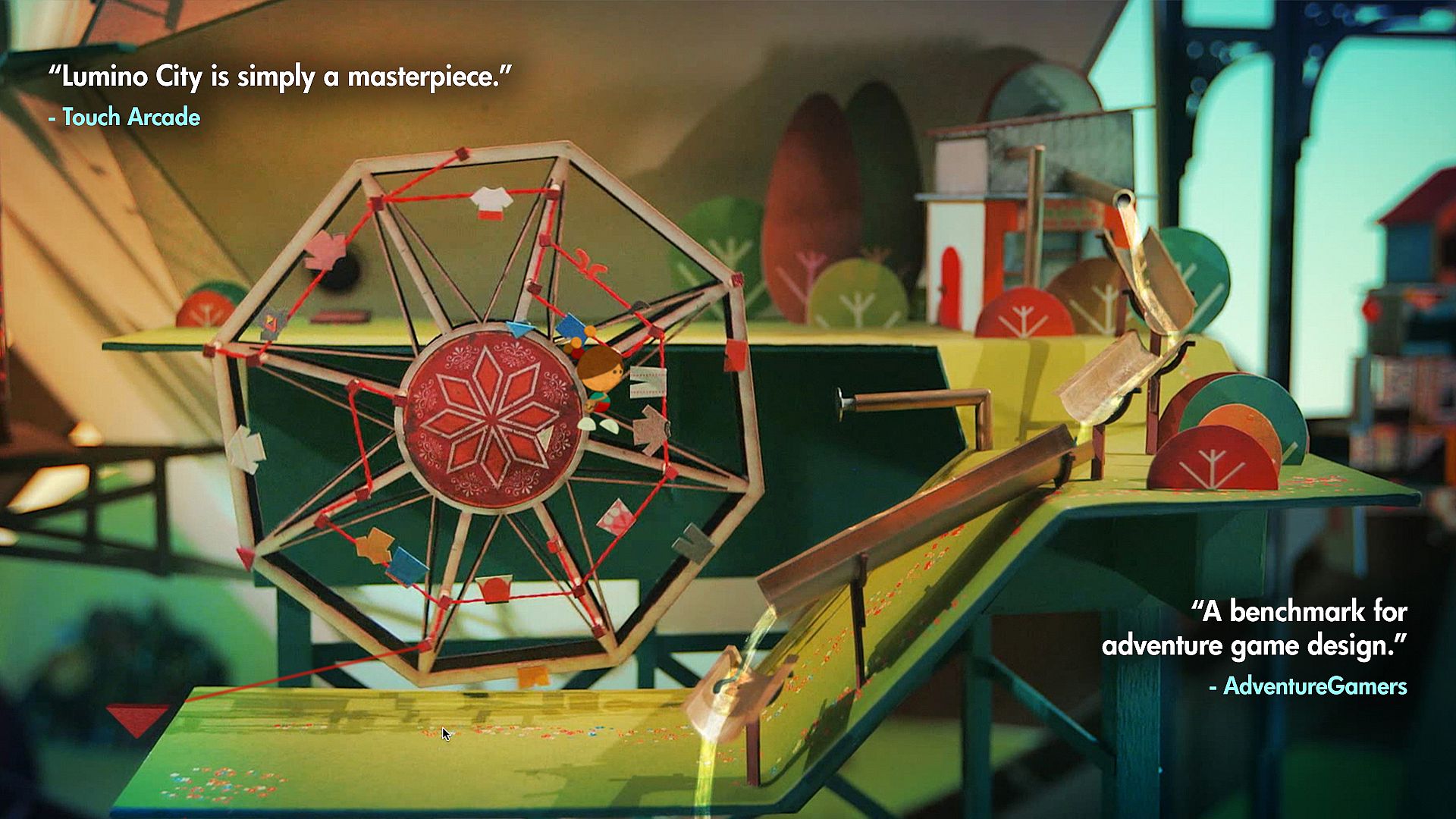
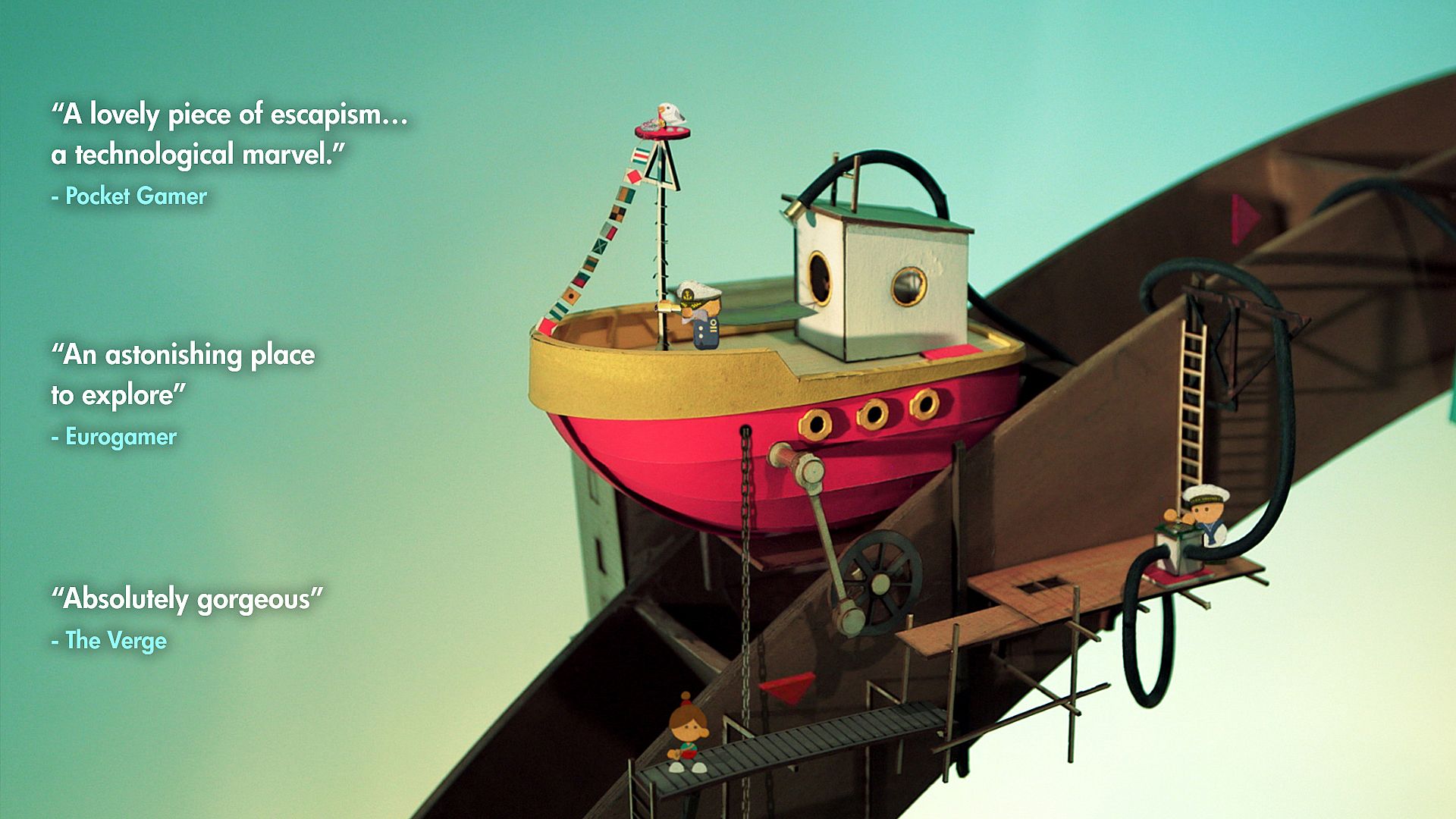
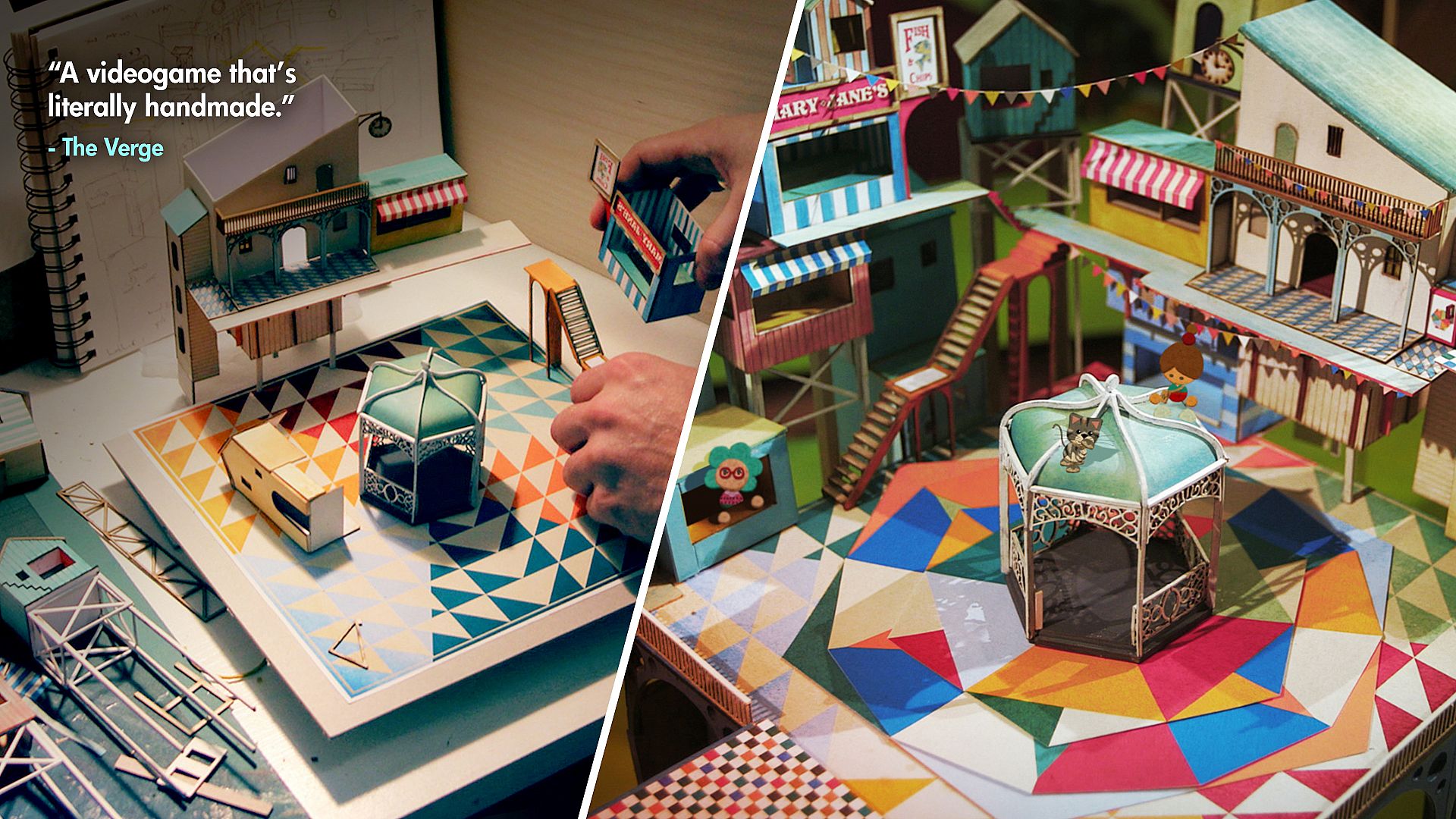
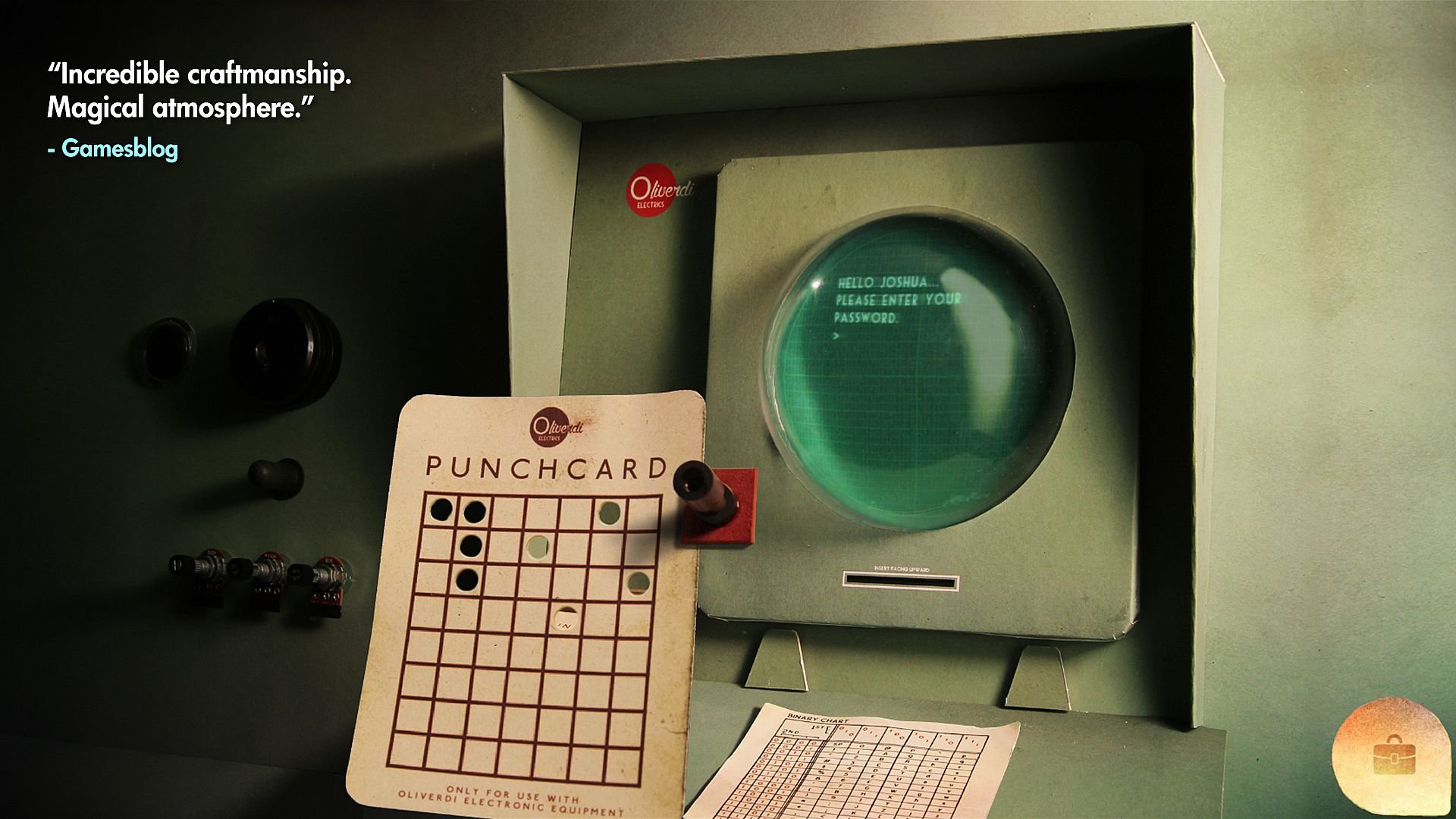
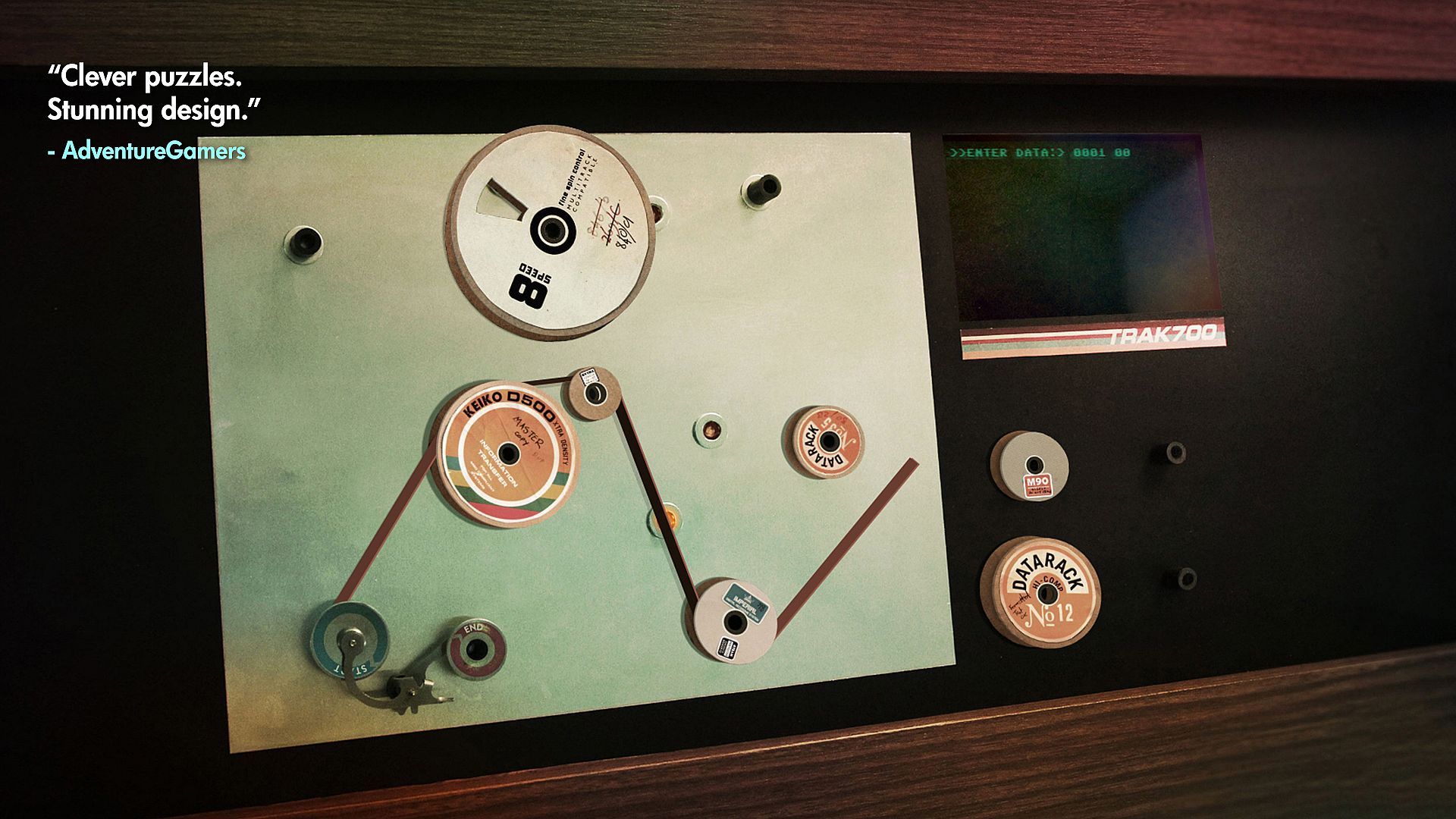
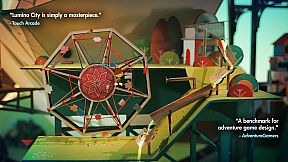
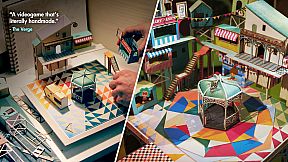
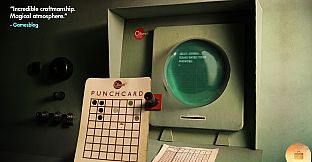
The core loop centers on navigating detailed environments constructed from paper, card, miniature lights, and motors. Each area presents a collection of interactive elements that require careful observation and logical connections to activate. Puzzles often involve aligning components, triggering sequences, or combining objects found during exploration to progress.
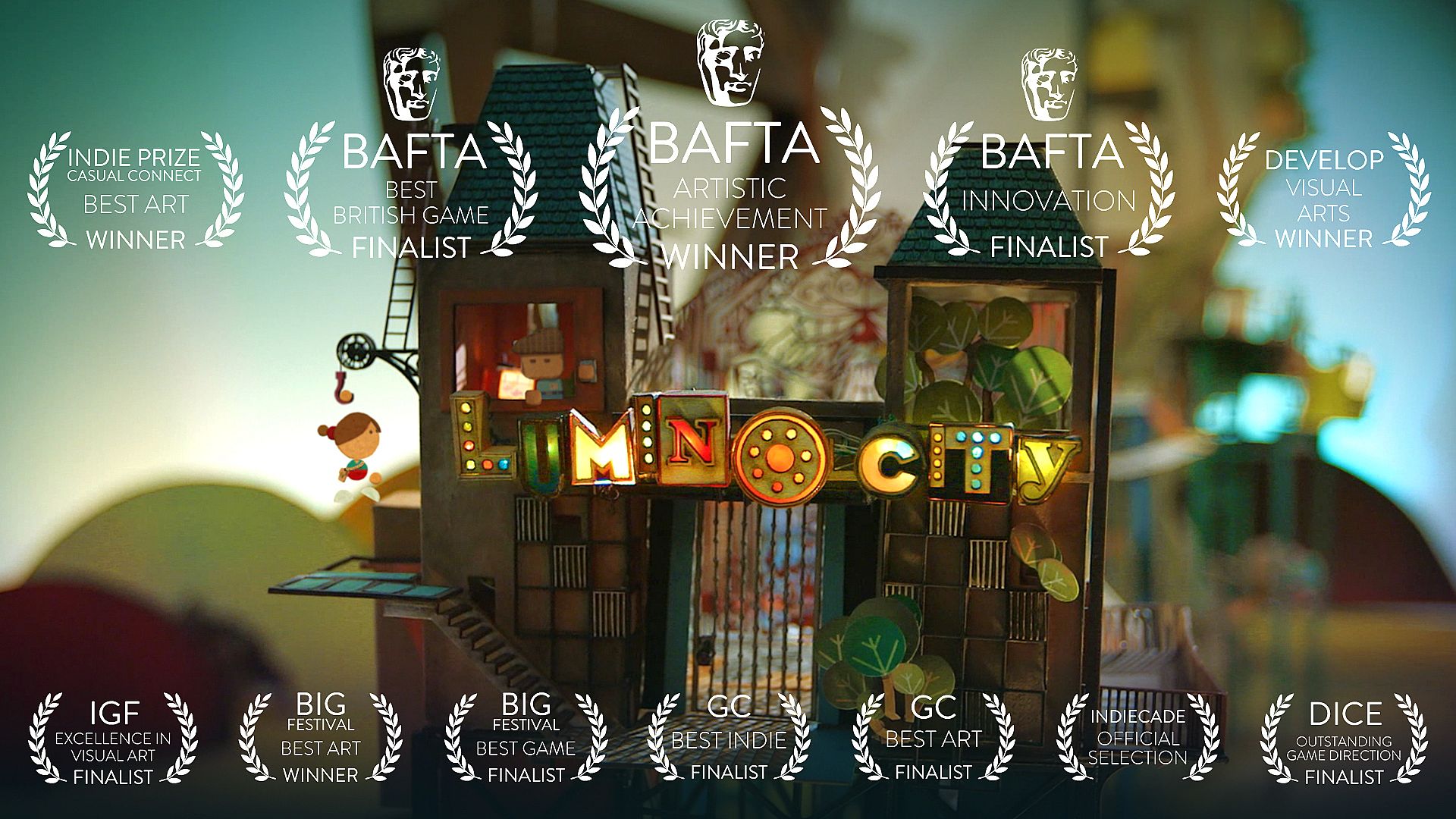
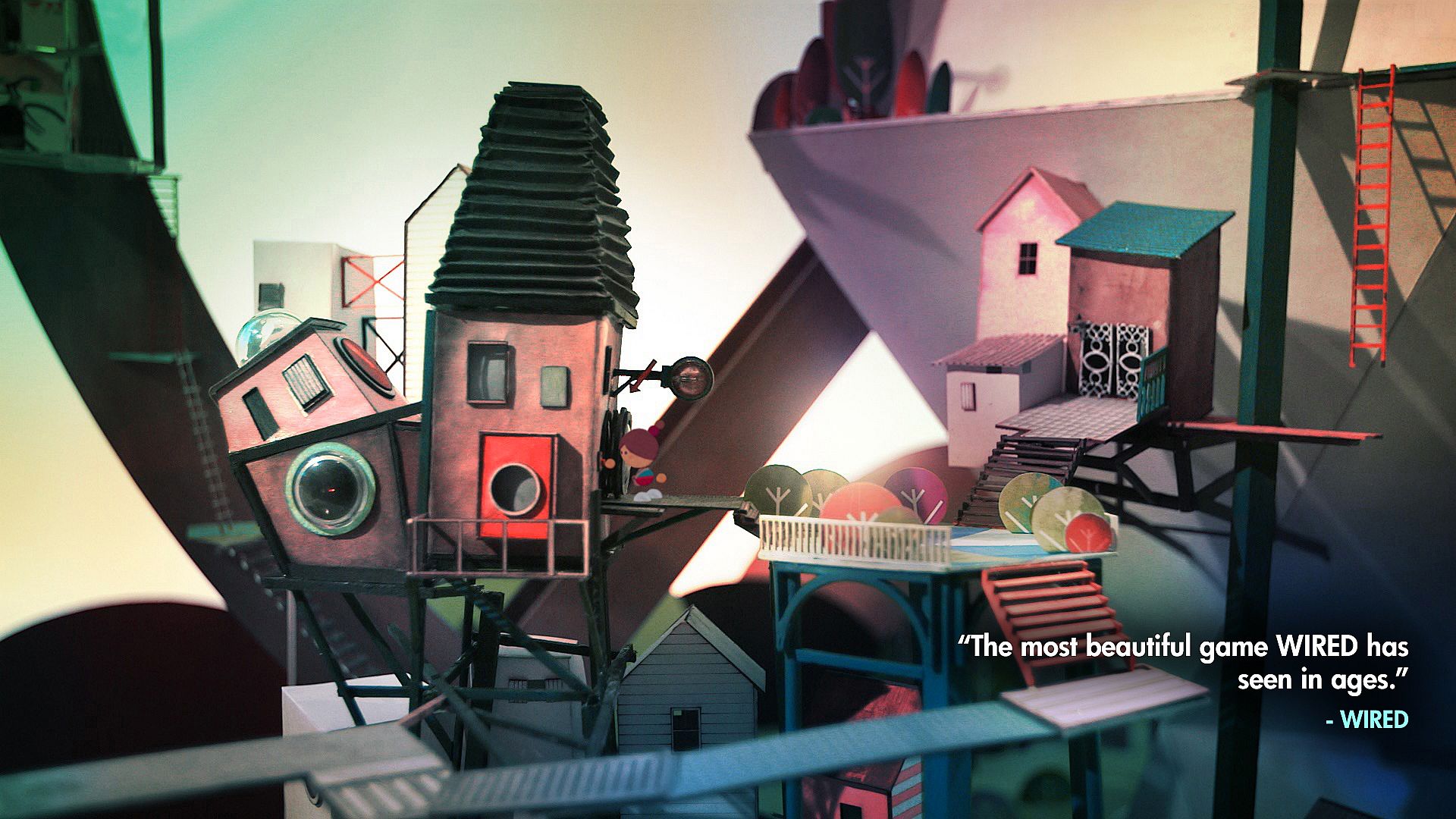
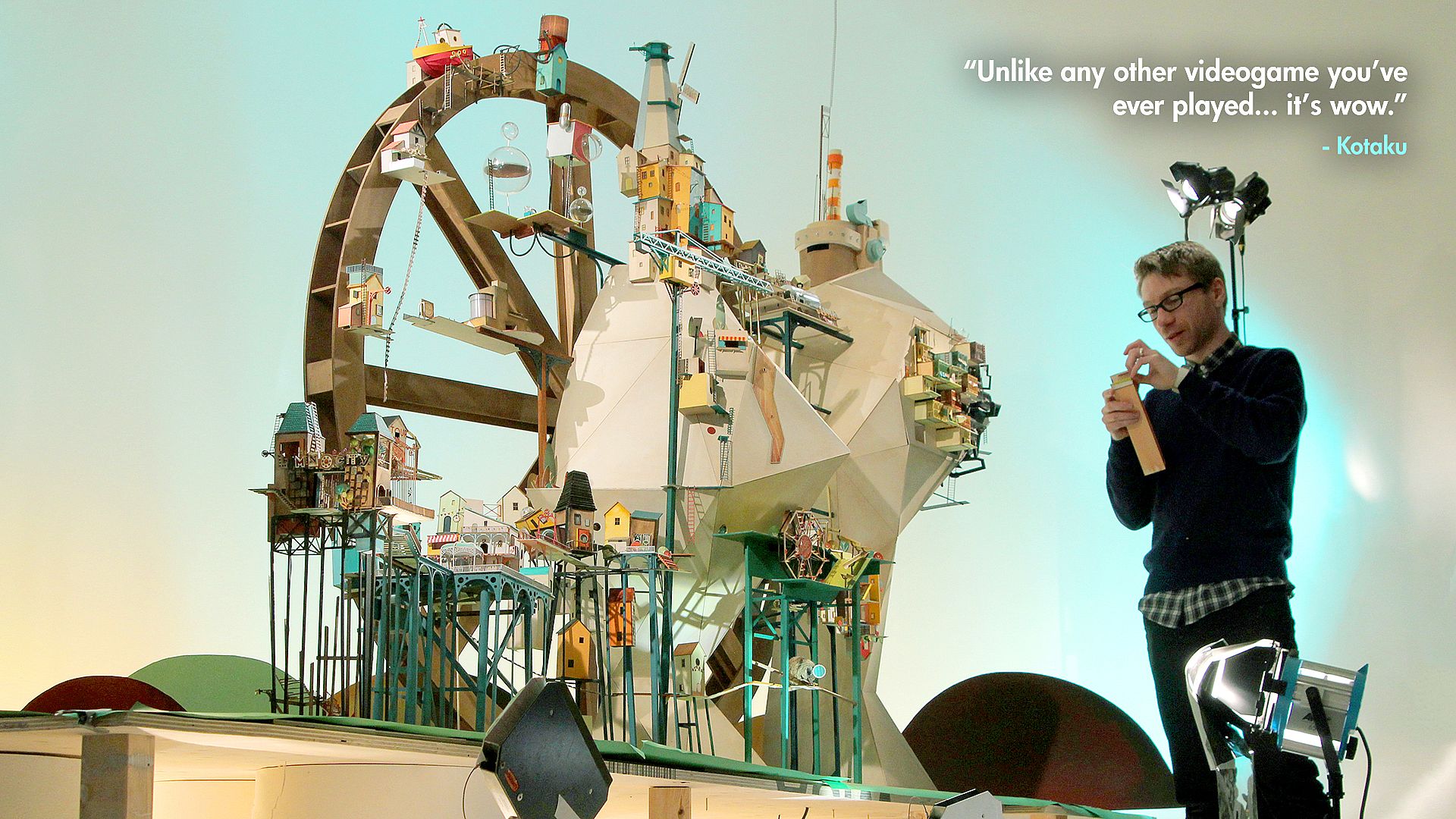
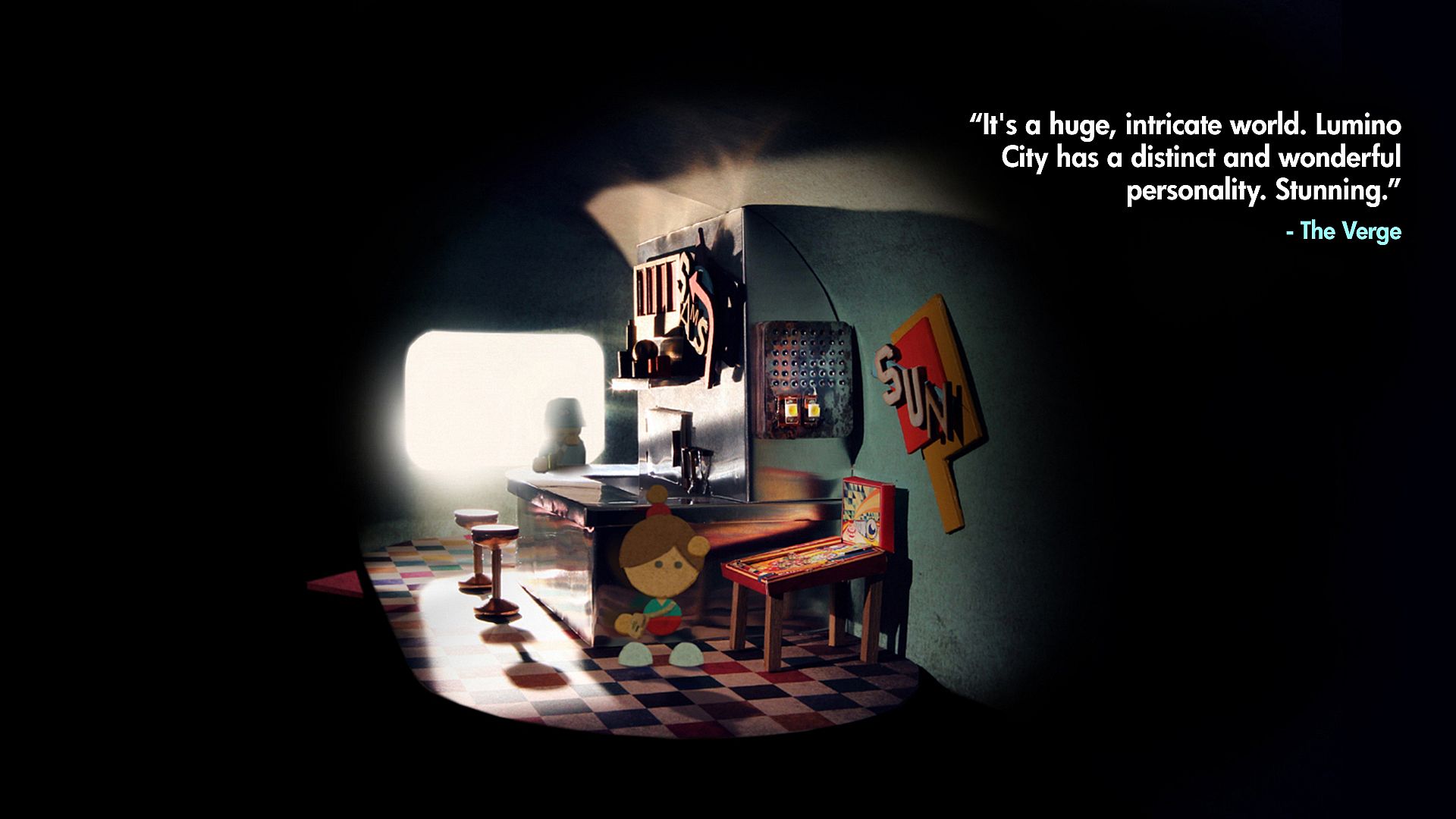
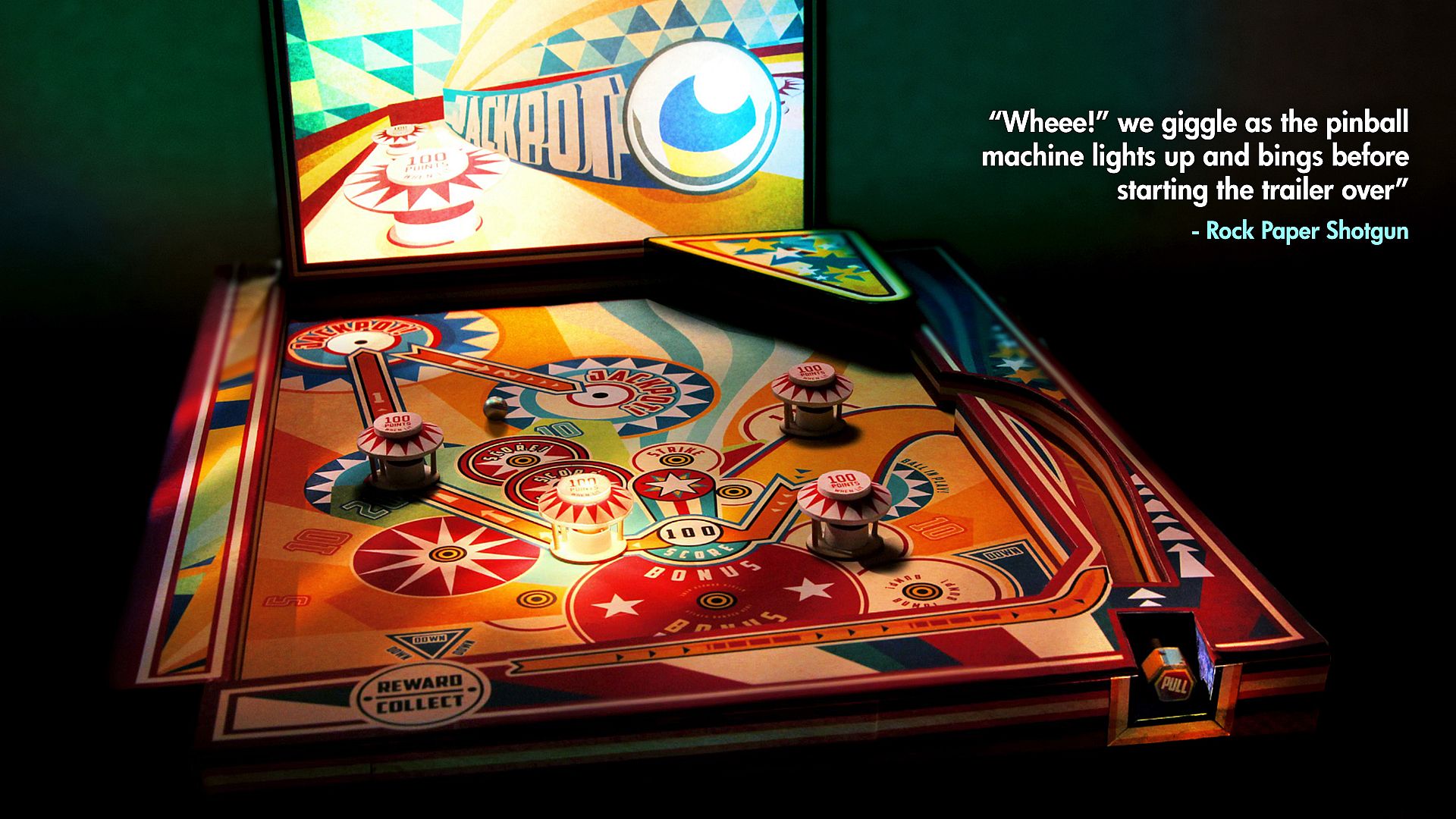
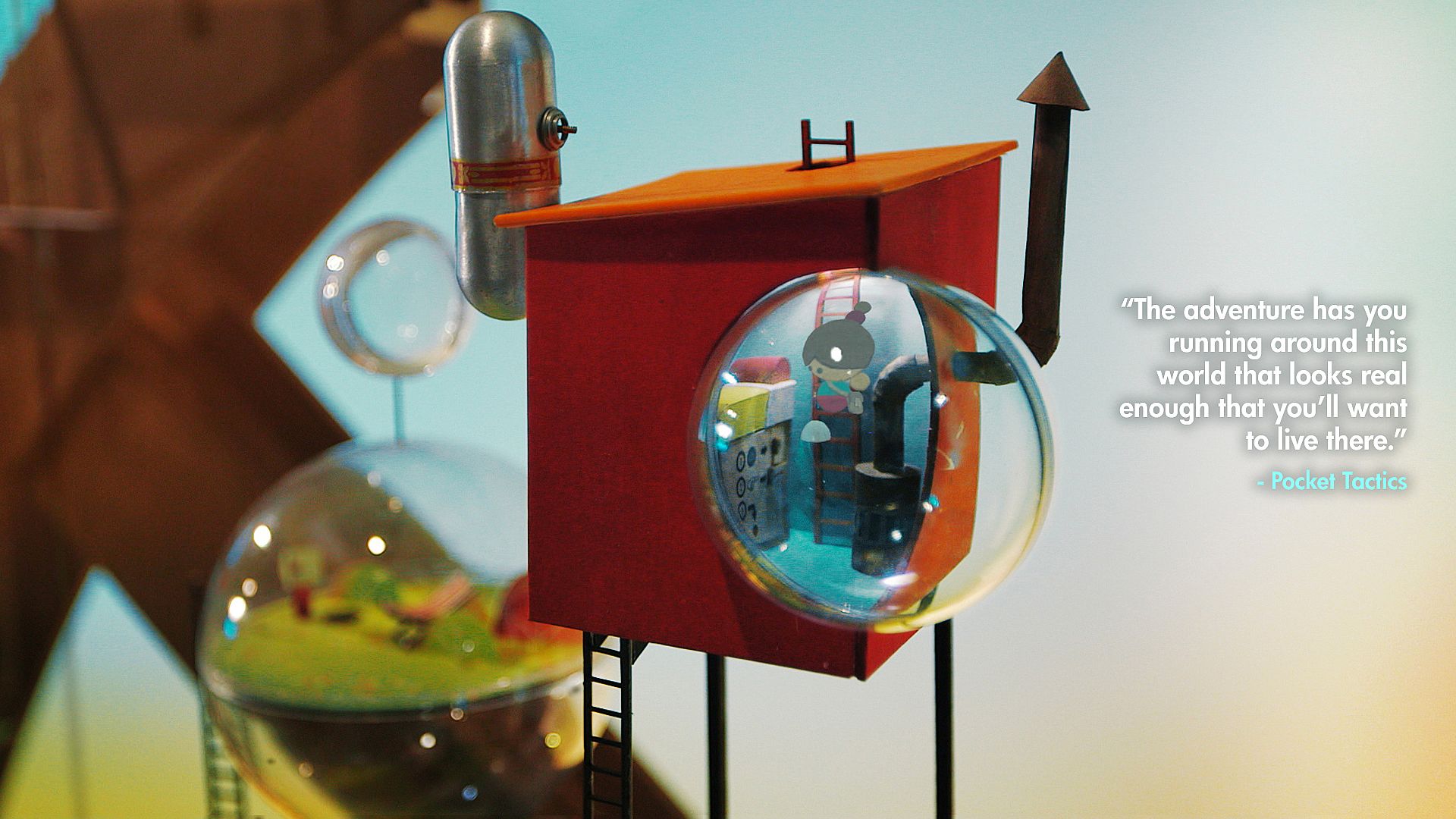
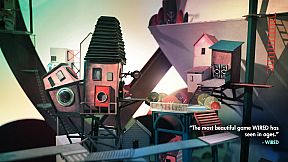
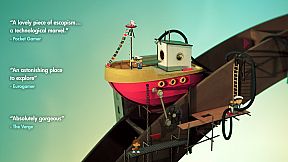
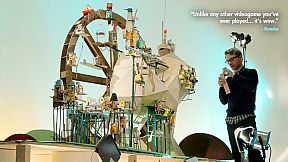
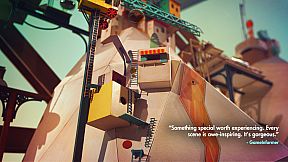
Scenes feature elevated gardens, structures perched on large waterwheels, and cliffside dwellings, all rendered through a physical model scaled to ten feet in height. Individual motors and lights were wired by hand, allowing real-time illumination and movement that responds to player actions. This approach creates a tactile feel where solutions emerge from manipulating the environment rather than abstract interfaces.
Progression follows a narrative thread that reveals details about the grandfather's past while introducing new locations beyond the city gates. The pace encourages deliberate examination of each mechanism, rewarding patience with incremental advancements that open further areas.
Game Modes
Lumino City operates as a single-player puzzle adventure without separate competitive or cooperative modes. The structure follows a linear story path divided into distinct chapters, each focused on a new section of the city and its unique challenges. Players advance by completing the puzzles in sequence, with no branching paths or alternative objectives reported.
Exploration remains the primary activity throughout, supported by the consistent puzzle-solving format that ties directly into the central goal of restoring power and uncovering personal history. This unified approach keeps the focus on the handmade world's details and the protagonist's journey.
Story and Setting
The narrative continues directly from Lume, placing Lumi in an expanded world filled with unusual architecture and citizen interactions. As she investigates her grandfather's life, the environments themselves become part of the unfolding tale through visual storytelling and mechanical revelations.
Collaboration among architects, fine artists, prop makers, and animators shaped the final design, resulting in scenes that blend functional puzzles with artistic presentation. The physical construction process, involving laser cutting and individual wiring, translates into game elements that feel tangible and responsive.
Is It Worth Playing?
Players who appreciate thoughtful puzzle design and distinctive visual craftsmanship will find Lumino City aligns well with those interests. Its handmade origins set it apart from typical digital environments, offering a steady stream of mechanical challenges that build on each other across the adventure.
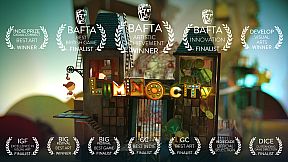
Reception highlights the presentation, soundtrack, and overall atmosphere as standout elements that enhance the puzzle experience. The game suits those seeking a contained single-player journey rather than ongoing updates or multiplayer features, with its 2014 release maintaining steady availability on PC platforms.
Anyone drawn to point-and-click style adventures or artistic indie titles may enjoy the deliberate pace and creative solutions required. The absence of additional modes keeps the emphasis squarely on the core exploration and restoration mechanics that define the title.