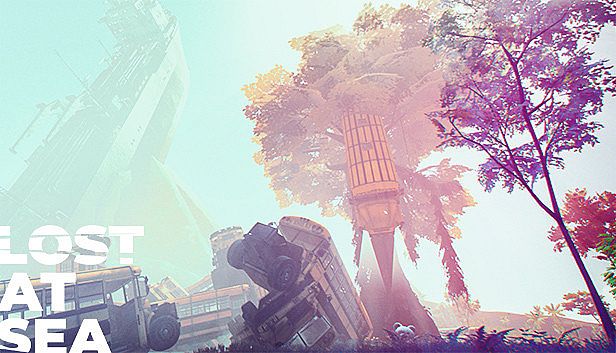

















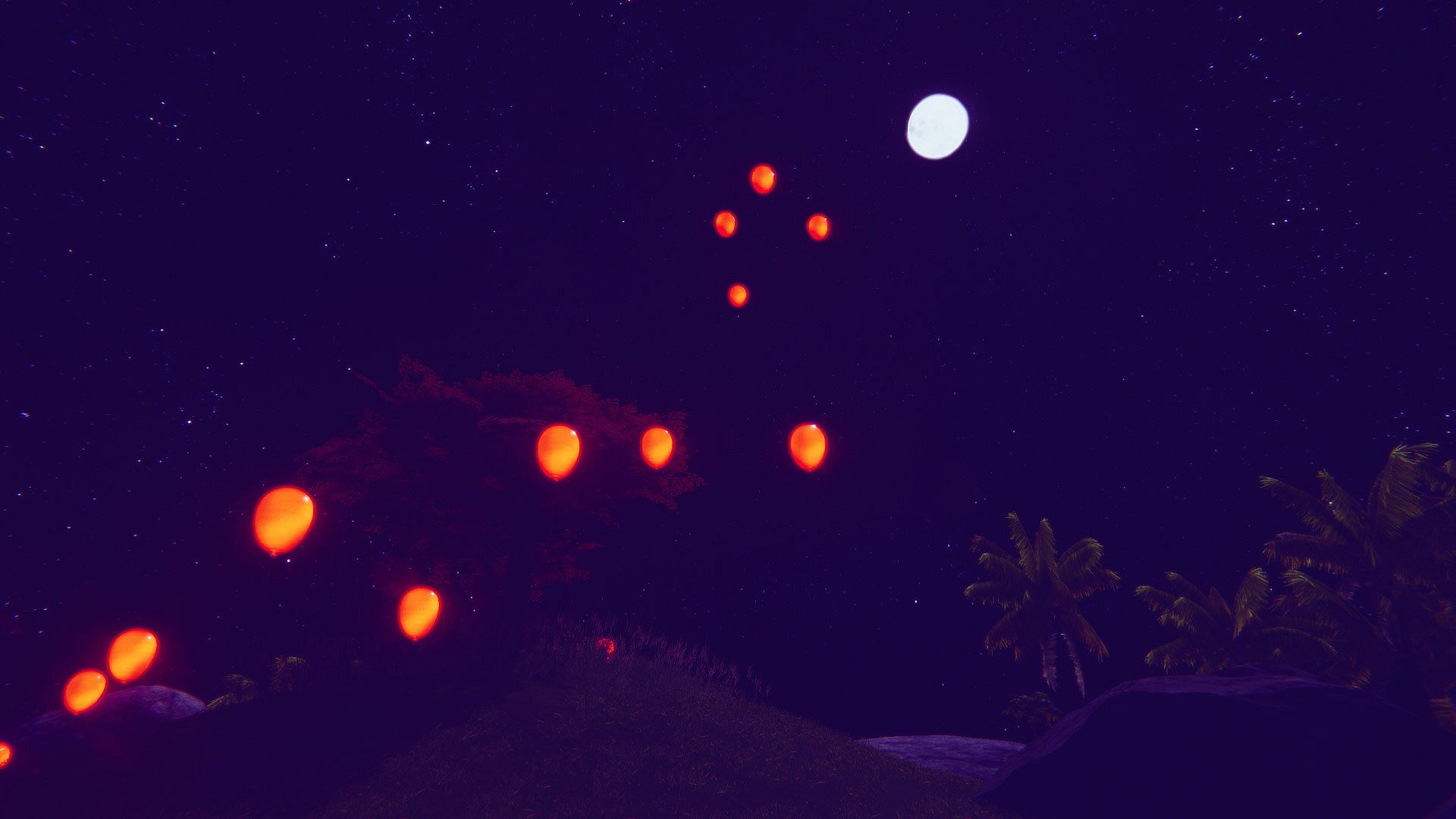
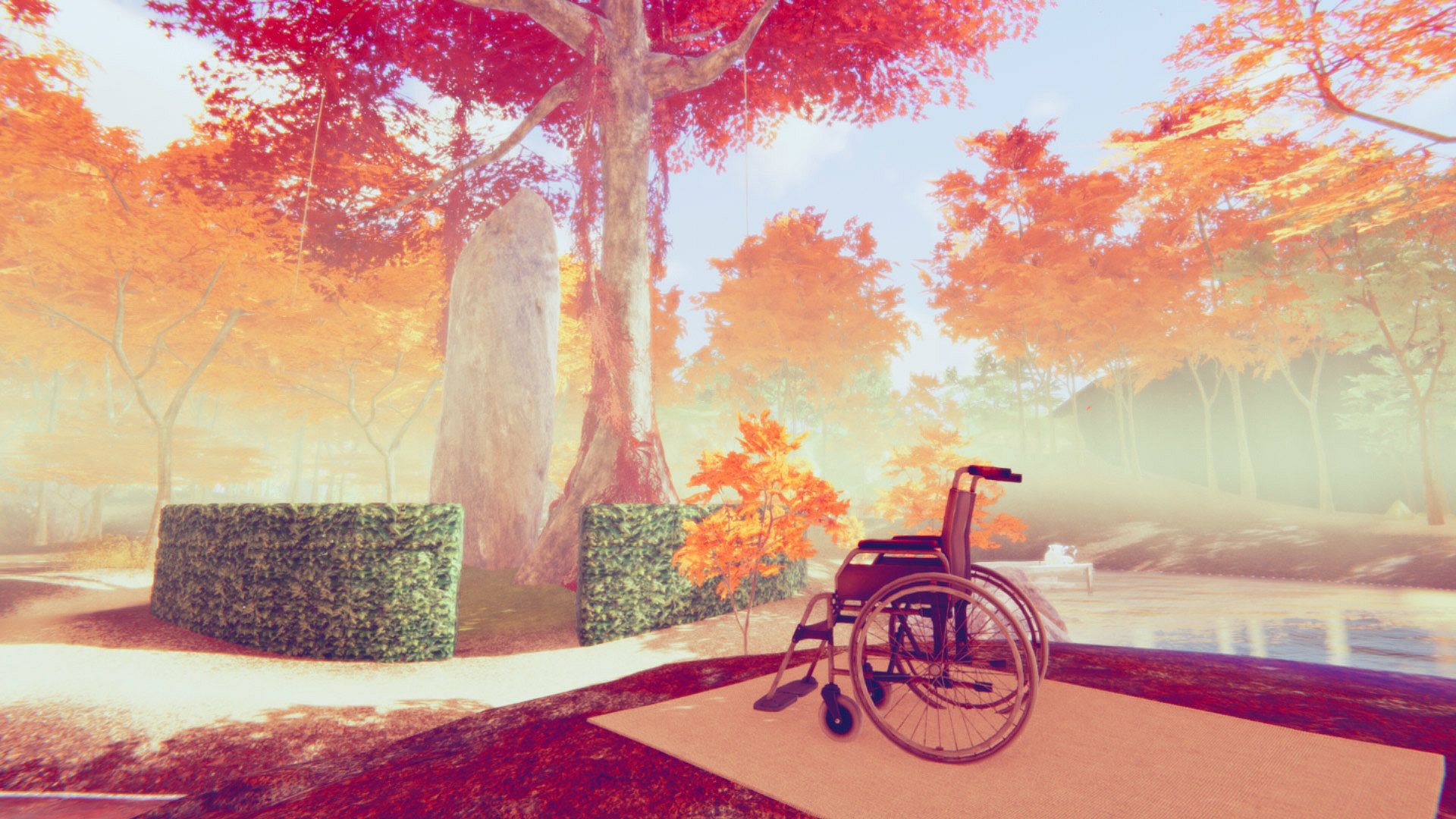
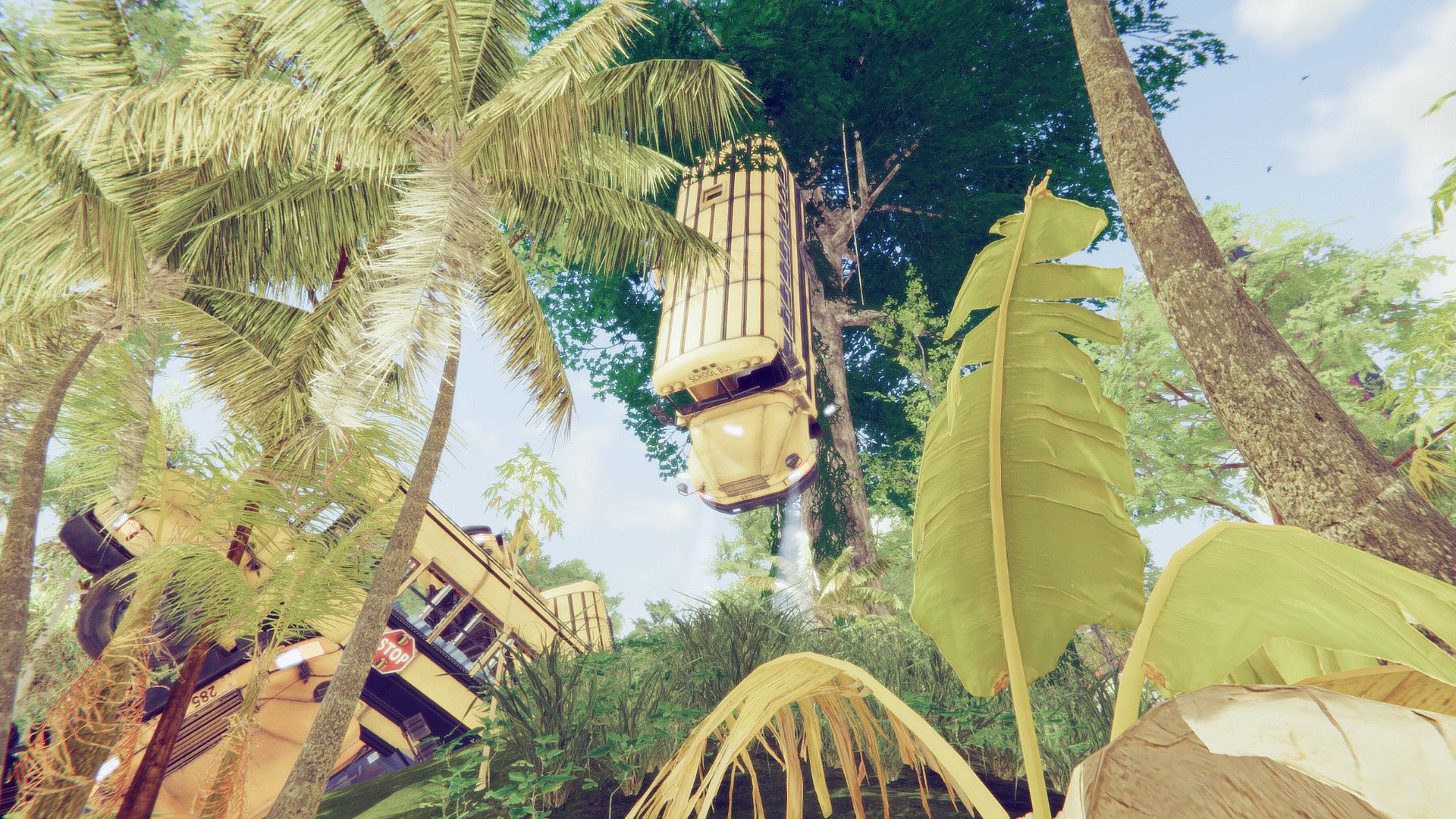
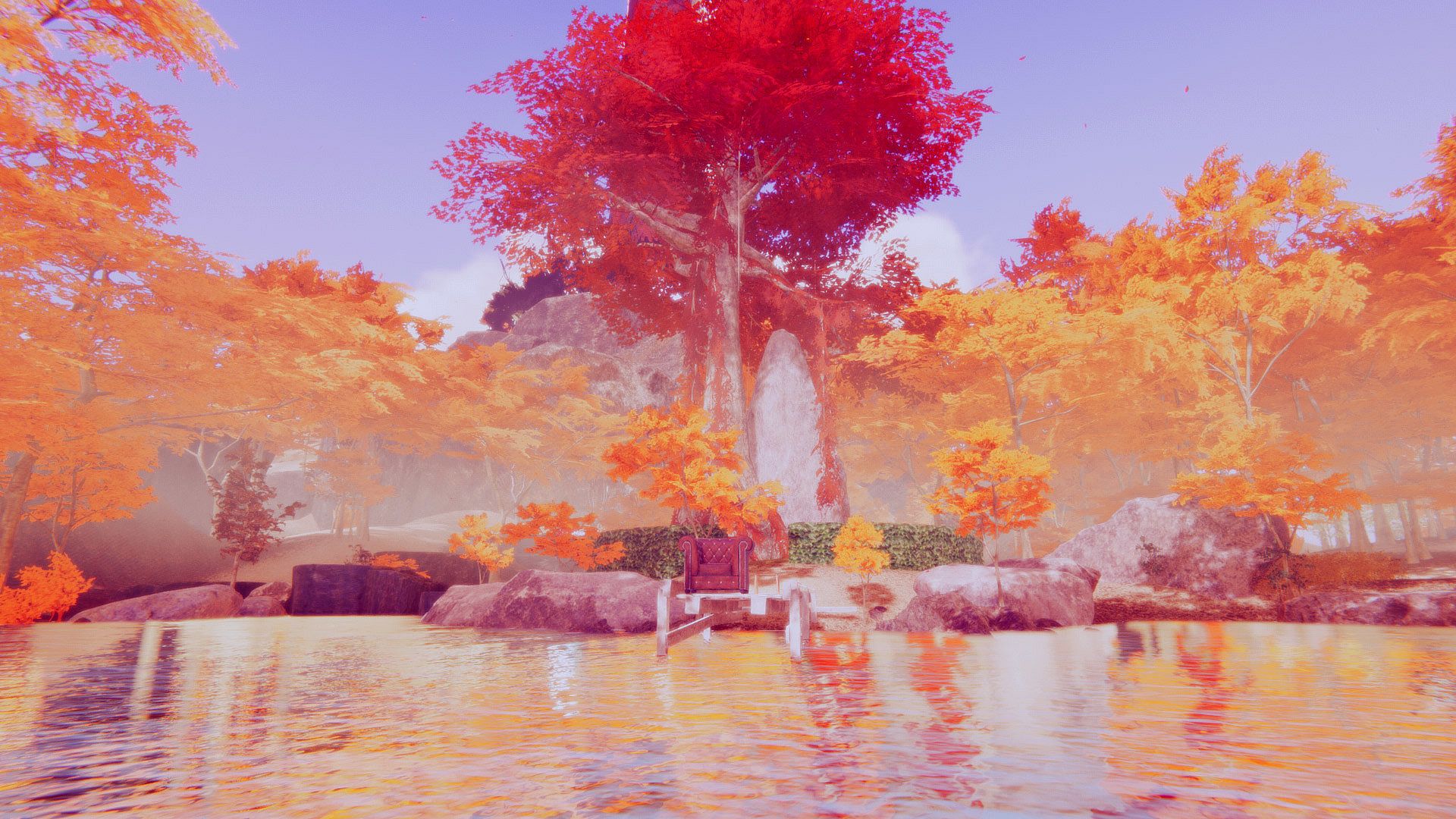

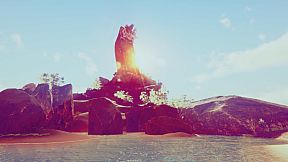

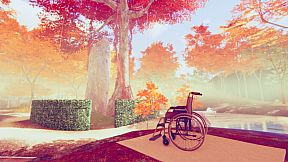

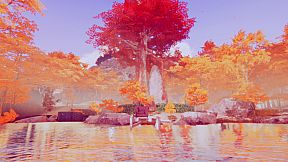
Lost At Sea is an indie adventure game centered on personal reflection and puzzle-driven exploration. Players follow Anna through the later stages of her life as she confronts memories on a mysterious island. The experience blends narrative storytelling with object collection and riddle solving to examine choices and regrets.
Gameplay
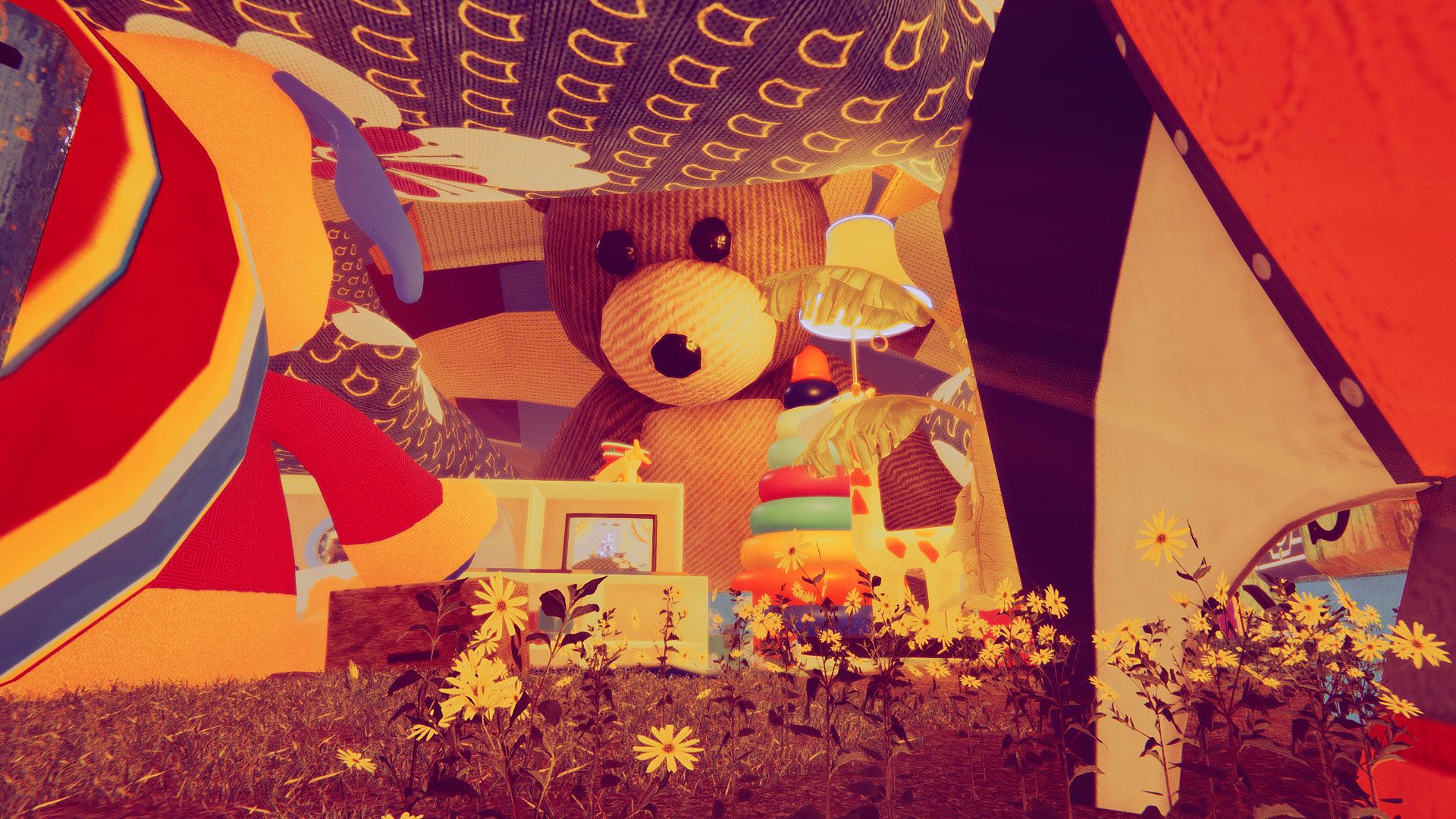
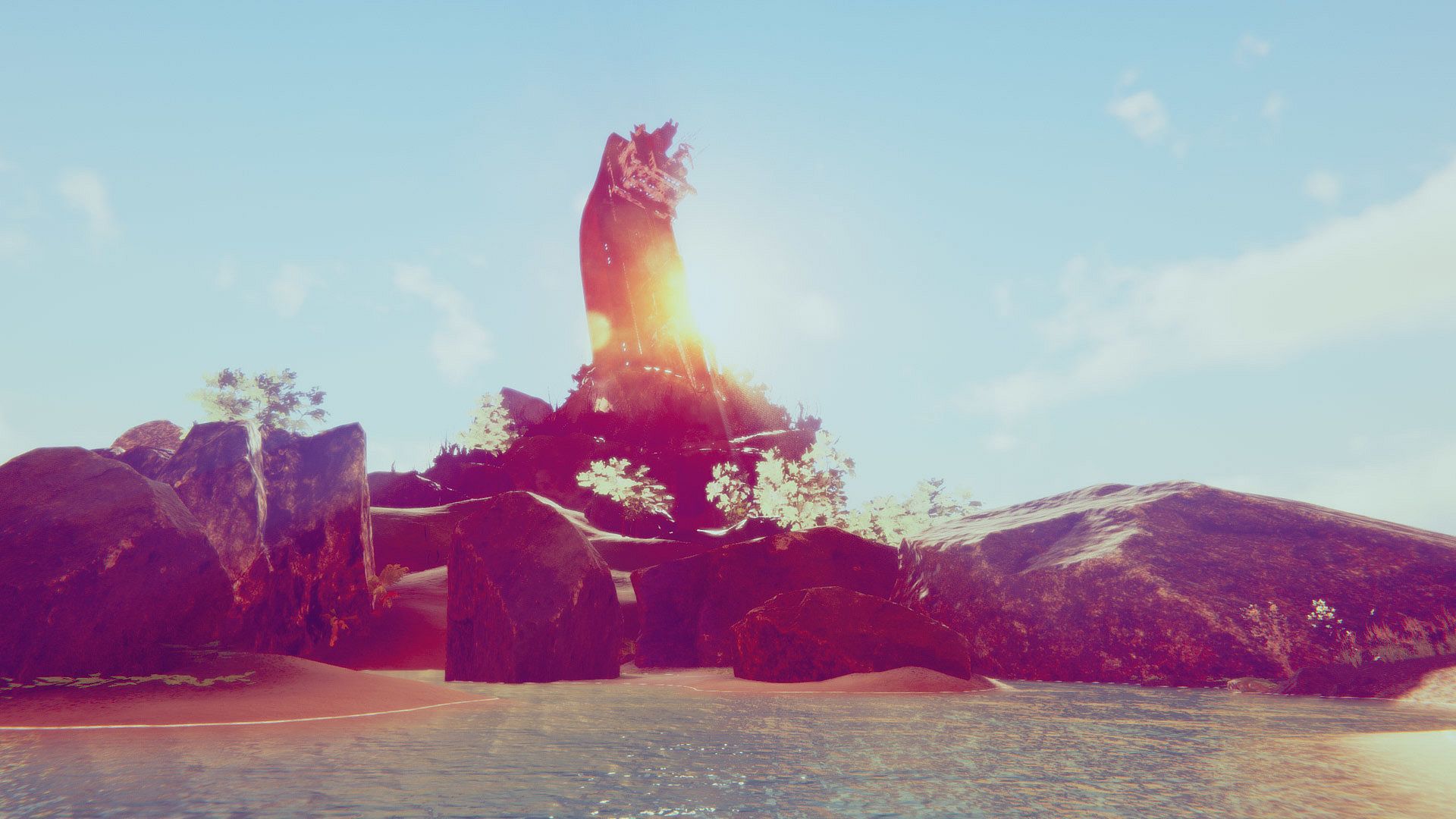
The core loop involves traversing distinct biomes that each represent a phase of life. Players search environments for key objects while completing puzzles that unlock specific memories. These puzzles take the form of tailored minigames designed to reflect the emotional weight of each recalled moment.
Fears appear as pursuing elements that pressure the player to keep moving or confront obstacles directly. Sound design emphasizes these threats, while illustrations highlight pivotal scenes from Anna's past. Movement and interaction remain straightforward, focusing attention on observation and problem solving rather than combat or complex controls.
Progression ties directly to memory reclamation. Each solved puzzle or collected item advances the story and reveals more about the character's relationships and decisions. The island layout encourages thorough exploration of each biome before advancing to the next phase.
Game Modes
Lost At Sea operates as a single continuous narrative experience without separate multiplayer or competitive options. The journey unfolds linearly through the island's biomes, with puzzle sequences and memory unlocks serving as the primary structure.
Players advance by addressing fears in sequence or choosing when to engage with them. This creates a focused path where exploration and minigame completion build toward the central question of whether past choices were the right ones. No additional modes alter the core flow or introduce branching campaigns.
Story and Setting
The narrative follows Anna as she processes isolation and reassesses her history. Each biome on the island mirrors a distinct life stage, from earlier relationships to later solitude. Objects and puzzles surface fragments of these periods, allowing players to reconstruct events firsthand.
Themes revolve around acceptance, regret, and the desire to move forward. Fears manifest as active threats that represent internal doubts, forcing direct engagement or temporary avoidance until the player feels prepared. The overall arc examines universal questions about fulfillment and legacy without relying on external plot devices.
Is It Worth Playing?
Reception remains mixed, with roughly 43 percent of user reviews on the primary distribution platform rating the title positively. Some players connect strongly with the emotional premise and visual presentation of memories, while others note issues with pacing, technical execution, and limited innovation in the puzzle design.
The game suits those seeking a contemplative single-player adventure focused on story and personal themes rather than action or replayability. Its short length and emphasis on reflection make it accessible for players interested in narrative-driven experiences, though the mixed feedback suggests trying a demo or watching gameplay footage first to gauge fit.
Current support appears limited to the original release without ongoing seasonal content or major expansions. Availability centers on the base PC version, which continues to receive occasional discounts.