

























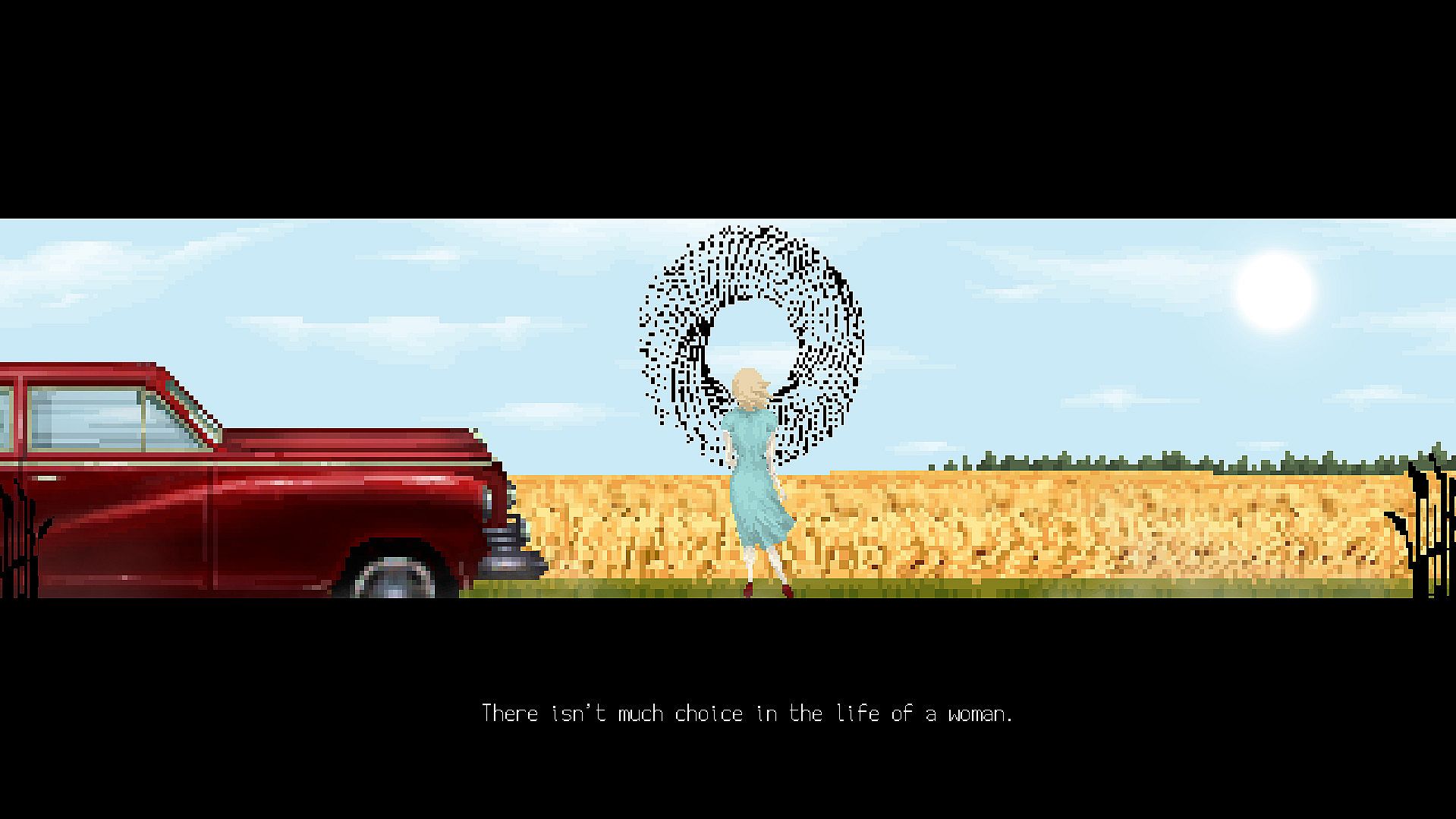

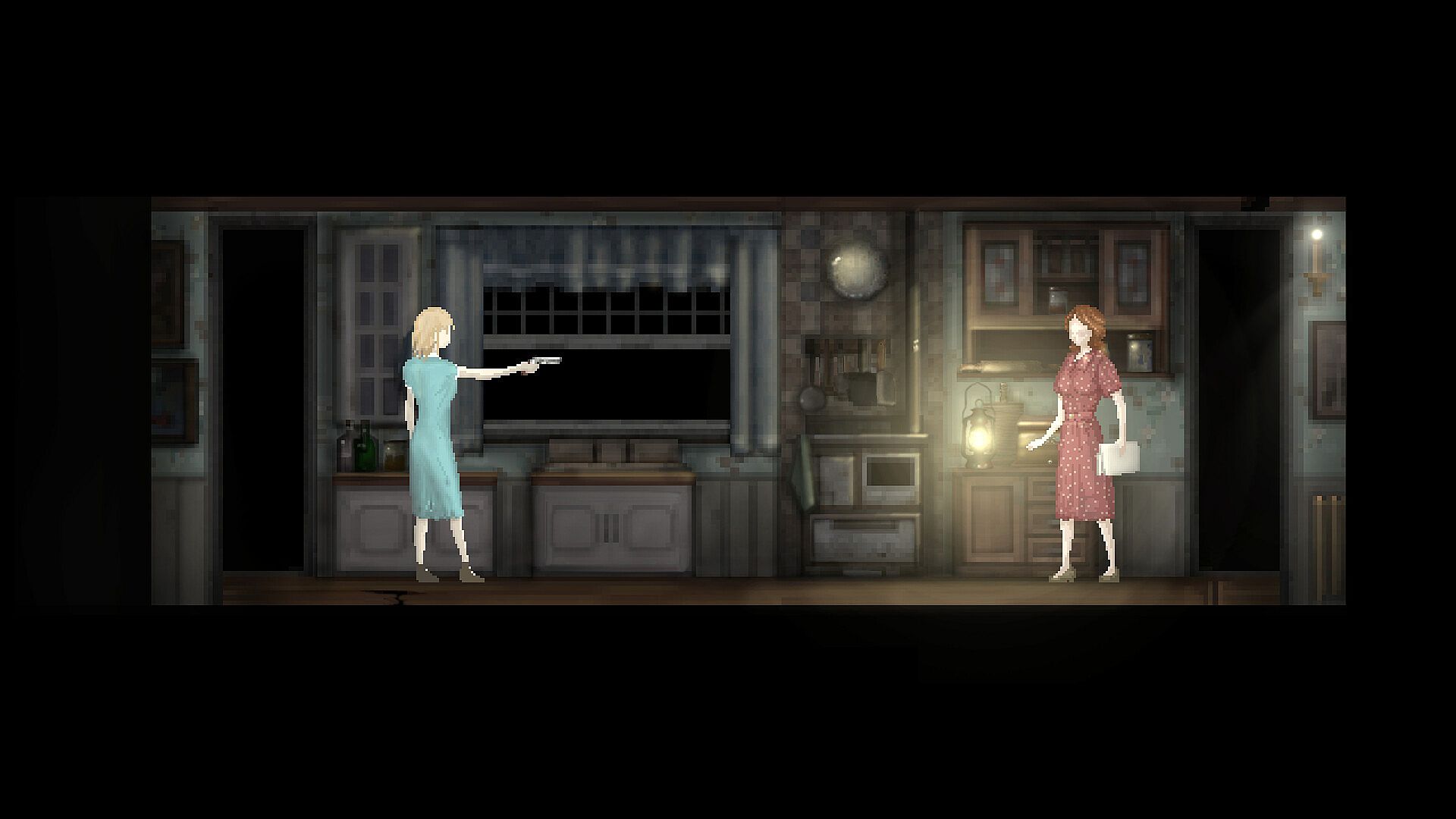
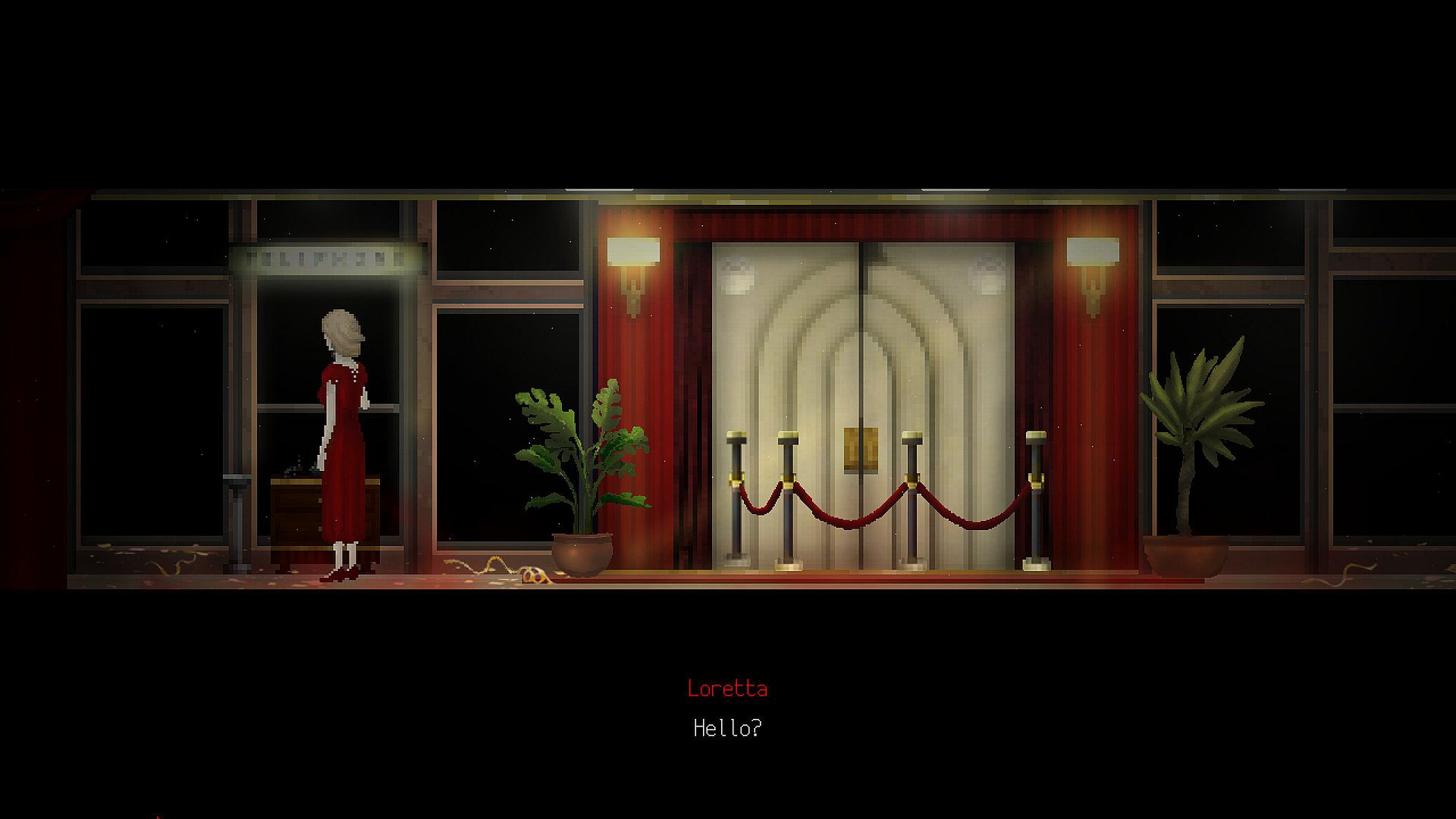

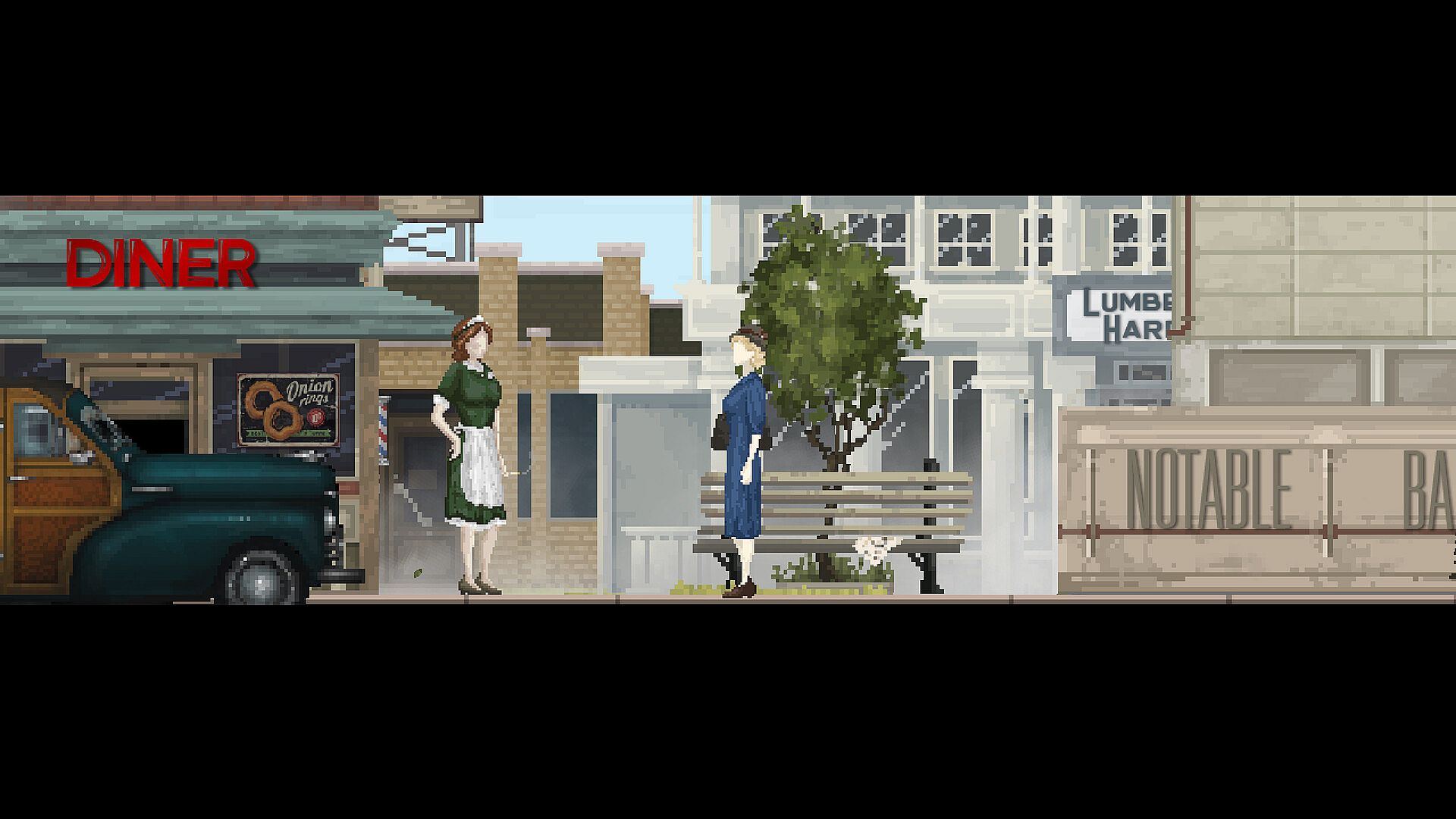
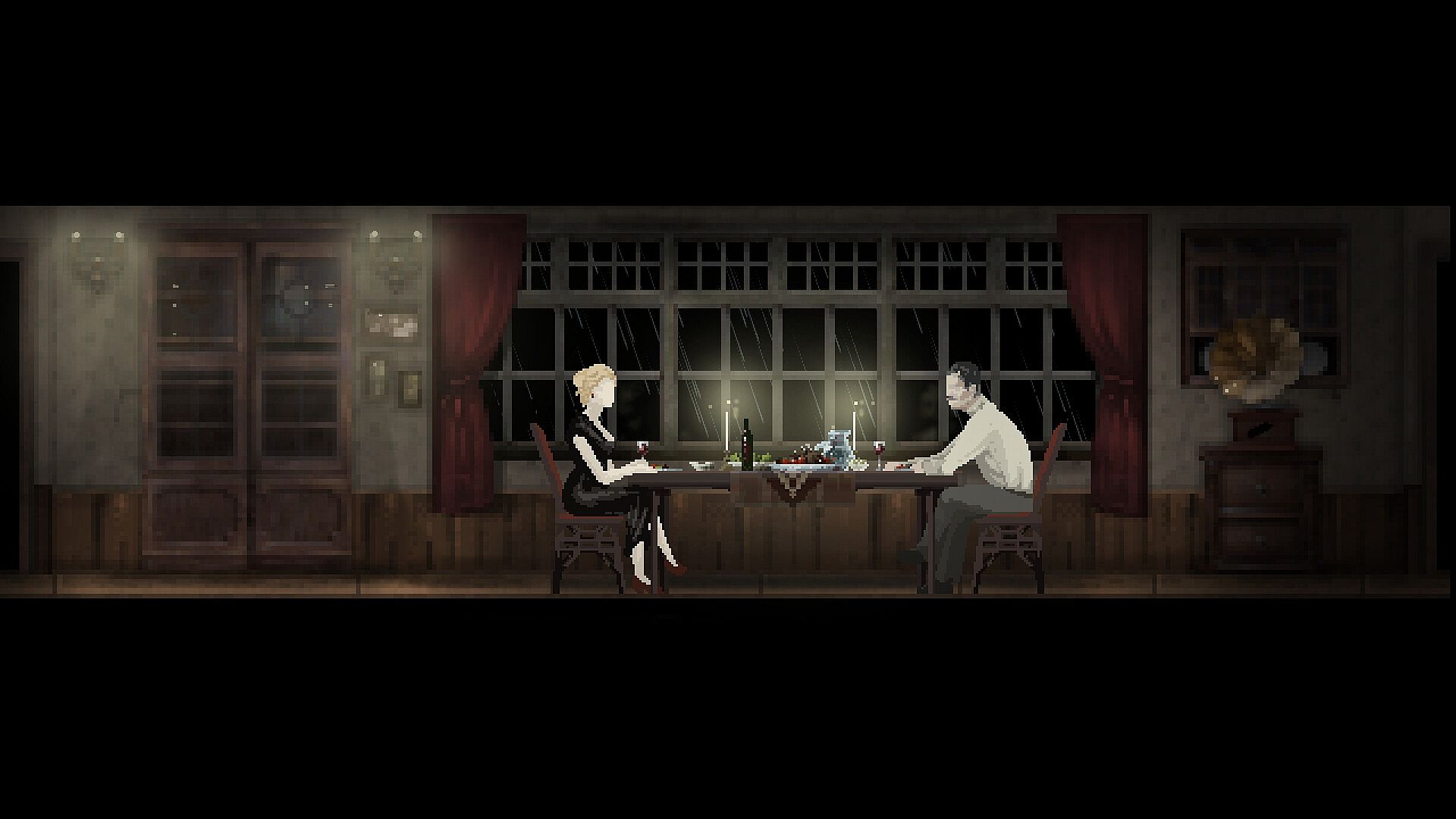
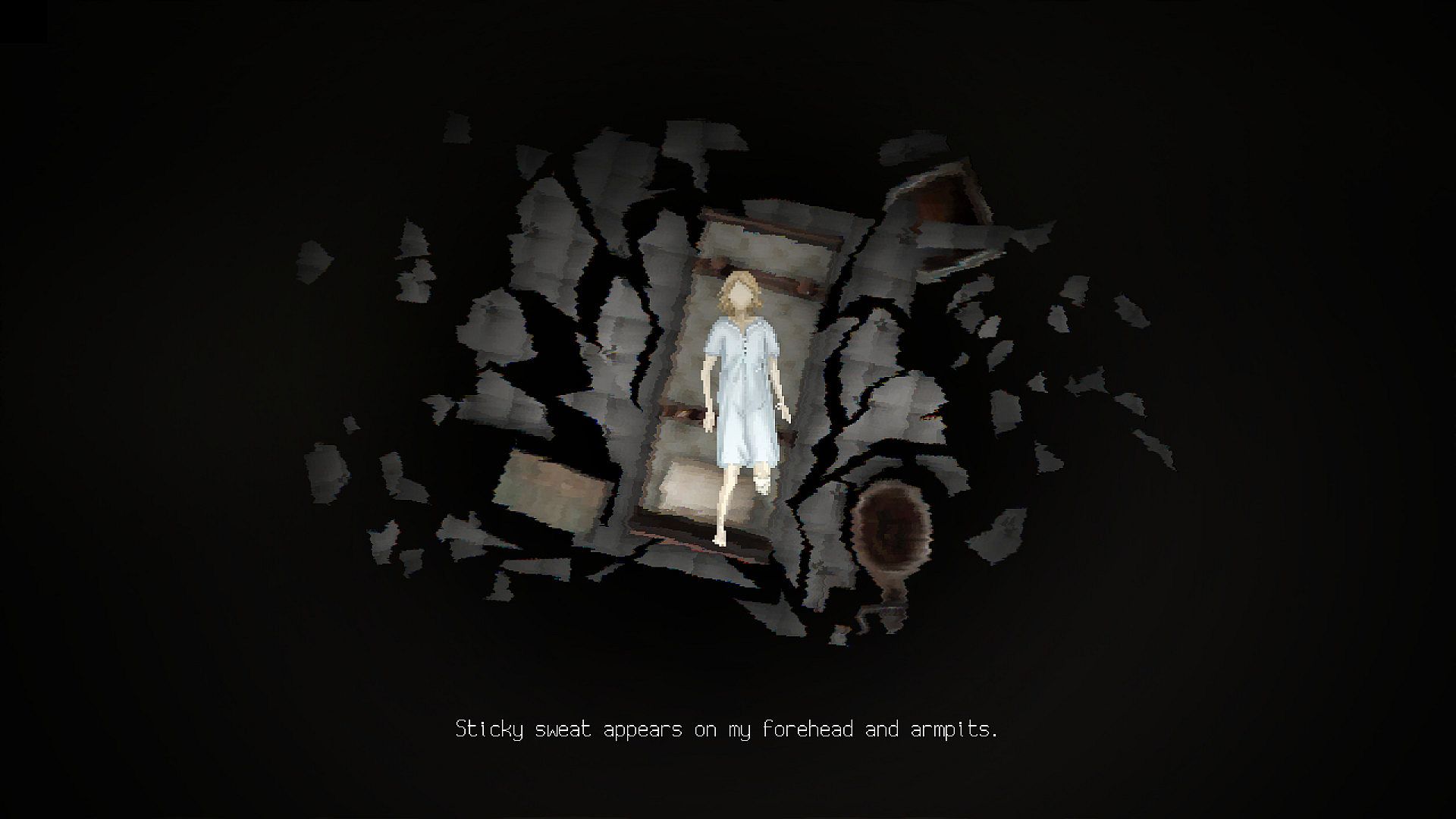
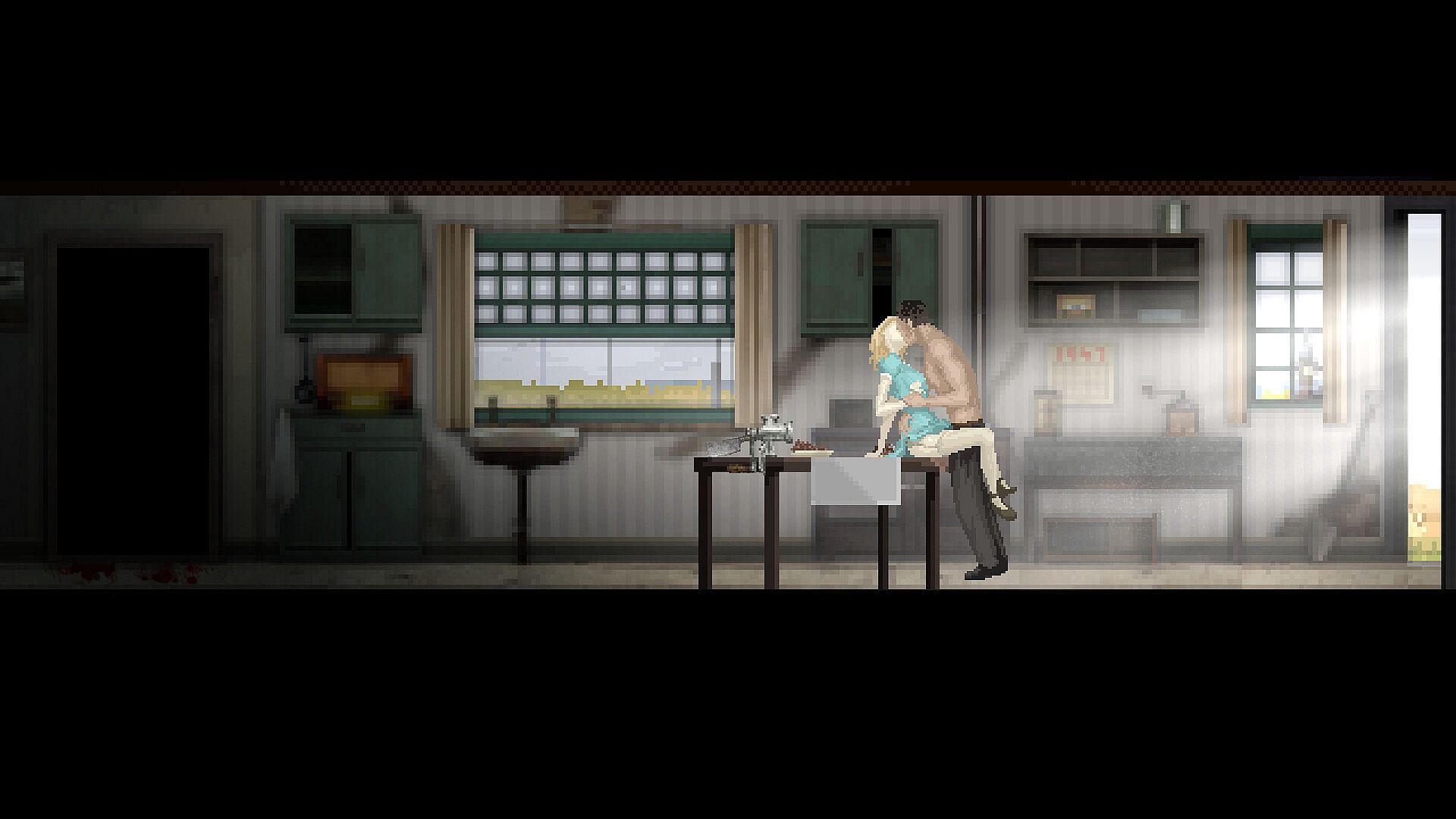



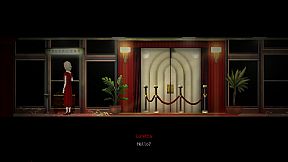


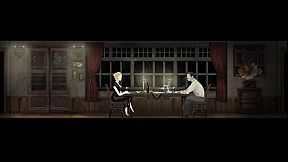
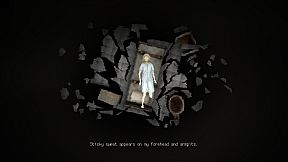
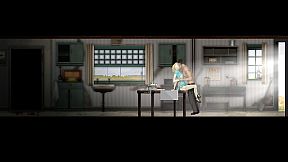
Loretta is a single-player psychological thriller adventure game set in the 1940s. Players guide a housewife through a tale of betrayal, infidelity, and moral descent as she confronts her husband's actions and considers a drastic plan involving a life insurance policy. The experience unfolds in a rural southern farmhouse after the couple leaves New York City behind, blending dialogue selections with object interactions to shape the narrative.
Gameplay
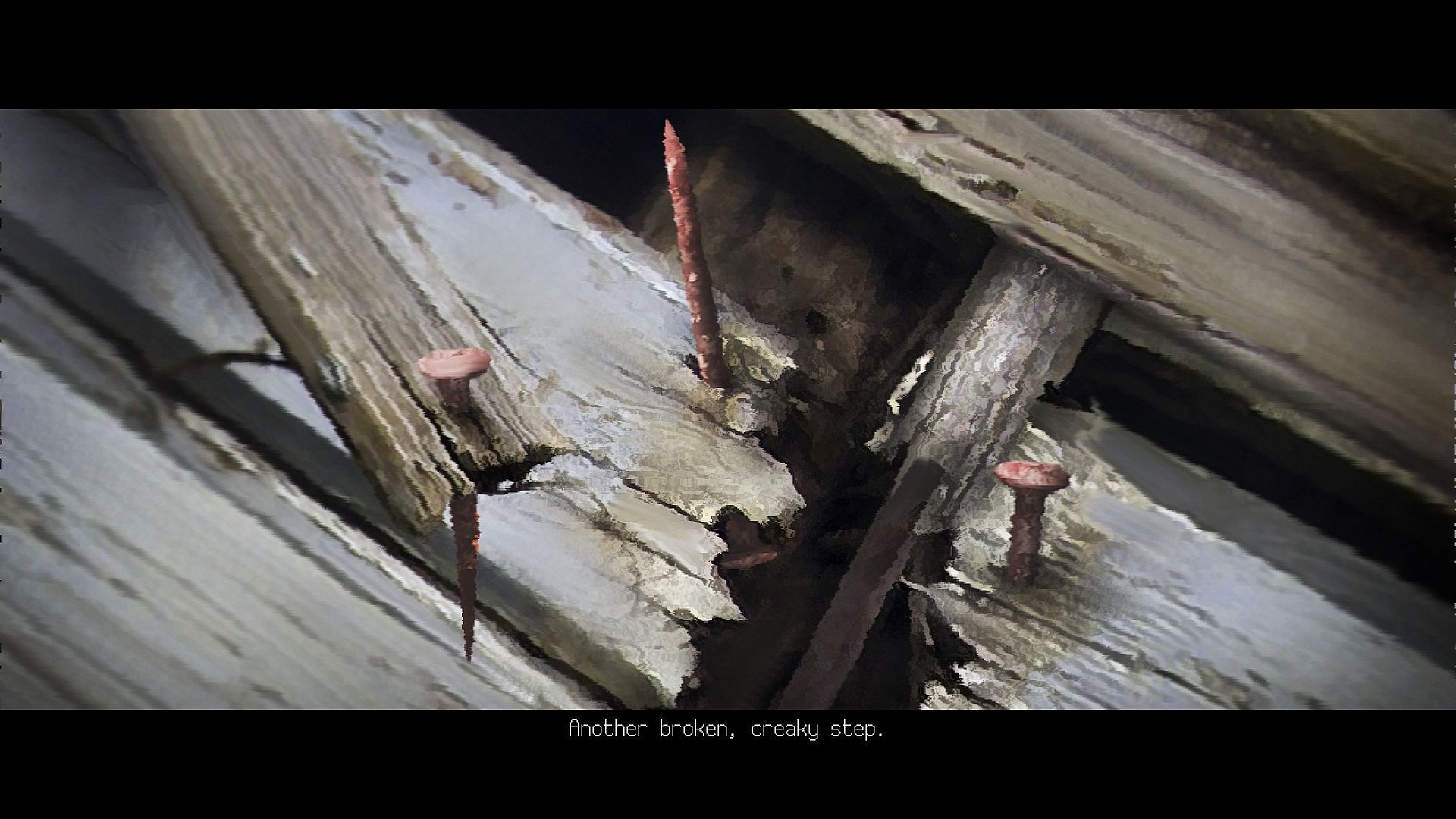
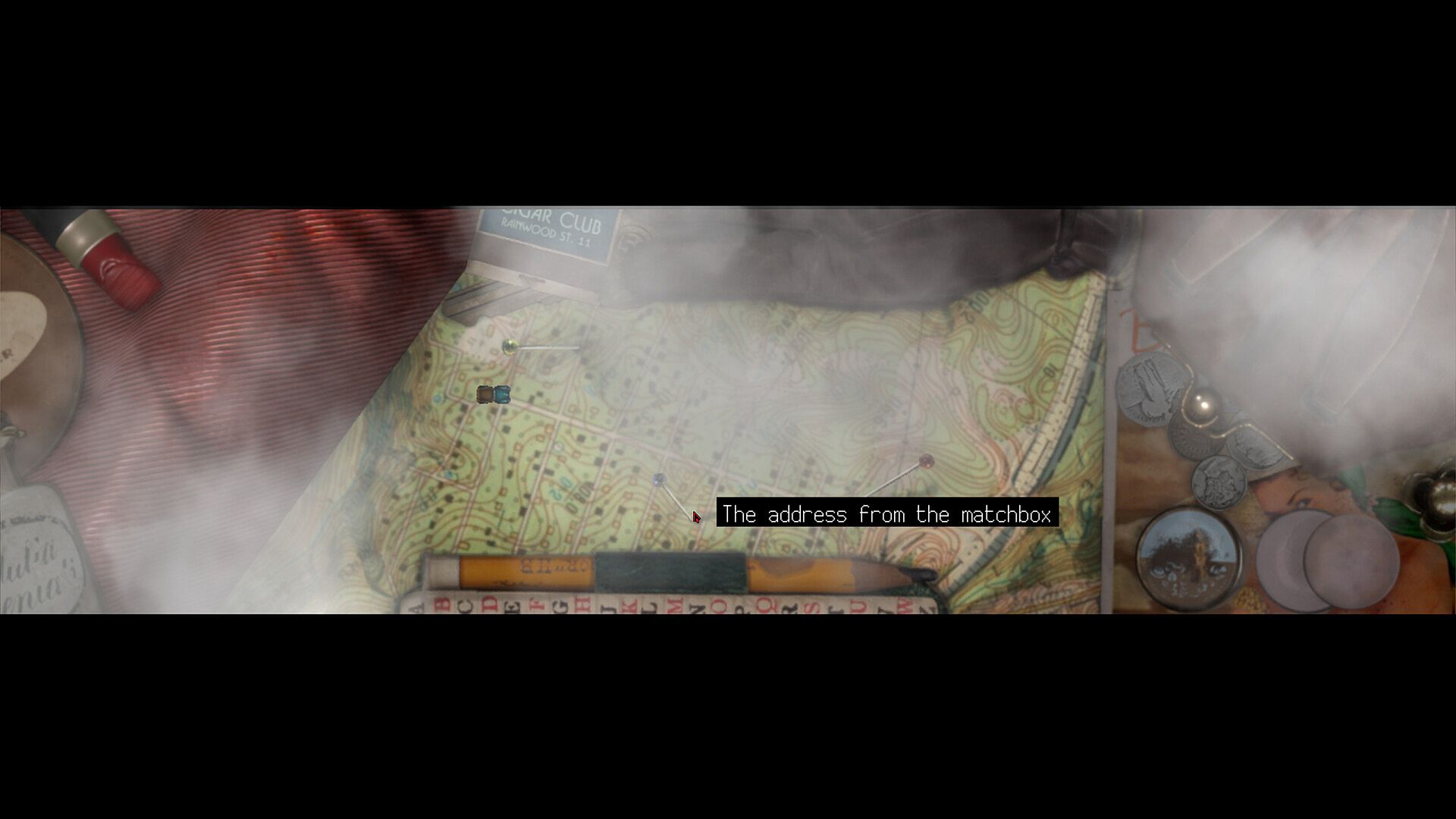
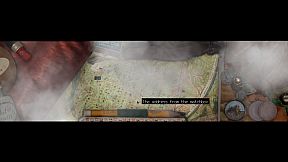
Core gameplay centers on narrative progression through conversation choices and environmental exploration. Players examine items around the farmhouse to uncover details about Loretta's past and her growing desperation. Cryptic puzzles appear at key points, requiring careful observation to advance the story and reveal layers of the protagonist's internal conflict. Decisions made during dialogues determine how deeply Loretta engages with deceit or violence, creating a personal sense of complicity in the unfolding events. The art style draws from mid-century American painting traditions, supporting a tense atmosphere without relying on action sequences or combat systems.
Interaction remains straightforward, focused on clicking or selecting elements to gather information and influence outcomes. A short stealth segment appears in certain paths, though the emphasis stays on psychological tension rather than precision timing or reflexes. Autosave functions handle progress, though some players note occasional inconsistencies with this system during extended sessions.
Game Modes
Loretta operates as a single-player narrative experience without separate multiplayer or competitive modes. The structure revolves around a linear yet branching story campaign where player choices alter dialogue trees and event sequences. Multiple endings emerge based on the cumulative decisions, encouraging additional playthroughs to explore alternate routes through the same core events. No cooperative elements, survival challenges, or seasonal content appear in the design.
Story and Setting
The plot follows Loretta as she processes her husband's infidelity while managing financial strain in their isolated home. Walter's writing career has stalled, mirroring their shared dissatisfaction after relocating from urban life. A lucrative insurance policy becomes a focal point, prompting players to decide the extent of Loretta's involvement in darker schemes. The 1940s backdrop adds social context to the themes of agency and betrayal, with the farmhouse serving as the primary location for discovery and confrontation.
Branching paths allow customization of the experience, from maintaining a web of lies to escalating toward more extreme actions. The narrative avoids traditional heroes, presenting situations where motivations remain ambiguous and outcomes reflect the player's selections.
Is It Worth Playing?
Loretta suits players interested in choice-driven stories and atmospheric thrillers rather than fast-paced action or complex systems. The game delivers a focused single-player campaign that rewards attention to dialogue and environmental details, with replay value tied to its multiple endings. Reception highlights strong writing and visual presentation alongside some criticism of puzzle difficulty and overall length. Those seeking a compact psychological narrative with moral ambiguity will find the mechanics align well with the themes, while players preferring extensive exploration or ongoing updates may look elsewhere. The title remains available as a complete experience since its 2023 release.