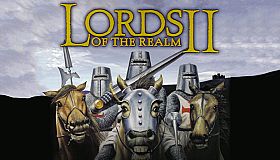
















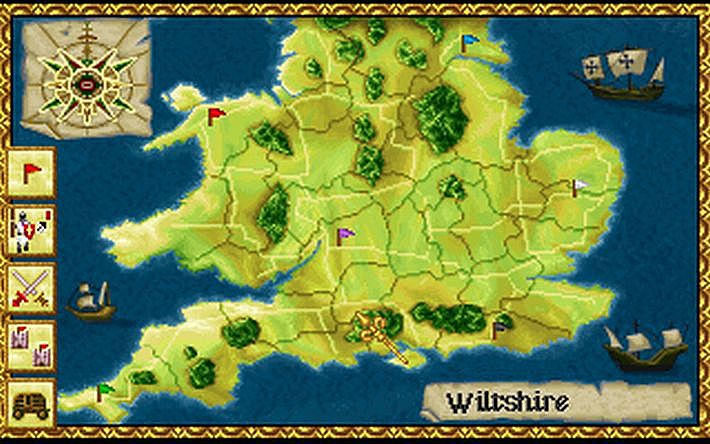
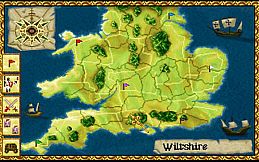
Lords of the Realm is a strategy game that combines turn-based kingdom management with real-time tactical combat on PC. Set in 1268 England where the throne stands empty, players take control of a small county and work to expand influence through careful planning and decisive military action against rival lords.
Gameplay
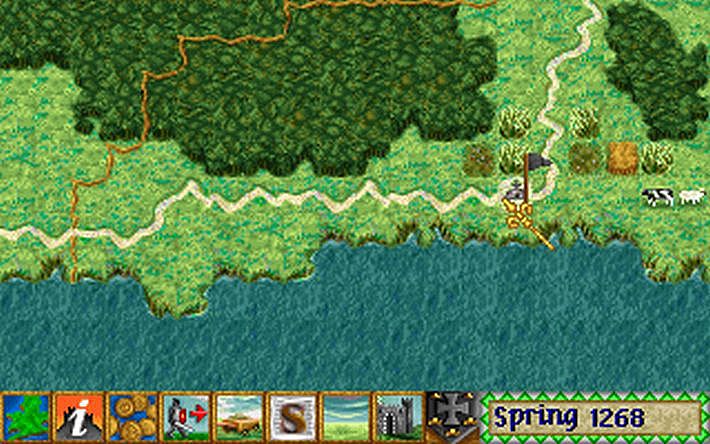
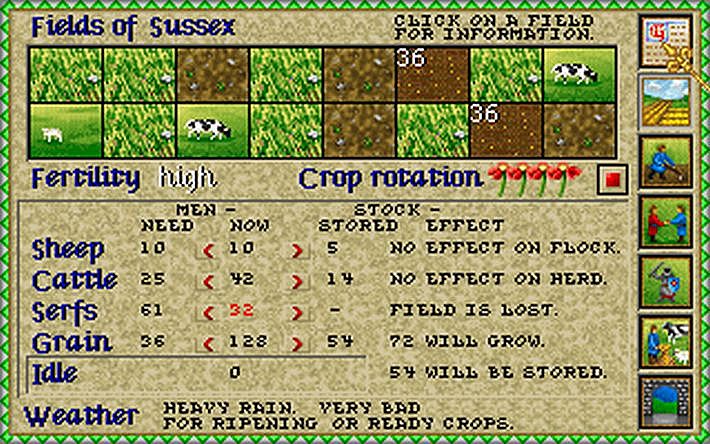
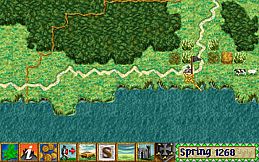
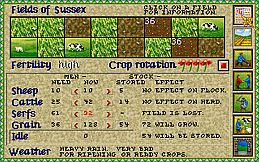
The core loop revolves around seasonal turns where players handle resource production, economic decisions, and defensive preparations. This includes overseeing farms, adjusting taxation levels, arranging trade deals, organizing transport of goods, and addressing issues like crop rotation or occasional theft. Wise choices here help grow the county into a larger domain while keeping the population secure and productive.
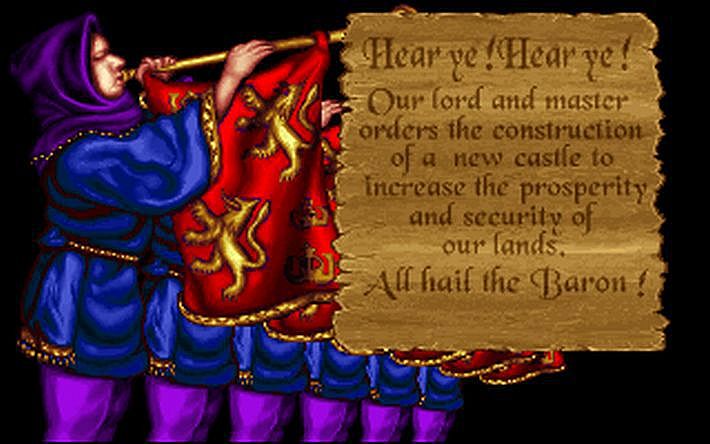
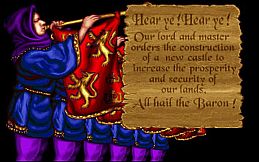
Castle construction forms another major part of play. Players design fortifications that incorporate elements such as moats, towers, drawbridges, and keeps to strengthen holdings against attacks. These structures directly influence how well territories hold up during conflicts.
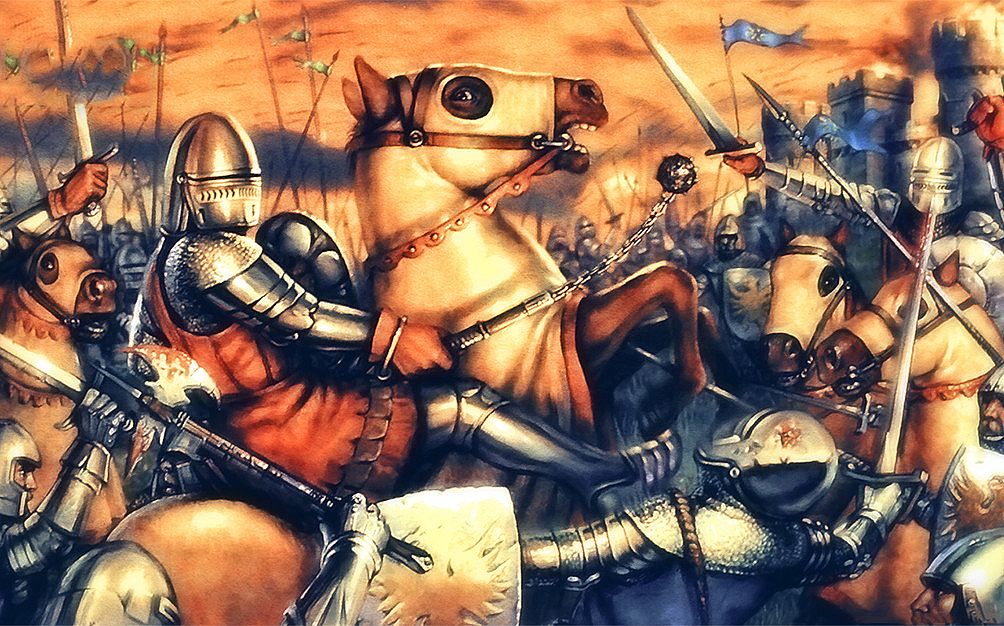
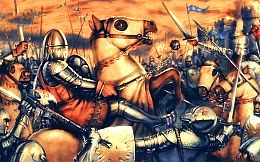
When tensions rise, the game shifts to real-time battles. Armies clash on the field with players directing units to exploit terrain, positioning, and timing. Success depends on tactical choices made in the moment rather than pre-set plans alone. The blend keeps the pace varied between deliberate planning phases and intense combat sequences.
Game Modes
Singleplayer forms the main experience, with players competing against up to five AI-controlled opponents for control of England. The objective centers on unifying the realm through a mix of diplomacy, economic growth, and military conquest. Progress unfolds across multiple seasons as the player starts small and scales up holdings.
Multiplayer options existed originally through LAN connections, though current availability is limited and online play is not supported. This keeps the focus squarely on the singleplayer campaign against artificial intelligence opponents.
Key Mechanics
Diplomacy adds depth beyond pure combat. Players can form temporary alliances, negotiate trades, or break agreements when it serves their goals. These interactions influence relations with rivals and open paths to weaken opponents without immediate fighting.
Thievery and deception appear as tools for disruption. Players may order actions that target enemy resources or stability, adding layers to the strategic options available each turn. The overall system rewards balanced attention to both internal development and external pressure on competitors.
Is It Worth Playing?
Player feedback on the Steam release shows very positive reception, with 81 percent approval from 119 reviews. Reviewers often highlight the satisfying combination of management depth and direct combat control as a strong draw for fans of older strategy titles.
The game suits players who appreciate classic medieval strategy without modern online features or frequent updates. It remains available as a complete singleplayer package focused on one campaign against AI. Those drawn to turn-based oversight paired with real-time battles will find the mechanics hold up well for repeated playthroughs. Newer players interested in historical strategy settings may enjoy the straightforward yet layered systems that reward careful long-term planning over quick reflexes alone.