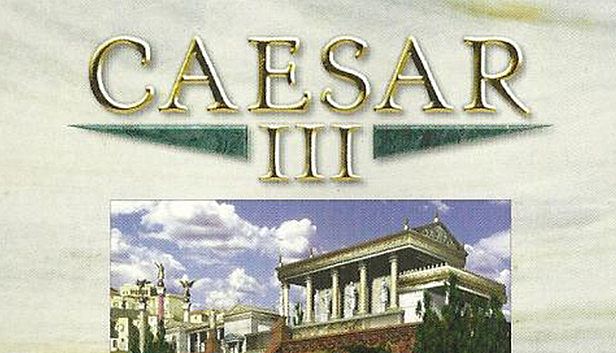











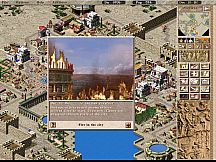
Caesar 3 is a strategy simulation game set in the Roman Empire. Players take on the role of a provincial governor tasked with expanding Roman influence through city construction, economic development, and defense. The core experience revolves around planning urban layouts, balancing resource production with citizen demands, and advancing through a career that tests administrative and strategic decisions on a single screen interface.
Gameplay
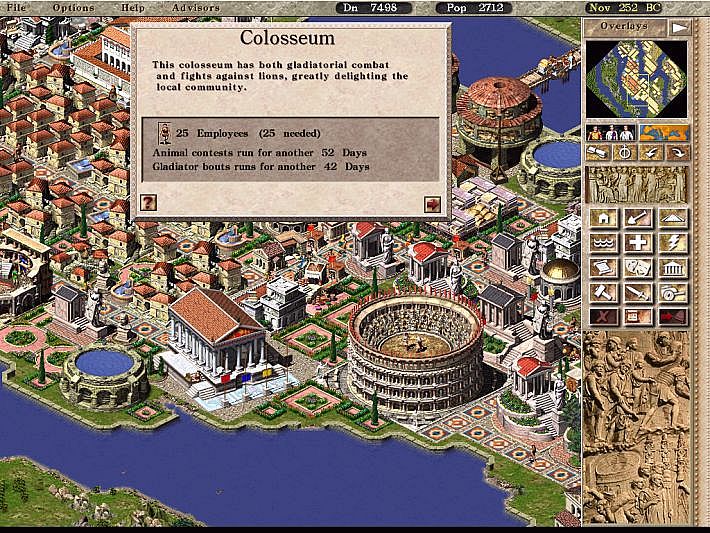
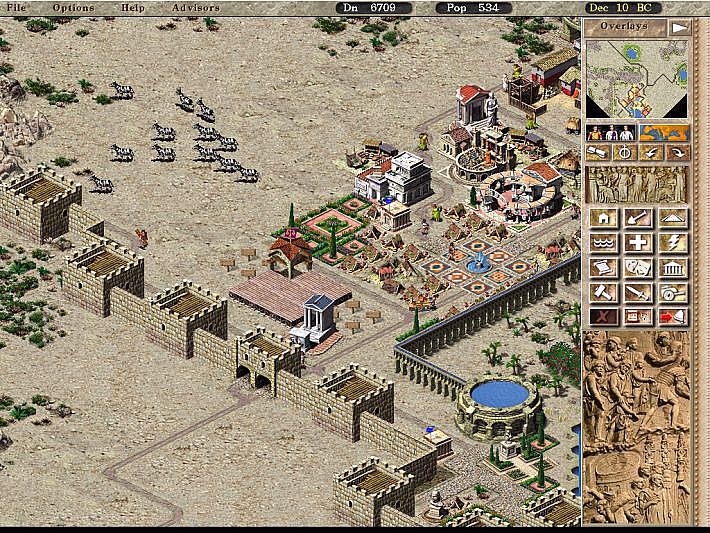
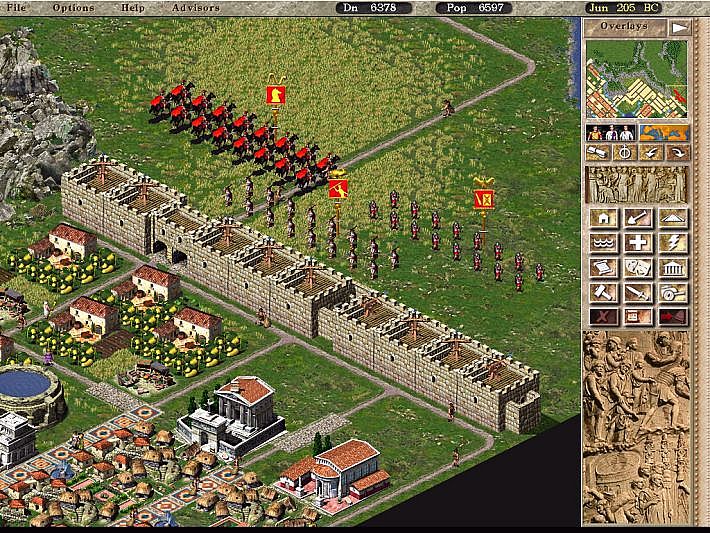
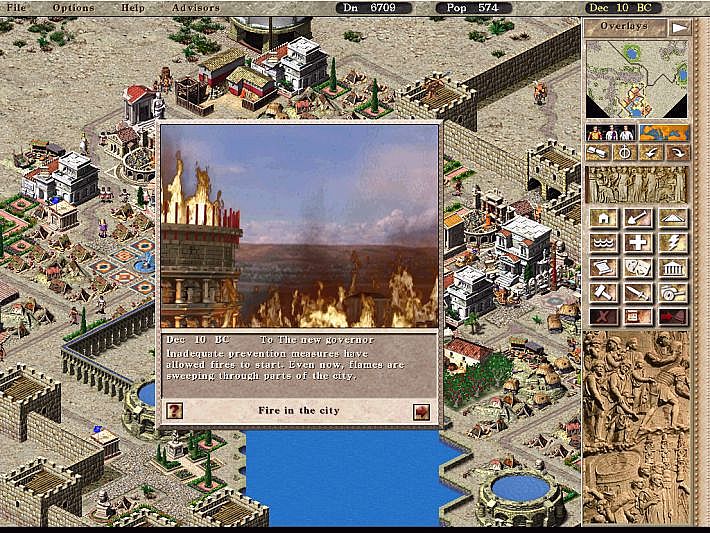
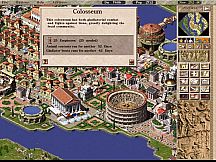
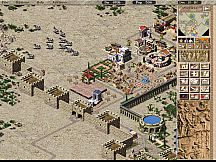
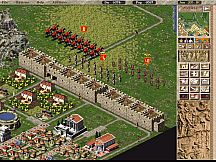
The gameplay centers on constructing and maintaining Roman settlements from the ground up. Governors allocate space for housing, workshops, markets, and public services while ensuring roads connect all essential buildings efficiently. Citizens walk the streets to access food, water, entertainment, and religion, providing direct feedback on city conditions through their movements and comments. Trade routes bring in goods and generate revenue, while industrial zones produce materials for construction and export. Military elements require barracks and walls to train soldiers and repel barbarian raids on military maps. Hazards such as fires, disease, and structural collapses demand proactive planning with temples, clinics, and aqueducts. The interface supports real-time adjustments without pausing, allowing players to observe how changes affect daily life in the settlement.
Game Modes
Two distinct modes define the experience. Career mode presents a sequence of assignments across historical locations like Brundisium and Londinium. Each assignment sets specific goals for population, prosperity, and peace, with options for peaceful or military variants. Peaceful maps emphasize stricter economic and social targets, while military maps introduce invasion risks alongside combat requirements. Success unlocks the next challenge and progresses the governor's standing with the emperor. The City Construction Kit offers an open sandbox without predefined victory conditions, letting players experiment freely with city designs on various maps and focus purely on creative building and long-term management.
City Management Systems
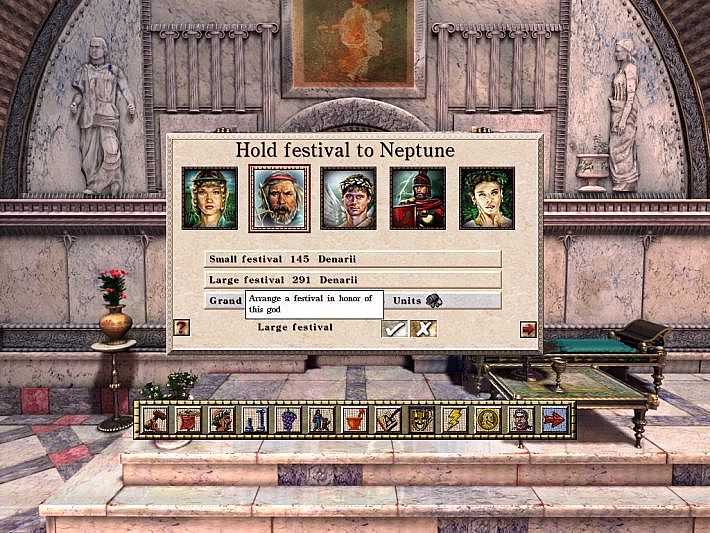
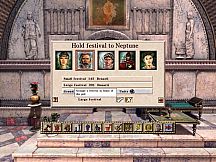
Resource chains form the backbone of progression. Farms and fisheries supply food, while clay pits and workshops create pottery and other goods for trade or local use. Warehouses store surplus items, and markets distribute them to housing blocks. Labor allocation shifts dynamically as buildings require workers, and unemployment or shortages quickly impact growth. Military defense integrates with the economy through recruitment from the population and supply lines for weapons. Players monitor ratings for culture, prosperity, peace, and favor to meet assignment targets. These interconnected systems reward careful zoning and timing, as overexpansion without supporting infrastructure leads to collapse.
Is It Worth Playing?
Caesar 3 appeals to players who enjoy deliberate city-building simulations with historical themes and management depth. The game runs on modern PCs through its Steam release, and recent user feedback has been very positive. It suits those seeking a classic single-player experience focused on planning and observation rather than fast action. Community interest remains steady for its replay value in both structured missions and free-form building. Those new to the genre may appreciate starting with the construction kit to learn mechanics before tackling career assignments. The title delivers consistent challenge through escalating requirements and random events, making it a solid choice for dedicated strategy fans.