




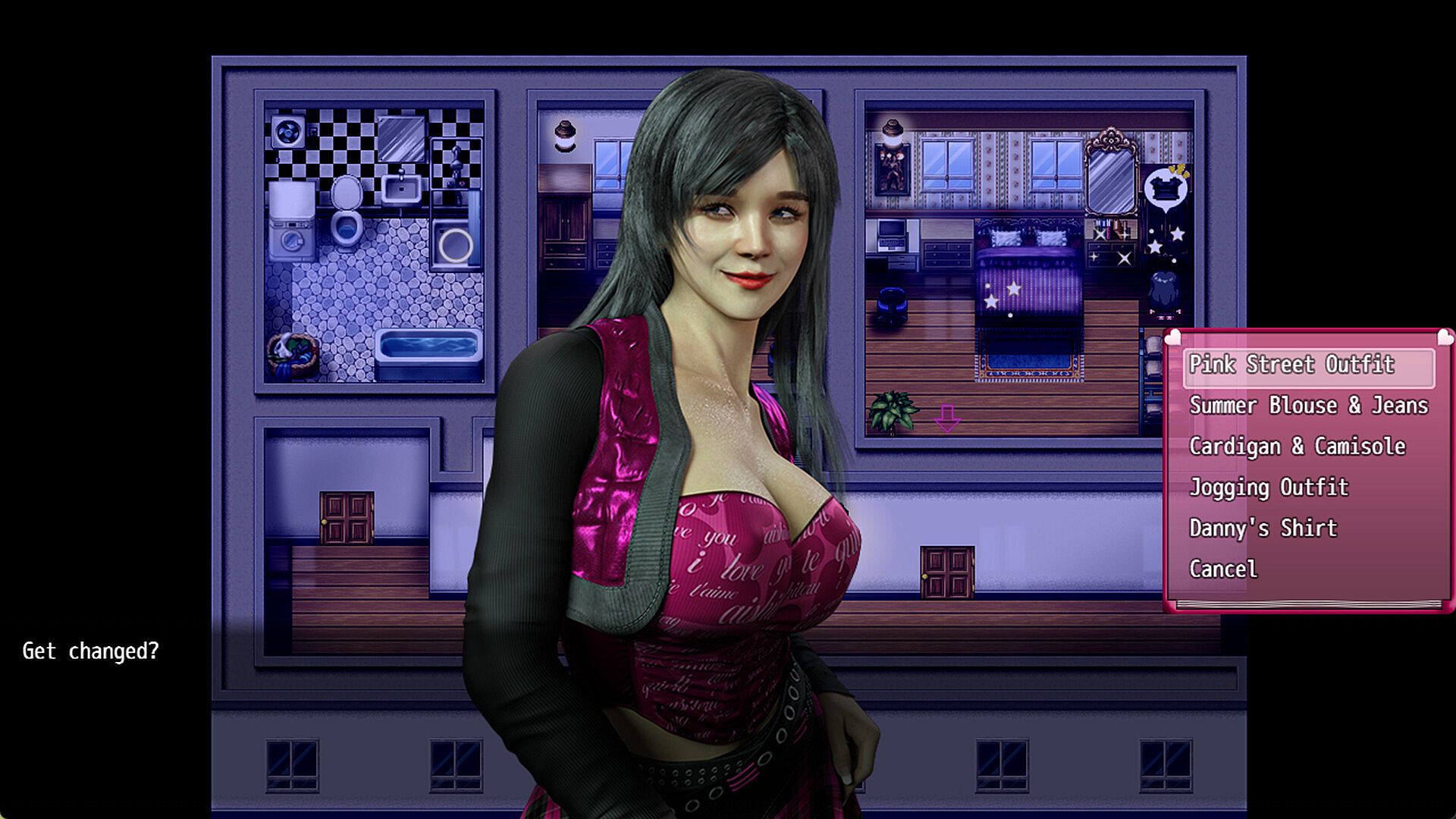














Lisa: Silence in the Rain is a long-form, story driven RPG about ordinary life colliding with irreversible consequence.
You play as Lisa, a young woman finishing her final year of college in a city quietly fraying at the edges. What begins as a grounded, slice of life experience with part-time work, friendships and daily routine slowly unravels after a chance encounter pulls her into the orbit of a powerful criminal family. From that moment on, survival is no longer about escape, but about judgment.
This is a slow and methodical narrative shaped by imperfect people making impossible choices. Trust is rarely clean. Loyalty is often conditional. Intentions overlap, fracture, and contradict one another and betrayal is sometimes a matter of perspective, not something born of malice.
Motivations in Lisa: Silence in the Rain are rarely framed as “right” or “wrong.” Information is incomplete. Motives are obscured. Small decisions echo forward, sometimes revealing their true cost only hours or acts later. The story is deliberately paced, allowing characters, relationships, and consequences to settle before their full weight becomes clear.
Conversation matters. Silence matters.
Features
A female protagonist with a defined emotional arc shaped by endurance, loss, and moral resolve
Branching decisions influenced by partial information, conflicting interests, and human fallibility
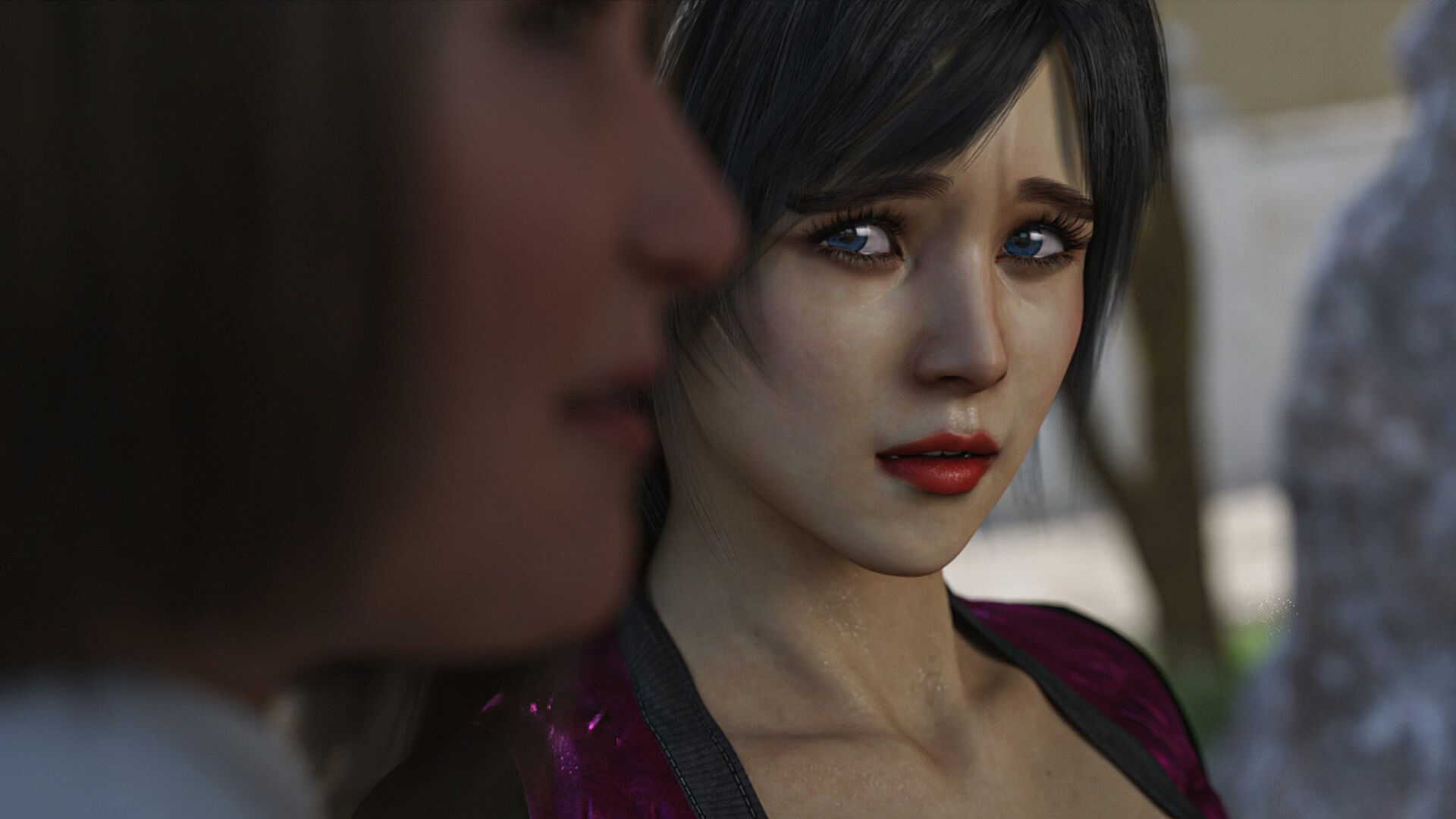
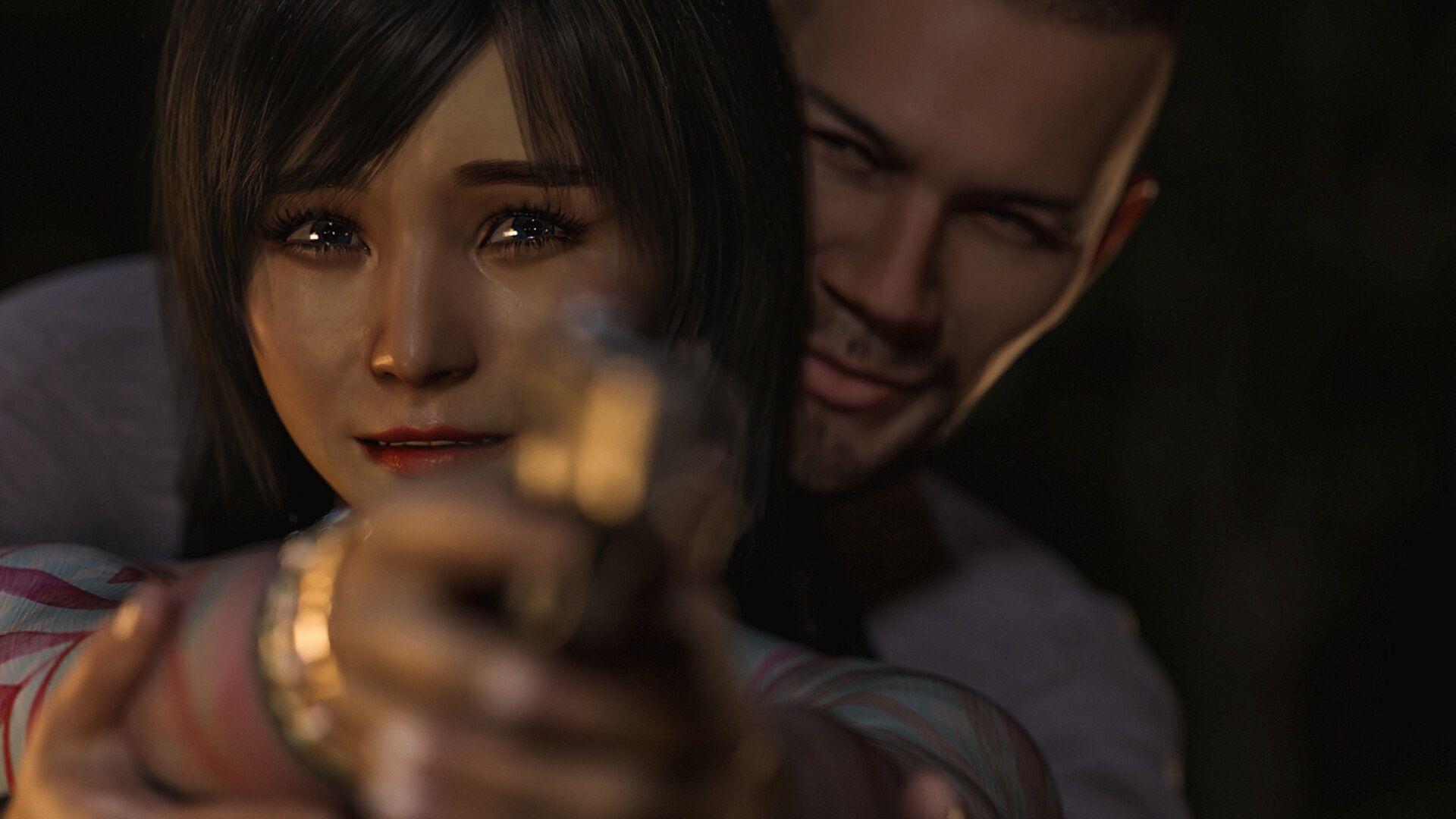
A cinematic presentation blending 3D environments with animated and narrative driven sequences
Themes of control, trust, intimacy, sacrifice, and consequence
Optional adult content intended for mature audiences only
While the game contains explicit sexual content, Lisa: Silence in the Rain is not a power fantasy or a traditional dating sim. Intimacy and vulnerability are treated as narrative elements; sources of tension, connection, and risk.
This is a story that unfolds patiently. It does not rush to resolution, and it does not offer clean victories. It asks the player to live with their decisions and the people those decisions affect long after the rain has stopped.