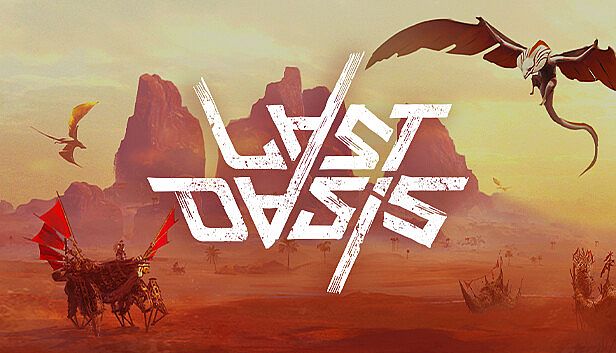











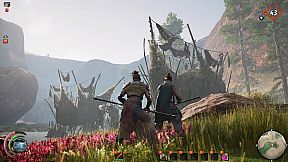
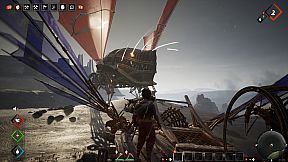
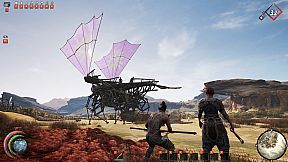
Last Oasis is a nomadic survival MMO set on a dying Earth that no longer rotates. Players control nomads who traverse a narrow habitable band between extreme heat and freezing cold, relying on massive wind-powered machines called walkers to move, gather resources, and fight. The core loop centers on exploration, crafting, combat, and adaptation in a player-driven world where oases serve as key locations for trade and conflict.
Gameplay
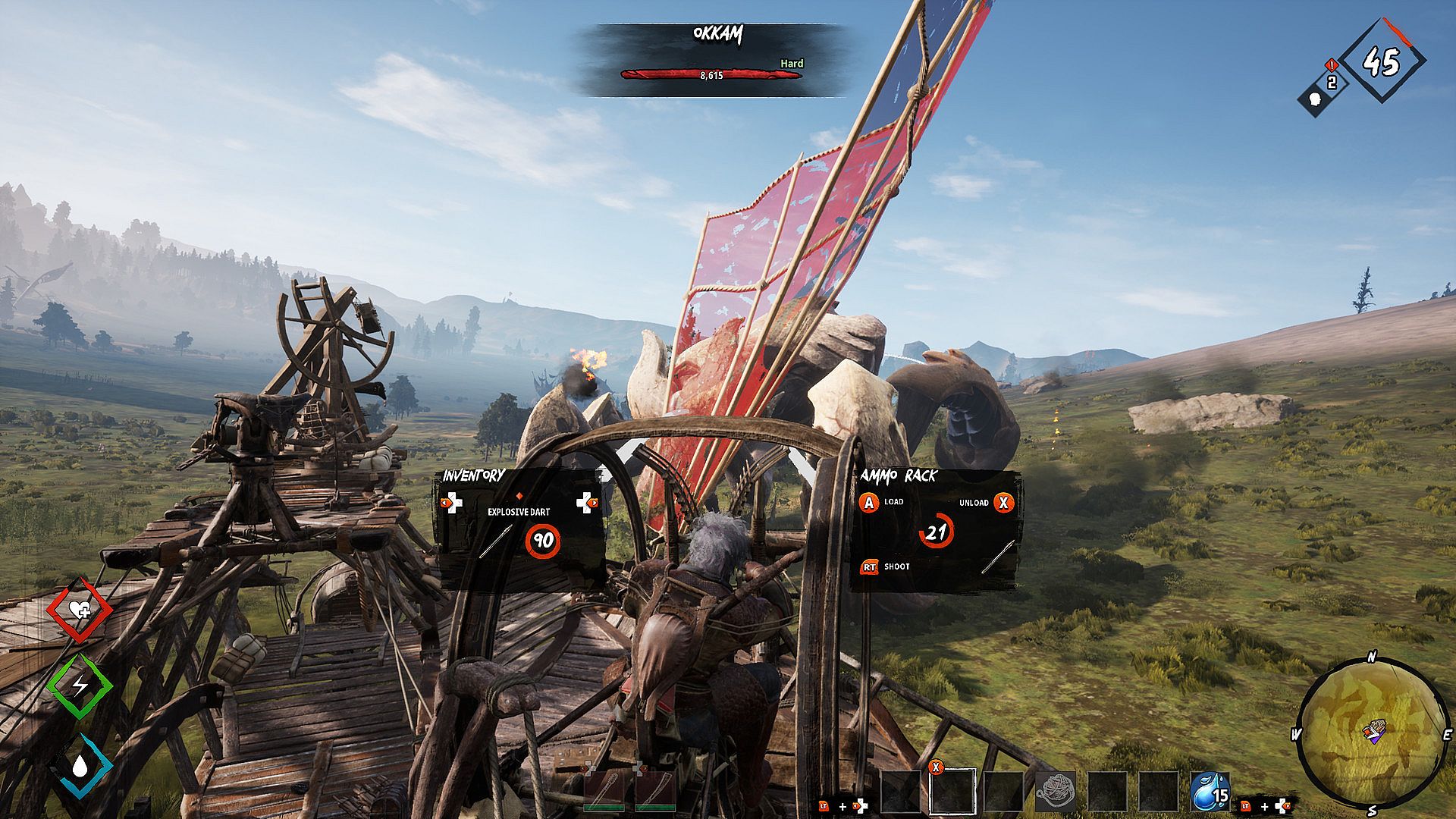
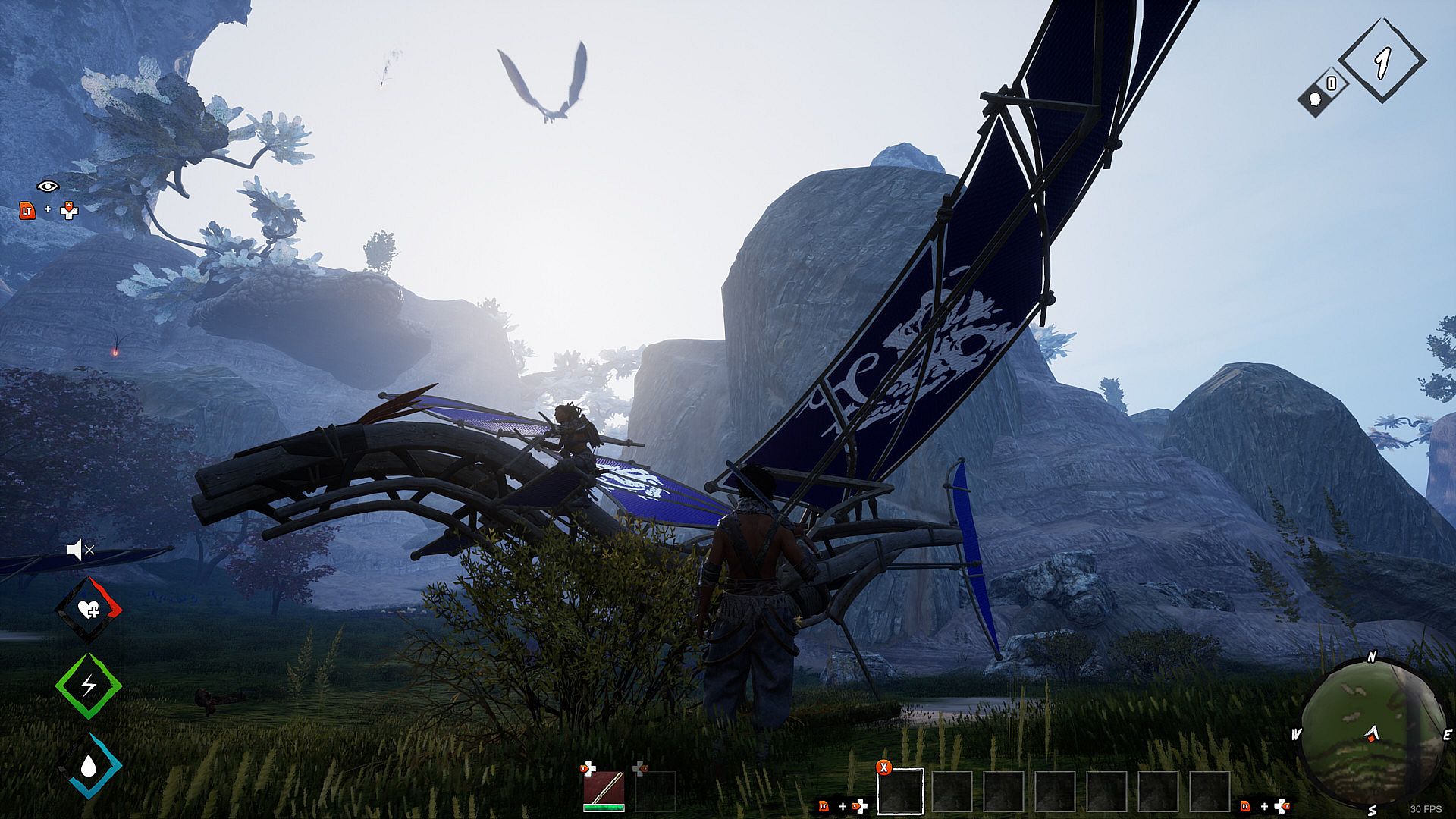
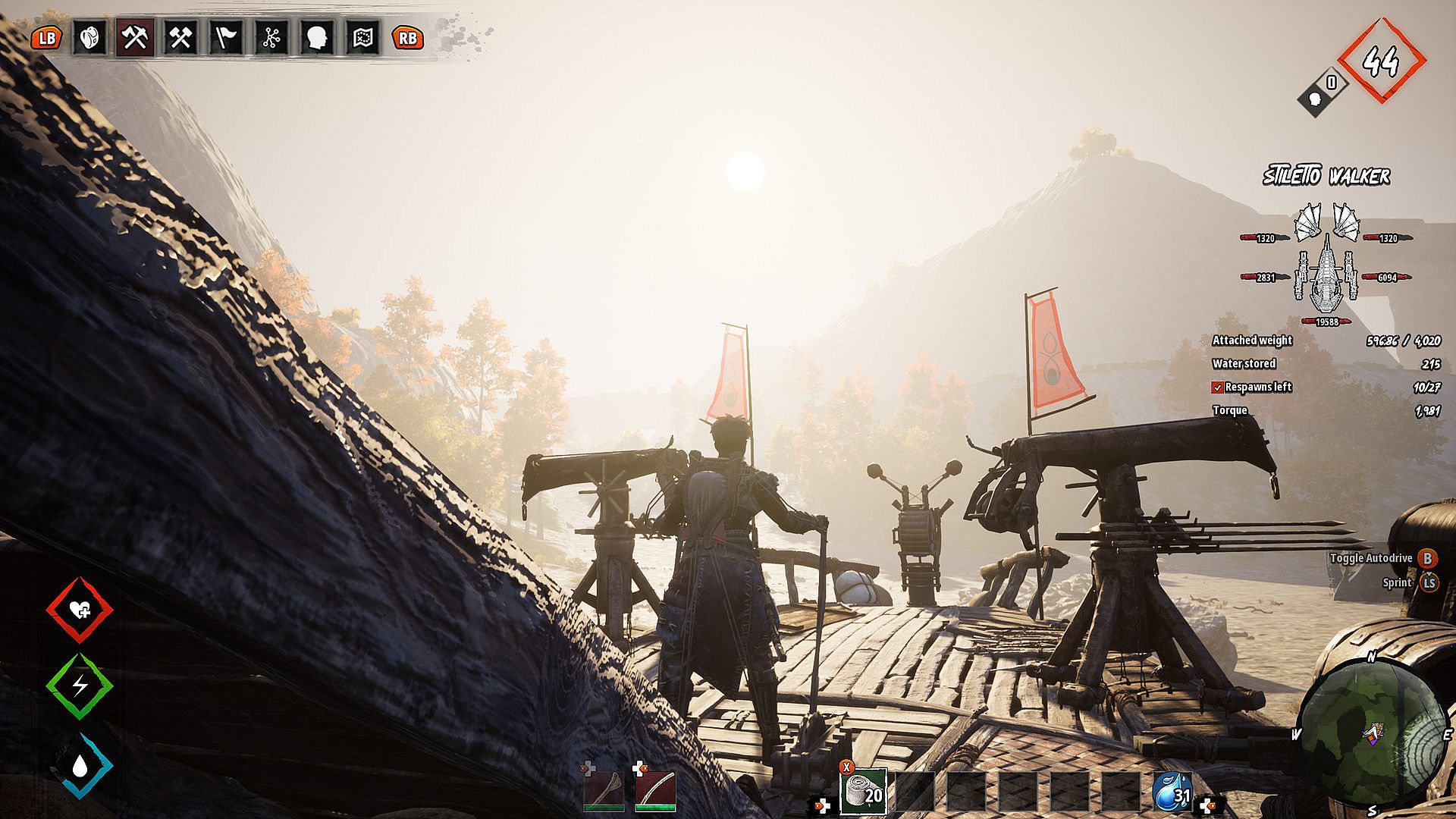
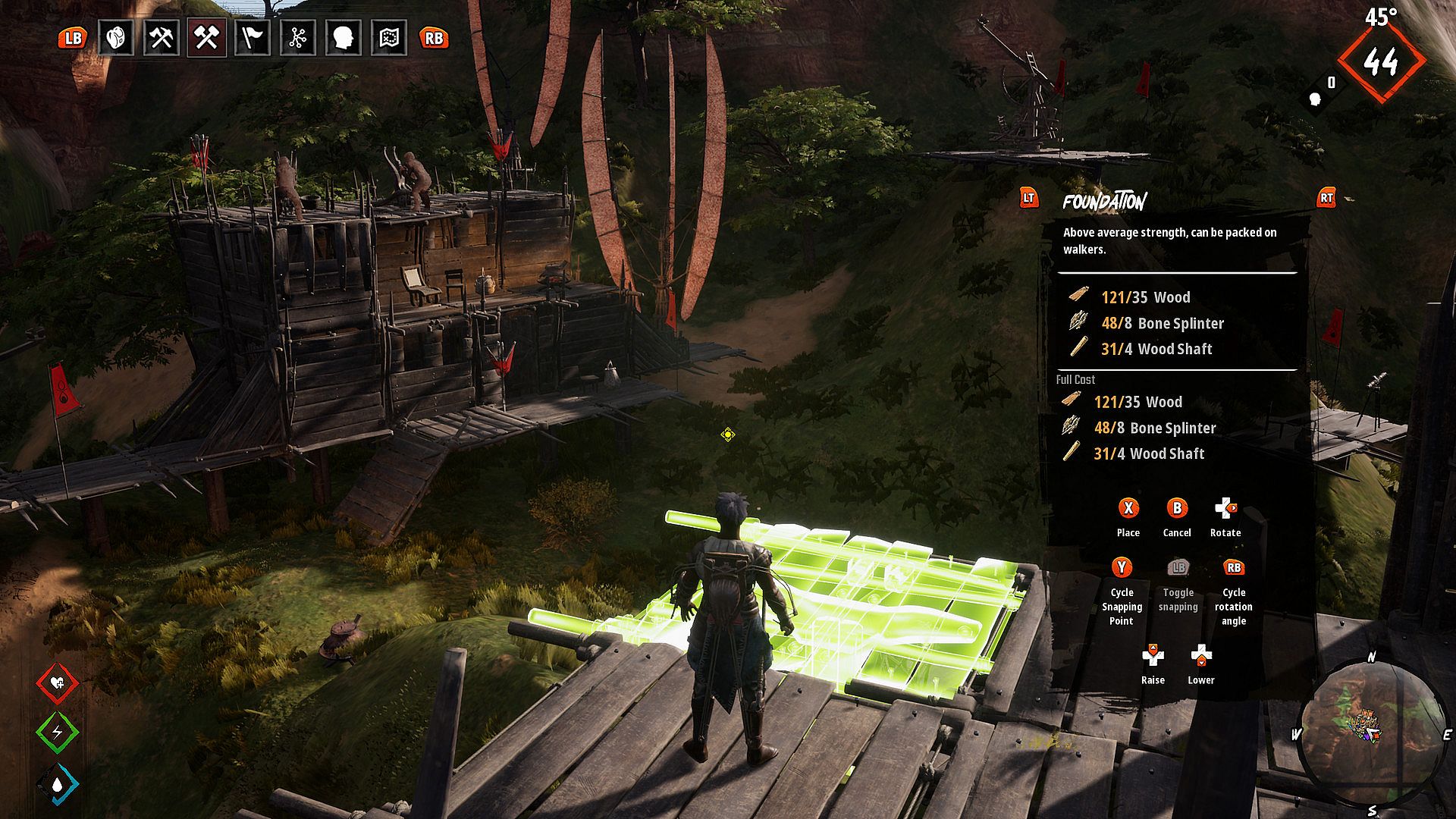
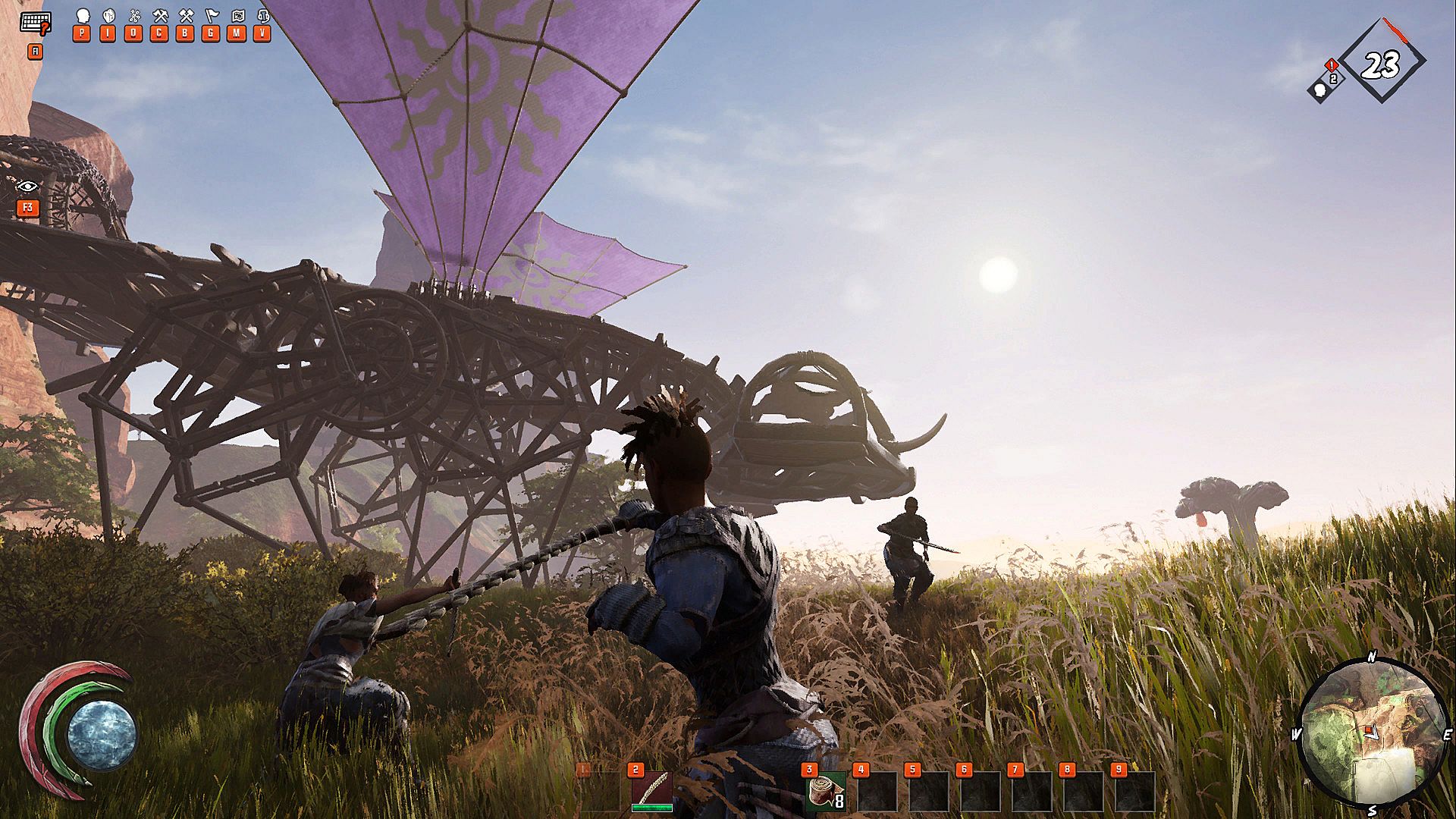
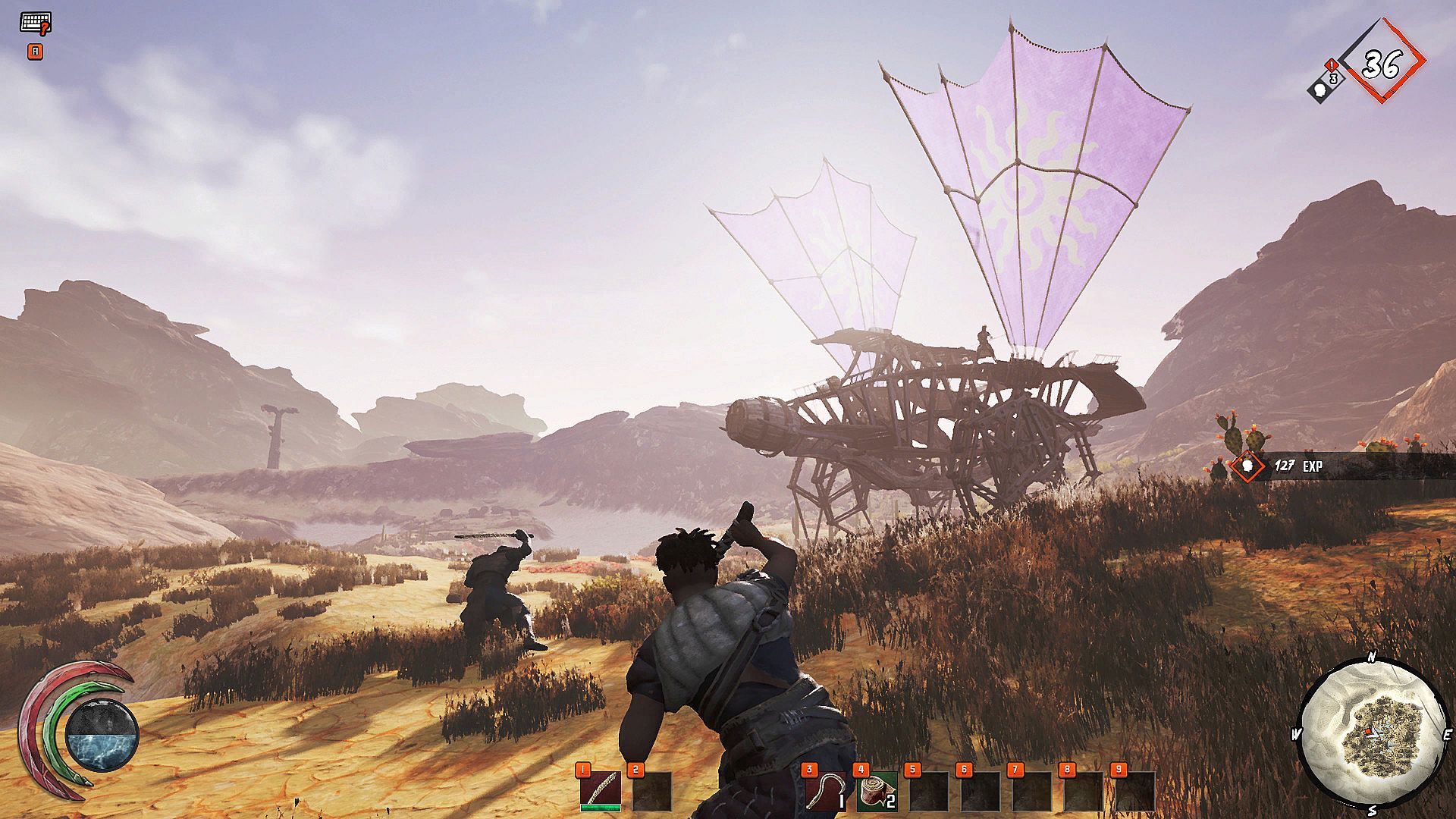
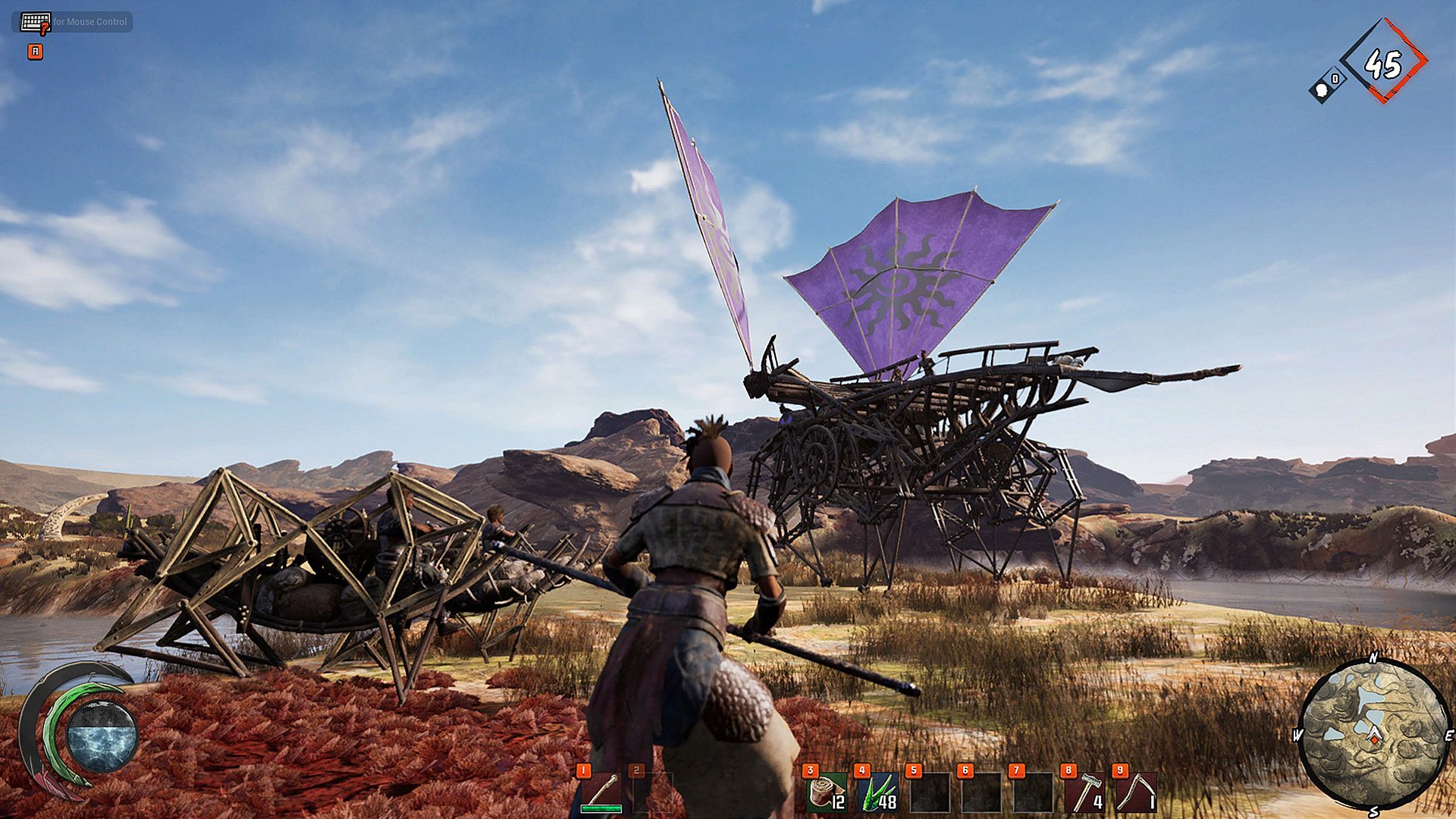
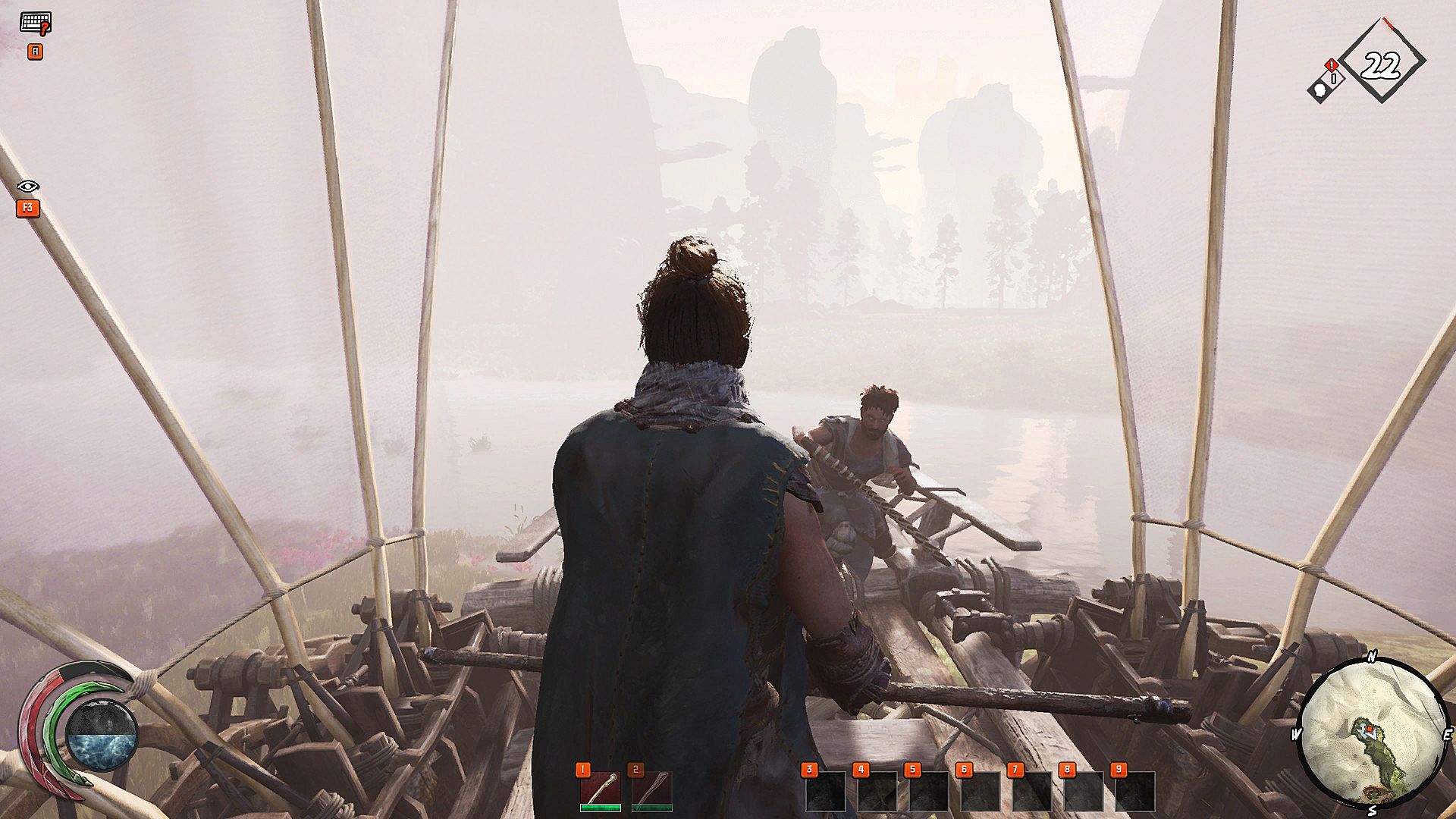
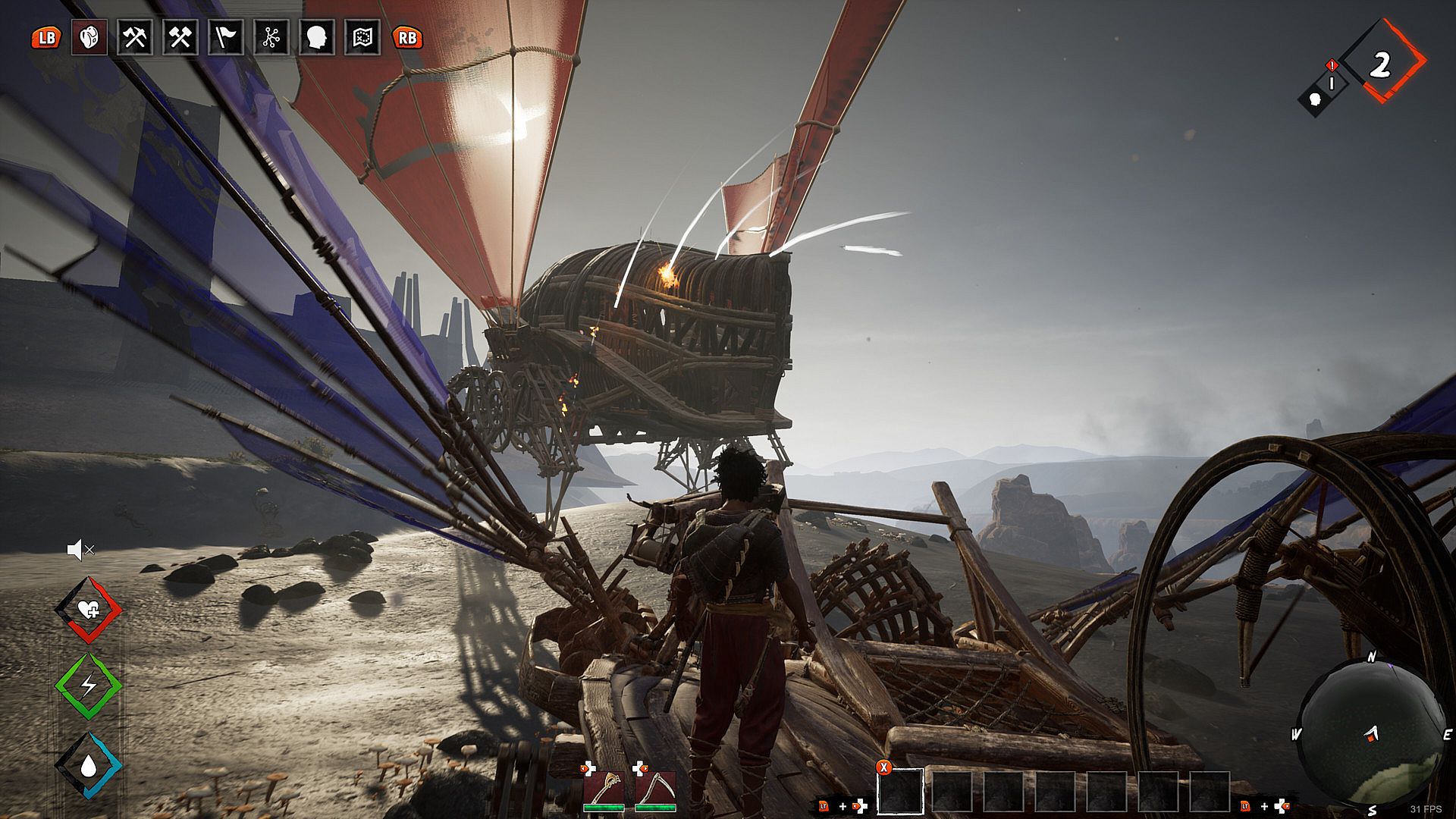
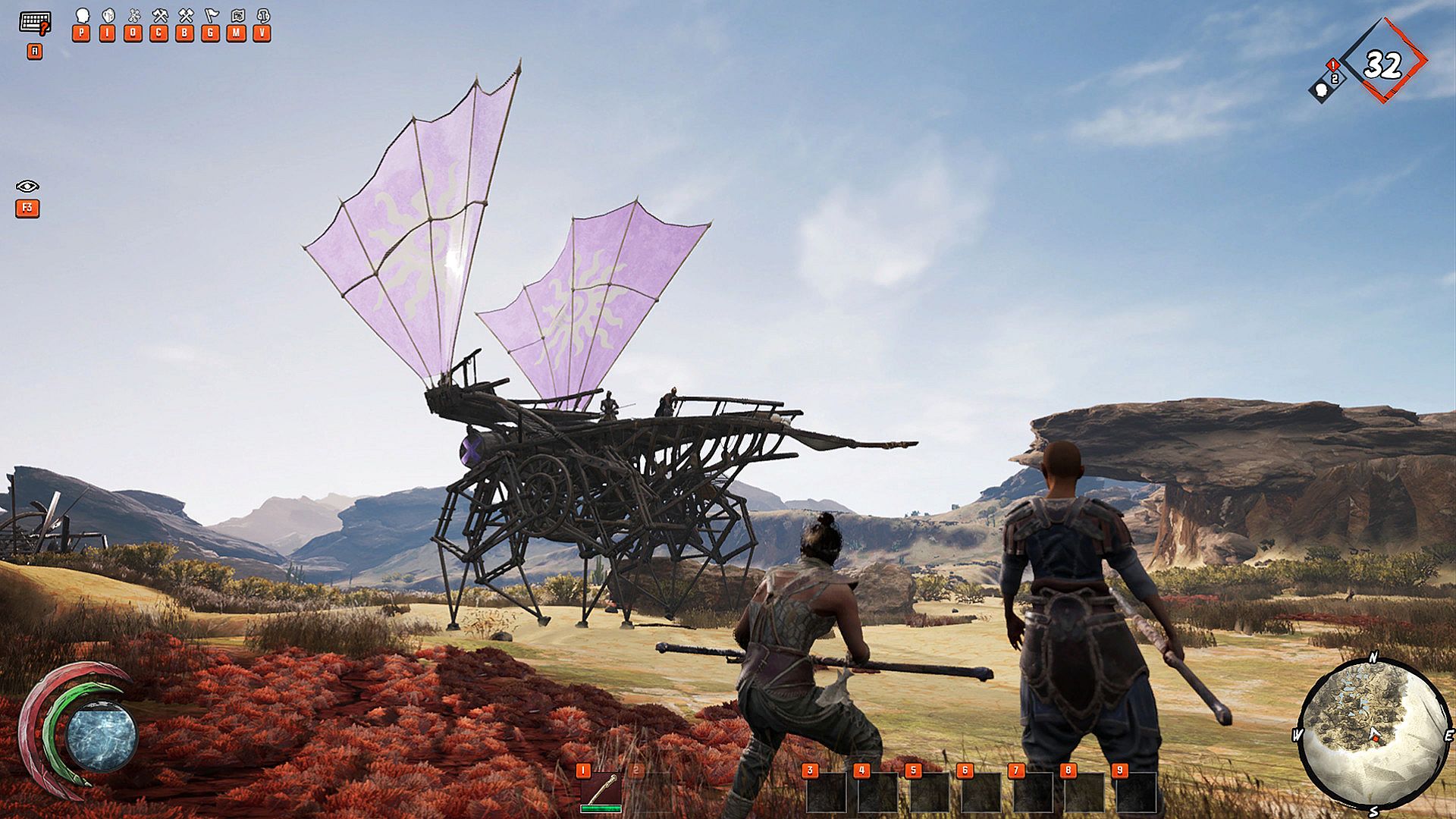
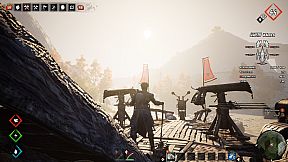
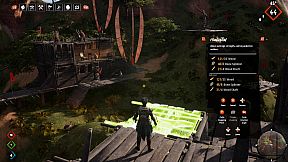
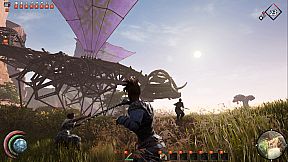
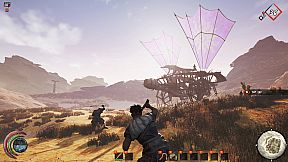
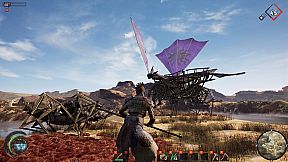
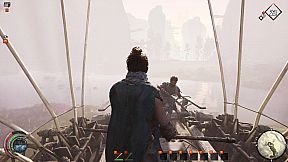
Walkers form the heart of progression. These wooden, wind-driven constructs draw inspiration from real-world strandbeests and function as customizable siege engines. Nomads attach structures for storage, harvesting tools, or mounted weapons such as ballistas and repeaters. Upgrades allow specialization for travel, resource collection, or battle, with vertical movement handled through grappling hooks that enable boarding enemy machines or scaling terrain.
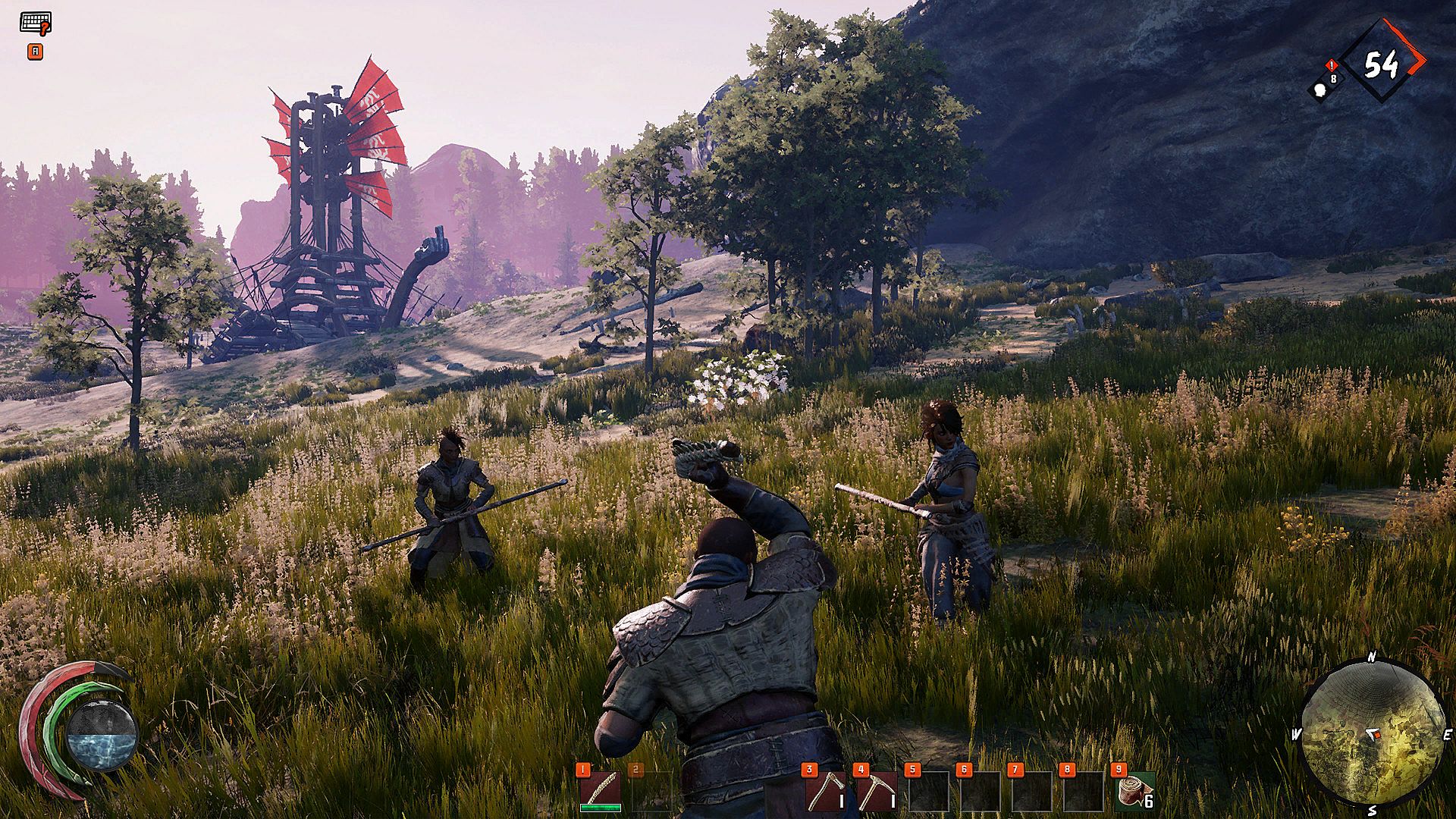
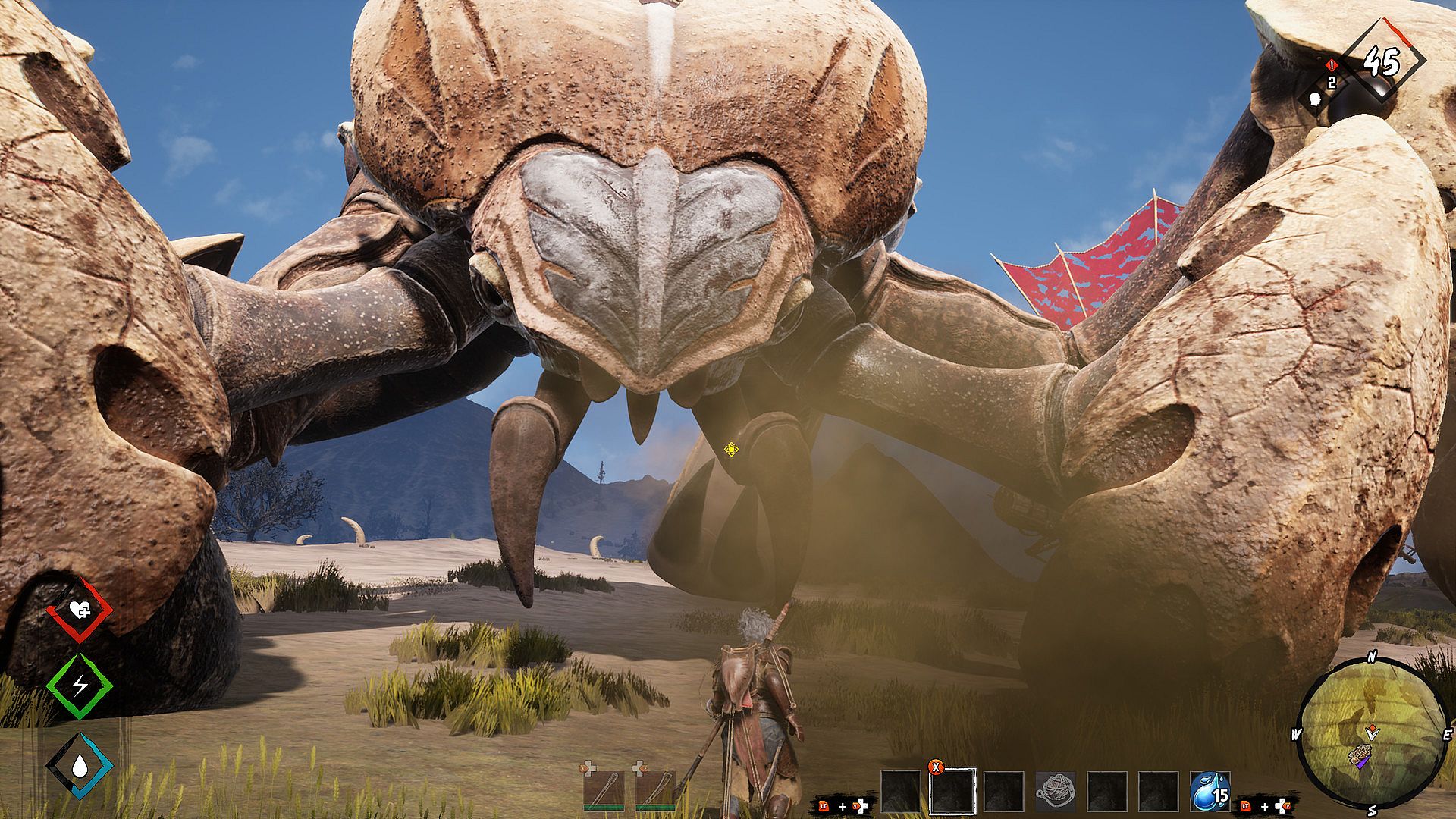
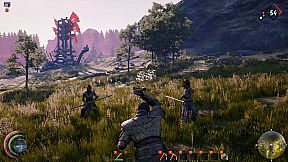
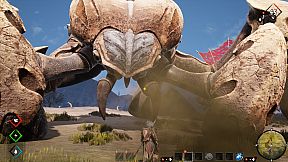
Combat mixes directional skill-based melee with ranged options. One- and two-handed weapons include swords, maces, axes, and staves, while walkers support larger armaments. The system rewards timing and positioning over simple button mashing. Players also contend with environmental hazards like sandstorms and hostile wildlife, including the massive sandworms known as the Long Ones that require coordinated group efforts to defeat.
Resource management drives daily play. Nomads locate water sources, hunt creatures, and extract rare materials from defeated beasts or hidden sites. A global economy connects oases, letting traders profit from supply and demand while clans vie for territorial control. Autonomous wind-powered machines and base hangars provide safe havens after risky expeditions. Grappling hooks double as essential navigation tools in areas walkers cannot reach.
Game Modes
The experience revolves around a single large-scale open world divided into interconnected oases exceeding 100 square kilometers each. Different biomes present unique challenges and resources, encouraging exploration beyond any single starting area. Seasonal updates introduce rebalances, quality-of-life improvements, and new content that resets or alters the map periodically.
Within this framework, players choose between solo nomadic life, small-group hunting or trading, or larger clan operations focused on territory and economic dominance. Community servers sometimes offer dedicated PvE tiles alongside full PvP zones, though the base game emphasizes risk versus reward in a lawless setting outside protected Flotilla areas. Social tools like voice chat support spontaneous alliances against major threats such as the Long Ones.
World and Progression
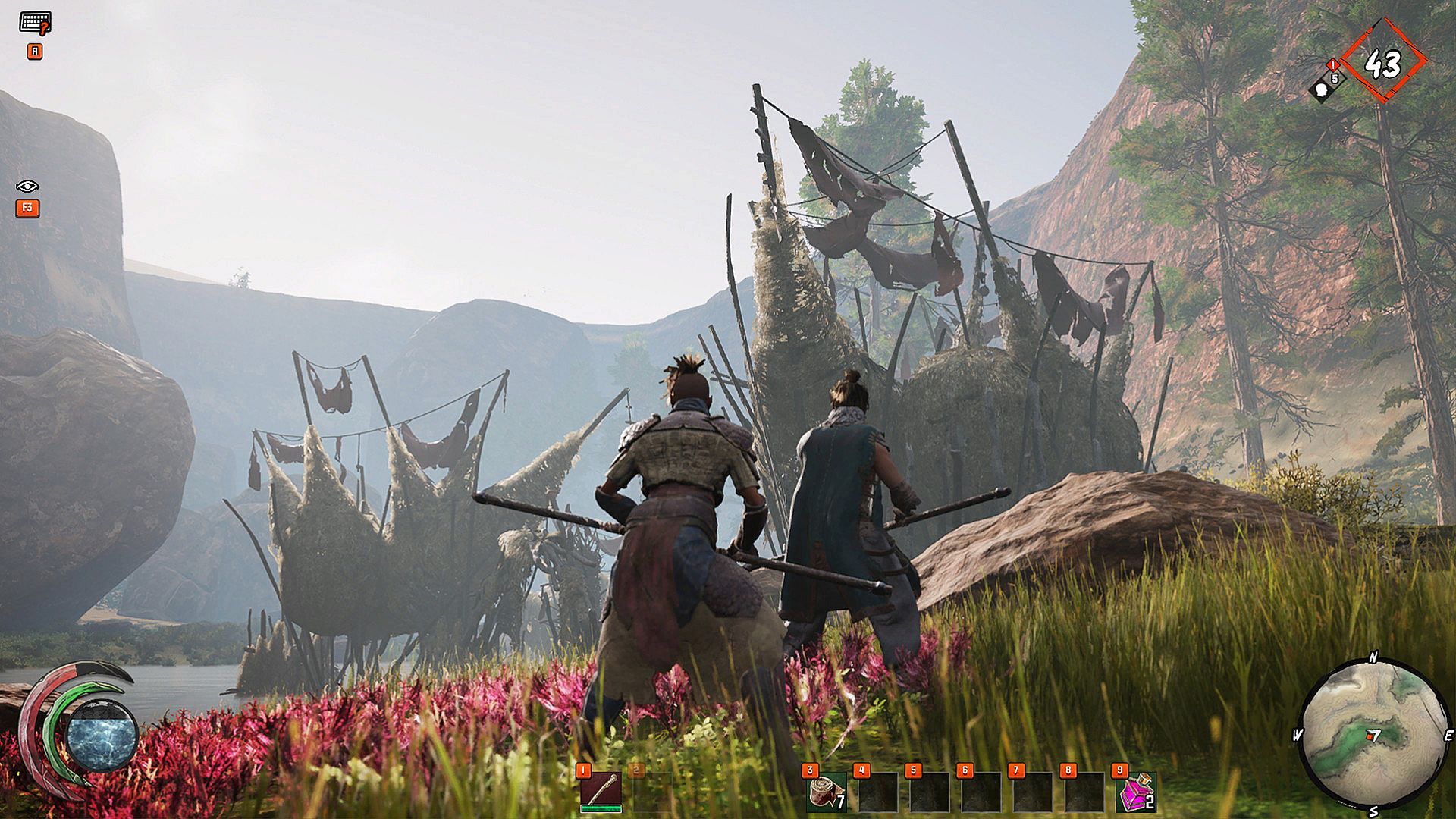
The planet's halted rotation creates two lethal extremes with only a thin strip of livable land. Nomads constantly relocate to avoid the advancing sun or encroaching ice. Rupu creatures pose ongoing dangers and have recently been observed using advanced weapons and even taming beasts, adding new layers of threat. Hidden technologies and schematics reward dedicated scavengers.
Progression spans personal skill mastery, walker customization, and social standing. Individuals advance from basic traders to specialized mercenaries or merchants. Clans expand influence through alliances and defense of income sources, though conflict remains constant. The system supports both lone operators using remote weapons and large fleets.
Is It Worth Playing?
Steam user reviews stand at Mostly Positive across more than 11,000 ratings. Recent concurrent player numbers hover in the low dozens outside peak testing periods, though seasonal launches have drawn higher peaks. The game continues to receive updates with shorter seasons planned for faster iteration and rebalancing.
It suits players who enjoy skill-based combat, vehicle building, and high-stakes open-world survival with strong social and economic elements. Those seeking steady large populations or purely cooperative experiences may find the current state less ideal. Fans of directional melee, walker customization, and sandworm hunts will find distinctive systems that set the title apart from standard survival fare.