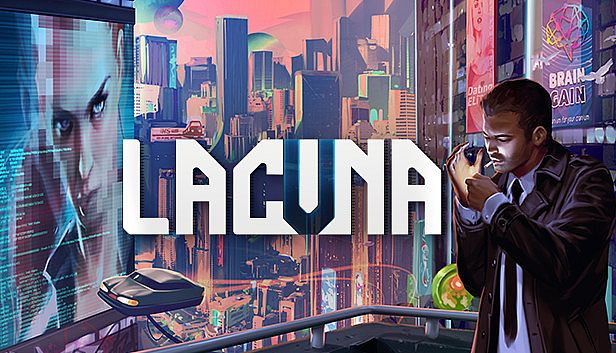


















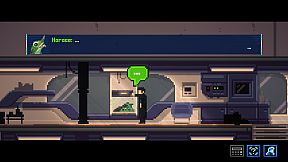
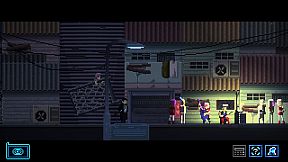
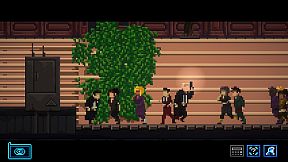
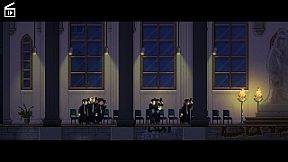
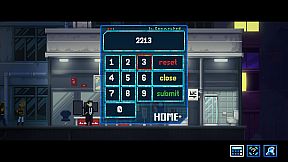
Lacuna is an indie adventure game that places players in the role of Neil Conrad, a CDI agent in a 2D sci-fi noir setting. The story begins with a murder investigation that quickly escalates into a solar system-wide crisis involving terrorism and potential war. Players navigate conversations, gather evidence, and make decisions that shape the outcome, with no option to reload or undo choices once made.
Gameplay
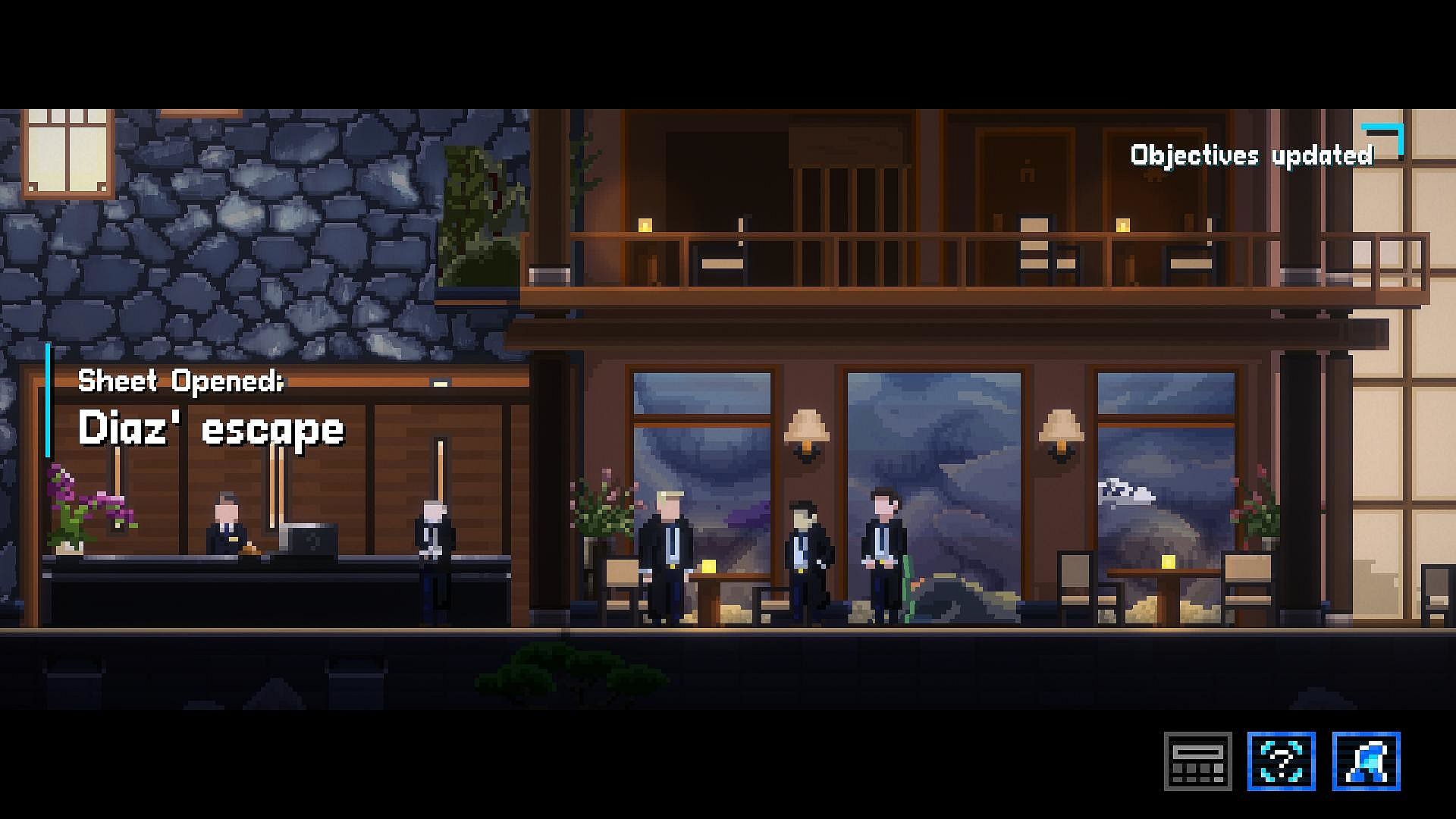
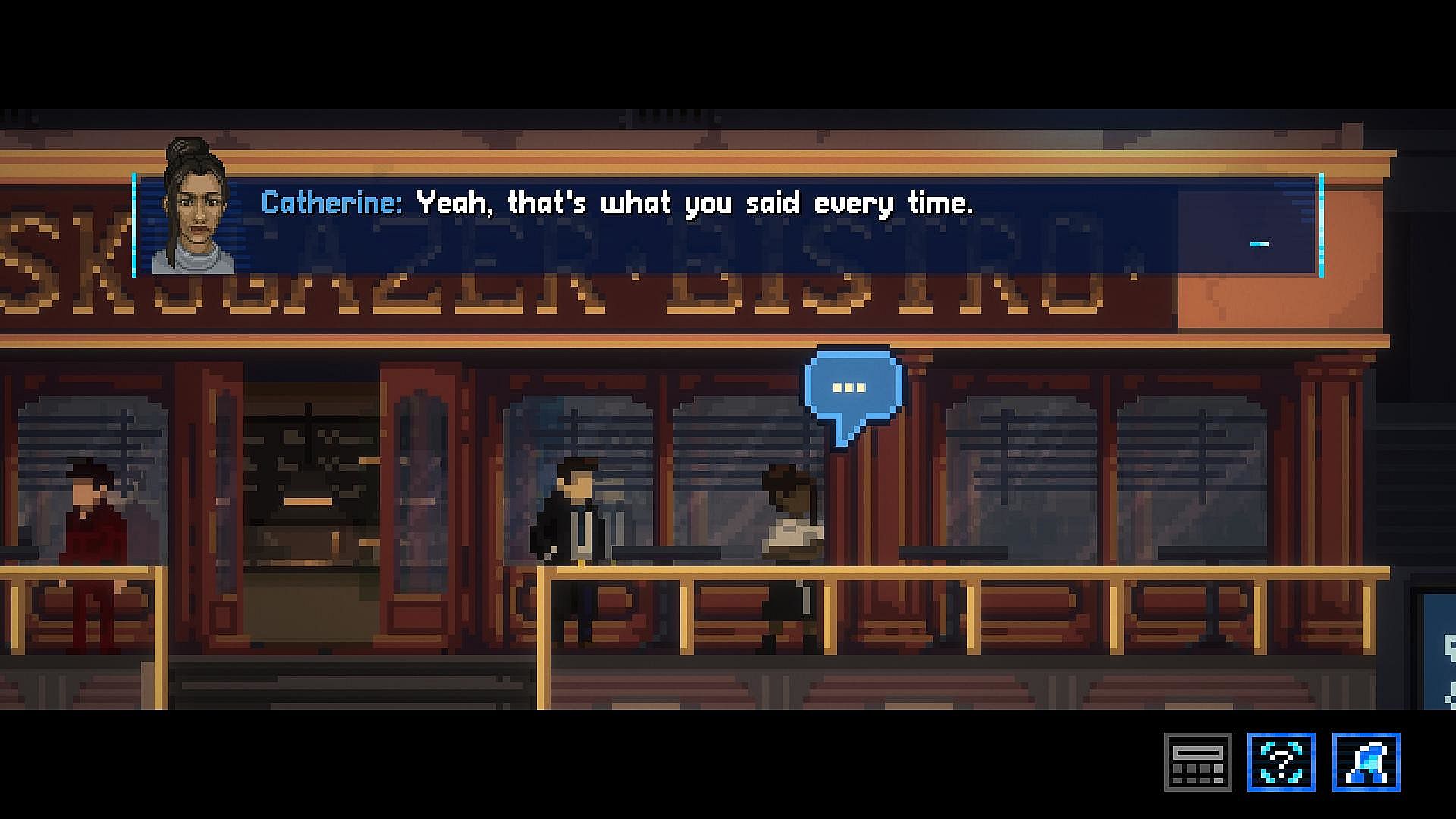
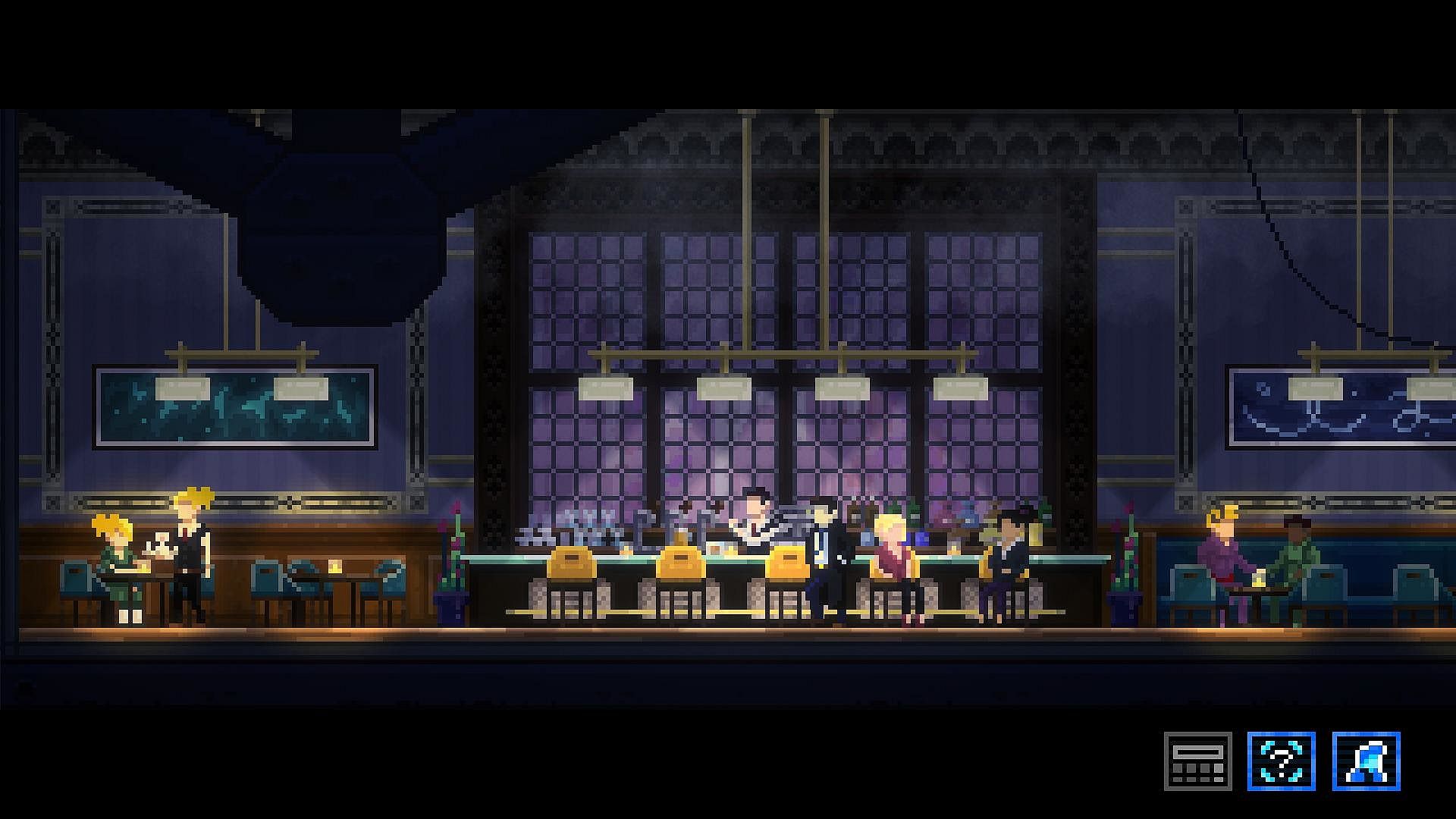
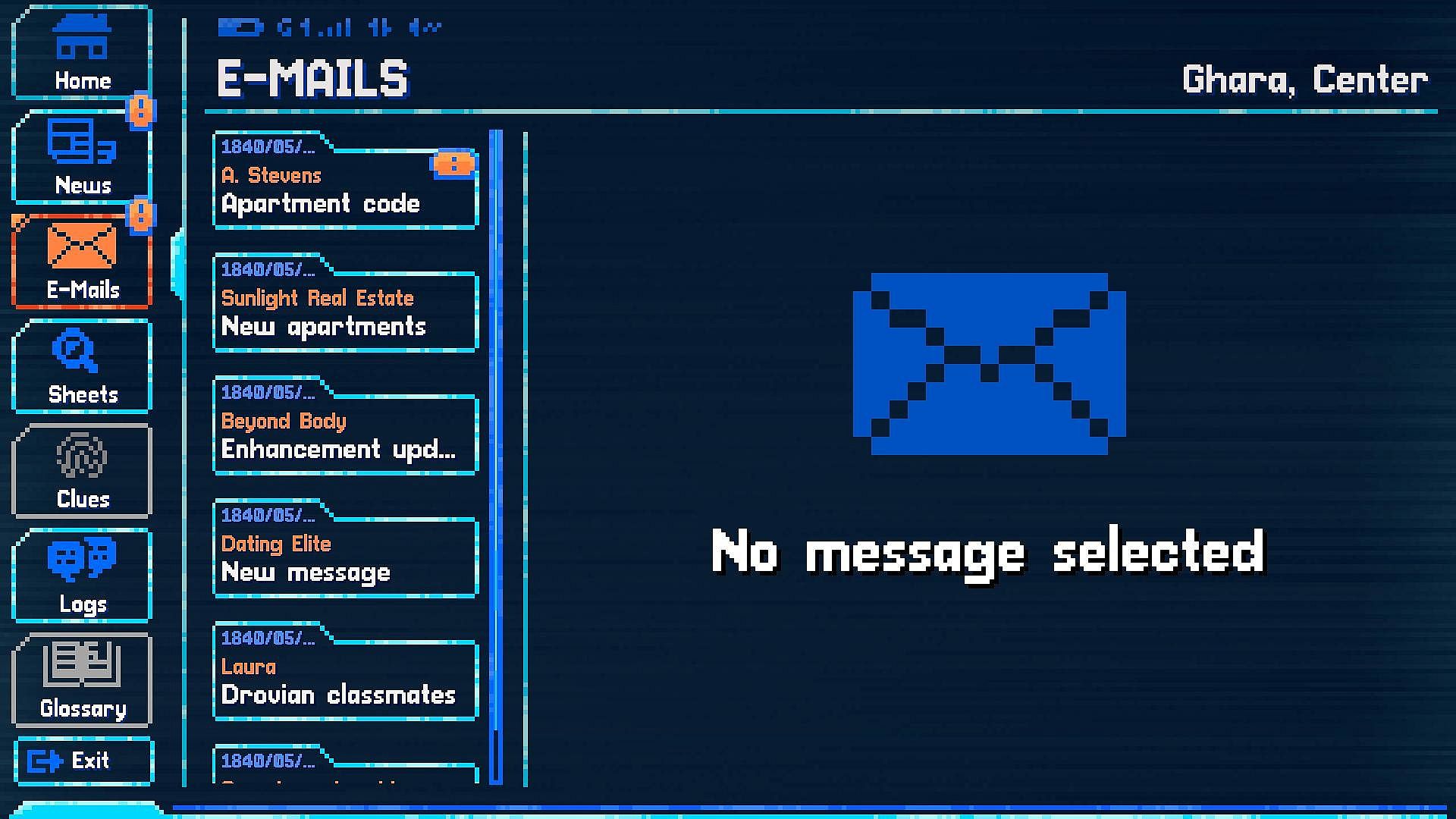
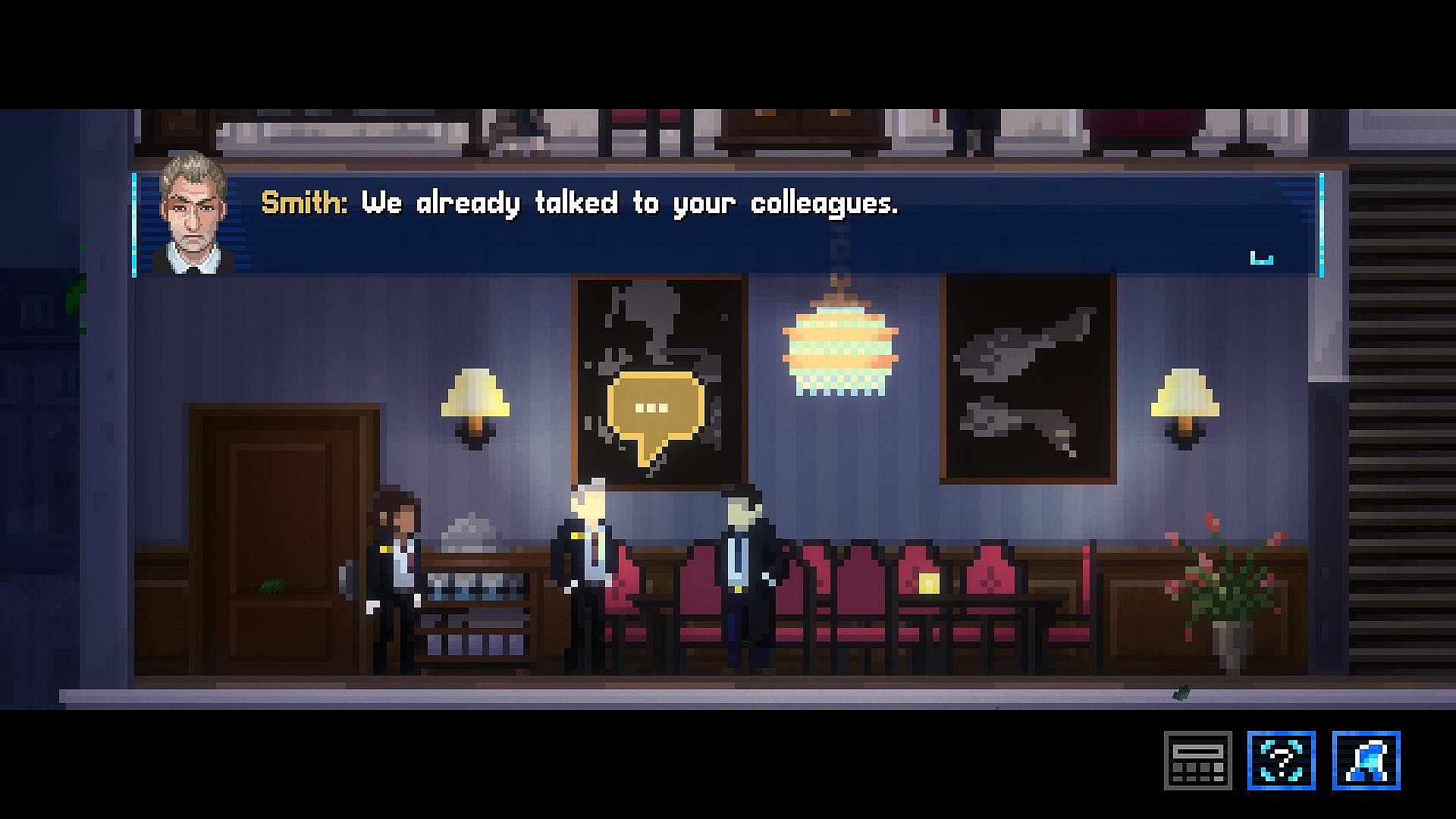
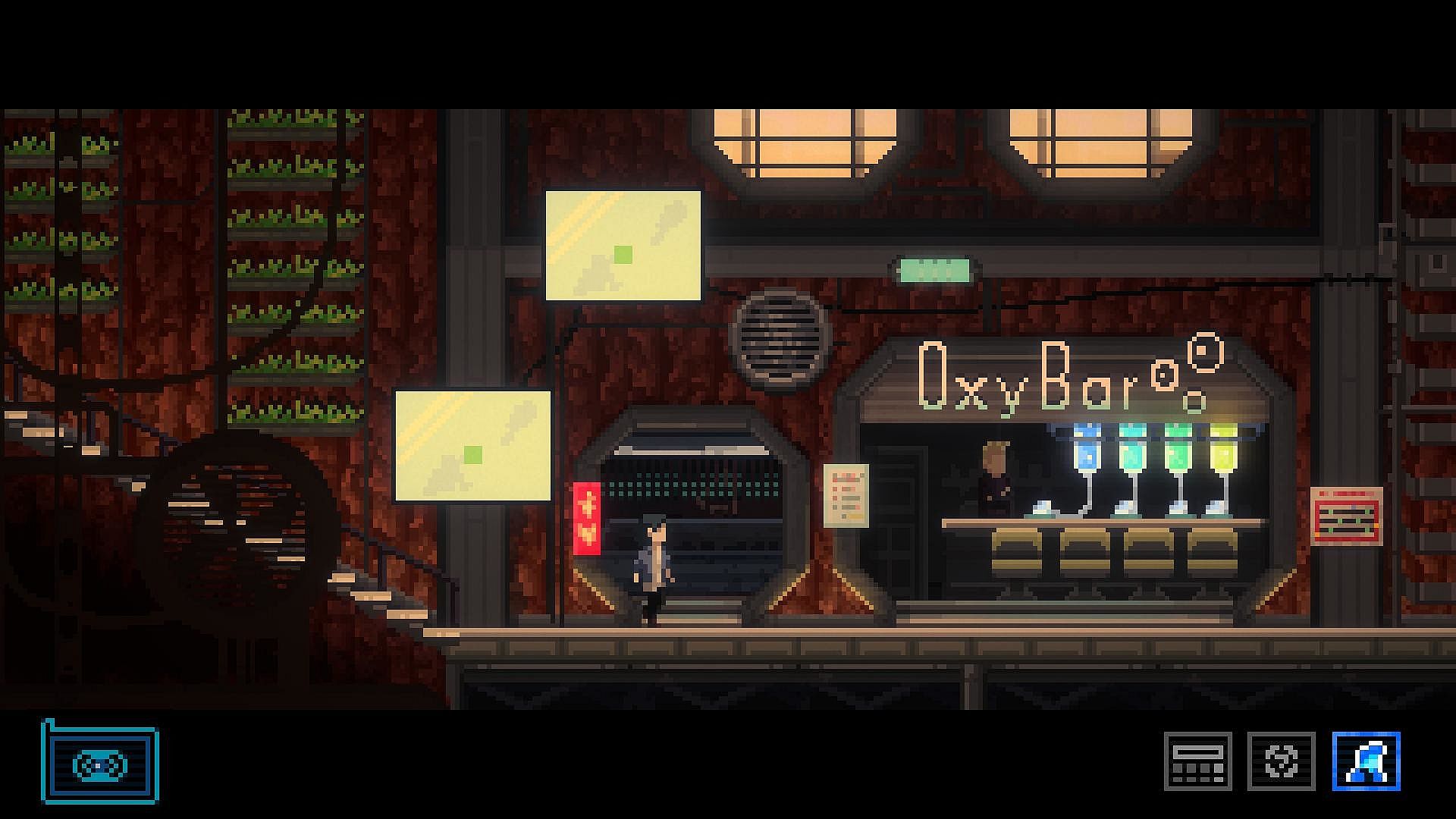
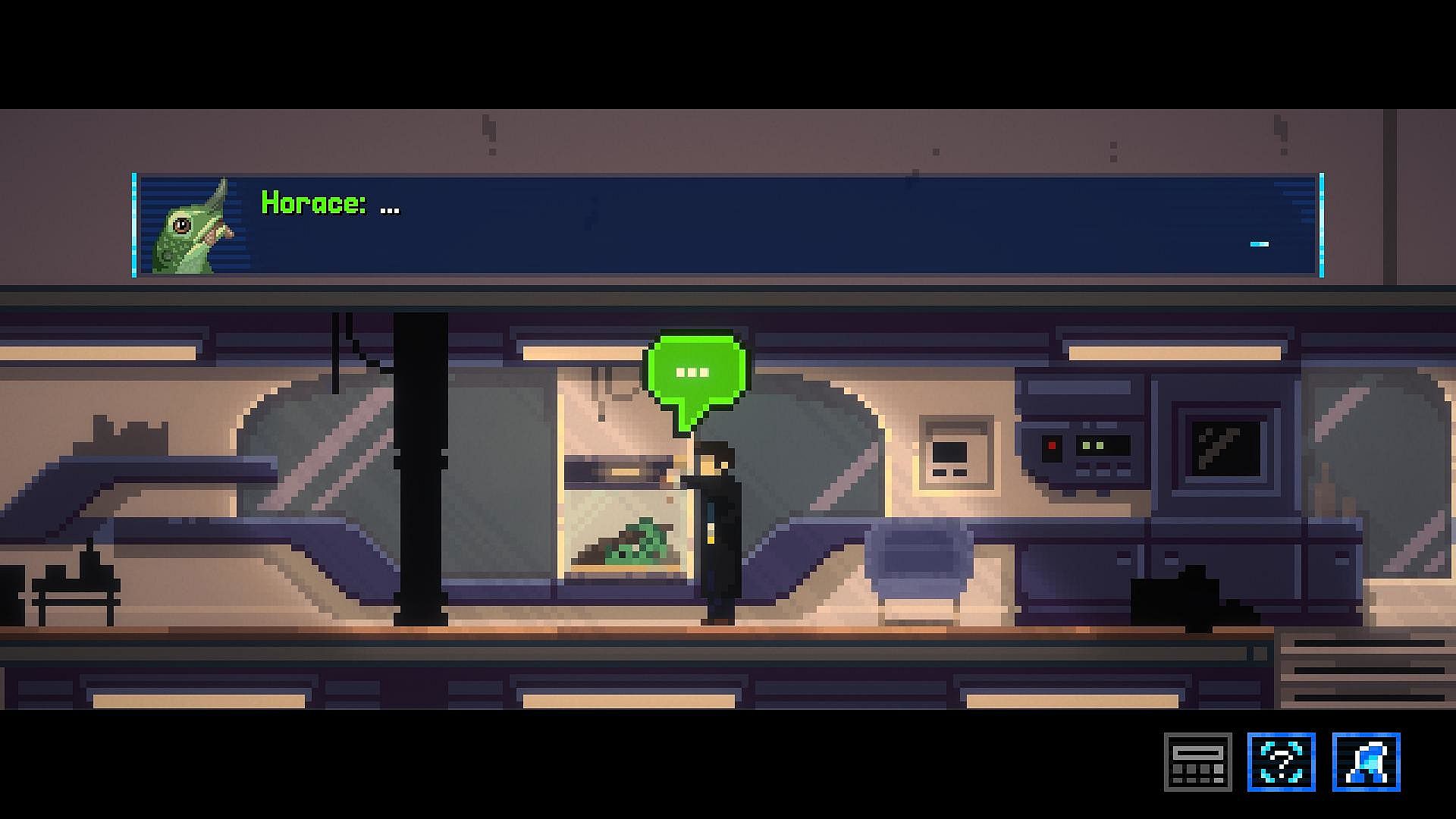
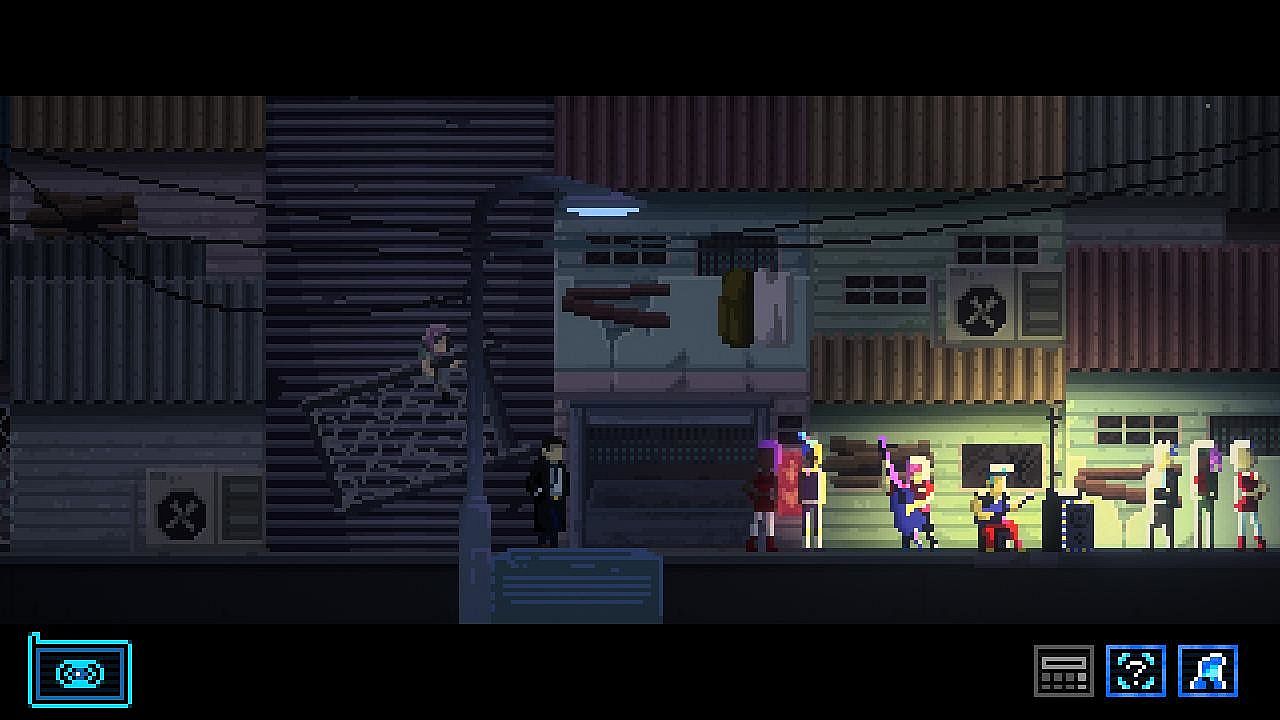
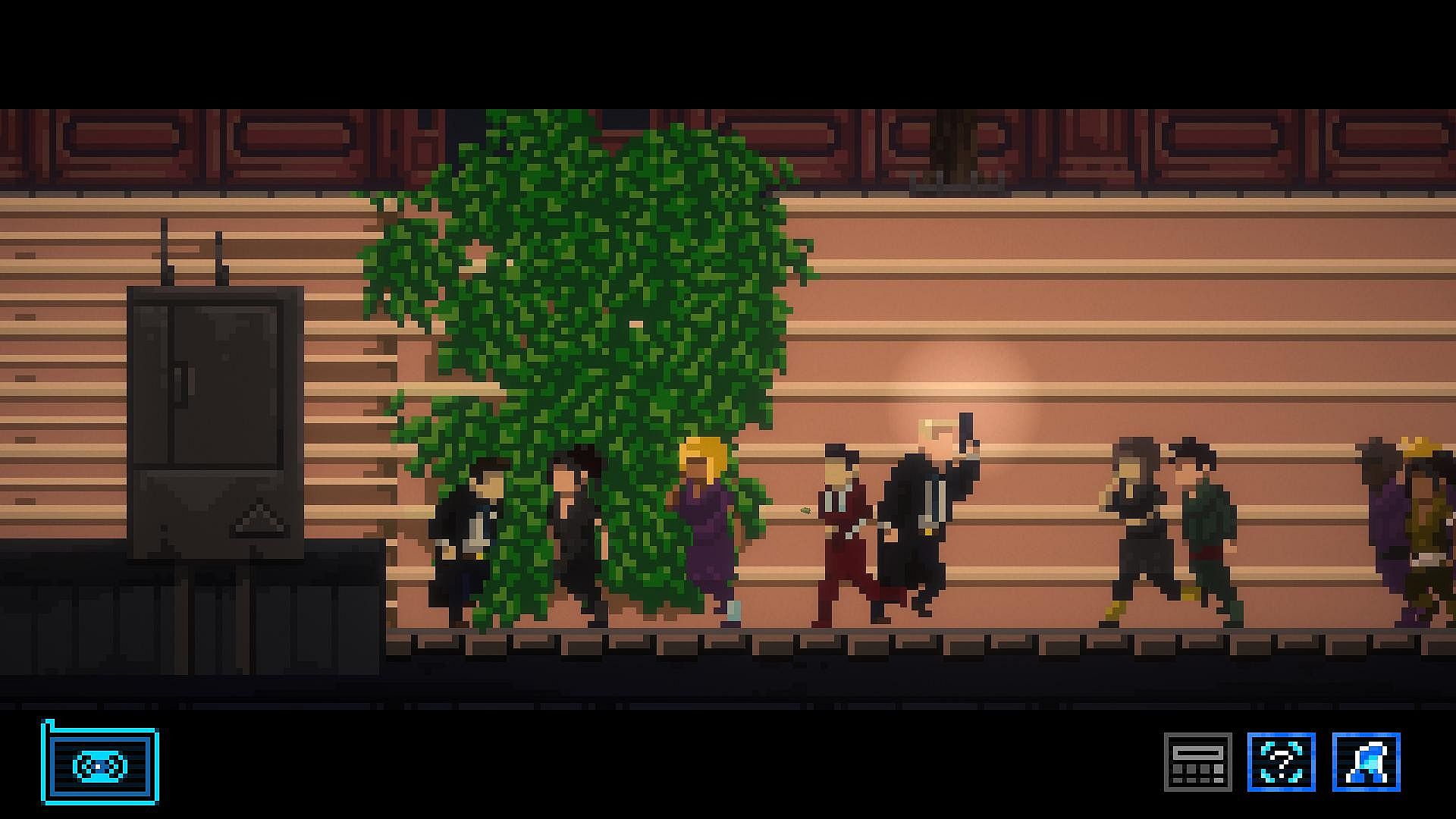
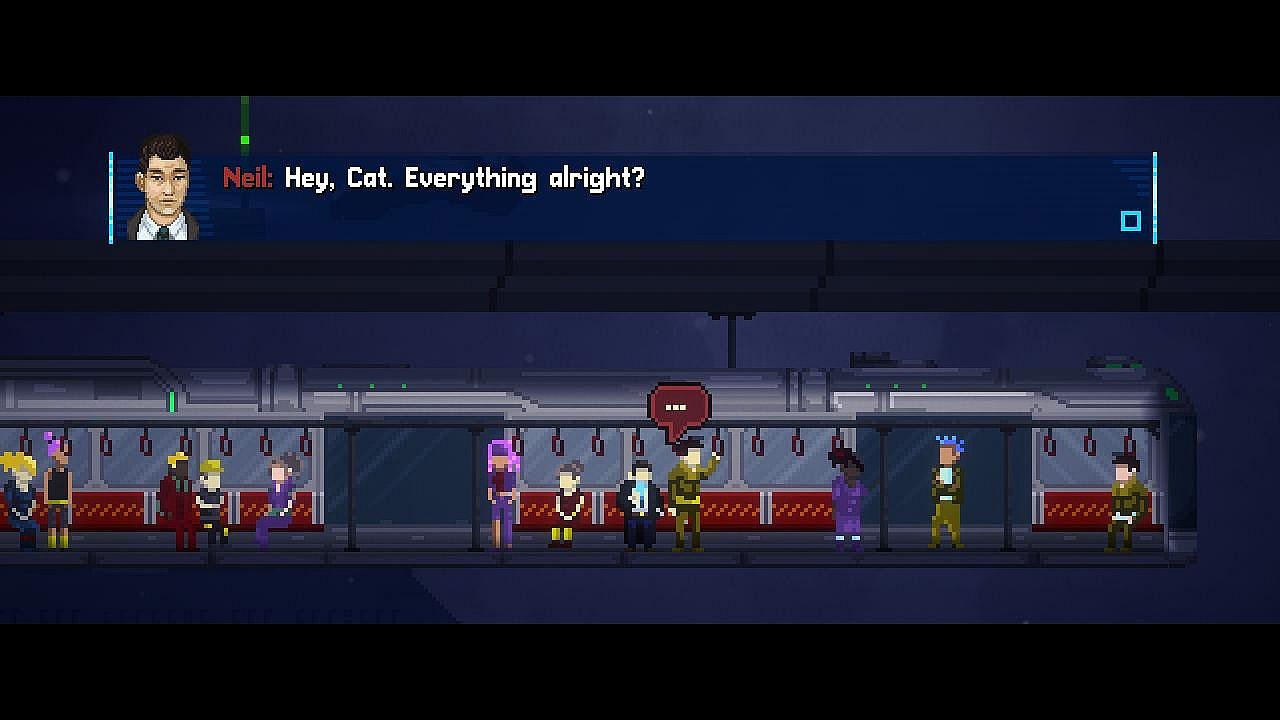
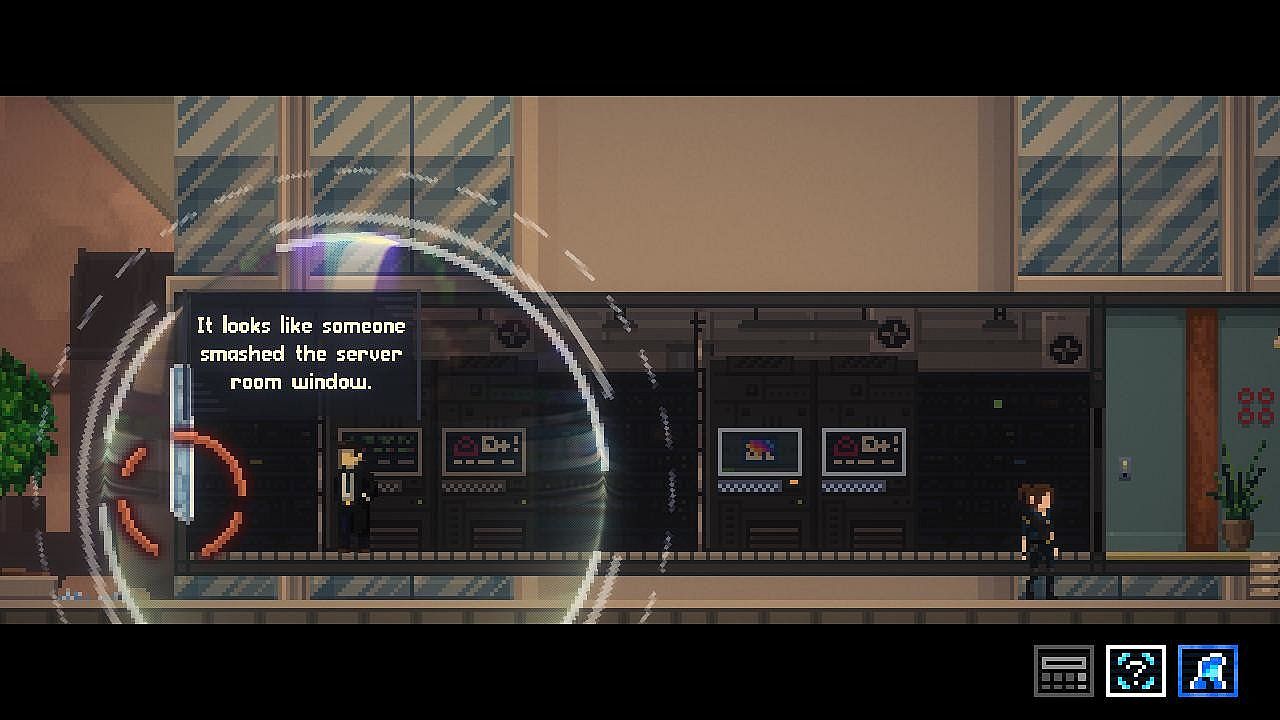
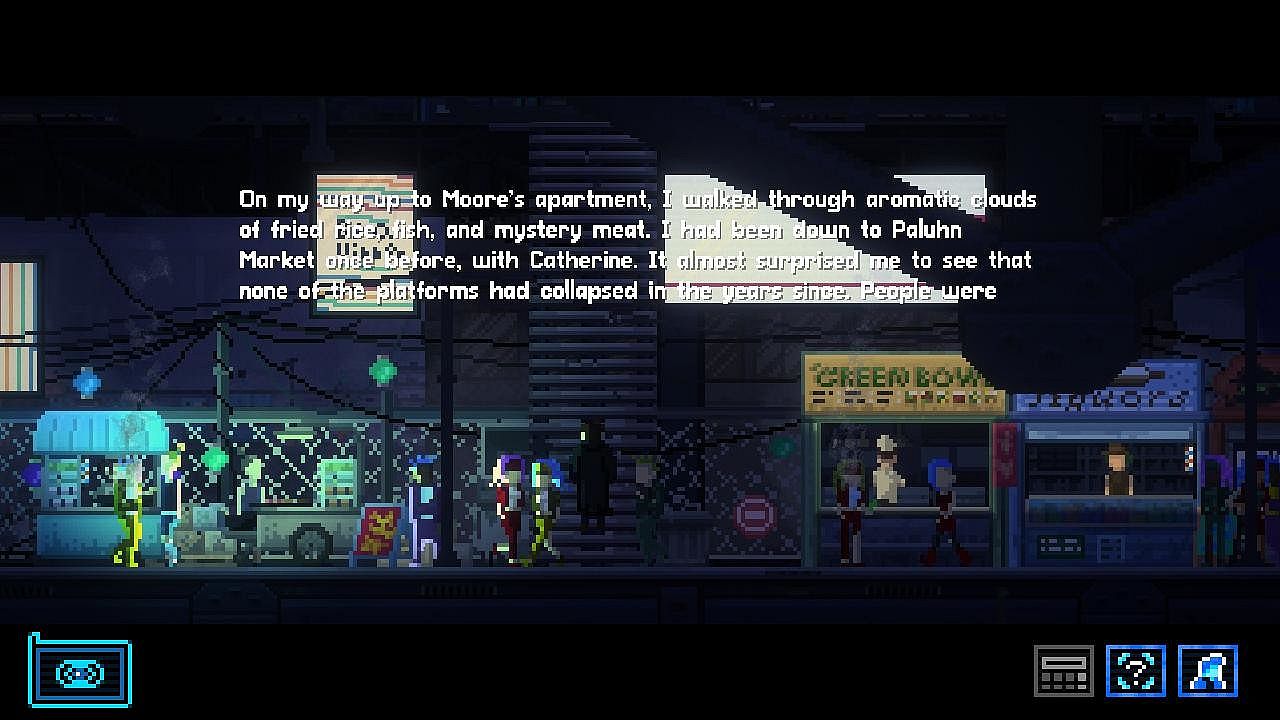
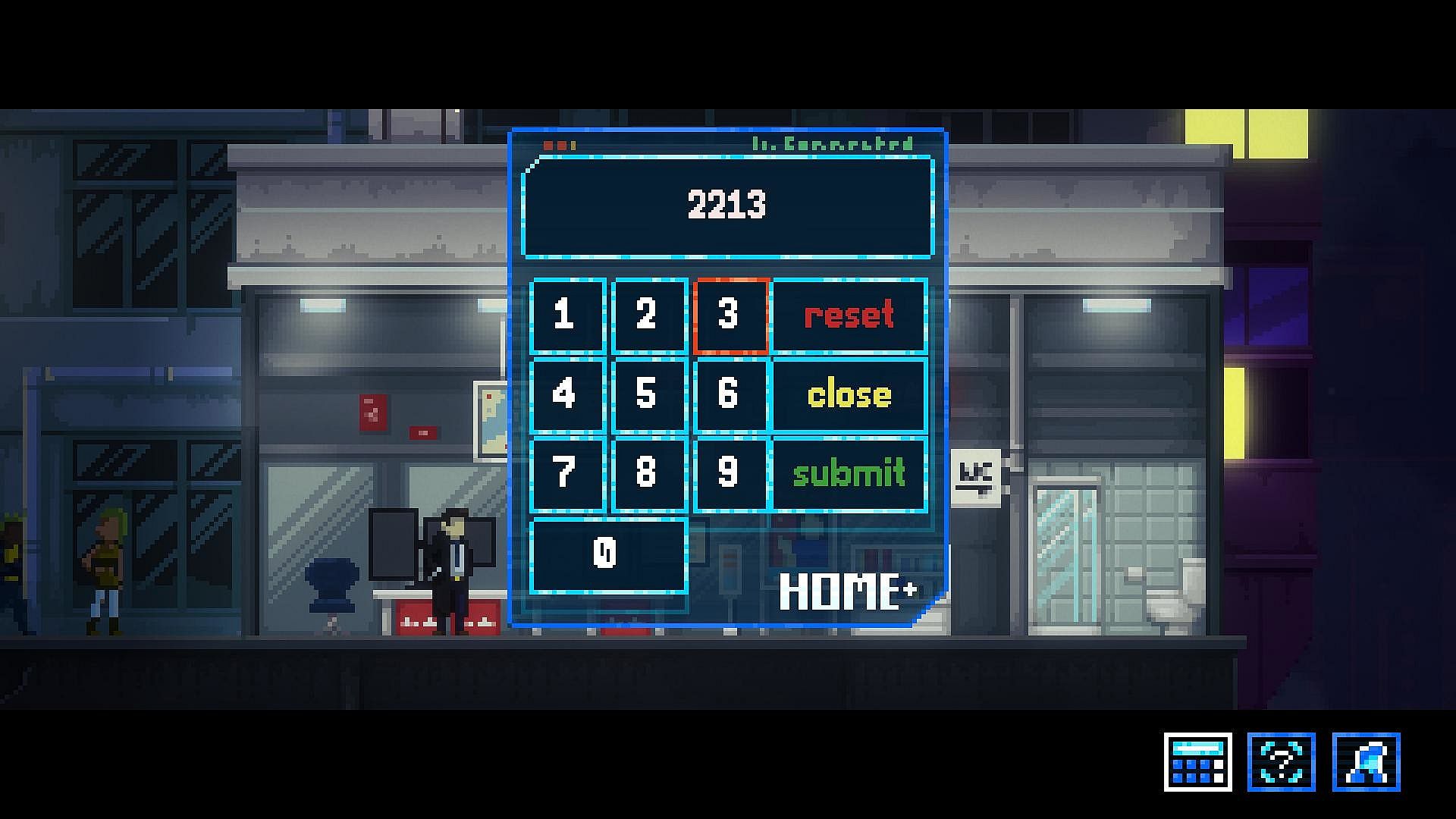
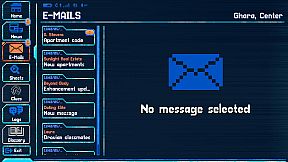
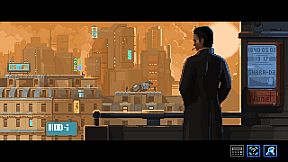
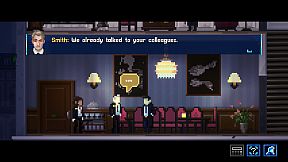
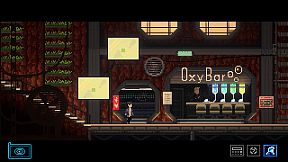
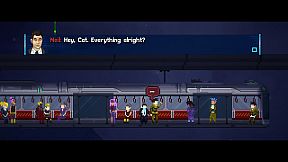
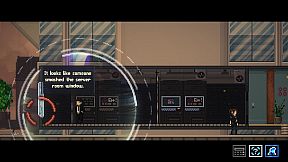
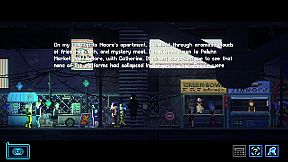
The core loop centers on investigation and dialogue in a pixel-art world. Movement uses platformer-style controls with WASD or a controller, allowing free exploration of detailed environments like cityscapes and subways. Interaction happens through pointing and clicking on objects or characters, with optional outlines to highlight interactables and reduce pixel hunting. Conversations advance naturally without the need to exhaust every option, and responses feel distinct based on prior selections.
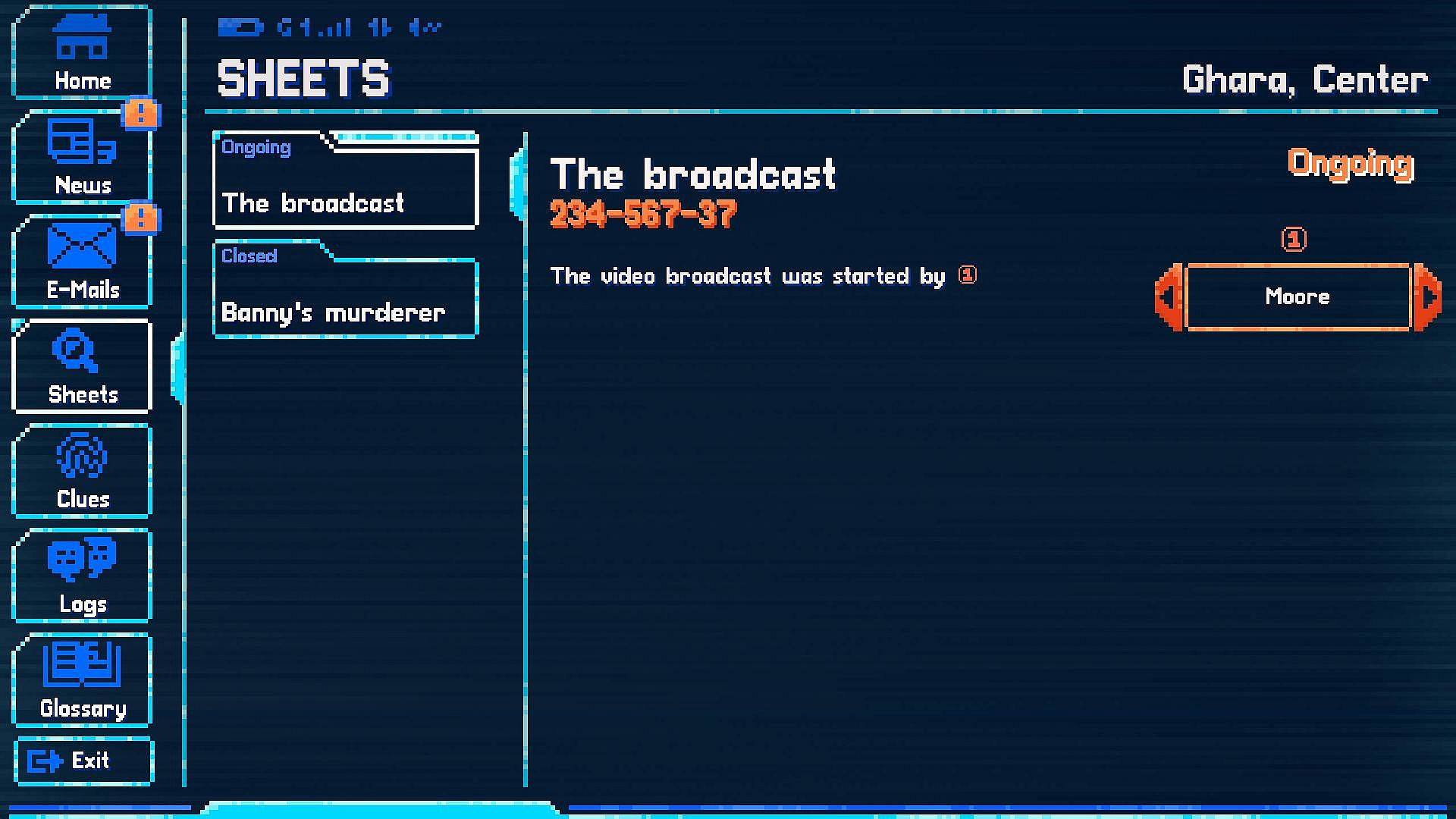
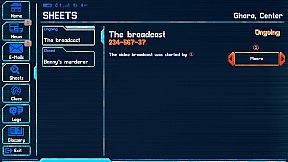
Evidence collection drives progress as players piece together clues from scenes and interviews. The system emphasizes story flow over traditional mechanics, eliminating inventory puzzles or counter-intuitive riddles that stall momentum. Decisions occur at key moments, often presenting moral dilemmas with lasting consequences for characters and the broader narrative. The game maintains a steady pace by keeping the mystery accessible while building tension through atmospheric details and character interactions.
Game Modes
Lacuna operates as a single-player experience focused entirely on its branching narrative. There are no separate modes such as multiplayer, competitive, or endless play. Instead, the structure revolves around one continuous story that adapts based on player choices across multiple playthroughs. Each run can lead to different conclusions, encouraging replay to explore alternate paths and outcomes without repeating the same dialogue trees.
The design supports varied approaches, from rushing key decisions to carefully weighing evidence. This single narrative framework delivers the full content in one cohesive package, with endings determined by cumulative actions rather than isolated events.
Narrative and Choices
The plot unfolds through a series of interconnected cases that test the protagonist's loyalties. Questions arise about protecting family versus revealing dangerous truths, or maintaining alliances versus pursuing justice. These elements create a noir atmosphere where personal ethics intersect with larger political stakes in the solar system.
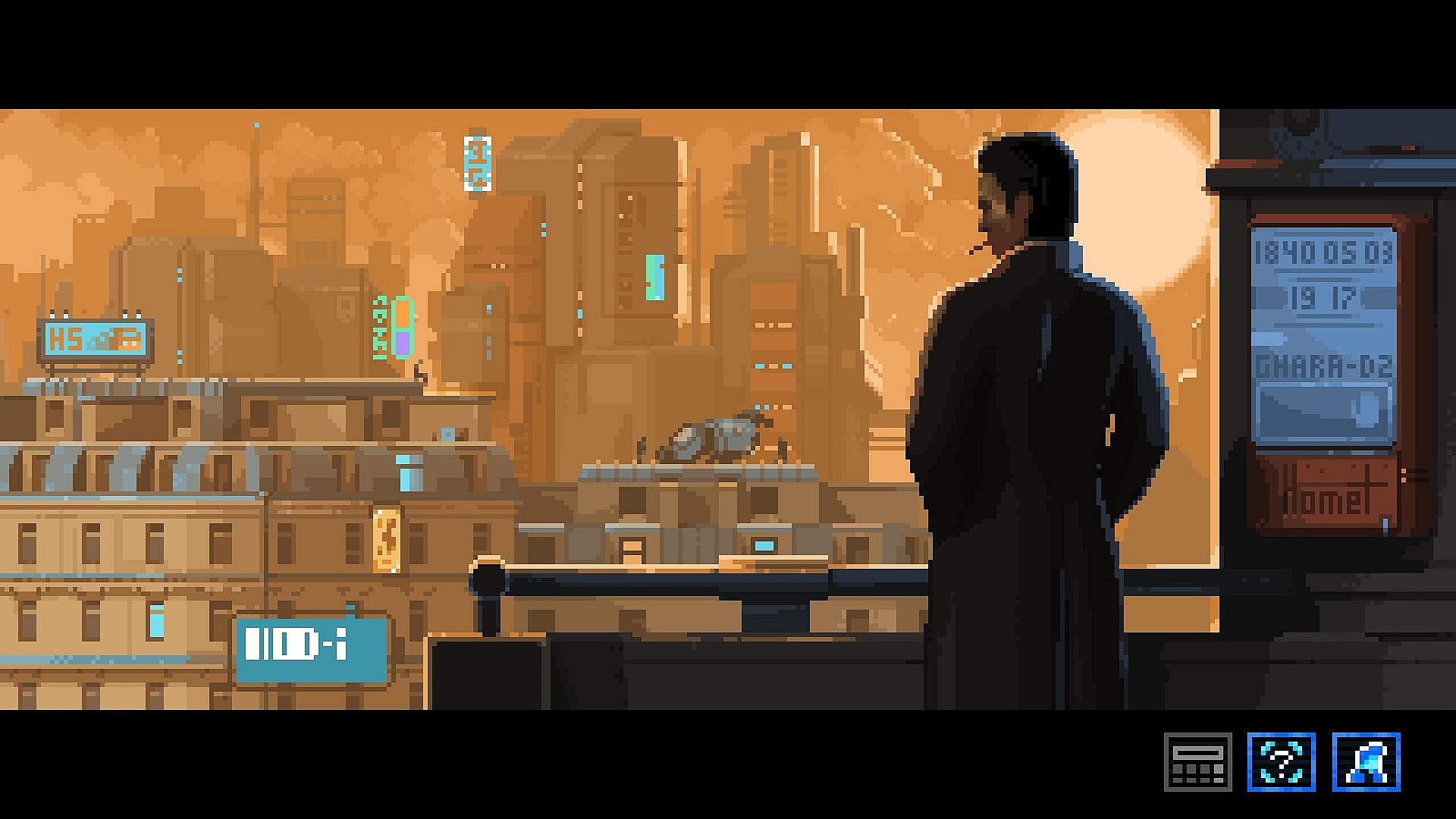
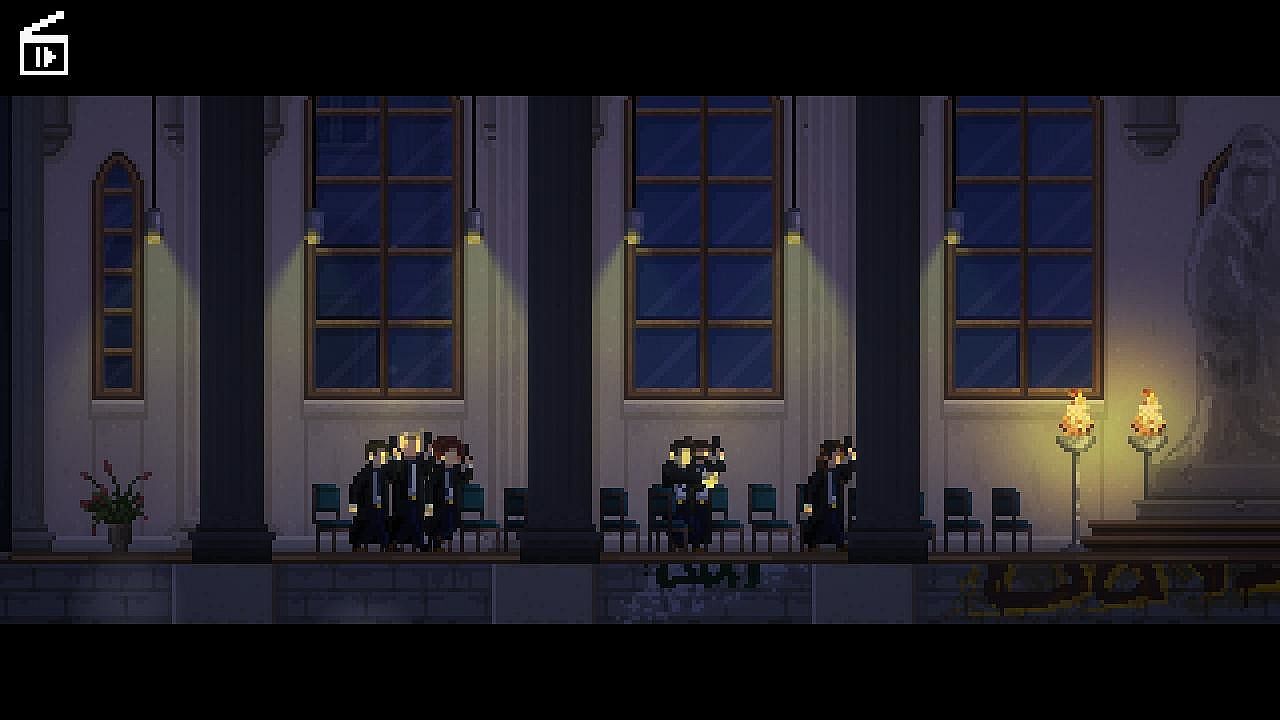
Non-repeating conversations keep each playthrough fresh, and the absence of save-scumming mechanics heightens the weight of every selection. The sci-fi setting blends detective work with futuristic elements, from interstellar politics to advanced technology, all rendered in a moody pixel style that highlights shadows and urban decay.
Is It Worth Playing?
This title suits players who enjoy choice-driven adventures with strong emphasis on dialogue and consequence. The streamlined mechanics remove common frustrations from older point-and-click games, allowing focus on the mystery and character decisions. Reception highlights the atmospheric visuals and branching story as strengths, with many noting its effective modern take on the genre.
Availability on PC supports straightforward access for those interested in narrative adventures. The game stands as a complete, self-contained experience without ongoing seasons or expansions. It appeals particularly to fans of investigative tales who value meaningful player agency over puzzle-solving or resource management.
- Exploration combines with dialogue to reveal clues organically.
- Multiple endings reward thoughtful decision-making across replays.
- Controls and interface prioritize accessibility and flow.