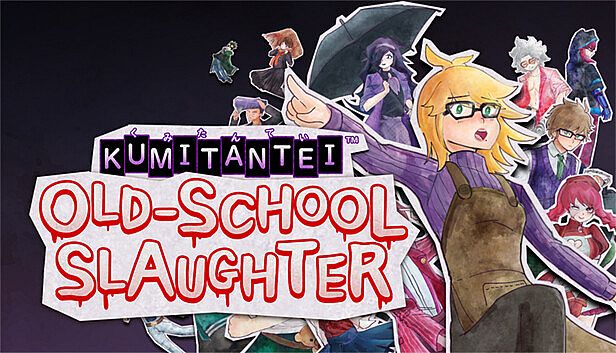























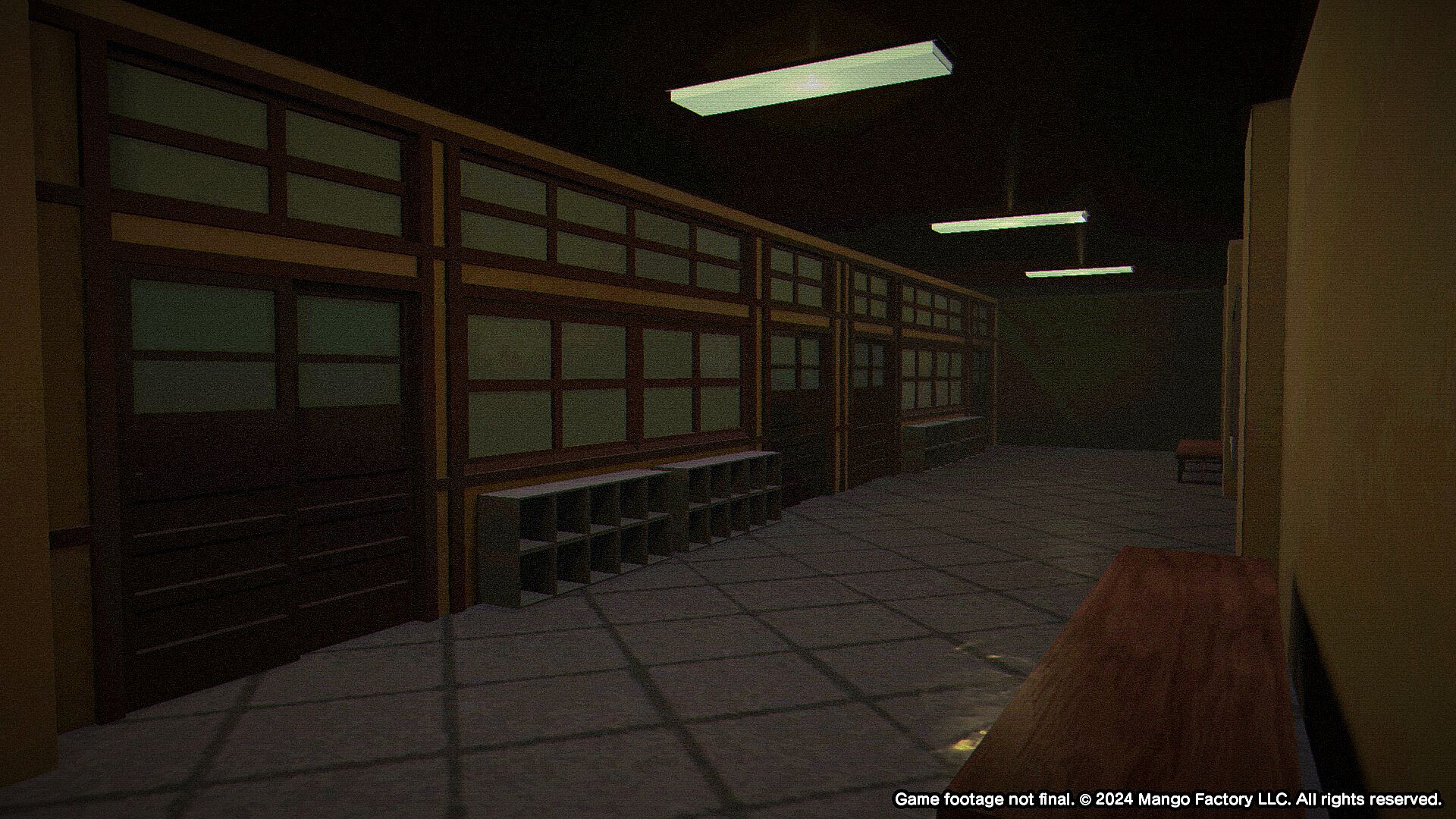
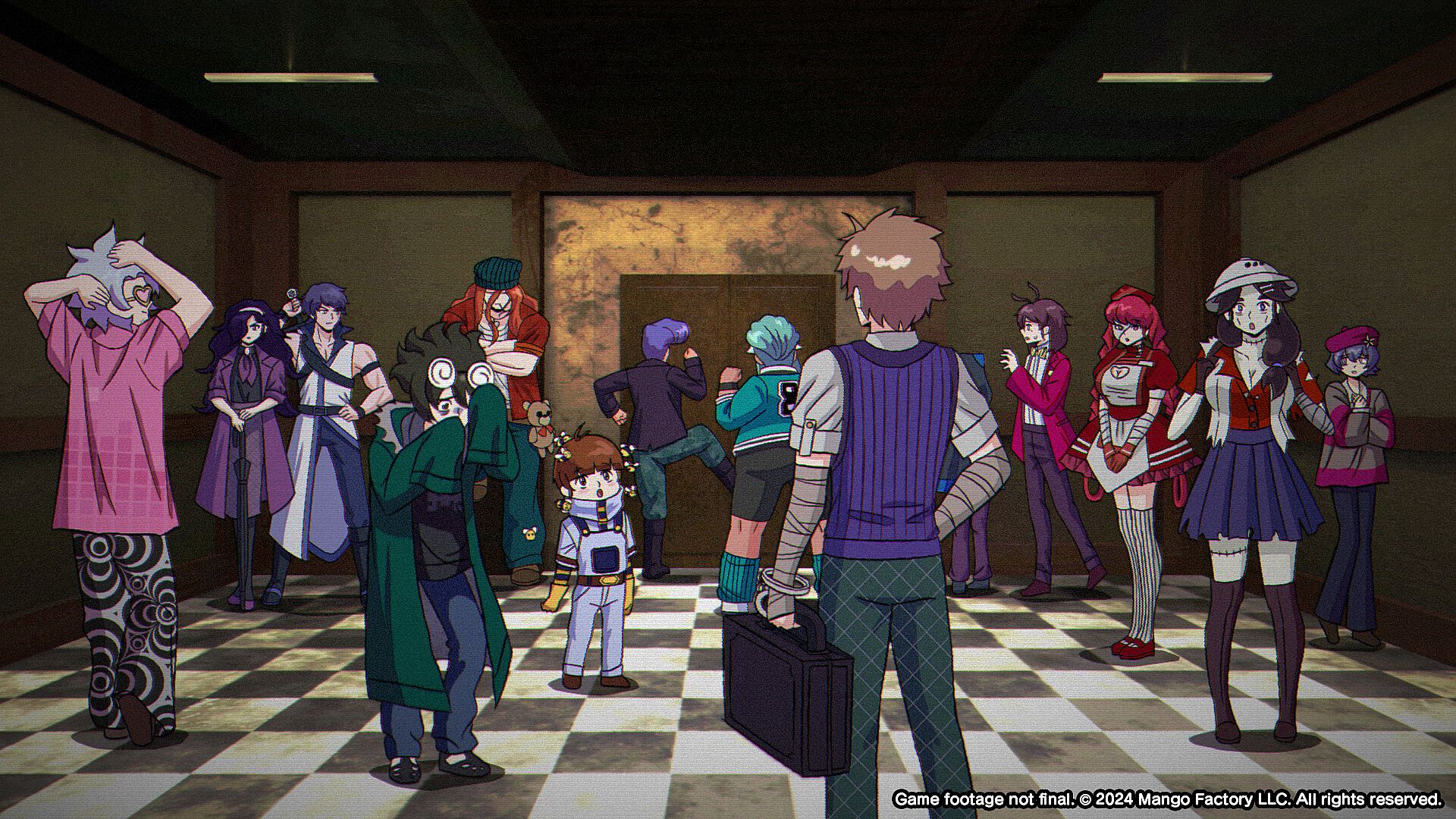



Kumitantei: Old-School Slaughter stands out as a single-player episodic murder-mystery adventure cardbattler that mixes action, indie, RPG, and adventure genres into a cohesive experience. Players step into the shoes of an Absolute Student from the class of 1989, awakening in a decaying bunker as part of a kill-or-be-killed experiment. The narrative unfolds across planned episodes, with the first one now available, drawing on retro anime aesthetics and classic Japanese mystery adventures to create a suspenseful tale of survival and discovery.
Gameplay
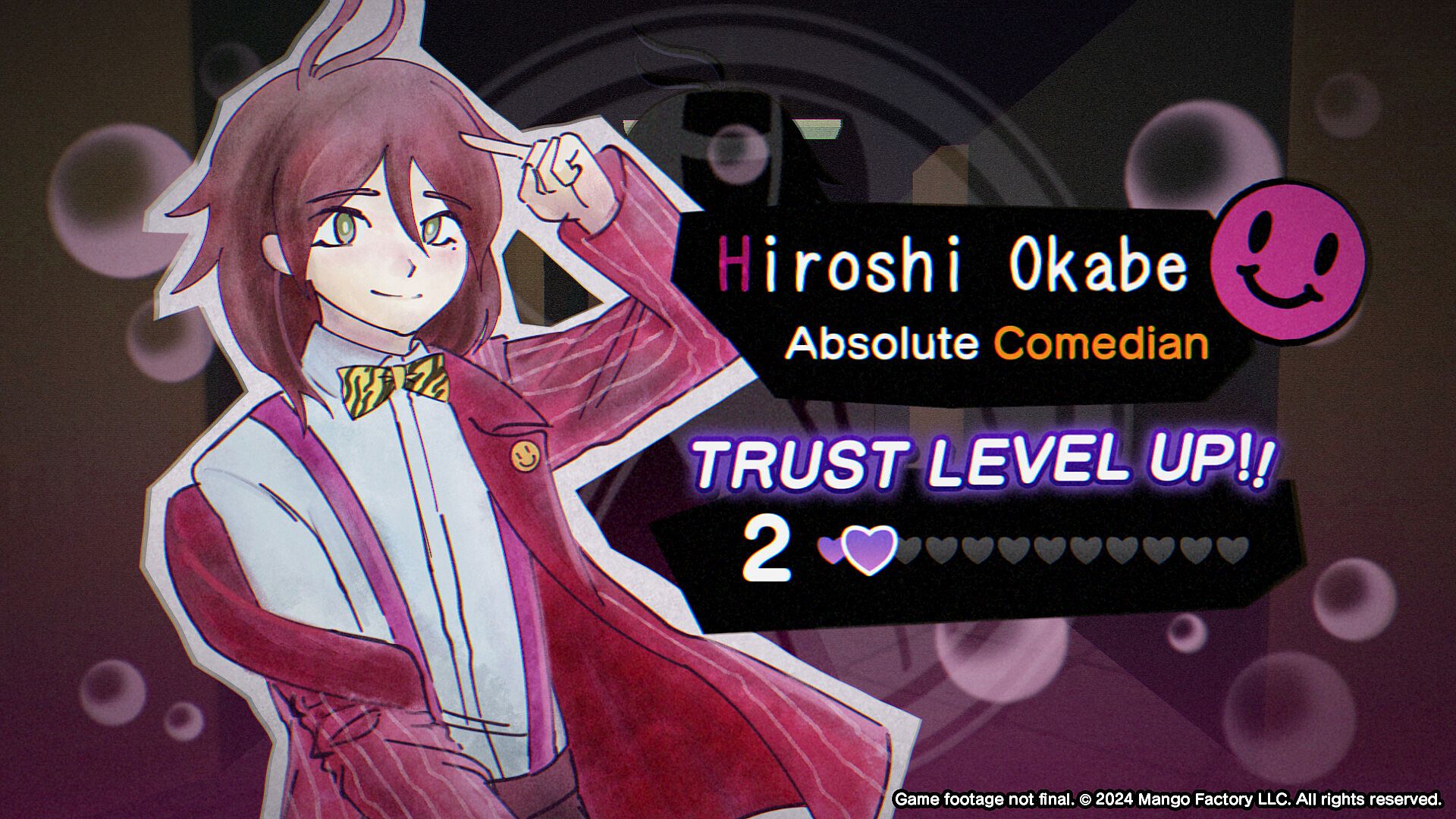
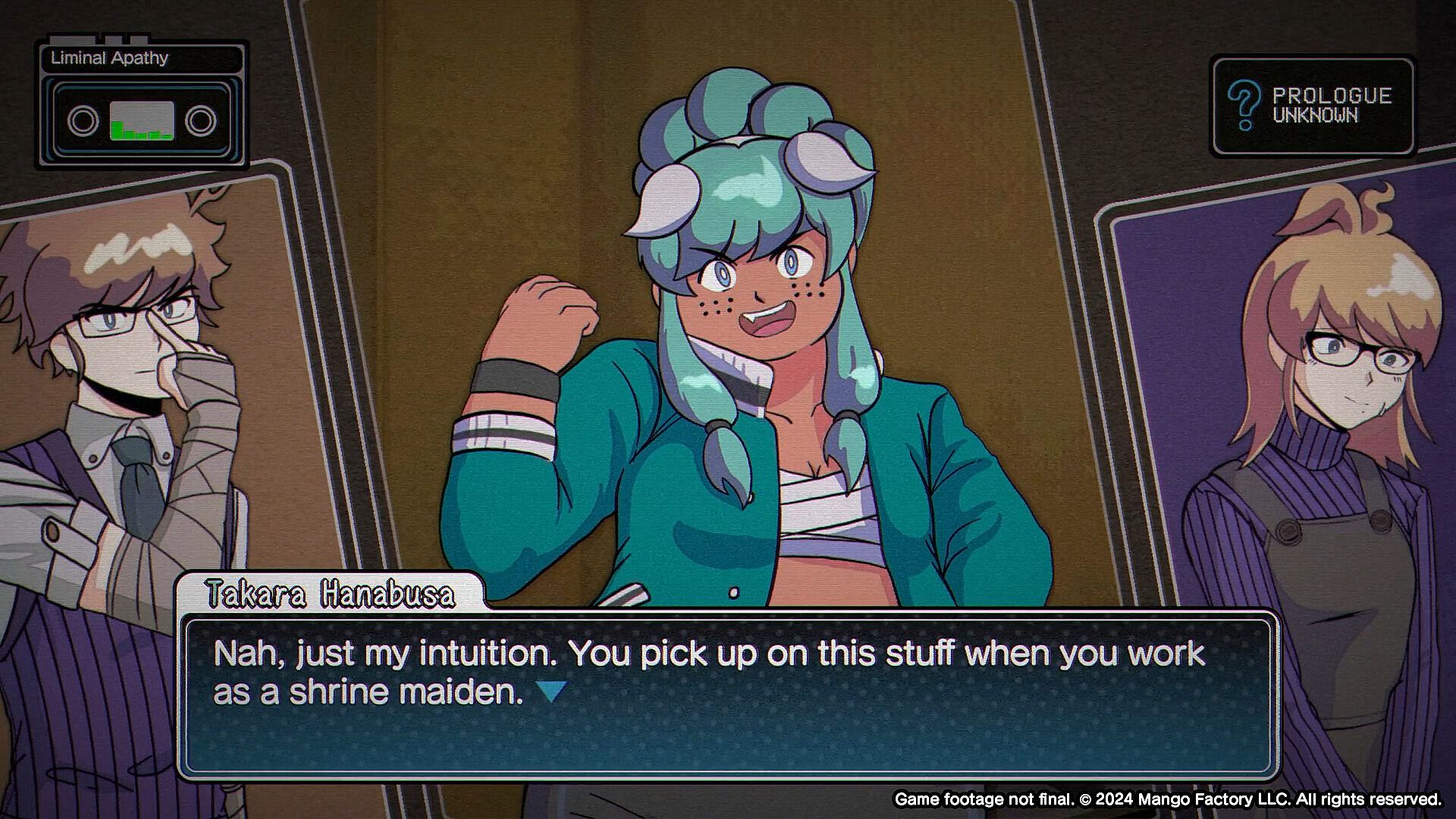
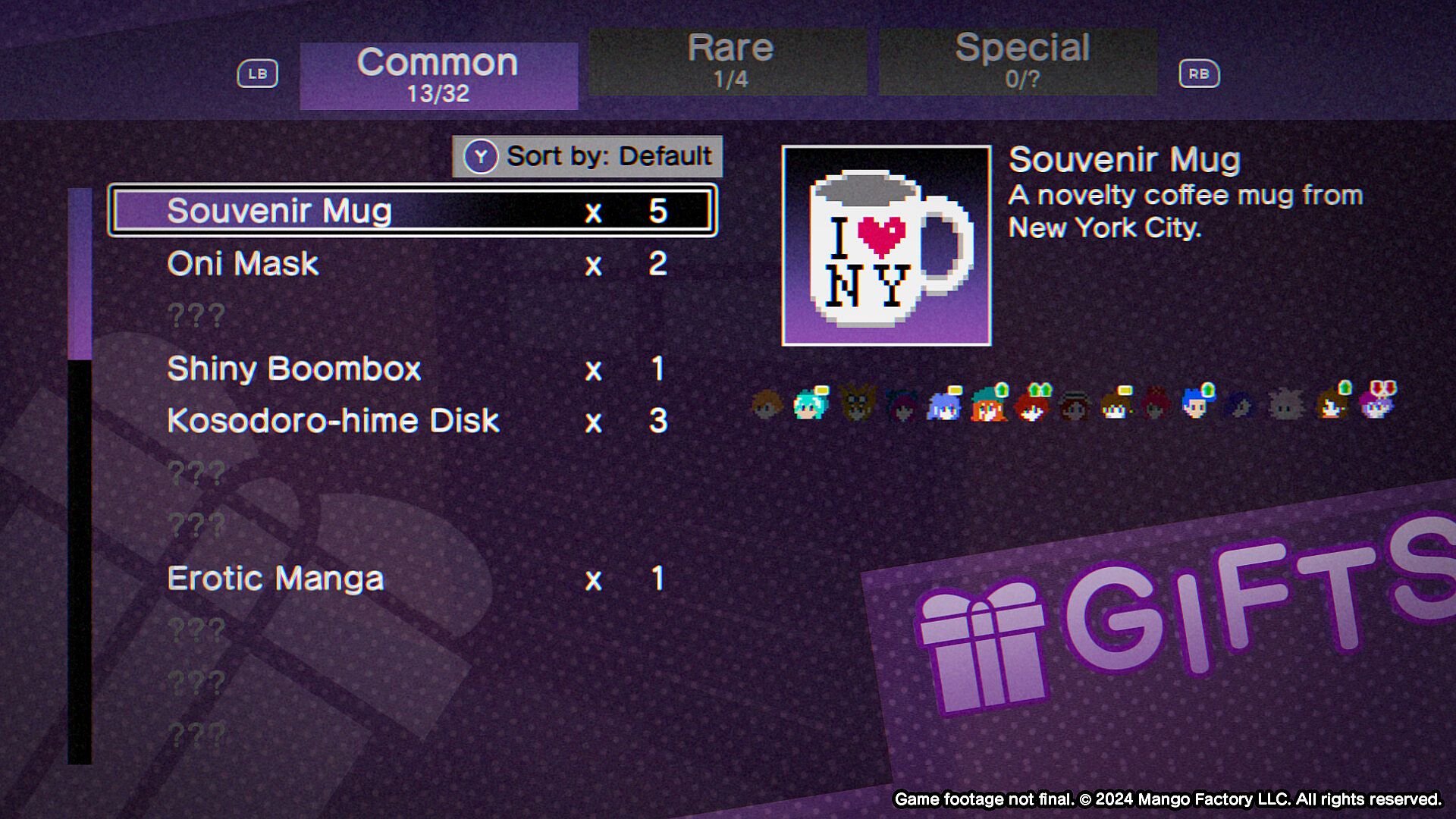
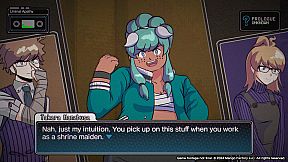
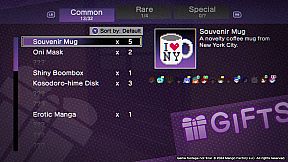
The core loop revolves around daily interactions, evidence gathering, and high-stakes confrontations. Bonding with the other fifteen classmates forms a key part of progression. Listening to their stories, offering gifts, and building relationships yields powerful cards that strengthen the player's deck for later use. These connections add depth to the character-driven story while providing tangible mechanical benefits.
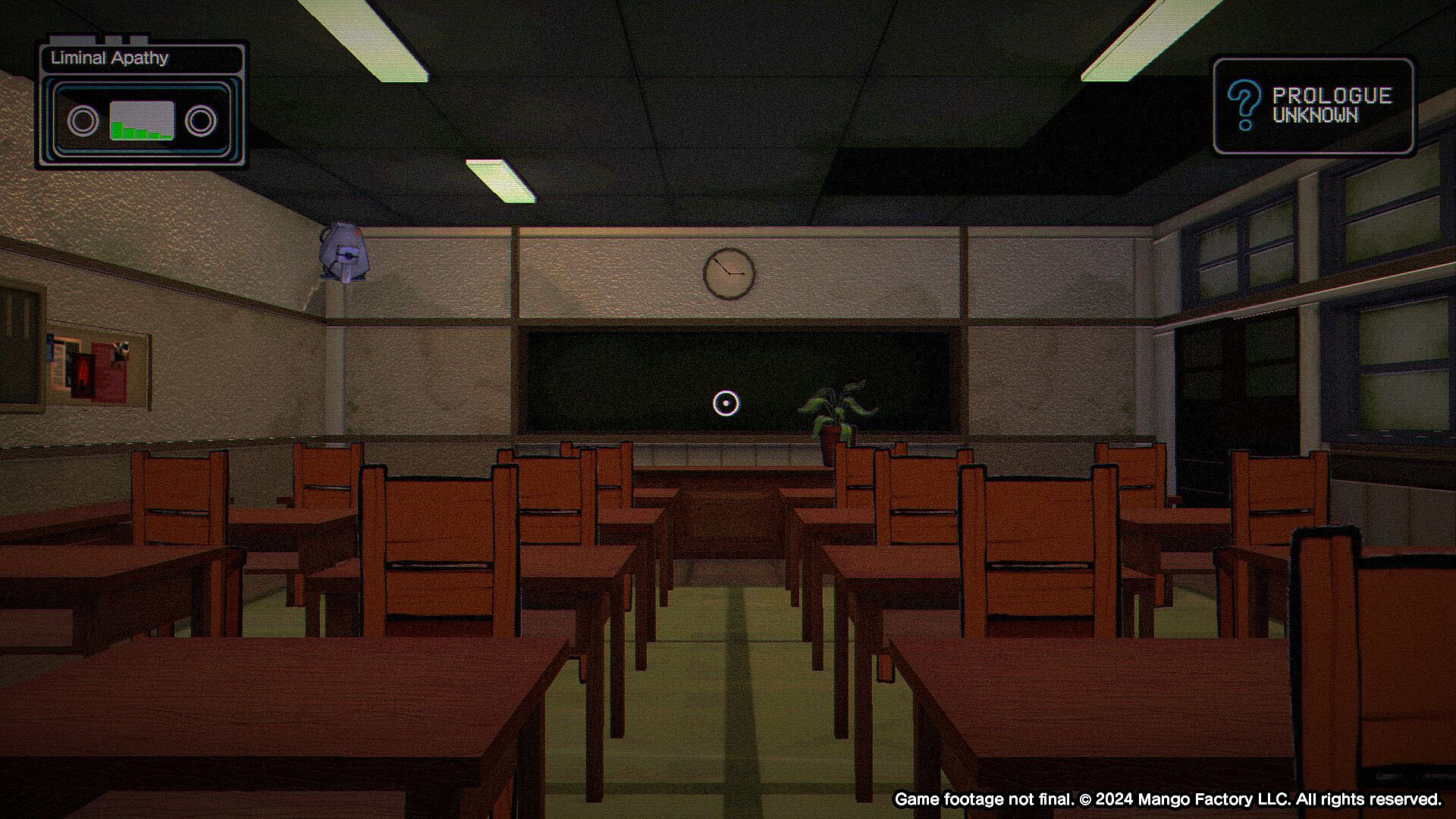
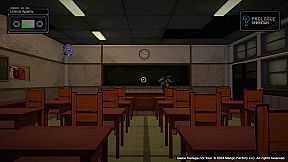
Investigation segments require careful examination of crime scenes after each murder. Players search for clues among the remains of fallen students and compile evidence to present in upcoming confrontations. This detective work feeds directly into the trial phases, where logic and timing determine outcomes.
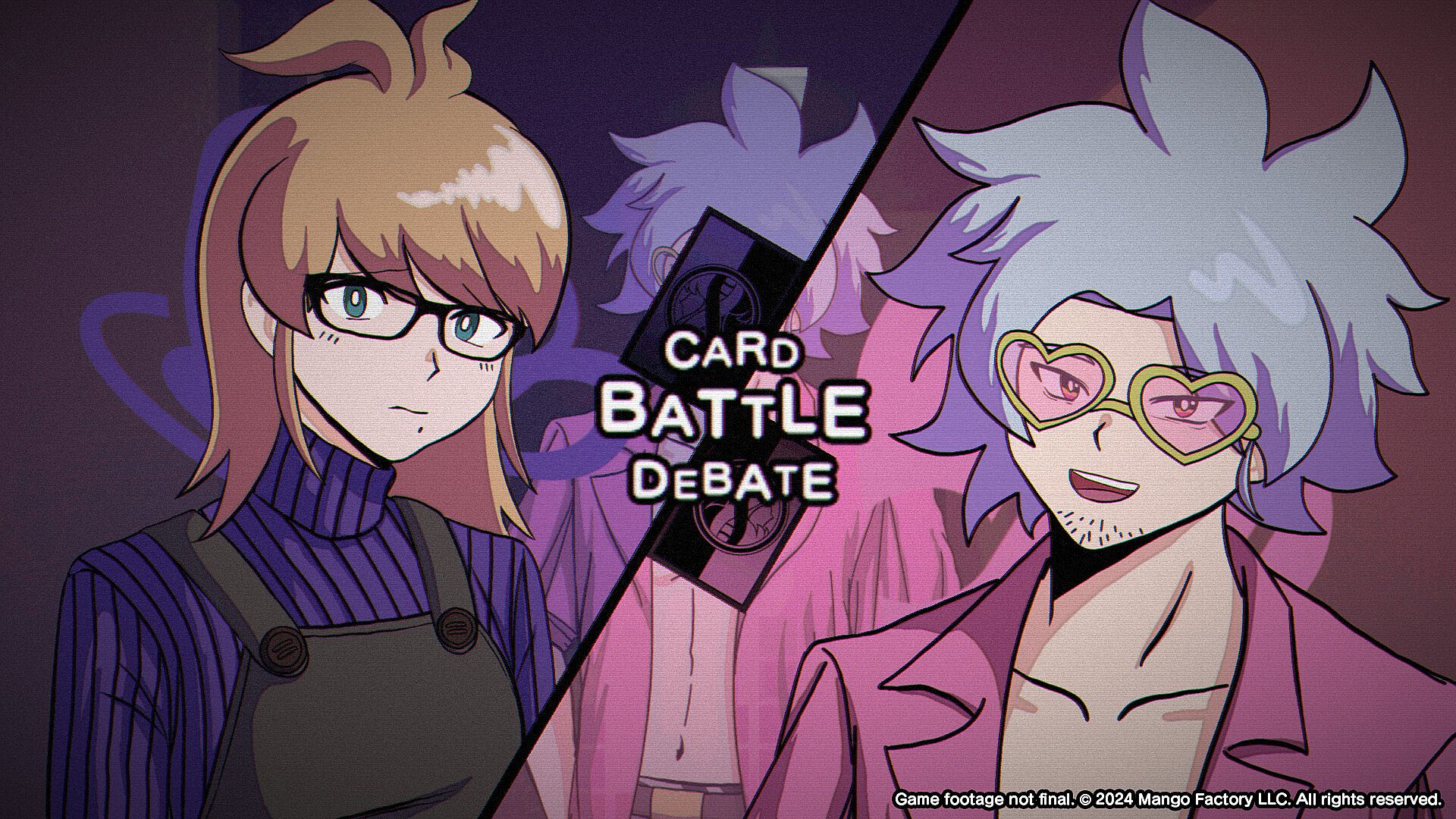
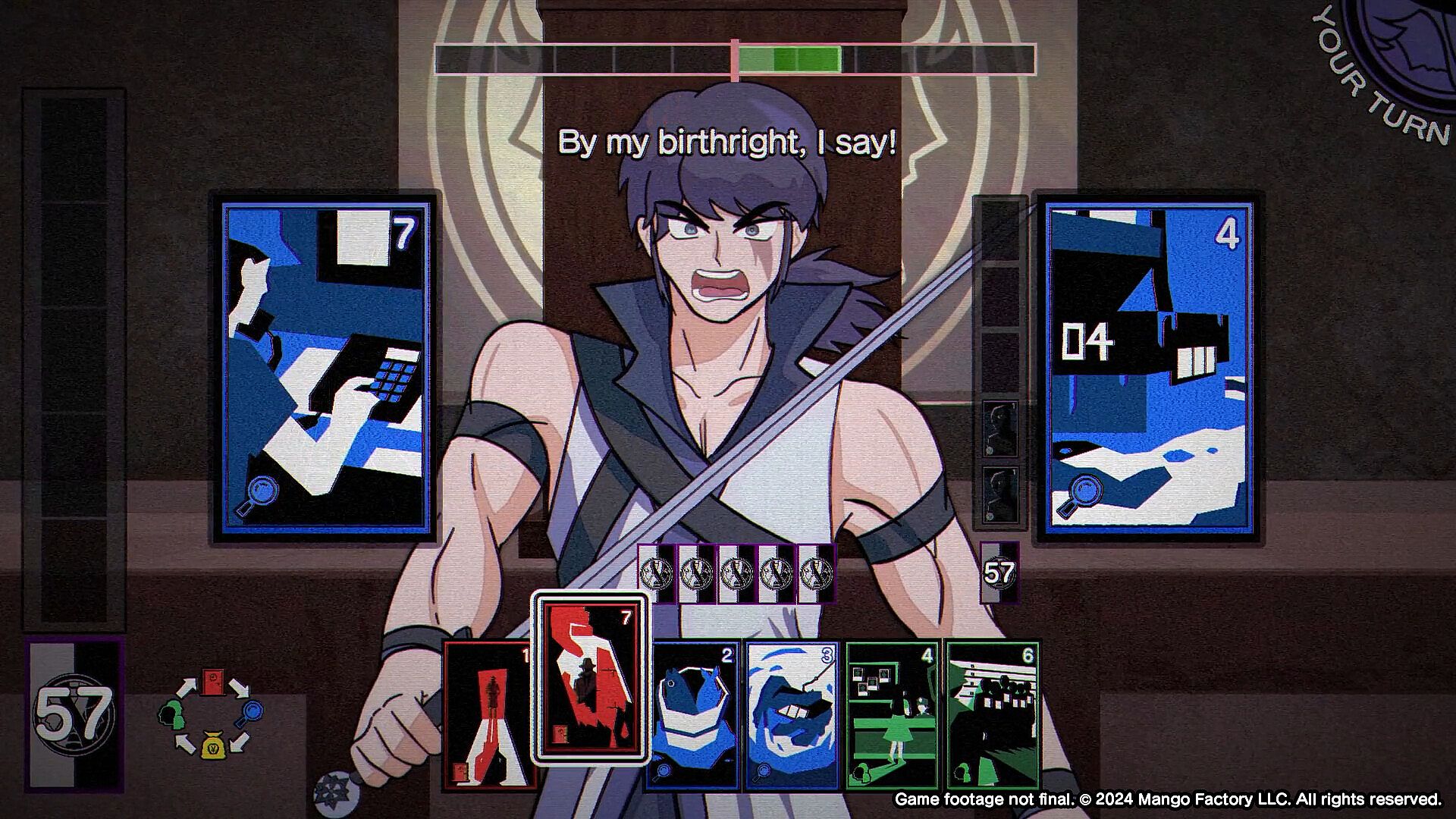
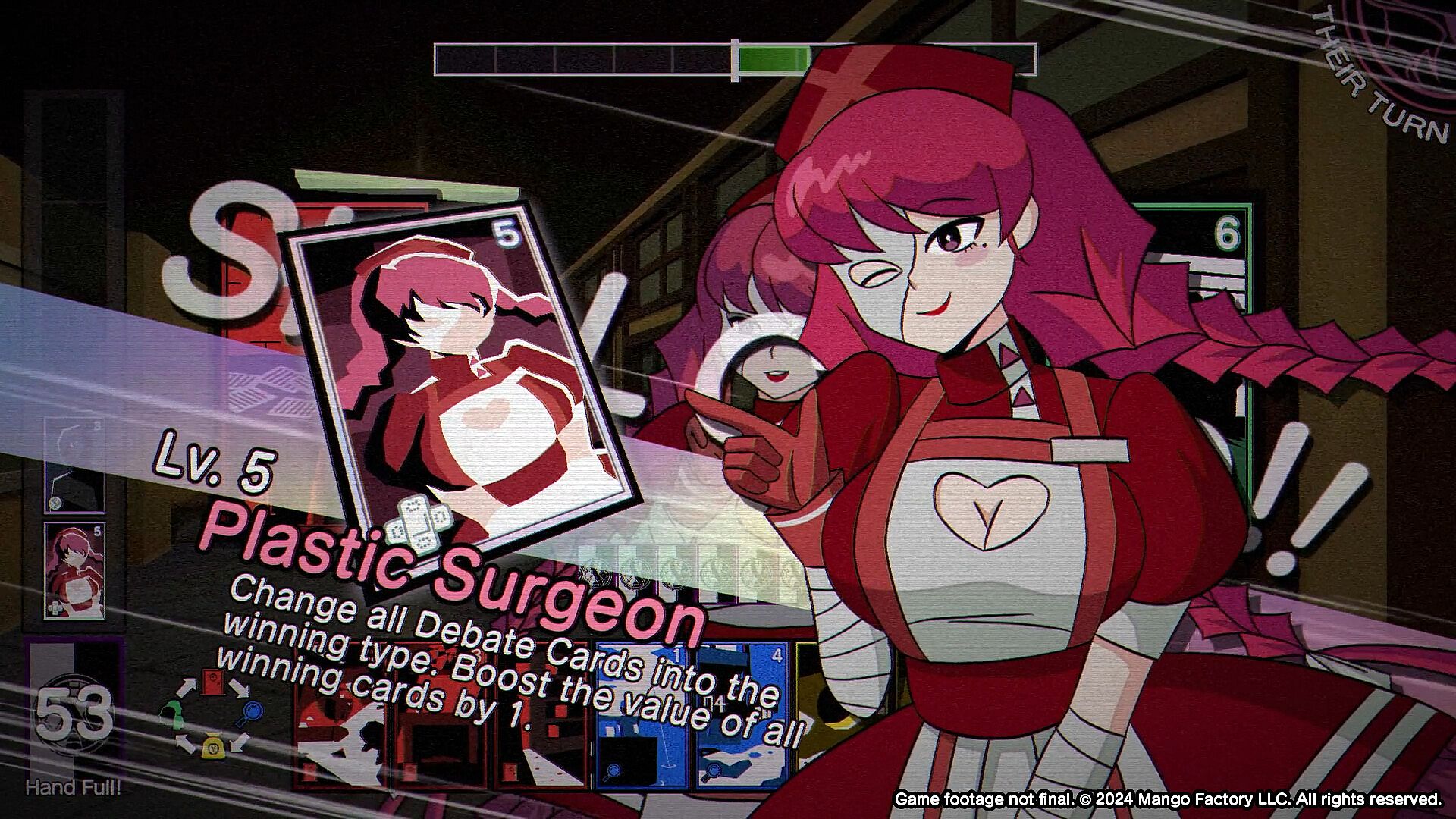
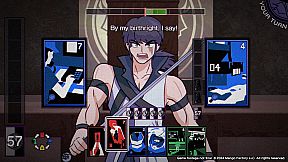
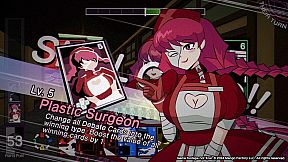
Deckbuilding adds strategic layers to the experience. Cards collected from the bunker environment and earned through bonds allow for custom combinations that exploit weaknesses during debates. Success depends on creating effective synergies rather than relying on raw power alone.
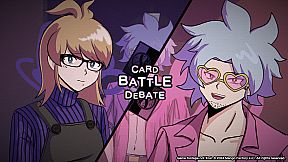
Trials serve as the climax of each chapter. These sequences blend evidence presentation with card-based mechanics to expose contradictions and force resolutions. The system draws clear inspiration from established visual novel trial formats, resulting in tense exchanges that can shift the balance of power among the remaining students.
Game Modes
The game operates entirely in a single-player format centered on its episodic narrative structure. No separate multiplayer or competitive modes exist. Instead, the experience divides into distinct phases within each episode: bonding and exploration segments, murder investigations, and Clinical Trials that resolve conflicts through debate and combat.
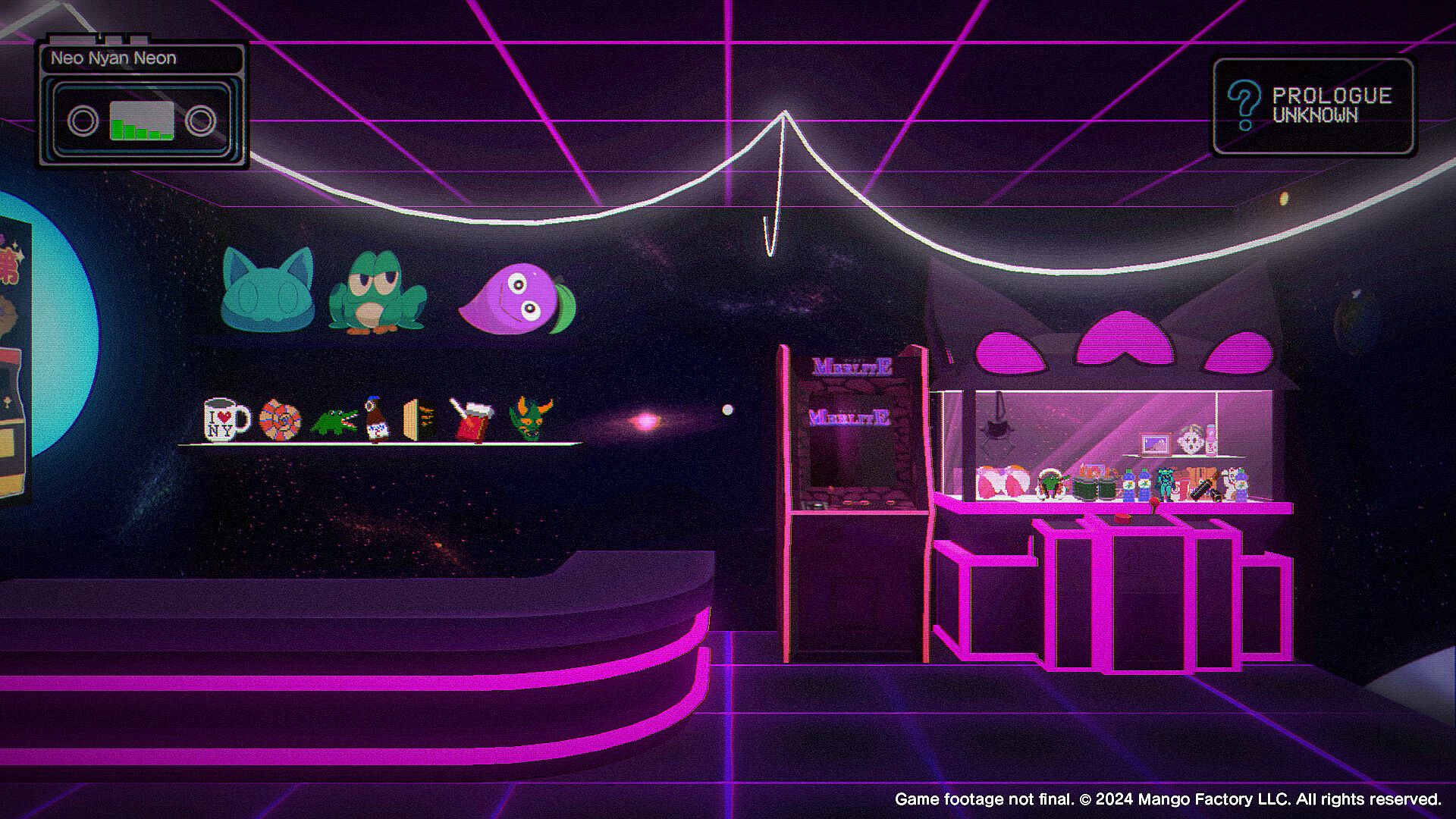
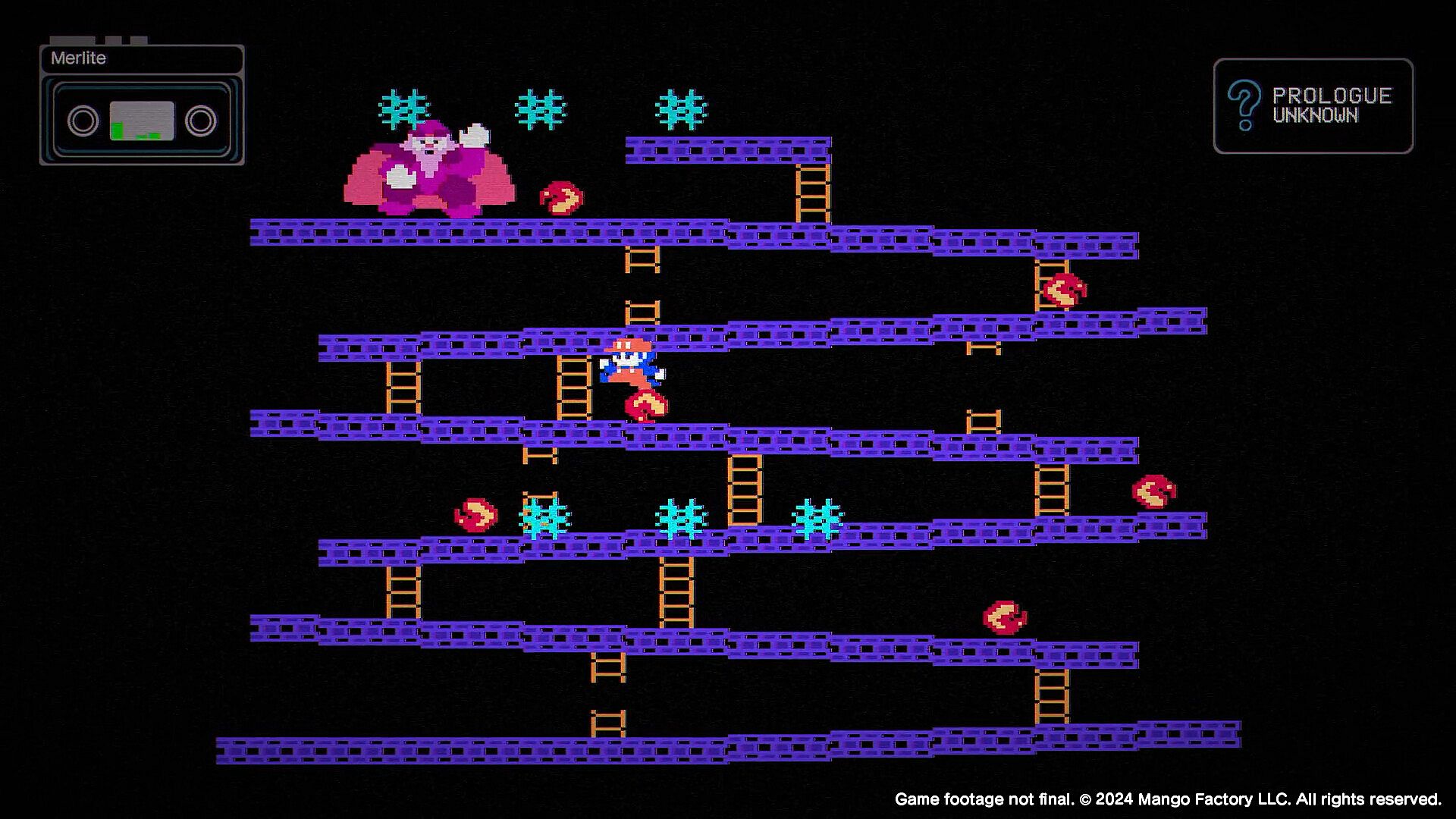
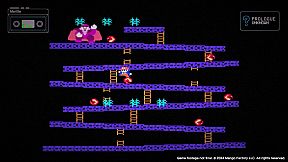
Additional variety comes from retro-inspired arcade-style challenges scattered throughout the bunker. These faithfully recreated mini-games test timing and pattern recognition in the style of classic 1980s titles, offering brief breaks from the main mystery while reinforcing the analog horror atmosphere.
Story and Setting
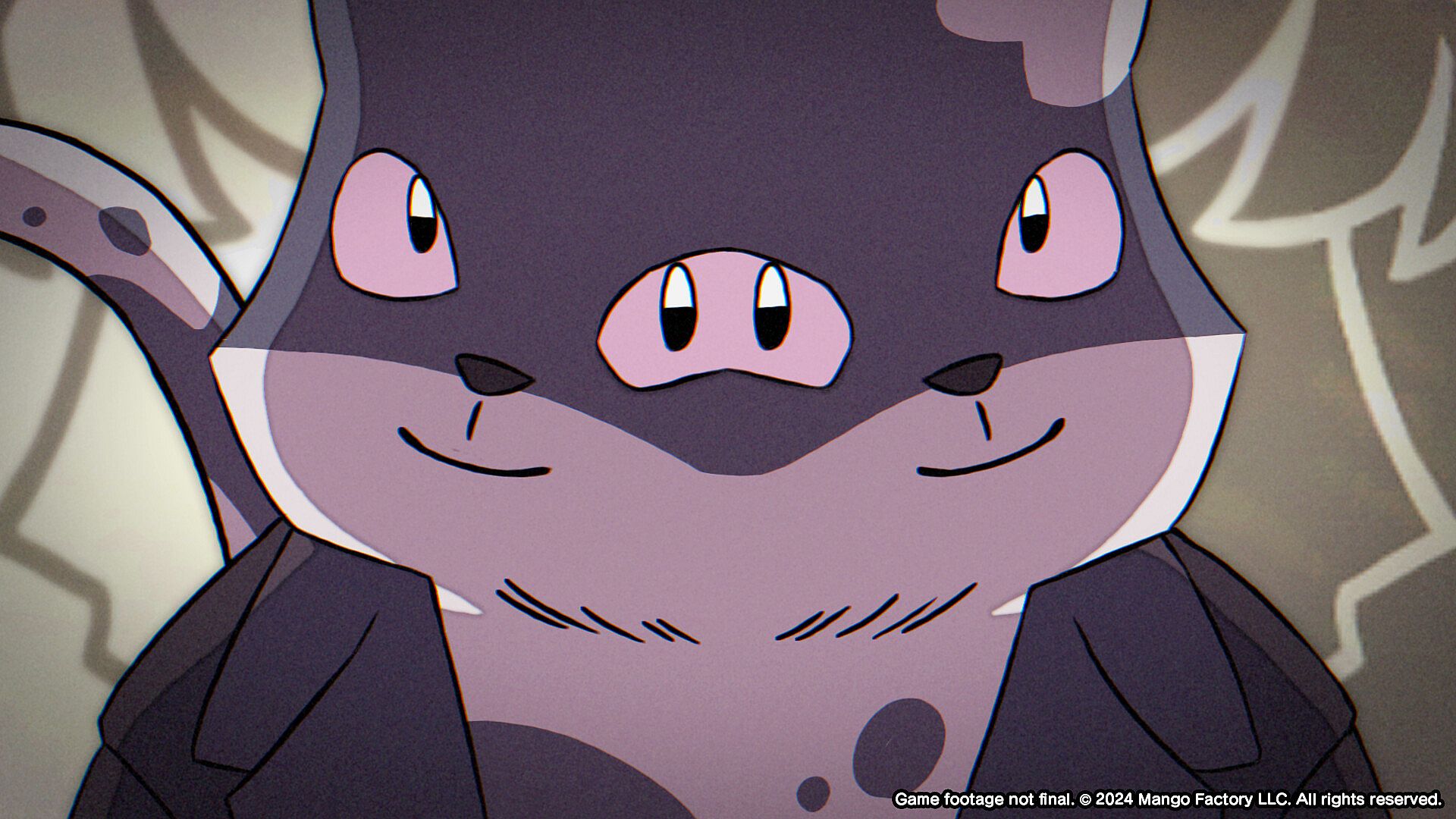
The plot places sixteen elite students inside an isolated facility during an alternate-history version of 1989 Japan. An experiment forces them into a cycle of suspicion and elimination, where cooperation might reveal hidden truths or lead to further betrayal. The visual design evokes 1980s anime with its color palette and character expressions, while the writing emphasizes psychological tension over outright gore.
Each episode builds on prior events, introducing new mysteries and expanding the cast's backstories. The episodic release model allows the narrative to develop gradually, with Episode 1 establishing the initial group dynamics and first major incident.
Is It Worth Playing?
Player reception has been strong, with 91 percent of more than 280 reviews rated positive. Critics have assigned an average score of 79, noting the engaging blend of detective work and card strategy alongside the distinctive retro aesthetic. The first episode delivers a complete introductory chapter that showcases the full range of systems without requiring prior knowledge of similar titles.
This game suits fans of narrative-driven adventures who enjoy deckbuilding mechanics and trial sequences. Those who appreciate character interaction paired with logical puzzles will find the bonding and investigation phases rewarding. The current price point for Episode 1 makes it accessible for sampling the series before committing to future installments.
Future episodes will expand the cast and deepen the central conflict, but the foundation laid in the opening chapter already provides several hours of distinctive gameplay. The combination of retro visuals, card combat, and murder-mystery plotting creates a focused experience that stands apart from broader open-world titles.