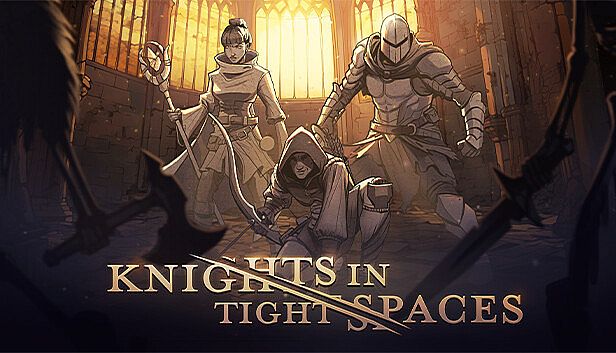

























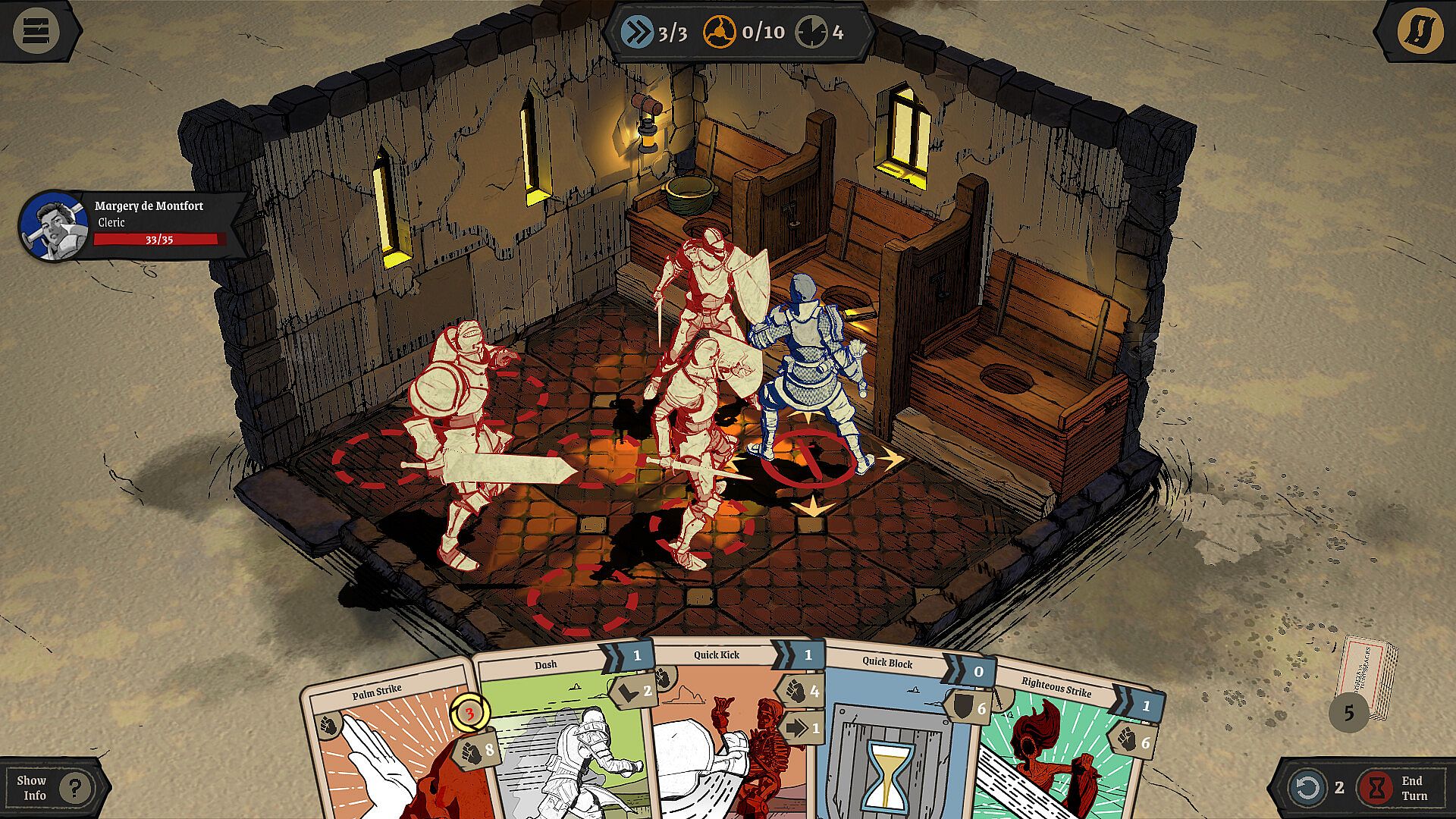
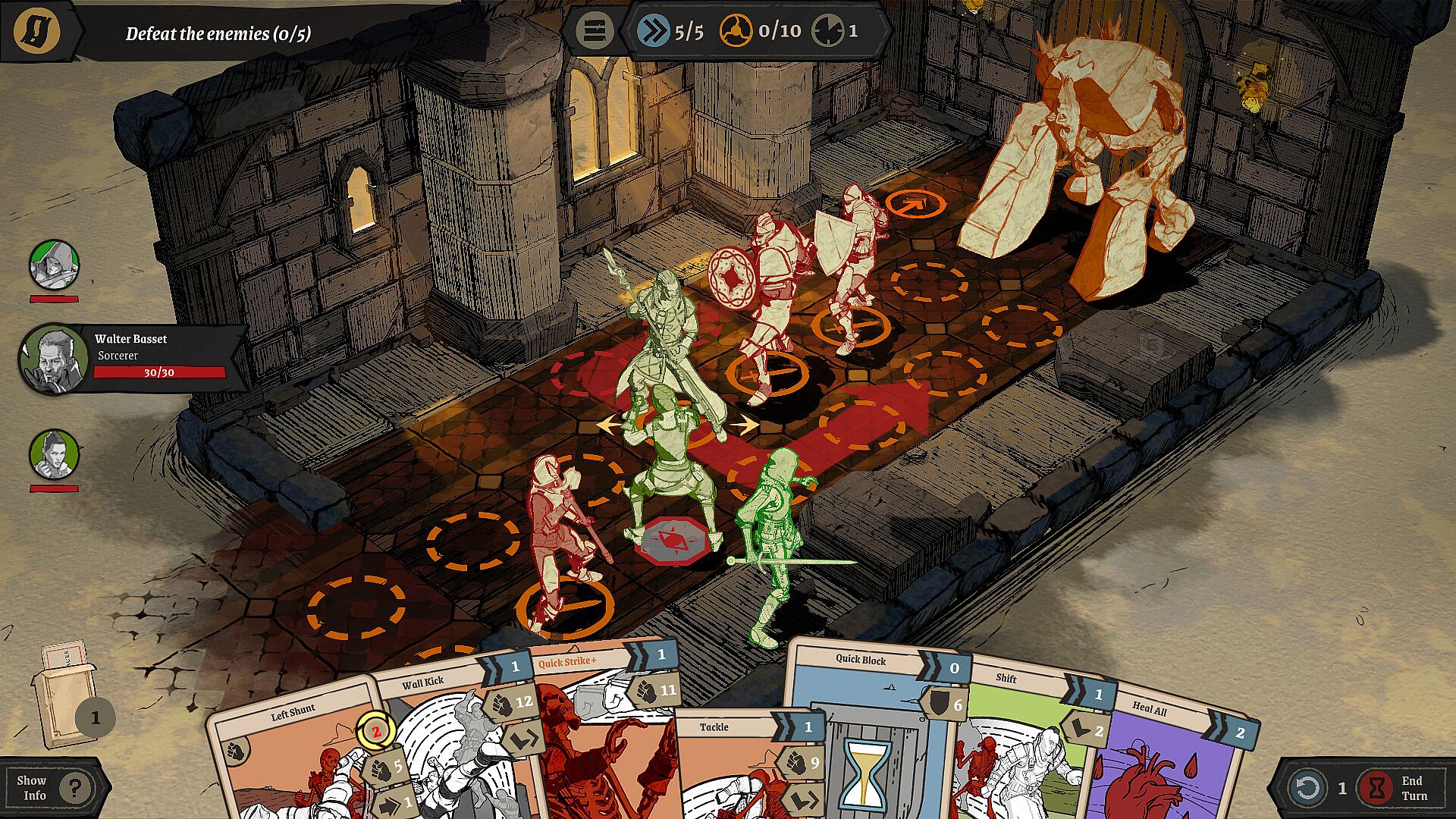
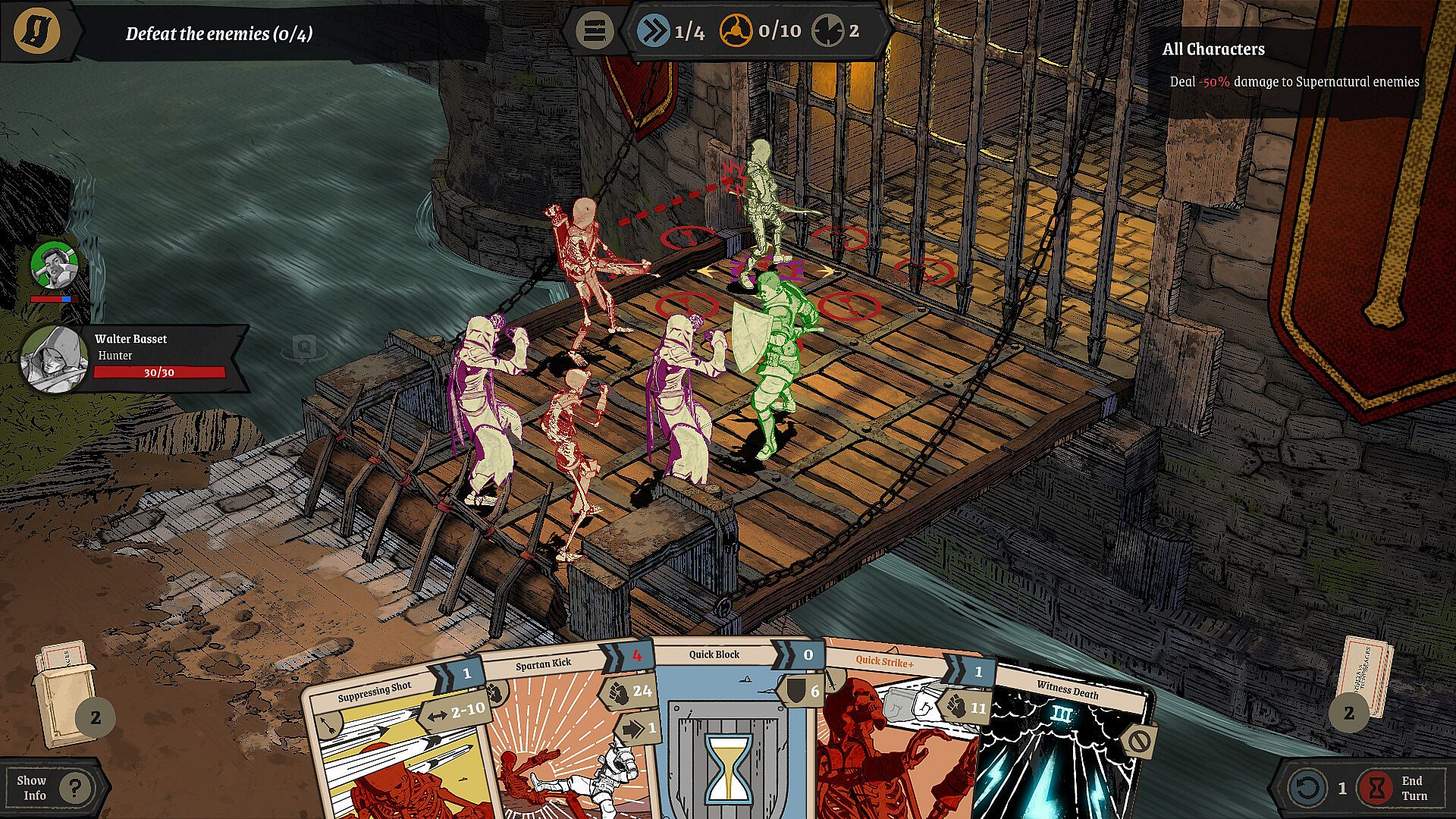
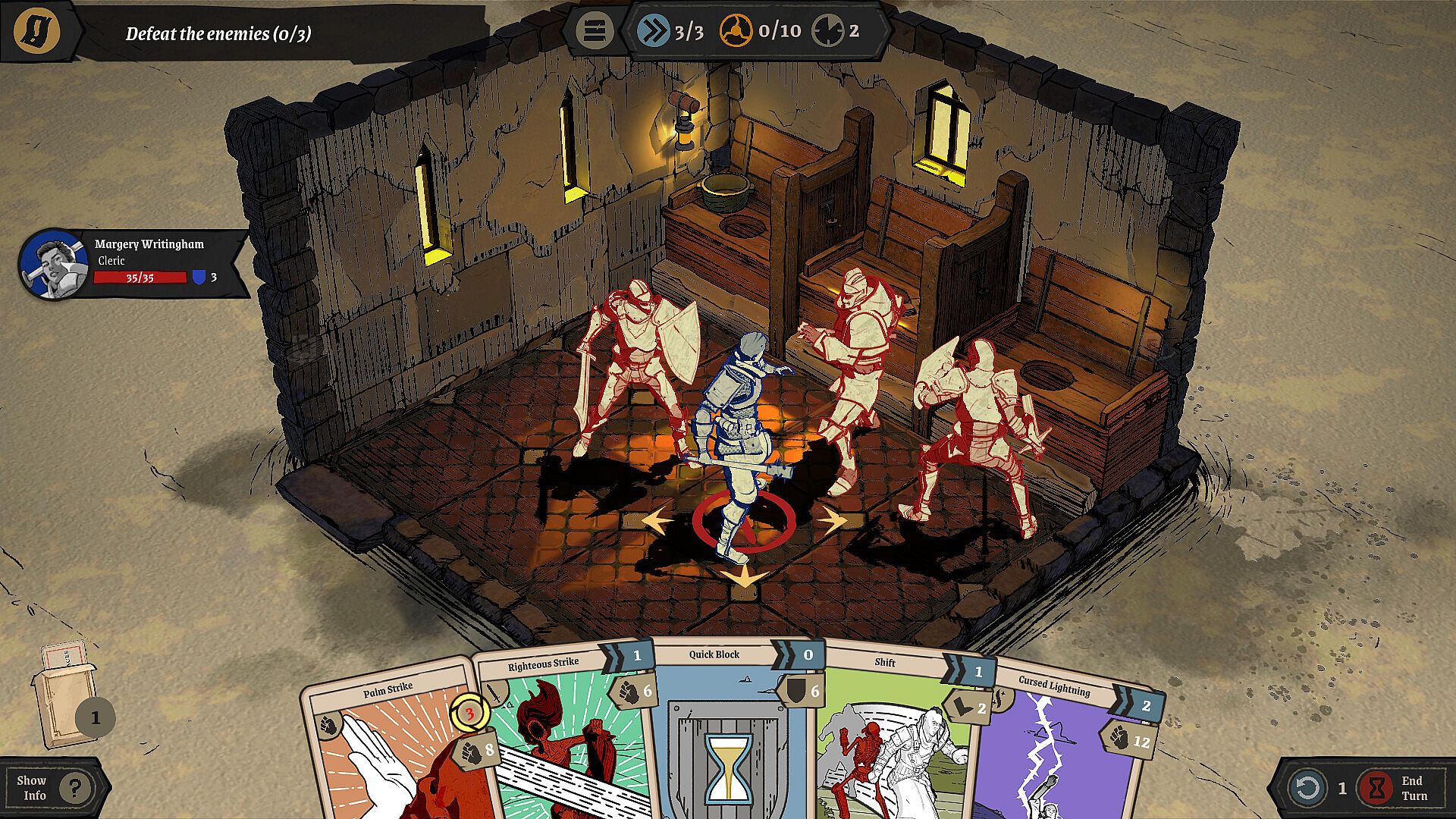
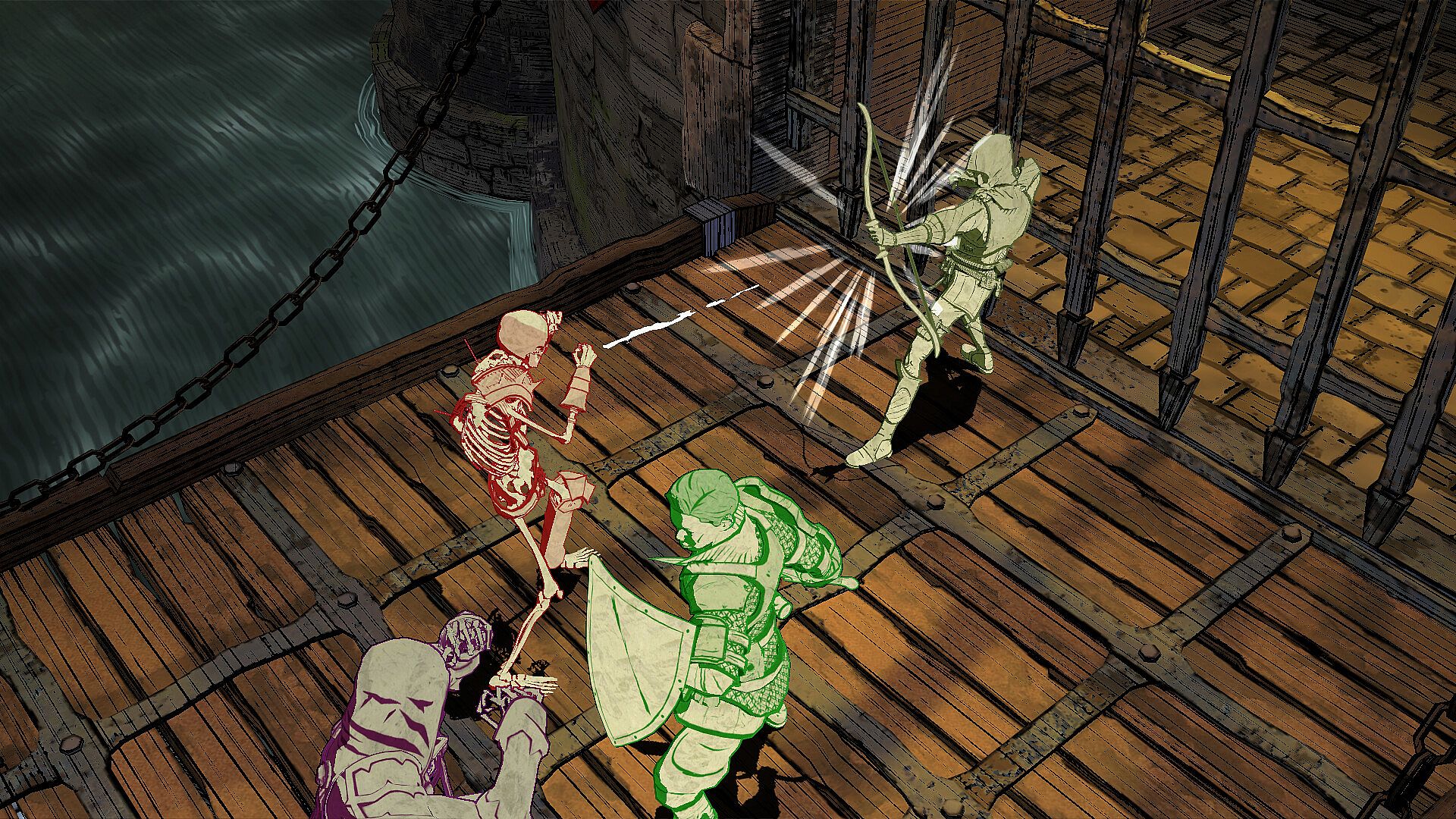
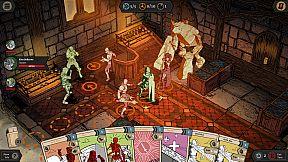
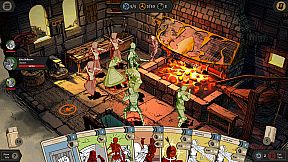
Knights in Tight Spaces is a turn-based tactical strategy game that combines deckbuilding with position-based combat in a medieval setting. Players control a party of knights who battle through scenarios filled with enemies, using cards to execute attacks, abilities, and environmental interactions. The core loop revolves around planning moves on a grid-like battlefield where positioning determines success, as characters interact with obstacles and foes in specific ways to gain advantages.
Gameplay
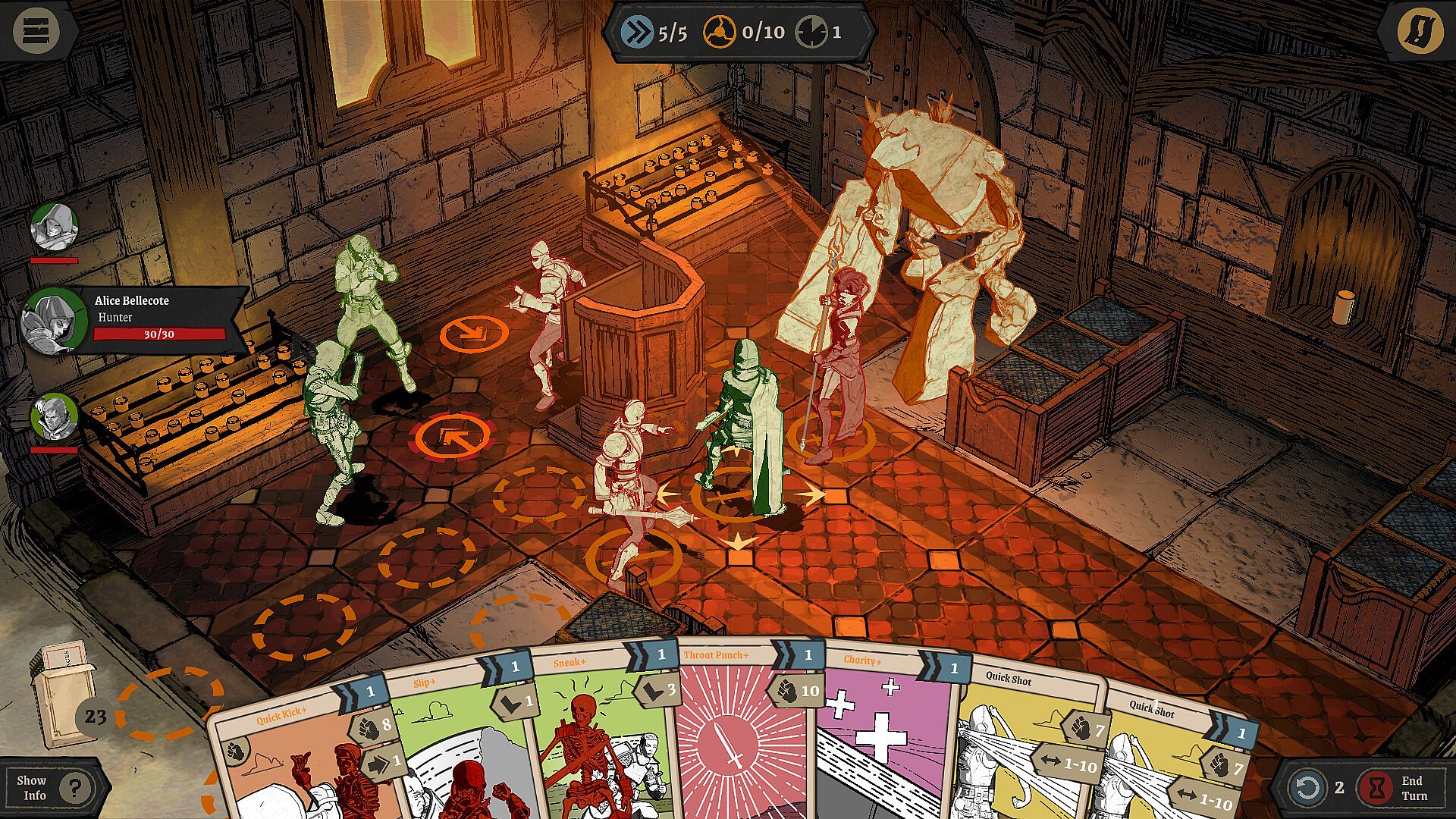
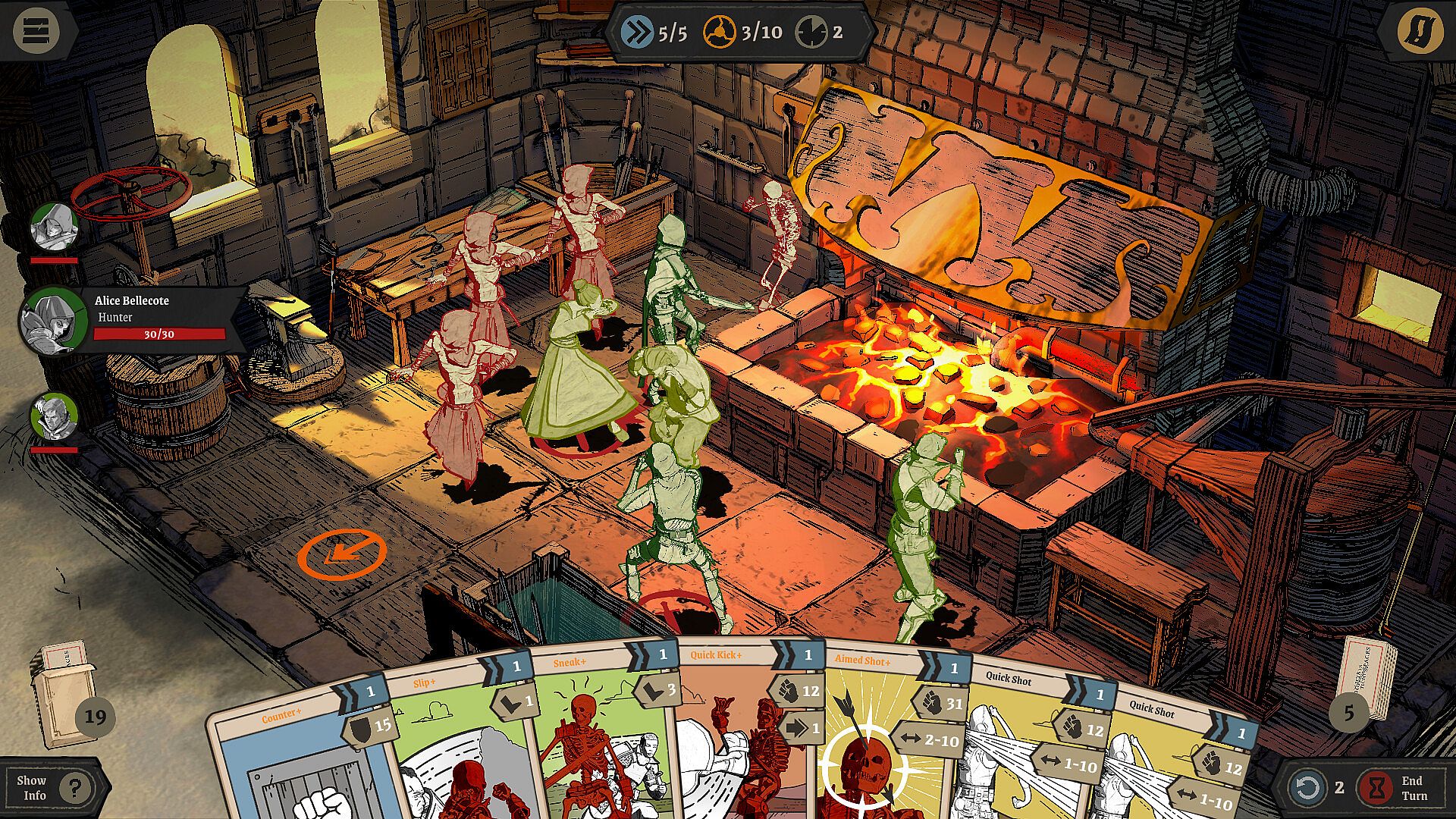
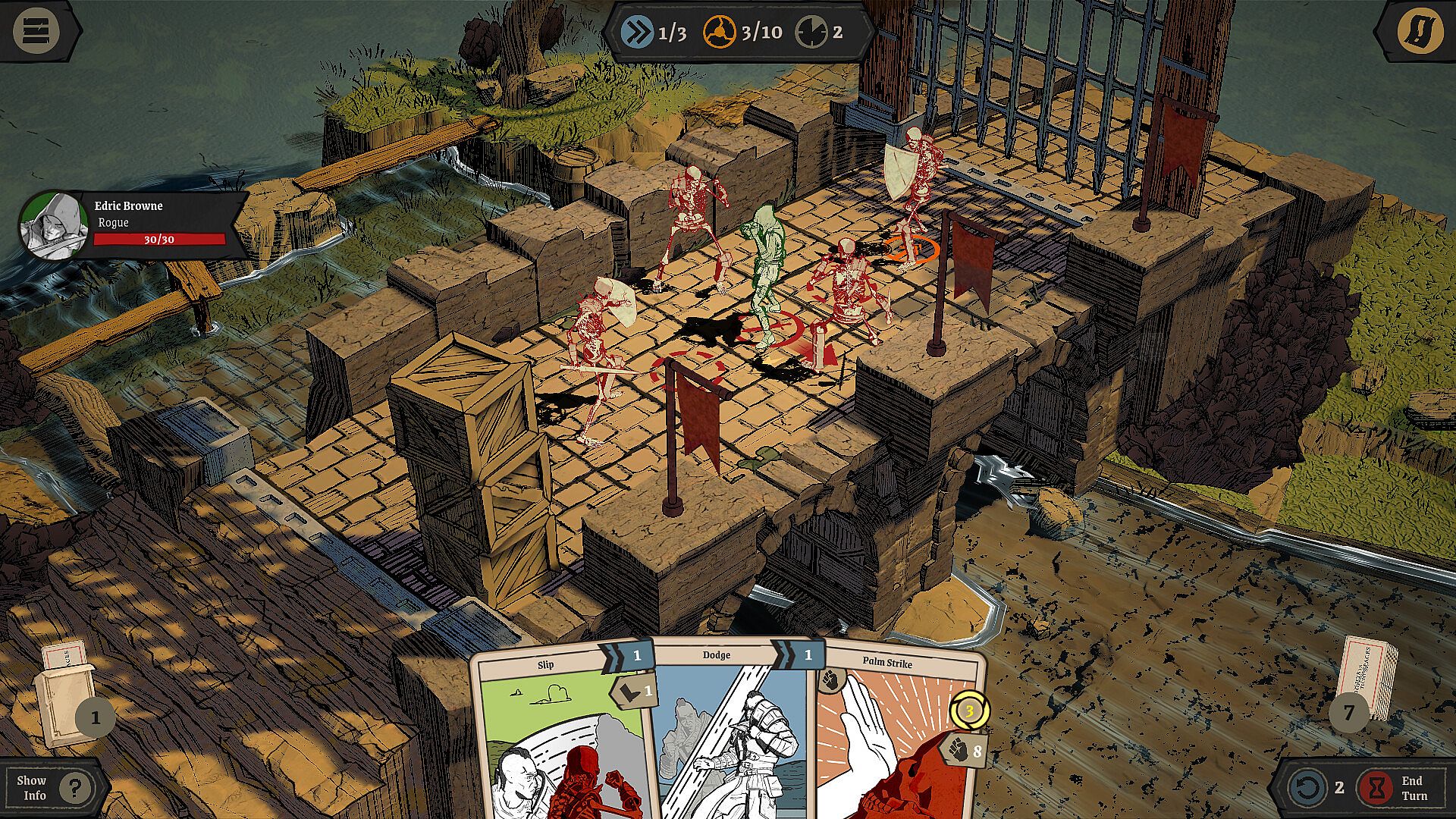
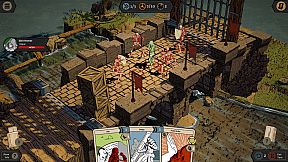
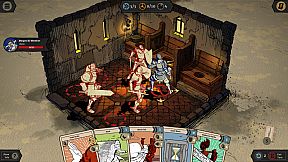
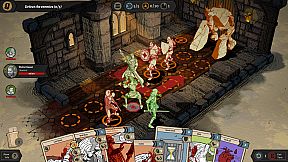
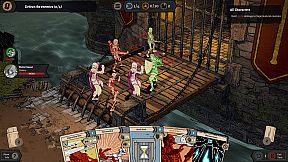
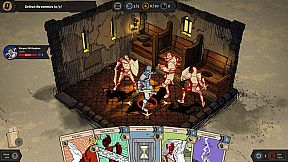
Combat unfolds in turns where each knight plays cards from a personal deck while managing resources like momentum and combo points. These points unlock powerful team-up moves that combine actions across multiple party members for greater impact. Positioning matters heavily because attacks and effects often depend on relative locations, allowing players to push enemies into hazards or set up chain reactions. The game emphasizes careful planning over raw power, rewarding those who adapt their tactics to the layout of each encounter.
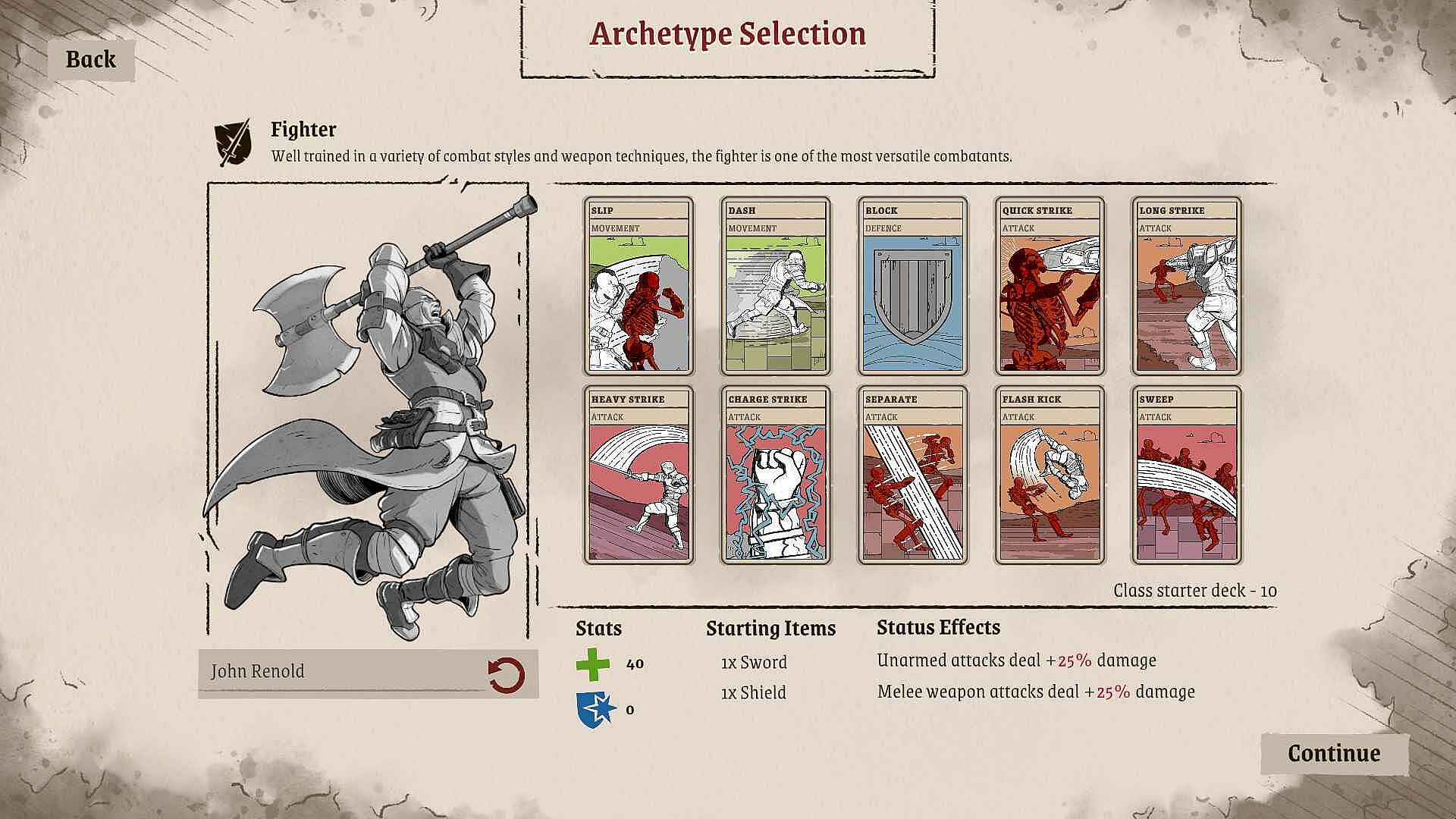
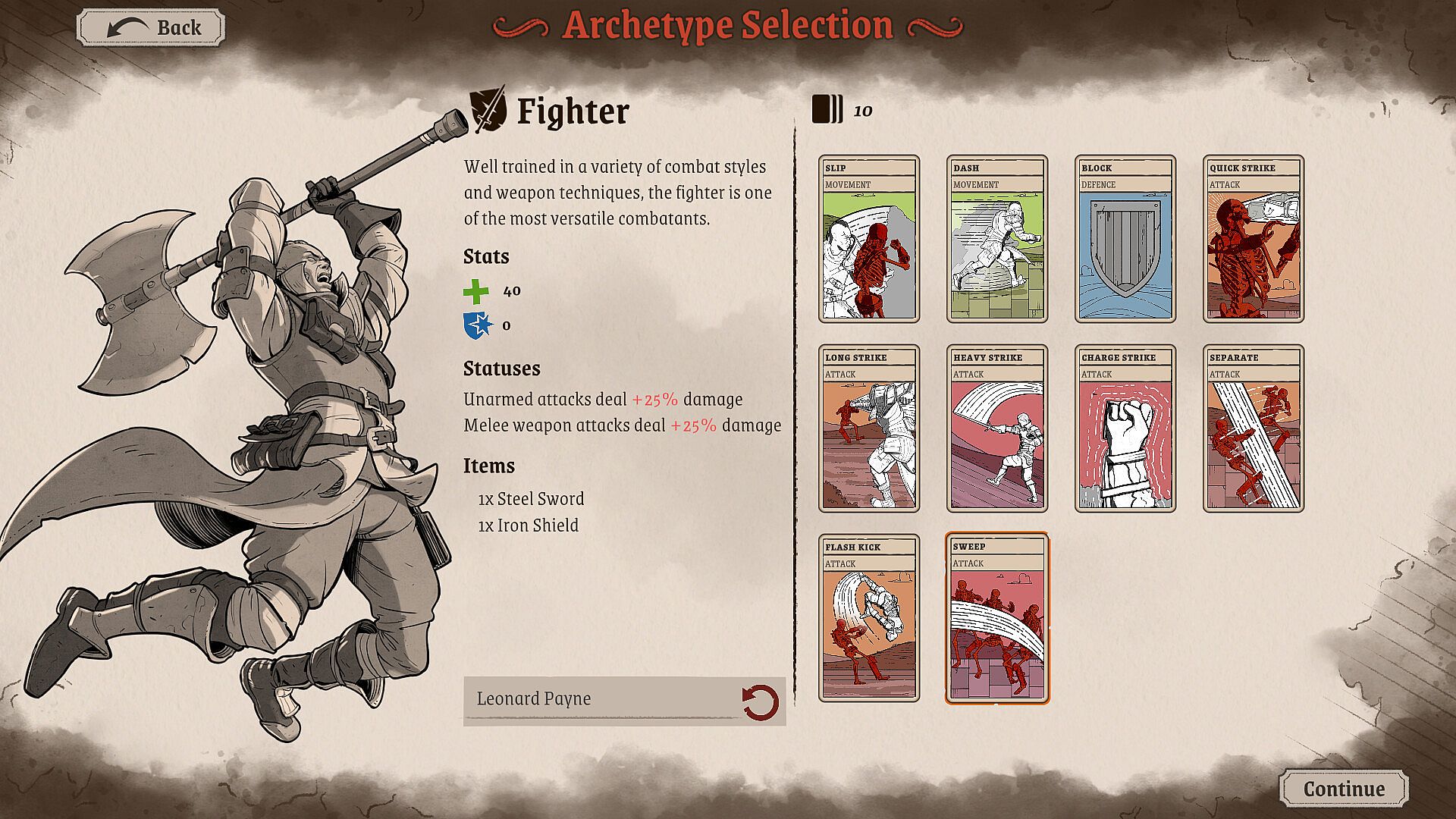
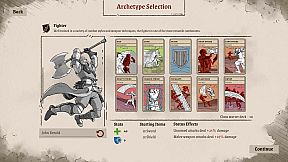
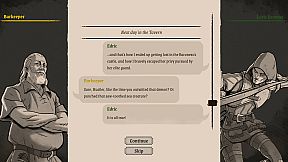
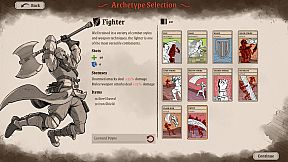
Recruitment adds depth as players expand their roster during runs. Each new character brings unique class abilities and card options, but choices carry consequences since rejecting certain recruits can alter future opportunities. Gear and upgrades further customize knights, letting players refine decks for specific playstyles such as aggressive offense or defensive control. With around 300 cards available across classes, experimentation leads to varied strategies that shift based on synergies and team composition.
Game Modes
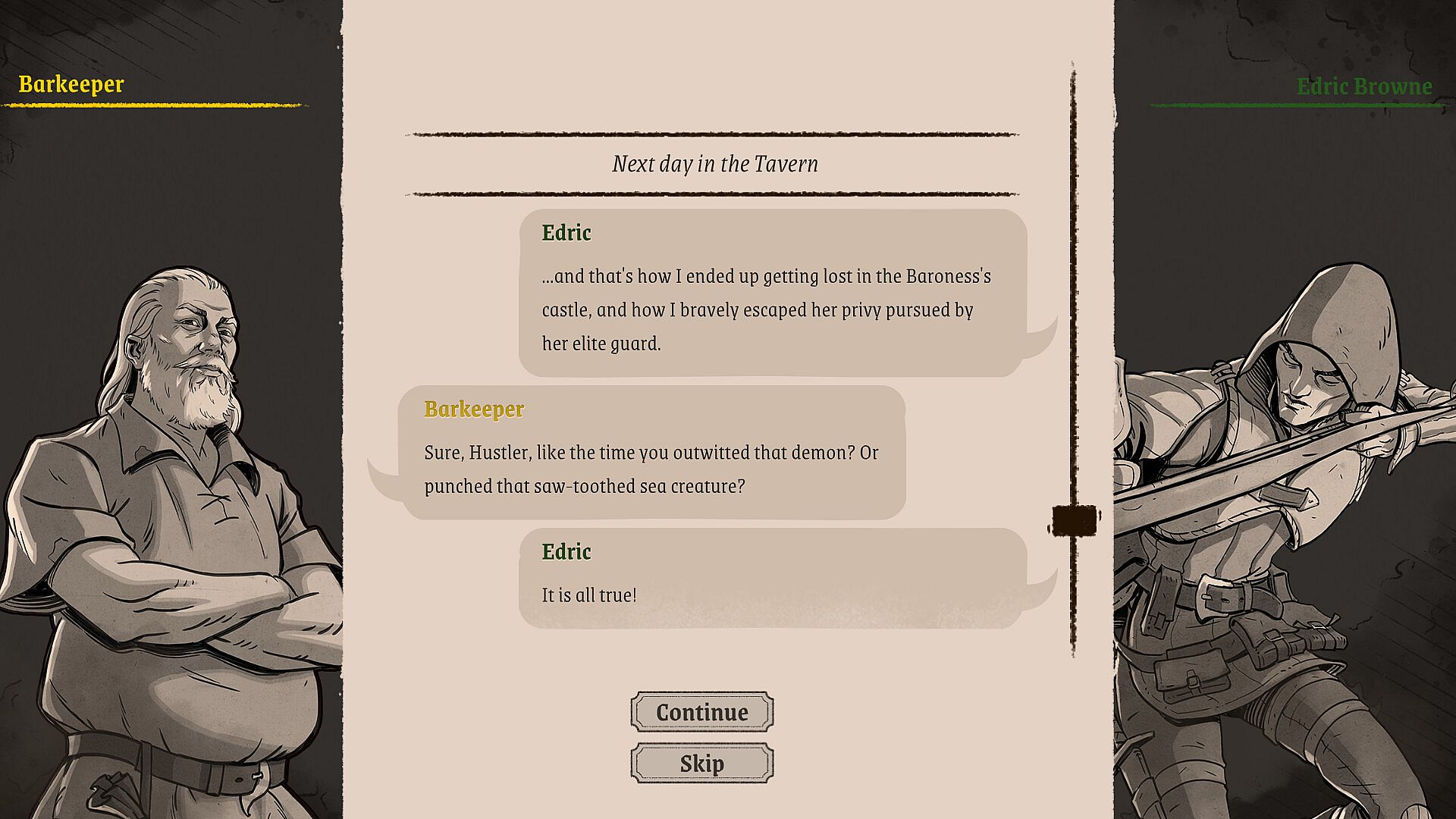
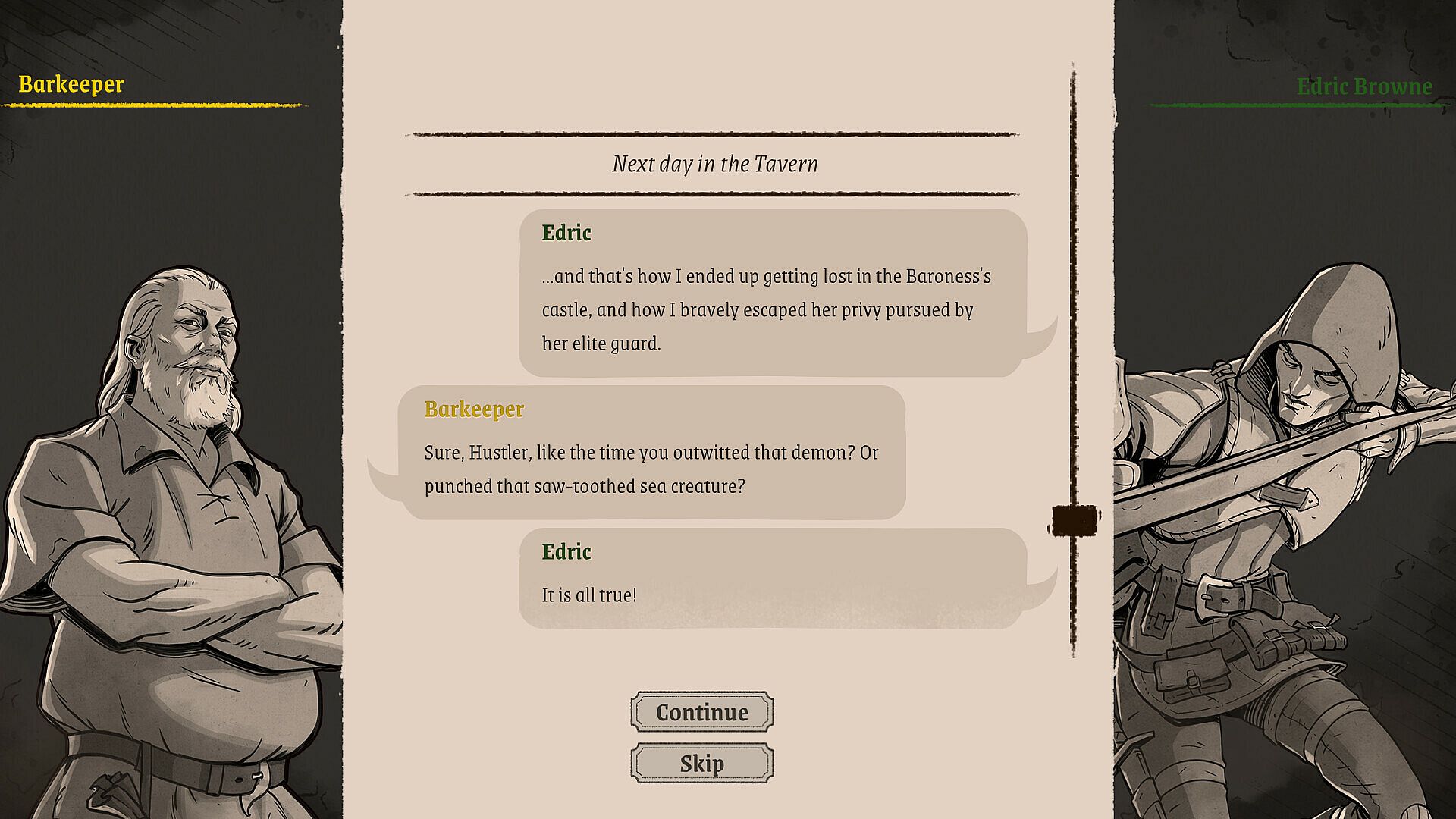
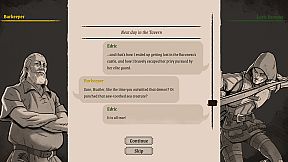
Story mode presents a narrative campaign where players follow a warrior's journey across a procedural map. Choices during recruitment and progression influence the path, revealing details about a secret society while facing escalating challenges. This mode blends structured objectives with roguelike elements, encouraging multiple attempts to uncover different outcomes.
Daily Play offers a leaderboard-focused challenge that resets regularly, providing fresh scenarios designed for competitive scoring. Endless mode removes narrative constraints entirely, letting players push their builds as far as possible against increasingly difficult waves. Both modes test mastery of the same core systems but in formats suited to quick sessions or long-term grinding.
Deckbuilding and Progression
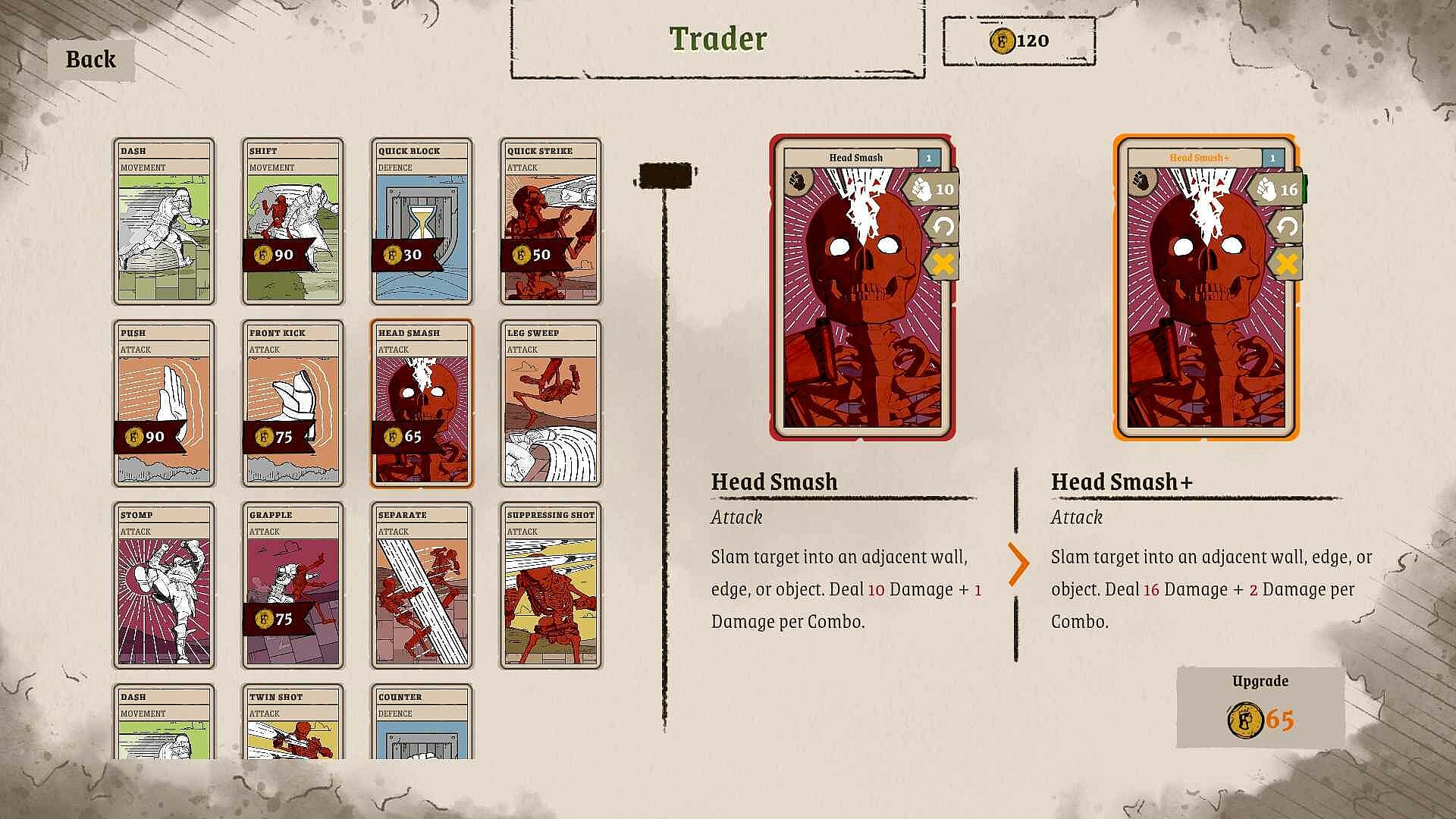
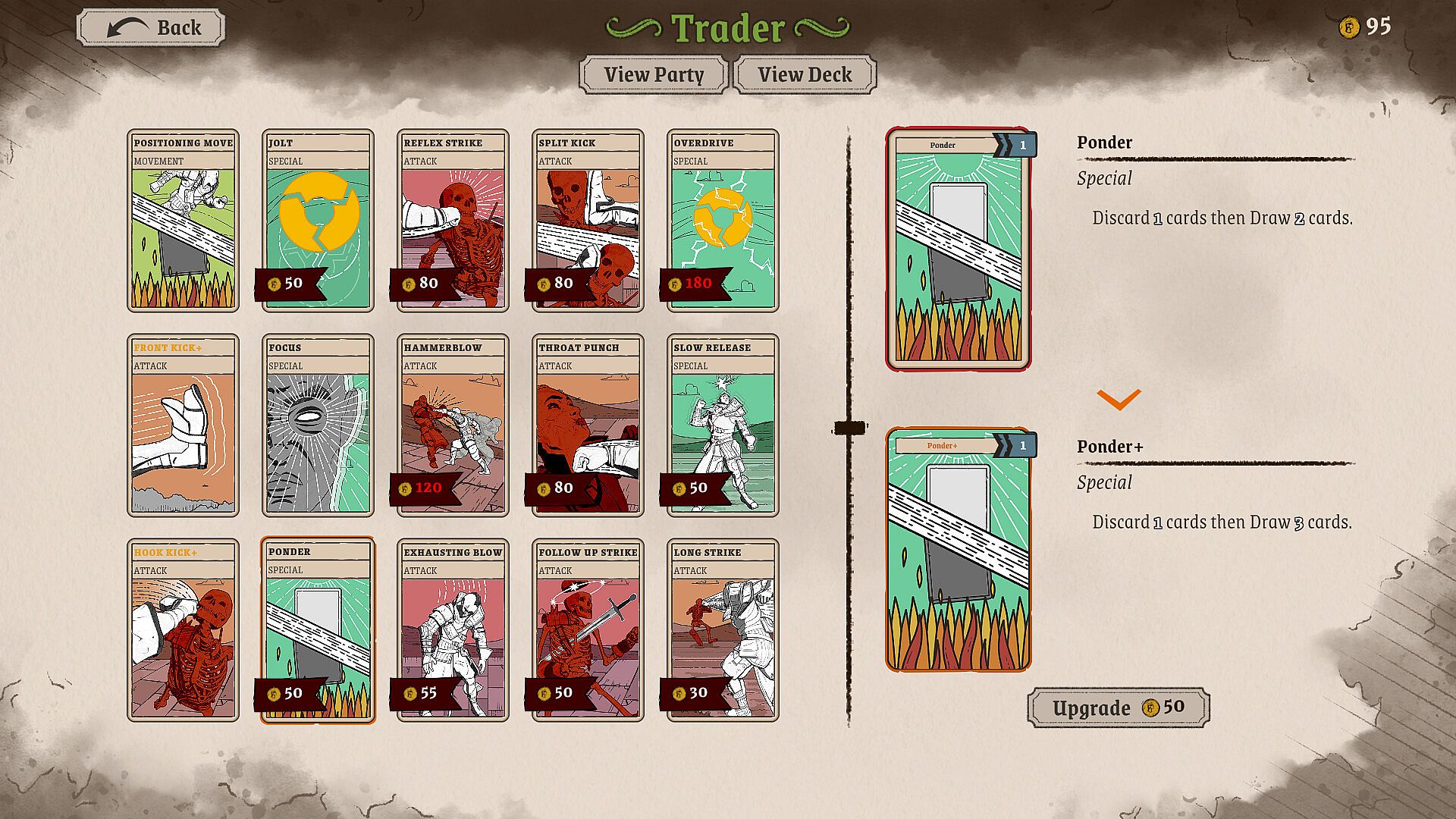
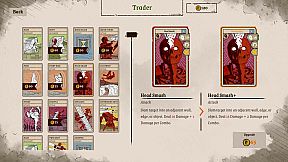
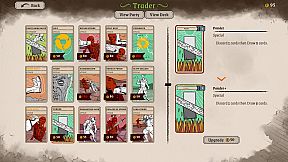
Deck construction forms the heart of long-term engagement. Players start with basic cards and expand through recruitment, rewards, and an upgrading system that improves existing options or adds new effects. Classes provide distinct card pools, while gear slots allow further tailoring for roles like frontline tanks or support specialists. Success depends on building cohesive synergies rather than collecting the strongest individual cards, as team-up abilities require compatible party members to activate reliably.
Procedural elements in the map and encounters ensure each run feels distinct. Environmental factors, such as obstacles or enemy placements, force constant reevaluation of strategies. This setup rewards players who learn to read the battlefield quickly and adjust their hand accordingly.
Visual Style and Audio
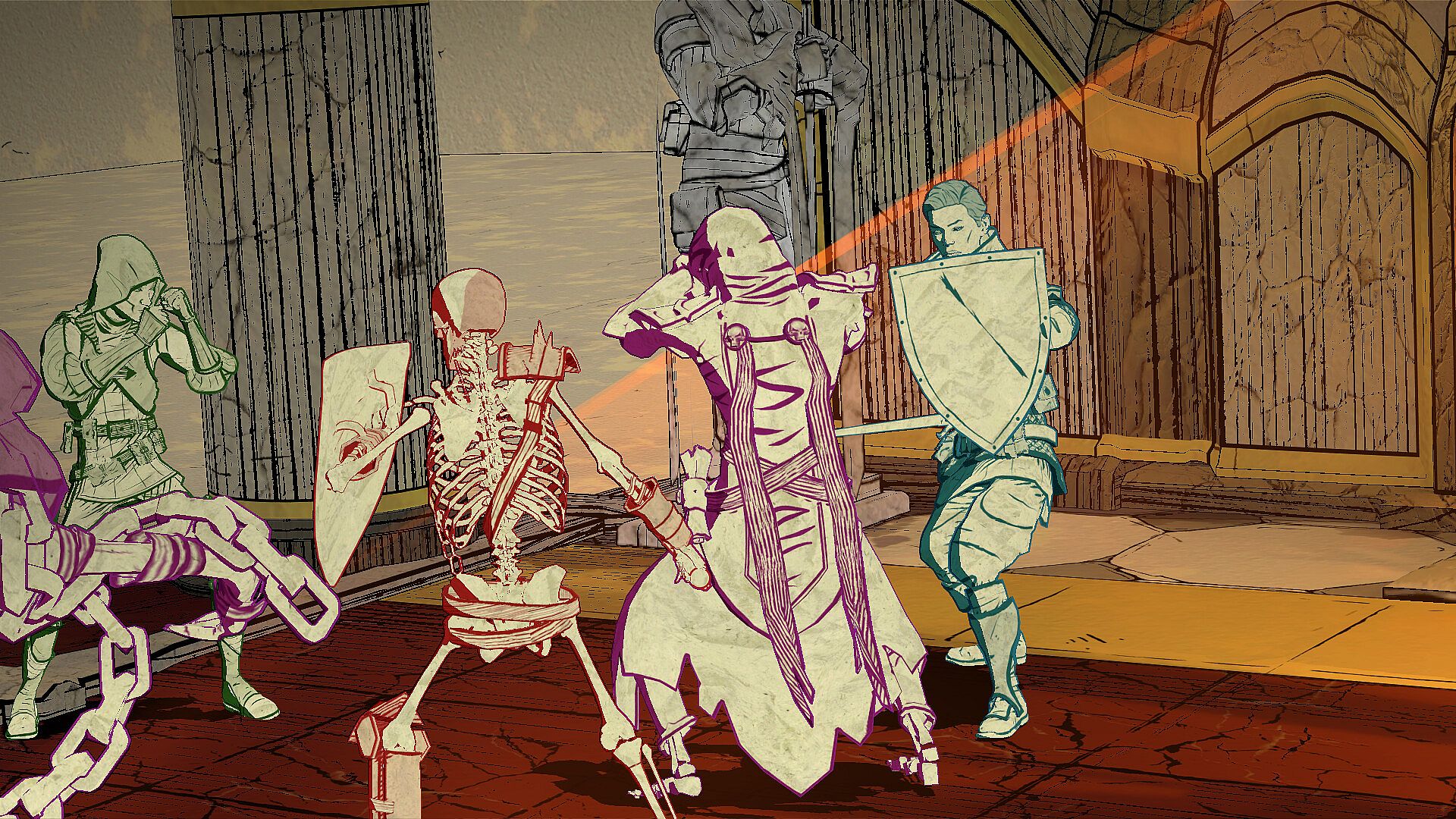
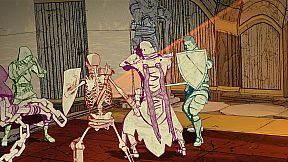
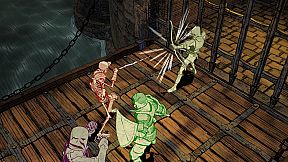
Battles feature stylized animations with action-movie flair, including dynamic camera work and particle effects that highlight key moments. The presentation stays consistent across encounters, emphasizing clarity during tactical decisions. An electronic soundtrack accompanies the action, providing an energetic backdrop that fits the fast-paced decision making without overpowering the focus on strategy.
Is It Worth Playing?
Knights in Tight Spaces appeals most to players who enjoy tactical deckbuilders with roguelike progression and emphasis on positioning. The combination of card synergies, party management, and environmental control creates satisfying depth for those willing to experiment across multiple runs. Story mode delivers a complete single-player experience with meaningful choices, while Daily Play and Endless modes extend replayability for competitive or endurance-focused players.
Reception highlights strong fundamentals in combat and buildcrafting, though some note the interface can feel cluttered during complex turns. The game suits fans of similar titles who value strategic planning over action reflexes. Its release in early 2025 means it stands as a complete package with the listed modes and systems intact, making it a solid choice for anyone seeking methodical, grid-based tactics in a medieval deckbuilding framework.