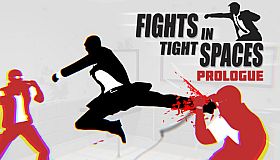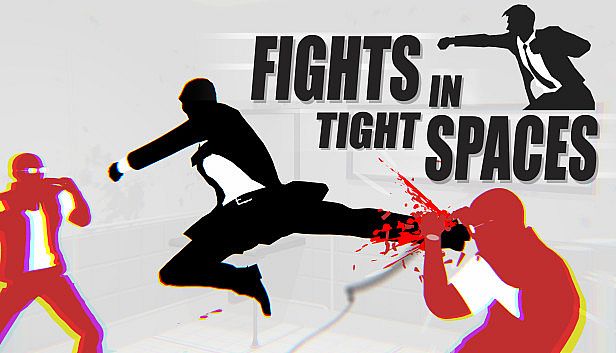



















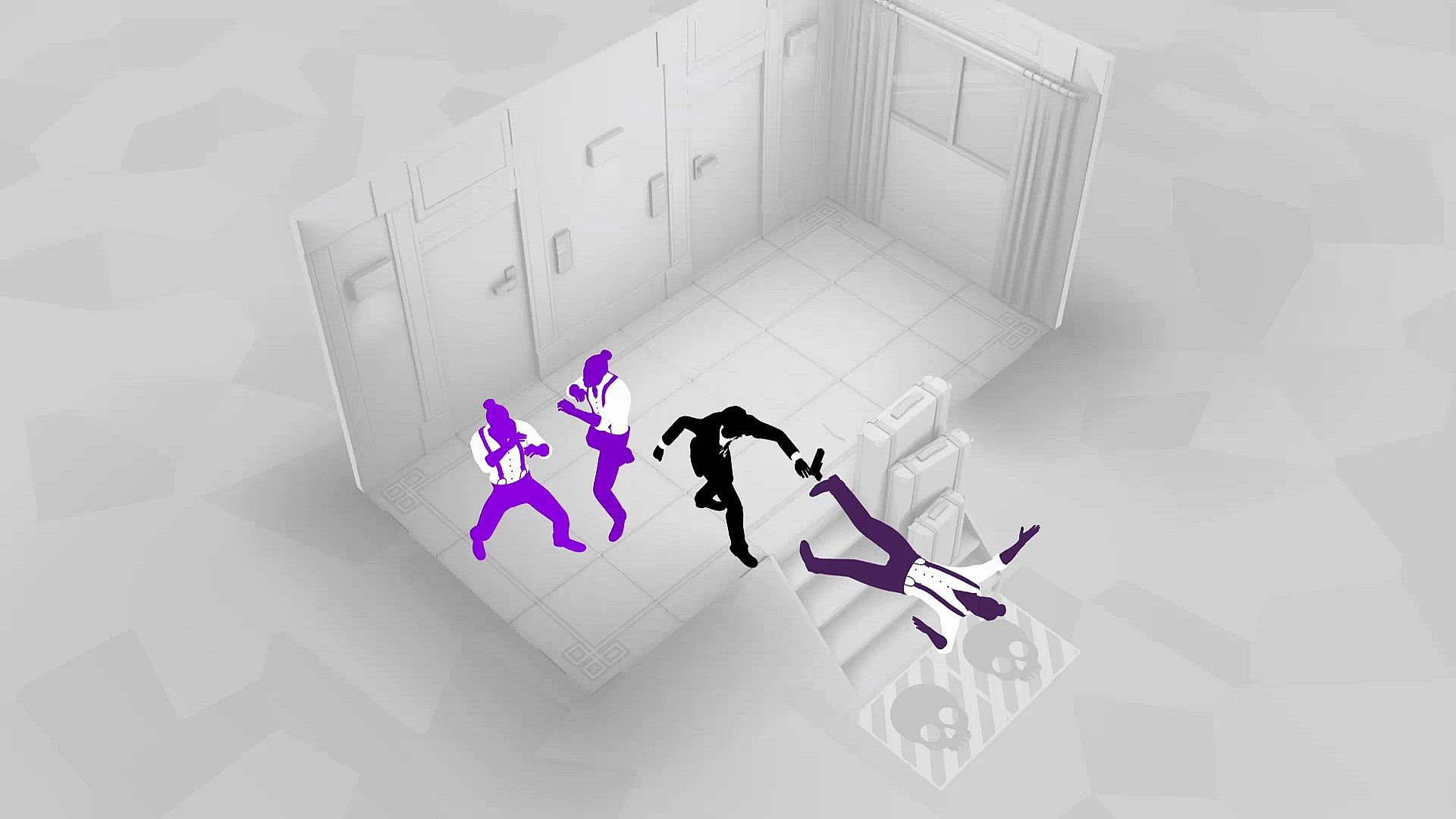
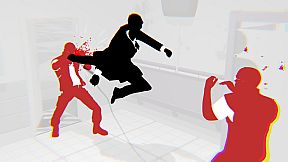
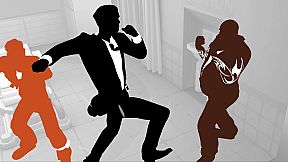
Fights in Tight Spaces is a card-based tactical fighting game that combines deck-building with turn-based strategy in single-player campaigns set against criminal organizations. Players control a Section Eleven agent who handles threats through direct physical confrontations in confined environments typical of action films.
Gameplay
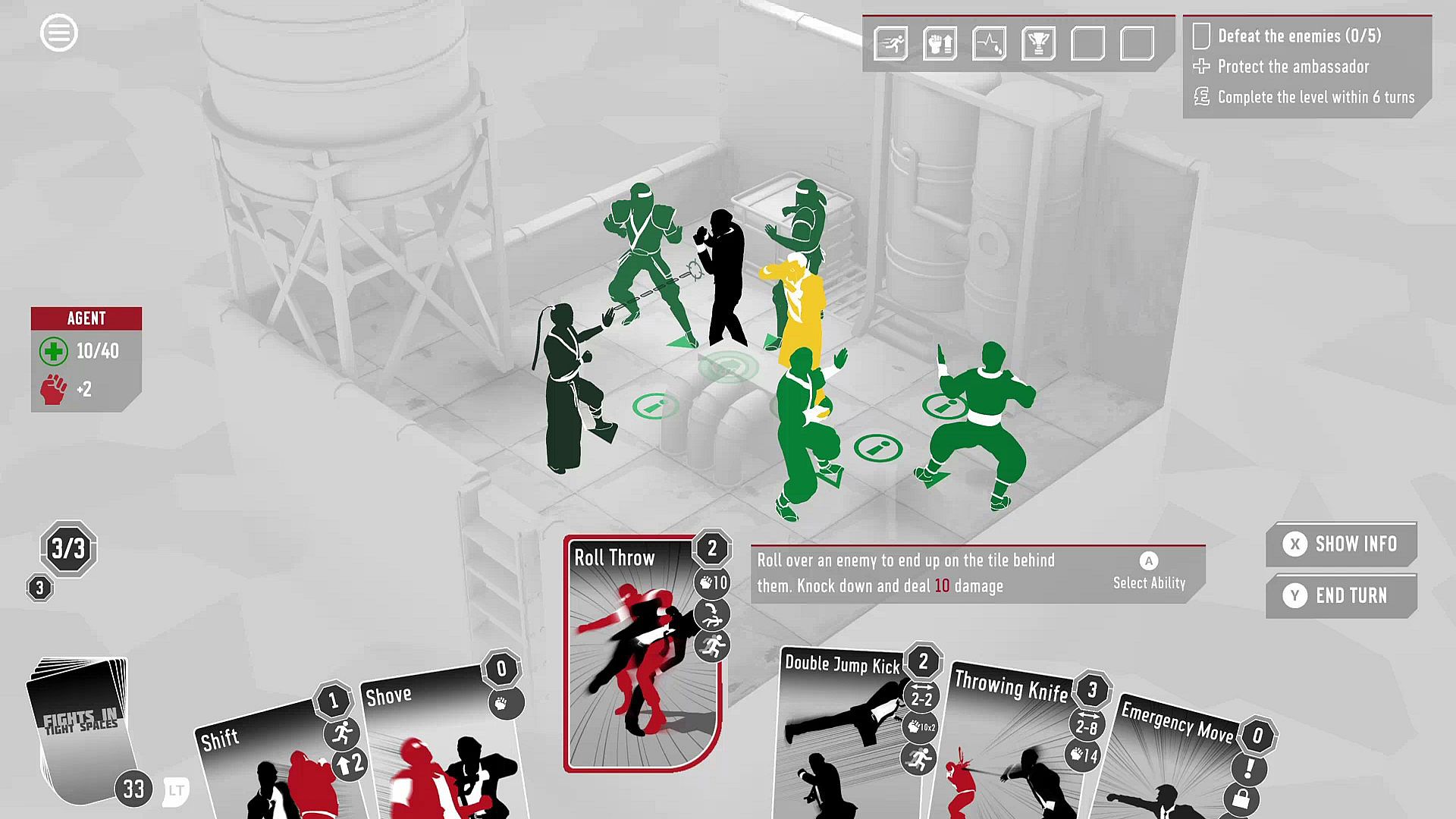
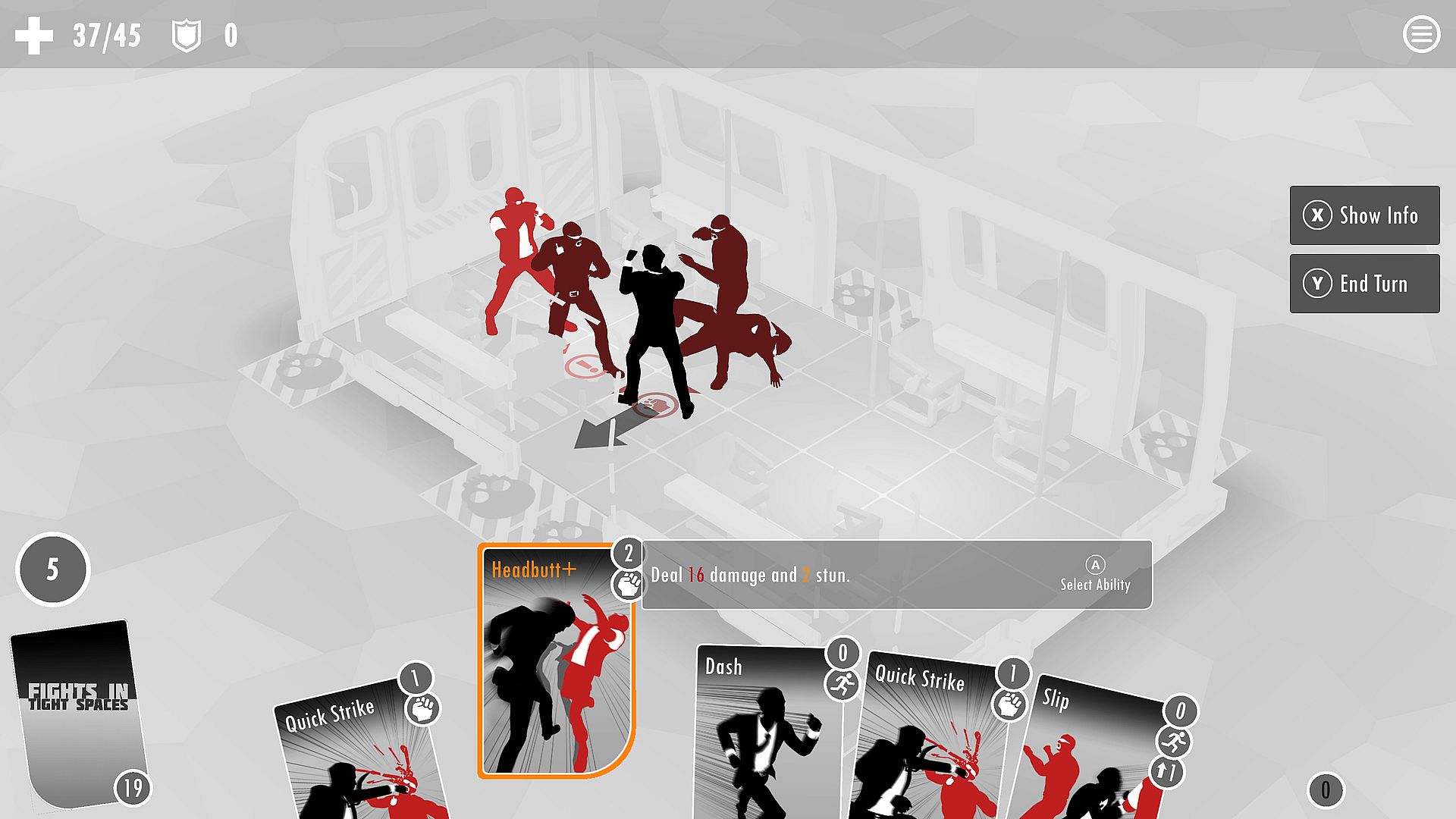
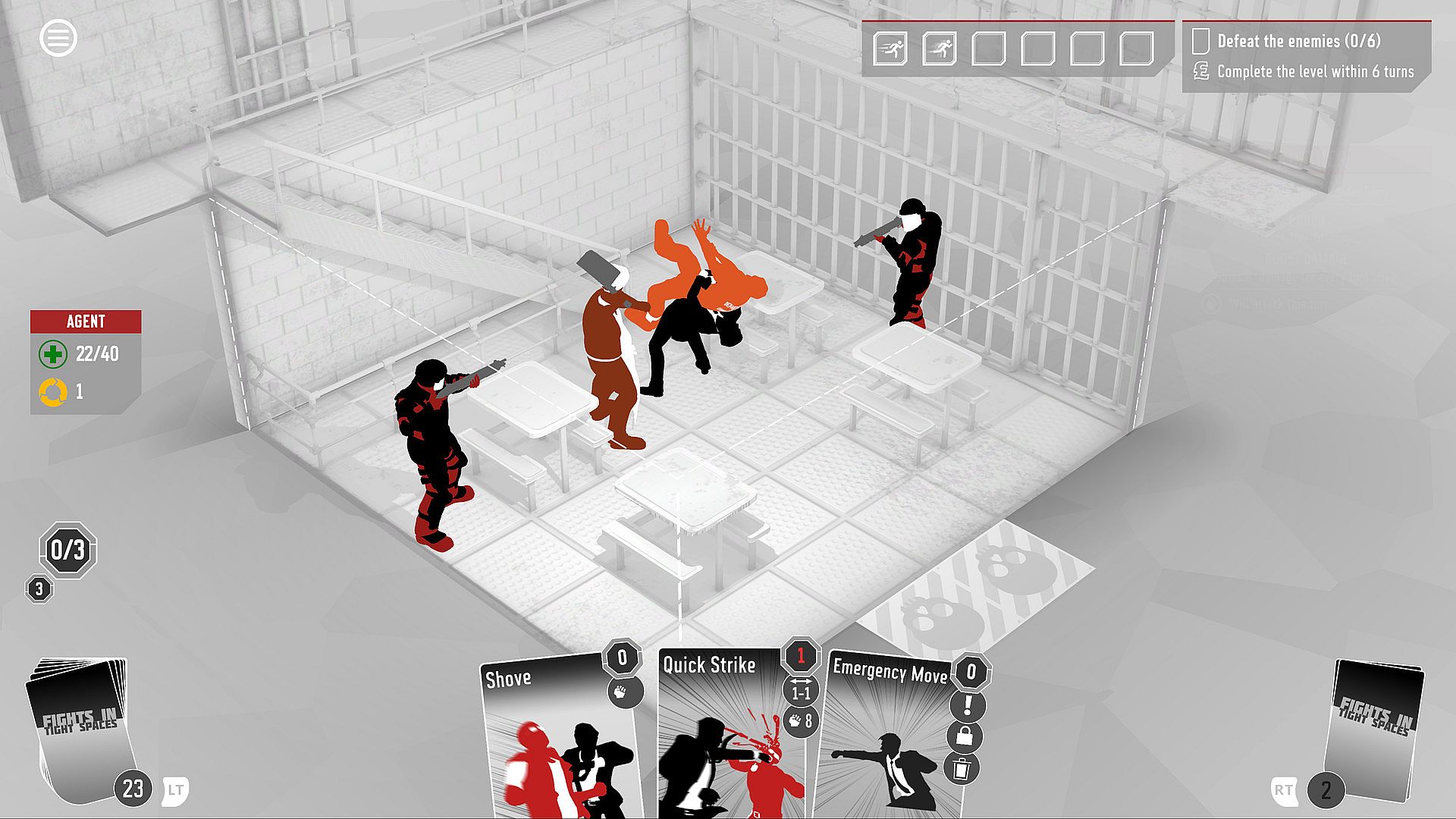
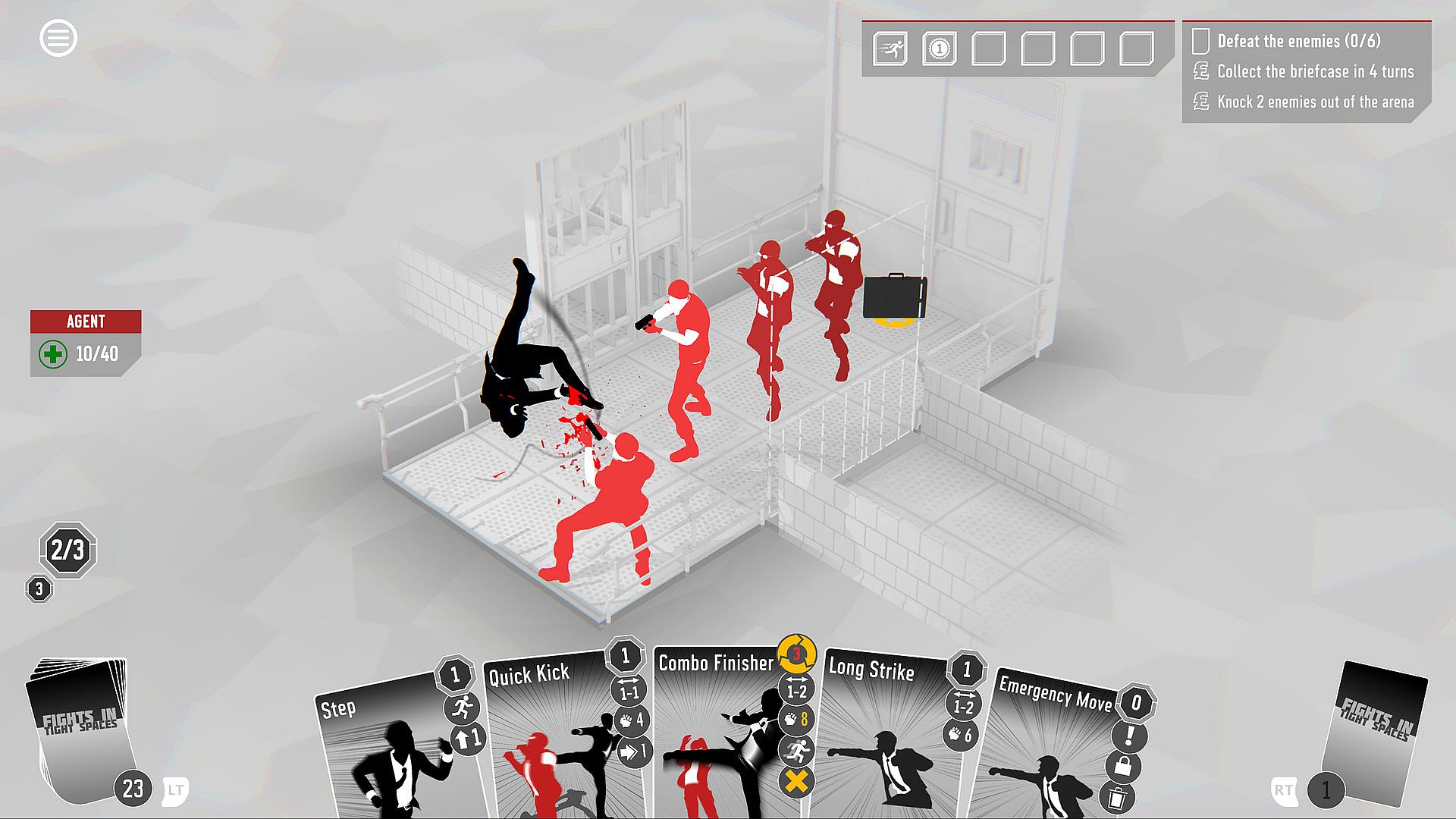
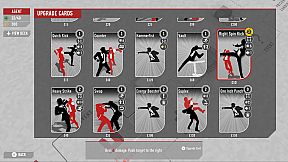
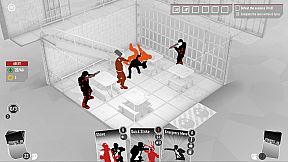
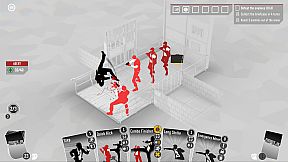
The core loop revolves around building and refining a deck of over 200 cards that represent specific moves. Each turn starts with a hand draw, and cards consume action points while advancing a combo meter that unlocks stronger options or enables follow-up attacks. Positioning matters heavily because many cards allow players to shove enemies into hazards, block incoming strikes, or set up counters based on visible enemy intentions.
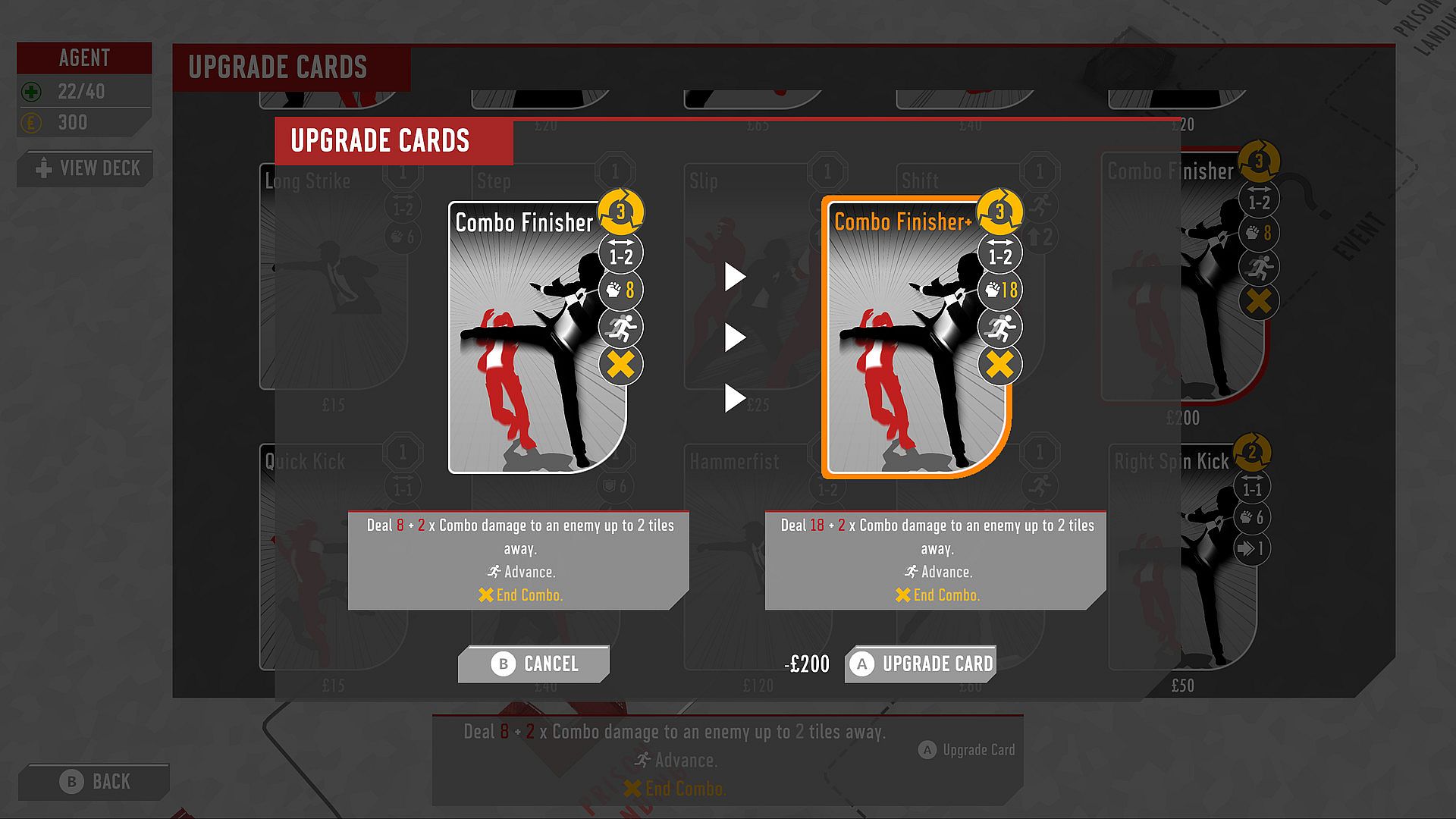
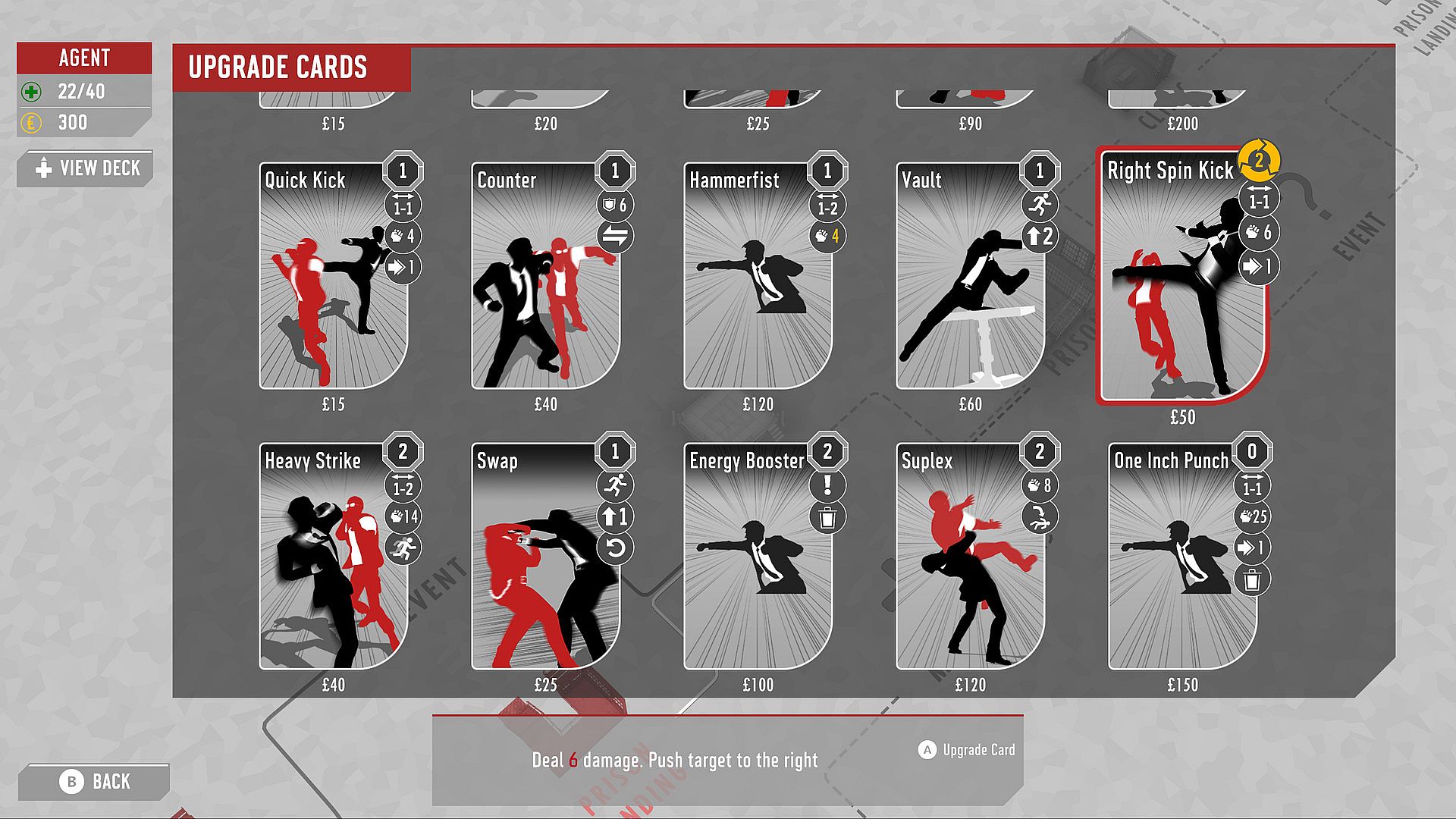
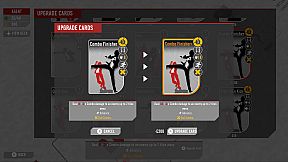
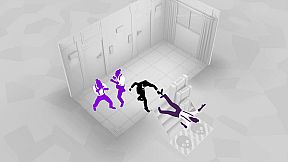
Between encounters, choices include adding new cards, upgrading existing ones, or removing weaker options from the deck. Random events during runs can grant enhancements to the agent or inflict injuries that alter available tactics. The environment serves as a tool, with tight spaces forcing creative use of walls, cover, and enemy placements to survive waves of henchmen before reaching chapter bosses.
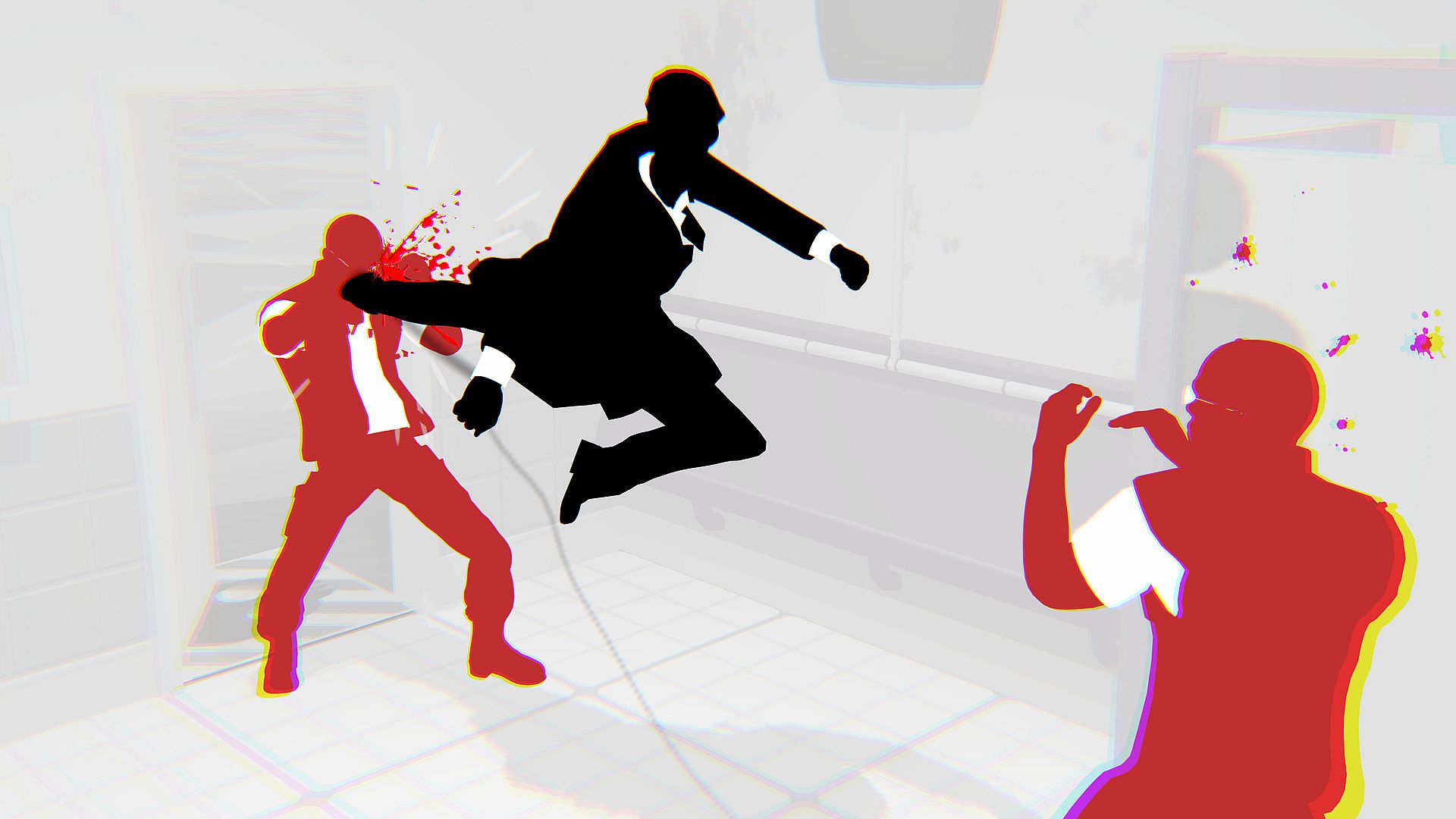
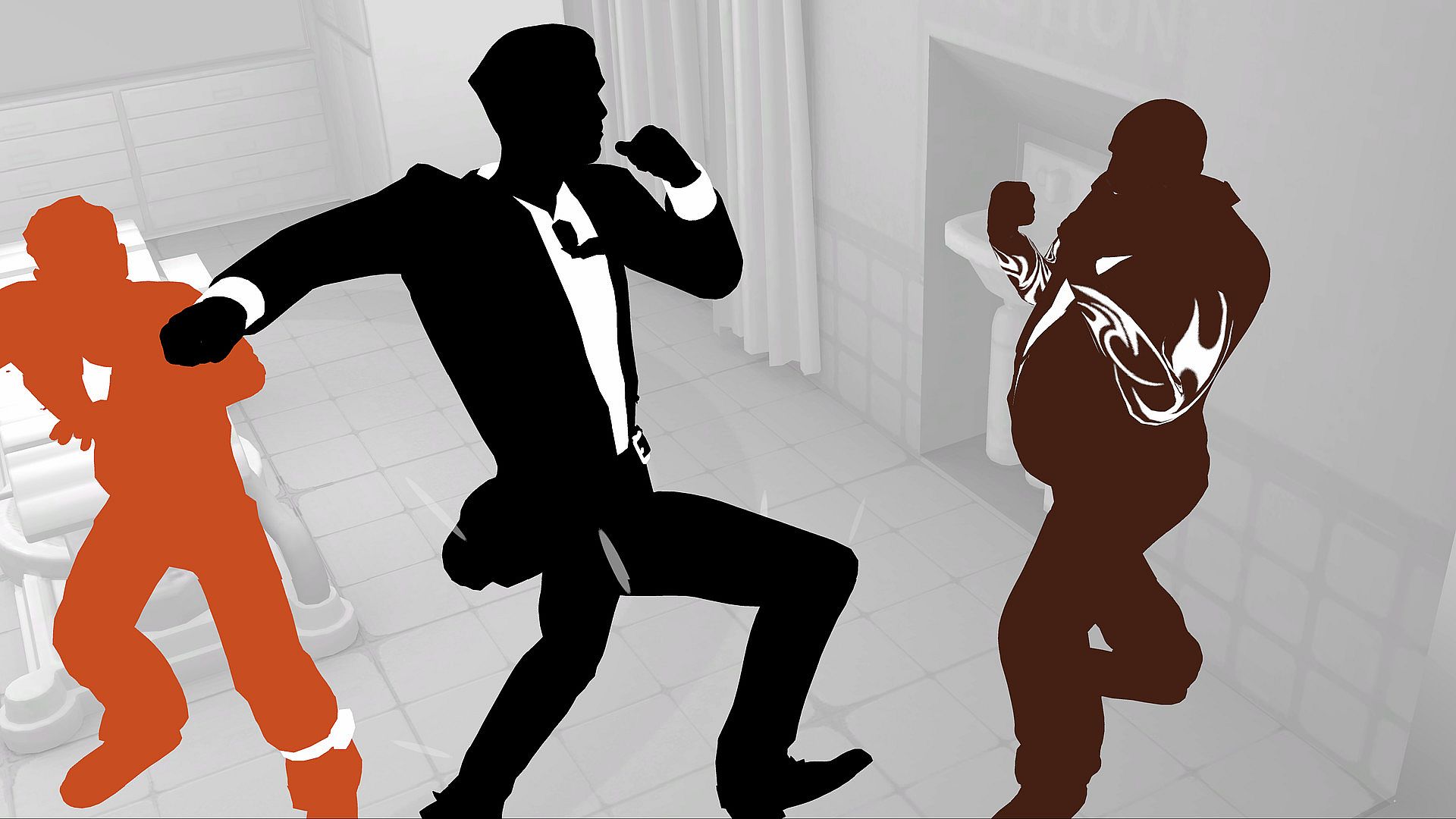
Successful encounters offer the option to replay the sequence as a real-time animated fight sequence that highlights the choreography of the chosen moves.
Game Modes
The main campaign structures play across multiple chapters, each featuring a series of randomized scenarios leading to a boss confrontation. Roguelike elements ensure that enemy compositions, rewards, and event order shift with every attempt, encouraging repeated runs to refine strategies.
Daily missions provide a fresh challenge each day, with scores tracked on an online leaderboard for comparison against other players. Additional options include endless threat modes that emphasize ongoing tactical adaptation without a fixed endpoint, alongside difficulty variants that adjust retry allowances and consequences for failed turns.
Deck Building and Agent Progression
Deck construction focuses on matching card synergies to specific opponent types and mission goals, such as protecting high-value targets during bodyguard assignments. Enhancements range from passive bonuses to new abilities that expand movement or defensive options, while injuries introduce permanent drawbacks that force adaptive playstyles.
Over the course of a run, players balance momentum management with spatial control, learning to chain attacks that disrupt enemy plans and clear groups efficiently in close quarters.
Is It Worth Playing?
Player reception has been very positive, with strong praise for the satisfying blend of planning and execution in its tactical systems. The roguelike structure supports high replay value through varied runs and daily challenges that keep the experience fresh long after the initial campaign completion.
This title suits those who enjoy deliberate turn-based decision making paired with deck-building depth in a single-player format. It delivers consistent tactical variety without relying on multiplayer elements, making it a strong choice for strategy fans seeking precise control over cinematic-style confrontations.