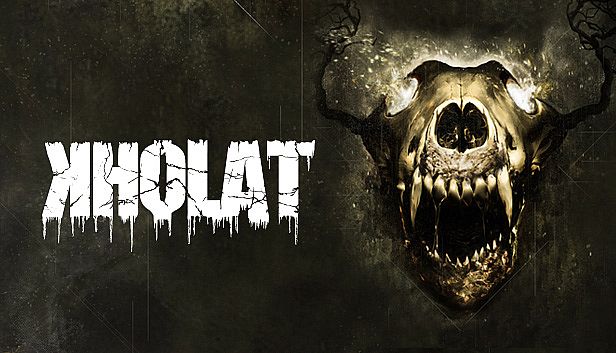


























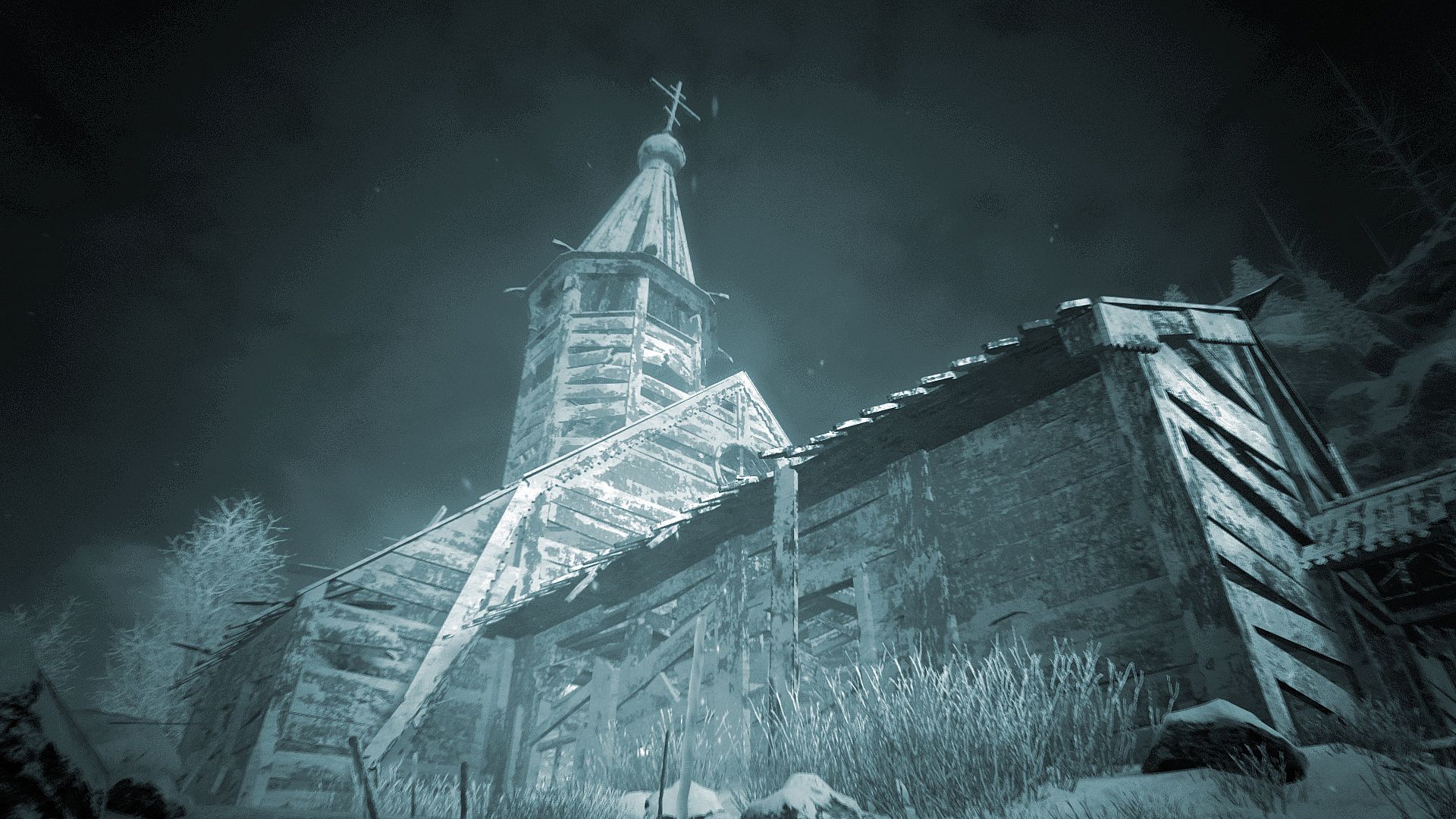
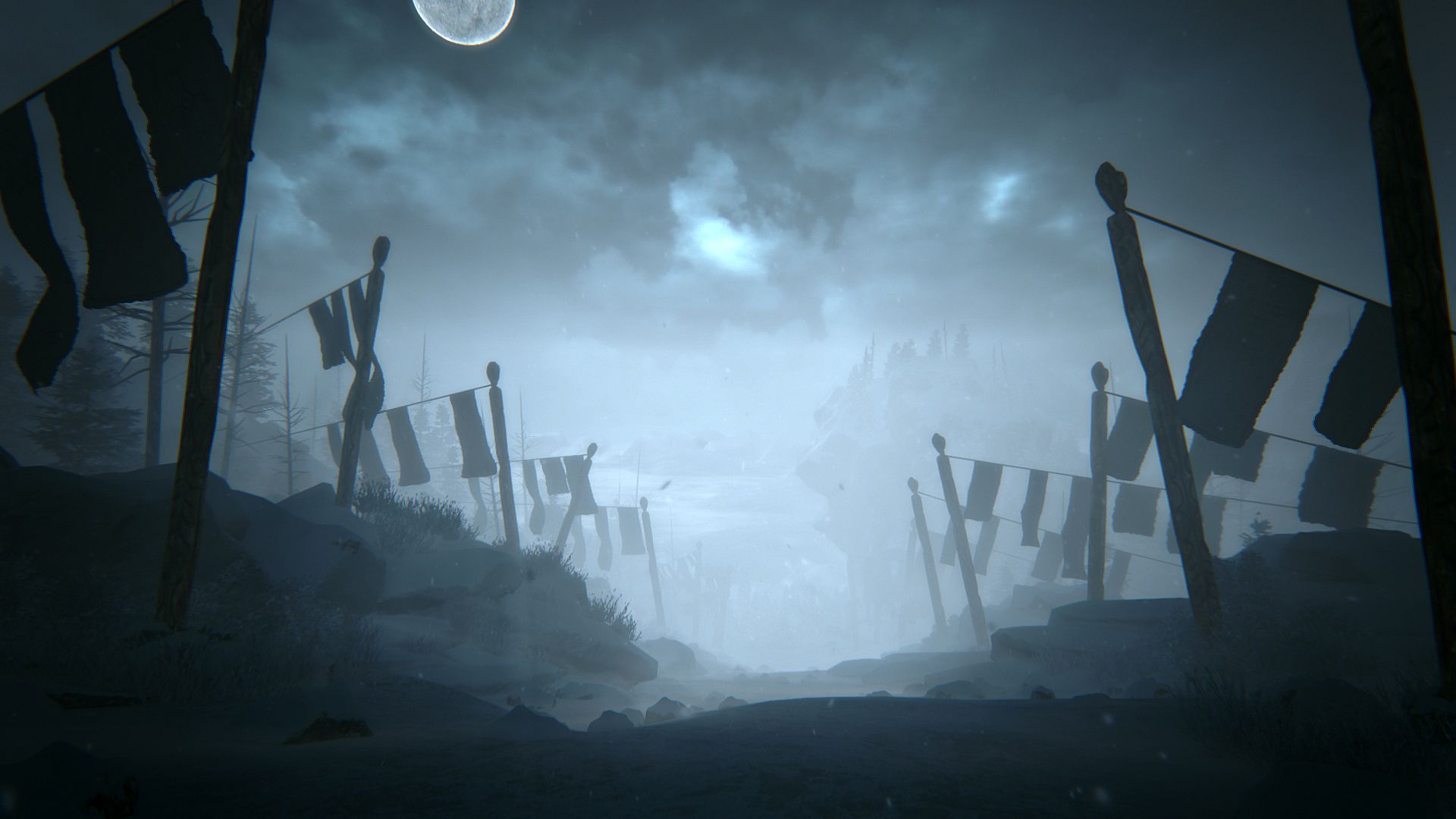
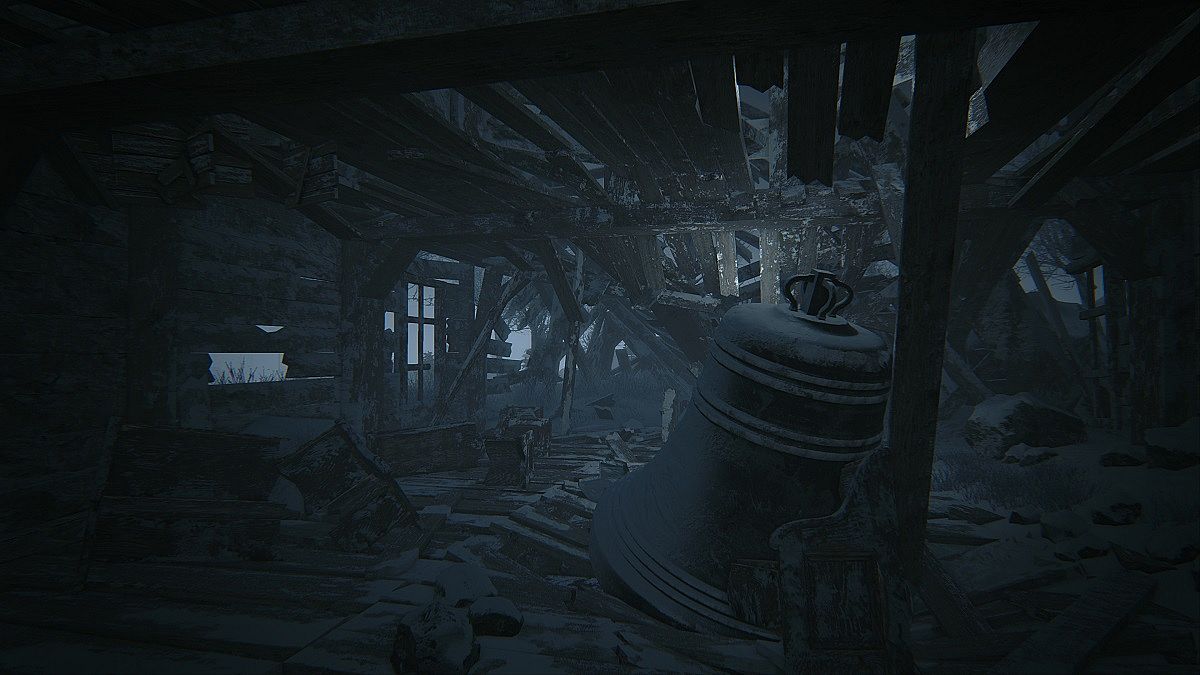
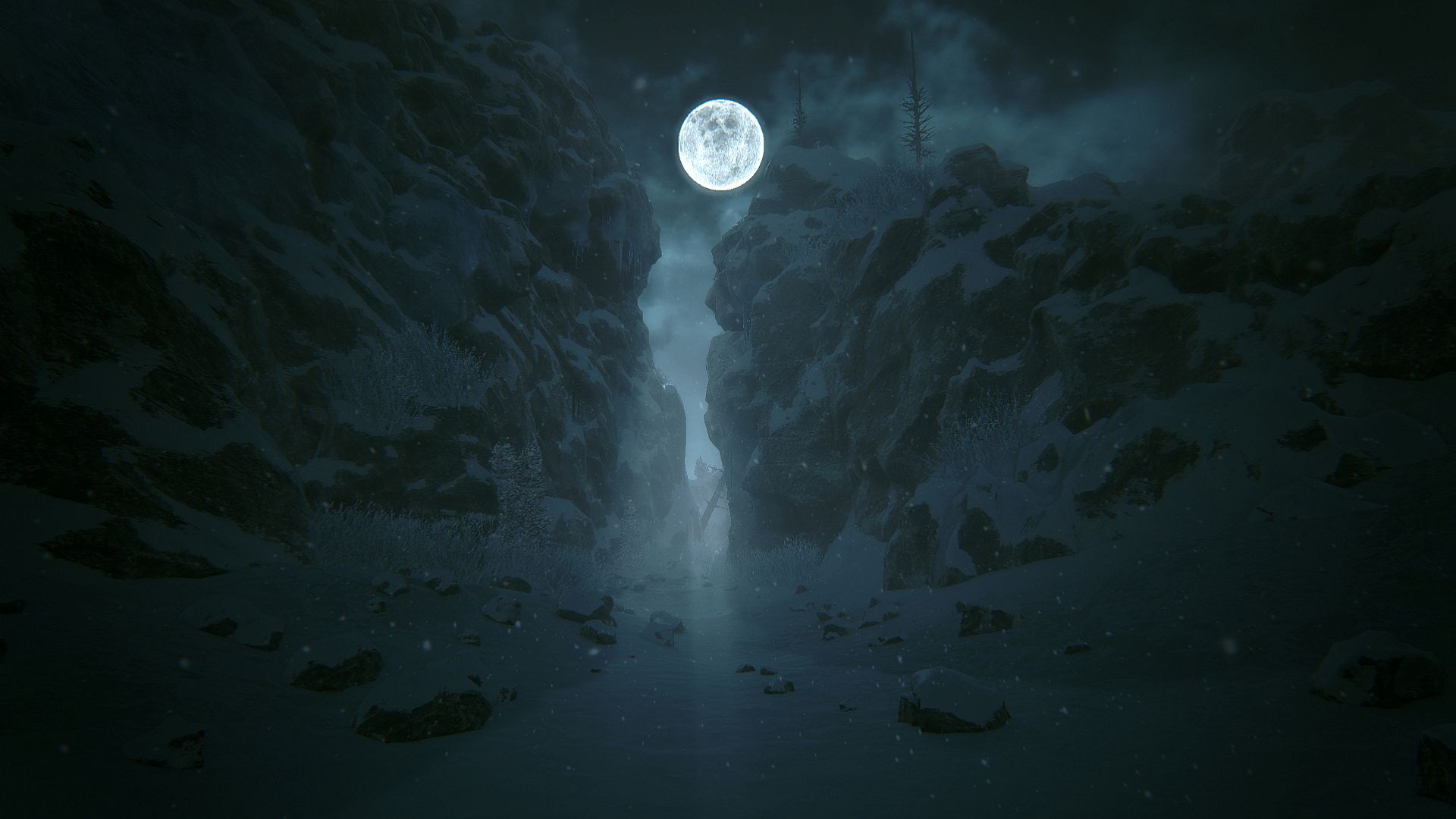
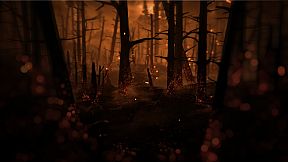
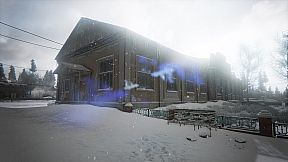
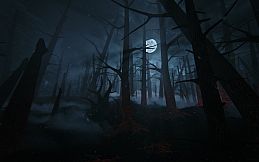
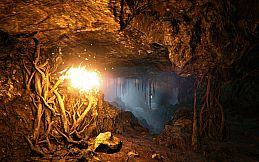
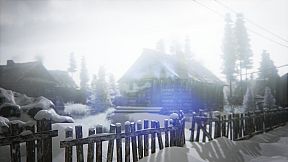
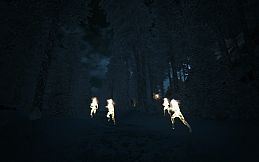
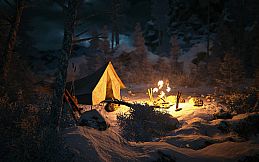
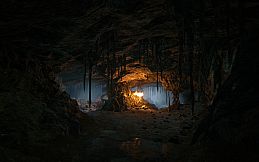
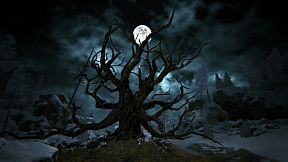
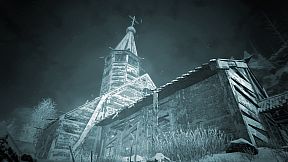
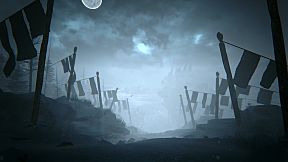
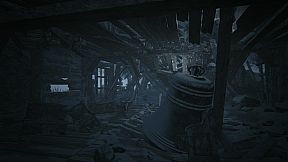
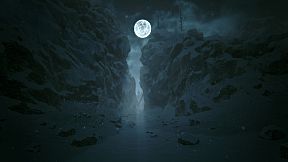
Kholat is a single-player survival horror adventure game set in a vast, snow-covered landscape of the Ural Mountains. Players take on the role of an investigator retracing the final steps of a group of hikers whose deaths remain unexplained to this day. The experience centers on exploration and discovery rather than combat, with navigation tools and environmental storytelling guiding progress through an open environment.
Gameplay
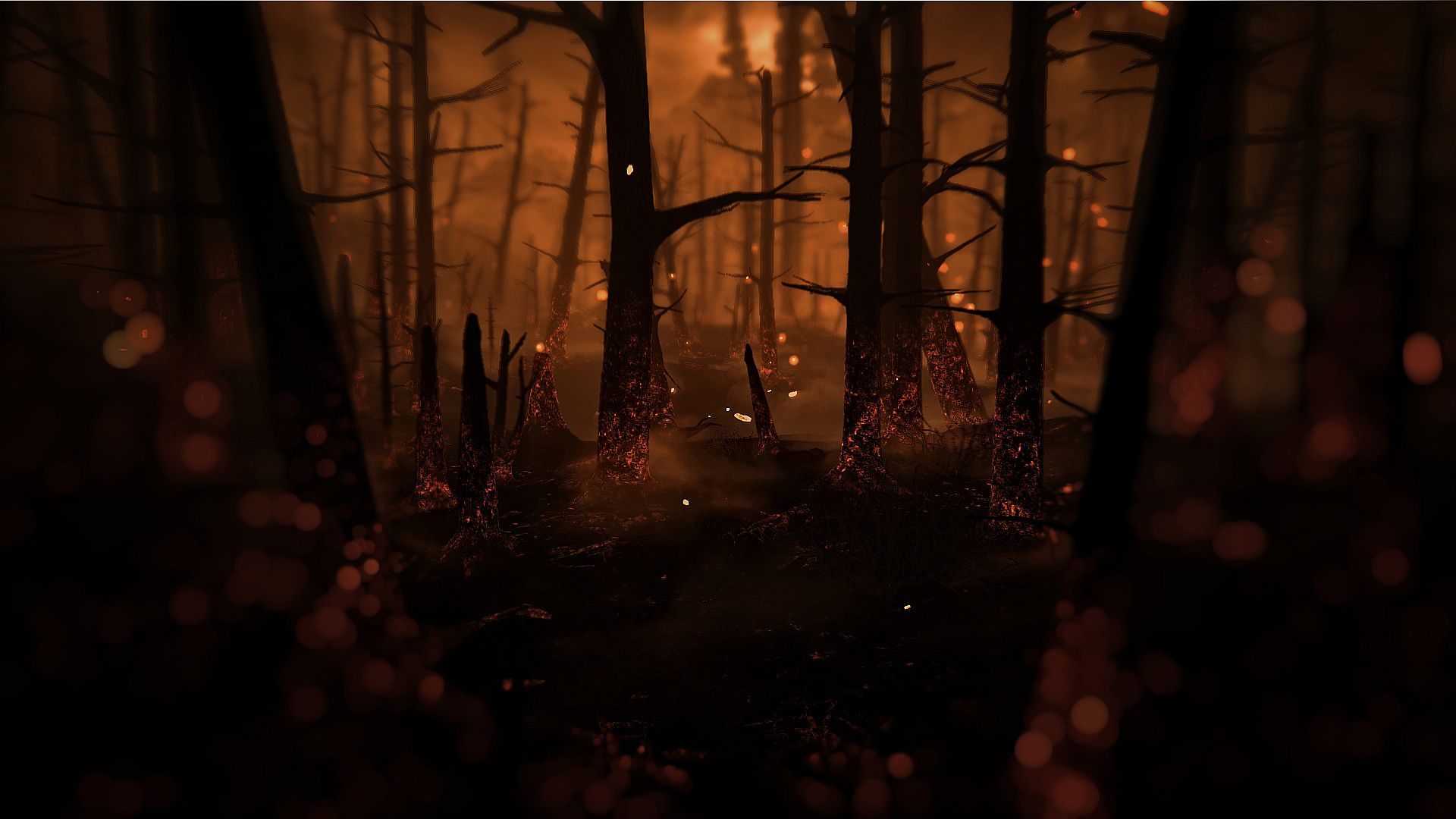
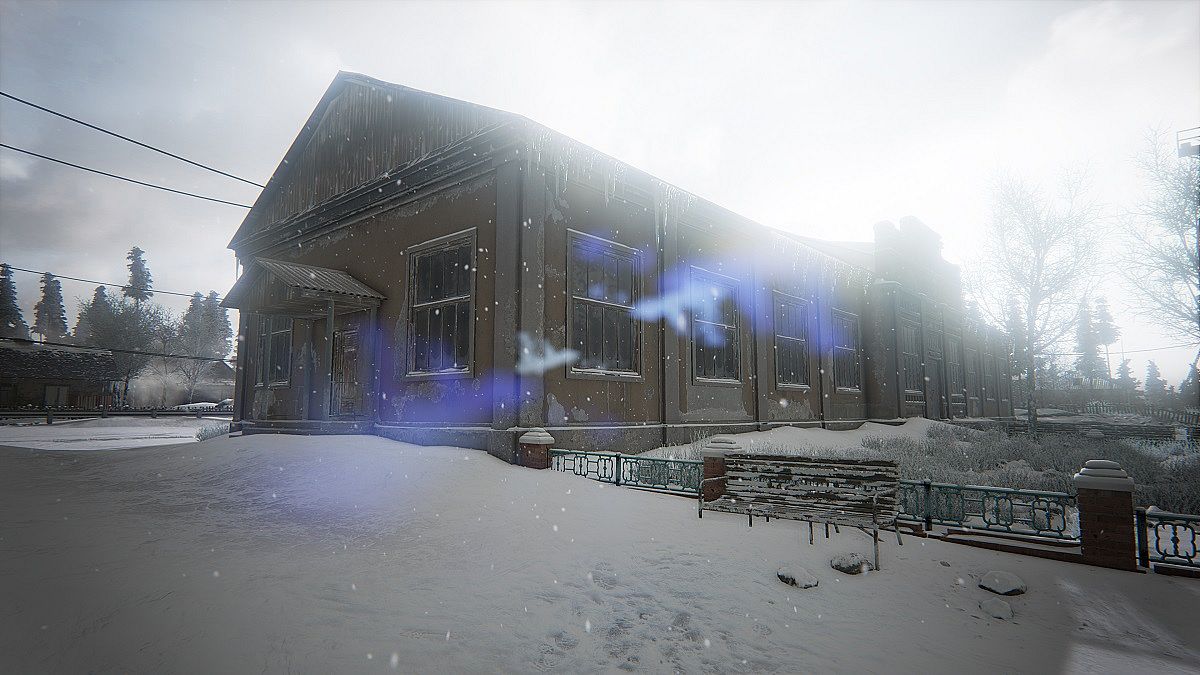
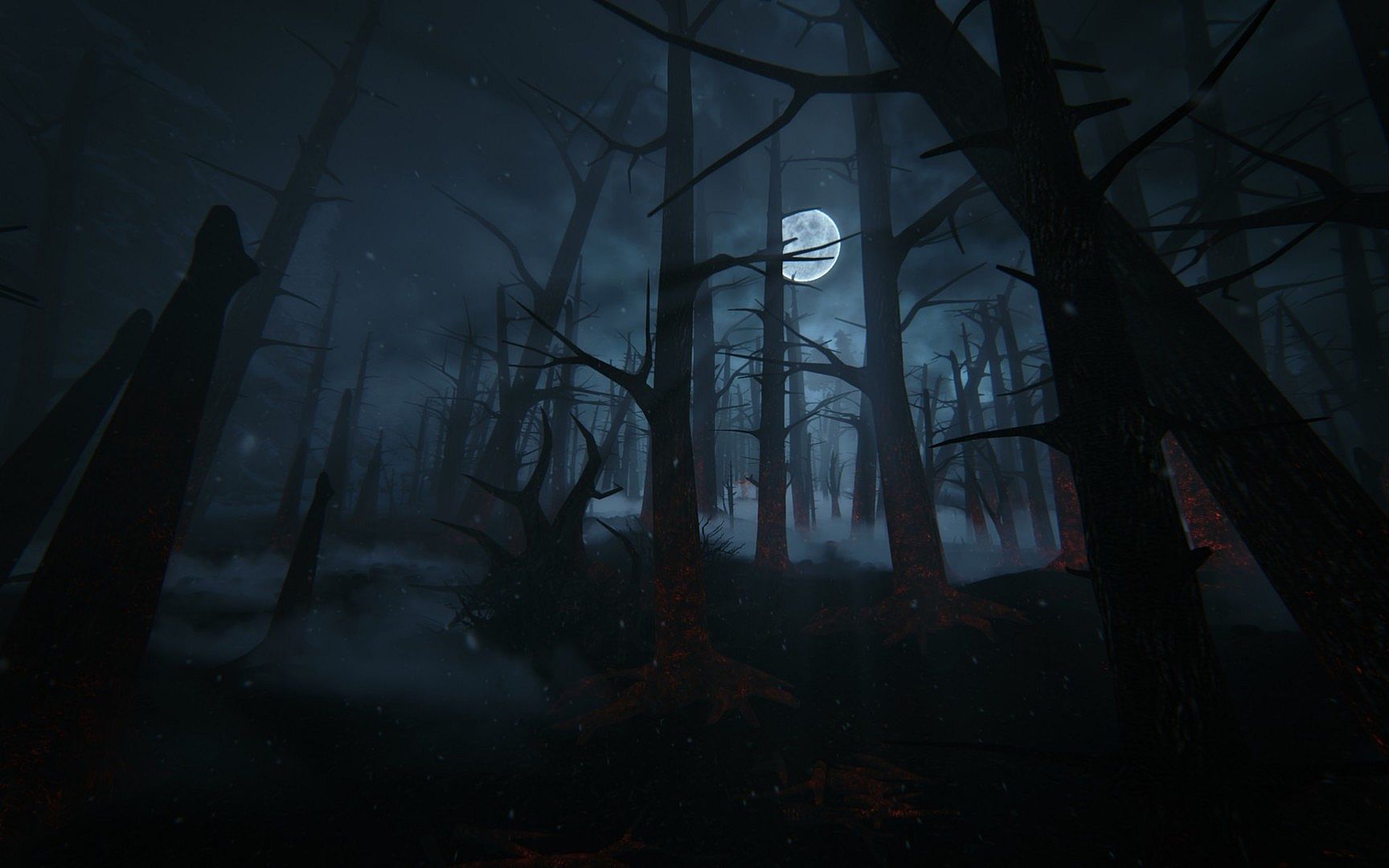
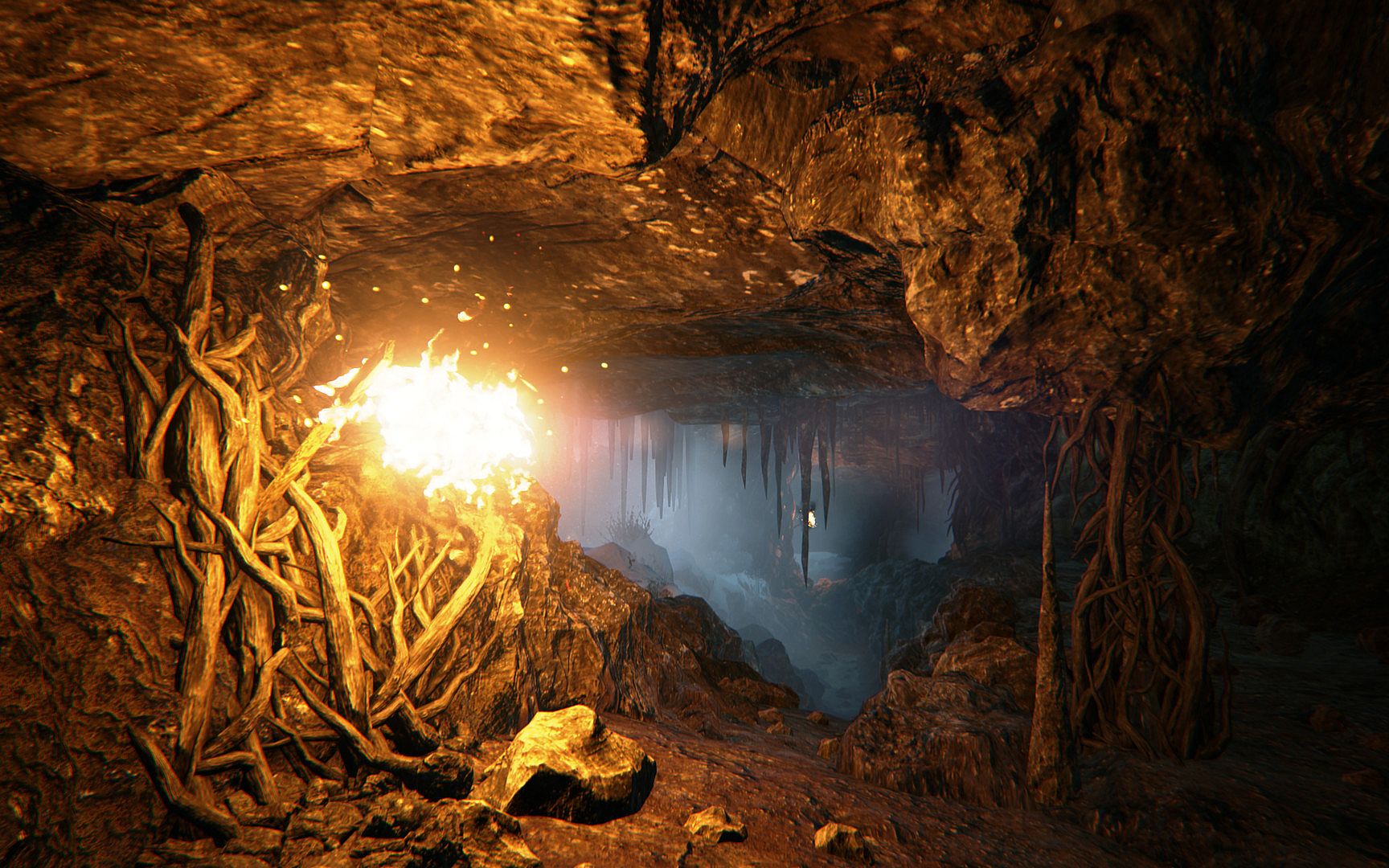
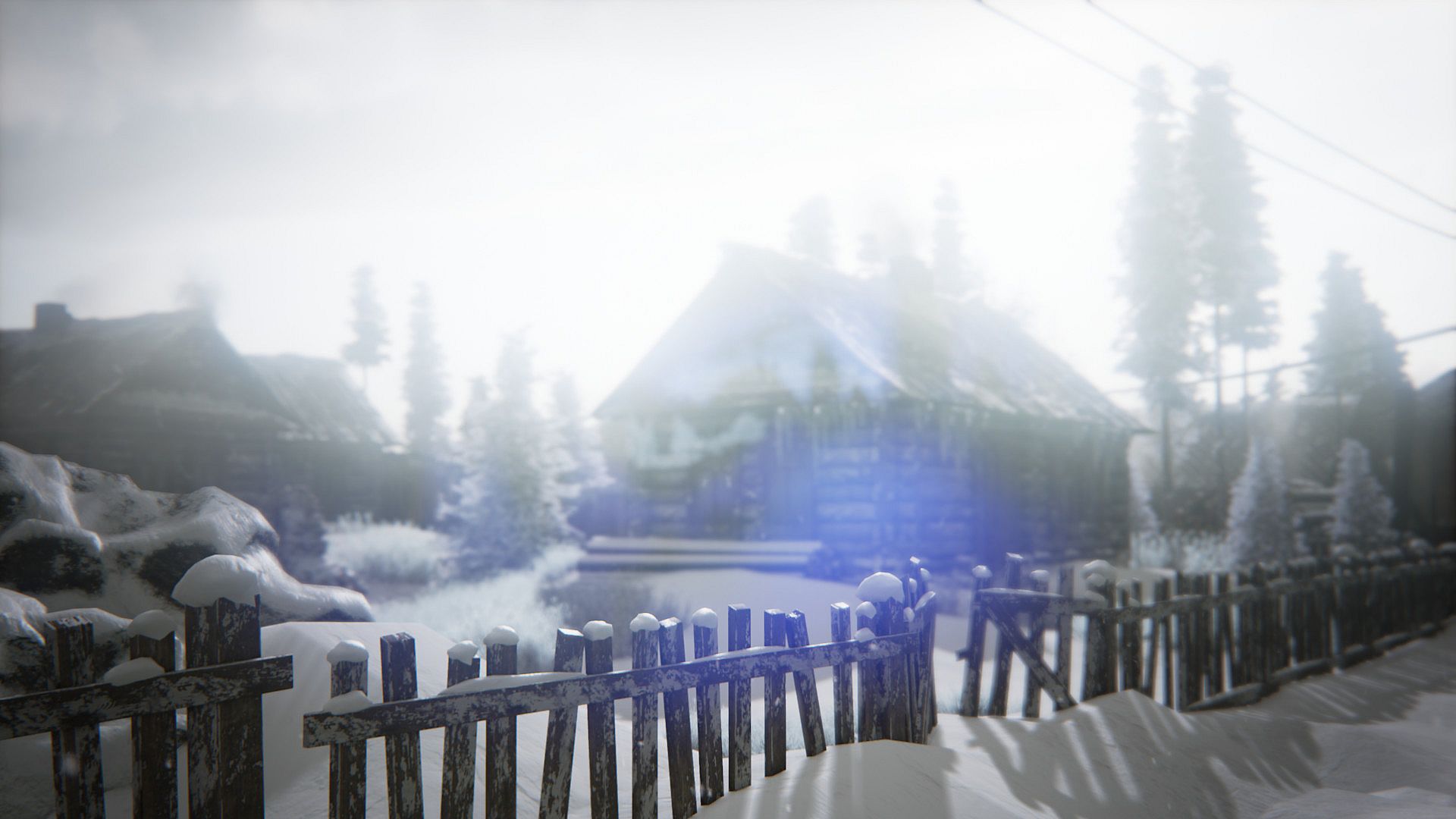
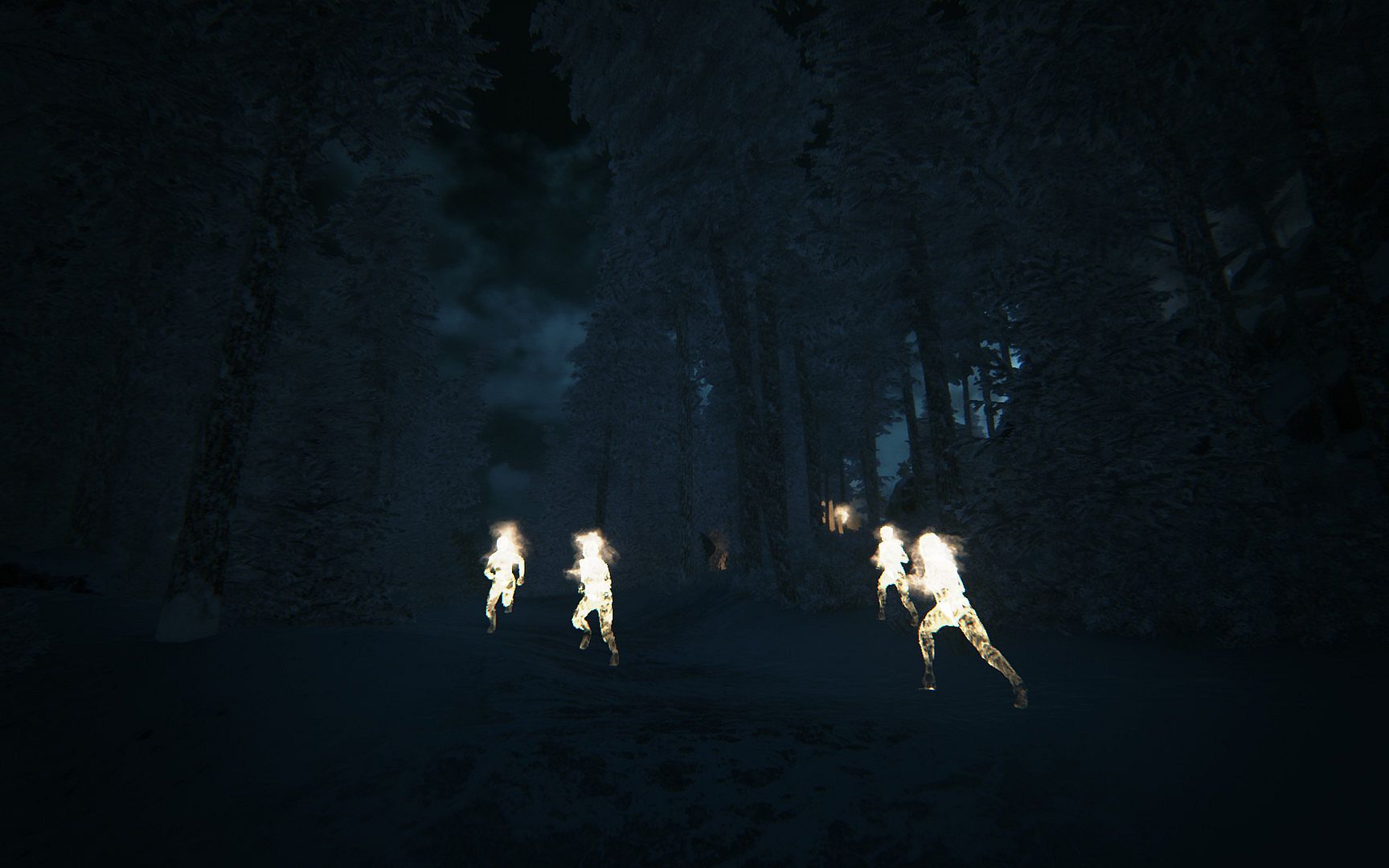
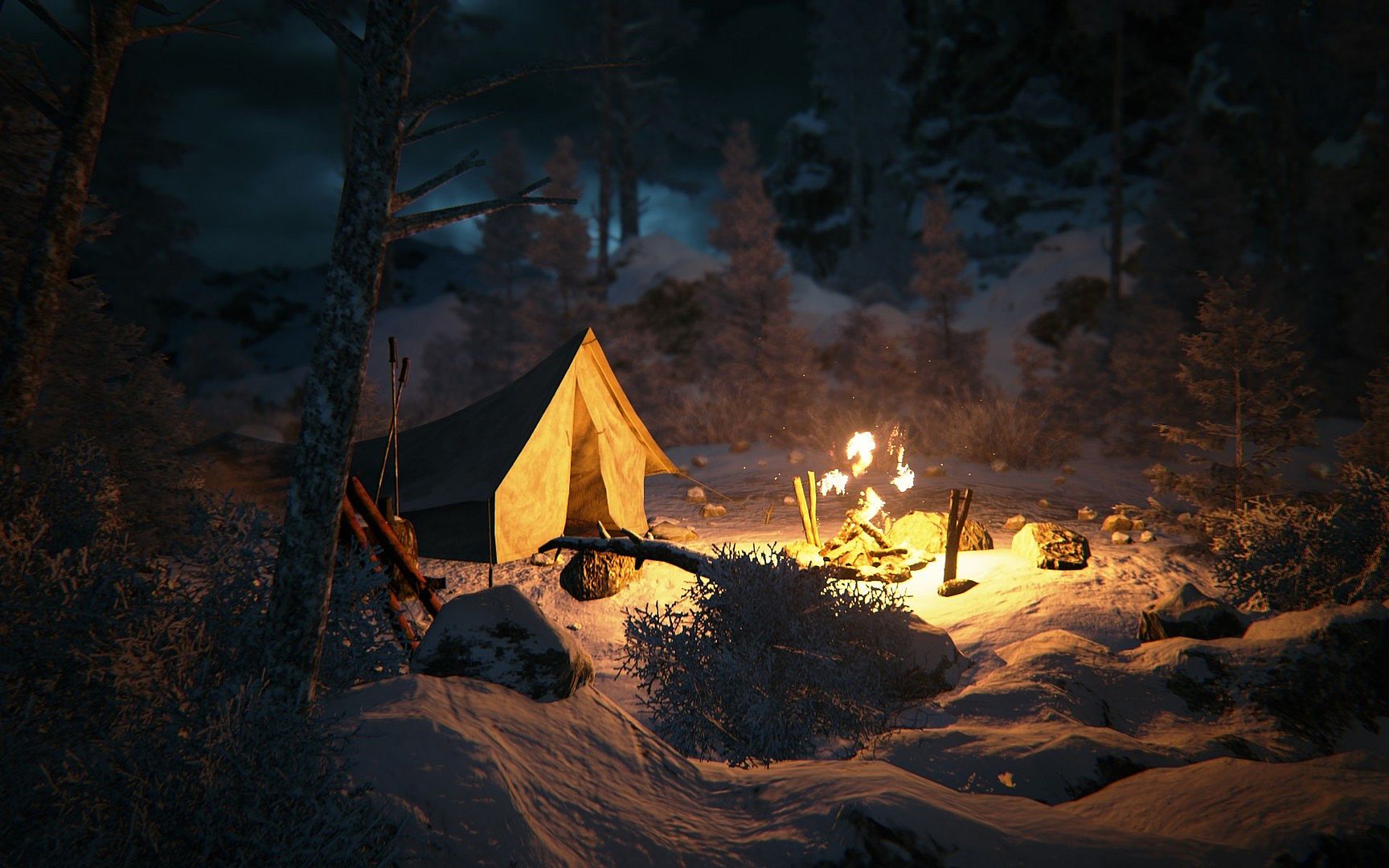
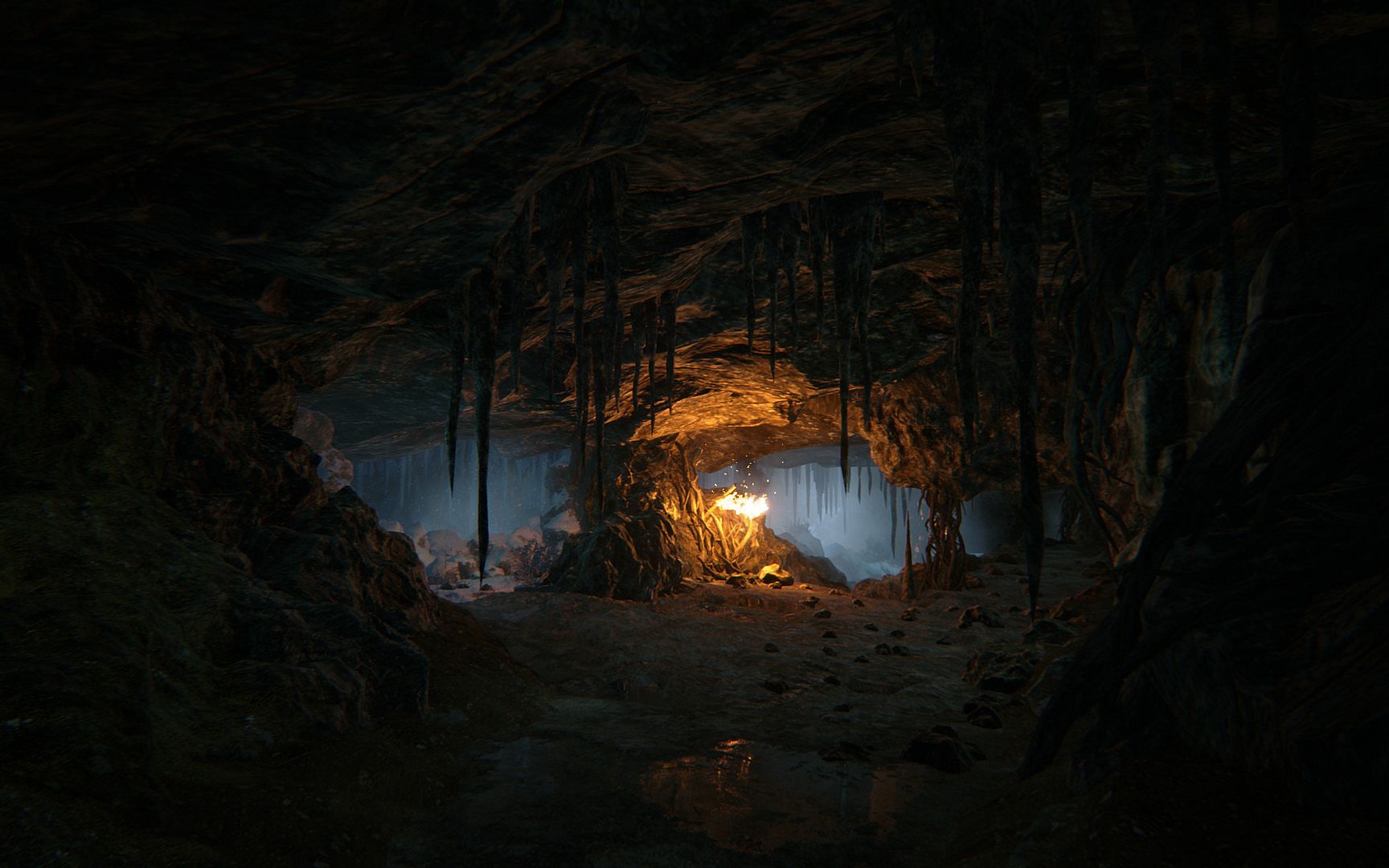
The core loop revolves around traversing a non-linear open world using a physical map and compass for orientation. Players start with basic equipment including a flashlight and must manage stamina during runs to avoid exhaustion. Exploration leads to scattered notes, coordinates, and other clues that piece together background details alongside the main narrative thread. Shadow-like entities appear as threats that must be evaded rather than confronted, adding tension during nighttime or low-visibility sections. The game features a self-contained story inspired by real events, delivered in part through narration that provides context without breaking immersion. Art design emphasizes stark, desolate scenery with sophisticated sound design that heightens the sense of isolation and unease. Powered by Unreal Engine 4, the title supports challenging navigation across varied terrain including abandoned structures and remote campsites. Estimated playtime falls between four and six hours for a focused run, though thorough exploration of side details can extend that duration.
Game Modes
Kholat offers only a single-player mode. There are no multiplayer options, competitive elements, or alternative play styles such as co-op or versus formats. The entire experience unfolds as a solitary journey focused on uncovering the central mystery through personal investigation and environmental interaction.
Story and Atmosphere
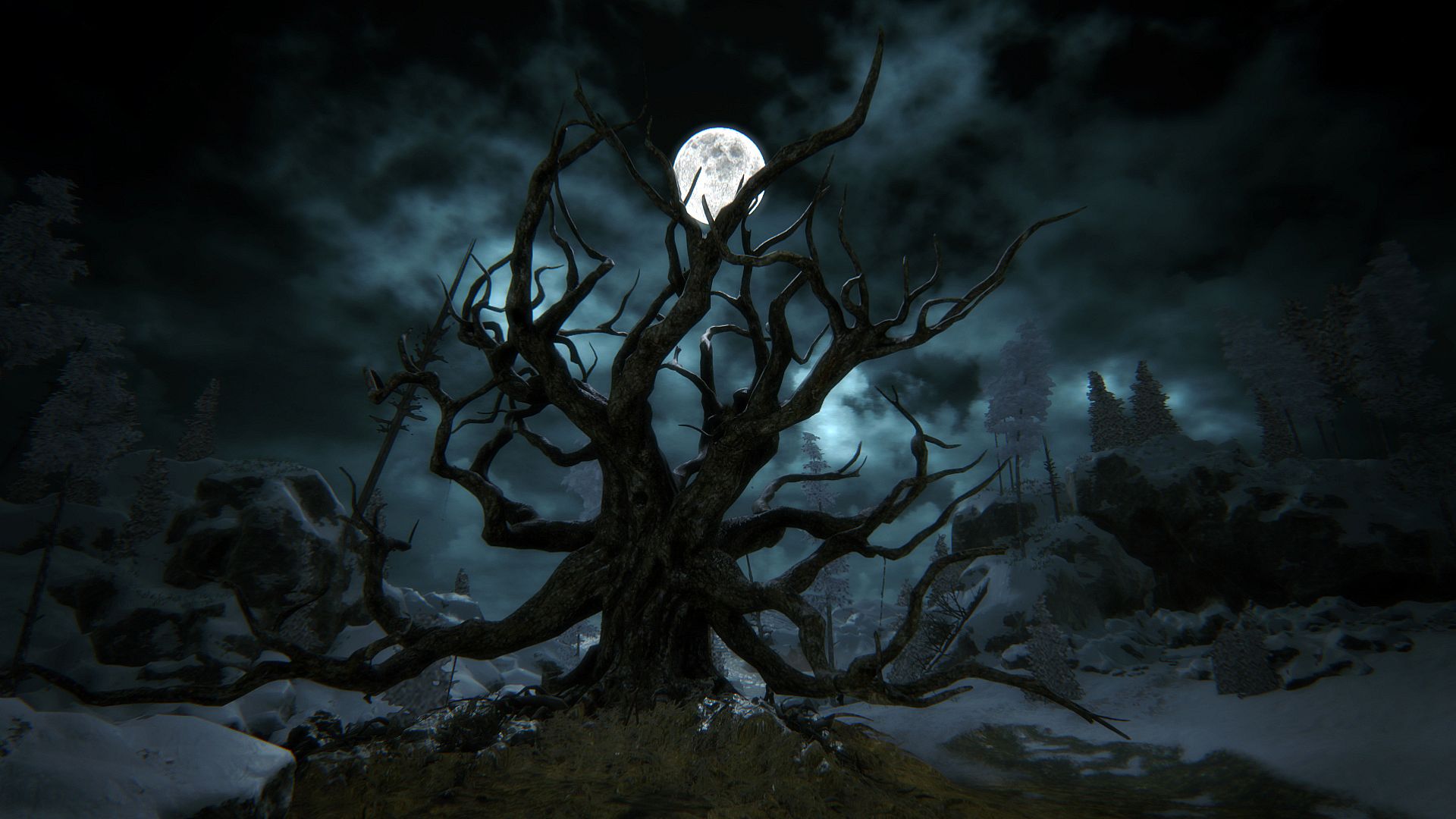
The narrative draws directly from the Dyatlov Pass incident of 1959, placing the player in the role of someone seeking answers amid the same unforgiving mountain setting. Clues emerge gradually through found documents and observations, revealing layers of speculation and unanswered questions. Sean Bean's narration adds weight to key moments, guiding attention toward significant locations and events without dictating every action. The atmosphere builds through persistent cold, limited visibility, and the ever-present risk of disorientation or encounters with hostile presences. Background plots expand on the main storyline for players willing to search thoroughly, creating a sense of depth in an otherwise sparse world.
Is It Worth Playing?
Reception has been mixed, with critics noting strong atmospheric qualities alongside frustrations with navigation and pacing. The game suits players who appreciate deliberate exploration and mystery-solving in a horror context rather than action or fast-paced sequences. Its short length makes it accessible for a single sitting or weekend playthrough, though the emphasis on map-based travel and avoidance mechanics may test patience for some. Those drawn to real-world inspired stories and first-person investigation will find the most value here. No ongoing updates or seasonal content exist, leaving the experience as a complete, self-contained title from its original release. If the premise of piecing together an unsolved historical event through careful observation appeals, Kholat delivers a focused adventure worth considering for its unique setting and tone.