

























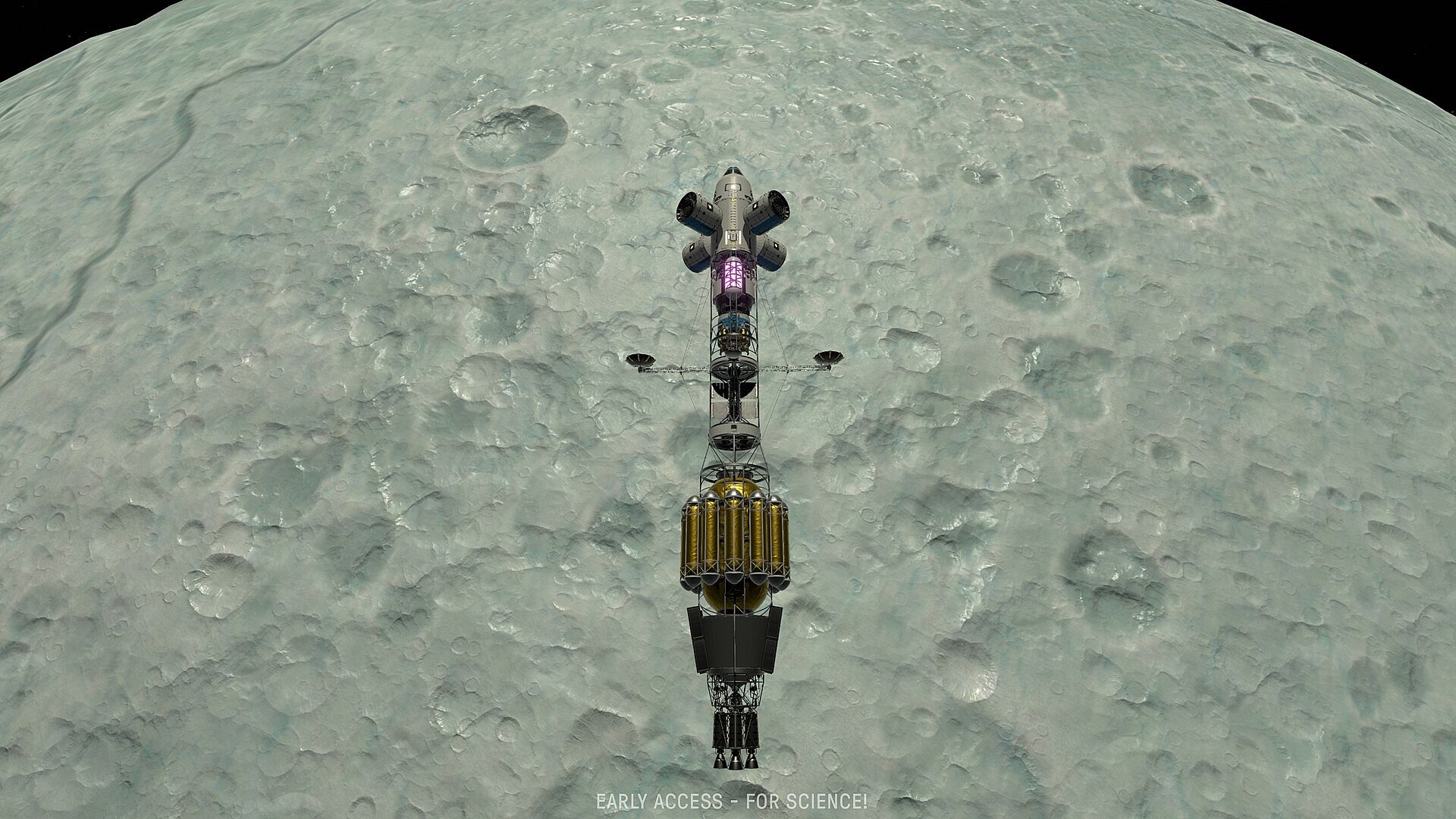
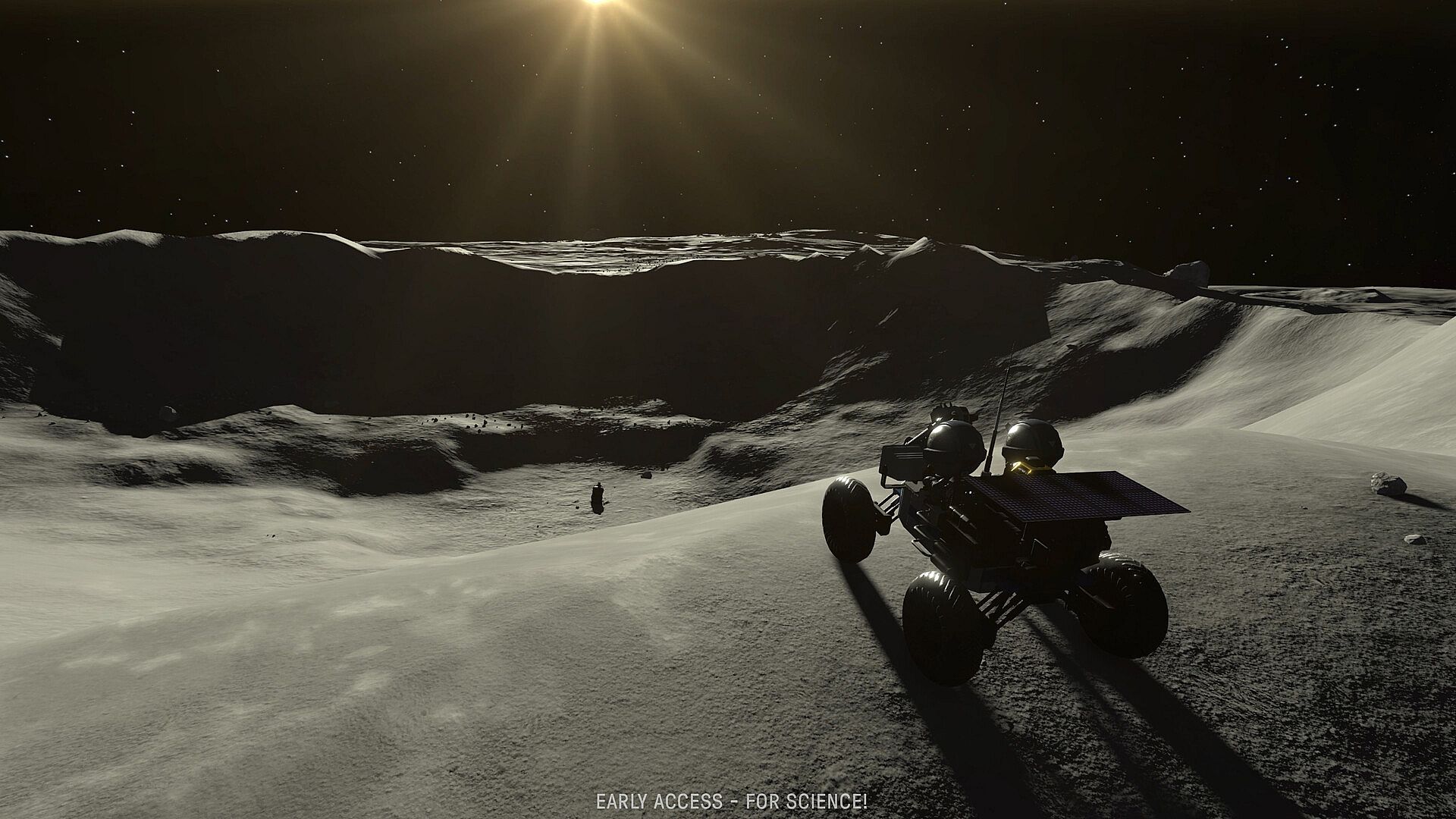
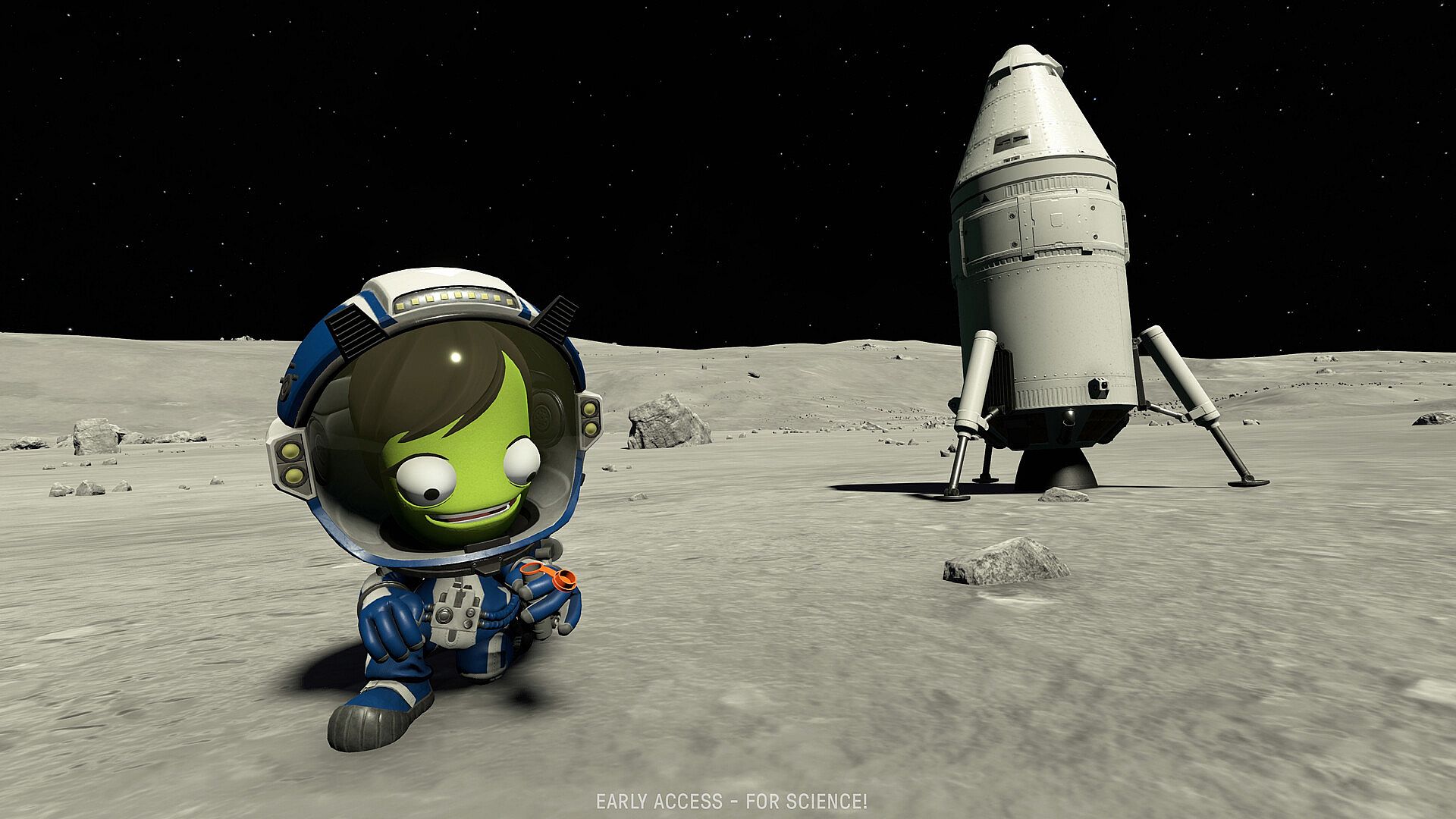
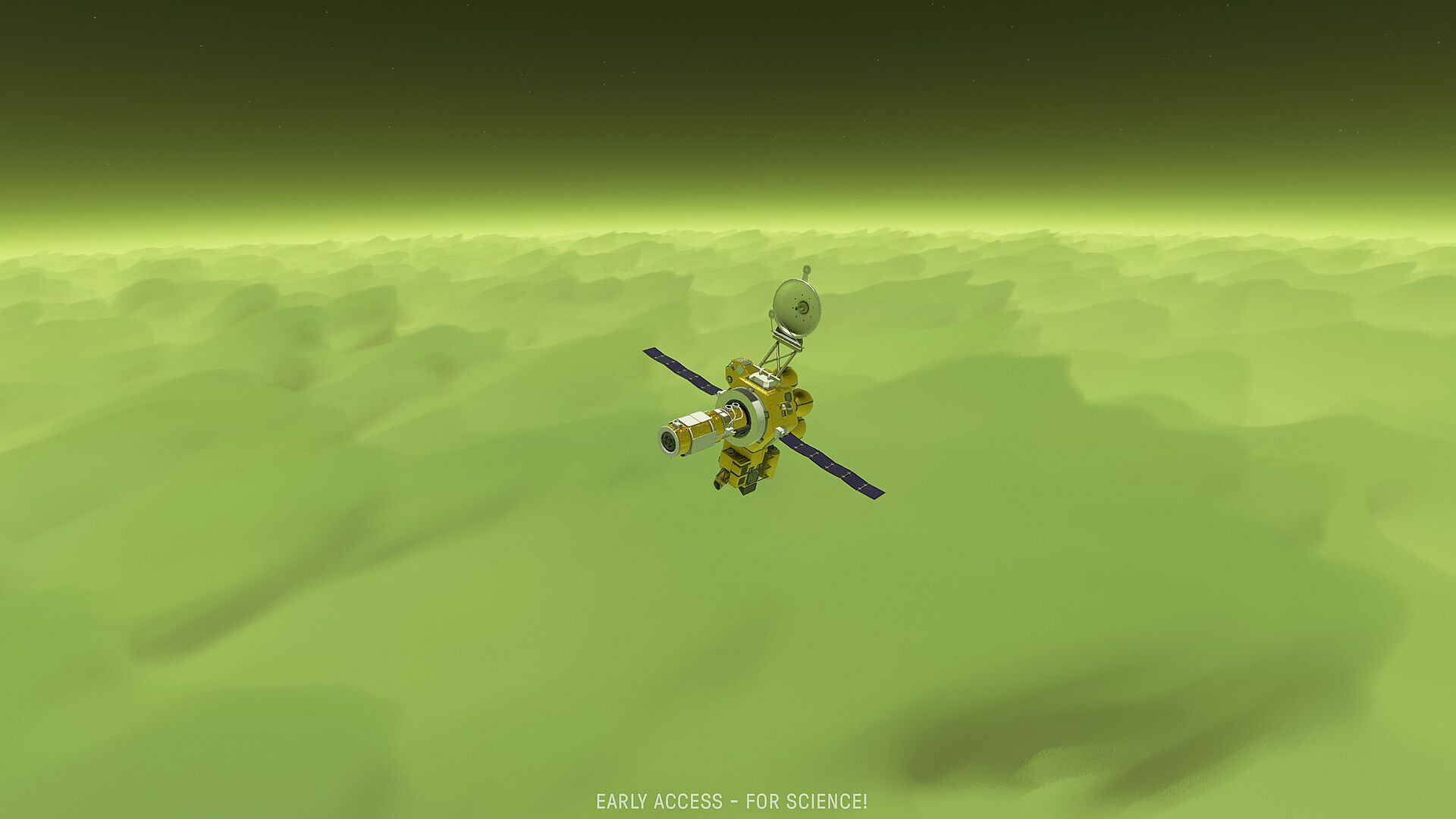
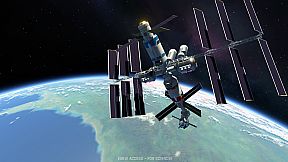
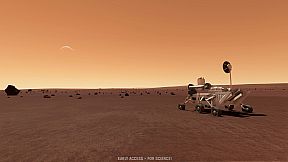
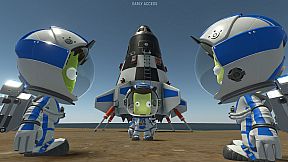
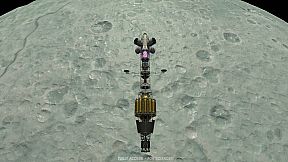
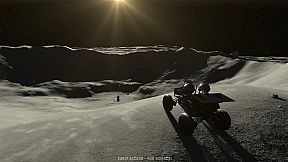
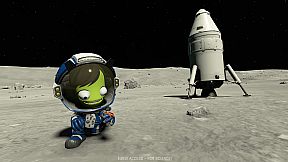
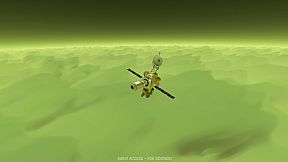
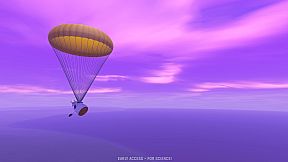
Kerbal Space Program 2 is a space simulation game centered on constructing spacecraft and managing their flights through realistic physics in a planetary system.
Gameplay
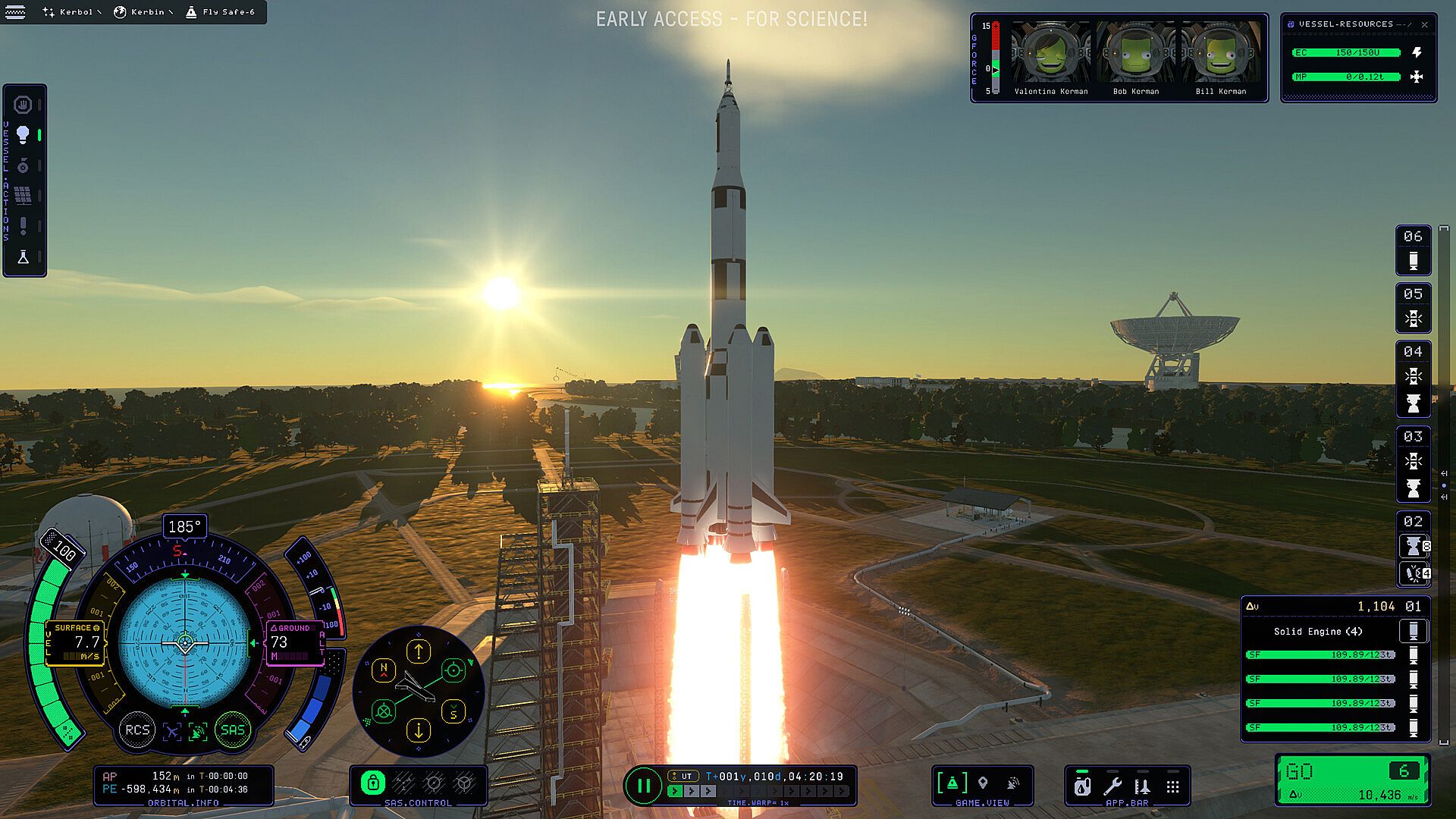
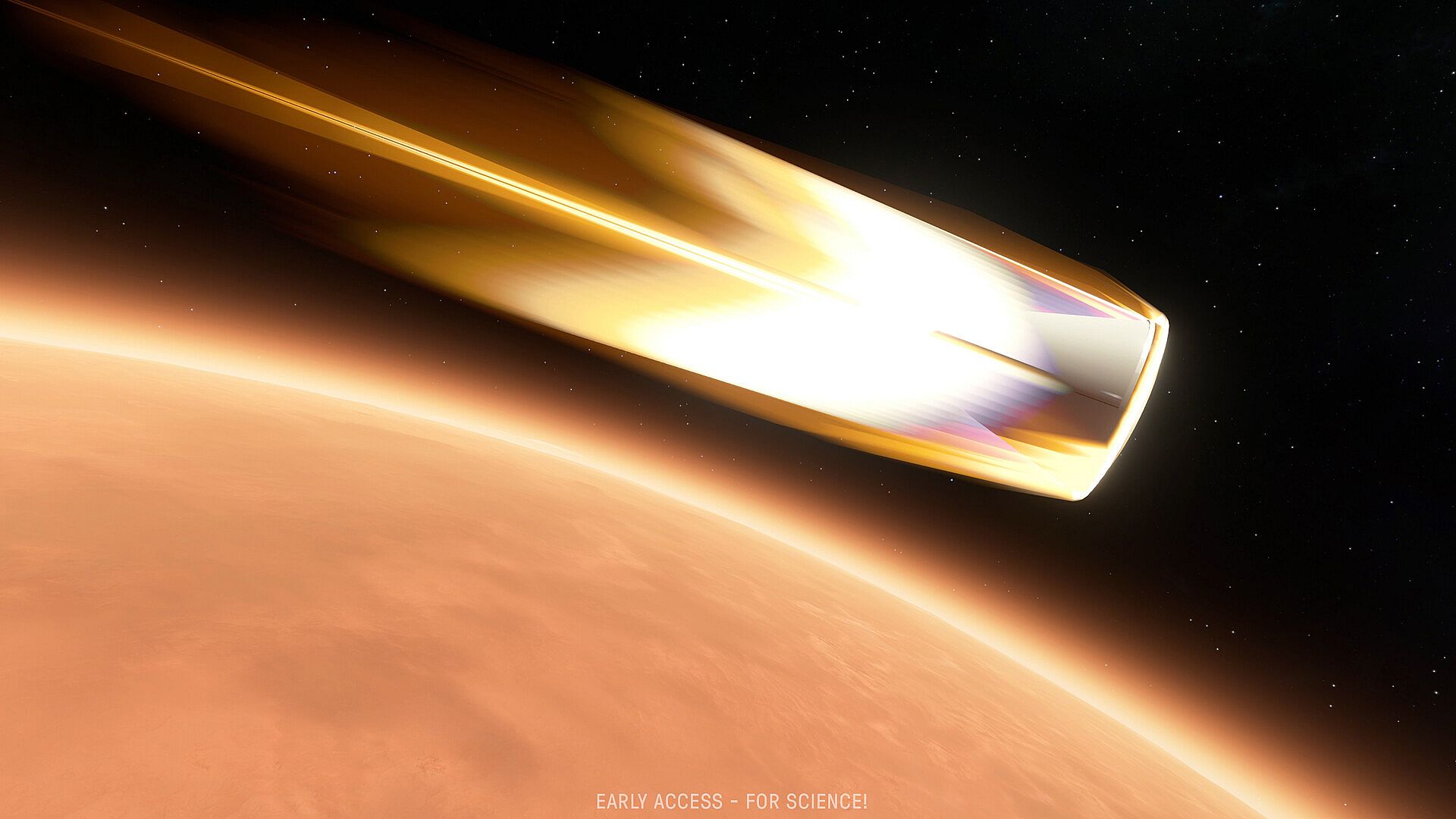
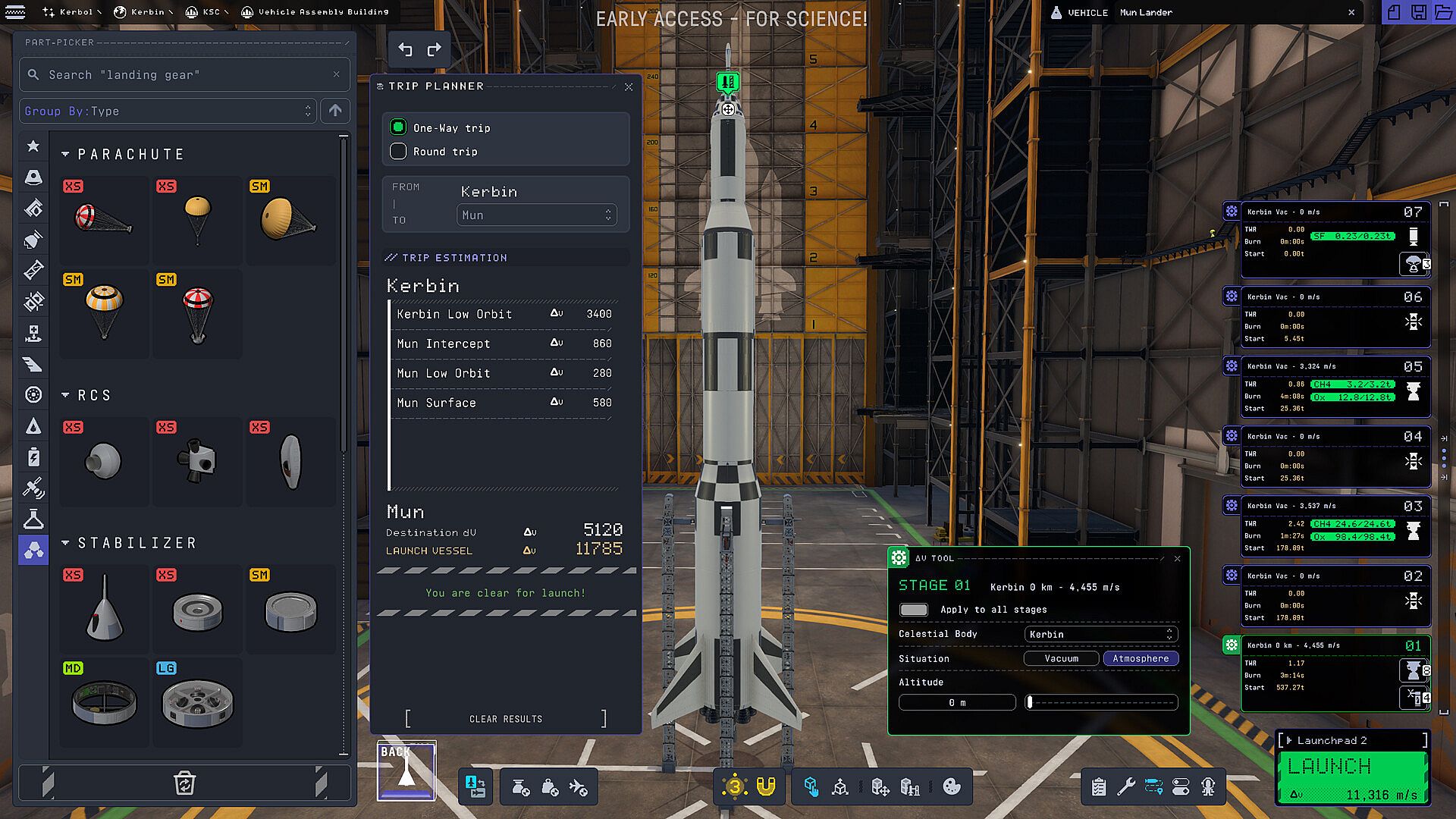
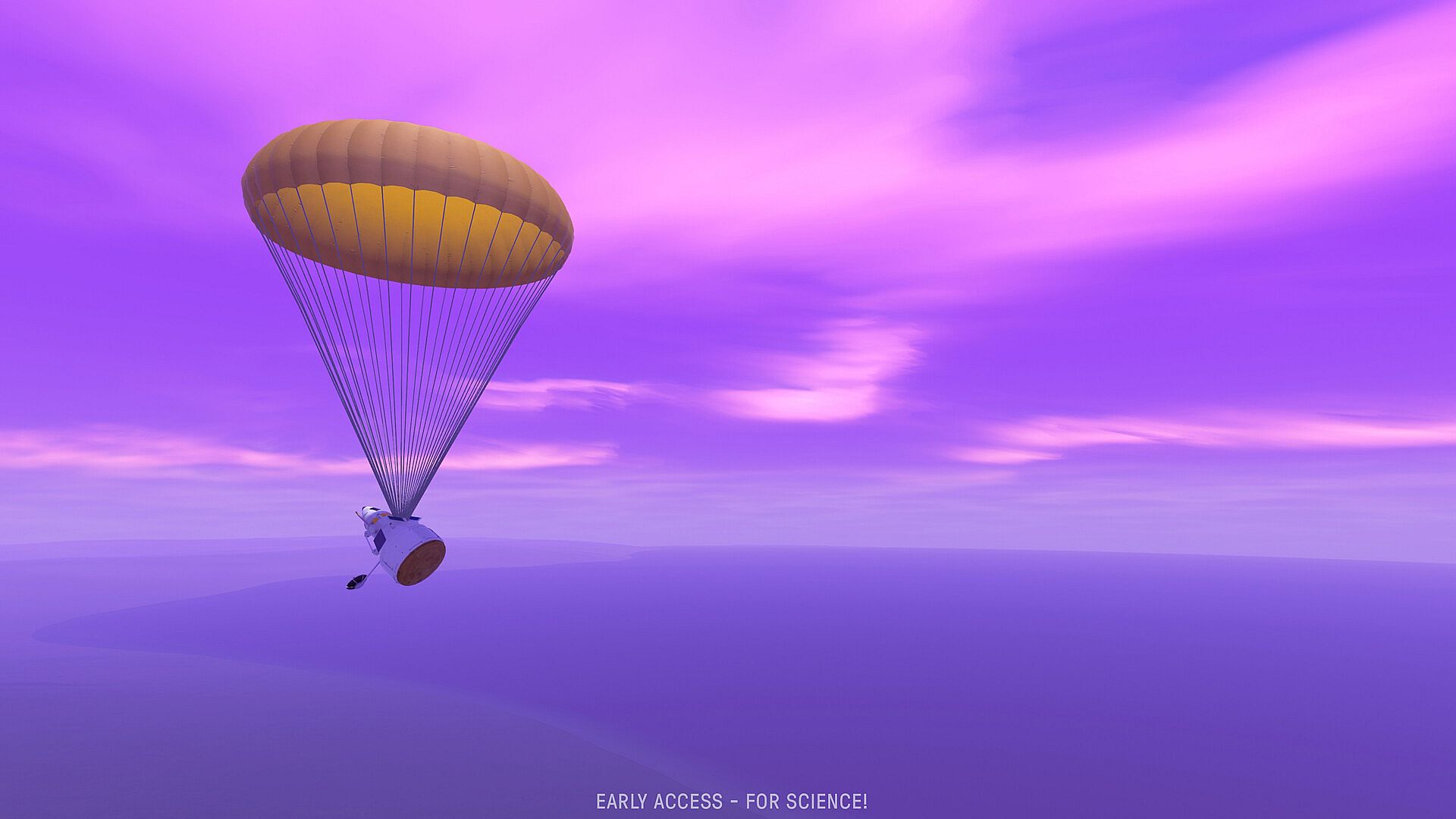
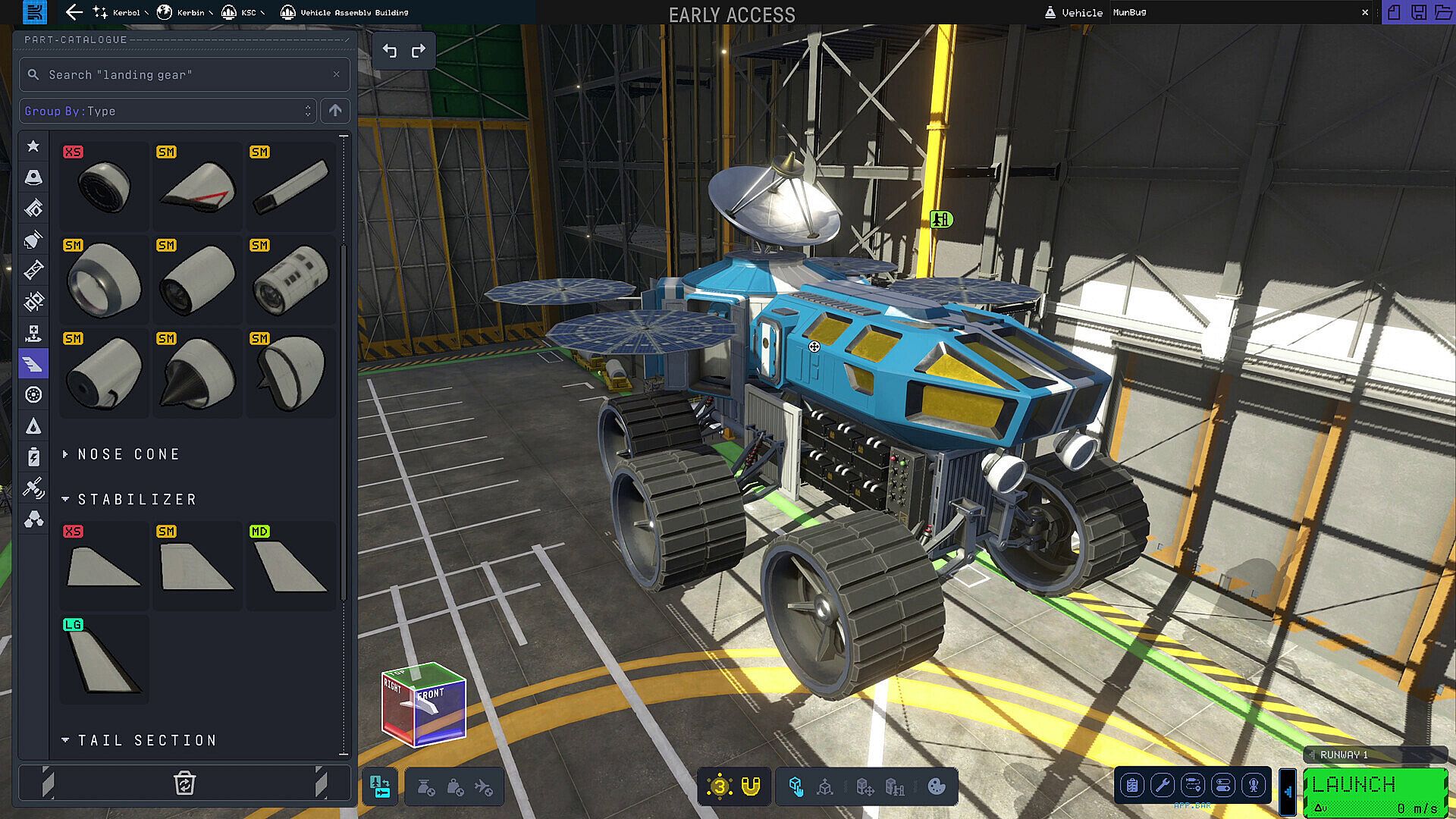
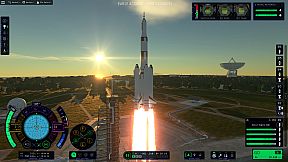
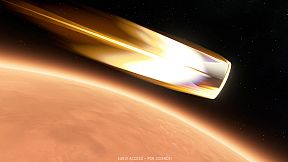
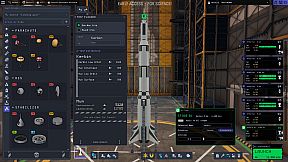
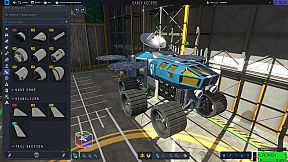
The core loop revolves around assembling vehicles from modular parts in a dedicated editor. Players select components for propulsion, fuel storage, control, and structural support before testing launches from a central facility. Flight involves managing thrust, trajectory adjustments, and resource consumption while accounting for gravitational forces and atmospheric drag during ascent and reentry.
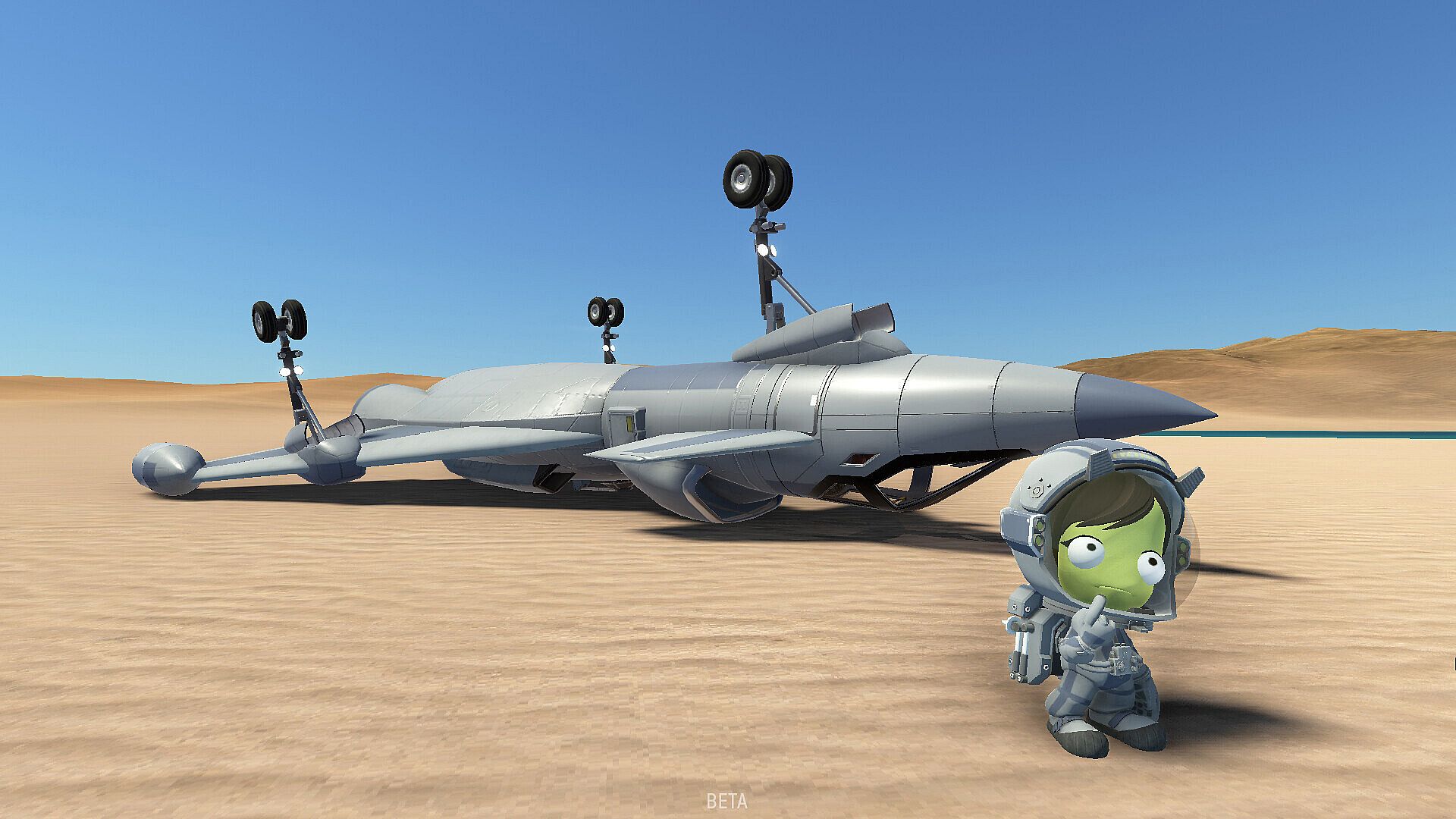
Once in space, the simulation requires precise burns to achieve stable orbits or transfer paths between celestial bodies. Landings demand careful deceleration and orientation to avoid structural failure on uneven surfaces. Failures often stem from design flaws such as insufficient thrust, poor staging, or weak connections that break under stress.
Visual feedback highlights stresses on components, fuel levels, and velocity vectors. The physics model governs every interaction, from engine ignition sequences to the behavior of detached stages after separation.
Game Modes
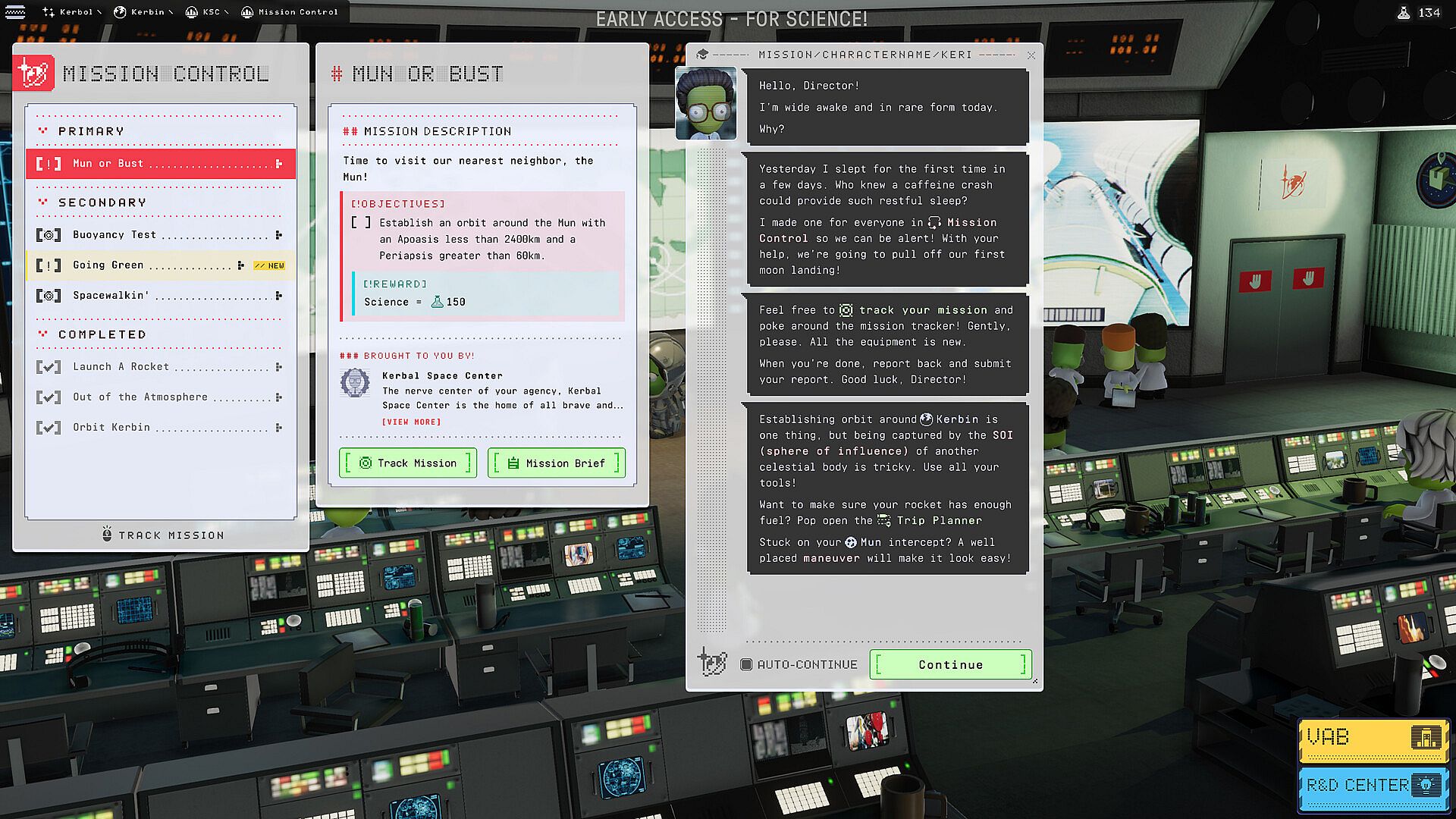
Sessions take place in a single-player environment focused on iterative building and mission attempts. Freeform experimentation allows unlimited part combinations and repeated launches without external constraints. Objective-driven play involves setting personal targets such as achieving orbit, performing flybys, or attempting surface landings on available bodies.
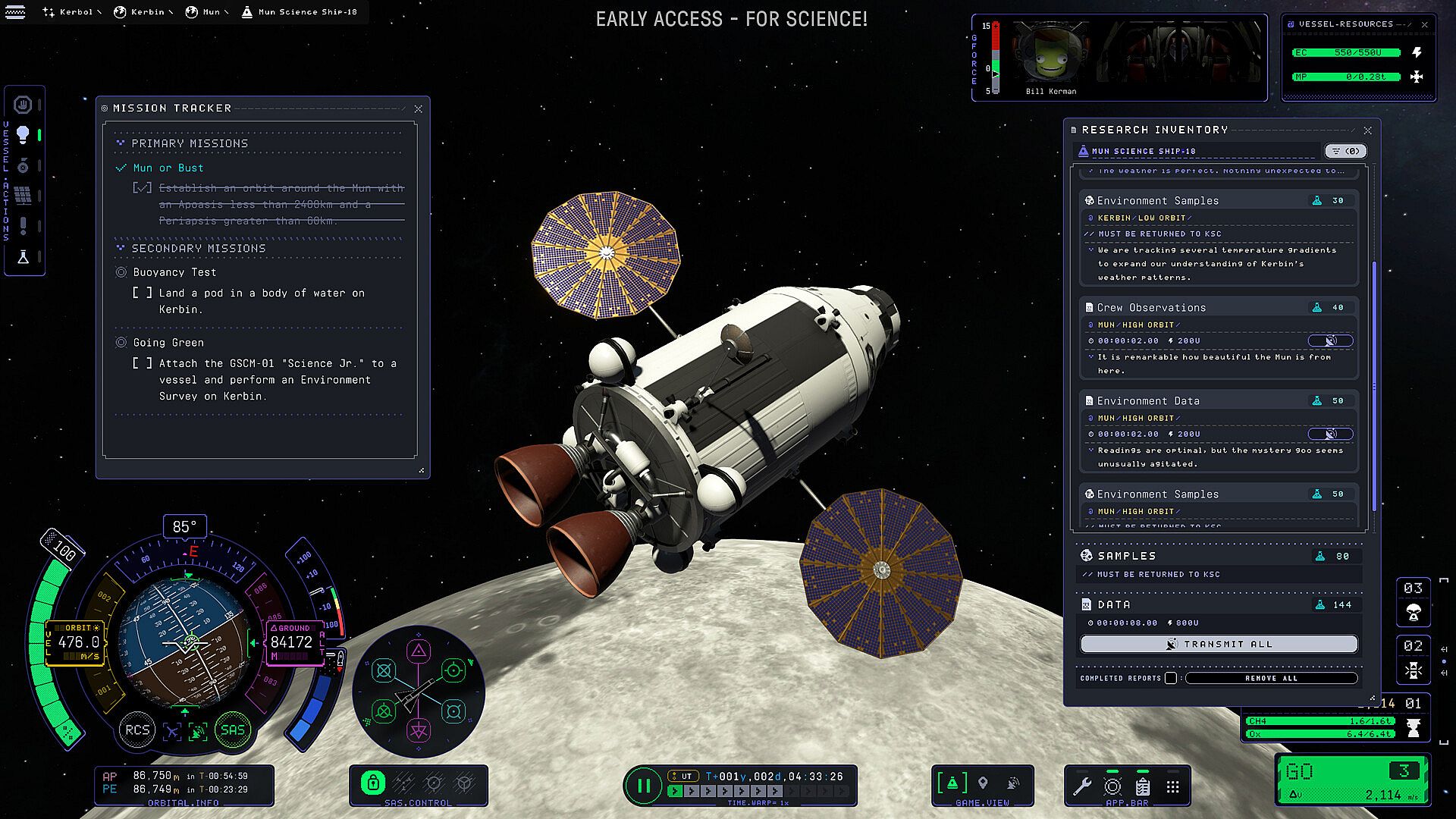
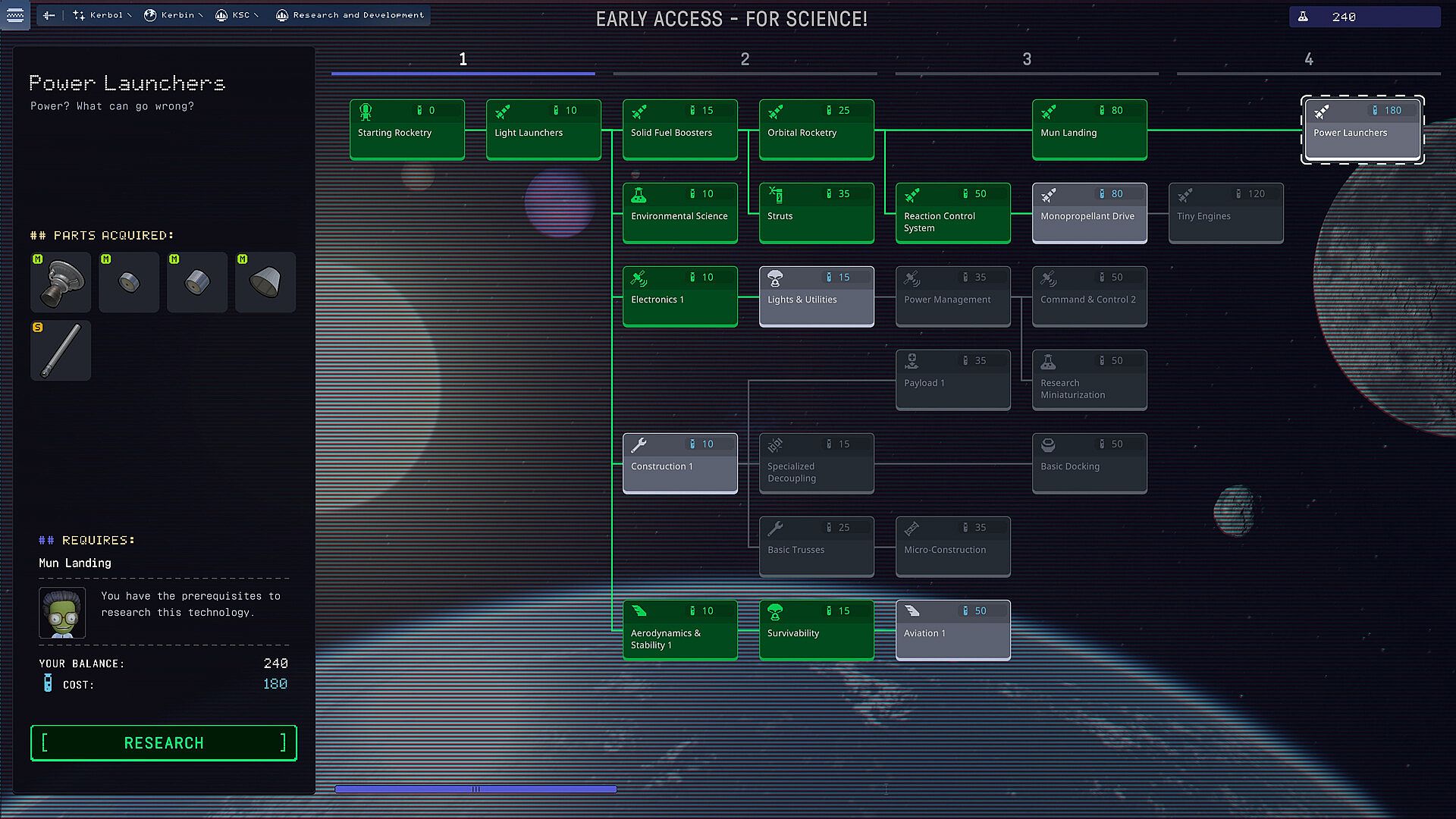
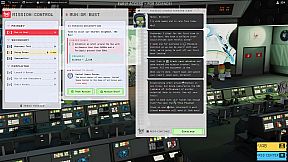
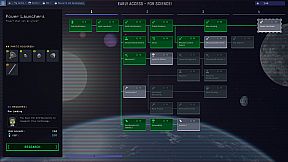
Progression elements track completed maneuvers and collected data from instruments, encouraging refinement of designs across multiple attempts. No cooperative or competitive options exist in the current version.
Exploration Systems
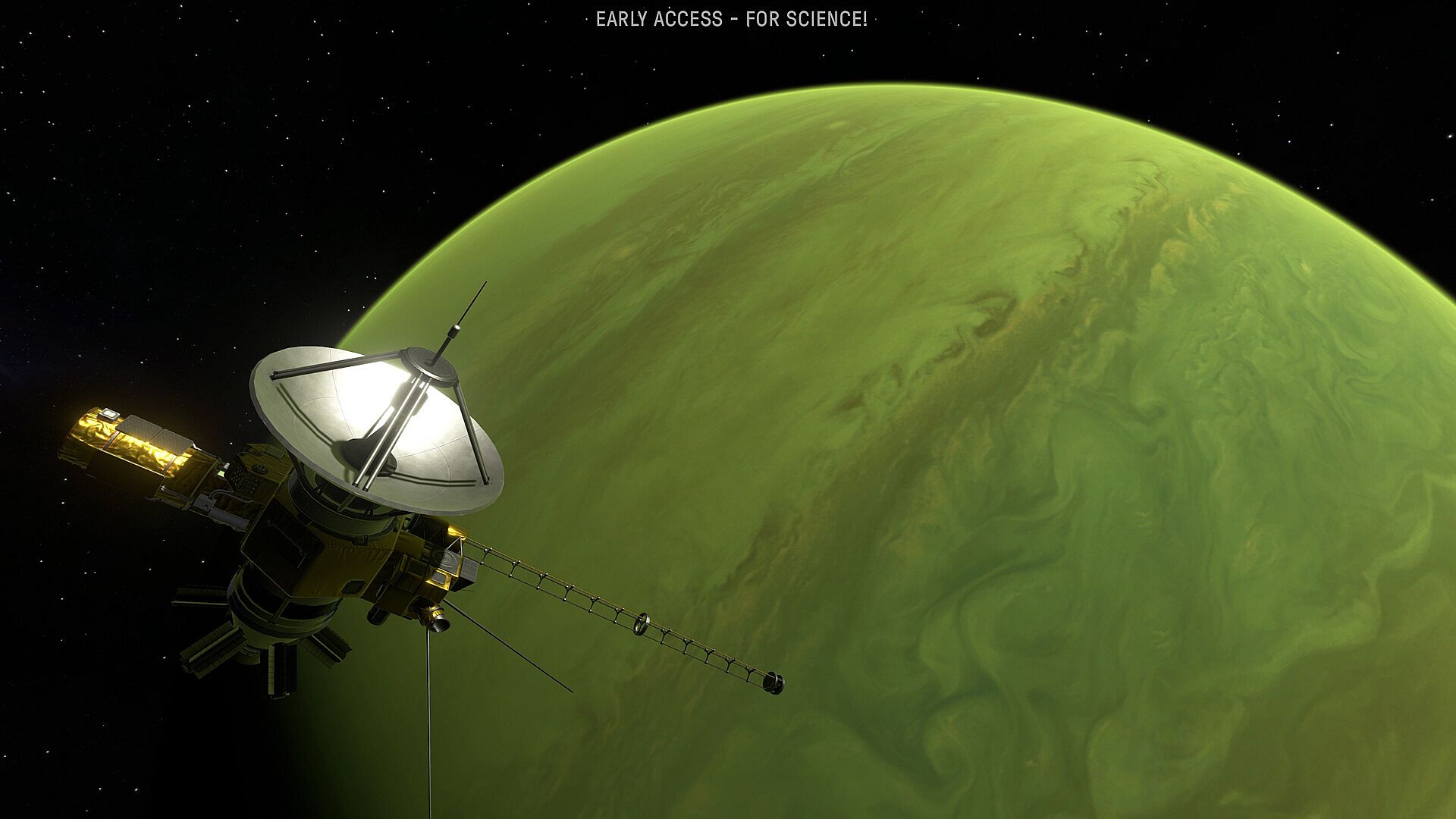
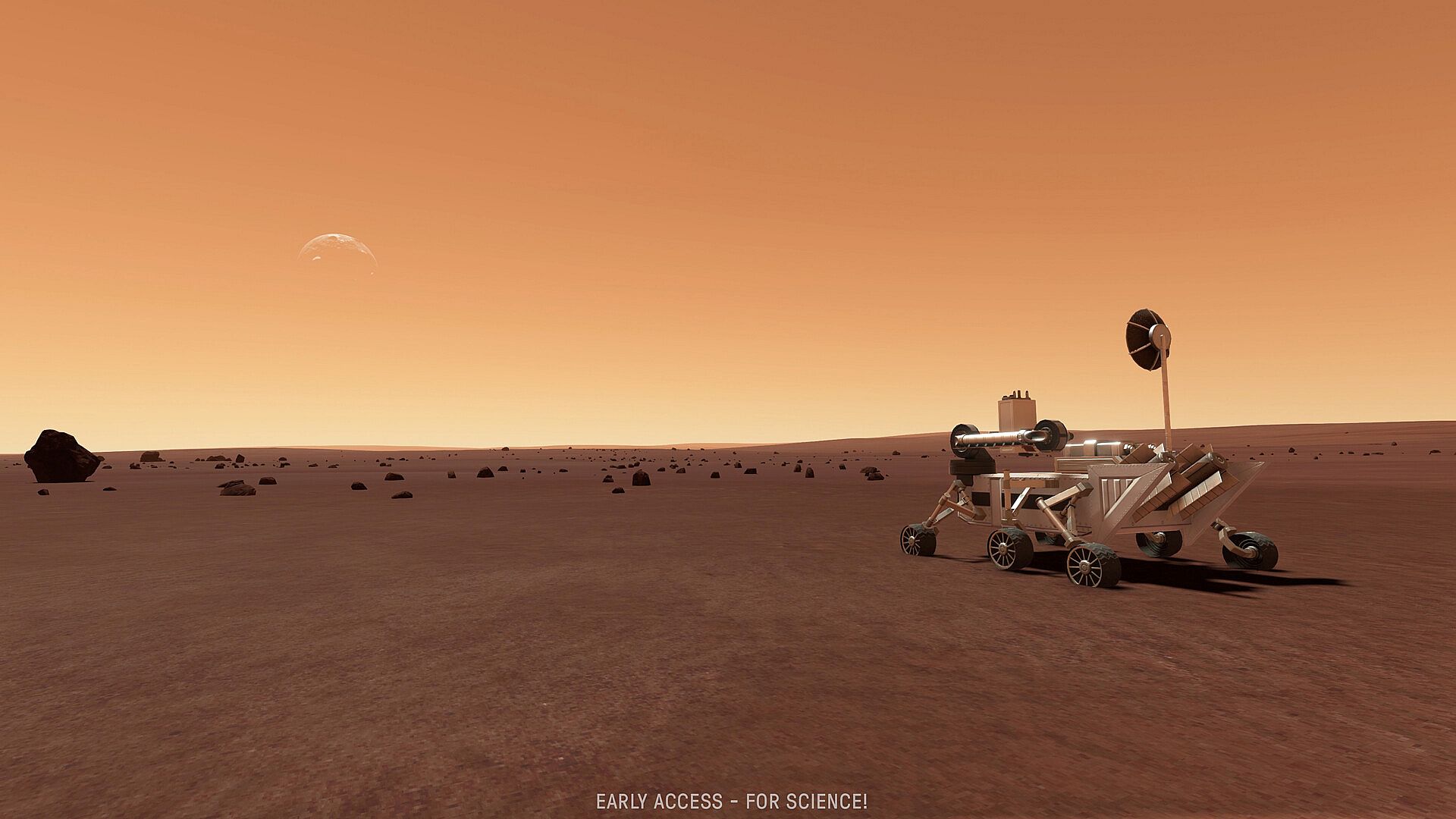
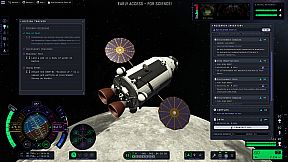
Travel centers on the primary star system with its collection of planets and moons. Navigation relies on orbital calculations to reach destinations, where players gather observations through onboard equipment. Resource management extends to fuel planning for longer routes and contingency measures for unexpected trajectory deviations.
Vehicle performance varies with part choices, allowing specialization for different environments like high-gravity landings or vacuum operations. The emphasis remains on solving engineering problems through repeated testing rather than narrative elements.
Is It Worth Playing?
The title suits players who value hands-on physics simulation and iterative problem solving in a space context. Its current Early Access build delivers functional building and flight tools but lacks the additional systems once outlined for later development. No further content updates have occurred since the studio responsible for ongoing work ceased operations.
Those seeking a complete progression arc or expanded features may encounter limitations in scope and stability. Individuals drawn to the foundational mechanics of rocket design and orbital navigation can still engage with the available tools, provided expectations align with an unfinished product. The experience rewards patience with trial-and-error learning over polished presentation.














