





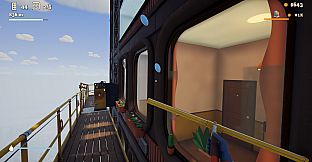
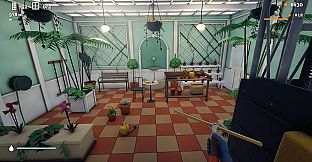
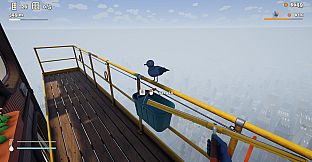
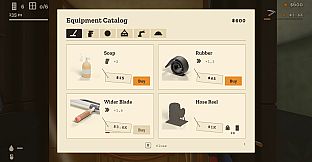
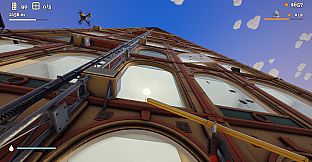
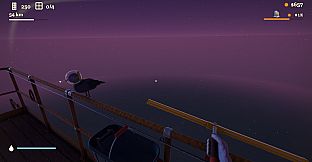
Just ONE more window is an indie casual simulation game for PC that puts players in charge of cleaning windows on the exterior of an endlessly tall skyscraper. The experience blends simple mechanical satisfaction with incremental progression, where each cleaned pane advances the platform upward through changing architectural eras and atmospheric conditions.
Gameplay
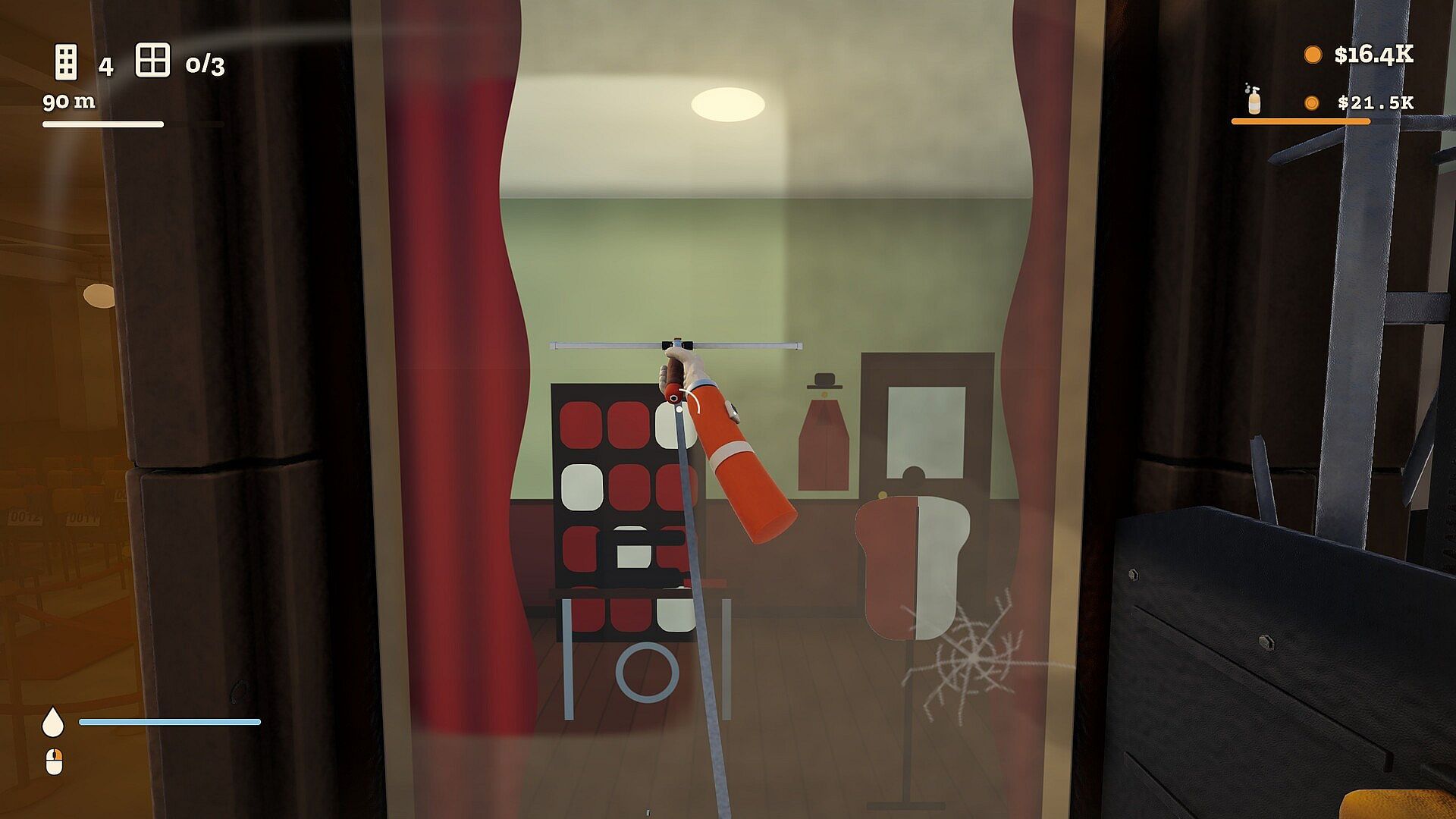
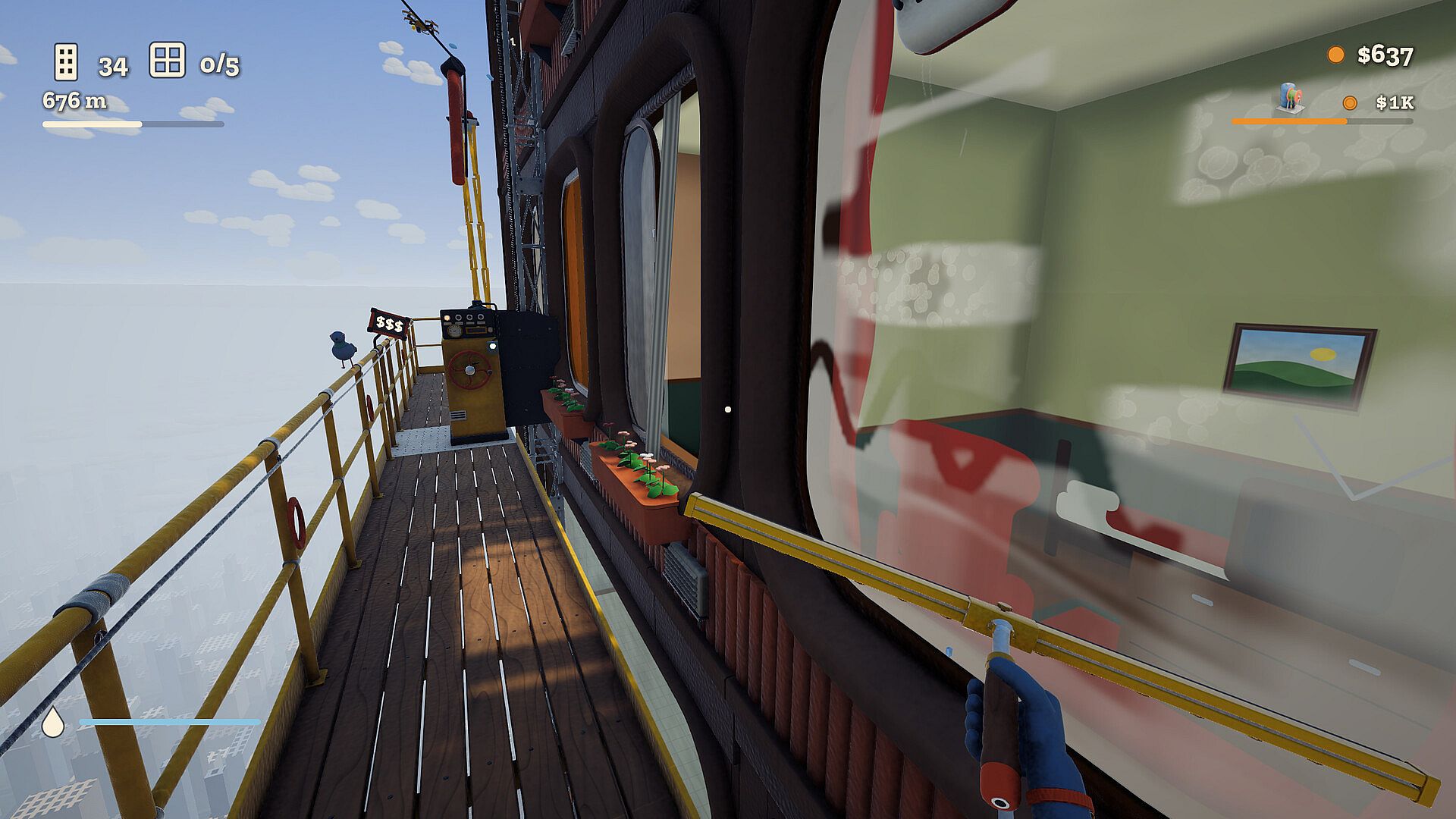
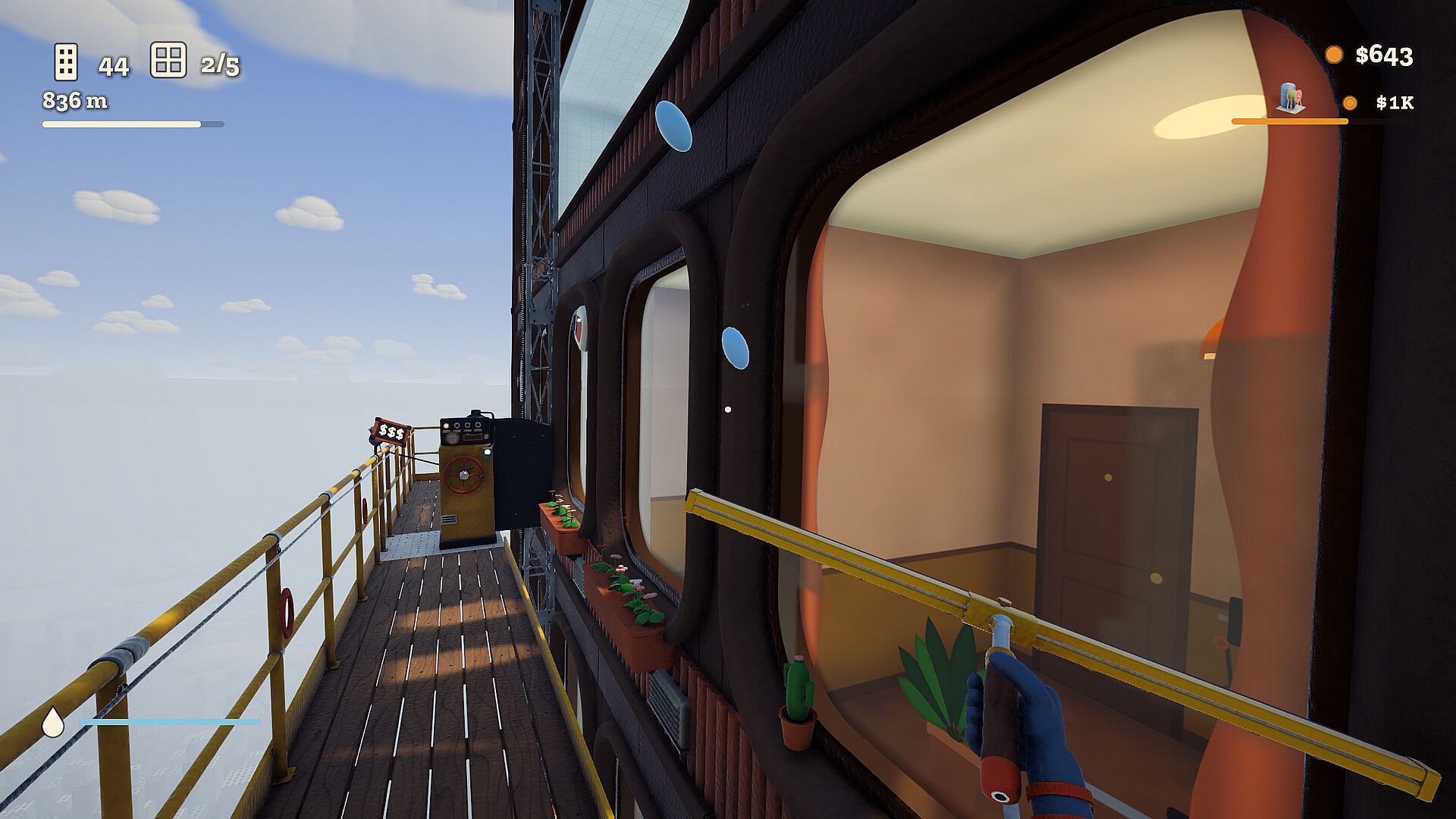
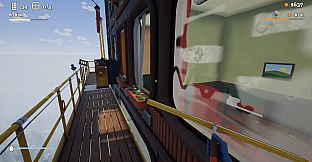
The core loop centers on holding the mouse button to drag a squeegee across dirty glass panes. Grime lifts away, the surface shines, and payment arrives in a single shared currency. Once a floor clears, the platform rises to the next level, with early limitations causing it to slide horizontally until upgrades extend its reach.
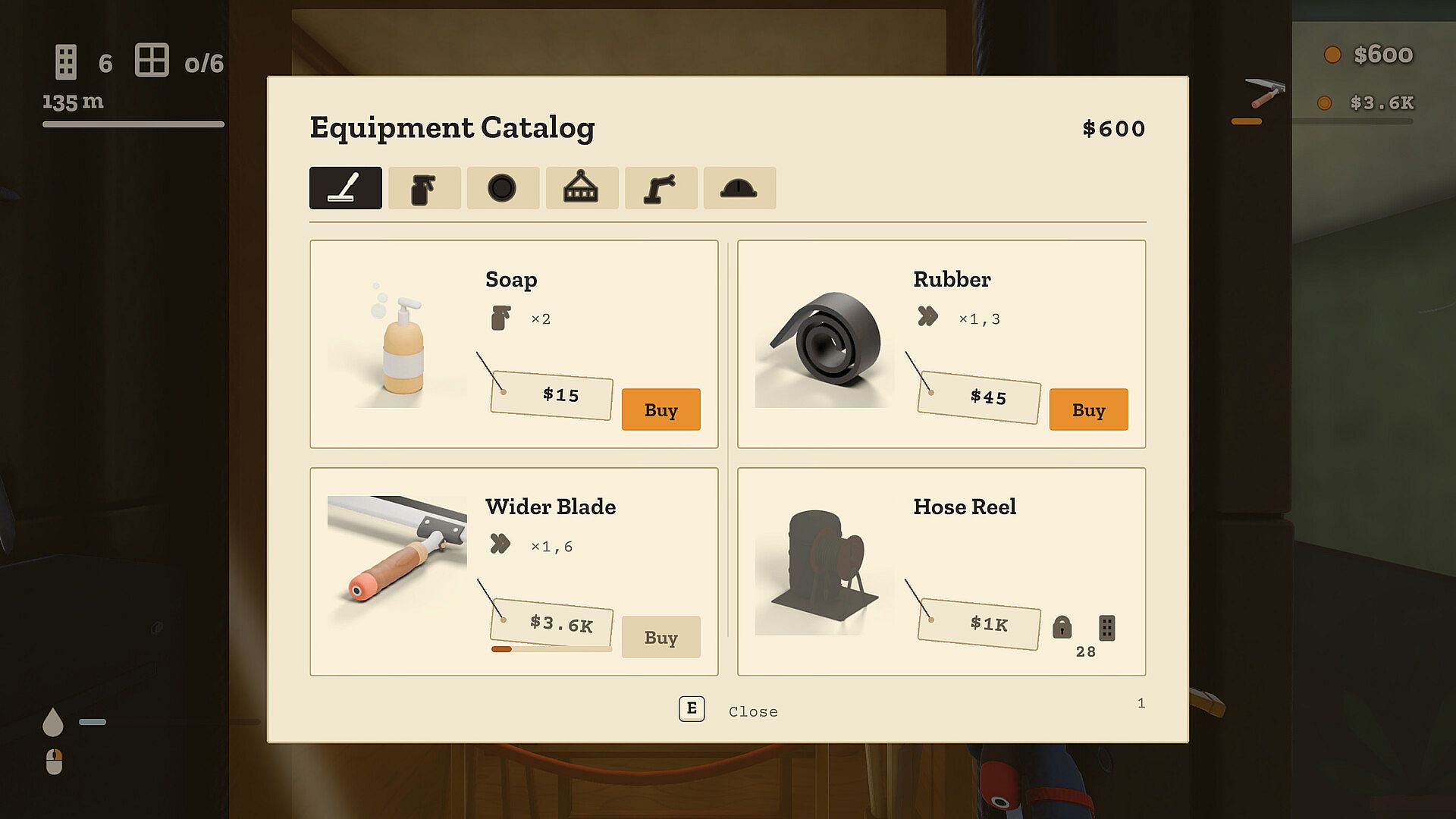
Progression flows through a single catalog offering 23 upgrade lines spread across six tracks. These cover earnings, squeegee improvements, platform enhancements, additional tools, helper robots, and general gear. Purchases visibly alter the equipment, speeding up the climb as blades widen, motors engage, and automation features activate.
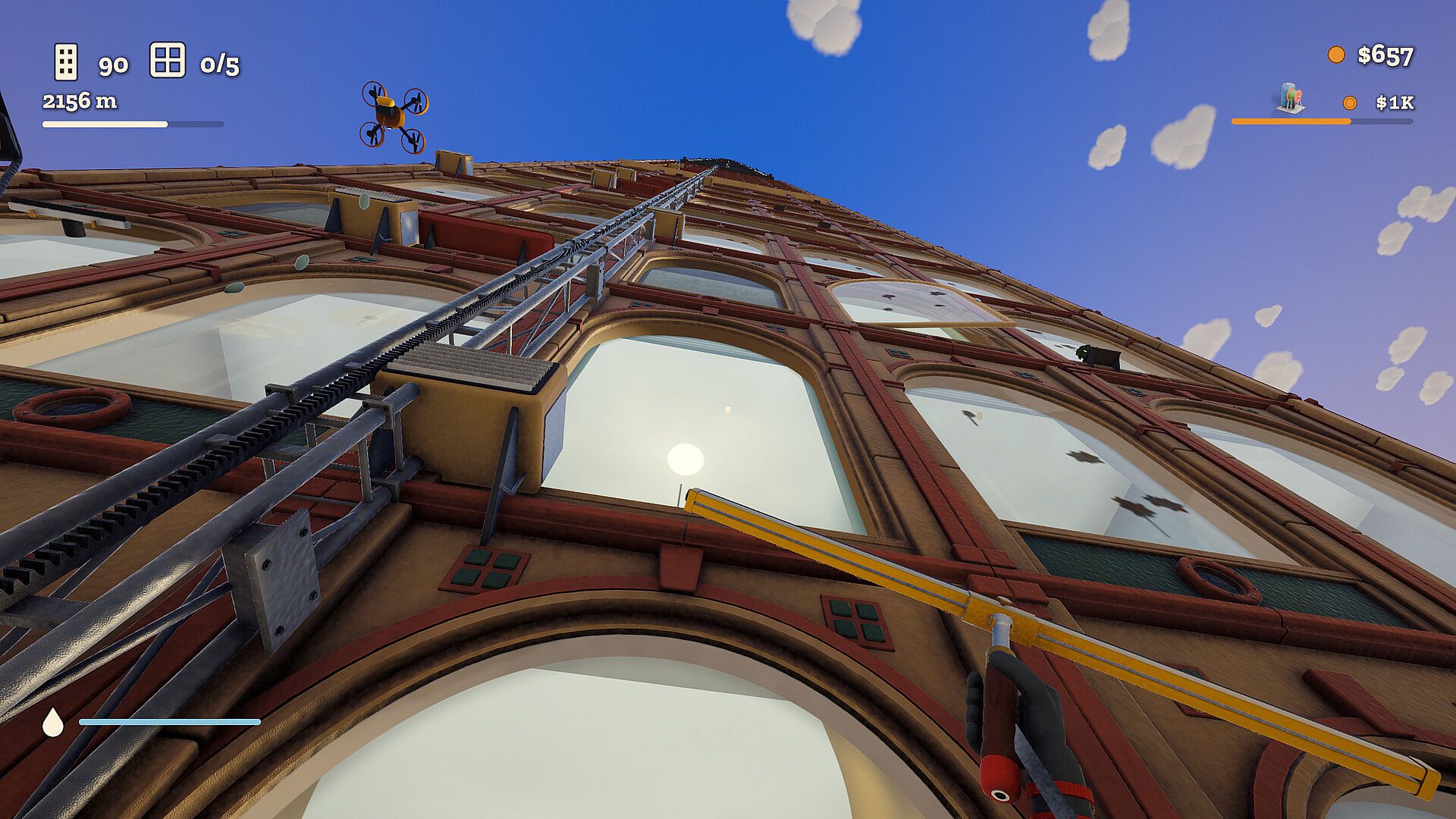
Three distinct robot helpers join the effort. A suction-cup model waddles between panes, a trolley-mounted arm assists from its rail, and a drone sprays water from above. Each levels up independently, gaining reliability while the player handles stubborn or awkward sections personally.
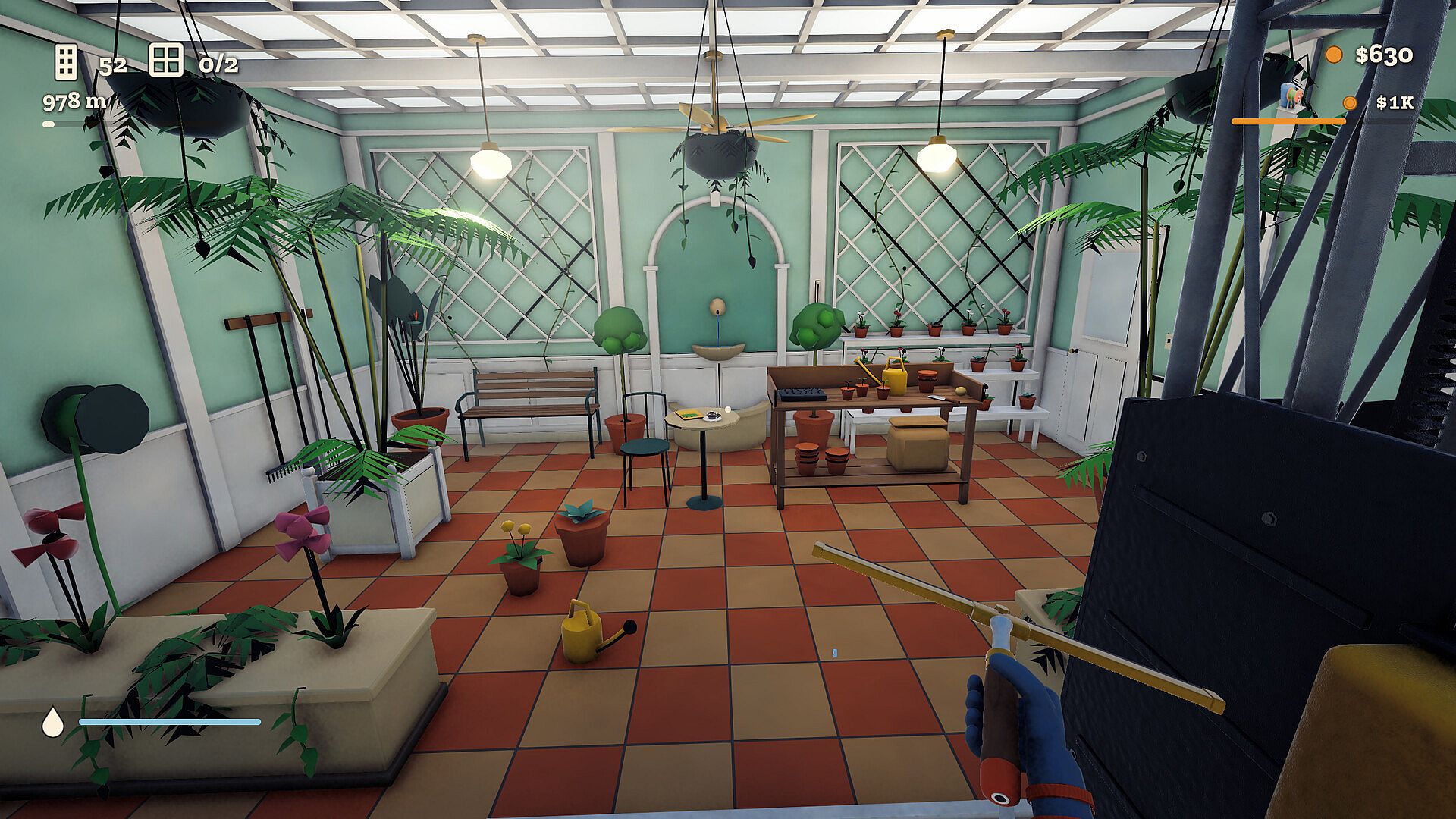
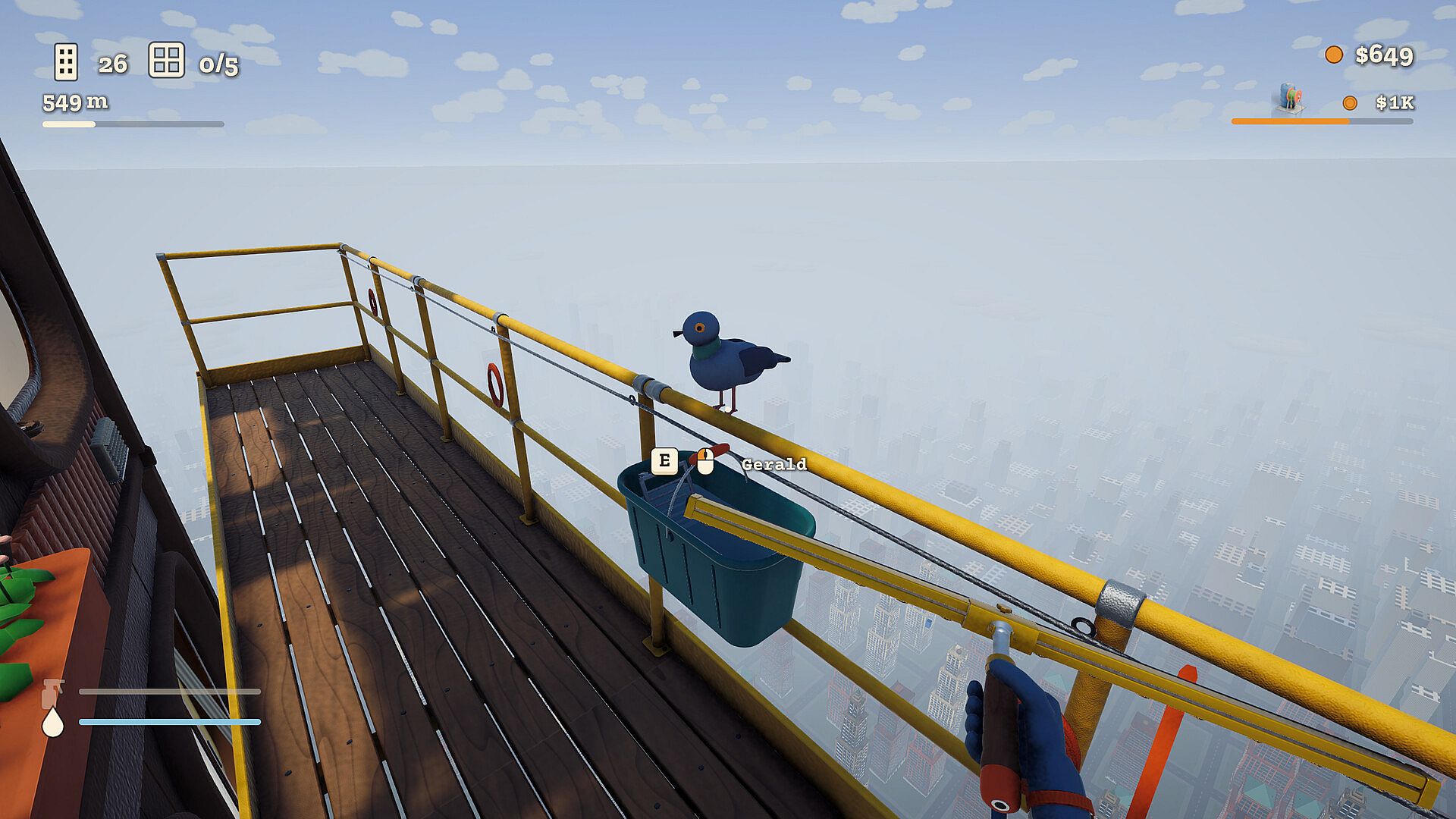
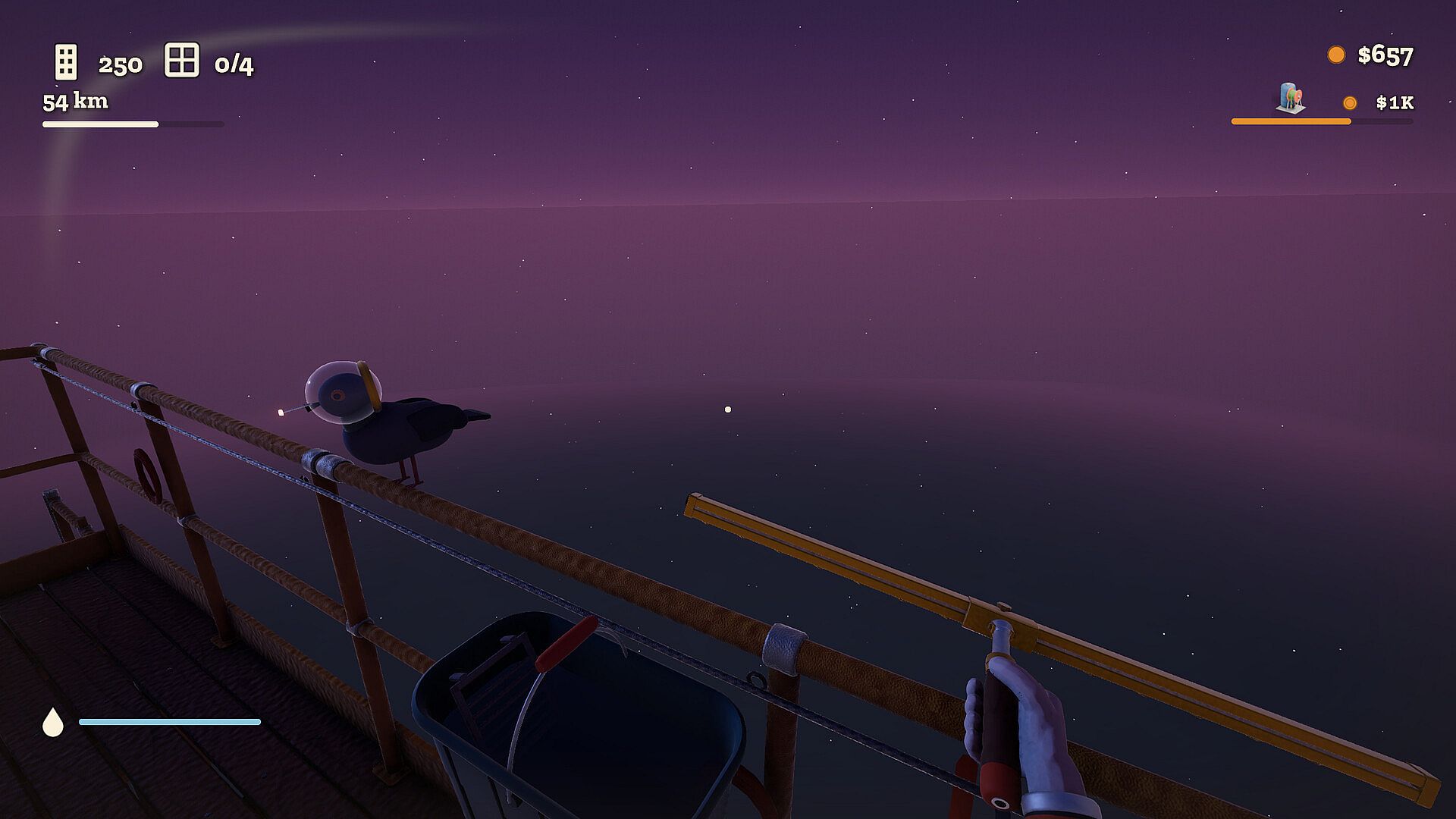
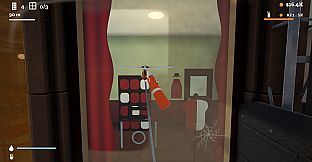
Eight distinct zones reflect different construction periods, each with matching skies, ambient sounds, and unique grime patterns. The ascent spans well over a thousand windows featuring varied details such as cracks, stickers, and nests. Rooms visible through the glass include barbershops, offices, and other everyday spaces that hint at a wordless narrative for attentive players. A recurring pigeon named Gerald adds a light presence throughout the climb.
Game Modes
Single-player mode forms the primary experience, allowing uninterrupted focus on the cleaning rhythm and personal upgrade path. The game runs to a defined ending after roughly three to four hours of play.
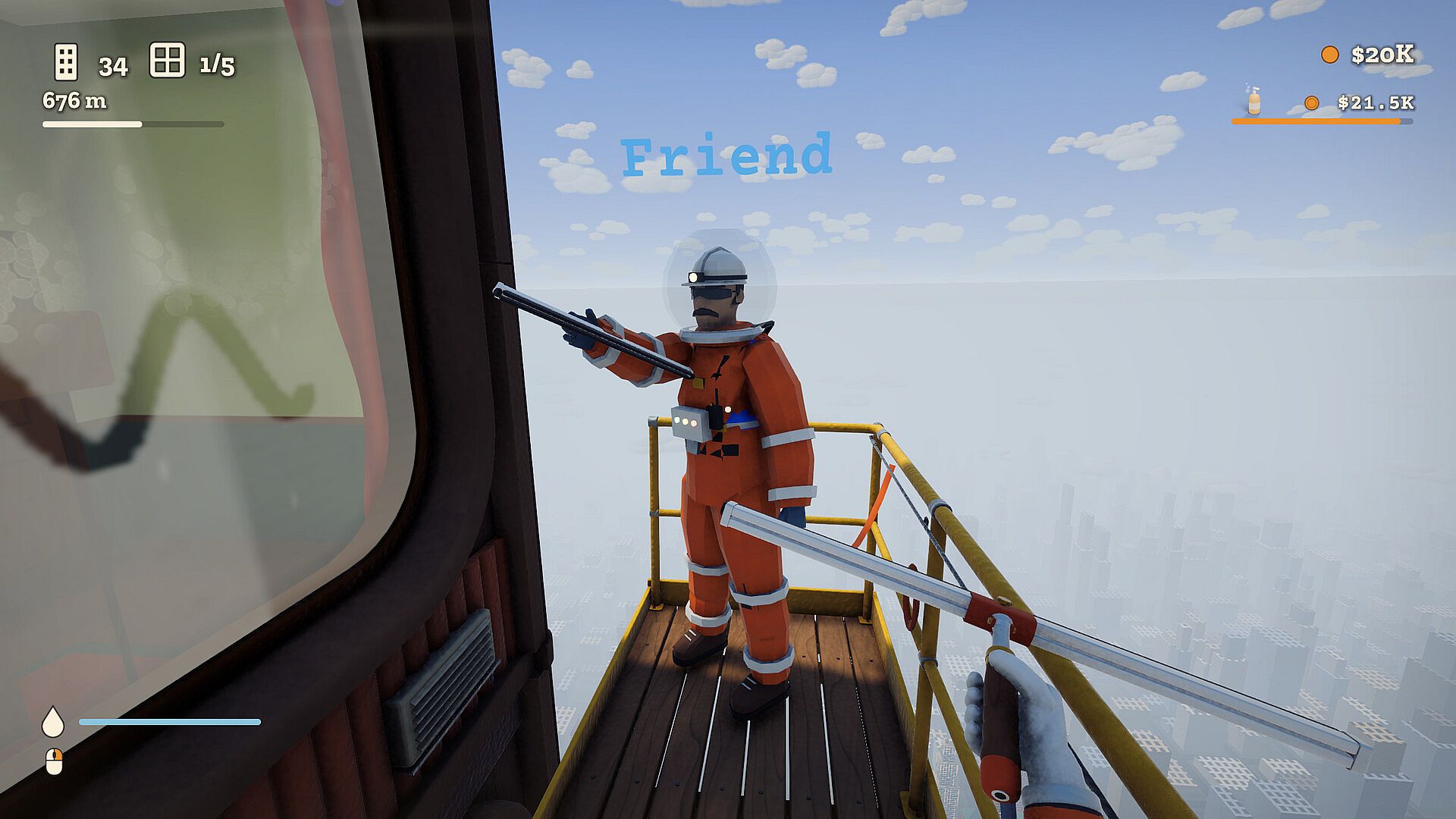
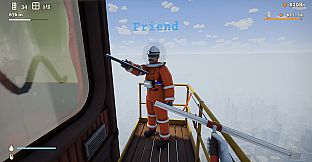
Two-player online co-op supports a friend joining or leaving at any moment. Both players share one wallet and one platform, splitting panes between them while using proximity voice chat for coordination. This setup maintains the same core loop without adding competitive elements or separate objectives.
The Tower and Its Details
The building itself changes character floor by floor, beginning with 1920s Art Deco near street level and progressing through mid-century offices, hotel rooms, sky gardens, and elevated airport sections. Time of day shifts naturally from sunrise at the base to midnight near the top, with pigeons visible below the deck and clouds passing underneath. Higher sections reveal airliners crossing far below, emphasizing the growing height.
Comfort options address potential motion concerns. A steady view during cleaning activates by default, alongside adjustable field of view, head bob intensity, and other reduced-motion settings.
Is It Worth Playing?
The game delivers a complete, self-contained experience without fail states, timers, or pressure. Its straightforward controls, consisting mainly of holding to clean and pressing E to use tools, suit players seeking low-stress incremental gameplay. The combination of visible equipment growth, helper progression, and environmental variety provides steady forward momentum across the full run time.
Those who enjoy relaxing simulation titles with light progression systems and atmospheric exploration will find the loop consistently engaging. The co-op option extends the appeal to pairs who prefer collaborative sessions without complex coordination demands. Because the title reaches a clear conclusion rather than relying on endless repetition, it fits sessions where players want a defined arc rather than open-ended grinding.












