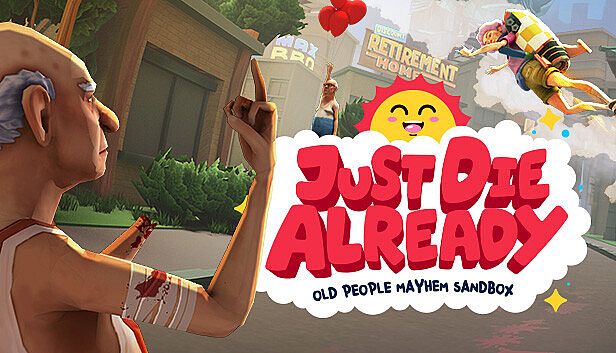

























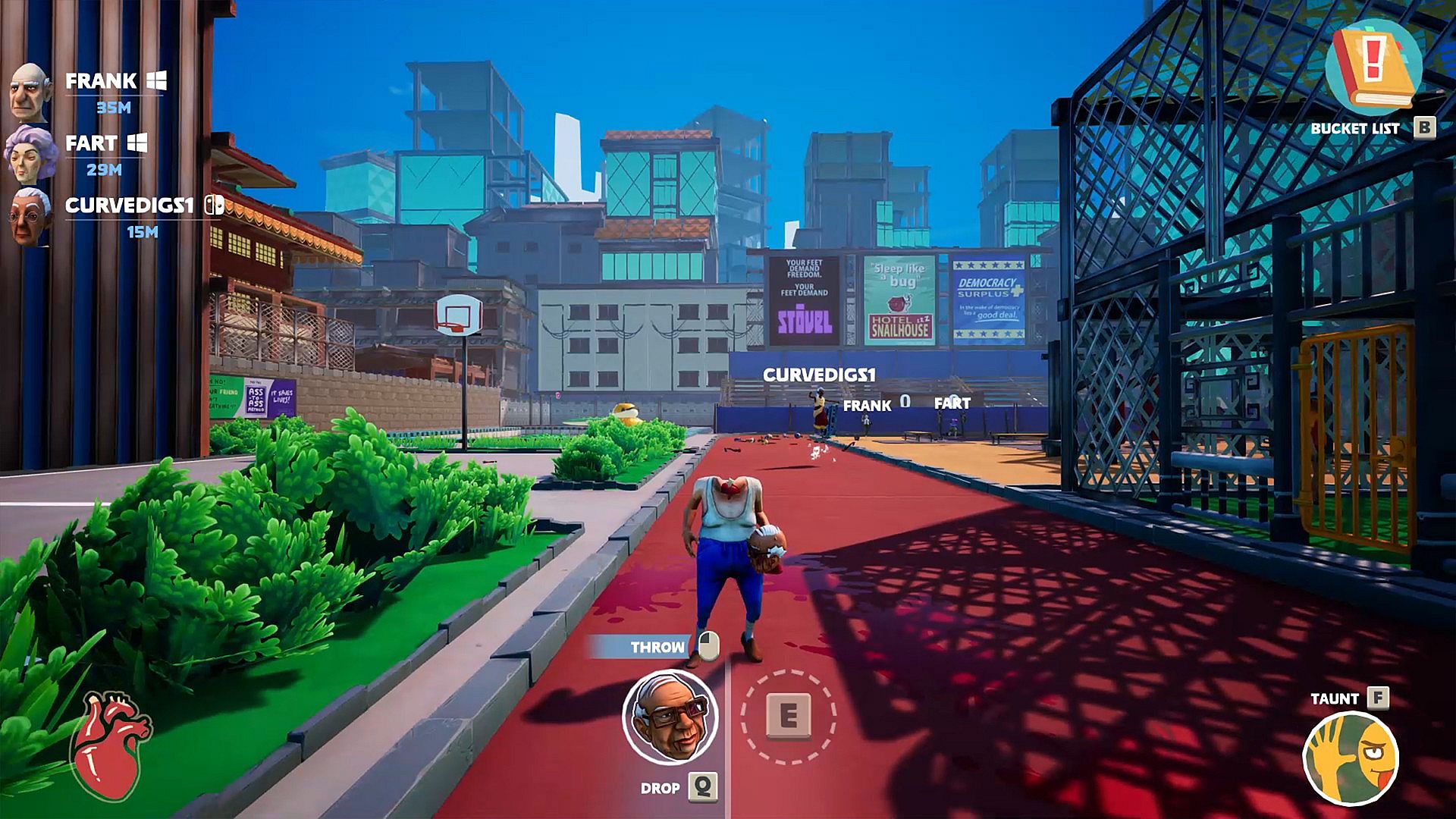
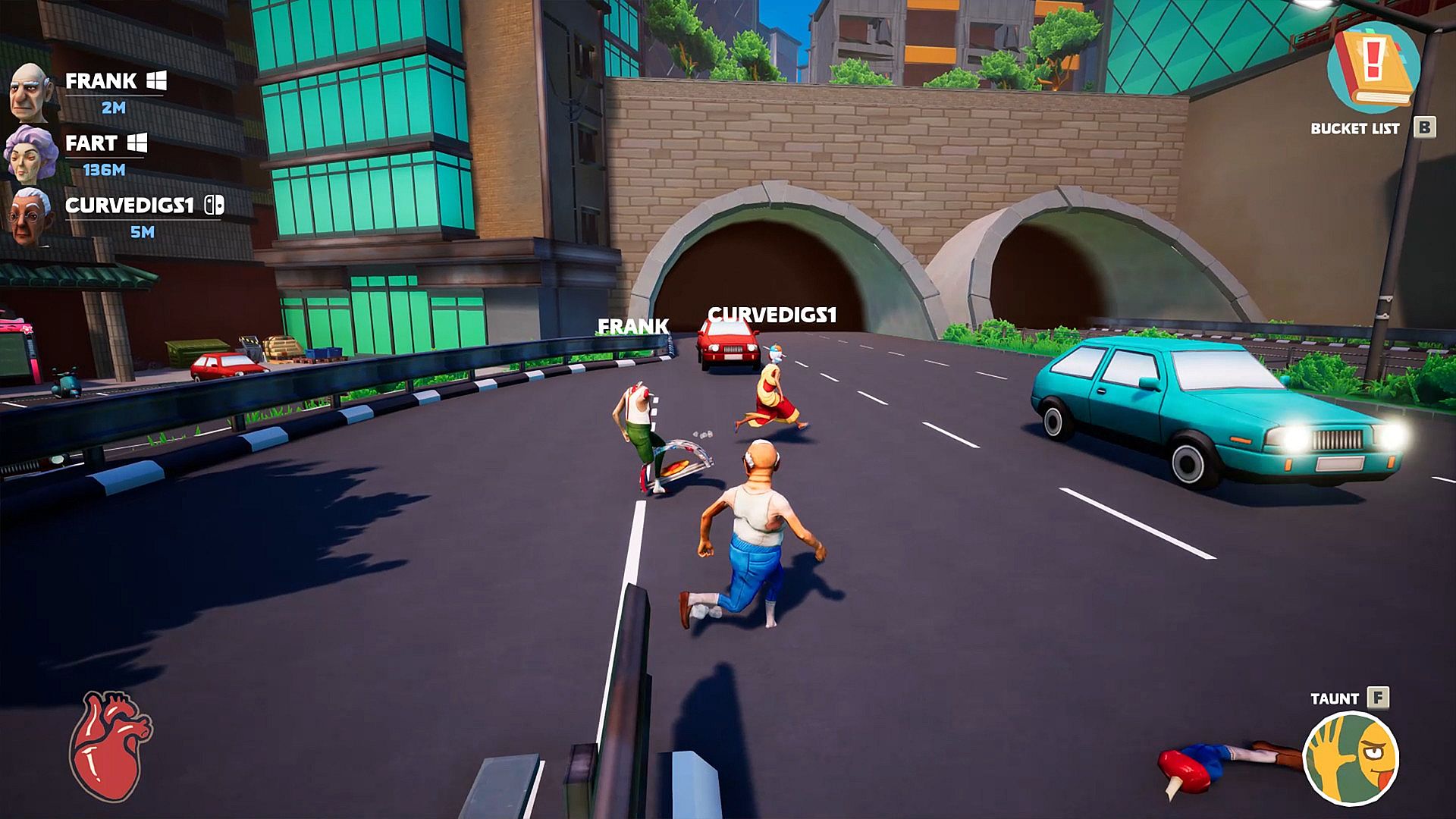
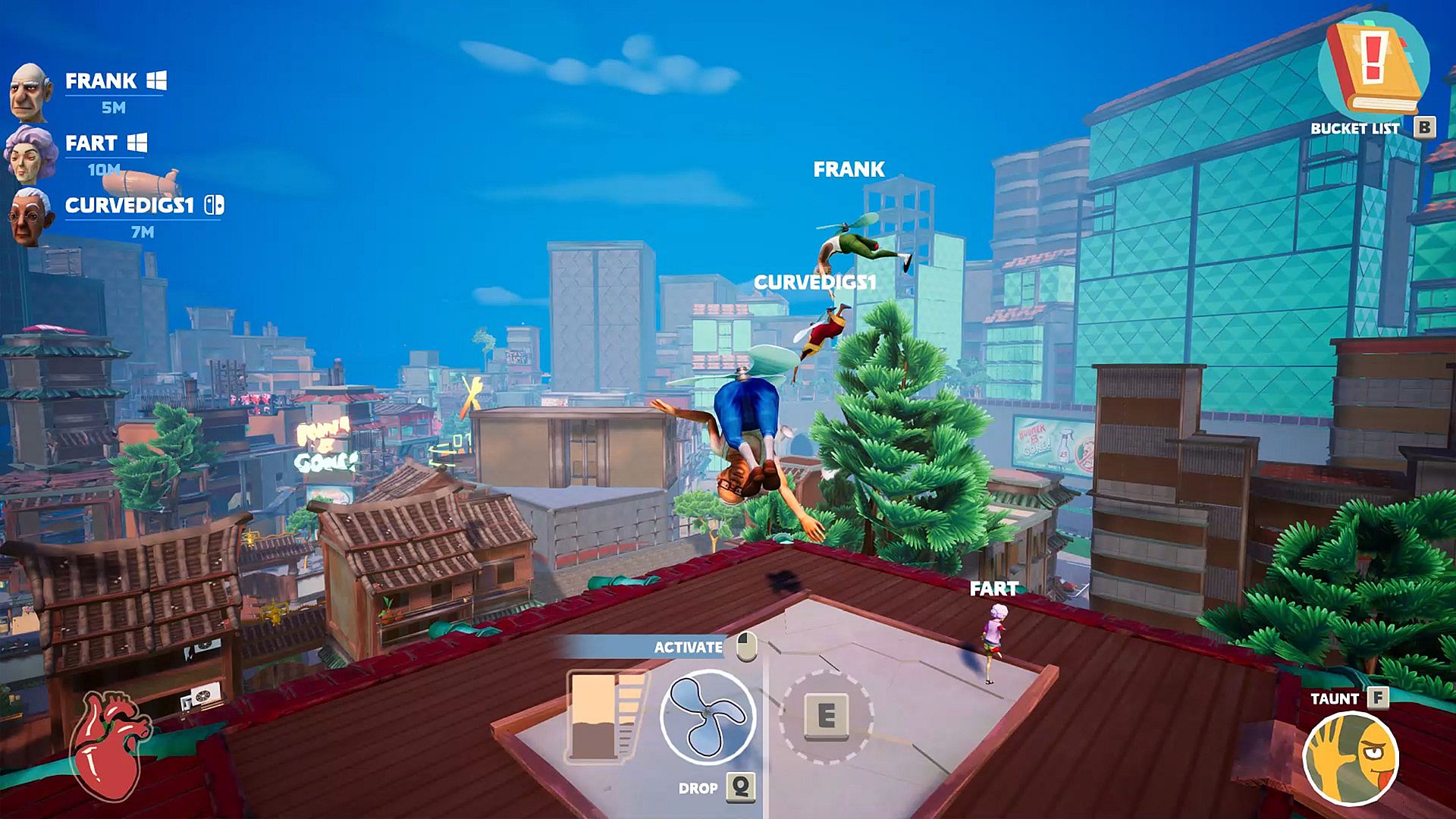
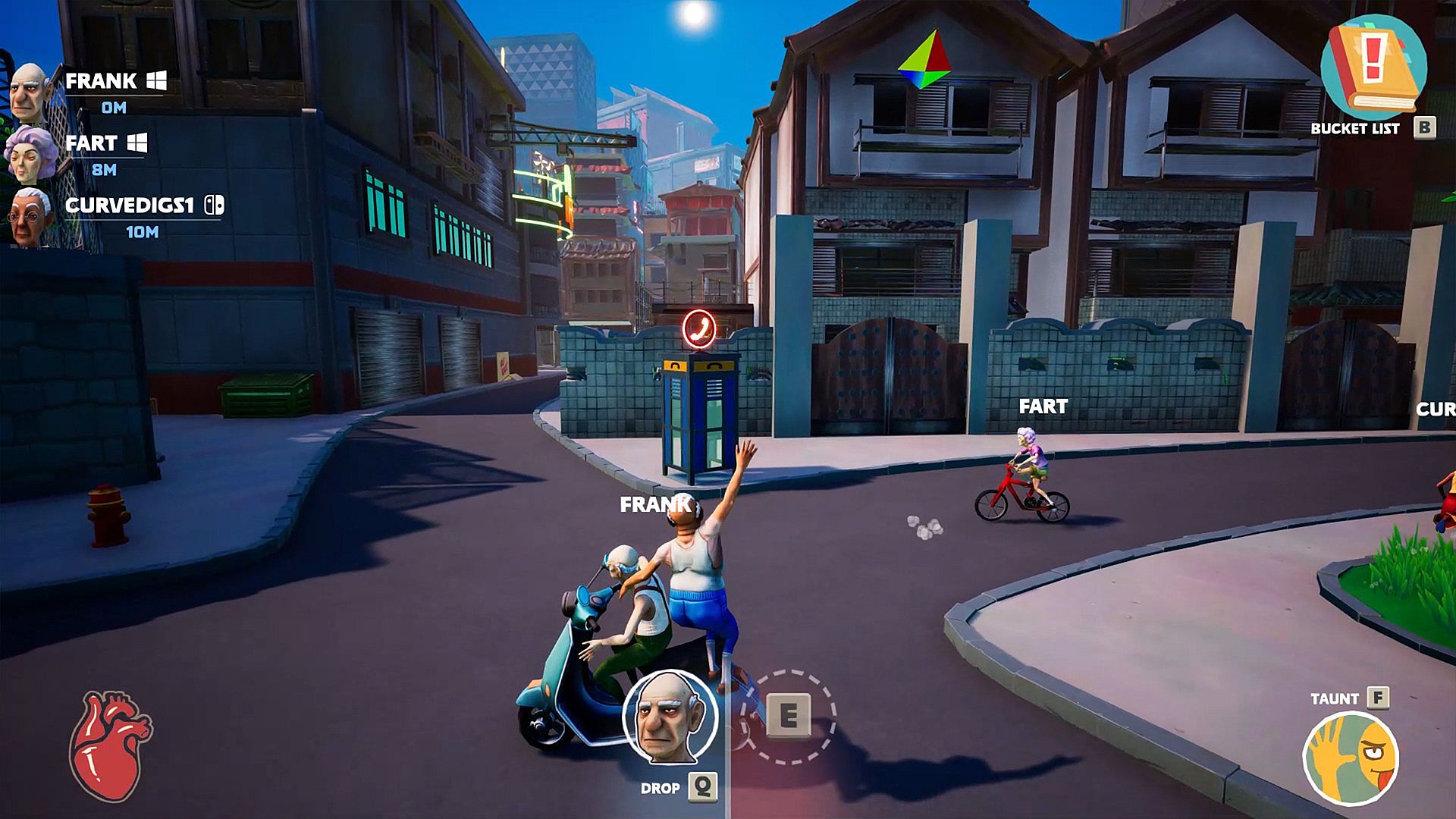
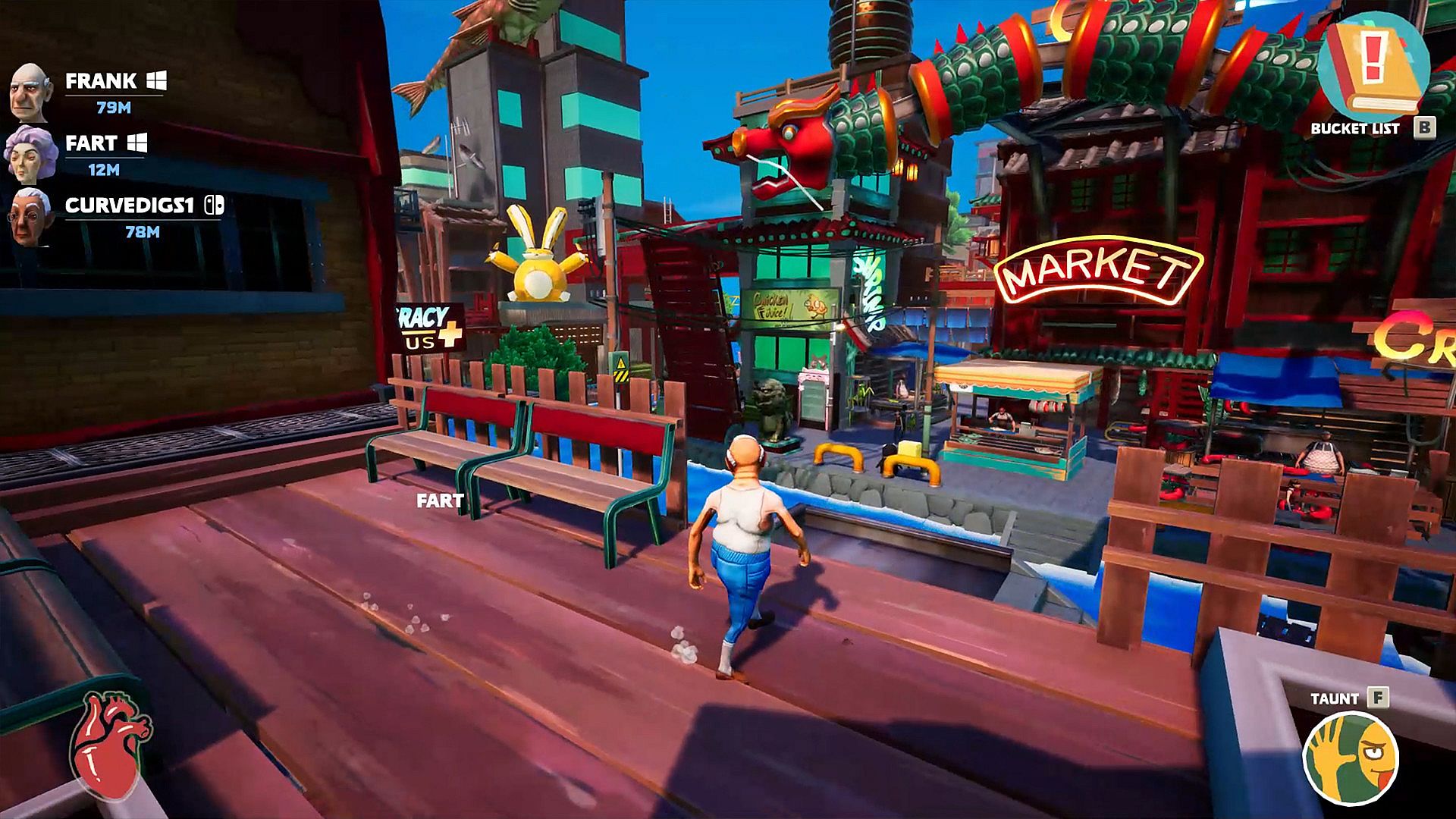
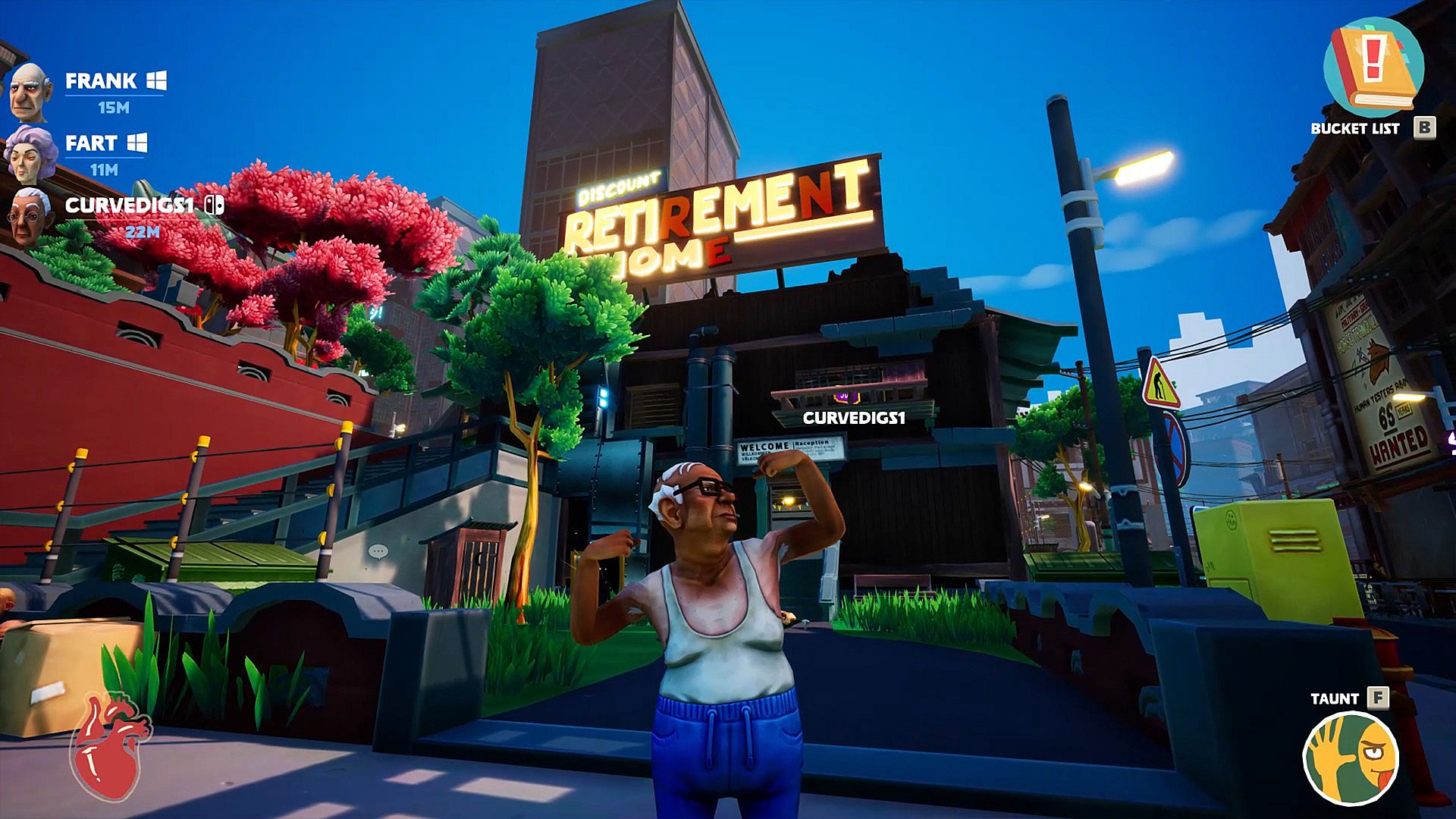
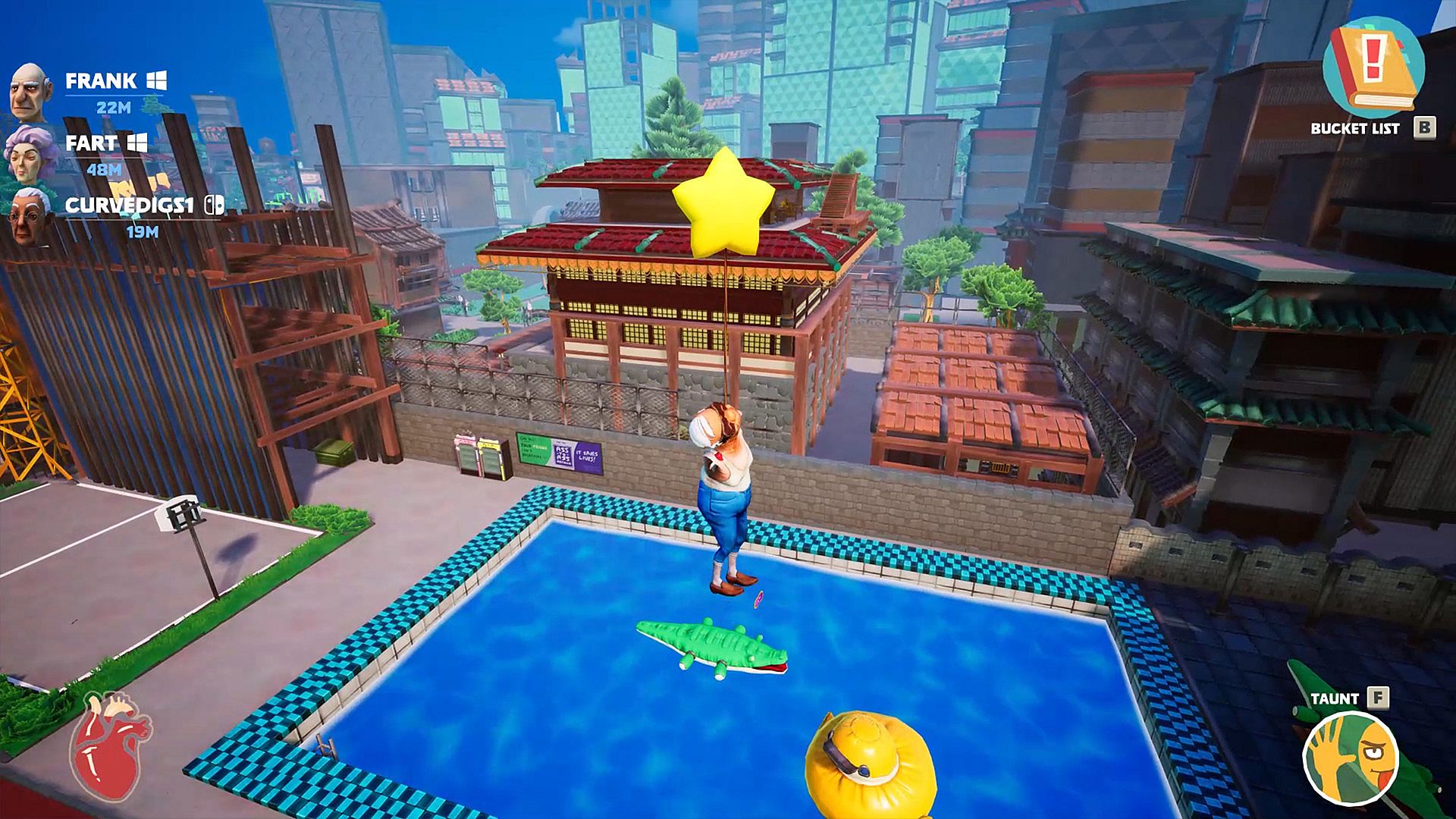
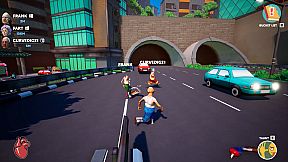
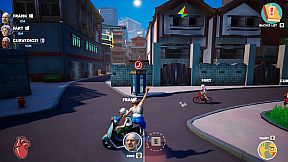
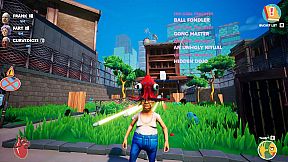
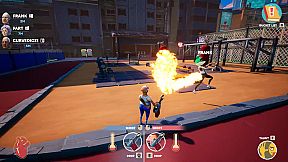
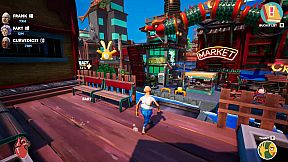
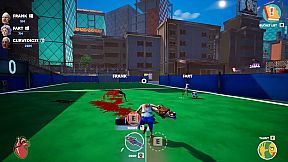
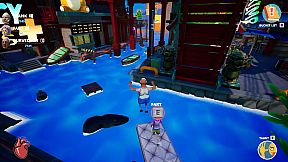
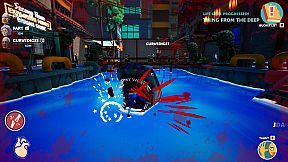
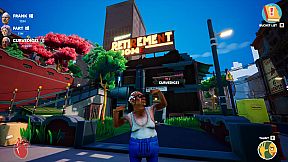
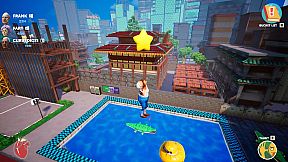
Just Die Already is an indie simulation and adventure game that puts players in control of elderly characters navigating a chaotic sandbox world. In this near-future setting where pensions have dried up, the core experience revolves around surviving as a fragile retiree through absurd physics interactions and dangerous stunts.
Gameplay
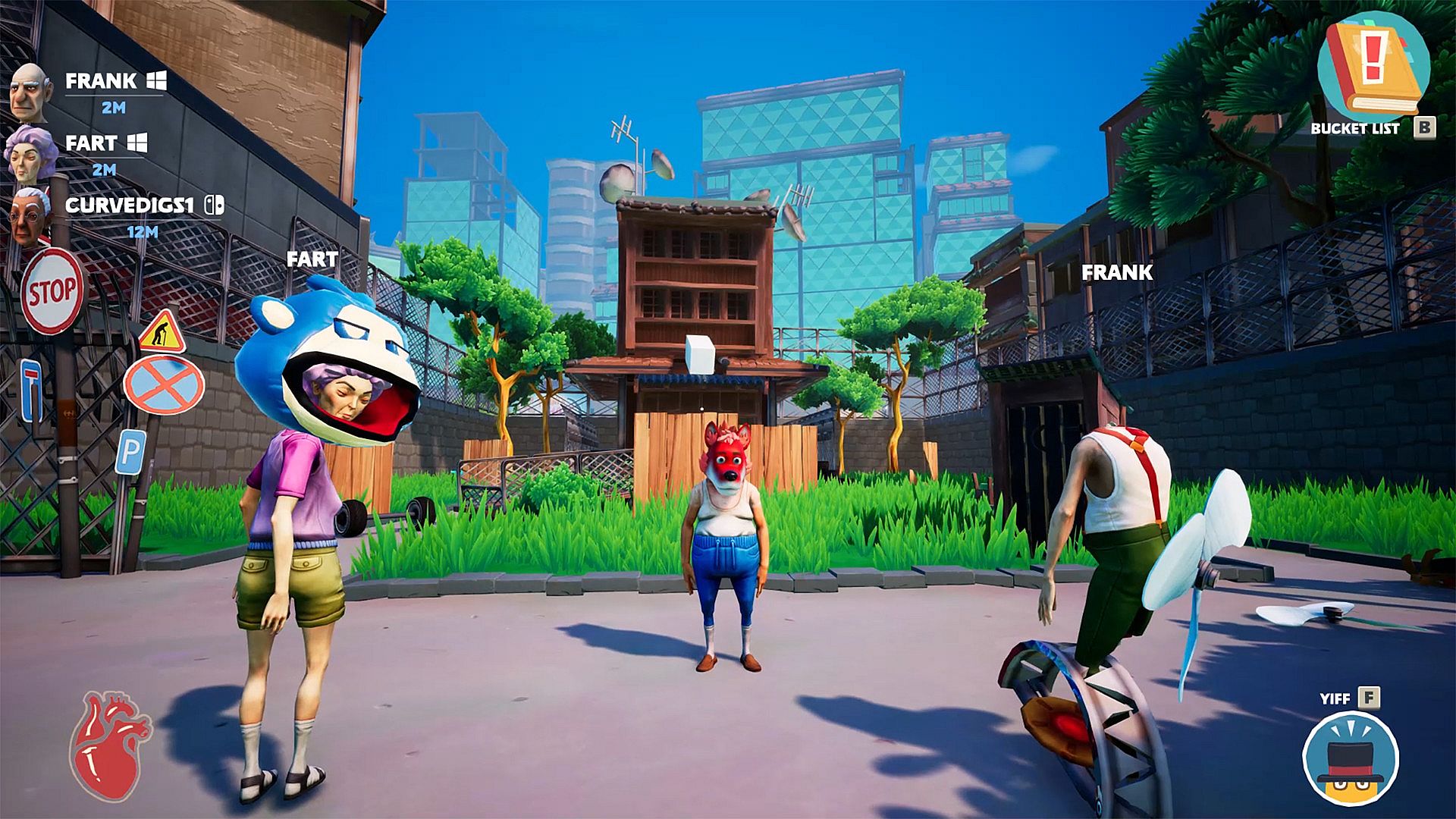
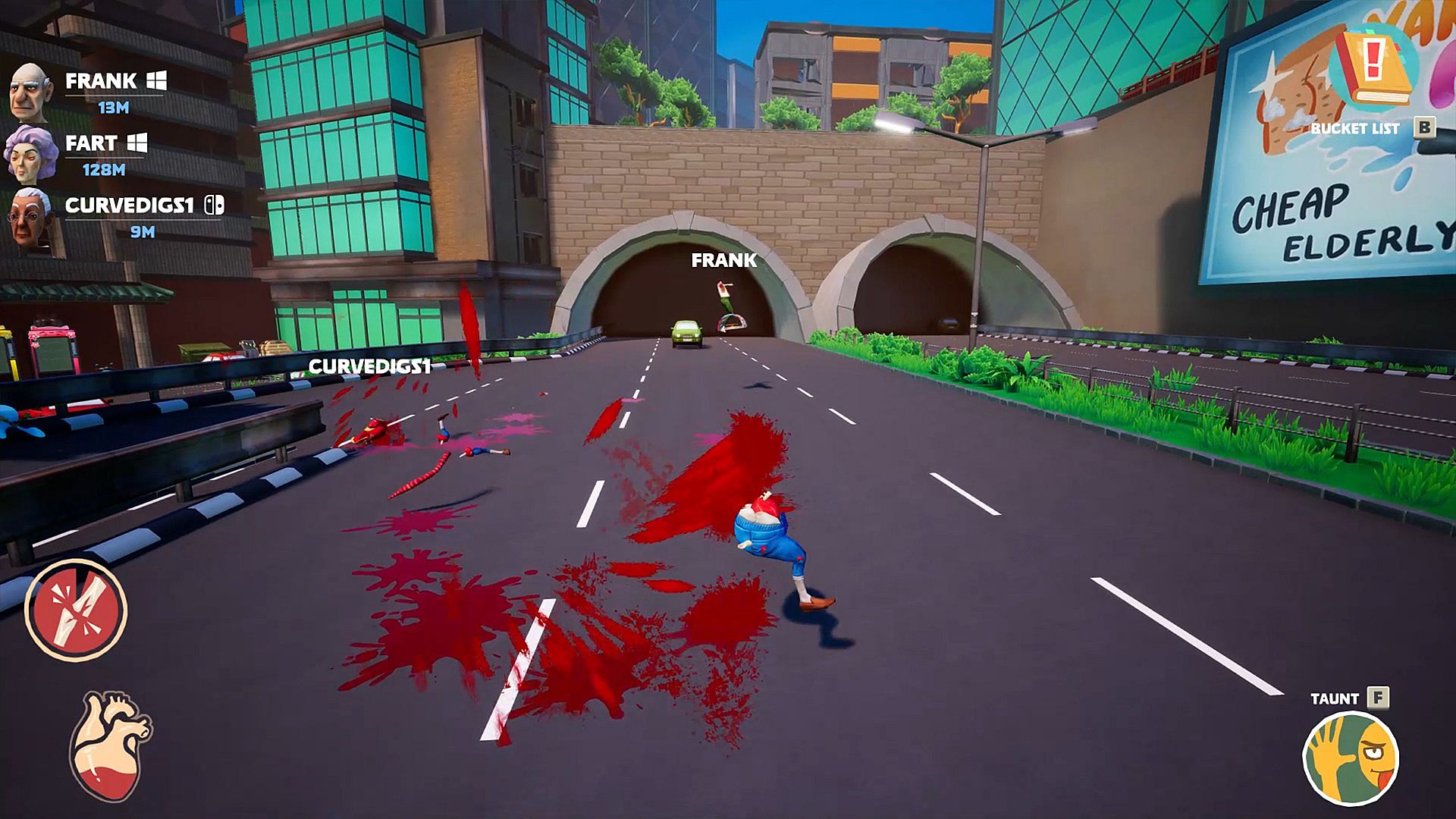
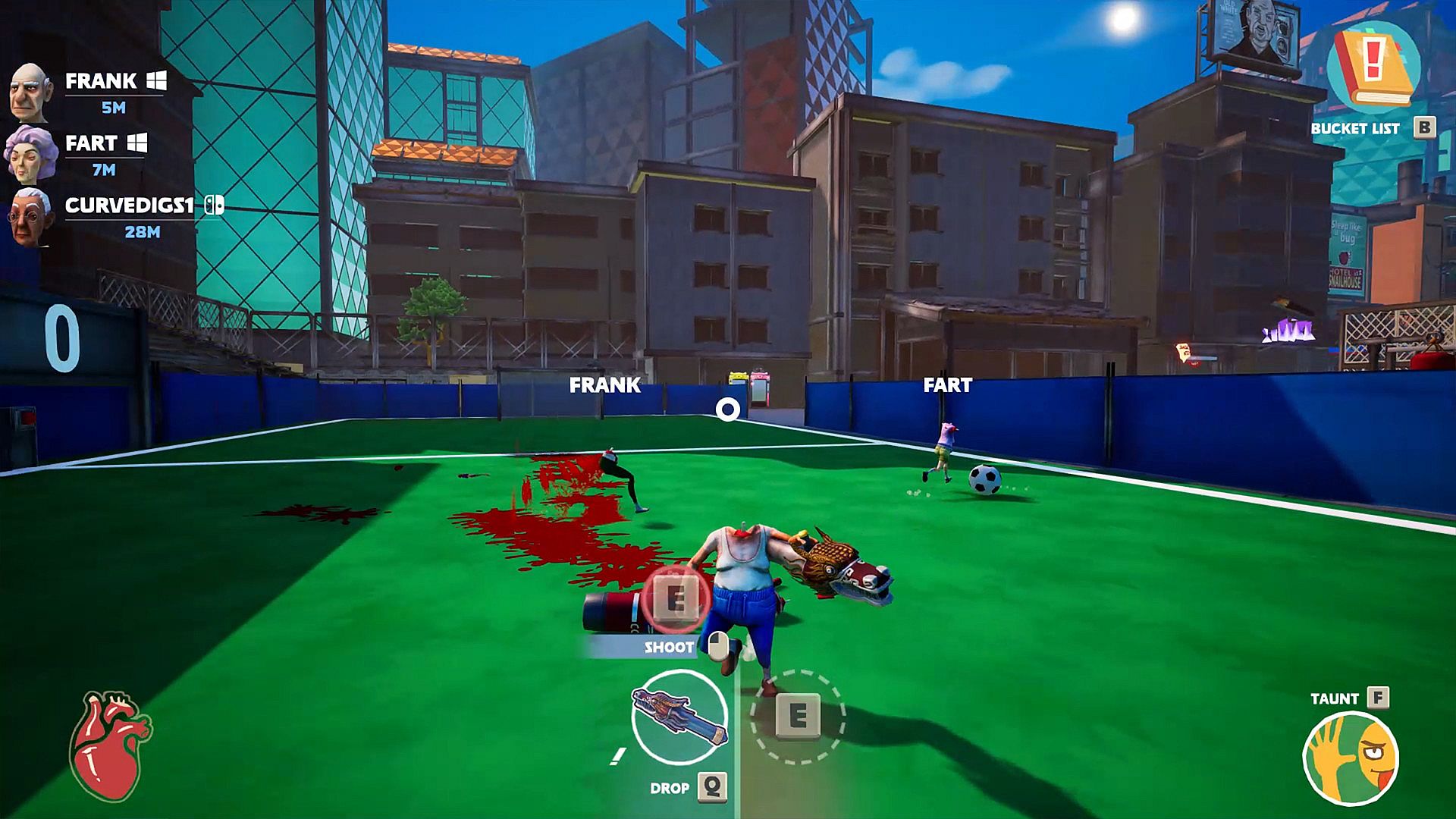
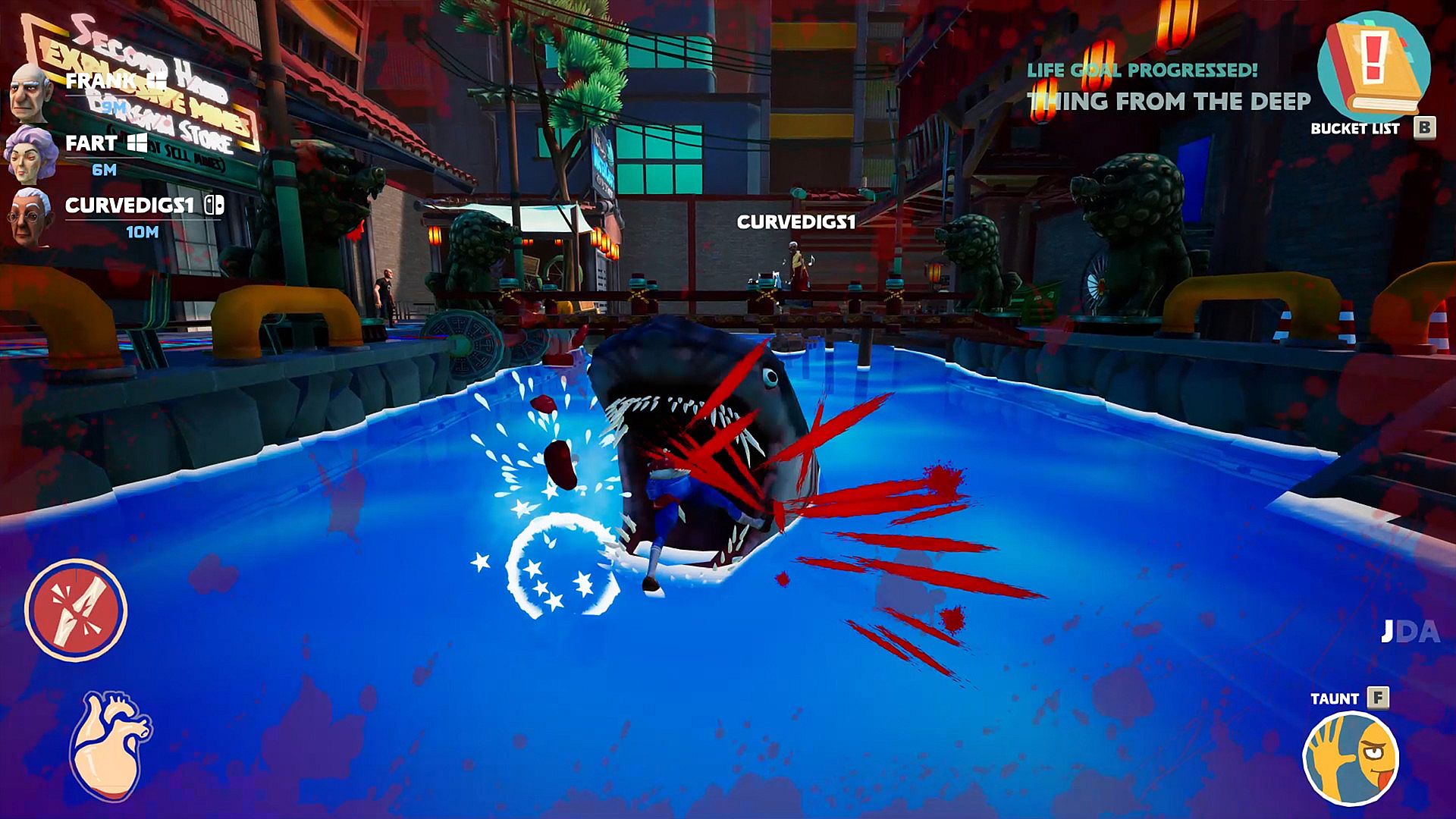
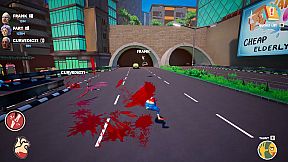
The central loop involves controlling one of several elderly protagonists who move with deliberate awkwardness and break easily under stress. Players explore detailed urban environments filled with interactive objects such as weapons, vehicles, household items, and environmental hazards. The ragdoll physics system allows for unpredictable outcomes where limbs detach, heads roll, and bodies tumble in comical or gruesome ways during attempts to complete objectives.
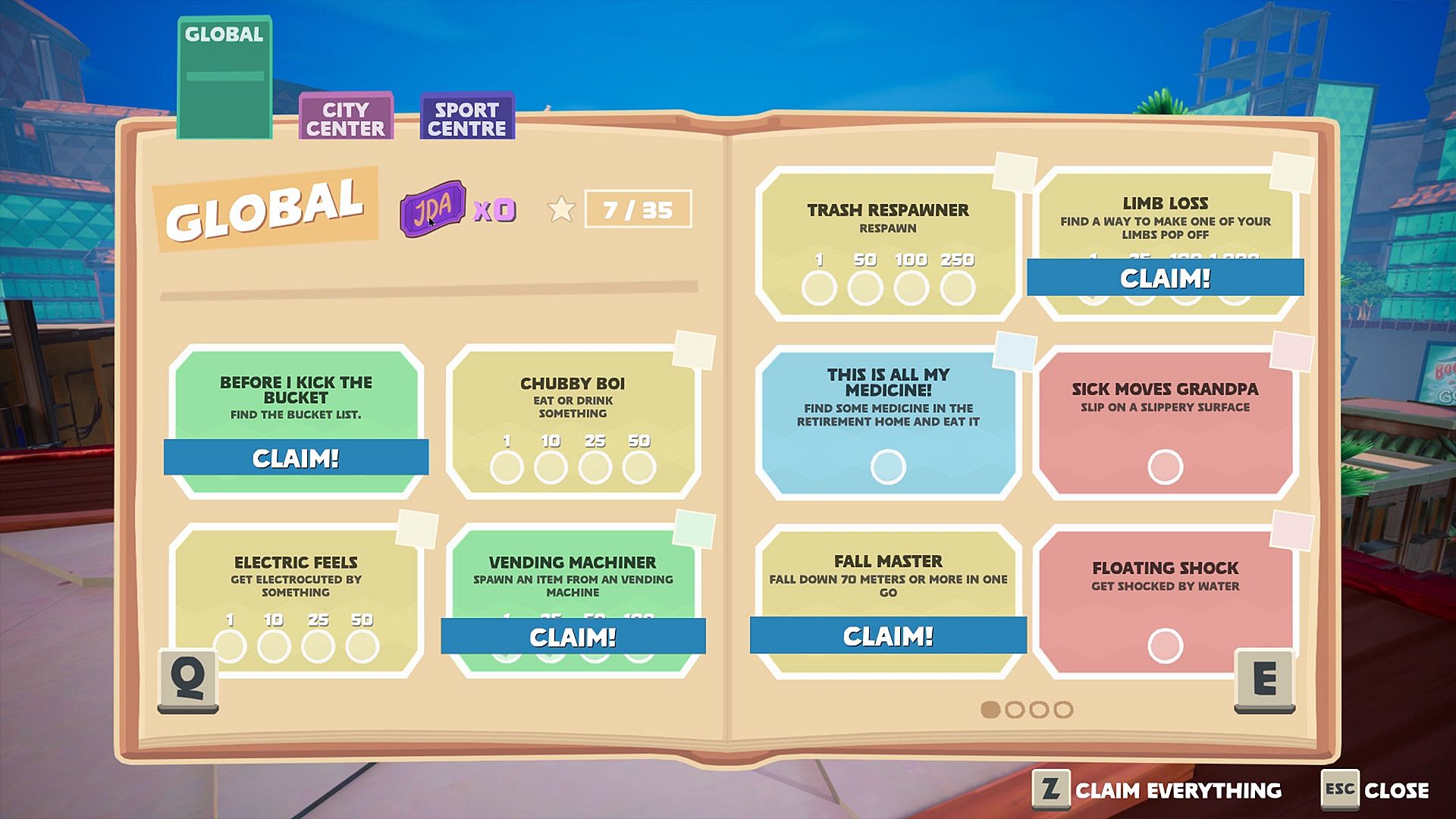
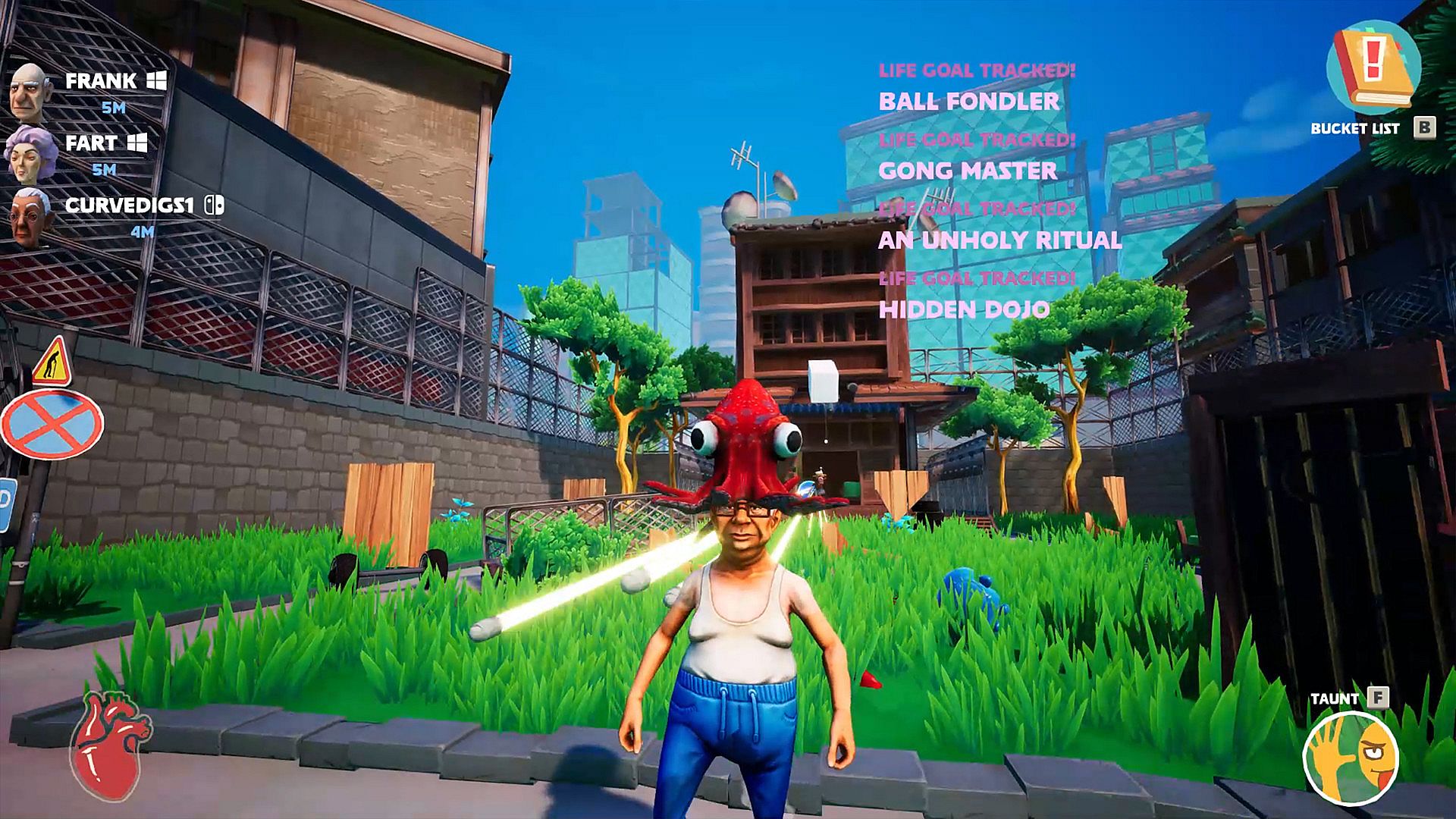
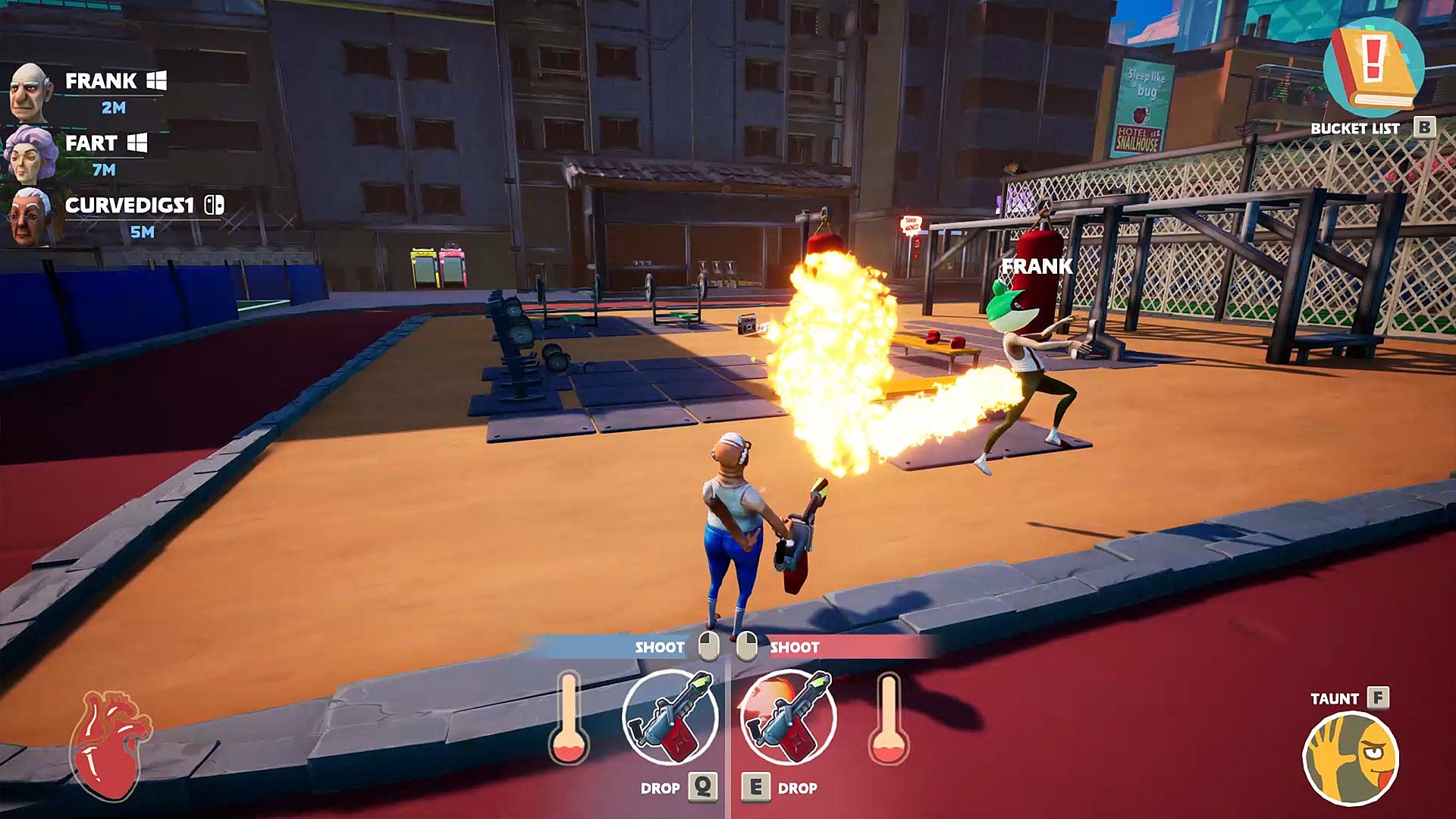
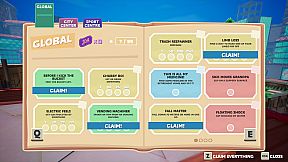
Progress centers on a bucket list of challenges that reward retirement tickets. These tasks range from launching oneself via catapults to using severed body parts as improvised weapons. Dual-wield mechanics let players grab and activate items independently with each hand, leading to creative combinations like wielding a fish in one hand and a jetpack in the other. Exploration rewards curiosity, as hidden paths and secret interactions encourage repeated visits to the same areas to test new ideas.
Fragility defines every action. Simple slips or collisions can end attempts instantly, forcing quick restarts while the world reacts with varied NPC behaviors based on age groups. Younger characters might mock failures while others flee in panic, adding layers to the mayhem without altering core objectives.
Game Modes
Single-player sessions focus on methodical challenge completion and world discovery at the player's own pace. The sandbox design supports free-form experimentation alongside structured goals, allowing runs to shift between careful planning and reckless improvisation.
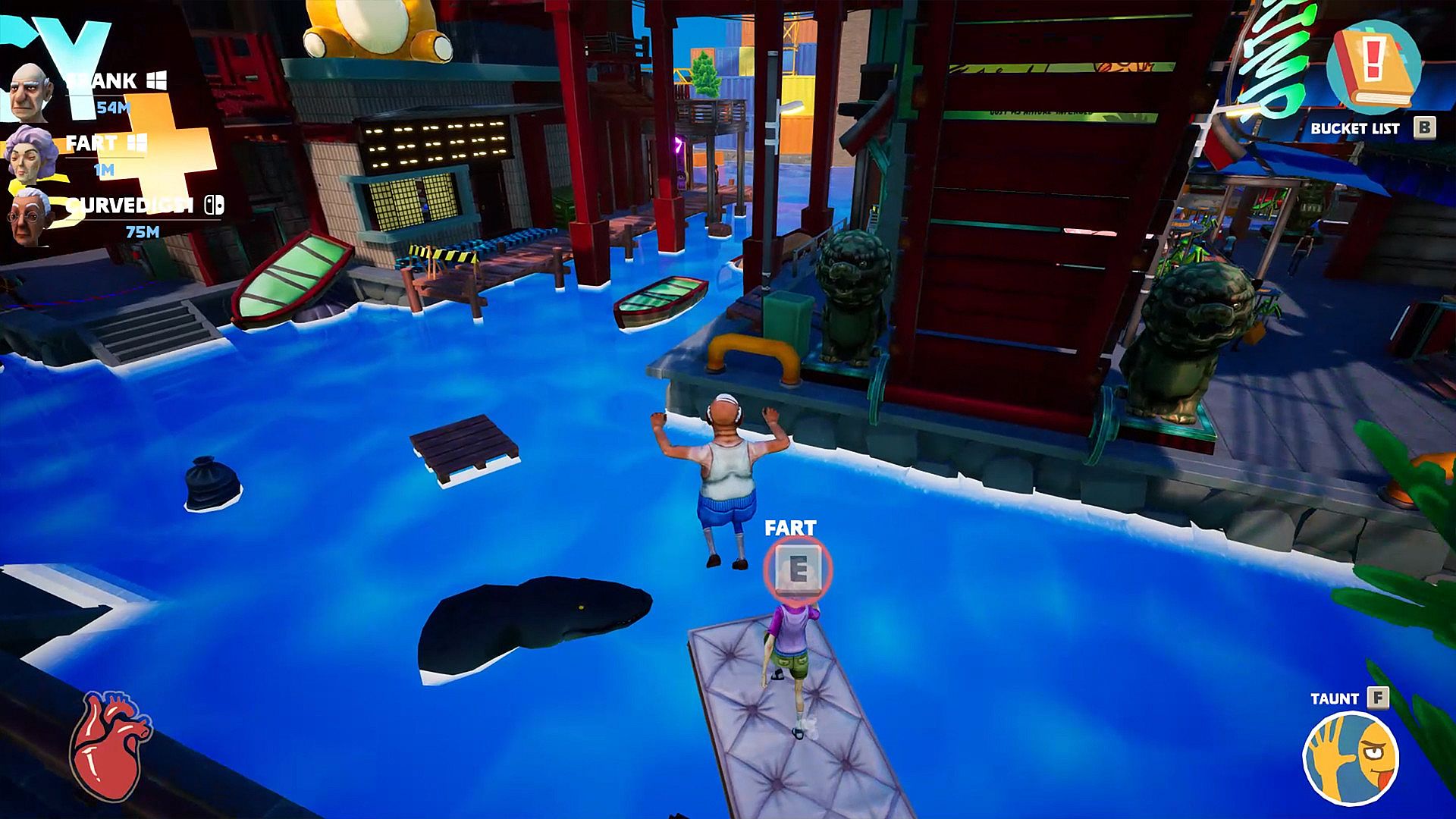
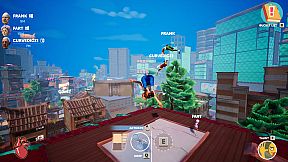
Multiplayer expands the experience to online sessions supporting up to four participants. Co-operative play lets groups tackle challenges together, coordinating object use and reviving fallen allies amid the chaos. Alternatively, players can turn on each other for pure destructive fun, ripping limbs and causing group-wide disasters.
Post-launch free player-versus-player content adds dedicated arenas where participants compete directly. Four distinct arenas support customizable rulesets, turning the core physics into competitive bouts focused on survival and elimination. These modes integrate seamlessly with the existing sandbox tools, emphasizing limb removal and environmental kills over traditional scoring.
Exploration and Interaction
The game world consists of interconnected city districts packed with secrets and alternative routes. Every object carries potential for harm or utility, from electrical wires that deliver shocks to fireworks that create chain reactions. Experimentation forms the heart of discovery, as combining items in unexpected ways often unlocks new challenge solutions or hidden areas.
NPC populations respond dynamically to player actions, creating emergent moments where crowds gather or scatter based on visible violence. This reactive layer encourages players to test social consequences alongside physical ones during extended sessions.
Is It Worth Playing?
Player reception remains strongly positive years after release, with Steam reviews holding at very positive status across thousands of entries. The game continues to receive occasional support, including the free multiplayer expansions that keep the experience fresh for returning players.
It suits those who enjoy short, replayable sessions built around absurd physics and social humor rather than deep narratives or competitive rankings. Groups looking for cooperative chaos or light competitive play will find the most value, while solo players can still engage with the extensive single-player challenges and exploration.
The low barrier to entry combined with high replayability through different character choices and object combinations makes it a solid pick for fans of similar sandbox titles. Those seeking polished simulations or serious gameplay may find the intentional fragility and trial-and-error approach less appealing, but the consistent humor and creative freedom deliver consistent entertainment for the right audience.