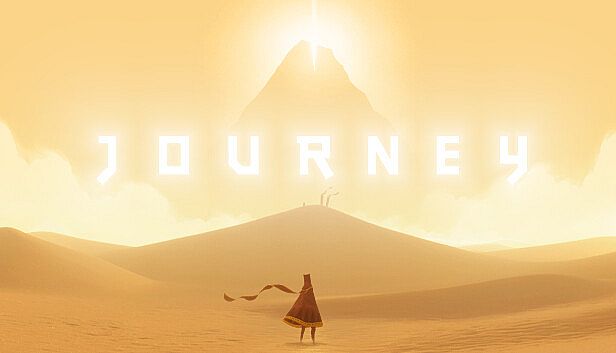






















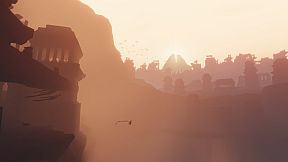


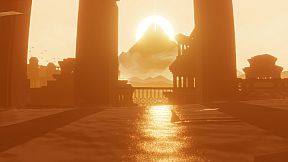
Journey stands out as an indie adventure game that invites players into a vast, enigmatic desert landscape. Released initially in 2012 and later brought to PC, it focuses on exploration and discovery without traditional combat or dialogue. You guide a silent, robed figure toward a distant mountain, uncovering remnants of a lost civilization along the way. The experience emphasizes atmosphere and emotion, blending solitary reflection with moments of unexpected connection.
Gameplay
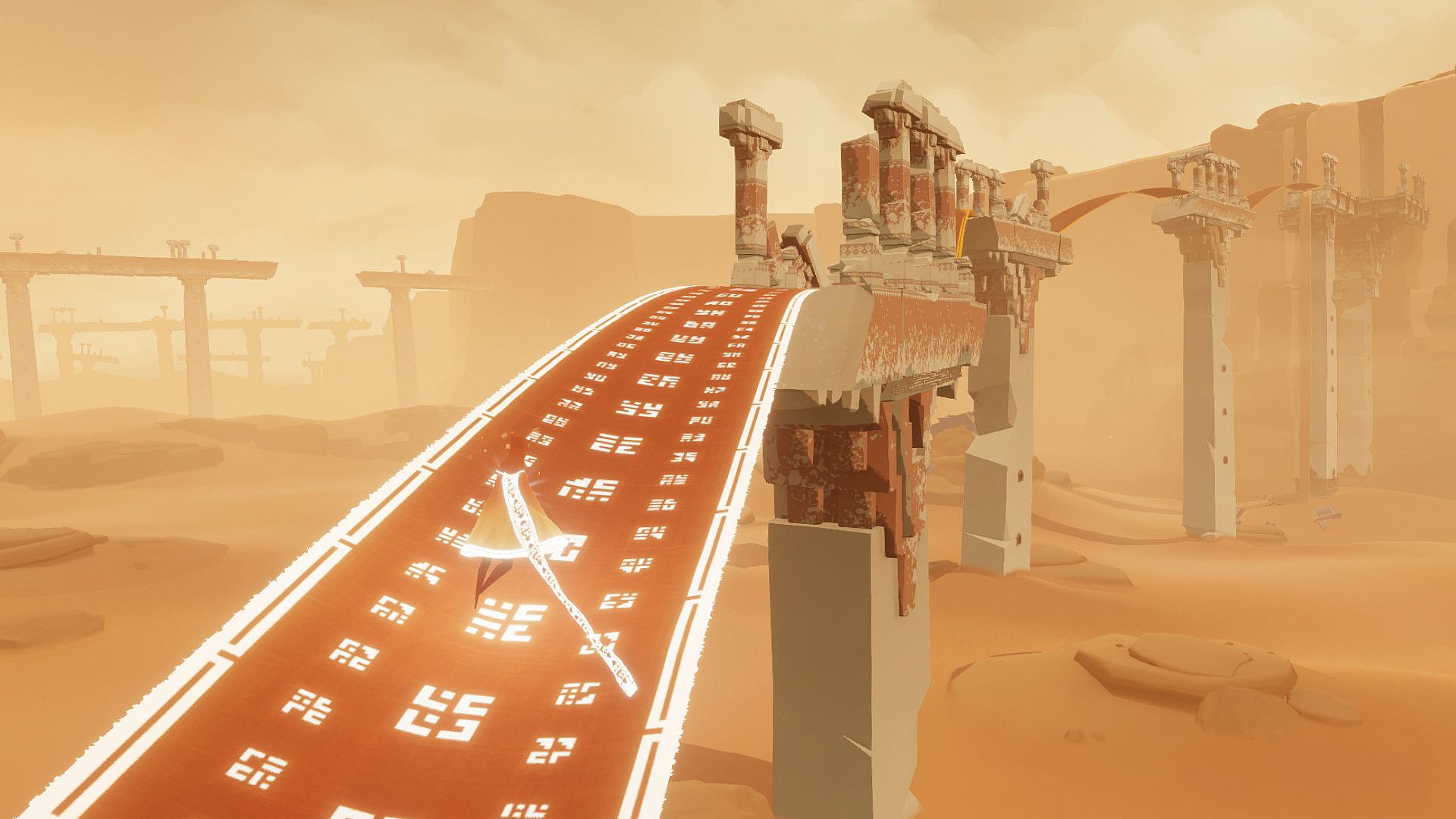
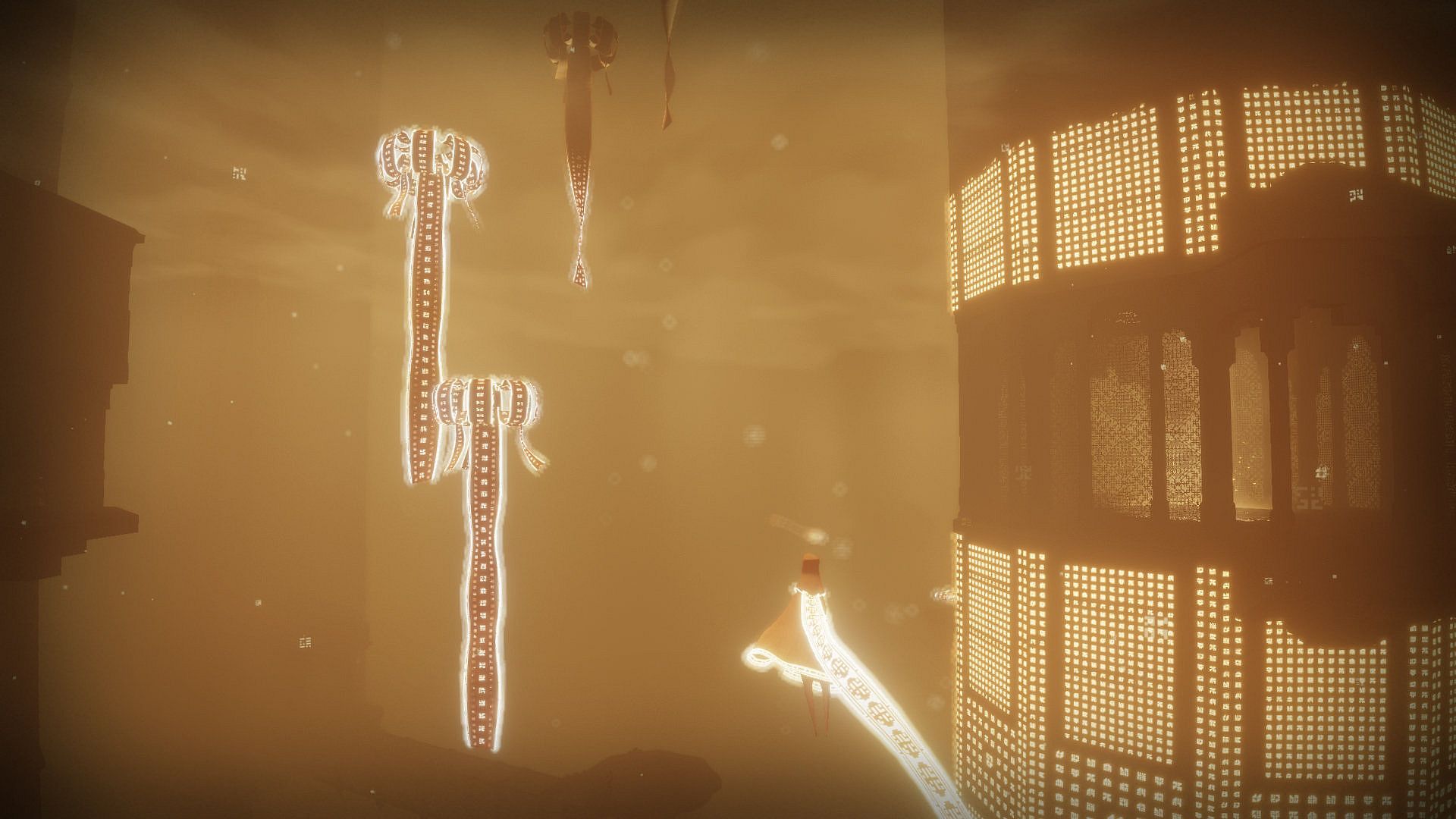
In Journey, the core mechanics revolve around movement and interaction with the environment. You control a robed character who can walk, jump, and fly using a magical scarf. This scarf gains length and power by collecting glowing cloth fragments scattered throughout the world, allowing for longer flights over dunes and ruins. Simple puzzles involve activating ancient structures with musical chimes, which also serve as a way to communicate without words. The game avoids complex controls, keeping the focus on fluid traversal and subtle environmental storytelling.
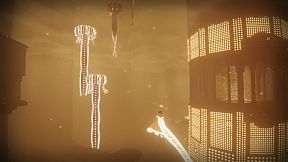
Exploration drives the progression, with each area presenting new challenges like sliding down sand slopes or navigating windy passages. The scarf's energy depletes during flight, requiring strategic recharges from floating cloth creatures or symbols. These elements create a rhythmic loop of discovery, where uncovering hidden glyphs reveals murals that hint at the world's history, adding layers of mystery without explicit narrative.
Game Modes
Journey offers a seamless blend of single-player and multiplayer elements, though it lacks distinct named modes. The primary way to play is solo, where you traverse the desert at your own pace, solving environmental puzzles and progressing toward the mountain summit. This solo experience highlights personal reflection and immersion in the game's world.
The multiplayer aspect integrates anonymously and optionally. While exploring, you might encounter another player as a fellow traveler, identified only by their robe and movements. Cooperation happens naturally, such as helping each other reach high places or sharing warmth in cold areas, all communicated through chimes. These encounters are temporary and wordless, enhancing the sense of shared journey without forcing interaction.
Visuals and Sound
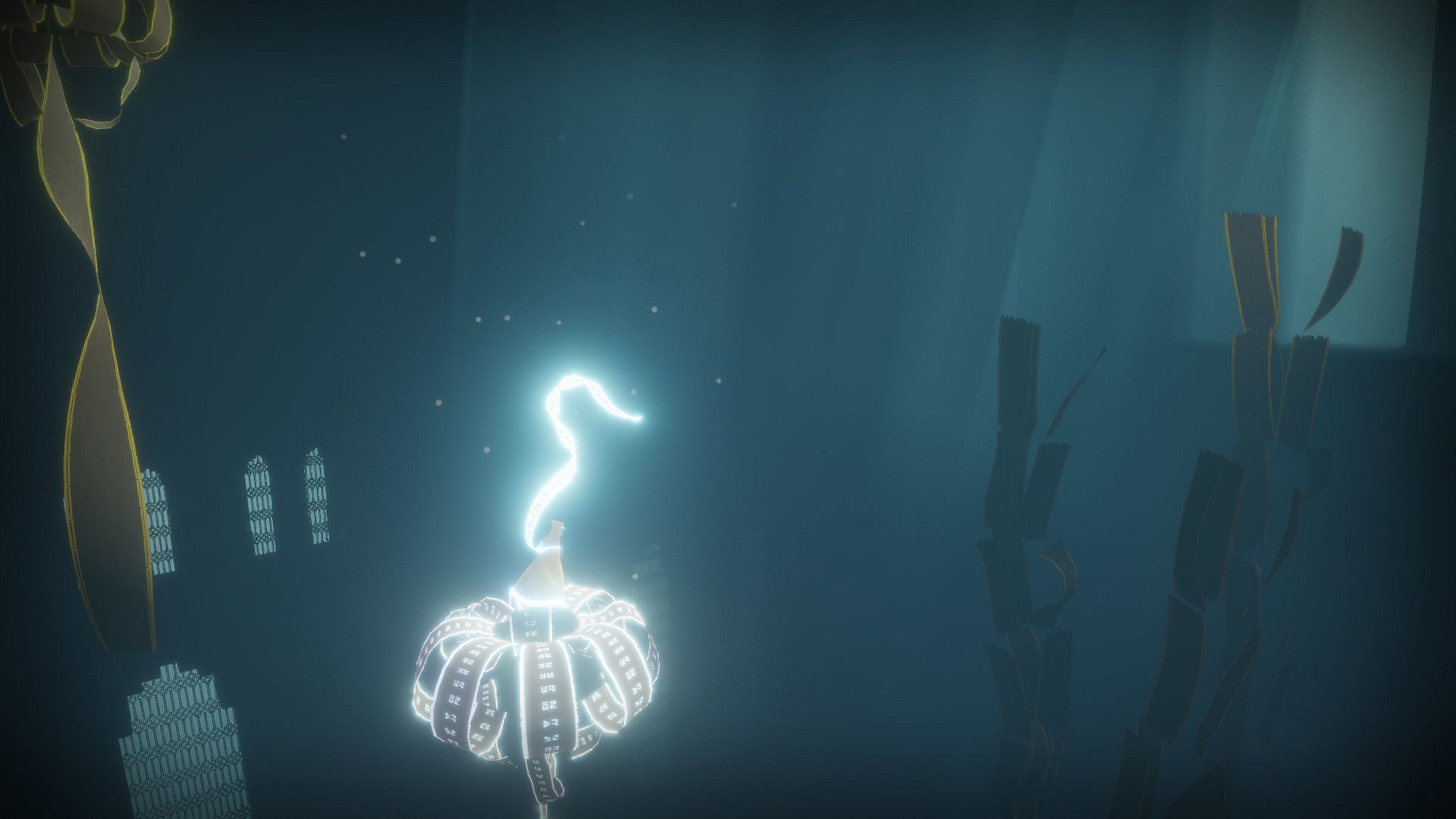
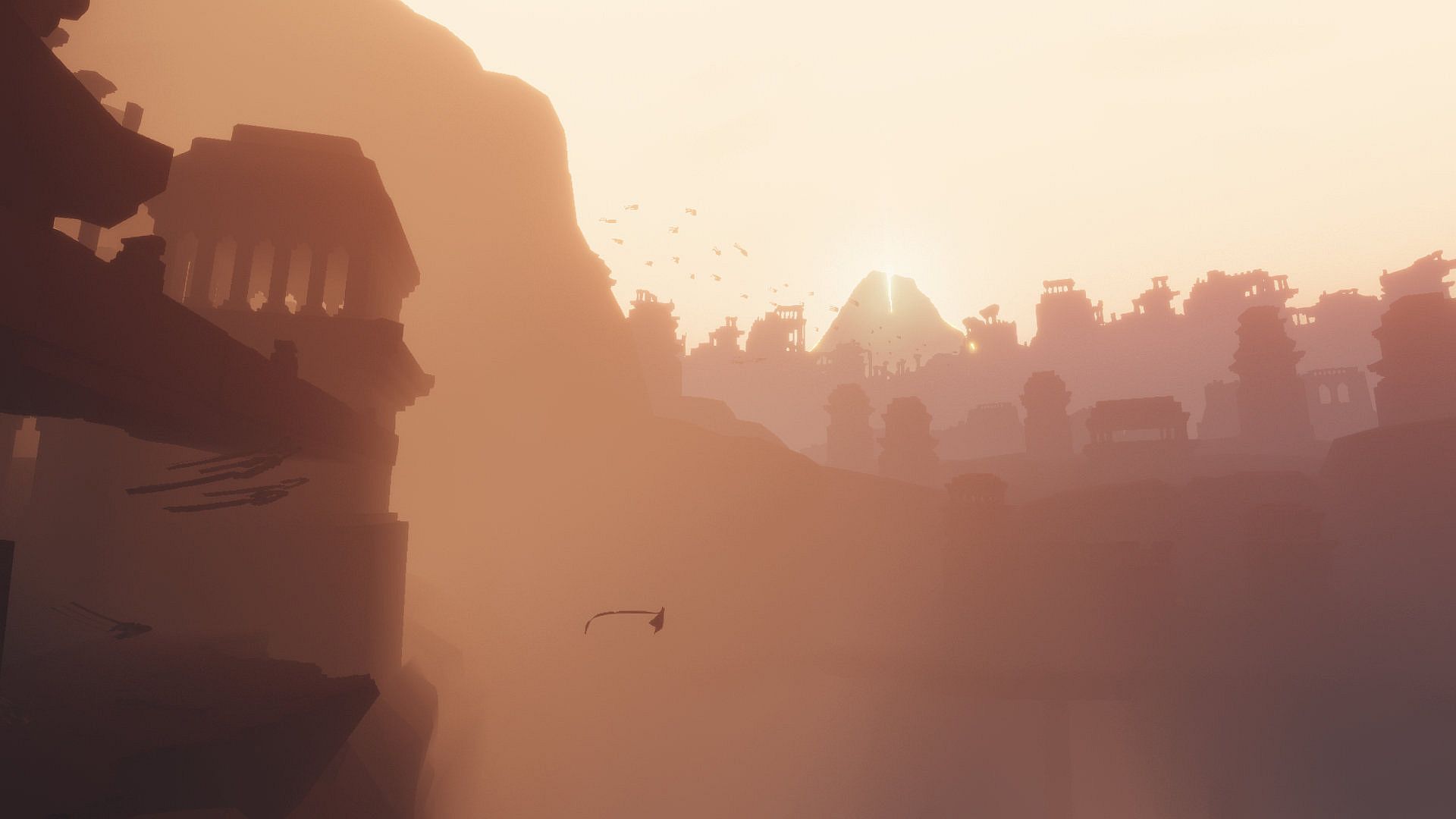
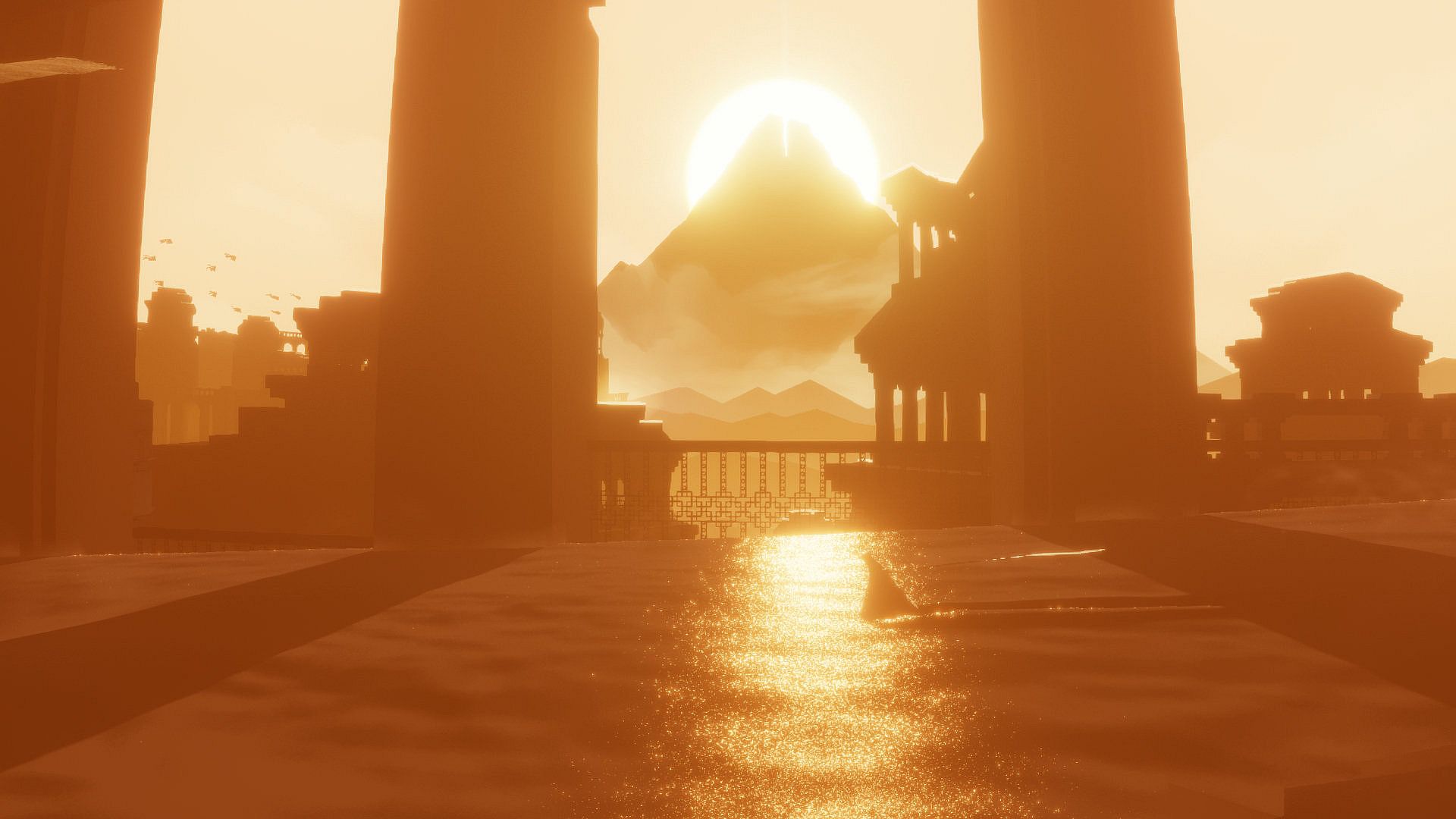
The game's art style features sweeping desert vistas, crumbling architecture, and dynamic weather effects that shift from serene sunsets to stormy blizzards. Colors play a key role, with warm oranges of the sands contrasting against cooler blues in underground sections, creating a visually striking progression.
Audio design complements this with a Grammy-nominated score that swells during moments of flight or discovery. Musical chimes from player actions integrate into the soundtrack, making every interaction feel harmonious and integral to the atmosphere.
Is It Worth Playing?
Journey appeals to those seeking a concise, emotional adventure rather than action-packed gameplay. With a runtime of about two hours, it suits players who enjoy contemplative experiences over long campaigns. The game remains in a stable state, with no ongoing updates or seasons, but its core content holds up well.
Player reception reflects strong approval, evidenced by 92% positive reviews from over 12,000 users on platforms where it's available. This makes it a solid choice for anyone interested in artistic indie titles that prioritize story through environment and subtle mechanics. If you value atmospheric exploration and brief, impactful narratives, Journey delivers a memorable session; otherwise, it might feel too minimalist for tastes leaning toward competitive or expansive games.