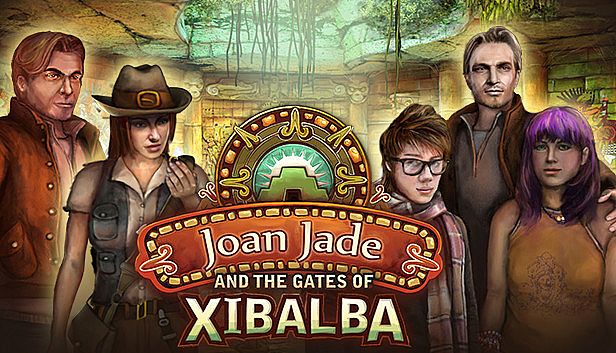














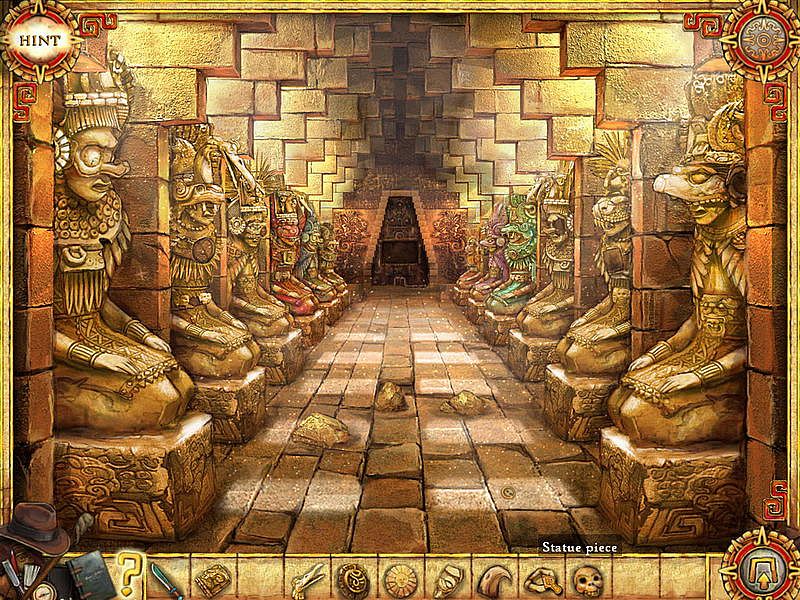
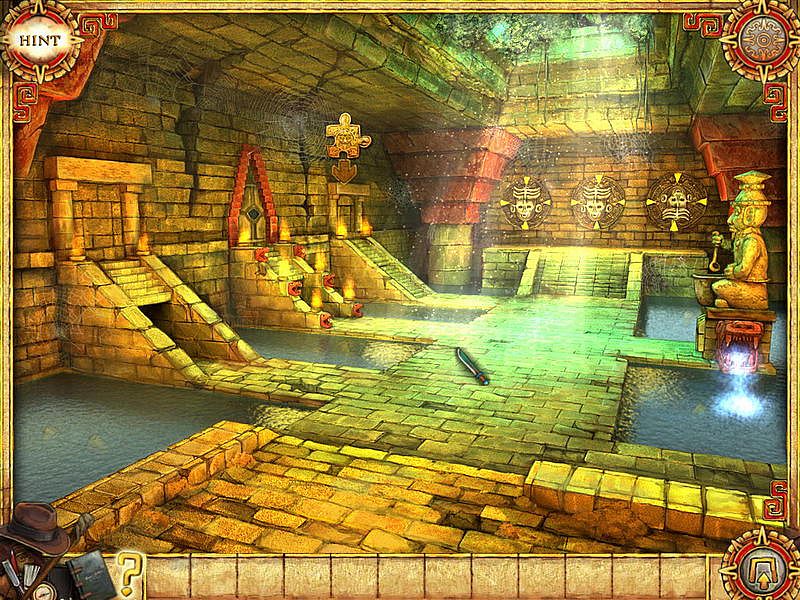
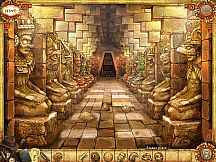
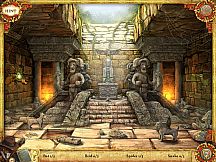
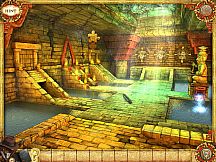
Joan Jade and the Gates of Xibalba is a casual indie adventure game centered on hidden object gameplay and puzzle solving. Players take control of Joan Jade, an archaeologist racing through a dangerous jungle and ancient Mayan ruins to rescue her children from a group of thugs. The experience unfolds as a single-player title with a linear narrative that mixes object searches, logic challenges, and short interactive sequences across dozens of detailed scenes.
Gameplay
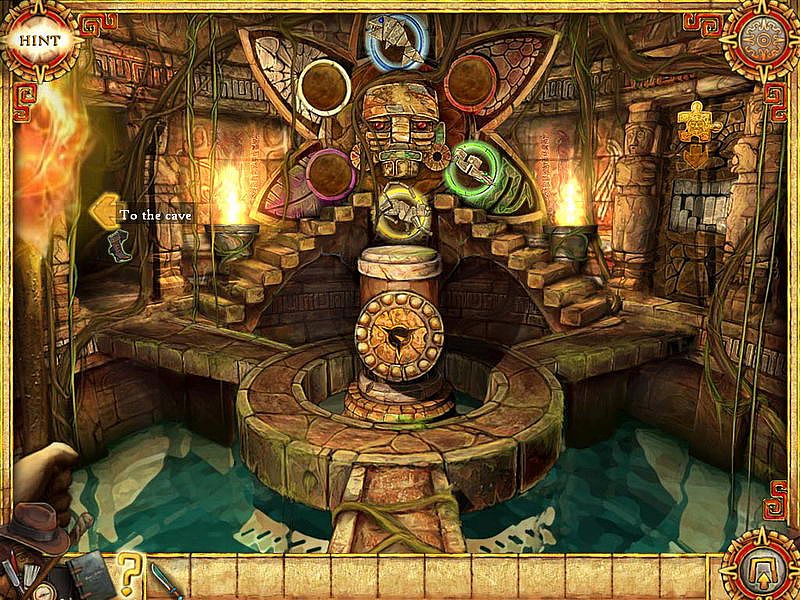
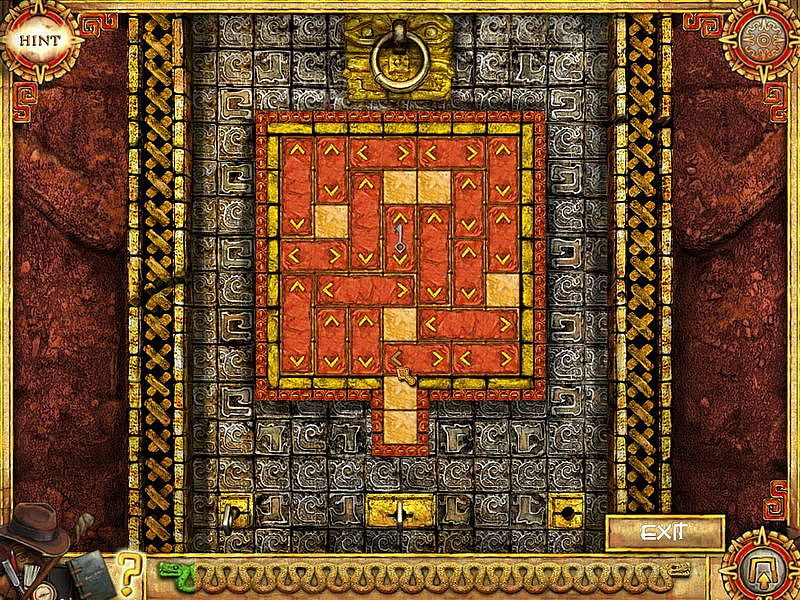
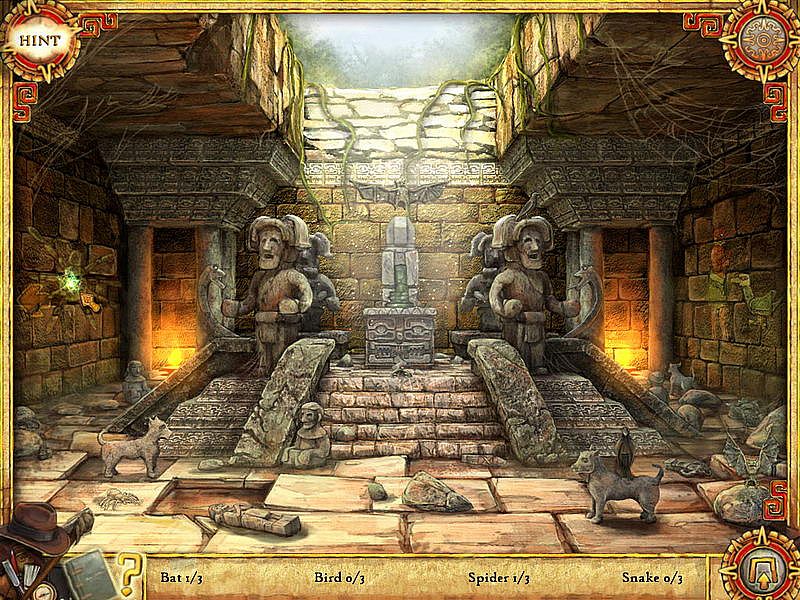
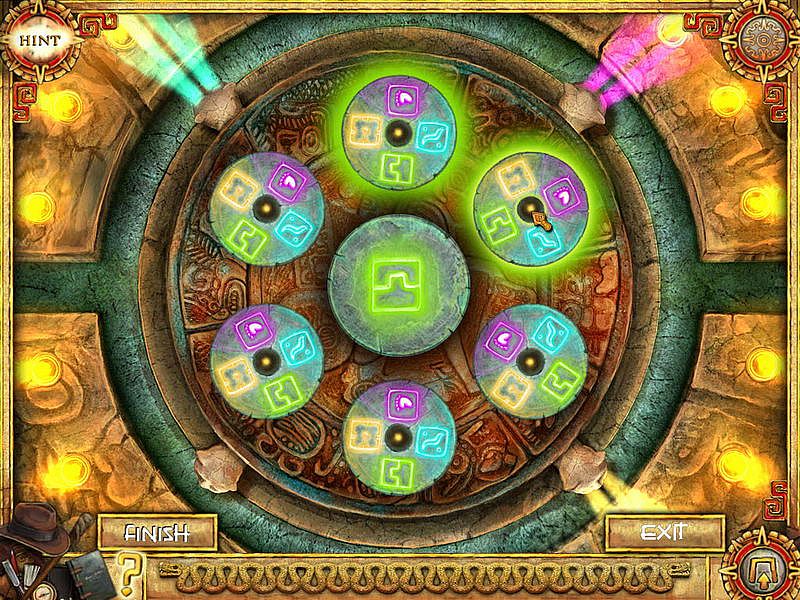
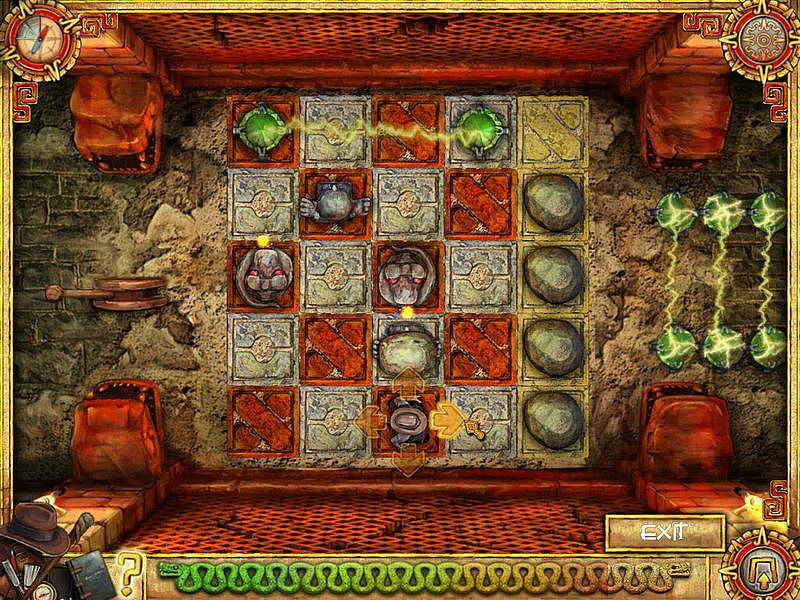
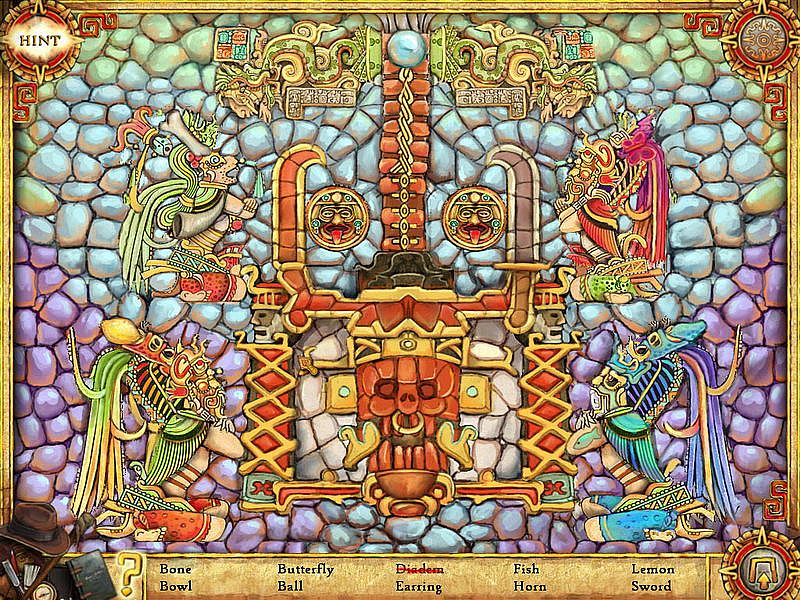
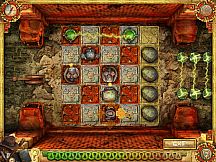
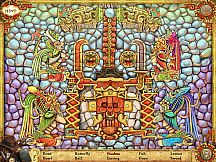
The core loop revolves around exploring fixed locations where players scan detailed environments for specific items listed on screen. Each scene requires locating dozens of objects that blend into the background art, often with slight variations in placement or size to increase difficulty. Interspersed throughout are standalone puzzles that test spatial reasoning, pattern recognition, and memory. These range from simple assembly tasks to more involved riddle solutions that advance the story when completed correctly.
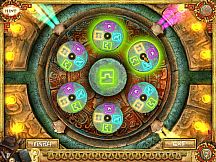
Mini-games appear regularly and follow a set of repeatable formats that grow more demanding with each appearance. Examples include alignment challenges and sequence-based activities that require precise timing or observation. Progress through the game unlocks additional scenes and story elements, with a total of 30 distinct locations to visit and 240 objects to locate across the full playthrough. The structure encourages methodical searching rather than speed, allowing time to examine each area thoroughly before moving forward.
Game Modes
The game operates exclusively in a single-player format with no multiplayer or competitive options. Players advance through a fixed sequence of chapters that combine hidden object searches, puzzle resolution, and narrative cutscenes. There are no branching paths or alternative difficulty settings that alter the fundamental experience, keeping the focus on steady progression through the 82 puzzles and 12 story sequences provided.
Completion tracking includes collection of 19 trophies earned by meeting specific in-game milestones, such as finishing scenes without hints or locating every object in a location. This system provides clear goals within the single-player campaign but does not extend to any separate modes or replay variants beyond revisiting completed areas.
Story and Setting
The narrative follows Joan Jade as she navigates threats from both the natural environment and human antagonists while uncovering clues tied to an ancient Mayan civilization. The story advances through static cutscenes that deliver key plot points between gameplay segments. Settings emphasize dense jungle foliage, crumbling stone structures, and hidden chambers that reflect the Mayan theme without requiring external knowledge to understand the sequence of events.
Exploration remains confined to the listed locations, with each new area introducing fresh visual details and object lists that tie into the ongoing search for the missing children. The pacing balances investigation segments with puzzle interruptions to maintain forward momentum toward the conclusion.
Is It Worth Playing?
This title suits players who enjoy methodical hidden object searches combined with occasional logic puzzles in a compact adventure package. The mixed reception on its current platform reflects varied opinions on the repetition of certain mini-game types, though the overall structure delivers a complete story experience without requiring additional purchases or ongoing updates. Availability remains limited to the original PC release from 2010, with no confirmed seasons or expansions altering the base content.
Those seeking a straightforward casual puzzle adventure focused on exploration and item collection will find the verified features align with that preference. The trophy system and chapter progression offer measurable completion markers for players who track their progress through the 30 locations and associated challenges.