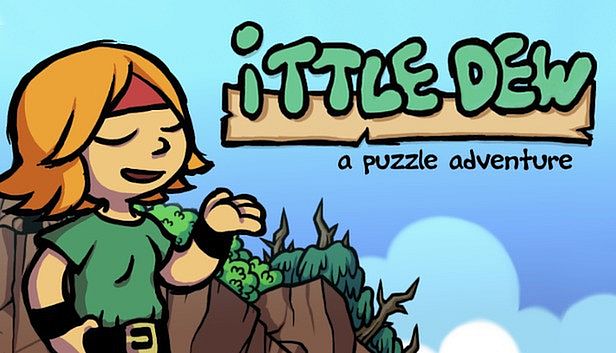













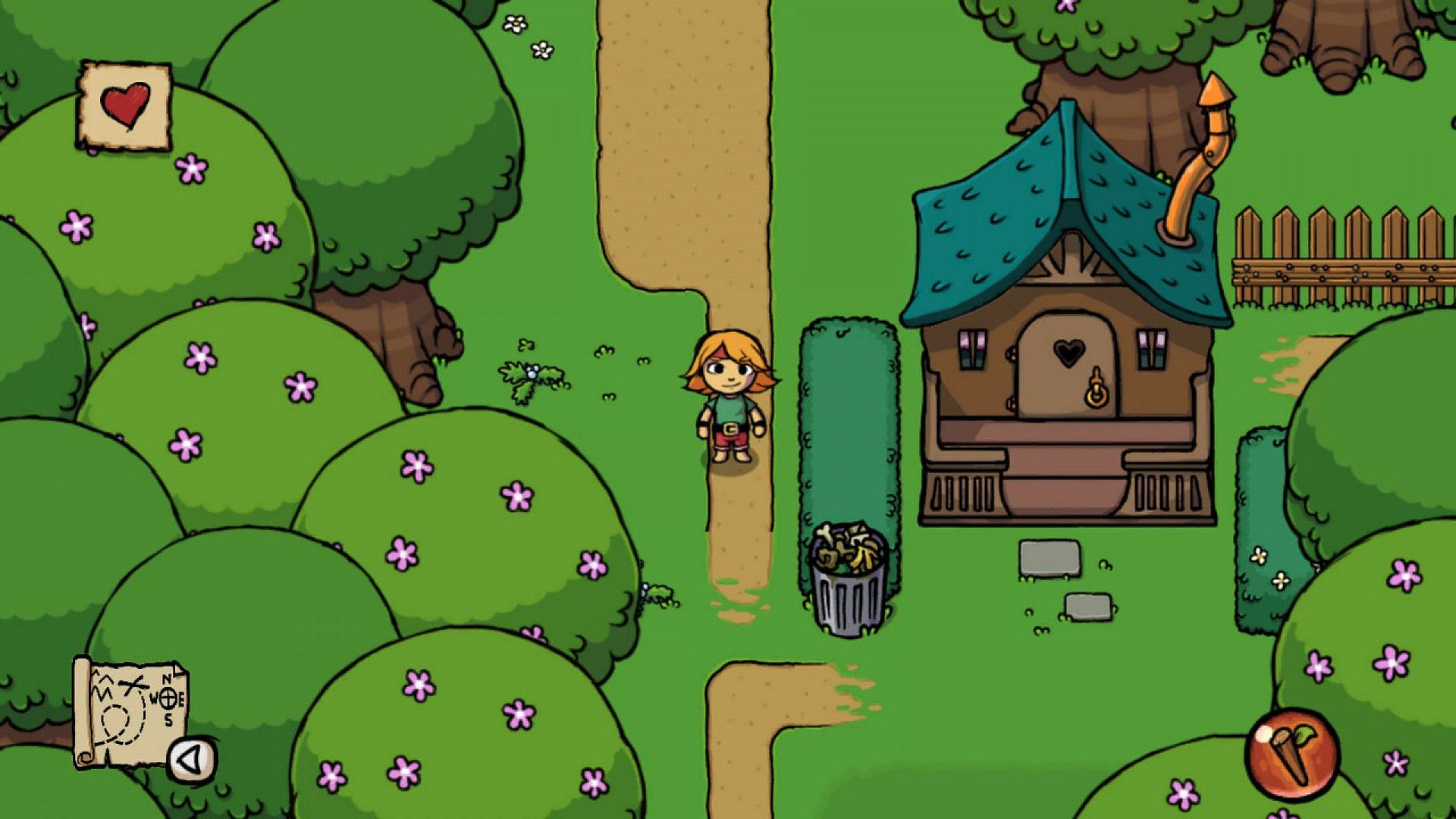
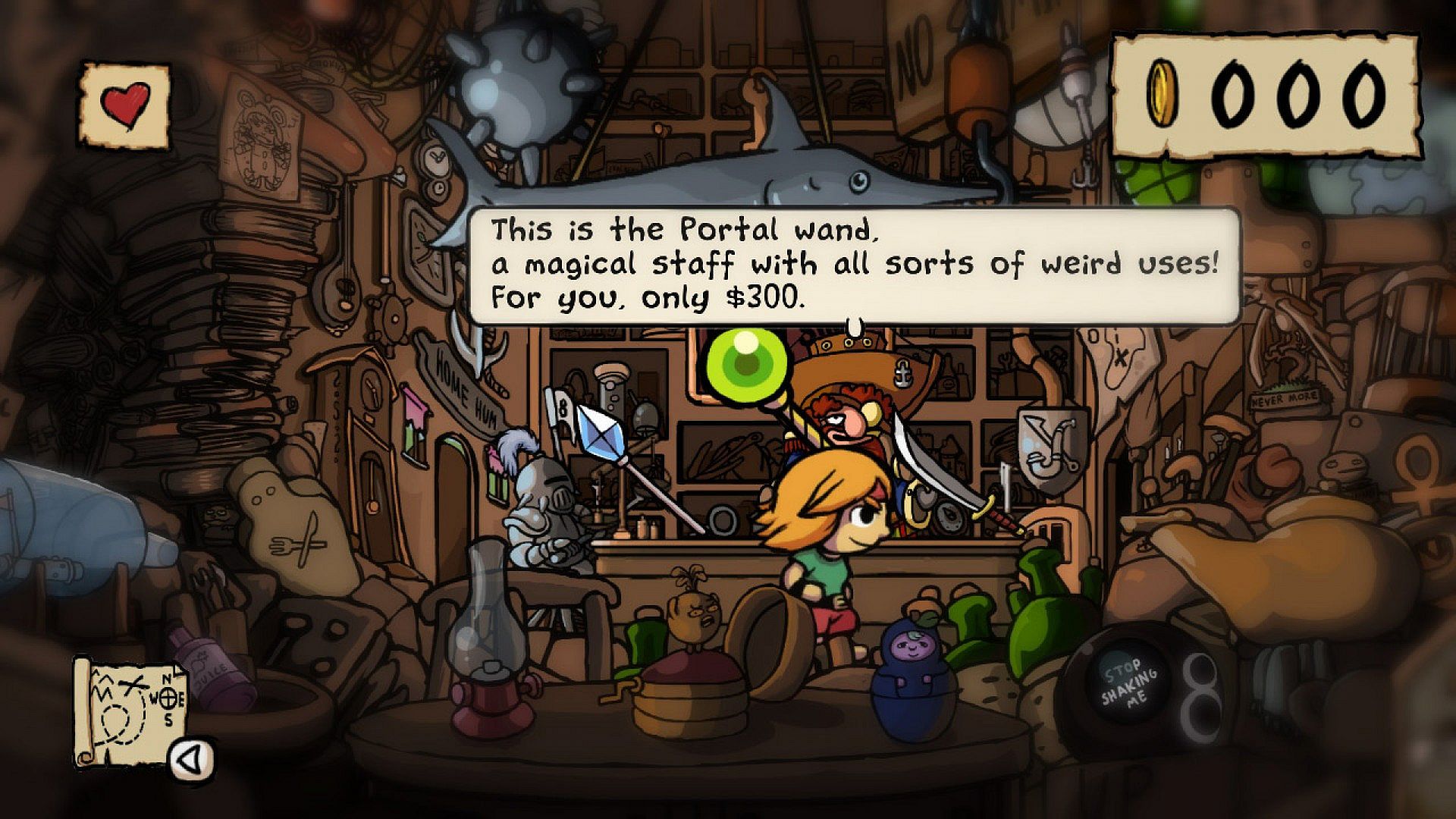
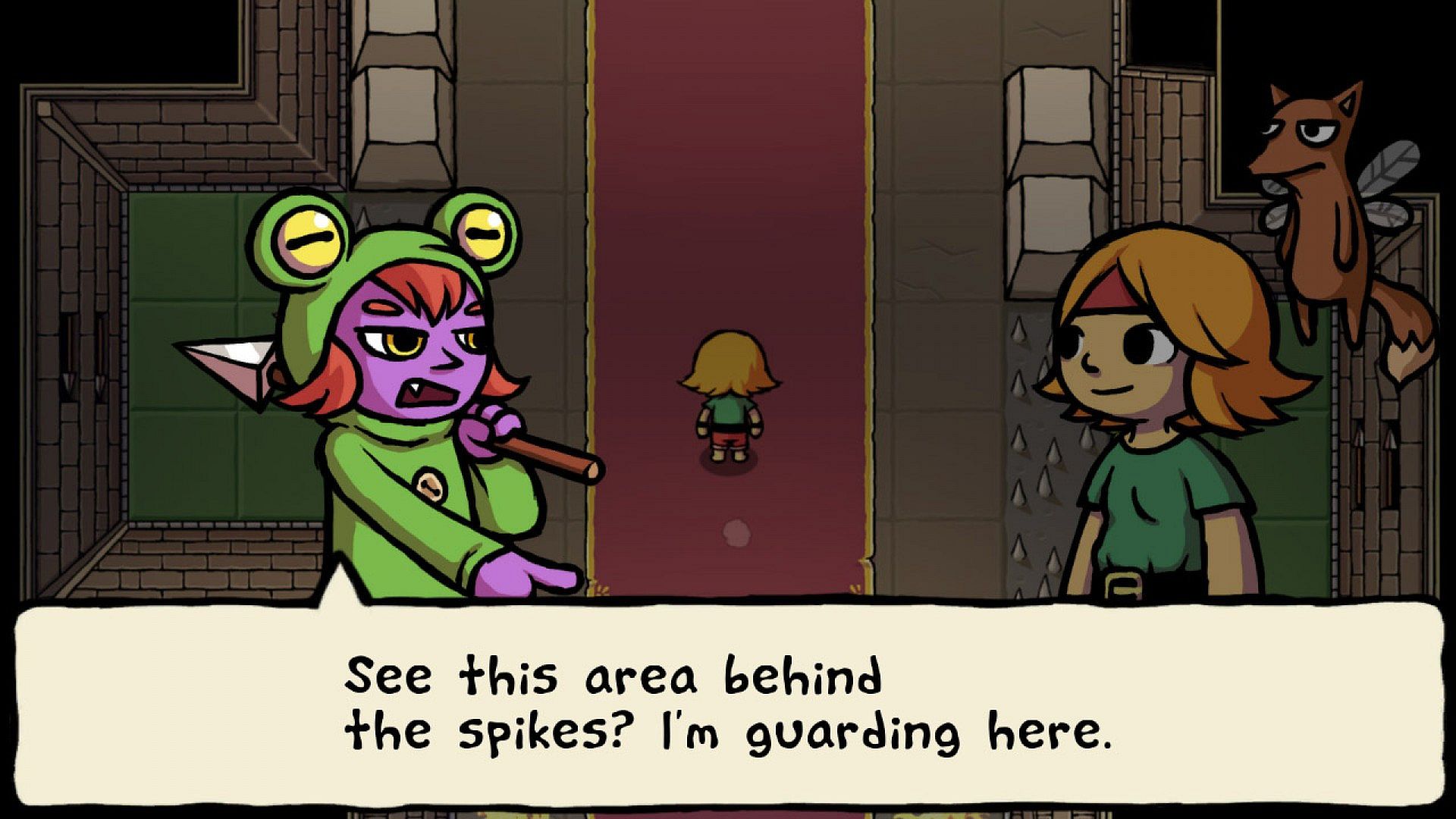
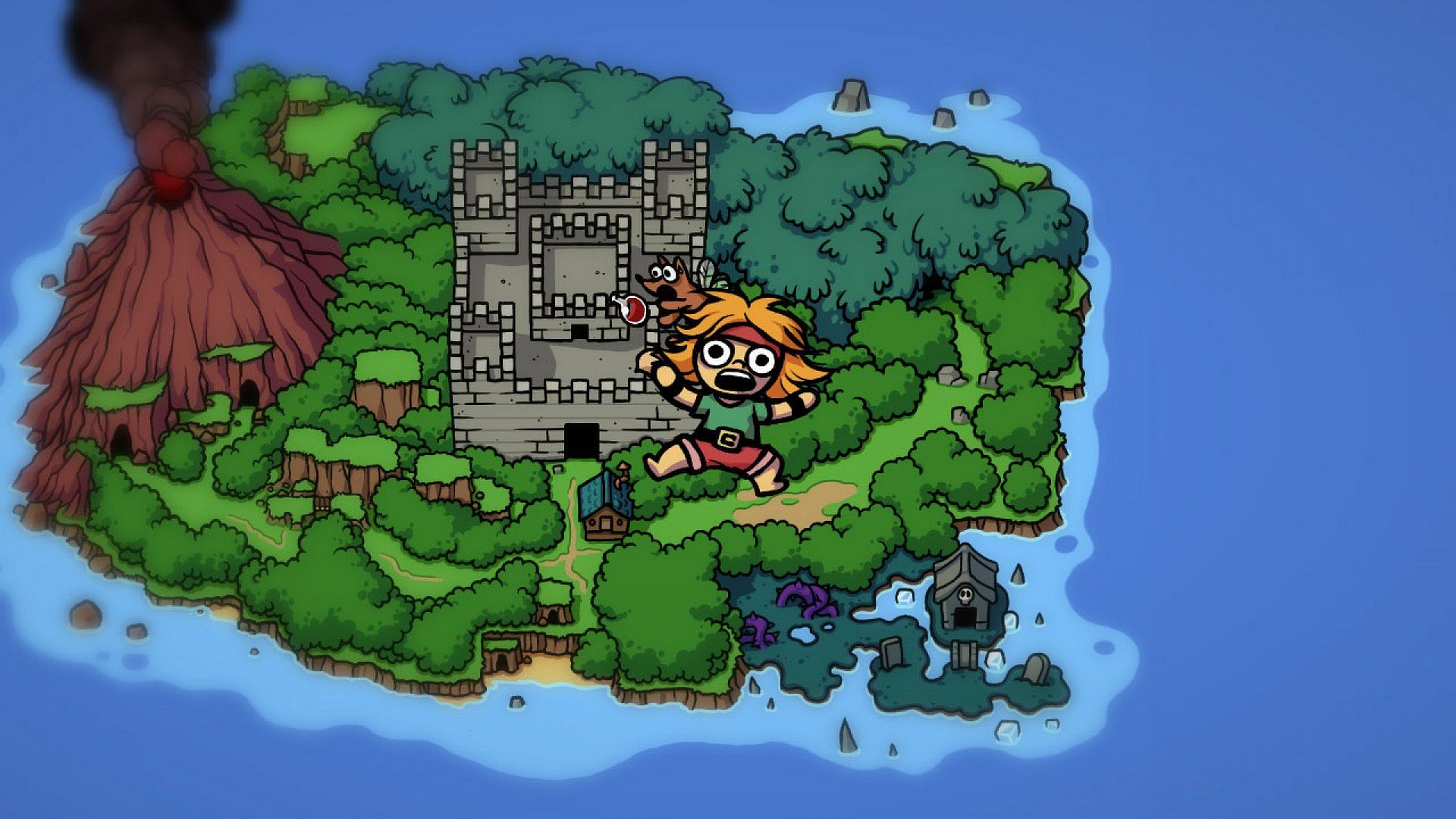
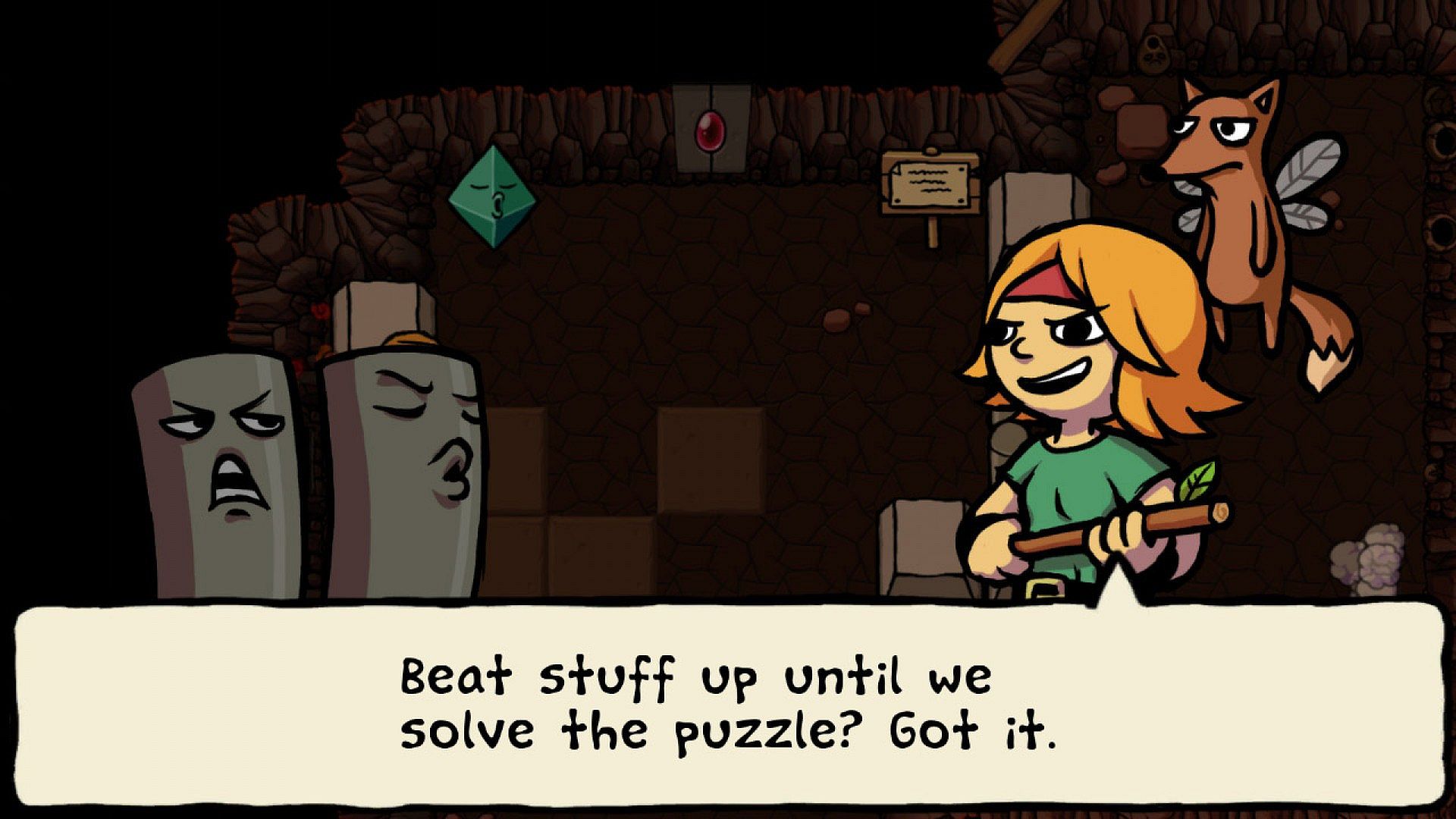
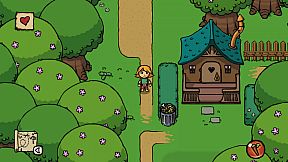
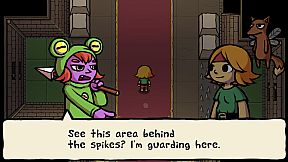
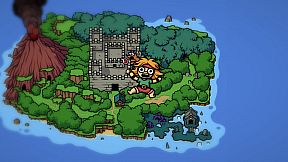
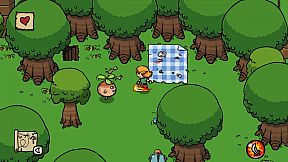
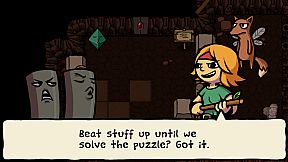
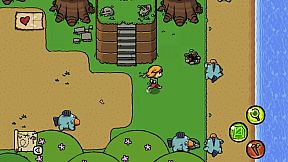
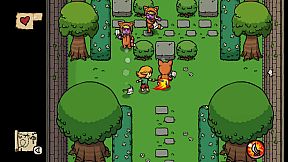
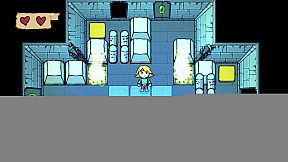
Ittle Dew is an indie adventure game that puts players in control of the titular adventurer and her companion as they explore a mysterious island packed with puzzles and hidden paths. The experience centers on classic top-down action-adventure mechanics refined into a focused puzzle-driven loop where exploration and clever tool use drive progress rather than combat or story complexity.
Gameplay
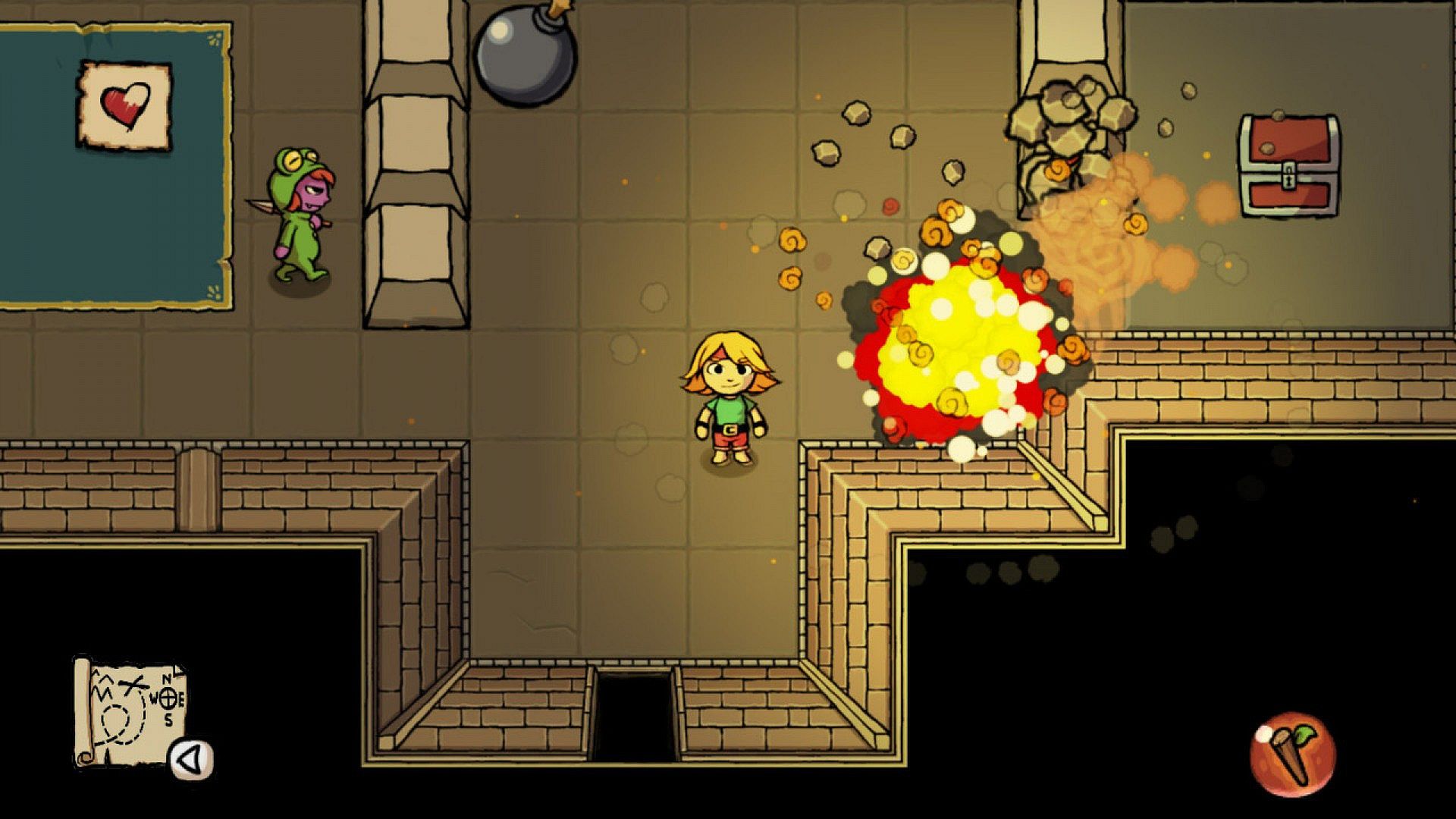
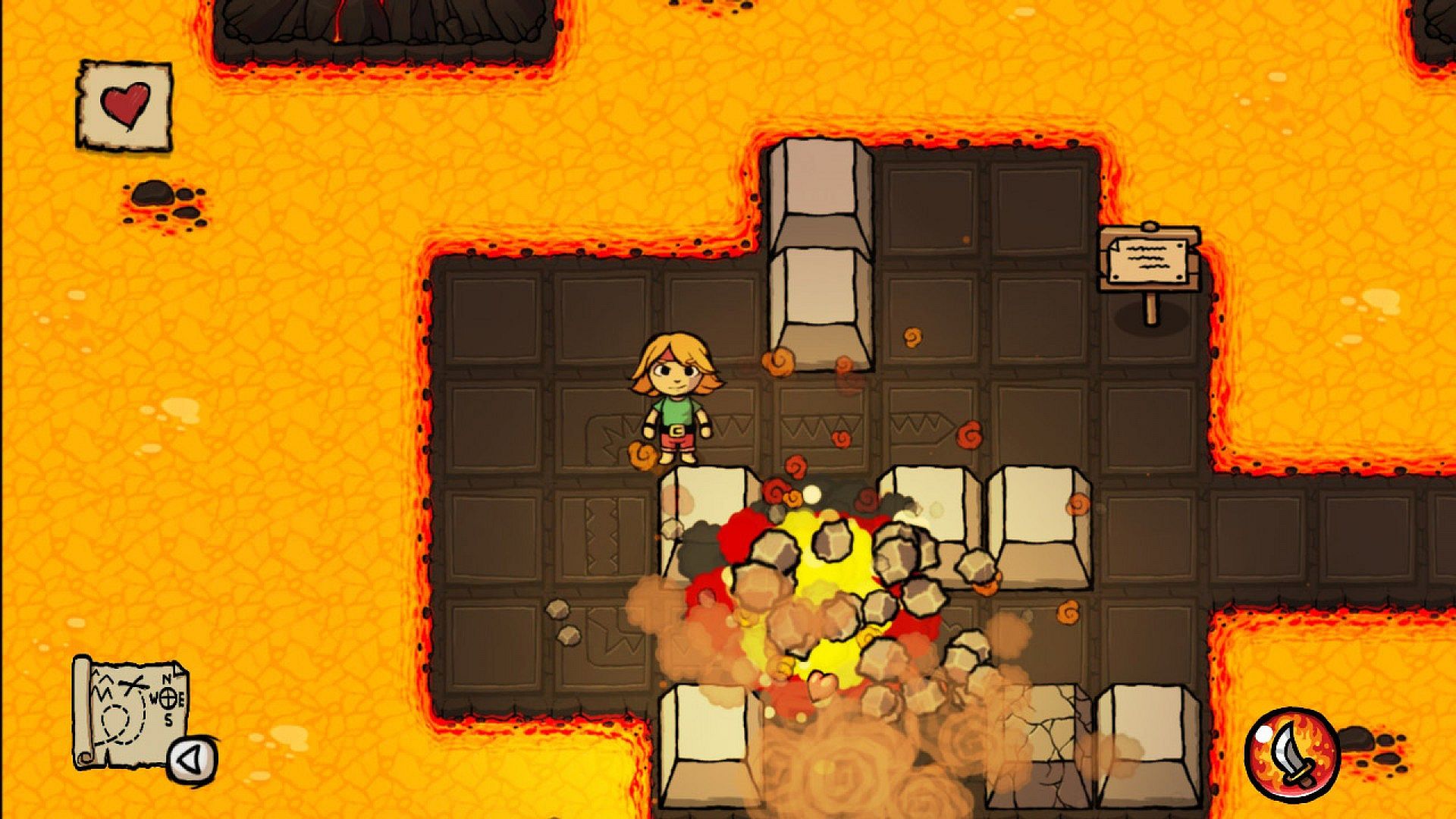
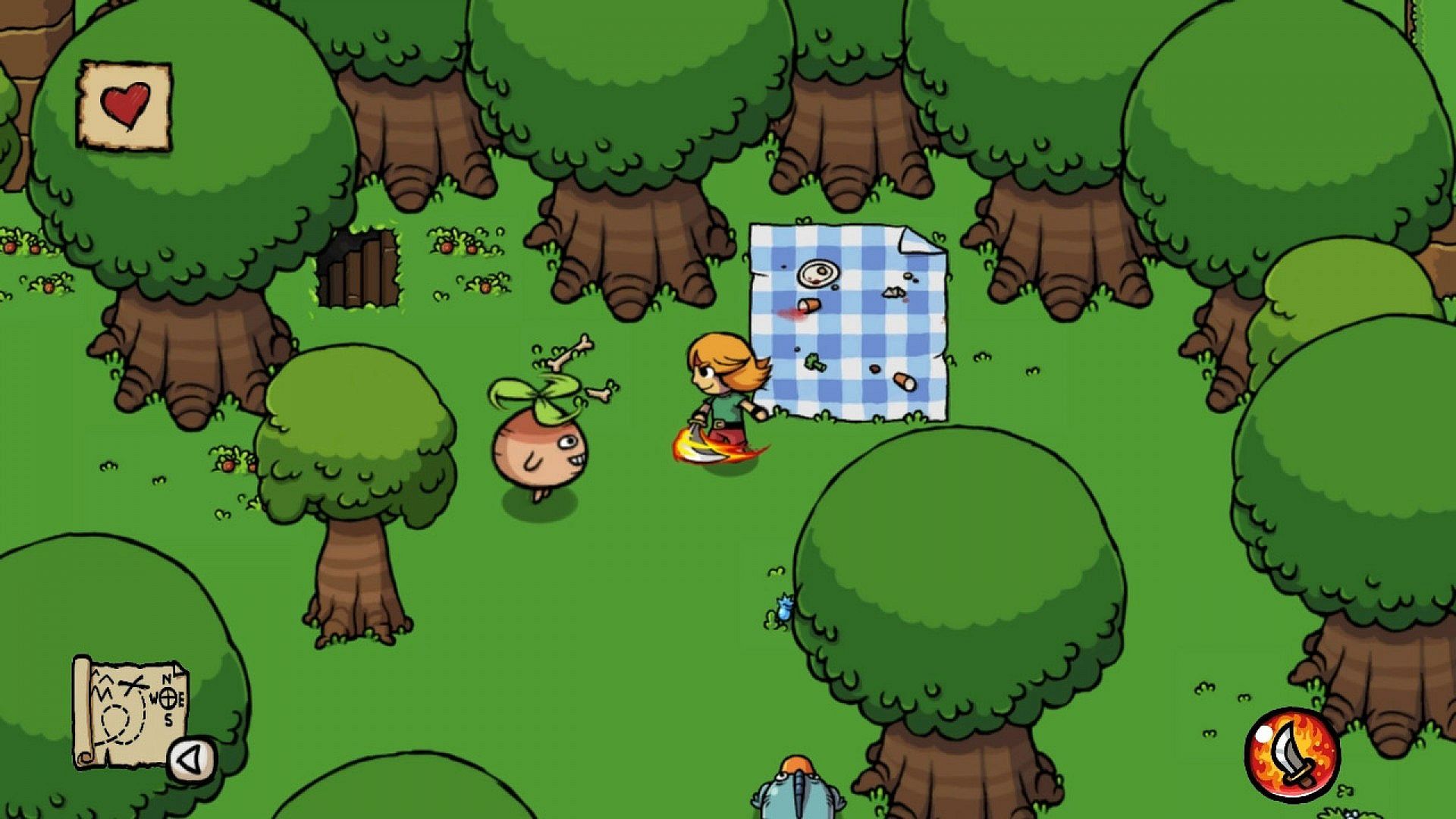
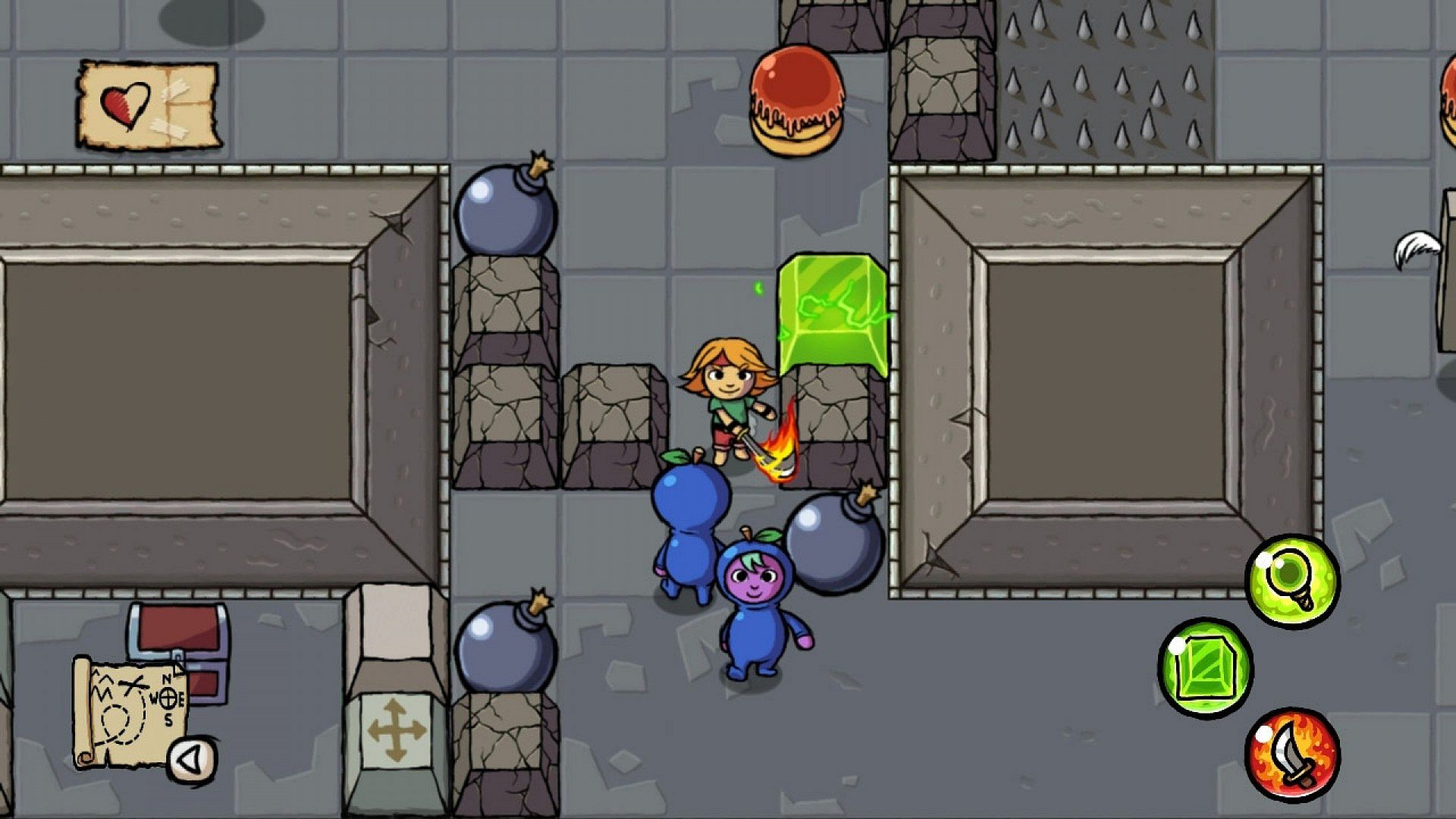
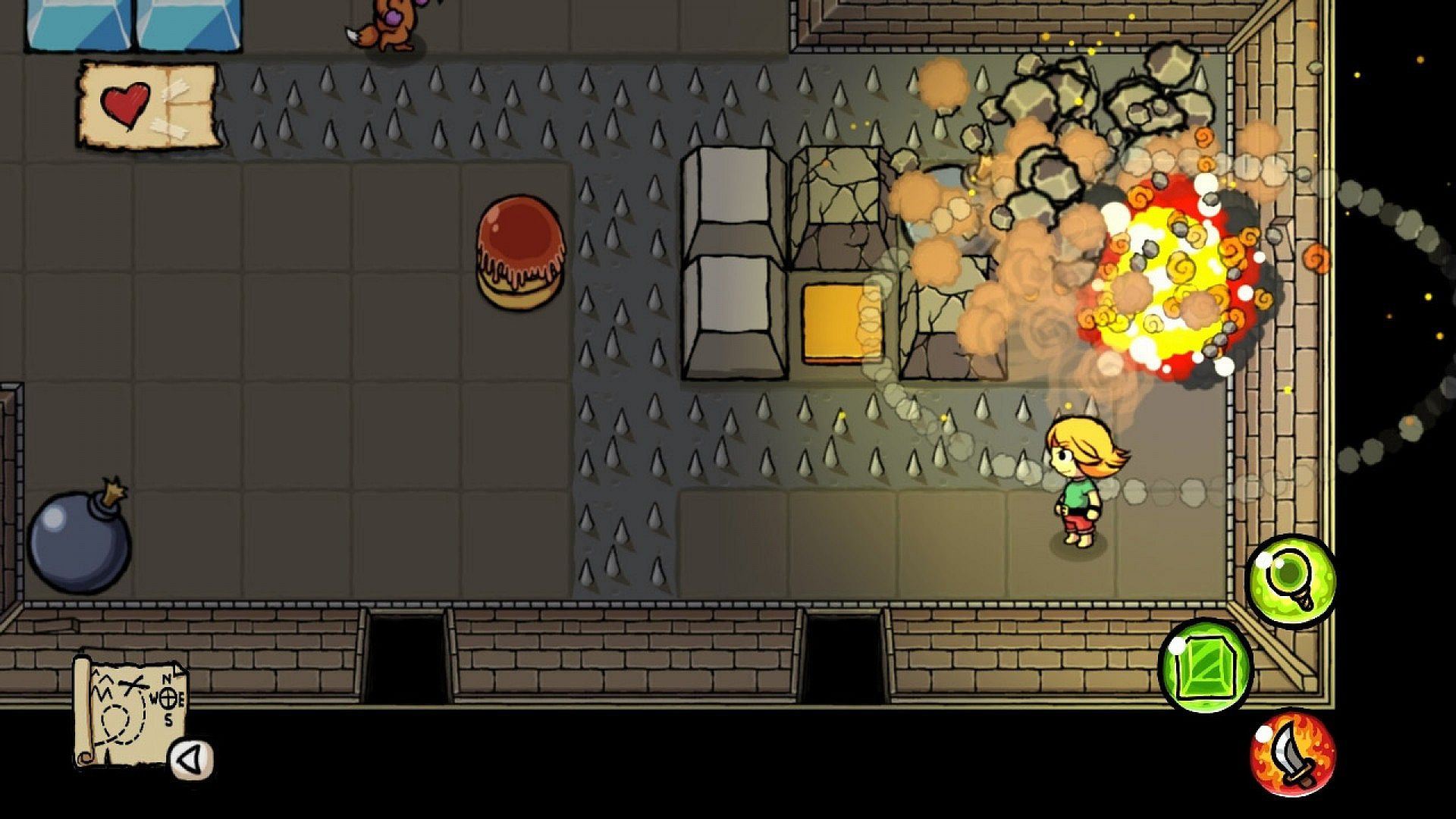
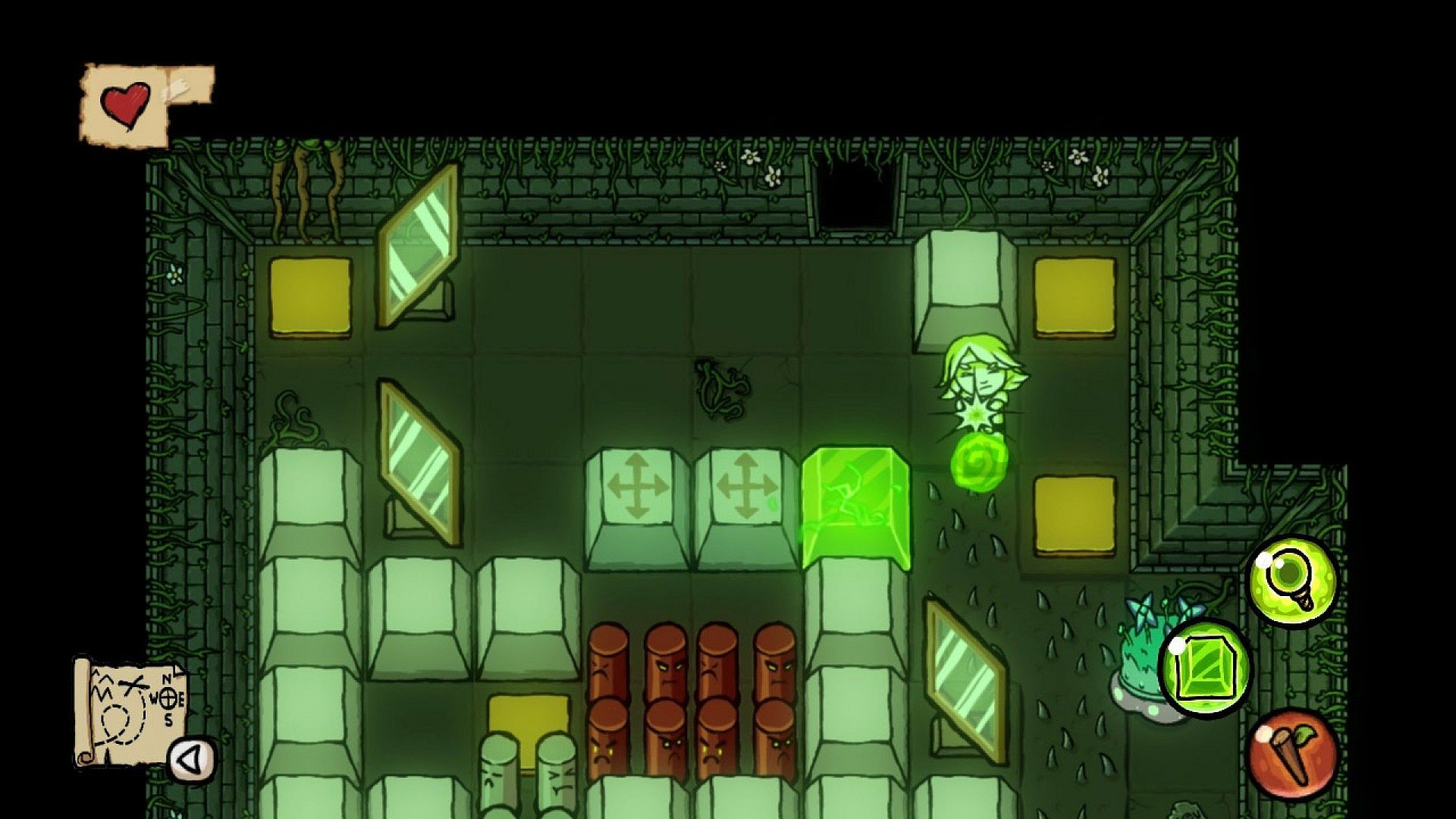
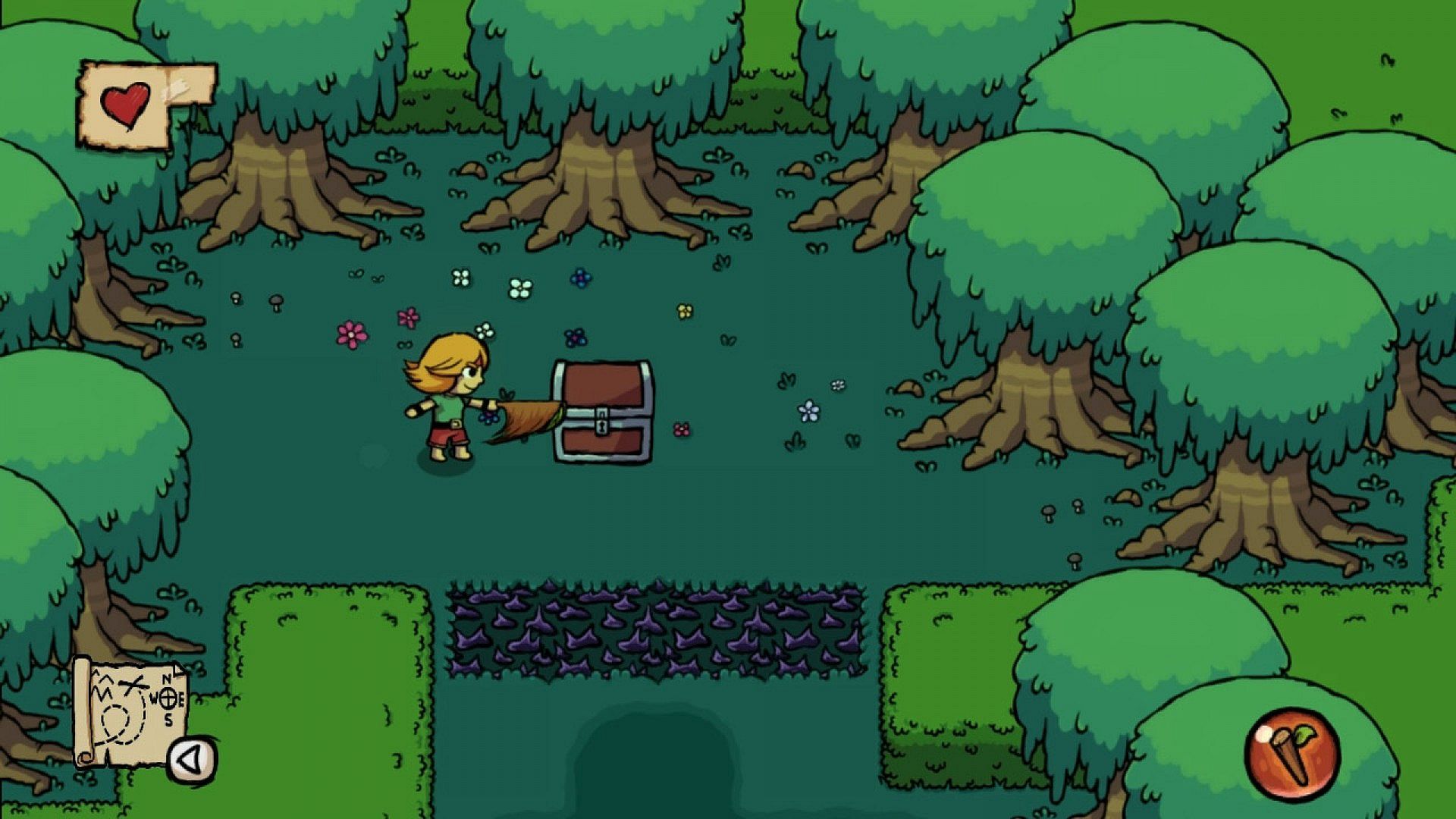
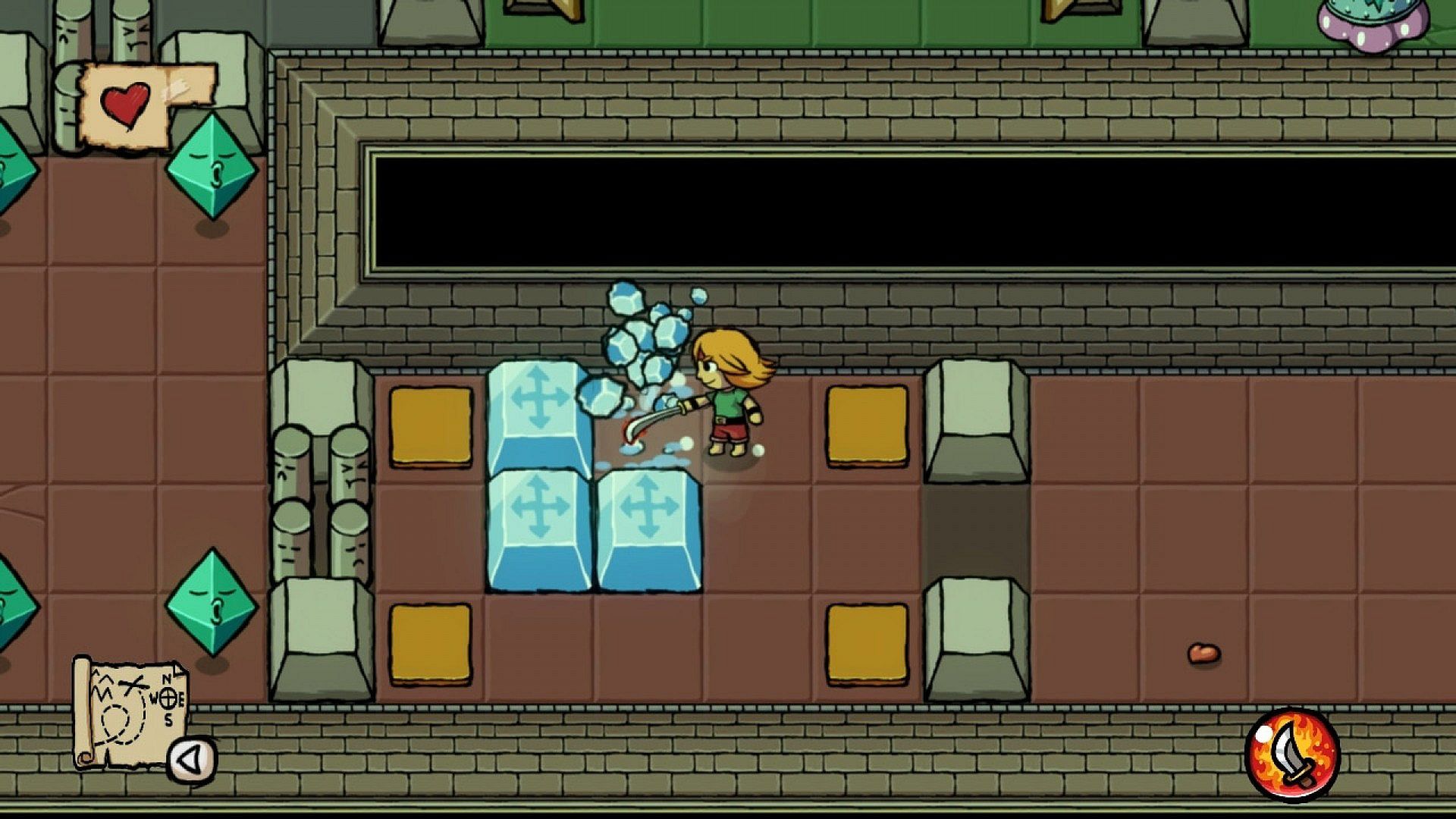
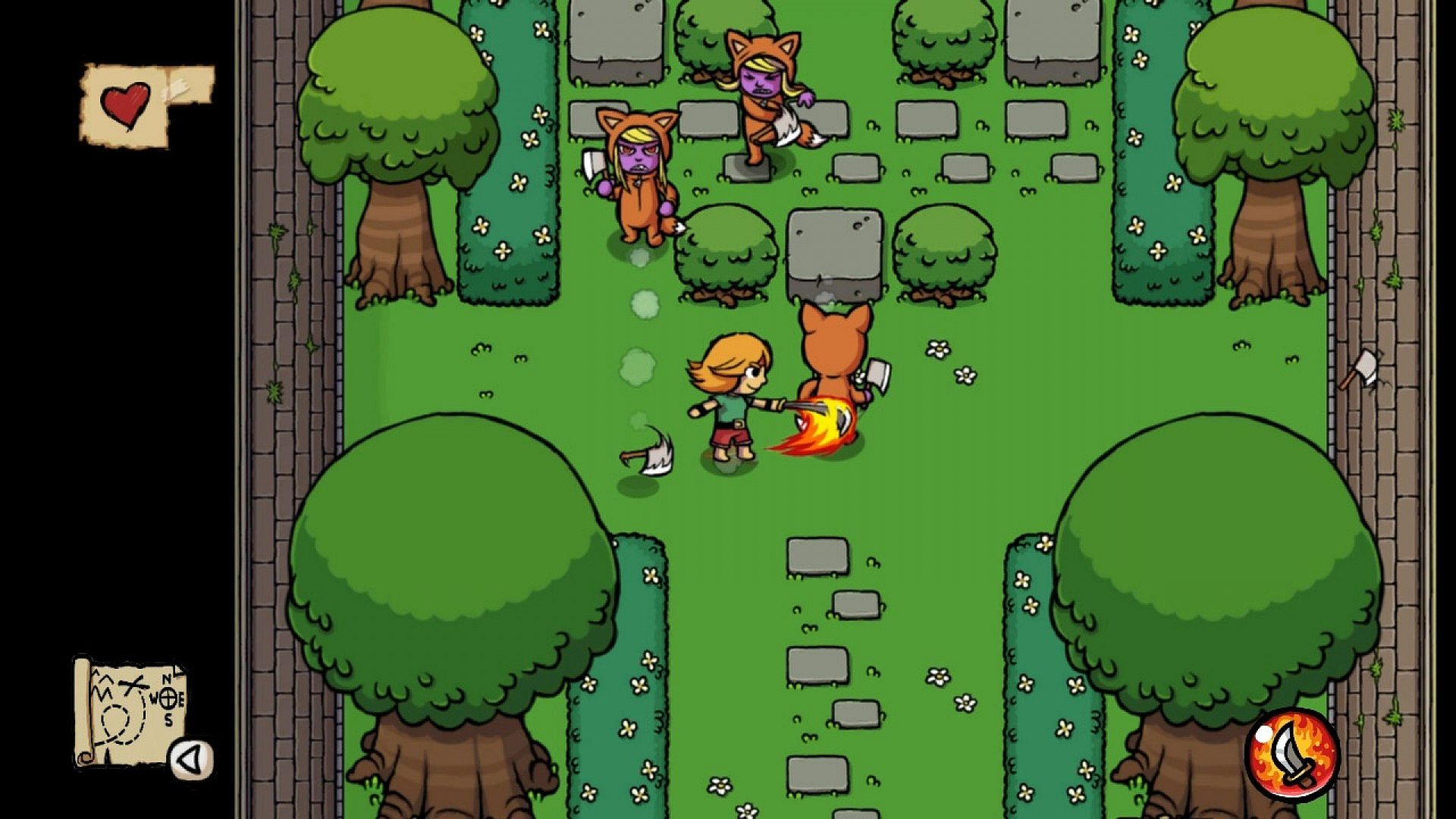
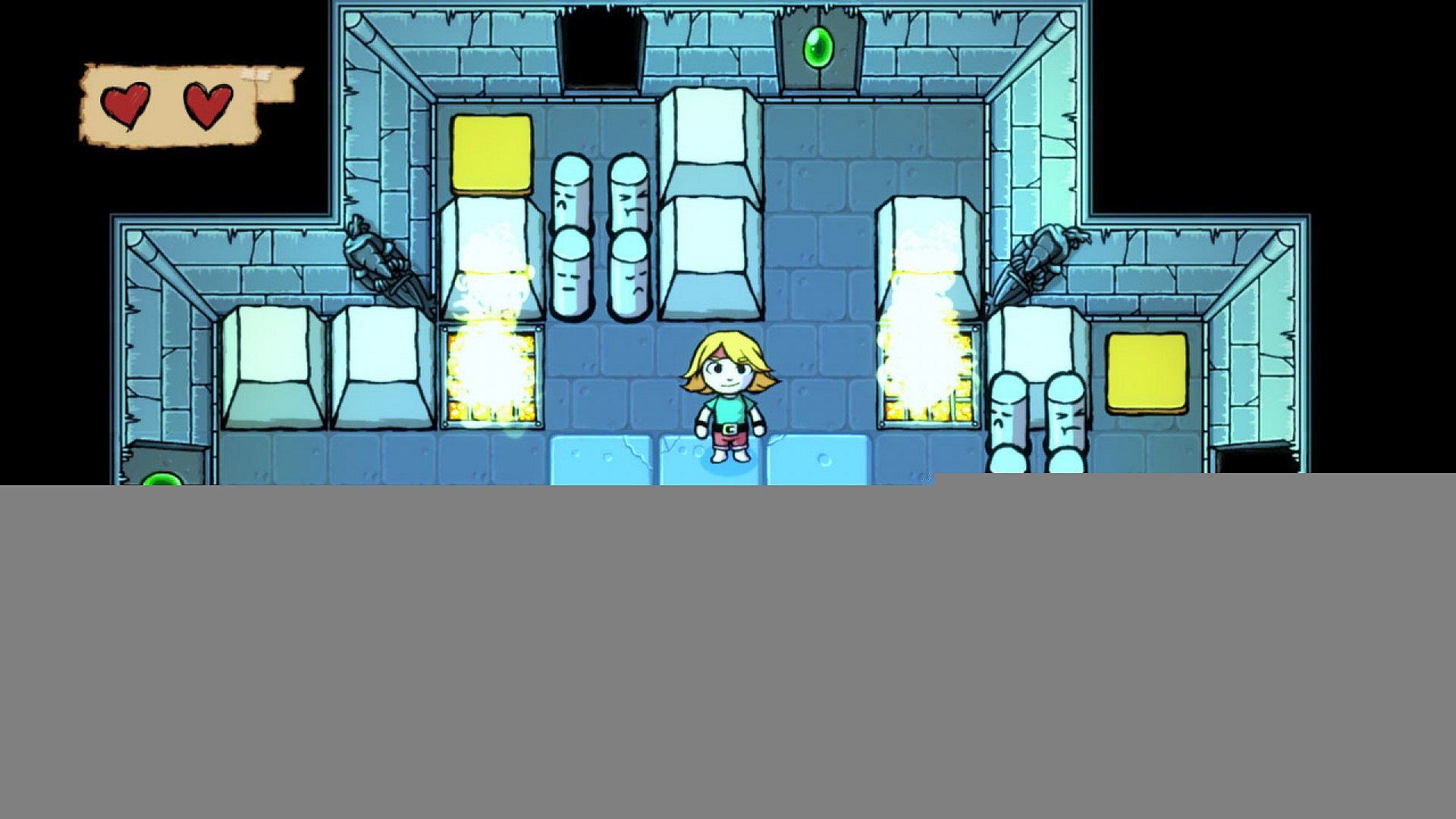
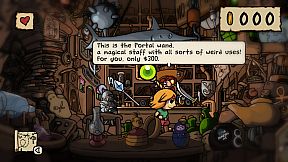
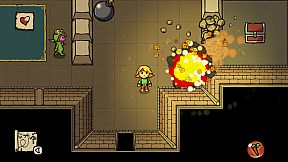
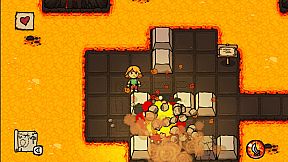
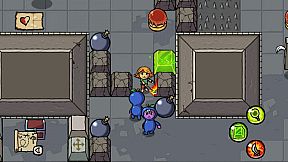
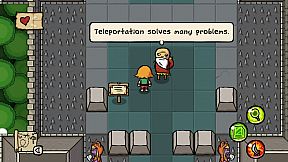
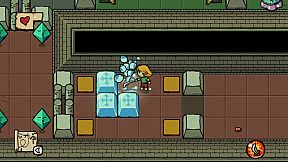
The core loop revolves around navigating interconnected areas filled with obstacles that require specific tools to overcome. Ittle starts with a basic stick that can be set on fire to ignite objects or melt ice. Additional tools include a flaming sword for stronger attacks and environmental interactions plus a magic wand that creates portals for repositioning blocks or enemies. These items combine in multiple ways to solve rooms, often allowing several valid approaches to the same challenge.
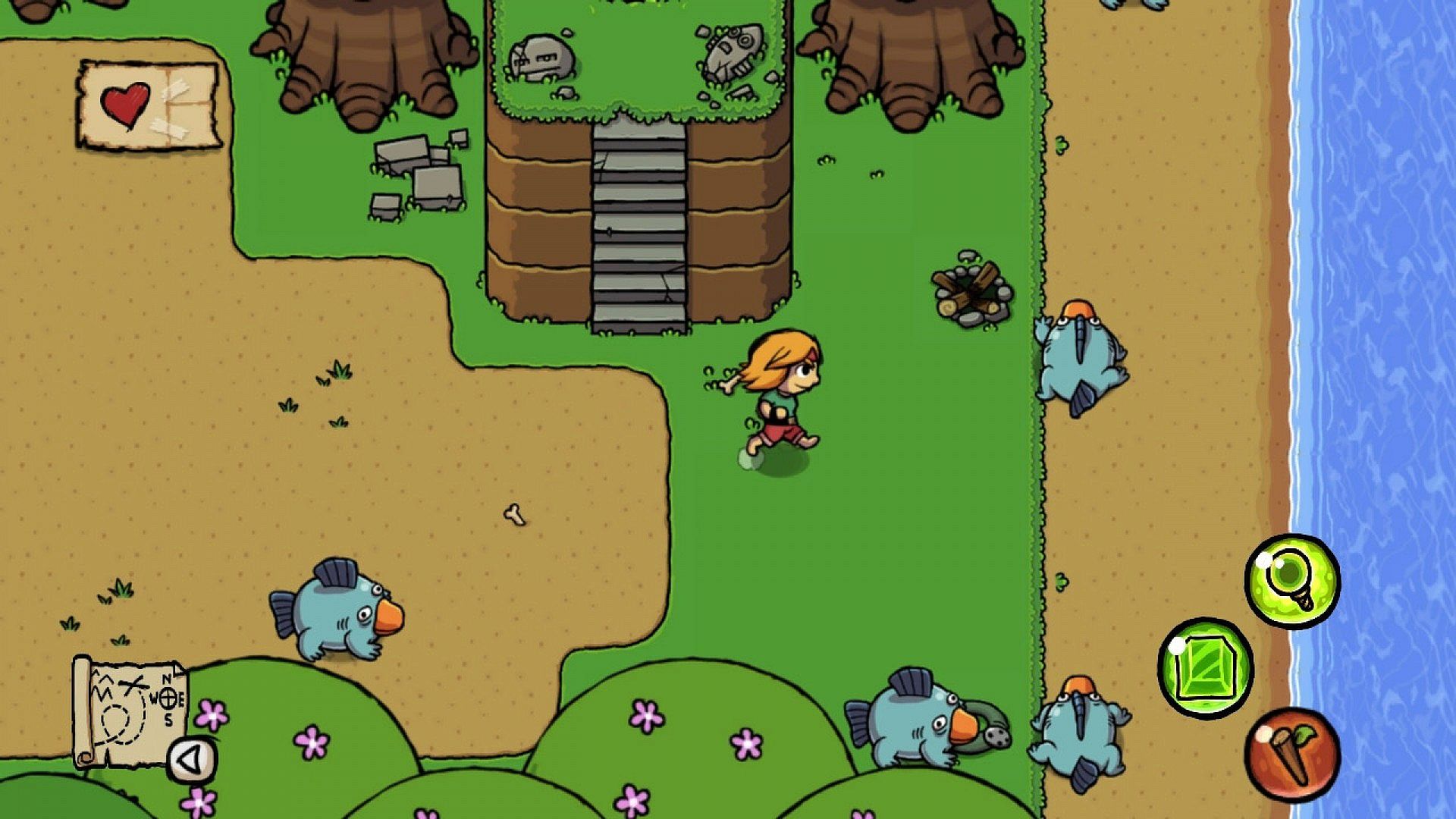
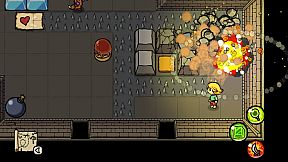
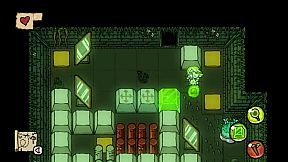
Exploration rewards players who search thoroughly. The island layout encourages backtracking once new tools are acquired, revealing shortcuts and secret areas that bypass longer routes. Puzzles emphasize block pushing, sliding ice mechanics, bomb placement, and light reflection, with each new ability layering fresh complexity onto earlier challenges. Combat remains light, serving mainly as a brief interruption between puzzle sequences rather than a primary focus.
Hand-drawn visuals feature a distinctive wobble animation style that gives characters and objects a lively, hand-crafted feel. The game supports speedrunning through built-in leaderboards that track various categories, including any% runs and all-items completions, appealing to players who enjoy optimizing routes and breaking intended sequences.
Game Modes
The primary experience is a single-player adventure campaign that blends exploration, puzzle-solving, and light combat across a compact island world. Players tackle dungeons and overworld sections in flexible order, using acquired tools to unlock new paths and optional caves that contain extra challenges or collectibles.
Secret hunting forms a natural extension of the main campaign. Many areas hide alternate solutions or hidden entrances that reward thorough searching without requiring separate modes. Speedrunning serves as an unofficial but well-supported playstyle, with leaderboards encouraging repeated playthroughs to shave time or discover new glitches and shortcuts.
No multiplayer options exist. The design stays firmly single-player, emphasizing personal discovery and creative problem-solving over competitive or cooperative elements.
Exploration and Secrets
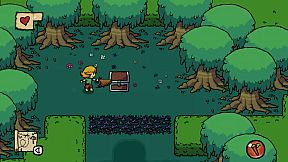
The island contains numerous hidden caves and optional paths that can be accessed with starting equipment alone. These areas often feature self-contained puzzles that test tool combinations in creative ways, providing extra content for completionists without extending the main story length significantly.
Shortcuts become available as players master item interactions, allowing faster travel between distant locations. This system rewards experimentation and repeated visits to earlier zones, turning the compact map into a more interconnected space over time.
Is It Worth Playing?
Ittle Dew delivers a concise adventure focused on inventive puzzles and exploration that lasts roughly three to five hours for most players. Its strength lies in the variety of solutions each room offers and the satisfaction of discovering shortcuts through clever tool use.
Reception remains strongly positive among fans of puzzle-heavy adventures, with Steam user reviews sitting at Very Positive. The game suits players who enjoy methodical problem-solving and light Zelda-inspired mechanics without heavy combat demands. Those seeking longer campaigns or multiplayer features may find the experience too brief, while speedrunners and completionists will appreciate the leaderboards and hidden content.
Overall, the title provides a polished, self-contained package that emphasizes fun mechanics over length or spectacle. It remains a solid choice for anyone drawn to indie adventures centered on clever environmental interaction and exploration.