

HYPERSCALE is an idle data centre builder simulation for PC that focuses on turning a single server rack into a sprawling campus of powered infrastructure. The core loop revolves around balancing electricity supply against compute demand in real time, with frequency stability as the central constraint that determines whether racks stay online or trigger wider failures.
Gameplay
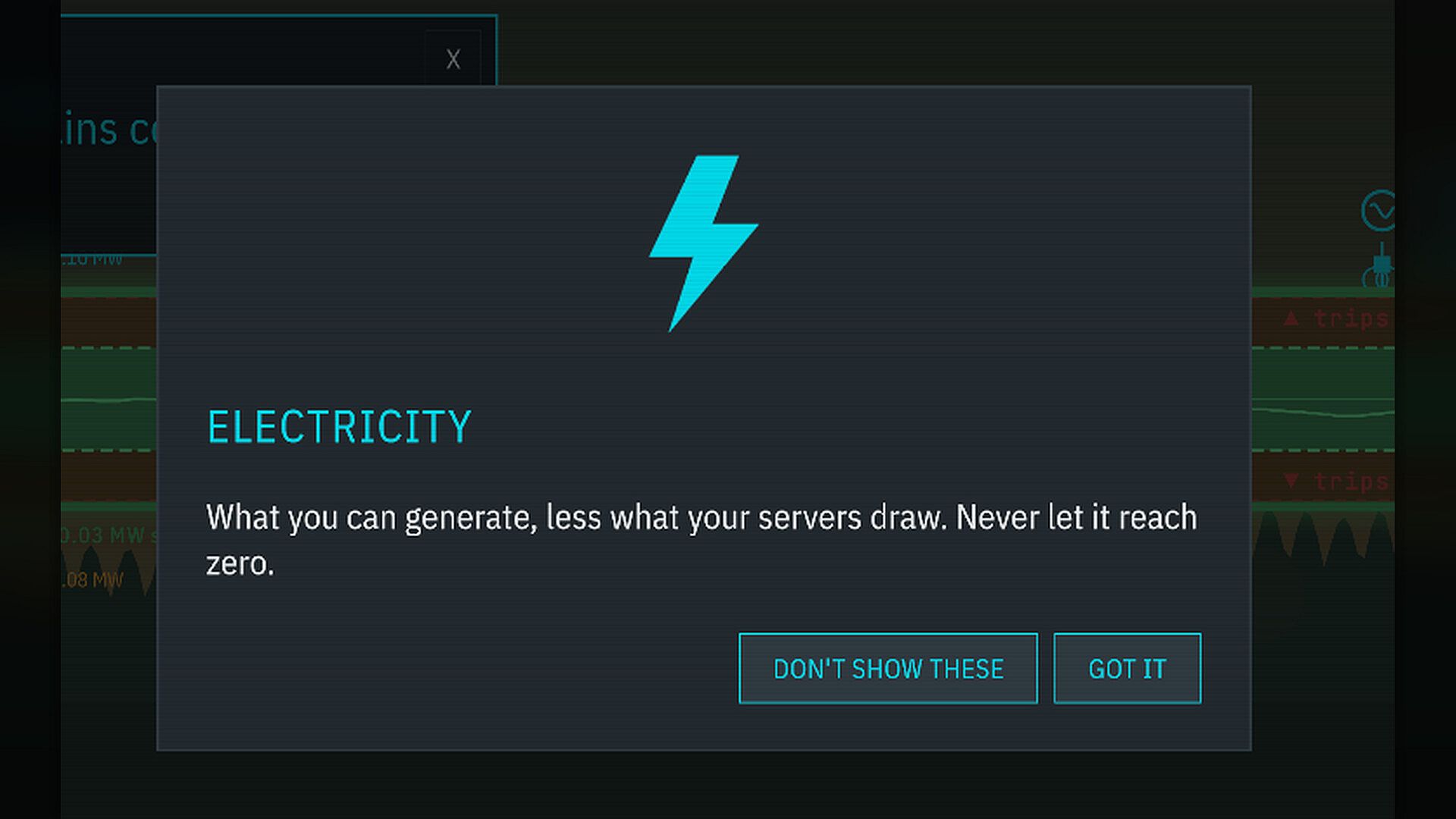
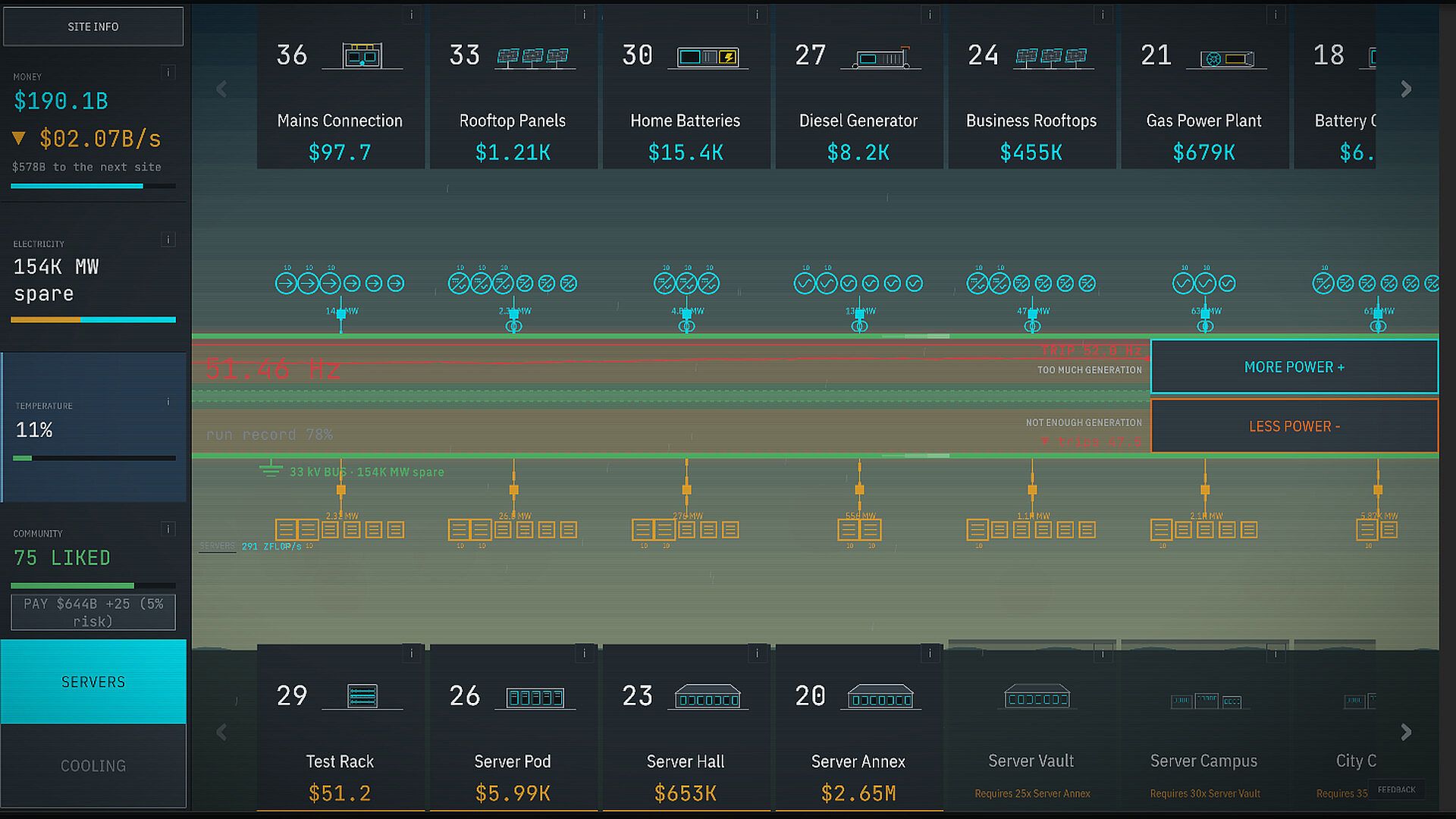
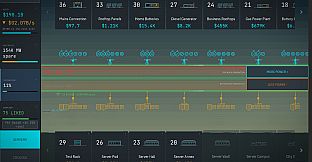
Players start alone in a shed on a remote property and scale operations across ten distinct sites that range from basic farm setups to full hyperscale campuses. Racks generate revenue only when they receive adequate power, and any shortfall in generation causes frequency to drop, which can cascade into site-wide shutdowns. Generation options include grid connections, diesel generators, solar arrays, wind turbines, battery storage, and advanced nuclear setups that require dedicated fencing for safety. Brown energy sources deliver quick capacity at lower cost but carry environmental drawbacks, while green alternatives prove more expensive yet face less resistance in the long term.
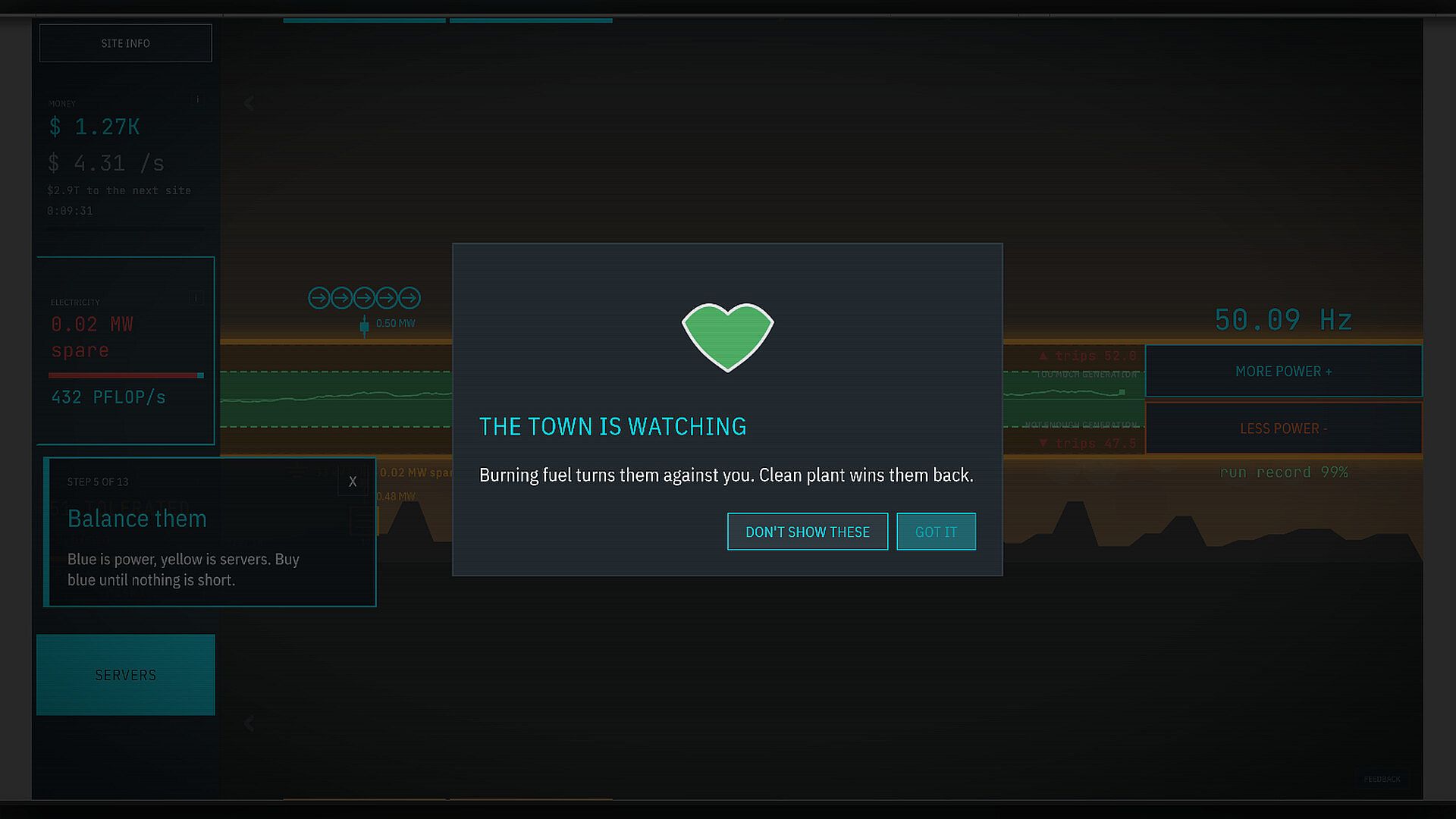
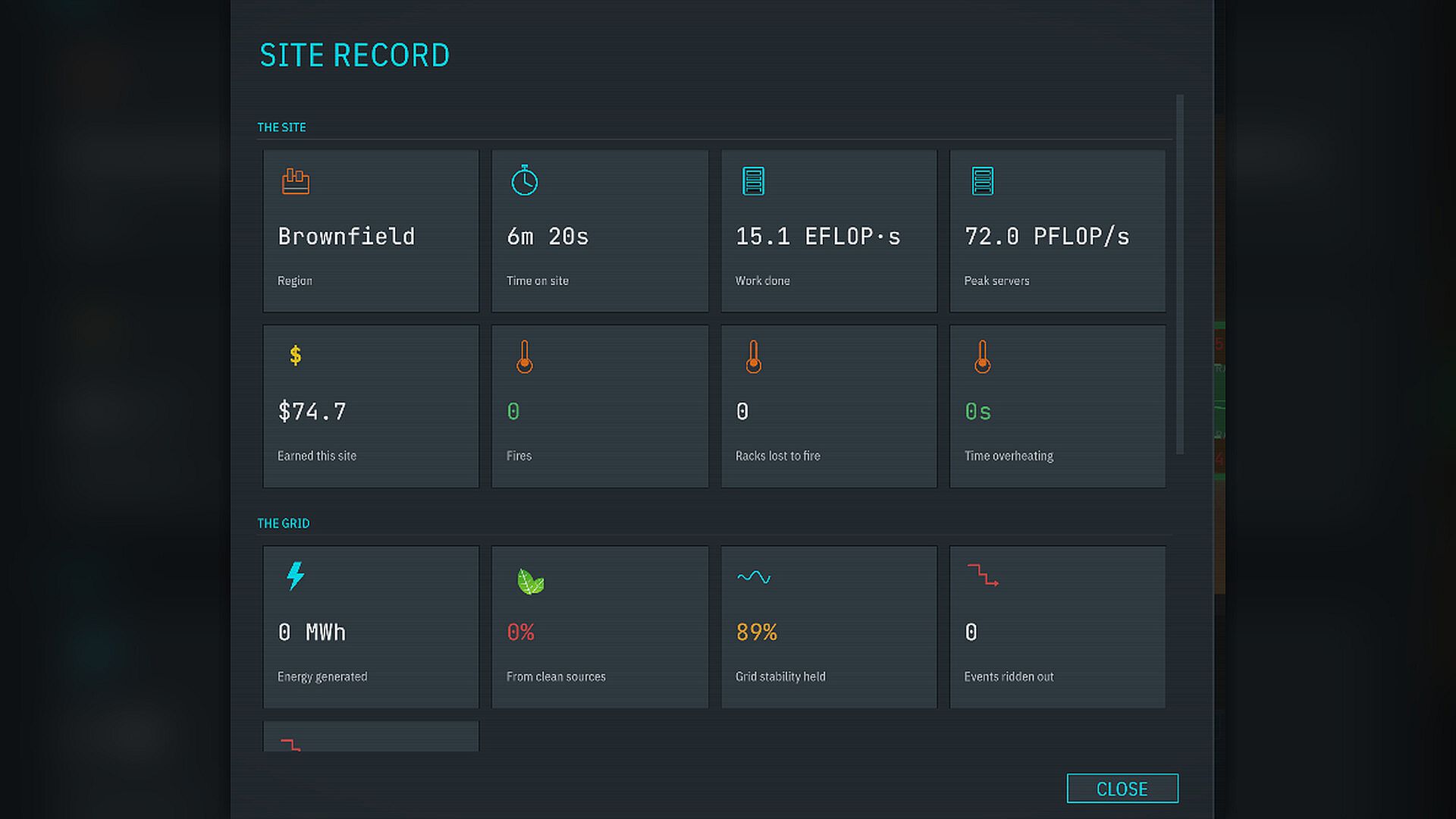
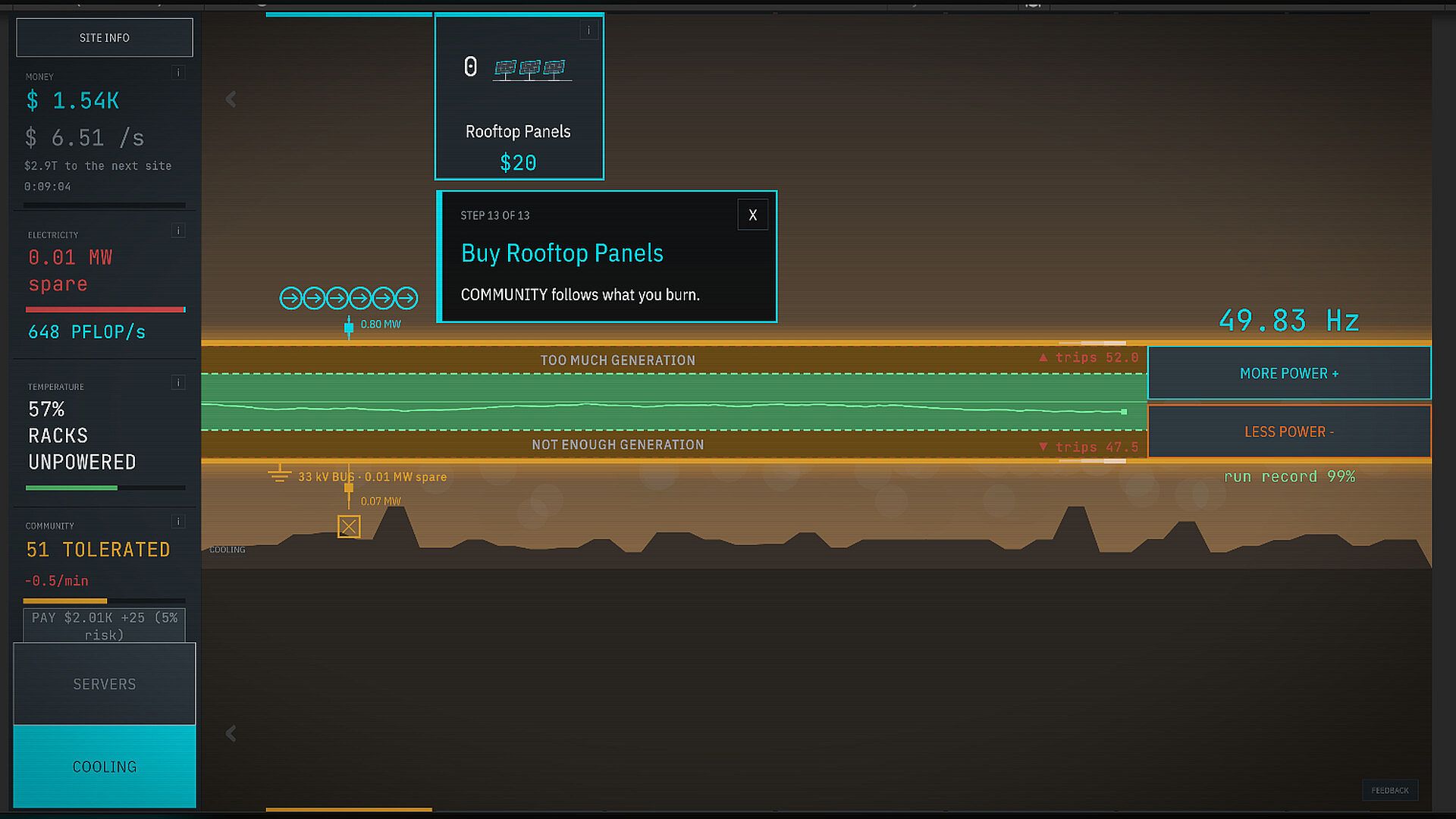
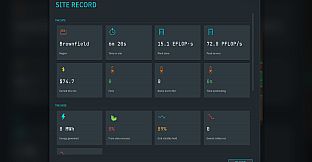
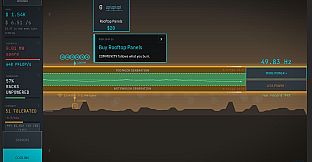
Cooling systems activate automatically when racks overheat, consuming additional power and tightening the overall energy budget. Headroom management becomes critical because excess compute without matching generation leaves equipment idle and unprofitable. Site reports track performance through both simplified summaries and detailed engineering statistics that use industry-standard terminology for grid operations, load balancing, and curtailment events. Graphs display real-time data on frequency, power draw, and revenue trends, allowing players to diagnose issues before they escalate into full incidents.
Offline progress continues to accumulate earnings even when the game is closed, and these resources remain vulnerable to raids by other players. The absence of timers, advertisements, microtransactions, or energy systems keeps the focus entirely on mechanical progression and infrastructure decisions.
Game Modes
Progression unfolds through a linear sequence of ten sites, each presenting escalating challenges in power matching and infrastructure scale. Early locations emphasize basic rack deployment and simple generation mixes, while later sites demand complex combinations of renewable sources, storage, and high-density compute layouts. The campaign structure encourages repeated visits to earlier sites for optimization after unlocking advanced technologies.
Players can experiment with different generation portfolios on each site without external pressure, testing how brown versus green choices affect long-term stability and costs. Incident reports log cascade failures when frequency management goes wrong, providing feedback that informs adjustments on subsequent attempts. The design supports both short sessions focused on incremental builds and longer playthroughs that refine entire campuses for maximum output.
Key Mechanics and Systems
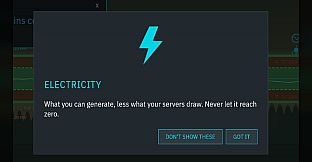
Frequency matching requires constant attention because supply and demand must align every second. Dispatching additional megawatts from any source prevents sags that drop racks offline and risk broader grid instability. Curtailment mechanics reflect real-world constraints, forcing players to manage excess generation or face penalties in efficiency.
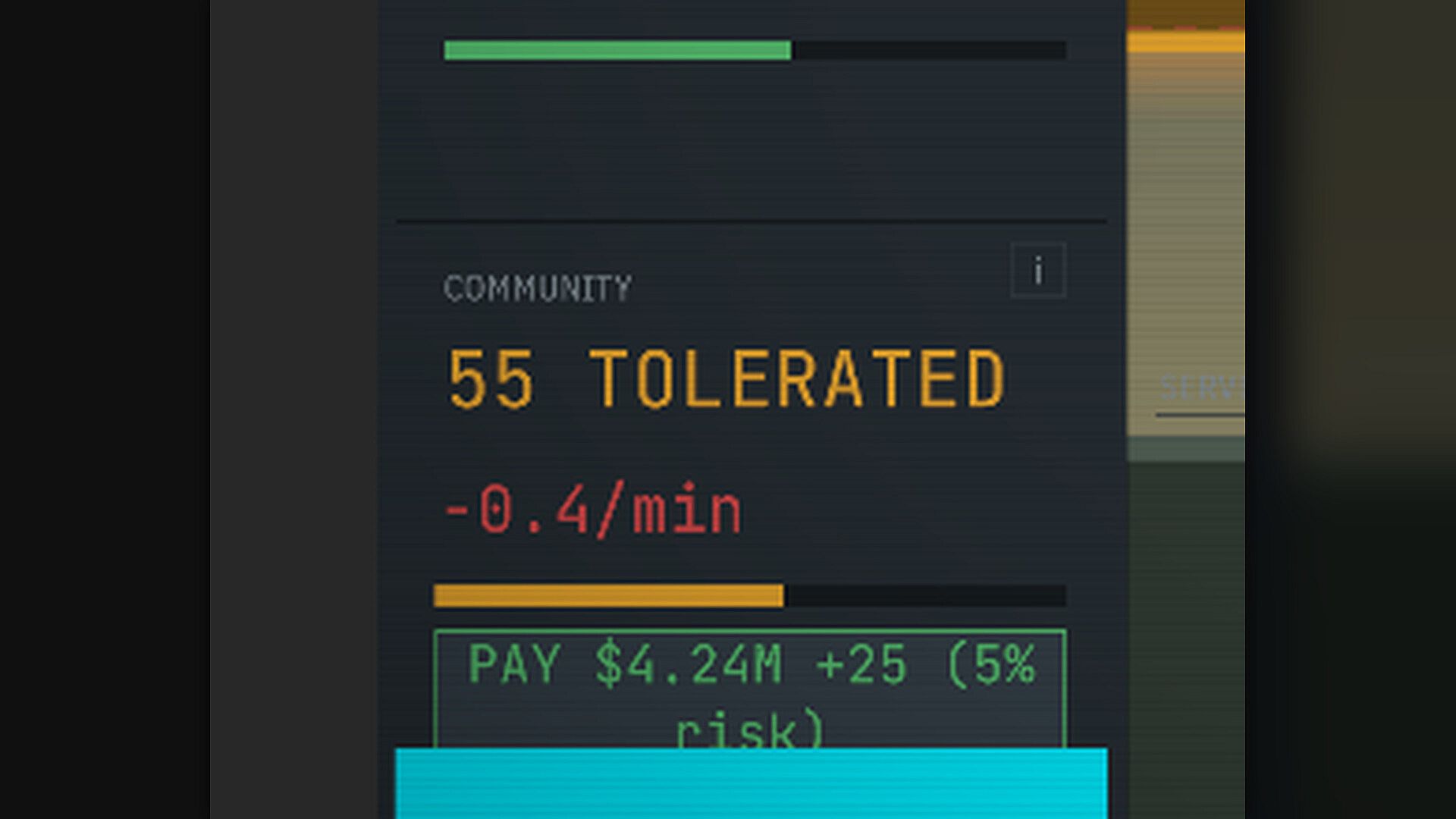
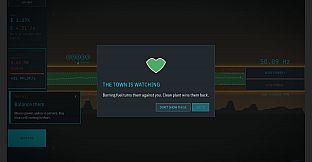
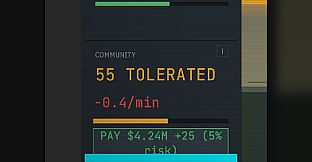
Goodwill functions as a tangible resource that influences community tolerance for certain generation types, particularly the more controversial options. Graphs and statistics provide both accessible overviews and precise engineering data, helping players understand grid behavior without requiring prior expertise. The soundtrack supports extended play sessions with tracks that complement the steady rhythm of monitoring and expansion.
Is It Worth Playing?
HYPERSCALE suits players who enjoy idle simulations built around resource balancing and infrastructure growth rather than action or narrative elements. The emphasis on realistic power constraints, frequency stability, and cascading failures delivers a focused experience that rewards careful planning and iterative refinement across multiple sites.
Those drawn to technical simulations will appreciate the progression from a single rack to full campuses, along with the freedom to mix generation sources and observe their effects on stability and revenue. The lack of monetization systems and the presence of offline earnings with social raiding elements add layers of ongoing engagement without artificial limits.
Players seeking quick matches or competitive multiplayer should look elsewhere, as the title centers on solitary, methodical construction and management. For fans of casual simulation games that incorporate genuine engineering concepts, the ten-site structure and detailed feedback systems provide substantial depth worth exploring at a measured pace.