













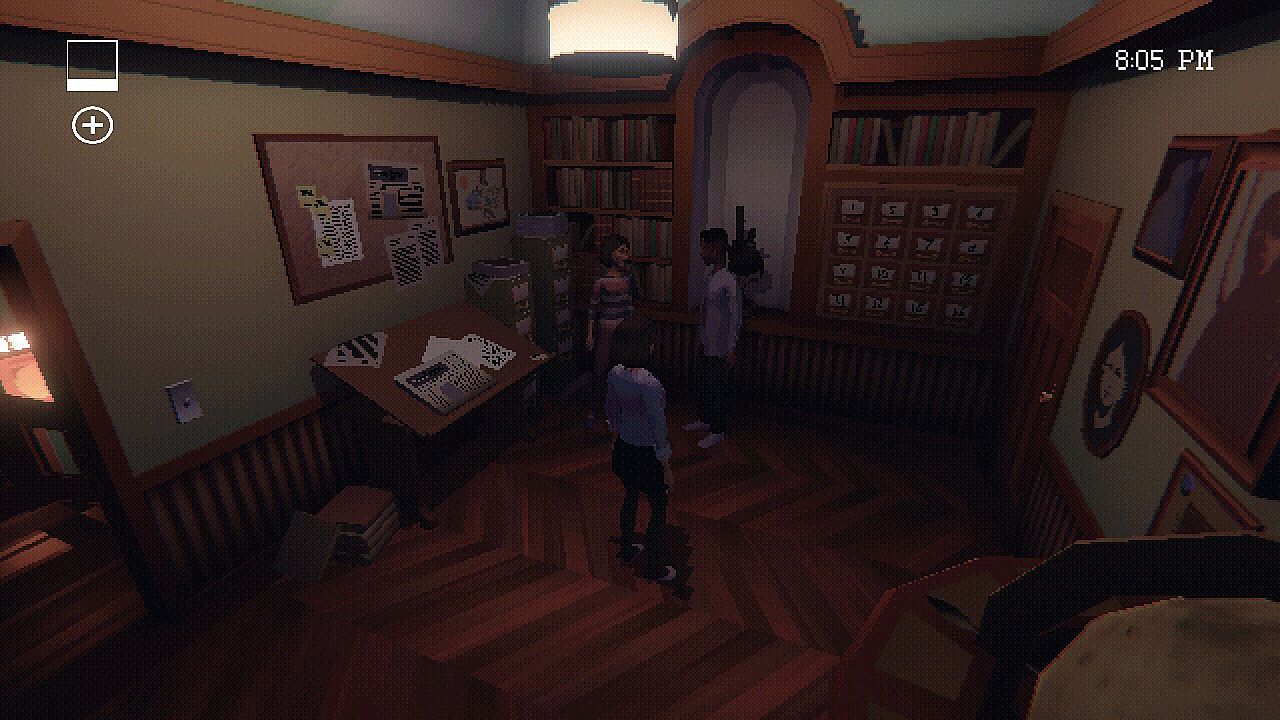



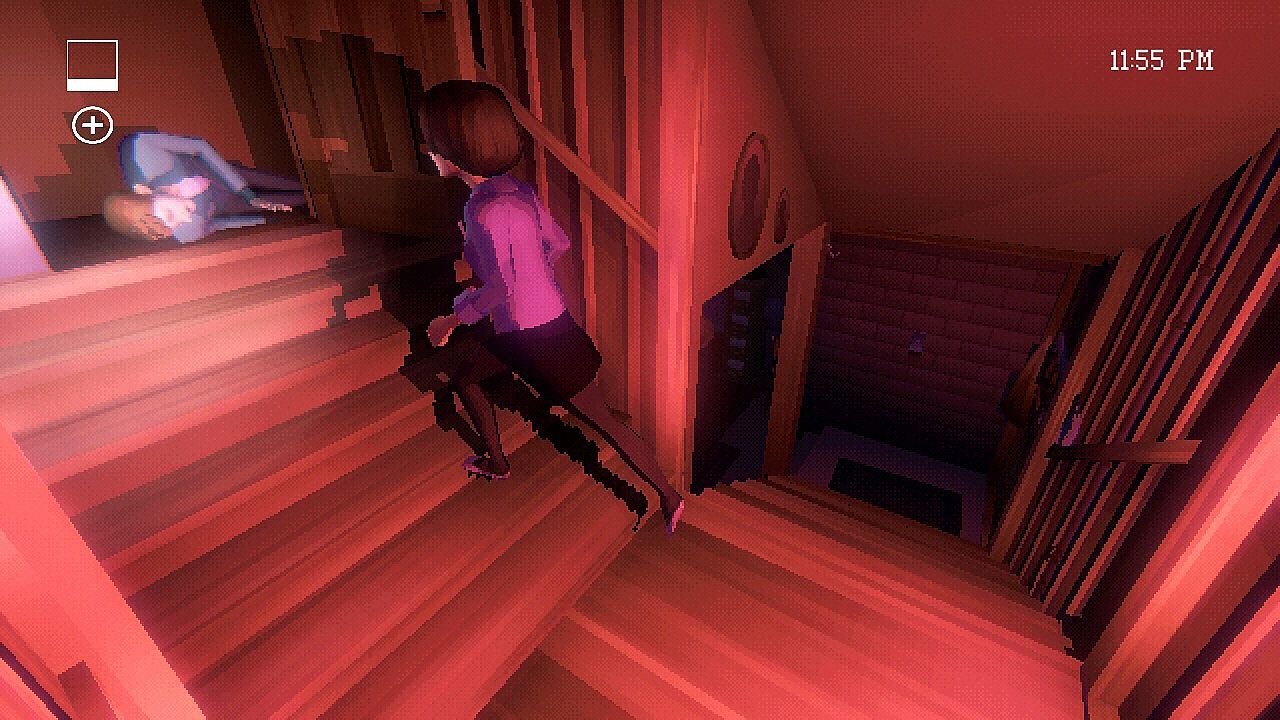


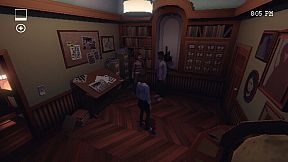

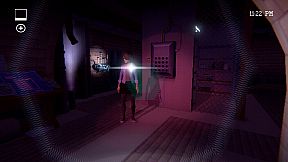

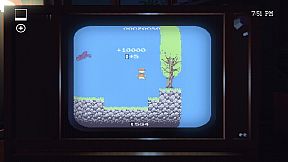

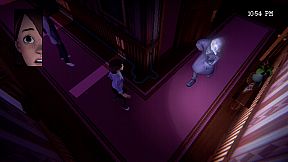


Homebody is a single-player time loop horror puzzle adventure game developed by Game Grumps and released on PC. Players take on the role of Emily during a strained weekend gathering with college friends at a remote rental house. The story centers on emotional tensions, social anxieties, and a sudden shift into survival against an unseen killer, all wrapped in repeating nights that reward accumulated knowledge.
Gameplay
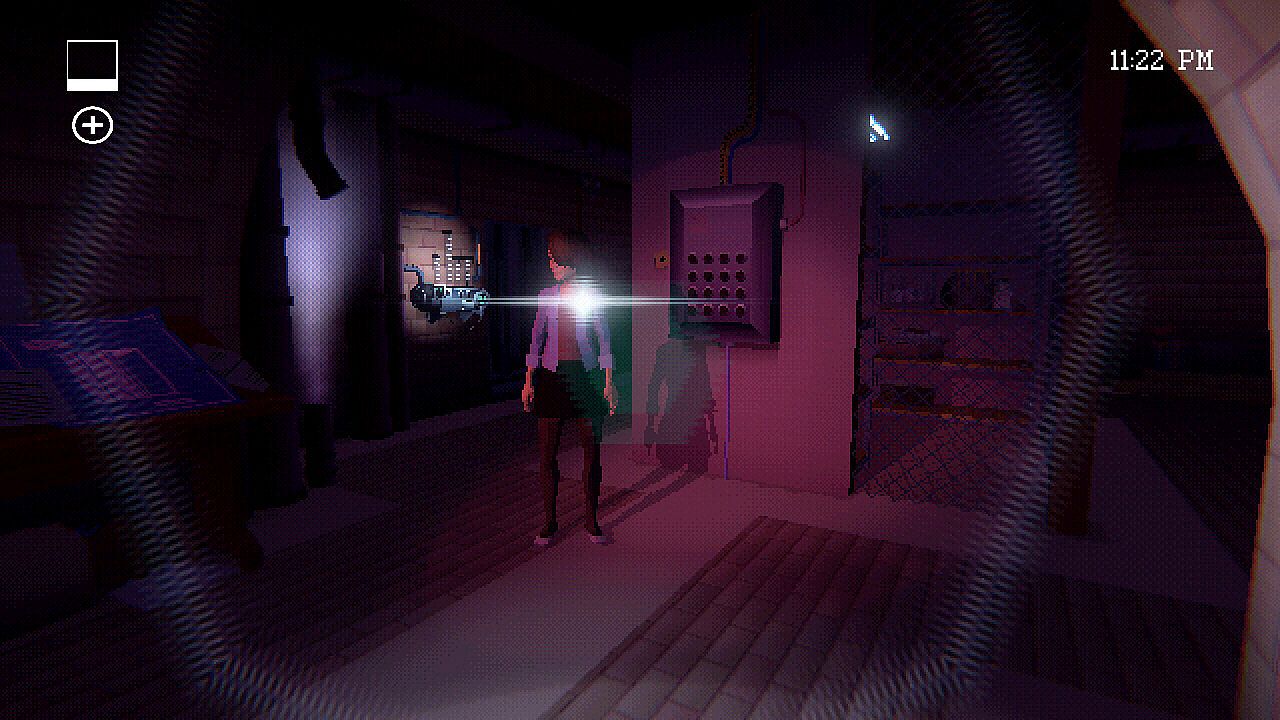
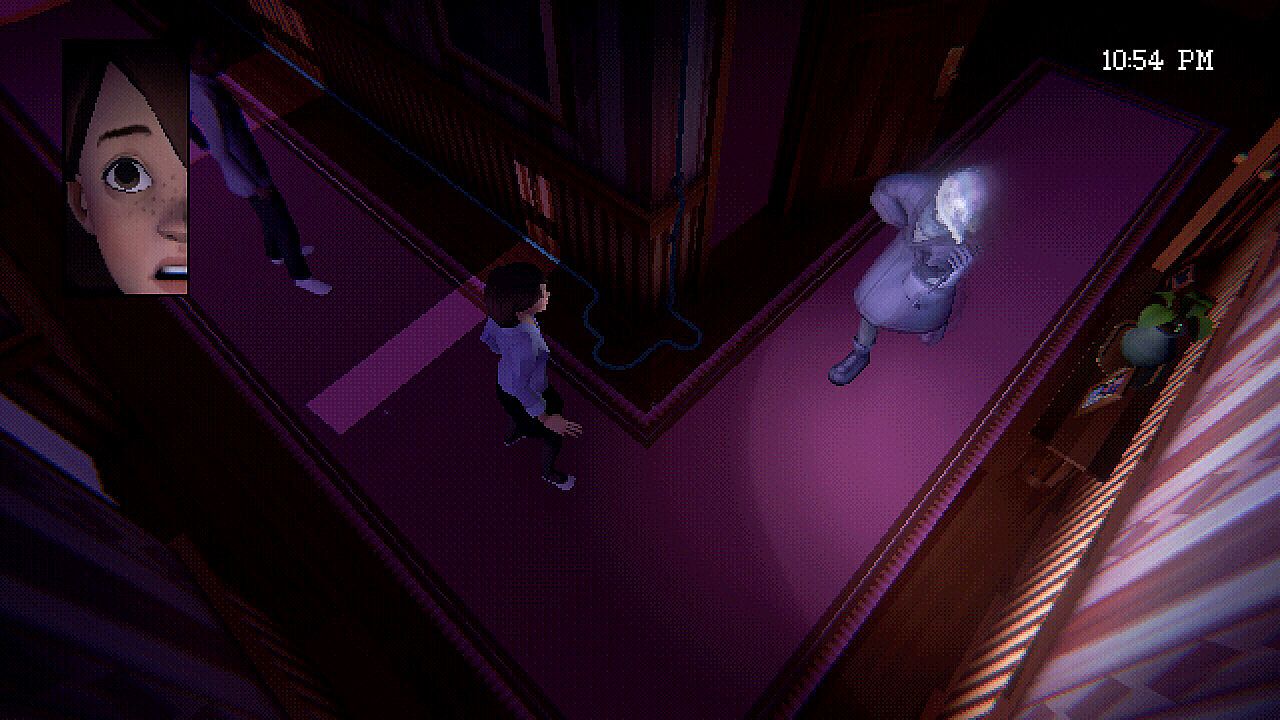
The core loop revolves around navigating a single house environment while avoiding an aggressive killer. Players move through rooms, interact with objects, and manage limited visibility once the power fails. Stealth forms a key part of survival, requiring quiet movement and the use of closets or other hiding spots to evade detection. The killer follows responsive patterns that change based on player actions across loops.
Puzzles emphasize non-linear problem solving. Many solutions involve combining items or environmental clues discovered in prior attempts. An in-game journal helps track observations, codes, and partial solutions without resetting progress on death. Dialogue choices with friends influence short exchanges and reveal backstory fragments, though these interactions remain secondary to exploration and escape efforts.
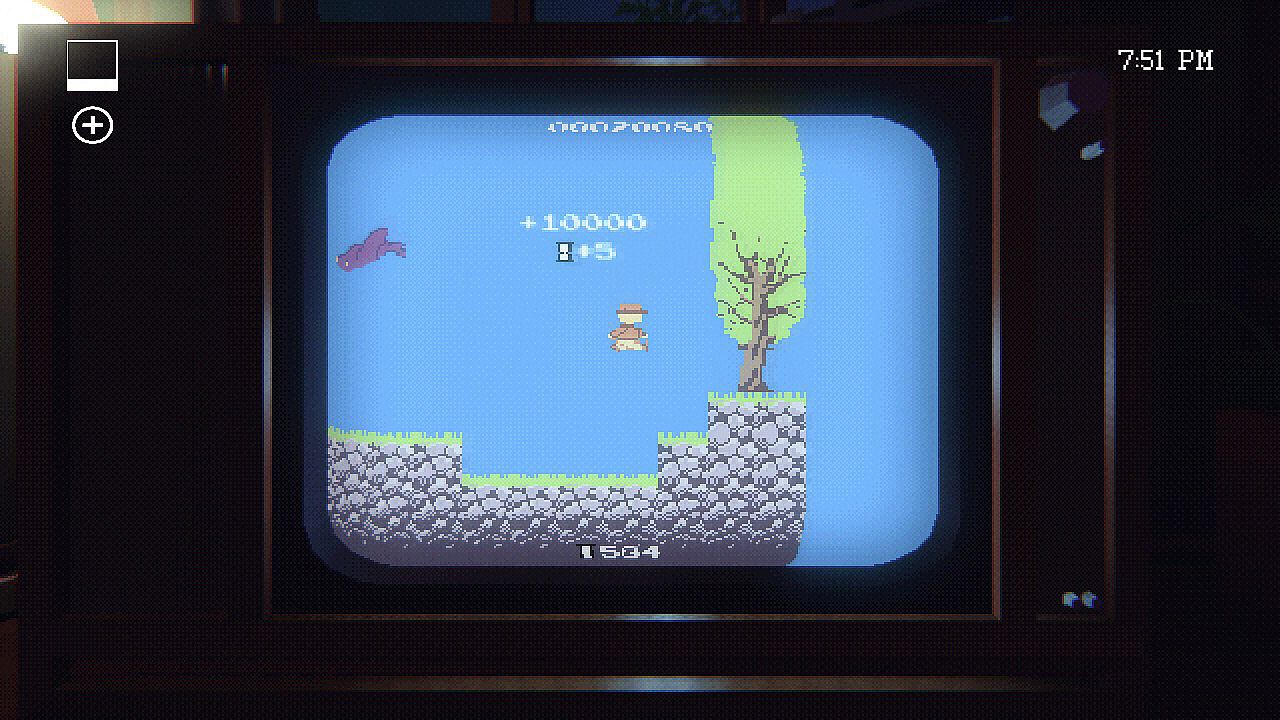
Each loop begins in the foyer after a fatal night. Retained information allows faster navigation and puzzle resolution on subsequent runs. Time pressure exists in the form of the killer's patrols, pushing players to balance careful searching with quick decisions. The design draws clear inspiration from classic point-and-click adventure titles for its puzzle structure and from retro survival horror for tension and limited resources.
Game Modes
Homebody functions entirely as a single-player experience with no separate multiplayer or competitive options. The central structure is the time loop itself, which serves as the repeated framework for progression. There are no distinct difficulty settings or alternate campaigns confirmed in the release.
Players advance through the narrative by completing objectives across loops, with the journal and retained knowledge acting as the primary tools for overcoming repeated challenges. The game maintains one consistent playthrough path that branches slightly through dialogue selections but converges on the same core mystery and escape sequence.
Narrative and Themes
The story unfolds gradually through repeated nights at the house. Initial scenes establish the group dynamics and Emily's feelings of isolation amid old friendships. As loops continue, more details emerge about past events and individual struggles, shifting focus toward mental health topics such as anxiety and unresolved conflicts.
Choice-driven conversations provide opportunities to probe relationships without altering the overall outcome dramatically. The narrative integrates horror elements with personal reflection, using the time loop mechanic to revisit and reinterpret the same conversations and encounters from new angles.
Is It Worth Playing?
Homebody suits players who enjoy deliberate puzzle solving combined with light stealth and a compact, self-contained story. The time loop format encourages experimentation and note-taking, rewarding persistence with clearer understanding of both the house layout and character backstories.
Reception highlights the atmospheric tension, inventive puzzle design, and emotional depth as standout features. The game runs at a moderate length suitable for focused sessions, and its indie scale keeps mechanics straightforward without unnecessary complexity. Those drawn to narrative-driven horror with retro influences and themes of personal growth will find the experience engaging from start to finish.